
Cat Laser Therapy: Red Light Relief for Feline Pain at Home
Not sure if laser therapy is right for your cat?
Take our 2-minute, vet-reviewed quiz and get a clear answer based on your cat’s age, symptoms, and condition.
If your cat has been sleeping more, jumping less, or just seems “off,” you’re not alone in wondering what’s wrong. Cats are notoriously good at hiding discomfort, which makes finding safe, effective ways to help them feel better all the more important.
Cat laser therapy—sometimes called red light therapy or cold laser therapy—is gaining ground as a non-invasive, drug-free way to reduce pain and promote healing in felines. As a non invasive treatment, laser therapy offers a gentle option for managing feline pain and supporting healing without surgery or medication. Once available only in veterinary clinics, this technology is now accessible at home through devices like the MedcoVet Luma, giving cat parents a practical way to support their pet’s comfort without constant clinic visits.
In this guide, we’ll break down exactly what cat laser therapy is, how it works in your cat’s body, which conditions it treats, and how to choose the right device for your feline companion.
Answering Your First Question: What Is Cat Laser / Red Light Therapy?

When people search for “cat laser therapy,” they’re usually looking for information about low-level laser or red/infrared light therapy—a treatment that’s been used by veterinarians for decades and is now safely available for home use.
At its core, this therapy uses specific wavelengths of light (typically around 630–850 nm) to stimulate cells, reduce inflammation, and relieve pain. The process involves directing these therapeutic light wavelengths into the cat’s body, where they interact with tissues to accelerate healing and alleviate symptoms of musculoskeletal conditions such as arthritis. It’s completely non-invasive, meaning no needles, no incisions, and no recovery time. The term “photobiomodulation” is the scientific name for this process, though you’ll also hear it called “cold laser” because the light doesn’t generate heat that burns or cuts tissue.
Here’s what you need to know at a glance:
- Cat laser therapy uses deep penetrating light to trigger chemical reactions that promote healing and pain relief
- It’s a drug-free treatment that doesn’t require sedation, surgery, or medication
- The therapy works by boosting cellular energy production (ATP), which supports tissue repair and reduces inflammation
- “Cold laser” simply means the power is low enough that it won’t heat or damage tissue
- Modern devices like MedcoVet Luma combine the best of laser and LED technology to deliver therapeutic wavelengths safely at home
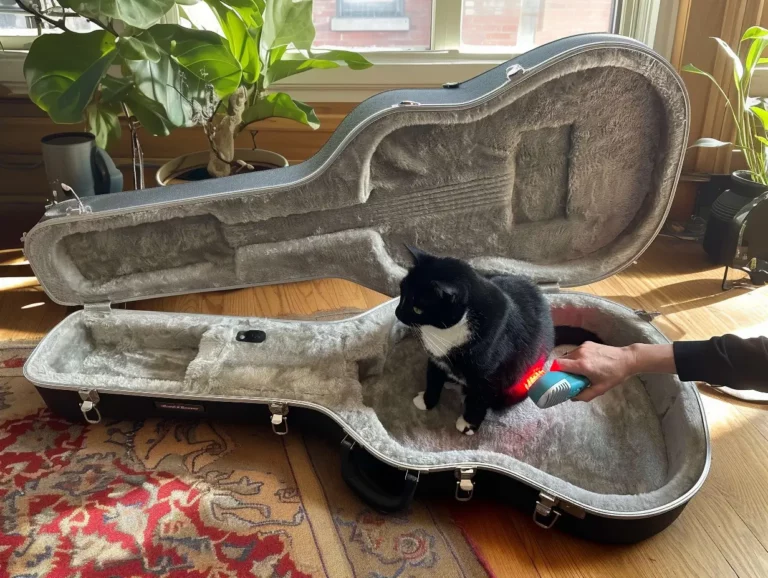
- Sessions are typically short (under 15 minutes) and pain-free—most cats relax or even nap during treatment
The procedure involves directing low-level lasers at the cat’s affected areas to accelerate cell regeneration and increase blood circulation. Photobiostimulation helps relieve pain through the release of endorphins and stimulates injured cells to heal at an accelerated pace.
Want a simple breakdown of how red and near-infrared light actually help cats heal?
Clear science, safety flags, and when light therapy makes sense.
Speedy
How Cat Laser Therapy Works in the Body
Light therapy works by delivering specific wavelengths of light that pass through your cat’s skin and are absorbed by cells. This triggers a cascade of beneficial effects at the cellular level—without generating any damaging heat.
The key wavelength range for therapeutic effects is 600–850 nm. Red light (around 630–700 nm) penetrates surface tissues effectively, while near-infrared light (700–1,100 nm) reaches deeper structures like joints, muscles, and the spine. Different depths of tissue require different wavelengths, which is why effective devices use a combination of both.
Here’s what happens inside your cat’s body during a session:
- Light energy is absorbed by mitochondria (the “power plants” inside cells)
- This absorption stimulates injured cells and increases ATP production—the energy currency that fuels cellular repair
- Blood flow improves through vasodilation, bringing oxygen and nutrients to damaged areas
- Inflammatory molecules decrease while natural healing compounds increase
- Nerve cells are stimulated in ways that help block pain signals from reaching the brain
- Collagen and elastin production increases, supporting skin health and joint repair
The science only works when the dose and wavelengths are right.
See how the MedcoVet Luma is built around these exact ranges
Apollo
The MedcoVet Luma is engineered around these clinically studied wavelengths, so you don’t have to guess about settings or worry about whether you’re using the right light for your cat’s condition.
Laser Therapy vs. “Red Light” vs. Cold Laser for Cats
If you’ve researched light therapy for cats, you’ve probably noticed that terms like “laser therapy,” “red light therapy,” and “cold laser” get tossed around interchangeably. This can be confusing, but here’s the simple breakdown: they all refer to the same underlying science—photobiomodulation.
- Cold laser: A low-level laser that doesn’t heat tissue. Used in veterinary clinics since the 1970s for wound healing, reducing inflammation, and providing pain relief. The “cold” part means it won’t burn—not that it feels cold.
- Red light therapy: Originally associated with NASA research in the late 1990s, this term usually refers to LED-based devices. Most modern red light therapy devices for pets actually use both visible red and invisible near-infrared light for comprehensive treatment.
- Laser therapy: The broader category that includes both high-power clinical lasers and low-level therapeutic lasers. In veterinary contexts, this often refers to photobiomodulation treatments.
- Photobiomodulation: The precise scientific term for using light to adjust biological processes. It doesn’t roll off the tongue, but it’s what all these therapies have in common.
MedcoVet Luma combines laser-like beam shaping with high-output LEDs, giving you clinic-grade results in a stationary, home-safe design that doesn’t require expert handling.
Confused by lasers, LEDs, and at-home devices?
What specs matter • What claims to ignore • How to avoid buying the wrong thing
Caspian
What Makes a “Cold” Laser Different From Surgical Lasers?
The distinction matters because not all lasers are created equal—and some are definitely not safe for home use.
Surgical lasers use many watts of power to cut, cauterize, or ablate tissue. They’re designed to generate heat and are used for procedures like tumor removal or surgical incisions.
Cold lasers and light therapy devices use much lower power levels (around 1 watt for home devices) to signal cells to heal rather than to destroy tissue. High-power clinical lasers (around 25 watts) are effective but must be constantly moved over the skin by trained staff to prevent burns.
Stationary, low-power devices like Luma can sit safely on one area of your cat’s body without risk of overheating. This makes them ideal for home use.
For chronic conditions like arthritis, research consistently shows that lower-dose, frequent therapy often works better than rare, high-power sessions. This is why at-home devices have become increasingly popular—they allow for the consistent treatment that produces the best outcomes.
How Laser Therapy Provides Pain Relief for Cats
Pain relief from light therapy isn’t magic—it works through three well-documented biological mechanisms that address pain at its source and effectively alleviates pain in cats.
Reduced inflammation through improved circulation: Light widens small blood vessels (vasodilation), bringing in oxygen and nutrients while flushing out inflammatory waste products. The lymphatic drainage system also improves, helping clear swelling from injured joints and soft tissue trauma.
Calmer nerves: Light therapy modulates nerve activity by stimulating nerve cells in ways that block pain signals from being transmitted to the brain. This means your cat perceives less pain, even as healing continues.
Natural pain-killing compounds: Treated tissues release endorphins—the cat’s body’s own pain-killing compounds. Laser therapy helps relieve pain through the release of endorphins, providing biochemical pain relief similar to how exercise produces a “runner’s high” in humans.
Cats often show subtle signs of relief within days to weeks of consistent therapy:
- Jumping onto furniture they’d been avoiding
- Grooming more regularly
- Playing again
- Moving with less stiffness after sleeping
- Returning to normal activity decreased desire to hide
If your cat has stopped jumping, grooming, or playing, you do not have to guess what might help
No pressure • No obligation • Real clinicians
Gemma
Key Benefits of Cat Laser / Red Light Therapy
The benefits of laser therapy span both immediate relief and long-term improvement in your cat’s quality of life. With consistent treatment, many cats experience meaningful changes in comfort and mobility. The benefits of laser therapy may vary depending on your cat’s condition, as treatment plans are tailored to address specific health issues such as arthritis, chronic pain, or wound healing.
- Pain reduction: Cats suffering from arthritis, degenerative joint disease, hip dysplasia, IVDD, and chronic joint strain often show noticeable improvement. Older cats who struggle to jump or use stairs can regain mobility.
- Faster wound healing: Post-surgical wounds (from spay/neuter, fracture repair, dental extractions) heal more quickly with less swelling. The same applies to traumatic injuries from bites, scratches, and soft tissue bruising. Laser therapy can also aid in the healing of bite wound abscesses in outdoor cats.
- Improved skin health: Conditions like hot spots, feline acne, chronic ear infections, gingivitis, and minor dermatitis can benefit from light therapy when used under veterinary guidance.
- Reduced medication dependence: For feline patients who can’t tolerate NSAIDs or steroids well, light therapy offers an alternative or complementary approach to pain management.
- Better daily comfort: Senior cats often show reduced stiffness after activity, improved sleep, better grooming habits, and more normal litter box use.
MedcoVet Luma makes these benefits achievable at home through frequent, gentle sessions rather than occasional—and stressful—clinic visits.
Cats Don’t Complain — Spotting Pain Your Cat Won’t Show You

Here’s the tricky part: cats are masters of mystery. They don’t limp dramatically or cry out when something’s wrong. Instead, they hide. Sleep more. Stop jumping. Play less. Or just seem… off.
Because cats instinctively hide pain as a survival mechanism, owners must watch for behavior changes rather than obvious signs of distress.
Signs your cat may be experiencing pain:
Behavior Change | What It Might Mean |
|---|---|
Reluctance to jump onto favorite spots | Joint pain, stiffness |
Missing the bed or furniture | Weakness, coordination issues |
Sleeping more than usual | Pain, fatigue |
Avoiding stairs | Hip, knee, or spine pain |
Changes in litter box use | Pain when squatting or climbing in/out |
Unkempt coat or mats on lower back may indicate underlying pain or mobility issues | Too painful to groom |
Overgrooming specific areas | Localized pain (hips, knees) |
Usual limping decrease in activity | General discomfort |
If you notice any of these changes, consult your veterinarian before starting or adjusting light therapy. A proper diagnosis ensures you’re treating the right problem.
Conditions in Cats Commonly Treated With Laser / Red Light Therapy
Veterinarians utilize laser therapy for both chronic conditions (like arthritis) and acute injuries (like post-surgical wounds or sprains). Some conditions, such as arthritis, may require ongoing treatments to maintain improvement. The therapy’s versatility makes it valuable across many cat health conditions, with treatment plans tailored to the cat’s condition.
- Osteoarthritis and degenerative joint disease: The most common reason vets offer laser therapy for cats. Typical problem areas include hips, knees, elbows, and the spine—especially in older cats or those with a history of injuries.
- IVDD and spinal discomfort: Light therapy supports mobility, reduces chronic low back pain, and assists in rehabilitation programs prescribed by a veterinarian.
- Hip or elbow dysplasia: Helps manage joint pain without relying solely on medications, which is particularly important for cats with liver concerns or medication sensitivities.
- Post-surgical recovery: Speeds healing of surgical incisions, reduces swelling, and shortens recovery time after procedures like fracture repair, tendon injuries post surgical care, or dental surgery.
- Soft-tissue injuries: Sprains, strains, open wounds muscle injuries, and bruises from falls or rough play respond well to light therapy, which reduces inflammation and promotes faster healing.
- Skin and ear conditions: Hot spots, minor wounds, chronic ear infections, and certain forms of dermatitis can be treated with laser therapy for cats under veterinary guidance.
Improvement from laser therapy can often be seen within 12-24 hours after treatment for some acute issues.
Arthritis and Mobility Issues: The Most Common Use Case
Arthritis is the number one reason veterinarians recommend laser treatment for cats, particularly those over 10 years old. Degenerative joint disease affects a surprising number of cats—studies suggest over 90% of cats over age 12 show radiographic evidence of arthritis.
Consistent light therapy can help your cat move more comfortably, enabling better jumping, climbing, and grooming. Unlike a single laser therapy appointment, improvement typically builds over 4–6 weeks with multiple weekly sessions. Most laser therapy sessions last between 3 and 10 minutes per area, with initial treatment frequency varying based on the severity of the cat’s condition.
Clinical protocols generally recommend 18–24 sessions for optimal results, not a single treatment. Monthly treatments may be recommended for ongoing management of chronic conditions. This is why home devices like Luma are so valuable—they make a sufficient laser treatment schedule achievable without the stress and expense of constant clinic visits.
Track changes in your cat’s mobility and behavior over time. MedcoVet’s companion app can help you log progress and share updates with your clinician for treatment plan adjustments.
Types of Veterinary Laser and Light Devices for Cats
Not all light therapy devices are created equal. Power output, wavelength, and safety features all matter when choosing a device for your cat.
Device Type | Power | Setting | Pros | Cons |
|---|---|---|---|---|
High-powered clinical lasers | ~15–25 W | Clinic only | Fast, deep penetration | Burn risk, requires expert handling, stressful for cats |
Superpulse lasers | High peak power (pulsed) | Clinic/specialty | Deep penetration with reduced burn risk | Expensive, longer sessions, specialist-managed |
Stationary home devices (like Luma) | ~1 W | Home use | Safe, no burn risk, ideal for frequent use | Best for mild-to-moderate conditions, less depth than high-power |
LED panels/wands | Varies | Home use | Cover broad areas | Often lack proper dosing guidance for pets |
MedcoVet Luma is built specifically for pets, with wavelengths, output, and protocols tuned for safe home use under clinician guidance. It’s designed to deliver veterinary-grade treatment without requiring the constant movement and expertise that high-powered handheld laser wand devices demand.
Why Vets Are Moving Toward At-Home Laser Therapy
For years, veterinary laser therapy was only available in clinics. But the practical challenges of clinic-based treatment have pushed many vets toward recommending at-home solutions.
The problem with clinic-only treatment: Best results require 2–3 visits per week, which is difficult for many cat owners and stressful for cats who hate car rides and unfamiliar environments.
The science supports frequent, gentle dosing: Photobiomodulation follows a biphasic dose-response curve. This means low-to-moderate doses stimulate healing, but excessive doses can actually stop or reverse the benefit. More light isn’t always better—consistency is.
Cumulative dosing wins: A 23-dog osteoarthritis study with 3 sessions per week showed improvements starting in week one and continuing for 6+ weeks. Meta-analyses consistently show that gentle, frequent treatment outperforms rare, high-power blasts.
Home devices enable real compliance: High-power lasers can work, but only if you maintain 2–3 weekly clinic visits. Luma’s low-intensity, eye-safe beam lets you treat at home in under 15 minutes, maintaining gains between vet check-ins instead of starting from scratch every visit.
With MedcoVet Luma, clinicians create a custom treatment plan and adjust frequency based on your cat’s progress—blending home convenience with veterinary-level oversight.
Most cats do better with calm, familiar routines
Watch the 15-Minute Crash Course: From Chronic Pain to Playtime
Suits
What a Cat Laser Therapy Session Is Like
Whether you’re considering clinic treatment or at-home therapy, knowing what to expect can help you (and your cat) feel more comfortable.
In-clinic sessions typically involve placing your cat on an exam table while a trained technician moves a high-powered device over the treatment area. At home with Luma, the experience is much more relaxed—your cat can lie on their favorite bed or your lap while the device does its work.
Here’s what a typical at-home session looks like:
- Duration: 3–8 minutes per treatment area; total session time usually under 15 minutes
- Sensation: Pain-free and quiet—cats feel gentle warmth at most and often relax or nap during treatment
- Positioning: Cat can lie on a bed, blanket, or lap while the device is placed over the target area (hips, knees, spine, incision site)
- Immediate effects: Some cats show looser movement or more comfort right away; others improve gradually over several sessions
- Comfort measures: Treats, a calm voice, and a familiar environment help—no shaving, sedation, or clipping required with Luma
The process is surgery-free, non-invasive, and low-stress. Most cats quickly learn to associate sessions with positive attention and relaxation.
How Many Treatments Will My Cat Need?

Treatment length varies based on your cat’s condition, severity, and individual response. There’s no one-size-fits-all answer, but here are general guidelines:
- Acute issues (fresh wounds, post-surgical incisions): Daily or every-other-day treatment for 1–2 weeks until healed
- Chronic arthritis and joint disease: 2–4 sessions per week for 3–6 weeks, then taper to maintenance (weekly or a few times monthly)
- Timeline for improvement: Some cats show changes after the first few sessions; others, especially with long-standing arthritis symptoms, may take several weeks
- Cumulative effect: Photobiomodulation benefits build over time, so consistency matters more than occasional high-intensity sessions
- Personalized protocols: With MedcoVet Luma, clinicians design a schedule based on your cat’s specific needs and adjust as mobility and pain scores change
Ongoing treatments for chronic conditions are typically less frequent than initial protocols but remain important for maintaining comfort.
When Will I See Results?
This is one of the most common questions cat owners ask, and the honest answer is: it depends.
Some cats seem more relaxed or mobile within 24–48 hours of initial treatments. Others show gradual gains over 2–4 weeks. The key is watching for subtle changes:
- Easier jumping onto furniture
- Less stiffness after sleeping
- Better appetite
- More interaction with family members
- Return to normal grooming habits
- Willingness to play
Chronic degenerative issues aren’t “cured” by light therapy, but pain and inflammation can be significantly reduced and function improved. The healing process takes time, especially for conditions that have been developing for months or years.
If you’re not seeing changes after the recommended time frame, check in with your veterinarian or MedcoVet clinician. Your cat’s treatment plan may need adjustment, or additional treatment facilitates may be helpful.
Safety and Side Effects of Cat Laser Therapy
Low-level laser and red light therapy, when used correctly, are considered very safe for cats. Unlike medications that must be processed by the liver or kidneys, light therapy has no systemic side effects reported in the veterinary literature.
Safety highlights:
- Non-invasive: No needles, no incisions, no systemic strain on organs
- Pain-free: Treatments are quiet and comfortable; most cats tolerate them well
- Eye-safe: High-powered clinical lasers require protective goggles, but stationary, low-power devices like Luma are engineered to be eye-safe when used as directed
- No tissue damage: Cold laser therapy doesn’t heat or cut tissue—it stimulates injured cells to repair themselves
Have a safety question or a condition you are unsure about?
We review your cat’s history and flag anything that needs caution
Lola
Contraindications to be aware of:
- Light therapy should not be used directly over known or suspected cancer without veterinary guidance
- Avoid treating areas with active hemorrhage
- Always get a proper diagnosis before starting treatment—severe pain or sudden changes warrant veterinary examination
A compassionate veterinary team can help determine whether laser treatment for cats is appropriate for your pet’s specific situation.
Choosing a Red Light / Laser Therapy Device for Your Cat
With so many devices on the market, choosing the right one requires some homework. Generic, non-veterinary devices often don’t specify wavelength, power, or safety protocols for pets—which means you’re essentially guessing.
What to look for in a device:
- Veterinary-grade wavelengths: Around 630–850 nm with clear documentation and clinical backing
- Predictable power output: Strong enough to be therapeutic but low enough to avoid burns in stationary use
- Dosing guidance and protocols: Look for clinician support rather than “one size fits all” claims
- Cat-friendly design: Quiet operation, short sessions, no need to shave fur, easy to position on small joints and spines
- Support for existing treatment protocols: The device should complement your cat’s overall care plan
Avoid devices that make vague promises without specifying how they work or what conditions they treat.
👉 Download the Smart Pet Parent’s Guide to Choosing a Red Light Therapy Device
A vet-reviewed PDF that shows:
- Which wavelengths actually matter for cats
- How to spot weak or misleading devices
- What makes a home device safe and effective
- The specs you should always look for before you buy
Short read. Clear answers. No guesswork.
Valentine
Why MedcoVet Luma Is Designed for Cats and Cat Parents
MedcoVet Luma was built from the ground up for at-home pet care, with input from veterinary rehabilitation specialists who understand what cats (and their owners) actually need.
What makes Luma different:
- Combines laser-like focus with LED safety, delivering 630–850 nm red and near-infrared light in a stationary, non-burning beam
- Trusted by over 250 veterinary clinics—the same technology, now available for home use
- Includes clinician-created protocols tailored to your cat’s specific condition
- Features app-based guidance, progress tracking, and personalized support from MedcoVet’s veterinary team
- Sessions are usually under 15 minutes with no sedation or shaving required
- Designed for treating musculoskeletal ailments, wound care, and reducing inflammation in feline patients
Light energy at the right wavelengths, delivered consistently, can make a real difference in your cat heals and maintains comfort over time.
Ready to see if Luma could help your cat? Book a free clinician consultation or take our vet-reviewed quiz to find out if light therapy is right for your feline companion.

Working With Your Veterinarian
Laser therapy should complement veterinary care, not replace it. The best outcomes happen when treatment depends on collaboration between you, your vet, and your MedcoVet clinician.
- Start with a full exam: Have your veterinarian identify the root cause of pain (arthritis, injury, spinal disease) before beginning treatment. This ensures you’re addressing the actual problem.
- Integrate with existing care: Many vets now recommend at-home devices like Luma to extend the benefits of in-clinic rehab between visits. Light therapy works well alongside nerve function support, weight management, and prescribed medications.
- Share progress regularly: Keep your vet or MedcoVet clinician informed about changes in your cat’s gait, appetite, or activity level. This innovative treatment works best when the protocol can be adjusted based on real-world results.
- Use a multimodal approach: Combining light therapy with appropriate exercise, weight management, and prescribed medications often yields the best outcomes for alleviating pain and improving mobility.
- Trust the team: A collaborative approach—owner, veterinarian, and MedcoVet support—gives your cat the best chance at long-term comfort. Your cat’s health depends on everyone working together.
Your cat may never tell you they’re experiencing pain, but with the right tools and support, you can help them feel better anyway. Light therapy isn’t about replacing your vet—it’s about extending their care into your home, where your cat is most comfortable.
Whether you’re dealing with arthritis, post-surgical recovery, or simply want to support your aging cat’s quality of life, cat laser therapy treatment offers a safe, effective, and increasingly accessible option. With devices like MedcoVet Luma, lasers provide pain relief and promoting healing becomes something you can do every day—no clinic visit required.
Frequently Asked Questions
🐾 Ready to Take the Next Step?
Whether you’re just learning or ready to act — we’ve got you.
👉 Book a Free Consult
Talk to a licensed clinician about your pet’s condition and get a personalized plan. No pressure, just real help.
👉Learn More About the Luma
Explore how our at-home red light therapy device works, why it’s different, and what it can do for your pet.

About the Author
Alon Landa is the CEO and co-founder of MedcoVet, a leader in at-home red light therapy for pets. With over 20 years of experience in medical technology and firsthand involvement in developing the Luma, Alon combines deep technical knowledge with a passion for improving pet health. He regularly collaborates with veterinarians and pet parents to advance photobiomodulation (PBM) care at home.
📍 Based in Boston, MA
📖Read more from Alon here



I’m looking into getting this for my cat.
My cat is 17 yrs old and has a torn ligament in the knee below the right hip. What cold laser therapy device would you recommend for this and where could I get it?