
Top Natural Anti Inflammatory for Dogs: Effective Remedies and Tips
Worried your dog’s inflammation is turning into a bigger pain problem?
Get a clear next step based on your dog’s symptoms, condition, and goals.
Medically reviewed by: Kristy Williams, CVT, CCFT (Specialties: Pet rehabilitation, pain management, photobiomodulation)
Reviewed: May 2026
Updated: June 2026
This page is part of MedcoVet’s clinical education library on photobiomodulation in veterinary medicine. It is designed to explain why dogs limp even when they do not appear painful, how veterinarians evaluate lameness, where red light therapy may fit into treatment, and when veterinary assessment should come first.
Does your dog suffer from inflammation and pain? If you’re searching for natural alternatives to traditional medications for inflammation, you’re in the right place. This article will guide you through the most effective, natural anti-inflammatory options for dogs. As more dog owners are increasingly seeking alternative therapies to support their pets’ health, we are helping you choose safe and holistic remedies to support your dog’s longevity.
For a broader overview of pain in dogs, including how red light therapy fits into a full treatment plan, see our main pain guide.
What are the best natural anti inflammatory options for dogs?
Natural anti inflammatory options for dogs may include omega-3 fatty acids, selected joint supplements, anti inflammatory foods, weight management, physical rehabilitation, and in some cases photobiomodulation. Photobiomodulation, also called PBM, may help reduce inflammation, support blood flow, and improve recovery in selected musculoskeletal and inflammatory conditions. The best approach depends on the underlying cause of inflammation, whether the problem is acute or chronic, and whether veterinary diagnosis is needed before treatment begins.
Key Takeaways
- Natural anti-inflammatories, such as turmeric, omega-3 fatty acids, and probiotics, provide a holistic approach to managing inflammation in dogs with fewer side effects compared to traditional medications.
- Red Light Therapy (PBM) is a promising non-invasive treatment that reduces inflammation and supports healing by modulating cytokine production and improving blood circulation.
- Integrating anti-inflammatory foods and maintaining a healthy lifestyle are essential strategies for managing inflammation in dogs, emphasizing the importance of diet, exercise, and stress reduction.
Introduction to Inflammation in Dogs
Inflammation in dogs is a common health concern that can impact their comfort, mobility, and overall quality of life. As a pet owner, understanding inflammation is key to supporting your dog’s well-being. Inflammation can affect various parts of a dog’s body, including joints, skin, and internal organs, and is often the body’s natural response to injury or infection. However, when inflammation becomes chronic, it can lead to ongoing pain and health issues.
Fortunately, there are many ways to help reduce inflammation in dogs naturally. Incorporating natural anti inflammatory foods into your dog’s diet—such as those rich in omega 3 fatty acids—can provide anti inflammatory properties that support joint health, inflimation and overall wellness. By focusing on an anti inflammatory diet and using natural anti remedies, you can help manage inflammation in dogs and promote a healthier, happier life for your furry friend.
Causes and Symptoms of Inflammation
Inflammation in dogs can arise from a variety of sources, including injuries, infections, allergic responses, and chronic conditions like arthritis. When a dog’s body reacts to these triggers, it may show signs such as redness, swelling, heat, pain, and stiffness in the affected area. Over time, untreated inflammation can lead to chronic pain, digestive problems, and decreased mobility, making it important to address symptoms early.
Common arthritis symptoms in dogs include limping, reluctance to move, and difficulty rising or climbing stairs. Digestive problems may also occur if inflammation affects the gastrointestinal tract. Recognizing these signs and consulting a veterinarian promptly can help you manage inflammation in dogs effectively. Your vet may recommend natural anti-inflammatories like turmeric or ginger to help reduce inflammation and provide relief from chronic pain.
Exploring Natural Anti Inflammatories for Dogs

Natural anti-inflammatories provide a holistic approach to managing pain in dogs, focusing on unique bioactive compounds and mechanisms of action. Excessive inflammation can lead to chronic pain, joint pain, and other immune system issues, making it crucial to address both acute and chronic inflammation effectively. Symptoms of inflammation in dogs include reddened skin, swelling, heat, and temporary pain, affecting various areas of the dog’s body and leading to discomfort and health issues.
Effectively treating dogs necessitates an understanding of inflammation. Inflammation can be categorized into acute inflammation and chronic types, each requiring different approaches for healing. Chronic inflammation, if left unchecked, can lead to long-term damage and discomfort. Chronic inflammation lingers for months, even years, making it a persistent challenge for pet health. Additionally, chronic inflammation can lead to serious health issues such as diabetes and cardiovascular disease, further emphasizing the need for proactive management. Arthritis pain is a common result of chronic inflammation and can often be managed with natural remedies.
Chronic inflammation is also one of the main drivers of pain in dogs, especially in arthritis, mobility decline, and long-standing joint conditions.
Natural anti-inflammatories focus on reducing inflammation holistically, supporting the dog’s immune system and overall health. Home remedies and common supplements can be highly effective in managing pain and inflammation, offering pet owners natural alternatives like glucosamine, which can be helpful in the growth of cartilage cells, and chondroitin, as well as non-steroidal anti-inflammatory drugs (NSAIDs) and steroidal anti-inflammatory drugs. Glucosamine and chondroitin are often recommended by veterinarians as an alternative for treating joint health problems in dogs, providing a safer and more natural option for long-term care compared to conventional treatments typically prescribed by veterinarians, such as NSAIDs and corticosteroids. While natural options are beneficial, pain medications may still be necessary for severe cases and should be balanced with holistic approaches under veterinary guidance. Other treatments, such as acupuncture or physiotherapy, can also complement natural anti-inflammatories to support your dog’s overall pain management plan.
Oil for Dogs
Adding certain oils to your dog’s diet can be a simple and effective way to reduce inflammation and support joint health. Fish oil and flaxseed oil are popular choices, thanks to their high content of omega 3 fatty acids, which have well-documented anti inflammatory properties. These oils not only help reduce inflammation but also promote a shiny coat and may ease arthritis symptoms in older dogs.
When choosing an oil supplement for your pet, select products specifically formulated for dogs and follow the recommended dosage to avoid any adverse effects. Regular use of these oils can make a noticeable difference in your dog’s mobility, comfort, and coat health.
Common Supplements
Supplements like glucosamine and chondroitin are widely used to support joint health and reduce inflammation in dogs. These natural compounds act as building blocks for cartilage, helping to rebuild tissue, reduce pain, and improve mobility—especially in dogs with arthritis or joint issues. Other common supplements, such as green lipped mussels and devil’s claw, are also known for their potent anti inflammatory effects and can be used alongside glucosamine and chondroitin for enhanced benefits.
Before adding any new supplement to your dog’s routine, consult your veterinarian to ensure it’s safe and appropriate for your pet’s specific needs. With the right combination of common suppl
Not sure which natural option fits your dog’s symptoms?
Take the 2 minute quiz for a quick readiness score
Gideon
Best Natural Anti Inflammatory for Dogs: Red Light Therapy
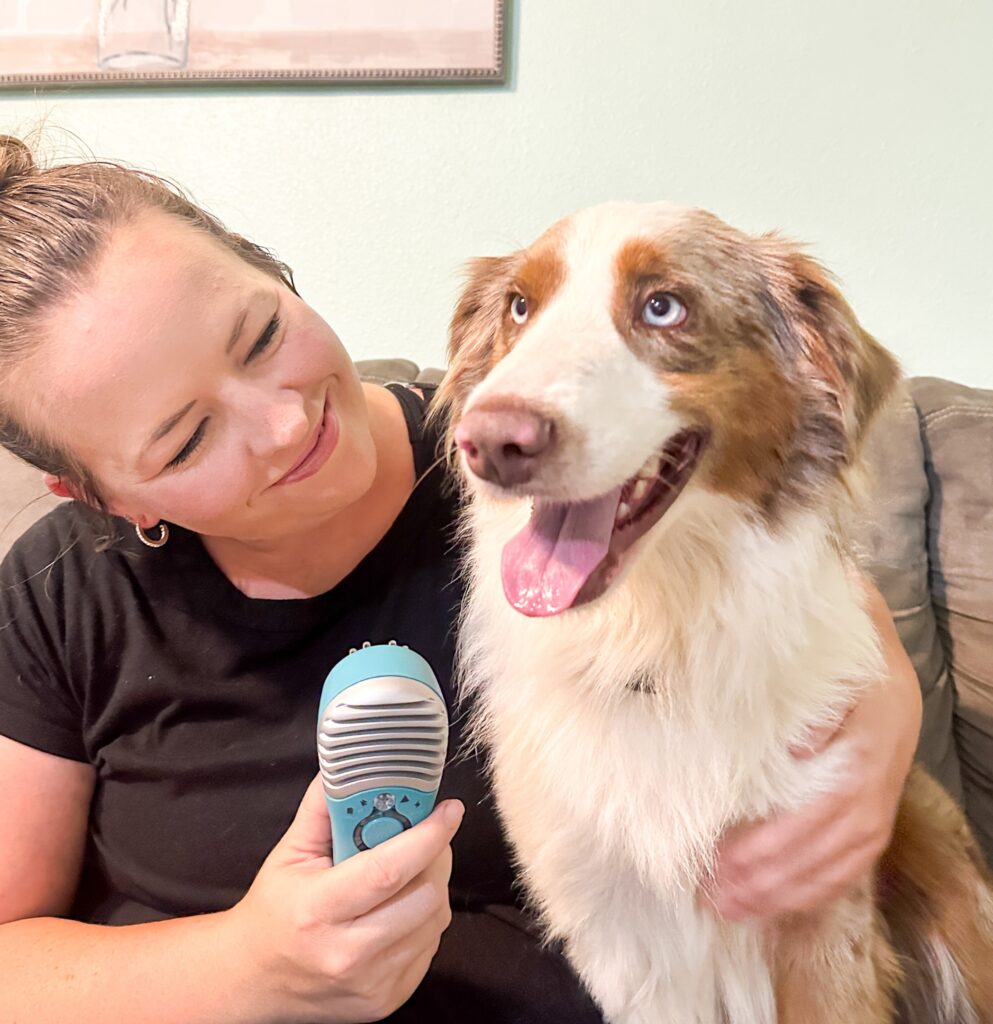
Photobiomodulation (PBM), commonly known as red light therapy (RLT), stands out as one of the best natural anti-inflammatories for dogs. PBM uses non-ionizing forms of red and near-infrared (NIR) light to stimulate healing, relieve pain, and reduce inflammation. Chronic inflammation can contribute to various health issues, including joint pain, making PBM a valuable tool in managing inflammation in dogs, alongside supplements like chondroitin glucosamine and green-lipped mussels, which are a rich source of omega-3 fatty acids and can improve joint health in dogs. Unlike traditional treatments that often have side effects, PBM offers a promising alternative with minimal adverse effects.
For a broader overview of conditions, use cases, and what treatment looks like in practice, see Red Light Therapy for Dogs.
The anti-inflammatory properties of red light therapy are well-documented. PBM utilizes lasers, LEDs, and broadband light sources to deliver specific wavelengths that penetrate the skin and cells, promoting cellular repair and regeneration, which can positively affect the dog’s nervous system .
PBM reduces inflammation and supports overall health by modulating cytokine production and improving blood circulation. This makes it an effective treatment for conditions like canine osteoarthritis, providing natural pain relief without the side effects associated with NSAIDs and steroidal anti-inflammatory drugs.
For a deeper review of mechanism, wavelength selection, dosing logic, tissue depth, and safety, see Science of Red Light Therapy.
What is PBM and how does it fit into inflammation care for dogs?
Photobiomodulation, also called PBM, red light therapy, low-level laser therapy, LED therapy, cold laser, and near-infrared therapy, refers to the same therapeutic category using light energy to influence cellular biology. In veterinary medicine, PBM is used to help reduce inflammation, support tissue repair, improve blood flow, and modulate pain signaling. In dogs, it is often used as part of a broader plan for chronic inflammation, joint disease, soft tissue injury, mobility decline, and post-surgical healing.
Red Light Therapy is as Natural as it Gets

Red light therapy’s natural aspect cannot be overstated. It harnesses the power of specific wavelengths of red and NIR light, similar to those found in natural sunlight. This therapy acts as a natural treatment alternative, offering a non-invasive approach without harsh chemicals or medications. Red light therapy boosts the body’s natural healing mechanisms by stimulating cellular processes, which enhances energy production, improves blood circulation, and promotes cellular repair.
This makes it a safe and natural choice for reducing inflammation and supporting overall health in dogs.
Cellular Mechanisms Influenced by Red Light Therapy
At the cellular level, red light therapy involves a nonthermal process that primarily affects endogenous chromophores like cytochrome c oxidase in mitochondria and calcium ion channels. The absorption of photons leads to secondary effects such as increased ATP production, a brief burst of reactive oxygen species (ROS), and modulation of nitric oxide (NO) levels.
These changes result in improved cell survival, increased proliferation, and enhanced cellular repair. Red light therapy supports the body’s natural healing processes and reduces inflammation by optimizing cellular energy metabolism and reducing oxidative stress.
Modulation of Inflammation Pathway
One of the most reproducible effects of red light therapy is its ability to reduce inflammation, which is crucial for treating joint disorders, traumatic injuries, and other conditions. PBM modulates cytokine production, reducing pro-inflammatory cytokines like TNF-α and IL-1β while upregulating anti-inflammatory cytokines such as IL-10. This modulation helps manage the inflammatory response, reducing pain and promoting healing. Additionally, red light therapy reduces levels of reactive nitrogen species and prostaglandins, further decreasing inflammation and supporting overall health.
The influence of PBM extends to macrophage phenotype modulation and signaling pathways, including:
- Reducing markers of the M1 phenotype in activated macrophages, promoting a more anti-inflammatory environment.
- Affecting signaling pathways like NF-κB, which can be activated in normal cells but reduced in activated inflammatory cells.
- Helping control systemic inflammation.
- Supporting joint health by downregulating inflammasome activation pathways.
Clinical Indications
Red light therapy is effective for treating various conditions involving pain and inflammation, including joint disorders, traumatic injuries, IVDD, and dysplasia. It is particularly effective for relieving pain and improving mobility in a dog’s joints, supporting joint comfort and recovery. Clinical studies have shown significant improvements in pain and stiffness.
Red light therapy’s ability to reduce inflammation in the brain, abdominal fat, wounds, lungs, and spinal cord makes it a versatile treatment option for managing inflammation in dogs, particularly for various inflammatory diseases .
Red Light Therapy’s Potential in Managing Inflammation
Red light therapy demonstrates significant potential in managing inflammation by modulating cytokines and influencing cellular processes. It supports cellular homeostasis and efficient energy production, offering a non-pharmacological and non-invasive treatment option.
With a healthy lifestyle, red light therapy can positively impact the body’s natural response to inflammation, making it a valuable tool for pet owners.
What to look for in a red light therapy device
Choosing the right red light therapy device is essential for effective treatment. Look for devices that:
- Use clinically proven wavelengths like 635 nm and 850 nm, known for their therapeutic benefits
- Are easy to use
- Are safe, with features like low-intensity beams and eye protection
Devices that combine red and NIR wavelengths can offer enhanced tissue penetration and overall effectiveness. It’s also important to consider the device’s power density and treatment time to ensure consistent and effective results.
Why Frequency > Force: The Research Behind At-Home Power

The effectiveness of red light therapy is not just about having the most powerful device; frequency of treatment plays a crucial role. Research shows that regular, low-intensity sessions are more effective than sporadic high-dose treatments.
This concept is particularly important for at-home devices, where maintaining a consistent treatment schedule can lead to better outcomes.
Red light therapy follows a biphasic dose-response curve
Photobiomodulation (red light therapy) follows a biphasic dose-response curve, meaning that more light isn’t always better. Low-to-moderate doses stimulate healing, but going too high can stop or even reverse the benefits.
Frequent, low-intensity sessions help keep treatments within the optimal range, ensuring maximum effectiveness.
Cumulative dosing beats sporadic blasts
Cumulative dosing is more effective than sporadic blasts. Key points from the study and clinical protocols include:
- A study on dogs with osteoarthritis showed significant improvements with three sessions per week.
- Treatment started in the first week and continued for over six weeks.
- Clinical protocols recommend 18-24 sessions over time.
- It is preferred to have multiple sessions rather than one large dose every month.
Consistent, appropriate dosing is key to achieving the best results.
Real-world compliance matters
Consistency is more important than brute force. High-power lasers can be effective but require frequent clinic visits, which may not be feasible for all pet owners. Low-intensity, eye-safe beams allow for convenient at-home treatments, enabling consistent use even on busy days.
This approach helps maintain cumulative energy within the proven range, ensuring sustained benefits between veterinary medicine check-ins.
Best Natural Anti Inflammatory for Dogs
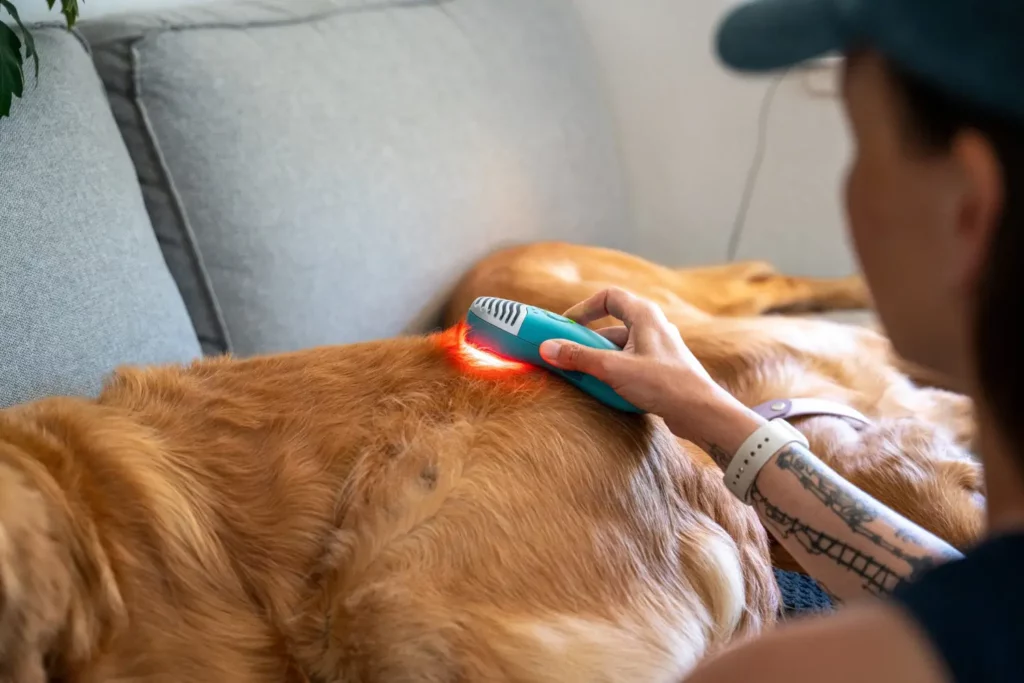
Luma stands out as the best natural anti-inflammatory device for dogs, designed specifically for pet parents and backed by over 250 veterinary clinics. It uses clinically proven wavelengths (635 nm and 850 nm) and is easy to use, even for beginners.
The device offers fast 10-15 minute sessions and provides ongoing support from veterinary experts, ensuring effective and safe treatment for canine inflammation.
You can also explore our full guide to Red Light Therapy for Dogs for more detail on how PBM is used for arthritis, joint pain, IVDD, dysplasia, and recovery support.
How MedcoVet evaluates red light therapy for inflammation
MedcoVet evaluates photobiomodulation through the lens of veterinary medicine, tissue type, treatment practicality, dosing logic, safety, and published evidence. For inflammation in dogs, the key questions are not only whether PBM may help, but what type of inflammation is involved, whether the diagnosis is clear, how deep the target tissue is, and how treatment fits with diet, medication, rehabilitation, and overall care.
Wondering if light therapy can help your dog’s inflammation?
Ask a licensed clinician, for free, and find out if it’s a fit for your dog in about 15 minutes.
Ella
Anti Inflammatory Foods for Dogs

IIncorporating anti-inflammatory foods into a dog’s inflammatory diet for dogs can help manage and prevent chronic inflammation. An anti-inflammatory diet for dogs can help fight inflammation and support overall health. A balanced diet rich in bioactive compounds, such as:
- blueberries
- sweet potatoes
- broccoli
- kale
- spinach
- chia seeds
can significantly reduce inflammation and provide essential nutrients for overall health. Additionally, fish oil is a good source of omega-3 fatty acids for dogs, further supporting their anti-inflammatory needs. These ingredients can be added to your dog’s food, including both wet food and dry food, to enhance their anti-inflammatory benefits.
Foods high in polyphenols, like apples, spinach, olive oil, and turmeric, are safe for dogs and offer significant anti-inflammatory benefits.
Blueberries as a Nutrient-Rich Treat
Blueberries are a top choice for natural anti-inflammatory foods, packed with antioxidants and vital compounds such as:
- Vitamins
- Anthocyanins
- Quercetin
- Myricetin
They are low in sugar and safe for dogs, making them an excellent treat that helps reduce inflammation. Blueberries can also help improve skin and coat health due to their antioxidant content.
Serving blueberries as frozen treats can be a fun and healthy way to incorporate them into your dog’s diet.
Ginger for Pain Relief
Ginger is another powerful natural anti-inflammatory, containing gingerol, an active component that helps alleviate inflammation and pain in dogs. Incorporating ginger into a dog’s diet can be done through fresh ginger, ginger powder, or ginger supplements, all of which provide significant anti-inflammatory benefits. Larger dogs may require a higher dose of ginger based on their body weight. However, ginger can sometimes cause digestive issues if not administered properly, so it’s important to monitor your dog’s response.
Devil’s Claw for Pain Relief
This medicinal herb, devil’s claw, is especially beneficial for managing joint inflammation, joint pain, and chronic inflammation to reduce pain with its herbal anti inflammatory and pain relieving properties. Devil’s claw has been traditionally used for relieving pain in arthritic dogs due to its active compounds like harpagoside, but should be used with caution in dogs with certain health conditions.
Leafy Greens for Overall Health
Leafy greens like spinach and kale are not only nutrient-dense but also possess anti-inflammatory properties that support overall health in dogs. These vegetables are rich in essential vitamins that help maintain a healthy immune system and reduce inflammation. Leafy greens can help relieve pain and support a healthy inflammatory response.
Including leafy greens in your dog’s diet can contribute to better health and manage inflammation effectively.
When choosing a supplement for dogs, always adjust the dosage according to your dog’s body weight to ensure safety and effectiveness.
Maintaining the correct body weight is important for the efficacy of dietary interventions.
Inflammatory Foods to Avoid
Certain foods can worsen inflammation in dogs and should be avoided to support their health. Processed foods, those high in sugar or salt, and common allergens like beef or dairy are known inflammatory foods that can trigger or exacerbate inflammation in dogs. These foods may contribute to inflammatory diseases, joint pain, and other chronic issues.
Instead, focus on providing a balanced diet rich in anti inflammatory foods such as turmeric, ginger, and omega-3 rich fish. By making informed choices and steering clear of inflammatory foods, you can help reduce inflammation, provide natural pain relief, and support your dog’s joint health and overall well-being. A healthy, nutrient-rich diet is one of the best ways to provide natural pain relief and reduce the risk of chronic inflammatory diseases in your pet.
Lifestyle Changes to Reduce Inflammation

Lifestyle changes are crucial in managing inflammation in dogs. Maintaining a healthy weight is essential, as excess weight can exacerbate inflammatory conditions and limit mobility. Monitoring your dog’s weight is especially important for an arthritic dog, as it helps reduce strain on their joints and alleviates pain. Lifestyle changes, including weight management and exercise, are key strategies to treat arthritis naturally. Natural alternatives like CBD oil can provide relief from inflammation without the adverse effects associated with pharmaceuticals.
Incorporating these changes can significantly improve your dog’s quality of life.
Exercise and Weight Management
Regular exercise plays a vital role in managing inflammation and maintaining a healthy weight in dogs. Low-impact exercises like swimming, which can be done through hydrotherapy, are particularly beneficial as they provide essential physical activity without straining the joints. Preventing and managing weight is crucial to avoid joint damage, hip dysplasia, and digestive problems, as well as osteoarthritis. Regular exercise is essential for dogs to keep them in shape and is important for their mental health too, ensuring a balanced and happy lifestyle.
Implementing a species-appropriate diet with controlled portions of dog food and seeking veterinary assistance can help maintain a dog’s diet and healthy dog’s weight. When considering supplements or dietary changes, always adjust the dosage based on your dog’s body weight to ensure both safety and effectiveness, as proper dosing depends on accurate assessment of body weight.
Stress Reduction Techniques
Stress is a common cause of inflammation in dogs and inflammation in the body. Creating a calm environment and using stress reduction techniques can significantly lower stress levels, thereby reducing inflammation.
Providing a safe and comfortable space for your dog can enhance their overall well-being and help manage inflammatory conditions effectively, contributing positively to your dog’s health.
Administering Natural Anti Inflammatories Safely
When introducing natural anti-inflammatories to your dog’s diet, it’s crucial to consult a veterinarian first. Observing your dog closely for any negative changes in behavior after administering new supplements is essential, especially due to the risk of harmful bacteria. Monitor how your dog responds to new treatments and adjust as needed to ensure their well-being. Always consult your veterinarian to make sure that natural remedies do not interact negatively with other medications your dog may be taking, such as steroids, antihistamines, or NSAIDs. Some natural remedies, like ginger, can influence blood pressure, so it’s important to watch for any changes in your dog’s blood pressure or overall health. Find a veterinarian trained in integrative methods before giving anything new to your dog, even if it’s natural or over-the-counter, to ensure the safety and effectiveness of the treatment.
Introducing new anti-inflammatories should be done cautiously to avoid adverse reactions. Ensure the purity and quality of any natural supplement with anti inflammatory effects prior to administering to your pet.
When to Consult Your Veterinarian
Consulting a veterinarian is vital if your dog has persistent inflammation symptoms that last beyond a few days. Immediate veterinary attention is required if inflammation is accompanied by:
- Visible wounds
- Signs of infection
- Significant pain
- Lethargy
- Loss of appetite
Additional concerning symptoms like vomiting or difficulty breathing, along with inflammation, necessitate a vet visit. Always talk to a vet before introducing any new treatment or medication to ensure your dog’s safety.
Clinical summary
Mechanism
Inflammation management in dogs depends on identifying the biological drivers involved. Natural anti inflammatory approaches may work through different mechanisms, including modulation of inflammatory cytokines, support for cellular repair, changes in immune signaling, reduction of oxidative stress, and support for tissue recovery. Photobiomodulation may influence mitochondrial activity, ATP production, blood flow, inflammatory mediators, and pain signaling.
Evidence level
Evidence is moderate for selected dietary and supplement-based anti inflammatory strategies, though strength varies by compound, dose, diagnosis, and study design. Evidence for photobiomodulation is moderate to strong in selected musculoskeletal and inflammatory conditions, particularly osteoarthritis, soft tissue injury, and post-operative recovery. Evidence quality varies depending on the condition being treated, wavelength, dosing, tissue depth, and treatment frequency.
When it works best
Natural anti inflammatory strategies work best in chronic inflammatory conditions, osteoarthritis, mobility decline, selected soft tissue injuries, and as part of supportive care for long-term joint or tissue stress. PBM is most useful when the diagnosis is reasonably clear and treatment is applied consistently as part of a broader care plan.
When not to use
Natural remedies should not replace diagnosis when a dog has severe pain, major trauma, infection, rapidly worsening symptoms, unexplained neurologic signs, or a possible mass or tumor. PBM should not be used casually over an unexplored mass, an untreated infection, or situations where veterinary workup should come first.
Limitations
Natural anti inflammatory options are not a substitute for diagnosis, surgery when indicated, emergency care, or medication when needed. Clinical response varies based on the underlying condition, severity, tissue depth, treatment consistency, diet quality, body weight, and the rest of the treatment plan.
Final Thoughts
Addressing inflammation in dogs through natural anti-inflammatories offers a safe and effective alternative to traditional medications. From red light therapy to anti-inflammatory foods and lifestyle changes, these natural remedies can significantly improve your dog’s health and well-being. There are various natural pain relief options available for managing inflammation in dogs, including holistic remedies, supplements, and alternative therapies. By consulting a veterinarian and carefully monitoring your dog’s response to new treatments, you can ensure a holistic approach to managing inflammation. Embrace these natural alternatives to help your furry friend lead a happier, healthier life.
Frequently Asked Questions

About the Author
Alon Landa is the CEO and co-founder of MedcoVet, a leader in at-home red light therapy for pets. With over 20 years of experience in medical technology and firsthand involvement in developing the Luma, Alon combines deep technical knowledge with a passion for improving pet health. He regularly collaborates with veterinarians and pet parents to advance photobiomodulation (PBM) care at home.
📍 Based in Boston, MA
📖Read more from Alon here

About the Medical Reviewer
Clinical Focus: Surgery, anesthesia, canine fitness, injury prevention, agility
Kristy Williams brings over 30 years of experience to the veterinary field. Her career began in the 1990s, working as a civilian for the Army Veterinary Corps at RAF Feltwell in England, where she first discovered her passion for animal care and supporting their families. Upon returning to the United States, Kristy pursued her education and graduated in 2005 as a certified veterinary technician after passing the national exam. She has since gained extensive experience in both general practice and emergency/referral practices.
Read More about Kristy here.





Can I sign up for emails? Thank you
Our dogs has Osteoporosis and low bone density in back.
But she also has CHF and is on Furosomide, Vetmedin and Cardalis.