
Red Light Therapy for Agility Dogs & Competitive Canine Athletes
Your agility dog deserves the highest level of care and support.
Book a free consult / why consults matter


Willa
Medically reviewed by: Kristy Williams, CVT, CCFT (Specialties: Pet rehabilitation, pain management, photobiomodulation)
Reviewed: July 2026
Updated: July 2026
Agility dogs are athletes.
They sprint, jump, twist, weave, land, turn, stop, and launch again. A single agility course can ask a dog to move through weave poles, jumps, tunnels, a frames, contacts, tight turns, and fast voice commands with focus and control.
That takes muscle strength. Balance. Joint health. Good body language. Trust between both you and your dog.
It also takes recovery.
Dog agility is fun, but the sport puts real strain on the body. Active dogs and working dogs can develop sore muscles, soft tissue injuries, sprains, joint inflammation, psoas injuries, cruciate strain, post-competition stiffness, or fatigue after hard training.
Luma gives pet owners a safe, at-home way to support dog muscle recovery, reduce inflammation, support muscle repair, and help canine athletes stay comfortable between agility training, agility trials, sports competitions, and rest days.
Is red light therapy right for your dog?
Gideon
Is red light therapy effective for agility dogs?
Red light therapy may help agility dogs by supporting muscle recovery, reducing pain and inflammation, improving local blood flow, and assisting soft tissue repair after training or competition. It may be useful for active dogs, working dogs, and dogs recovering from muscle strains, surgery, or high-intensity exercise.
Red light therapy works best as part of a full sports-dog care plan that includes warm up, rest, proper nutrition, conditioning, regular check-ups, physical therapy when needed, and veterinary care for injuries.
Why agility dogs need recovery support
Agility looks quick and clean from the outside.
Inside the dog’s body, it is a lot of work.
A jump loads the shoulders, back, hips, knees, and paws. Weave poles ask for repeated bending through the spine and core. A frames and contact obstacles require controlled climbing, balance, and landing. Tight turns demand strength, timing, and joint stability.
The more your dog trains, practices, and competes, the more recovery matters.
Common stress points in dog agility include:
- Shoulders
- Psoas and hip flexors
- Back and core muscles
- Wrists and ankles
- Knees
- Hips
- Neck
- Paw pads
- Tendons and ligaments
- Joints under repeated load
- didgets/toes on all four feet
Early signs of strain can be subtle.
Your dog may slow down on the course. Knock bars. Refuse a jump. Miss weave entries. Turn wider than usual. Seem stiff after rest. Change their gait. Tremble after hard exercise. Lose enthusiasm. Lag on a normal dog walk. Show soreness after a trial.
That is your signal.
Do not push through pain.

Real story: Willa
“The Luma helped Willa’s recovery with her psoas injury and she is now back to competing in all the sports she loves!”
-Kristina Hill
Common injuries in agility dogs
Agility training asks for speed, strength, and repetition. That combination can create overuse injuries, acute injuries, and recovery setbacks.
Common issues include:
- Muscle strains
- Psoas injuries
- Shoulder soreness
- Back pain
- Wrist or carpal strain
- Knee strain
- Cruciate ligament injuries
- Joint inflammation
- Tendon irritation
- Paw pad injuries
- Post-surgery weakness
- General muscle fatigue
Muscle fatigue can show up as trembling, gait changes, slower response to voice commands, reduced jump power, or a dog who starts moving differently. Fatigue can act as a warning system because it may help prevent deeper structural damage during intense activity.
Listen to it.
A tired dog needs rest, water, cooling, and time to recover. Hydration is essential to help counter dehydration in fatigued dogs, especially after long hikes, outdoor practice, race days, or hot weather.
A veterinary check-up is necessary if fatigue comes with severe pain, collapse, limping, swelling, refusal to bear weight, heat stress, or sudden behavior changes.
How Luma supports agility dog performance and recovery
Luma is a handheld red light therapy device made for at-home pet care.
It uses two therapeutic wavelengths:
| Wavelength | What it supports | Why it matters for agility dogs |
|---|---|---|
| 635nm red light | Surface tissue response, circulation, and inflammation support | Helpful for soreness, soft tissue irritation, and areas closer to the skin, such as paw pads |
| 850nm near-infrared light | Deeper tissue support | Helps light reach deeper muscles, joints, tendons, and recovery areas |
Photobiomodulation, also called red light therapy, low-level laser therapy, LED therapy, cold laser, and near-infrared therapy, refers to the same therapeutic category using light energy to influence cellular biology.
In plain terms, Luma helps the body recover from hard work.
1. Supports dog muscle recovery
Red light therapy aids muscle recovery in dogs by supporting cellular repair, circulation, and inflammation control.
After agility training, muscles need oxygen, nutrients, rest, and energy to repair. Luma supports ATP production, which gives cells energy for recovery and muscle repair.
That is helpful after a hard workout, agility trial, long practice, obstacle course session, or sport weekend.
2. Helps reduce pain and inflammation
Cold laser therapy and red light therapy are used to help reduce pain and inflammation during recovery.
For agility dogs, inflammation can build after repeated jumping, turning, weaving, landing, or compensating for a sore area. Luma may help calm irritated tissue so your dog feels more comfortable during rest and return to training.
3. Supports blood flow
Active recovery through gentle walking can increase blood flow to muscles. Red light therapy may also support local blood flow in treated areas.
Better blood flow helps deliver oxygen and nutrients while supporting the removal of waste from tired muscle tissue.
4. Supports injured muscles
Red light therapy can help reduce inflammation and promote healing in injured muscles.
Veterinary clinics use red light therapy and laser therapy for muscle strains, soft tissue injuries, post-surgery recovery, arthritis care, and rehab support. Luma brings that type of support home so pet owners can use it between appointments.
5. Helps support consistency
Agility dogs need regular care, not panic care.
A little support after training can help protect muscle health, joint comfort, and recovery time. Luma makes it easier to build recovery into your routine because sessions are quick, quiet, and simple to repeat.
Book a free consult with a MedcoVet clinician
Otis
Why Luma is a strong fit for canine athletes
Competitive dogs need tools that fit real life and benefit both performance dogs and the people caring for them.
You may be at home after a training day. At a trial. In a hotel. Between runs. Coming back from surgery. Helping a senior dog stay active. Building muscle after an injury. Trying to balance sport, rest, and health.
Luma is useful for agility dogs because it is:
- At-home and travel-friendly: Easy to bring to training, trials, and competitions
- Non-invasive: No needles, sedation, or stressful setup
- Drug-free: Useful support alongside a vet-guided recovery plan
- Fast: Sessions can fit before rest, after practice, or during recovery days
- Designed for pets: The comb-style head helps part fur so light can reach the skin
- Repeatable: Muscle recovery and soft tissue support often need consistency
- Clinician-guided: MedcoVet can help pet owners build a plan around the dog’s sport, injury history, age, and goals
Luma does not replace veterinary care, physical therapy, surgery when needed, warm-ups, conditioning, proper nutrition, or rest.
It gives the body extra recovery support.
That support can play a key role in helping active dogs stay comfortable.
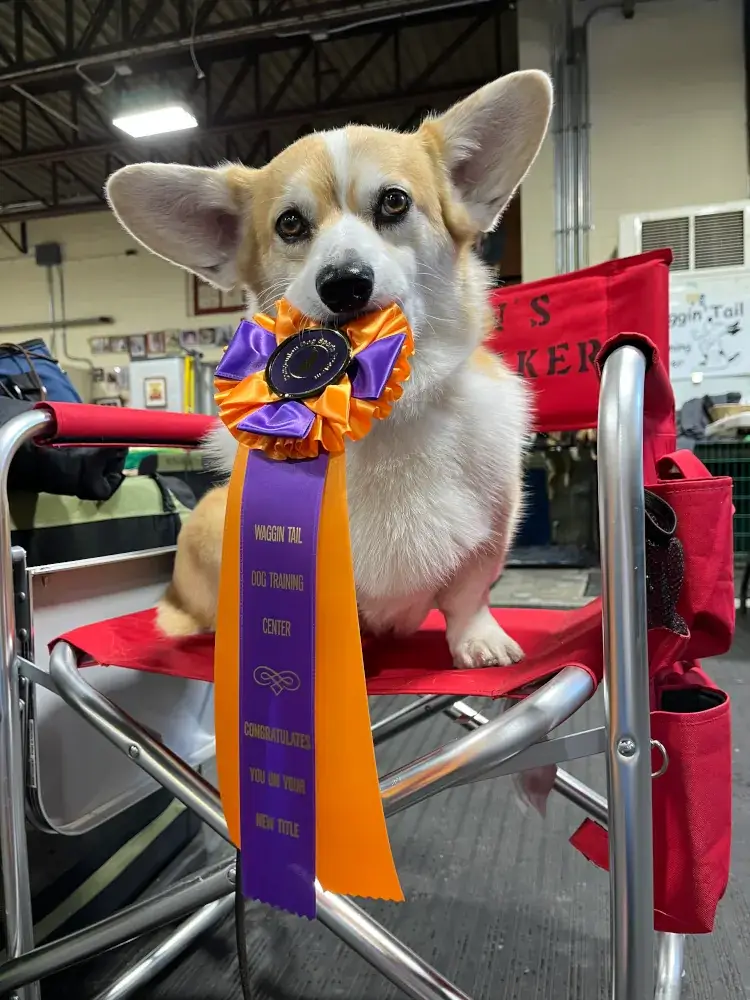
Real story: Ghillie
“Ghillie is back to running in agility and competing in Obedience and Rally. I take the Luma with me and use it after he has had a very hard workout. So nice to have when needed.”
-Marjorie Cottle
How to build a better recovery routine for agility dogs
Strong performance starts before the first obstacle.
It continues after the course is done.
Before training or competition
Use a short warm up before agility practice or agility trials, and begin training with a gradual introduction to new skills and equipment. A good warm up helps prepare muscles, joints, and the nervous system for movement. It is estimated that injury rates can be reduced by up to 25%with an effective warm up routine. Your warm up should be 5 to 10 minutes.
Try:
- 2 to 3 minutes of easy walking
- Gentle turns
- Light trotting
- Figure eights
- Backing up
- Sit-to-stand repetitions if your dog is cleared for them
- Low-impact body awareness work
- Short practice with voice commands before full-speed work
- Active and dynamic stretching
Puppies need low-impact exercises to protect developing joints. Do not rush young dogs into high jumps, tight turns, repeated weave poles, or heavy obstacle work before the body is ready. Dogs should be physically fit for the level of obstacle work you ask of them before you increase difficulty.
Your dog’s breed, age, size, structure, dog’s temperament, and training level all matter, including comfort around other dogs, people, and distractions before advancing.
During agility training
Watch your dog’s body language.
Look for:
- Slower pace
- Trembling
- Gait changes
- Dropped bars
- Wider turns
- Hesitation
- Shortened stride
- Reluctance to jump
- Loss of focus
- Heat stress
- Less drive for toys or rewards
Fatigue is information. Use it.
Shorter sessions often beat long, draining ones. Training dogs well means protecting their body while building skill, and clear handler guidance can aid the dog through drills while supporting safe skill-building.
After training
Cool down with gentle exercise.
Short and frequent walks can help recovering dogs maintain strength without exhaustion. Active recovery through gentle walking and exercises can increase blood flow to muscles and help the body shift out of high-intensity work.
After a hard session, and 5-10 minute cool down, offer water, rest, and a calm place to sleep, since maintaining muscle mass during recovery also depends on hydration, nutrition, and downtime, especially after injury or time off. Adequate sleep is crucial for muscle repair after high-intensity exercise or injury.
Then use Luma over the areas that carry the most load, based on your dog’s needs and your clinician’s guidance.
What the science says about red light therapy for sports recovery
Red light therapy and low-level laser therapy are used in veterinary medicine and sports recovery to support pain relief, inflammation control, circulation, and tissue repair.
For agility dogs, the most relevant benefits are:
- Red light therapy aids muscle recovery in dogs
- Red light therapy reduces pain and inflammation during recovery
- Red light therapy can help reduce inflammation in injured muscles
- Red light therapy can support ATP production
- Red light therapy can help reach deeper tissue
- Red light therapy may support faster recovery time after soft tissue stress
- Veterinary clinics trust red light therapy for muscle strains and rehab support
The result depends on the right dose, wavelength, treatment timing, and treatment area.
Luma uses 635nm red light and 850nm near-infrared light to support both surface tissue and deeper tissue recovery. That is useful for active dogs with sore muscles, joint stress, soft tissue injuries, or post-training stiffness.
Want the full pet-parent guide? Read Red Light Therapy for Dogs.
Want the science behind PBM, wavelengths, and cellular energy? Read The Science of Red Light Therapy.
When an agility dog should see a vet
A sore dog after practice may need rest. A painful dog needs a vet.
Book a veterinary check-up if your dog has:
- Limping
- Severe pain
- Swelling
- Trembling that does not resolve
- Gait changes
- Refusal to jump
- Sudden performance drop
- Weakness
- Heat stress signs
- Collapse
- Trouble standing
- Post-surgery concerns
- Pain after a fall
- Repeated soreness after training
- Behavior changes that suggest discomfort
Adult dogs need regular check-ups to monitor muscle condition, joint health, body weight, and sport readiness. Senior dogs are at risk for sarcopenia, which means age-related muscle loss and weakness. That can affect jumping, balance, endurance, and recovery.
Do not ignore the early signs.
They are often easier to treat than a full injury.
How Luma can fit into an agility routine
Every dog needs a different plan.
A young dog beginning agility training needs low-impact conditioning and patience; progression depends on not just that dog’s age, but also readiness and confidence. An adult dog competing often needs performance recovery and careful monitoring. A senior dog may need support for muscle health, joints, pain, and strength. A dog recovering from surgery needs a vet-guided return-to-sport plan.
Luma may fit into:
- Post-training recovery
- Post-competition recovery
- Rest-day tissue support
- Muscle strain recovery
- Psoas injury support
- Joint soreness support
- Post-surgery recovery
- Senior athlete maintenance
- Working dog recovery
- Physical therapy plans
- Return-to-sport conditioning
Use Luma on the areas your dog needs most, such as the back, hips, shoulders, knees, psoas region, or other vet-identified areas.
Get a personalized Luma plan for your canine athlete
Ella
Testimonials: Real results, real champions
Agility dogs give everything they have.
They listen. They launch. They try again. They make the sport what it is.
These stories show how pet owners used Luma to support dogs in agility, obedience, rally, working sports, recovery from injury, and return to activity after setbacks.
Some dogs needed help after a psoas injury. Some needed recovery support after hard workouts. Some needed a way to stay comfortable while competing in the sports they love.
Want to know whether Luma could help your athlete?
Sprite
Clinical questions about red light therapy for agility dogs
Clinical summary
Mechanism
Photobiomodulation, also called red light therapy, low-level laser therapy, LED therapy, cold laser, and near-infrared therapy, uses light energy to influence cellular biology. In canine athletes, therapeutic light is applied over muscles, joints, tendons, and soft tissue areas affected by training, competition, injury, or surgery. Proposed effects include increased ATP production, reduced inflammatory signaling, improved local blood flow, pain modulation, and support for cellular repair.
Evidence level
Evidence for red light therapy in sports recovery and muscle repair is moderate and growing. Studies in photobiomodulation support potential benefits for inflammation control, pain relief, muscle recovery, exercise performance, soft tissue repair, and post-injury recovery. Veterinary use is common in rehabilitation settings, but outcomes depend on diagnosis, dose, wavelength, irradiance, treatment timing, training load, nutrition, and rest.
When it works best
Red light therapy may work best for active dogs, working dogs, and agility dogs with post-training soreness, soft tissue strain, muscle fatigue, joint stress, or recovery needs after surgery or injury. It is most useful when paired with warm-up, cool-down, hydration, proper nutrition, adequate sleep, physical therapy, healthy weight, and regular veterinary check-ups.
When not to use
Red light therapy should not delay veterinary care when a dog has severe pain, sudden lameness, swelling, collapse, heat stress, refusal to bear weight, neurological signs, suspected fracture, suspected ligament tear, or post-surgery complications. It should also be used with veterinary guidance in dogs with cancer, pregnancy, complex illness, unexplained pain, or surgical incisions.
Why use Luma for agility and sports recovery?
| What Luma supports | Why it matters for canine athletes |
|---|---|
| Muscle recovery | Helps dogs recover after hard training or competition |
| Pain relief | Supports comfort during rest and return to activity |
| Reduced inflammation | Helps calm tissue stress from repeated impact |
| Blood flow | Supports oxygen and nutrient delivery |
| Cellular repair | Helps muscle and soft tissue recover |
| Post-surgery support | Fits into vet-guided rehab plans |
| At-home care | Makes repeat recovery support easier |
Help your dog compete, recover, and keep loving the sport
If your dog competes in agility, obedience, rally, flyball, dock diving, working sports, or high-energy play, Luma may be a helpful part of their recovery plan.
We can help you understand how red light therapy may support your dog’s muscle health, recovery time, pain relief, and return to sport.
Huxley
Evidence Citations

About the Author
Alon Landa is the CEO and co-founder of MedcoVet, a leader in at-home red light therapy for pets. With over 20 years of experience in medical technology and firsthand involvement in developing the Luma, Alon combines deep technical knowledge with a passion for improving pet health. He regularly collaborates with veterinarians and pet parents to advance photobiomodulation (PBM) care at home.
📍 Based in Boston, MA
📖Read more from Alon here

About the Medical Reviewer
Clinical Focus: Surgery, anesthesia, canine fitness, injury prevention, agility
Kristy Williams brings over 30 years of experience to the veterinary field. Her career began in the 1990s, working as a civilian for the Army Veterinary Corps at RAF Feltwell in England, where she first discovered her passion for animal care and supporting their families. Upon returning to the United States, Kristy pursued her education and graduated in 2005 as a certified veterinary technician after passing the national exam. She has since gained extensive experience in both general practice and emergency/referral practices.
Read More about Kristy here.

