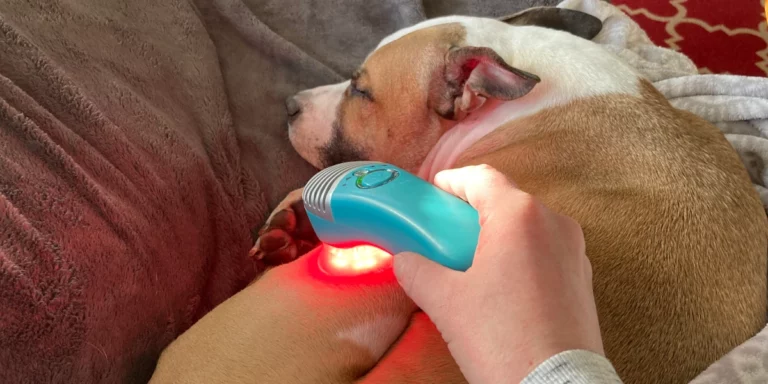
Dog Neck Pain:
Symptoms, Causes, and At-Home Relief Options (Including Red Light Therapy)
Not sure what’s causing your dog’s neck pain?
Get clear on whether red light therapy could help and when it should wait.
Vet-reviewed • Fast • No email spam
Medically reviewed by: Kristy Williams, CVT, CCFT (Specialties: Pet rehabilitation, pain management, photobiomodulation)
Reviewed: May 2026
Updated: May 2026
This page is part of MedcoVet’s clinical education library on photobiomodulation in veterinary medicine. It is designed to explain how neck pain in dogs is recognized, how it is diagnosed, where red light therapy may fit into treatment, and when veterinary evaluation should come first.
When your dog yelps while reaching for a toy or flinches when you touch their shoulder, something is wrong. Neck pain in dogs can range from a minor muscle strain that resolves with rest to a serious spinal cord condition requiring urgent intervention. Either way, your dog needs answers, and so do you.
Recognizing symptoms of neck pain early is crucial to help your dog feel better and improve their comfort and mobility. If your dog is showing these signs, the next step is understanding how pain in dogs is treated.
This guide walks you through how to recognize the signs of canine neck pain, understand what might be causing it, and explore the full range of treatment options available today. We’ll also explain how red and near-infrared light therapy fits into the picture as a safe, drug-free tool that many pet parents now use at home alongside their veterinarian’s care plan.
Can red light therapy help dogs with neck pain?
Photobiomodulation, also called PBM, red light therapy, low-level laser therapy, LED therapy, cold laser, and near-infrared therapy, refers to the same therapeutic category using light energy to influence cellular biology. In dogs with diagnosed neck pain, PBM may help reduce pain and inflammation, support blood flow, and improve comfort as part of a broader veterinary treatment plan. It is most appropriate after the cause of pain has been evaluated, especially when spinal instability, severe neurologic signs, infection, or a surgical emergency are possible.
Neck pain can be serious, and sometimes it signals a true emergency. Before you read any further, use this quick reference to decide how urgently your dog needs veterinary care. If you’re researching treatment options such as red light therapy for dogs, understanding which wavelengths are effective is also important.
Red-flag signs that require same-day or emergency vet care:
- Sudden inability to walk or stand
- Screaming or crying out when attempting to move the neck
- Collapse or loss of consciousness
- Paralysis or severe weakness in multiple limbs
- Trouble breathing or swallowing
- Rapidly progressing wobbliness or knuckling of paws within hours
- Loss of bladder or bowel control
These signs indicate a need for immediate veterinary attention and may represent contraindications for red light therapy.
Urgent but not ER signs (schedule a vet visit within 24–48 hours):
- Yelping when jumping off the couch or bed
- Stiff neck since yesterday but still able to walk
- Holding head low and reluctant to look up
- Mild limping or favoring one side
- Appetite changes without vomiting or diarrhea
- Growling or snapping when touched near the neck or shoulders
Important: Any suspected neck pain needs veterinary evaluation first. No home treatments should be started before your vet has examined your dog and provided an accurate diagnosis.
Neck pain can look similar across very different conditions. The next step is clarity.
Neck pain can be a sign of a larger pain problem
Neck pain is one presentation of pain in dogs. The same biological drivers often overlap: inflammation, nerve irritation, muscle guarding, tissue injury, and reduced mobility. If your dog is showing neck pain signs, the next step is understanding how pain is treated overall, how red light therapy fits into that plan, and when medical or surgical care takes priority.
What does dog neck pain look like? Key symptoms you can spot at home
Neck pain is often subtle and easily missed, especially in stoic breeds or senior dogs who’ve learned to hide discomfort. Many dogs suffer in silence for weeks before their owners notice something is wrong. Learning to recognize the common clinical signs, observable symptoms and neurological deficits, of neck pain can help owners and veterinarians assess the severity and guide diagnosis, ultimately changing your pet’s outcome.
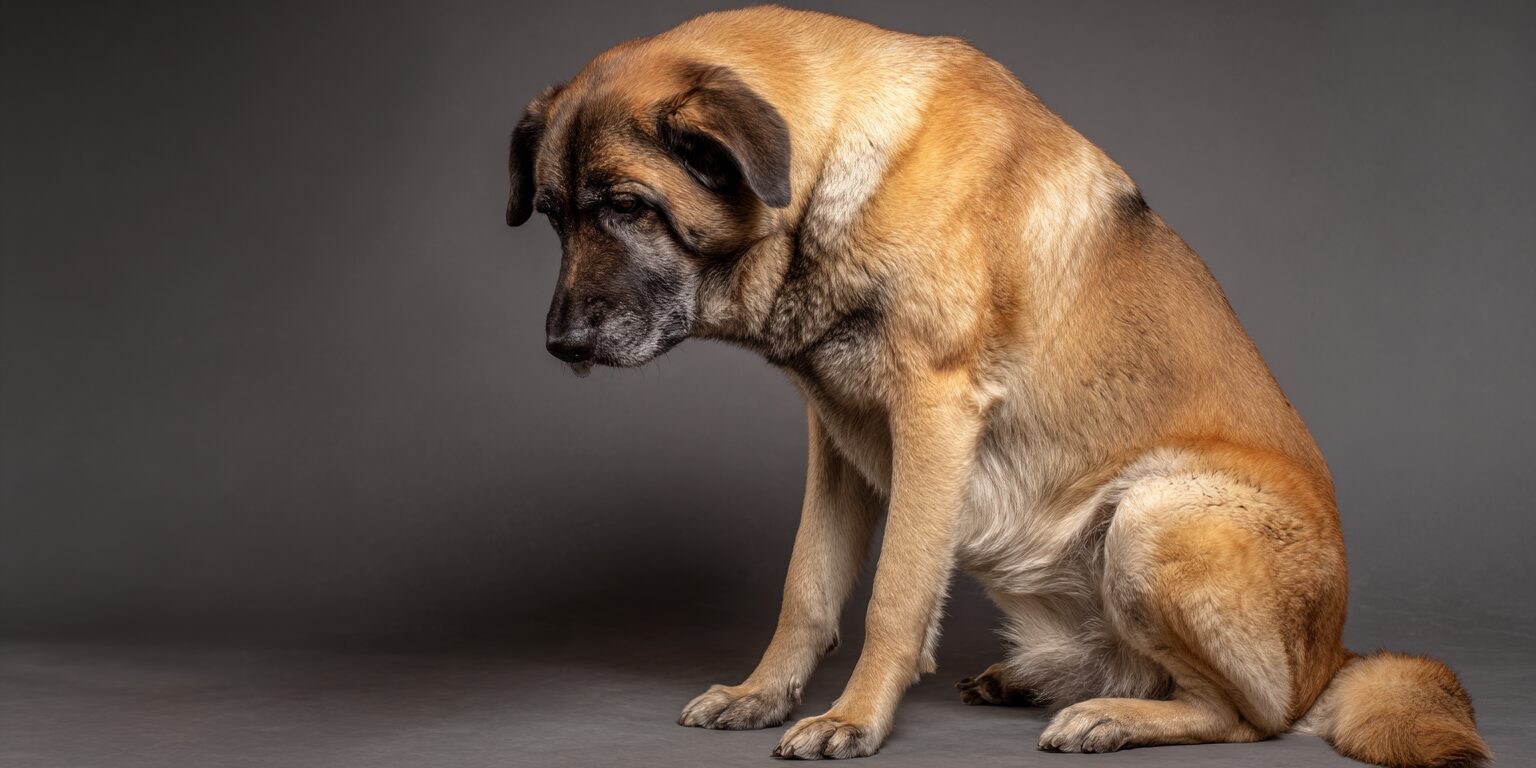
Movement-related signs:
- Reluctance to turn the head to one side or look upward
- Difficulty eating from floor-level bowls (may paw at food instead)
- Stiff, robotic, or abnormal gait when walking
- Refusing to jump on furniture they previously loved
- Hesitating at stairs or avoiding them entirely
- Walking with short, choppy steps
- Front limb lameness If you notice any of these issues, consider red light therapy for dogs at home to improve mobility and comfort.
Posture and behavior changes:
- Head held low, sometimes with a “tucked” chin
- Back arched or hunched appearance
- “Frozen” stance—standing very still to avoid movement
- Hiding in unusual places or seeking isolation
- Restlessness at night, unable to get comfortable
- Reluctance to be picked up or touched near the collar
Pain-specific signs:
- Yelping or whimpering when the collar is clipped on
- Growling, snapping, or uncharacteristic aggression when touched near shoulders
- Visible muscle spasms or twitching along the neck
- Repeated stretching with front legs extended and rear up (“praying” or “play bow” posture held too long)
- Licking or chewing at the neck, shoulders, or front legs, which can be a sign of joint pain or reffered pain, causing pain, tingling, or numbness.
Neurologic warning signs (increase urgency):
- Wobbliness or incoordination in rear legs or all four limbs
- Knuckling (walking on tops of paws)
- Weakness or dragging of one or more legs
- Crossing legs when walking
If you have questions or concerns about these symptoms, please contact us for support.
Symptom severity reference
Severity – learn more about Luma’s impact in veterinary clinics | What you might see | Urgency |
|---|---|---|
Mild | Occasional stiff neck, slight reluctance to turn head, eating normally | Vet visit within a few days |
Moderate | Consistent head-low posture, yelping with certain movements, reduced activity | Vet visit within 24–48 hours |
Severe | Screaming with movement, unable to walk normally, weakness in limbs, paralysis | Emergency or same-day vet visit |
This table helps you gauge urgency—it’s not a substitute for professional diagnosis.
These signs may point to pain in dogs
Neck pain symptoms do not exist in isolation. Yelping, guarding, stiffness, posture changes, reluctance to move, and touch sensitivity are all signs that may reflect a broader pain process. To understand how these symptoms fit into diagnosis and treatment, see pain in dogs.
Common causes of neck pain in dogs
Neck pain is a symptom, not a diagnosis. The underlying causes range from minor soft tissue injury to serious spinal cord disease, and treatment depends entirely on identifying what’s actually wrong.
Main categories of neck pain causes:
- Intervertebral disc disease (IVDD) and cervical disc problems. IVDD occurs when the once spongy, shock-absorbing discs between the bones of the spine dry out, harden, and rupture, sometimes referred to as a ‘slipped disc.’ Cervical disc disease is intervertebral disc disease (IVDD) that only occurs in the neck (cervical spine) of a dog.
- Cervical spondylomyelopathy (wobbler syndrome)
- Soft tissue injury (muscle strains, ligament sprains)
- Trauma from falls, accidents, or forceful pulling on a neck collar
- Inflammatory and infectious diseases (meningitis, tick-borne illness)
- Congenital conditions (atlanto-axial instability in toy breeds)
- Tumors affecting the spine or surrounding tissues
Different ages and dog breeds tend to have different top causes. A young Dachshund with acute neck pain likely has a different problem than a middle-aged Doberman Pinscher or a senior Labrador. Identifying the underlying cause is essential before settling on any long-term pain management or rehabilitation strategy.
Intervertebral Disc Disease (IVDD) and cervical disc problems
Intervertebral disc disease is one of the most common and serious causes of severe neck pain, particularly in chondrodystrophic breeds—dogs bred to have short legs relative to their body length. IVDD can cause both back and neck pain in dogs, making it important to recognize symptoms early.
How spinal discs work: The intervertebral discs sit between each vertebra in your dog’s spine, acting as shock absorbers. Each disc has a tough outer layer and a gel-like center. Over time—or due to genetic predisposition—this disc material can degenerate, dry out, and eventually bulge or rupture.
Cervical disc disease specifically: When disc problems occur in the neck (cervical spine), the disc material can press against the spinal cord or nerve roots exiting the spine. This pressure causes symptoms ranging from mild neck soreness to severe pain and even paralysis of all four limbs in extreme cases. Early diagnosis and treatment are critical for conditions like IVDD, as untreated cases can lead to irreversible spinal cord injury.
Predisposed breeds: Classic “disc dog” breeds include:
- Dachshund
- Beagle
- Cocker Spaniel
- French Bulldog
- Pekingese
- Shih Tzu
- Corgi
- Chihuahua
- Basset Hound
These breeds often experience cervical IVDD between ages 3–8 years (Hansen Type I—sudden disc extrusion). Large breed dogs like Dobermans may develop Hansen Type II disease (slow, bulging disc) in middle age or later.
For owners of affected dogs: If your dog has a known IVDD history, for example, a Dachshund who had back surgery previously, they’re at higher risk for future disc issues. Close monitoring and lifestyle modifications become even more important.
Other causes of neck pain in dogs
Not all neck pain is disc-related. Some causes are muscular, bony, infectious, or developmental.
Soft tissue injuries: Pulled neck muscles or ligament sprains can occur from rough play, slipping on ice or hardwood floors, or sudden leash yanks. These often resolve with strict rest and conservative management, though they can be quite painful initially.
Congenital and developmental conditions:
- Atlanto-axial instability affects toy breeds (Yorkshire Terriers, Chihuahuas, Maltese) and involves instability between the first two neck bones. Mild cases may recover with strict cage rest and a neck brace; severe cases require surgical intervention.
- Cervical spondylomyelopathy (wobbler syndrome) primarily affects large breed dogs and giant breed dogs like Doberman Pinschers and Great Danes. The condition causes spinal cord compression, leading to weakness and an uncoordinated, “wobbly” gait—particularly noticeable in the hind legs.
Inflammatory and infectious causes: Conditions like steroid-responsive meningitis-arteritis or tick-borne diseases can cause marked neck stiffness, fever, and severe pain. Infections, such as meningitis or abscesses, can also cause neck pain in dogs. Meningitis is an inflammation of the membranes covering the brain and spinal cord, which can be infectious or immune-mediated. These conditions can lead to neurological symptoms due to their impact on the brain and spinal cord. These require specific diagnostic tests and targeted treatment.
Tumors: Most often seen in older dogs (typically 8+ years), bone or spinal tumors may cause gradually worsening pain and neurologic deficits. These cases require advanced imaging for diagnosis. Young and middle aged dogs can also be afflicted, which is why proper diagnosis is critical.
Accurate diagnosis often requires imaging beyond basic X-rays. Home remedies should never replace proper veterinary workup for these conditions.
How vets diagnose neck pain in dogs
A thorough physical exam is the first step in diagnosing neck pain in dogs. A hands-on veterinary exam is essential before deciding on any treatment or rehabilitation approach. Your vet needs to determine not just that your dog is experiencing neck pain, but why.
Physical and neurologic exam: Your vet will palpate your dog’s neck and spine, checking for muscle spasms, areas of tenderness, and pain responses. They’ll test limb reflexes, evaluate muscle strength, and watch your dog walk to assess gait abnormalities. This comprehensive physical exam helps identify potential underlying conditions before proceeding to further diagnostic tests. You can read real testimonials from pet owners describing improved mobility and reduced pain in their dogs after therapy.
Basic diagnostics: Blood work helps rule out systemic causes. When indicated, tests for tick-borne diseases or inflammatory markers help identify infections or immune-mediated conditions causing pain.
Diagnostic tests, including X-rays, MRI, or CT scans, may be necessary to determine the underlying cause of neck pain in dogs.
Standard X-rays: Radiographs are useful for evaluating major trauma, fractures, or bony changes in the vertebrae. However, X-rays cannot visualize the spinal cord or soft disc material, limiting their usefulness for diagnosing cervical disc disease.
Advanced imaging (MRI or CT scans): MRI and CT scans are the gold standards for diagnosing IVDD, spinal cord compression, and soft tissue problems in the neck. These are often performed by or in consultation with a veterinary neurologist.
Why diagnosis matters: A clear diagnosis guides whether your dog needs surgery, strict crate rest with pain medications, or a combined plan including physical rehabilitation and modalities like red light therapy. Without knowing the cause, you’re guessing—and guessing can make things worse.
Once your dog has a diagnosis, support at home becomes much easier.
Treatment options for dog neck pain
Treatment depends on the underlying cause and severity of your dog’s condition. Options range from medication alone to surgery, rehabilitation, and adjunctive therapies like photobiomodulation. Pain relief strategies should be tailored to your dog’s specific condition and needs for optimal recovery.

Common medications:
- Nonsteroidal anti-inflammatory drugs (NSAIDs) for pain and inflammation
- Gabapentin for nerve-related pain
- Muscle relaxants for spasm relief
- Corticosteroids in specific cases under veterinary guidance
- Animal-safe opioids may be recommended for pain relief in dogs.
- Never give human painkillers: Ibuprofen and acetaminophen (Tylenol) are toxic to dogs and can cause severe health issues
Conservative management of cervical intervertebral disc disease includes pain relievers, muscle relaxants, and anti-inflammatory medication tailored to the dog’s specific needs.
Activity restriction: Many disc-related and soft tissue cases require crate rest or very limited movement for 2–6 weeks. Your vet will provide specific instructions based on your dog’s diagnosis.
When surgery is recommended:
- Severe pain not responding to conservative management
- Repeated episodes of neck pain
- Neurologic deficits (weakness, wobbliness, paralysis)
- Rapidly progressing symptoms
- MRI showing significant spinal cord compression
Rehabilitation therapies: After the acute phase, physical rehabilitation plays a vital role:
- Controlled therapeutic exercises
- Hydrotherapy (water-based therapy)
- Acupuncture
- In-clinic laser therapy
- Various types of manual therapies
- Thermal agents
- At-home red light therapy (like Luma) Physical rehabilitation techniques such as therapeutic exercises, hydrotherapy, and massage therapy help improve mobility and reduce pain in dogs.
Medical management vs. surgery comparison
Medical management only:
- Best for: First-time episodes, mild to moderate pain, no significant neurologic deficits
- Recovery time: 4–8 weeks of strict rest, then gradual return to activity
- Home care: Crate confinement, medication administration, gentle handling
- Outcome: Many dogs with sudden hind leg weakness in dogs recover well; some may have recurrent episodes
Surgery + rehabilitation:
- Best for: Severe cases, neurologic deficits, failed conservative treatment, repeated episodes
- Recovery time: 2–4 months depending on procedure and complications
- Home care: Post-surgical wound care, medication, restricted activity, followed by structured rehab
- Outcome: Generally excellent for appropriate surgical candidates; long-term monitoring required
Working with your primary veterinarian and specialists
Managing neck and back pain often requires a team approach. Your primary vet provides initial evaluation and ongoing care. A veterinary neurologist or surgeon handles advanced diagnostics and surgical decisions. Rehabilitation professionals guide physical therapy and recovery.
Tips for effective vet visits:
- Bring a symptom diary with dates, specific behaviors, and severity notes
- Take videos of concerning movements or postures at home
- Ask about the reasoning behind recommended treatments
- Schedule follow-up rechecks during the first 3–6 weeks after diagnosis or surgery
Surgical vs. non-surgical paths
Some dogs with neck problems do well with medications and rest alone, while others clearly benefit from surgical intervention.
Typical non-surgical candidates:
- Mild to moderate pain without significant neurologic deficits
- First-time episode
- Symptoms that stabilize or improve over several days with rest
- Dog is eating, drinking, and able to walk (even if stiffly)
Surgical candidates:
- Severe pain unresponsive to pain relievers after several days
- Repeated flare-ups within weeks or months
- Significant weakness, wobbliness, or paralysis
- MRI confirms severe spinal cord compression
- Rapidly worsening neurologic signs
Realistic recovery expectations: Whether surgical or non-surgical, recovery typically takes weeks to months. Dogs gradually return to normal activity, and life-long restrictions, ongoing monitoring for re-injury, or new disc events is important for the rest of their lives.
If your dog is having surgery, ask the surgeon specifically about integrating safe modalities like red light therapy into the recovery plan once the spine is stable.
At-home care, handling, and lifestyle changes
Practical daily changes can protect your dog’s cervical spine during and after recovery—and may help prevent future episodes.
Handling your dog safely:
- Always support both chest and hindquarters when lifting
- Avoid twisting motions or “under the arms” pickups
- Small breeds especially need careful, stable support
- Never grab or lift by the collar
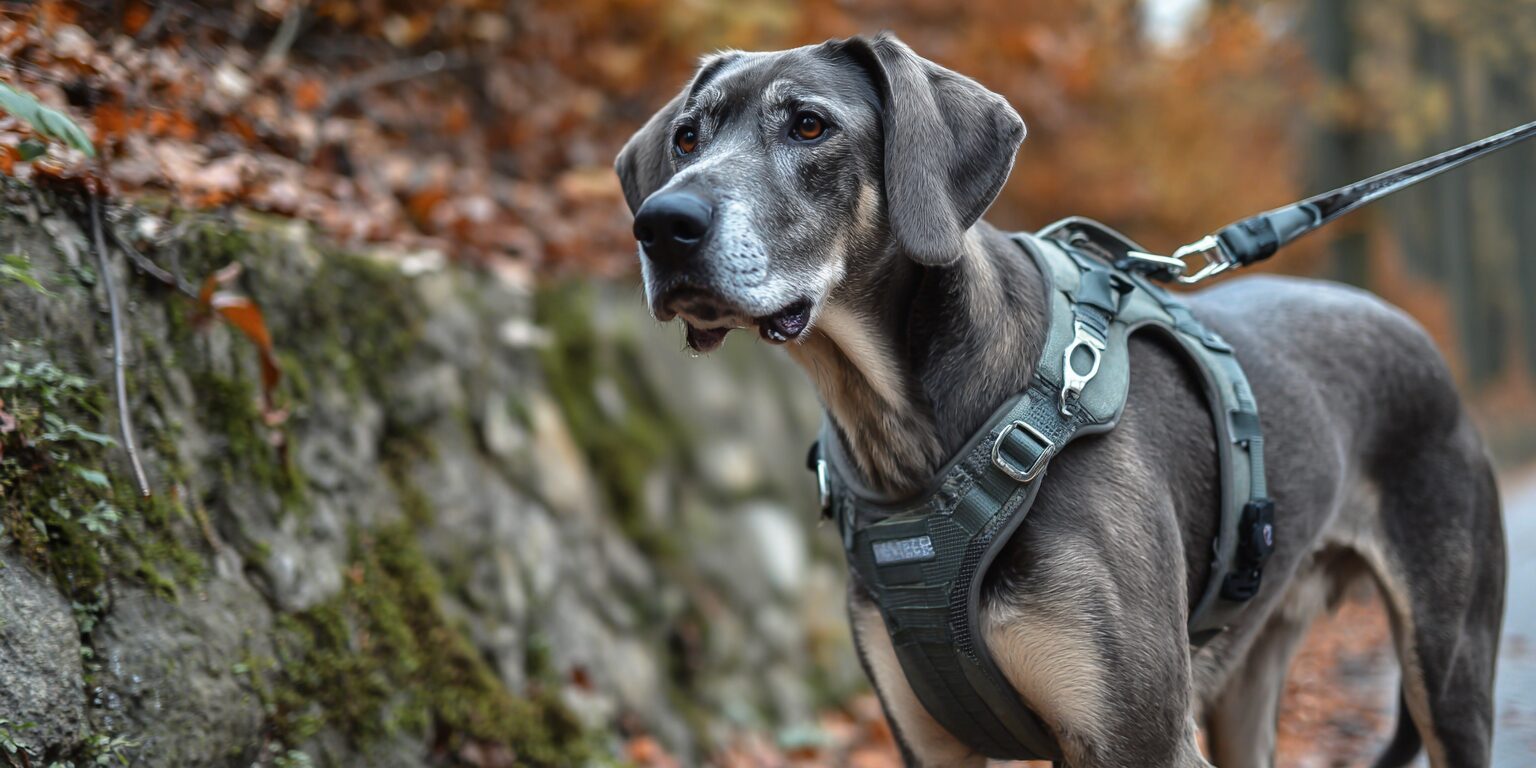
Switch from collar to harness: Immediately after diagnosis, switch to a well-fitted harness that distributes pressure across the chest—not the neck. Dogs with any spinal disease history should use harnesses permanently.
Home environment modifications:
- Use ramps instead of stairs where possible
- Block access to furniture they might jump from
- Place non-slip rugs on hardwood or tile floors
- Raise food and water bowls to reduce neck bending
Weight management: Extra weight puts stress on spinal discs. If your dog is overweight, work with your vet on a plan to reduce 10–15% of body weight over 6–9 months. A healthy weight reduces disc stress and improves overall well being.
Activity progression:
- Strict rest during the acute phase (per vet instructions)
- Controlled, short leash walks as cleared by your vet
- Later: guided strengthening exercises or formal physical therapy
- Avoid off-leash running until fully recovered
Safe comfort measures and what to avoid
Before reaching for home remedies, know what’s safe and what could cause harm.
Safe comfort measures:
- Orthopedic beds that support the spine
- Warm (not hot) compresses when vet-approved
- Calm, predictable daily routines that reduce stress
- Quiet resting areas away from household activity
What to avoid:
- Never give human painkillers (ibuprofen, acetaminophen, aspirin)
- Don’t use non-prescribed topical creams or heating pads directly over the spine
- Avoid rough play, tug-of-war, or wrestling with other dogs
- No fetch with abrupt stops, Frisbee, or agility jumps for dogs with neck injury history
- Don’t attempt massage or manipulation without professional guidance
Before starting anything new: Check with your vet before introducing any supplement, joint product, or home device—including light-based therapies. What works for one dog may not be appropriate for your dog’s specific condition.
Nutrition and neck health: supporting your dog’s recovery and resilience
When it comes to managing neck pain in dogs, nutrition is often an overlooked but essential part of the healing process. The right diet can make a significant difference in your dog’s recovery from neck injuries, intervertebral disc disease, and other cervical spine problems. By supporting the spinal cord and surrounding tissues with key nutrients, you can help reduce inflammation, promote healing, and improve your dog’s overall well-being.
Maintaining a healthy weight is especially important for dogs experiencing neck pain. Extra pounds put additional pressure on the spinal cord and can worsen conditions like cervical disc disease, particularly in large breed dogs and giant breed dogs who are already at higher risk for disc disease. For these predisposed breeds, a diet tailored to support joint health and maintain an ideal body condition is a cornerstone of pain management and prevention.
A tailored treatment plan for neck pain should always include a focus on nutrition alongside pain management strategies such as nonsteroidal anti-inflammatory drugs (NSAIDs), physical therapy, and, in severe cases, surgical intervention. While pain medications can provide immediate relief, a balanced diet rich in anti-inflammatory nutrients helps address the root causes of pain and supports the body’s natural healing process. If you are interested in learning about similar treatment approaches for pets, you can read more about dog ACL surgery, including costs, procedures, and recovery tips.
Key nutrients to look for include omega-3 fatty acids, which help reduce inflammation. These can be especially beneficial for dogs with chronic disc disease or those recovering from neck injuries. Your veterinary neurologist may recommend specific supplements or therapeutic diets as part of your dog’s individualized treatment plan.
Physical rehabilitation and physical therapy also play a vital role in managing neck pain and supporting recovery. Combined with proper nutrition, these therapies help strengthen neck muscles, improve mobility, and speed up the healing process. For dogs recovering from surgical intervention, a well-balanced diet and structured rehabilitation program can make a significant difference in the recovery period and long-term outcome.
Preventing neck problems is just as important as treating them. Avoiding rough play, providing a safe environment, and monitoring your dog’s weight are all practical steps you can take to protect your furry friend’s neck health. Regular check-ups with your veterinarian or veterinary neurologist ensure that your dog’s treatment plan remains effective and that any changes in their condition are addressed promptly.
By prioritizing nutrition, maintaining a healthy weight, and following a comprehensive treatment plan that includes supportive care and physical rehabilitation, you can help your dog manage neck pain and enjoy a happier, more active life. Whether your dog is facing mild discomfort or severe neck pain, a holistic approach to neck health will support their resilience and overall well-being for years to come.
Red and near-infrared light therapy for dog neck pain (MedcoVet Luma)
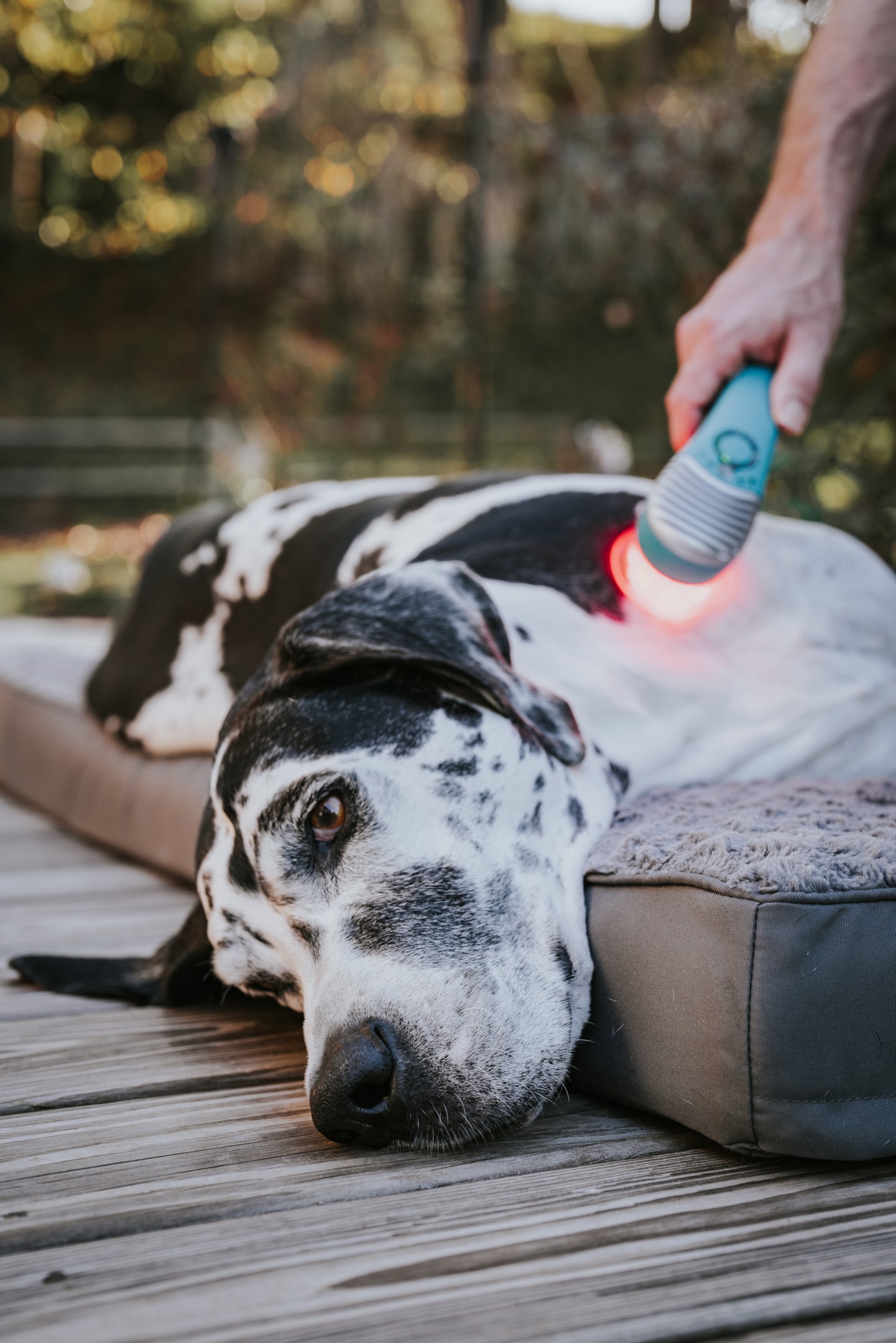
Red and near-infrared (NIR) light therapy, also called photobiomodulation, is a non-invasive, drug-free option increasingly used alongside conventional veterinary care. It works by delivering specific wavelengths of light that penetrate tissue and support the body’s natural healing process.
How it works: Luma uses 635 nm (red) and 850 nm (near-infrared) light. These wavelengths energize mitochondria (the power centers of cells), increasing ATP production, the fuel cells need to repair and heal. Research supports several pain-related benefits:
- Reduced inflammatory markers (like TNF-α and IL-1β)
- Improved blood flow bringing oxygen and nutrients to injured areas
- Modulation of pain signaling at the spinal cord level
- Stimulation of growth factors for nerve repair
- Natural endorphin release
What light therapy does and doesn’t do: Red light therapy doesn’t replace surgery when surgery is needed. But it’s often used to manage pain, support post-op healing, or help dogs with chronic disc disease and arthritis maintain comfort and mobility over time.
👉 Want a deeper look at the science behind how red light therapy works?
/science-of-red-light-therapy/
Real stories from pet parents:
“Gideon’s life completely changed after we started using the Luma for IVDD pain in his neck and lower back. It was the perfect solution—no more stressful vet visits. Shortly after we began, it was like getting our happy, playful boy back!” —Kristen Hanley
“Bernice was in a lot of pain and had difficulty moving her head due to a neck injury. Within the first two days of treating her she was visibly better and moving much more easily. We had tried injections and pain medicine and nothing worked for her as well as the Luma.” —Amy
If you’re also concerned about symptoms like dogs’ back legs shaking, learn more about causes and solutions from our resource.
MedcoVet’s Luma is designed for home use with veterinary-level parameters. Every treatment plan is customized by clinicians through a teleconsult process—you’re never guessing about settings or protocols.
Light therapy works best with the right plan.s of cells), increasing ATP production, the fuel cells need to repair and heal. Research supports several pain-related benefits:
- Reduced inflammatory markers (like TNF-α and IL-1β)
- Improved blood flow bringing oxygen and nutrients to injured areas
- Modulation of pain signaling at the spinal cord level
- Stimulation of growth factors for nerve repair
- Natural endorphin release
What light therapy does and doesn’t do: Red light therapy doesn’t replace surgery when surgery is needed. But it’s often used to manage pain, support post-op healing, or help dogs with chronic disc disease and arthritis maintain comfort and mobility over time.
Real stories from pet parents:
“Gideon’s life completely changed after we started using the Luma for IVDD pain in his neck and lower back. It was the perfect solution—no more stressful vet visits. Shortly after we began, it was like getting our happy, playful boy back!” —Kristen Hanley
“Bernice was in a lot of pain and had difficulty moving her head due to a neck injury. Within the first two days of treating her she was visibly better and moving much more easily. We had tried injections and pain medicine and nothing worked for her as well as the Luma.” —Amy
If you’re also concerned about symptoms like dogs’ back legs shaking, learn more about causes and solutions from our resource.
MedcoVet’s Luma is designed for home use with veterinary-level parameters. Every treatment plan is customized by clinicians through a teleconsult process—you’re never guessing about settings or protocols.
Is your dog’s neck pain something to worry about?
Get a clinician’s take, free, and find out if at-home light therapy could bring relief.
Hazel Moon
How Luma is used for neck and cervical spine pain
Treating the neck requires careful technique to avoid putting pressure on sensitive areas or causing your dog to bend uncomfortably.
Typical session structure:
- 3–5 minutes per treatment zone
- Several sessions per week initially during the active healing process
- Maintenance sessions spaced out over time as symptoms improve
- All protocols adjusted per MedcoVet clinician guidance based on your dog’s response
For dogs with thick or long fur: Luma’s comb-style design helps part the coat so therapeutic light actually reaches skin level over the neck and shoulders—an important consideration for breeds where fur would otherwise block the light.
What to expect during treatment: Most pets find sessions relaxing. Many dogs lie down or even nap during treatments because the device is quiet, non-invasive, and may produce a gentle warming sensation.
Fitting into your existing care plan: All Luma protocols are designed to work alongside medications, surgery recovery protocols, and rehabilitation exercises recommended by your pet’s own vet or veterinary neurologist. We coordinate with your care team, not against them.
Safety and when not to use light therapy
While red light therapy is generally very safe, certain situations require extra caution or delay.
Use with caution or delay treatment if:
- Spinal instability is suspected but not yet imaged
- Active, unexplored tumors may be present in the treatment area
- Untreated infection is present
- Major trauma just occurred and your dog hasn’t been evaluated yet
Always get a diagnosis first: MedcoVet clinicians review your dog’s history and diagnosis before creating any treatment plan. When necessary, we communicate with your primary veterinarian to ensure protocols are appropriate.
What makes Luma safe:
- Non-thermal (no burning)
- Drug-free
- Safe for repeated daily use when used as directed
- Trusted by 250+ veterinary clinics
Is Luma right for your dog’s neck pain? Next steps
Watching your dog struggle with neck pain is stressful. You may feel torn between surgery, repeated vet visits, ongoing medications, and uncertainty about what actually helps. You’re not alone—and there are paths forward that don’t require choosing only one approach.
Cases where Luma is commonly considered:
- Chronic cervical disc pain
- Post-surgical recovery to support healing and reduce inflammation
- Age-related arthritis affecting the neck and shoulders
- Dogs who can’t tolerate frequent in-clinic laser sessions due to stress or logistics
- Furry friends whose owners want to reduce reliance on long-term medications
What MedcoVet provides: Luma comes with a clinician-guided program—personalized protocols, progress tracking via app, and adjustments based on your dog’s response over weeks and months. You’re supported by a dedicated team, not left to figure it out alone.
What happens during a free consult:
- Review of your dog’s diagnosis and vet notes
- Discussion of current medications, limitations, and goals
- Explanation of realistic outcomes: less pain, smoother movement, better sleep, more willingness to play
- Customized recommendations for how Luma might fit into your tailored treatment plan
Consults can be scheduled online and typically take about 20–30 minutes.
Pain shouldn’t be your dog’s default setting. Whether the cause is disc disease, a soft tissue injury, or something else entirely, the path to provide relief starts with diagnosis—and continues with smart daily choices and science-based therapies that support the healing process.
Early diagnosis. Smart lifestyle changes. Clinician-guided support at home.
That’s how you give your furry friend the best chance at long-term neck comfort and mobility. And that’s exactly what Luma was designed to help you do.
Ella
Clinical summary
Mechanism
Photobiomodulation uses red and near-infrared light to influence cellular function. Proposed mechanisms relevant to neck pain include mitochondrial stimulation and increased ATP production, modulation of inflammatory cytokines, support for local blood flow, and effects on pain signaling within the nervous system.
Evidence level
Evidence is moderate for pain and functional support in selected inflammatory and musculoskeletal conditions, including soft tissue injury, osteoarthritis, and post-surgical recovery. Evidence specific to cervical pain depends on the underlying diagnosis, tissue depth, treatment parameters, and whether the condition is primarily muscular, inflammatory, neurologic, or compressive.
When it works best
PBM is most commonly considered for diagnosed soft tissue injury, chronic cervical discomfort, post-operative recovery, arthritis affecting the neck or shoulders, and some cases of chronic pain where inflammation and tissue stress are present. It is most useful when the diagnosis is reasonably clear and treatment is applied consistently as part of a broader care plan.
When not to use
PBM should not be used casually when spinal instability is suspected, when severe or rapidly worsening neurologic signs are present, when major trauma has just occurred, when infection is suspected, or when an unexplored mass or tumor may be present in the treatment area. In these settings, diagnosis takes priority.
Limitations
PBM is not a substitute for diagnosis, imaging, surgery when indicated, or medication when needed. Clinical response varies based on the underlying cause of neck pain, severity, tissue depth, fur interference, treatment frequency, and the rest of the veterinary plan.
Frequently Asked Questions
Sprite
Evidence Citations
🐾 Ready to Take the Next Step?
Whether you’re just learning or ready to act — we’ve got you.
👉 Book a Free Consult
Talk to a licensed clinician about your pet’s condition and get a personalized plan. No pressure, just real help.
👉Learn More About the Luma
Explore how our at-home red light therapy device works, why it’s different, and what it can do for your pet.

About the Author
Alon Landa is the CEO and co-founder of MedcoVet, a leader in at-home red light therapy for pets. With over 20 years of experience in medical technology and firsthand involvement in developing the Luma, Alon combines deep technical knowledge with a passion for improving pet health. He regularly collaborates with veterinarians and pet parents to advance photobiomodulation (PBM) care at home.
📍 Based in Boston, MA
📖Read more from Alon here

About the Medical Reviewer
Clinical Focus: Surgery, anesthesia, canine fitness, injury prevention, agility
Kristy Williams brings over 30 years of experience to the veterinary field. Her career began in the 1990s, working as a civilian for the Army Veterinary Corps at RAF Feltwell in England, where she first discovered her passion for animal care and supporting their families. Upon returning to the United States, Kristy pursued her education and graduated in 2005 as a certified veterinary technician after passing the national exam. She has since gained extensive experience in both general practice and emergency/referral practices.
Read More about Kristy here.