This page is part of MedcoVet’s clinical education library on photobiomodulation in veterinary medicine. It is designed to explain where red light therapy may fit into pain management for dogs and cats, where evidence is strongest, where caution is needed, and how home treatment compares with medication, rehabilitation, and in-clinic care.
Not sure where to start?
Start with our 2-minute quiz for a quick candidacy check, or grab the Red-Light Therapy Roadmap for a simple overview of how PBM works, when it helps, and what to do next.
Can red light therapy help relieve pain in dogs and cats?
Photobiomodulation, also called PBM, red light therapy, low-level laser therapy, LED therapy, cold laser, and near-infrared therapy, refers to the same therapeutic category using light energy to influence cellular biology. In dogs and cats, PBM may help reduce pain and inflammation, support blood flow, and improve function in conditions such as arthritis, soft tissue injury, post-surgical recovery, and some forms of nerve pain. It is best used as part of a broader veterinary pain management plan based on diagnosis, tissue depth, treatment frequency, and clinical goals.
Real pain relief for dogs and cats, from home
When a pet is in pain, everything changes. Dogs and cats may slow down, hide, limp, stop jumping, avoid stairs, sleep differently, or react when touched. Pain in dogs and cat pain can come on suddenly after surgery or injury, or build over time with arthritis, osteoarthritis, hip dysplasia, nerve pain, or other disease.
The MedcoVet Luma is built for pain relief for dogs and pain relief for cats using photobiomodulation. In veterinary medicine, PBM is used to support pain management, tissue repair, blood flow, and modulation of inflammation. The MedcoVet Luma uses red and near-infrared light within this therapeutic category as part of an at-home treatment approach for dogs and cats.
If you are looking for pain relief, pain management, and a way to help your pet from home without reaching for human pain meds from the medicine cabinet, this page will walk you through what pain is, how PBM works, when it helps, when it should not be used, and how the MedcoVet Luma fits into a smart treatment plan.
What is pain in dogs and cats?
Pain is not just one thing. A dog’s pain may be mild, moderate pain, or severe pain. It may be short term or long term. It may come from the joints, muscles, nerves, spine, skin, mouth, stomach, or another part of the body. Cat pain can look different from pain in dogs, but both dogs and cats feel pain, and both may hide signs until the problem is more advanced.
Common types of pain in pets
Acute pain
Acute pain starts suddenly. It often happens after surgery, an injury, a dental procedure, a strain, a sprain, or another obvious event. Acute pain can cause swelling, discomfort, guarding, limping, restlessness, or changes in behavior.
Chronic pain
Chronic pain lasts longer and may build slowly. It is common with arthritis, osteoarthritis, hip dysplasia, spine problems, long-term inflammation, or disease. Many dogs and many cats with chronic pain do not cry out. Instead, they move less, sleep more, stop jumping, or seem less social.
Inflammatory pain
Inflammatory pain is linked to swelling and irritation in tissue. Arthritis, injury, surgery, and other conditions can all lead to pain and inflammation.
Neuropathic or nerve pain
Nerve pain involves the nervous system. It can happen with back problems, IVDD, nerve injury, or disease affecting nerve tissue. Nerve pain may feel sharp, strange, or hard to localize.
Signs of pain
Signs of pain are not always dramatic. Watch for:
limping
stiffness
licking one area
shaking
trouble getting up
reluctance to jump
posture changes
hiding
irritability
reduced appetite
slower walks
less interest in play
Other signs can include changes in sleep, grooming, facial expression, breathing, or willingness to be touched. In cats, other signs may include crouching, reduced grooming, hiding, or reluctance to use stairs or the litter box.
Why human pain meds are dangerous for pets
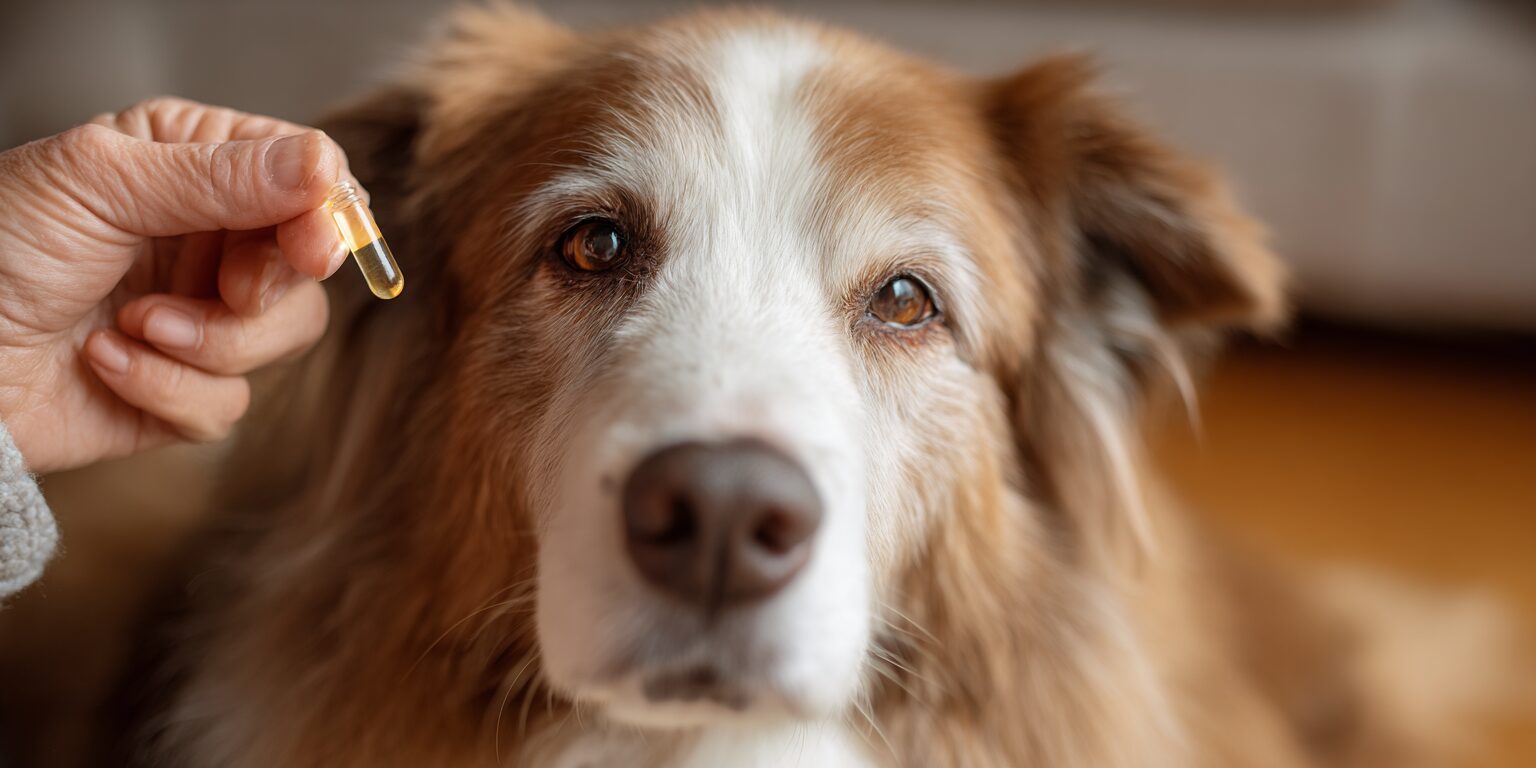
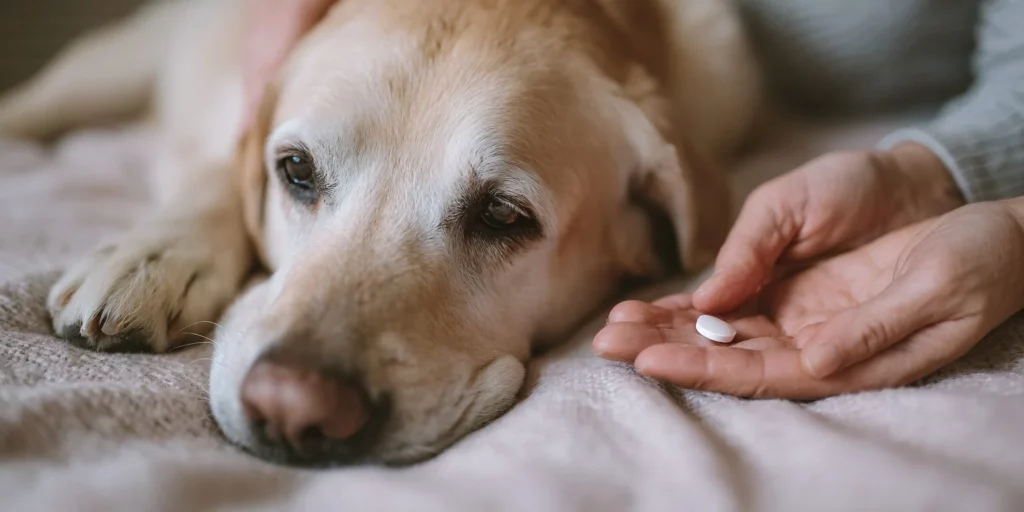
Many people want to help fast, but human pain meds should not be given unless a veterinarian specifically tells you to do so. Human pain meds like ibuprofen and aspirin can cause serious side effects in dogs and cats, including stomach injury, digestive problems, blood clotting issues, platelet function problems, kidney damage, and liver damage. Worse side effects can be seen in small dogs, cats, seniors, or pets with kidney disease, liver disease, cancer, or other health concerns.
Even pain relievers that seem normal for humans may create major risk for pets. Dose, body size, species, disease status, blood work, and other drugs all matter. Some pain medications used in veterinary medicine are FDA approved for certain uses, while some other medications are used based on veterinary science and clinical judgment. Either way, medication choice should come from your veterinarian, not the medicine cabinet.
That is one reason more pet owners look for ways to manage pain that do not depend only on drugs, especially for long term pain management.
What is PBM and how does it work for pain?
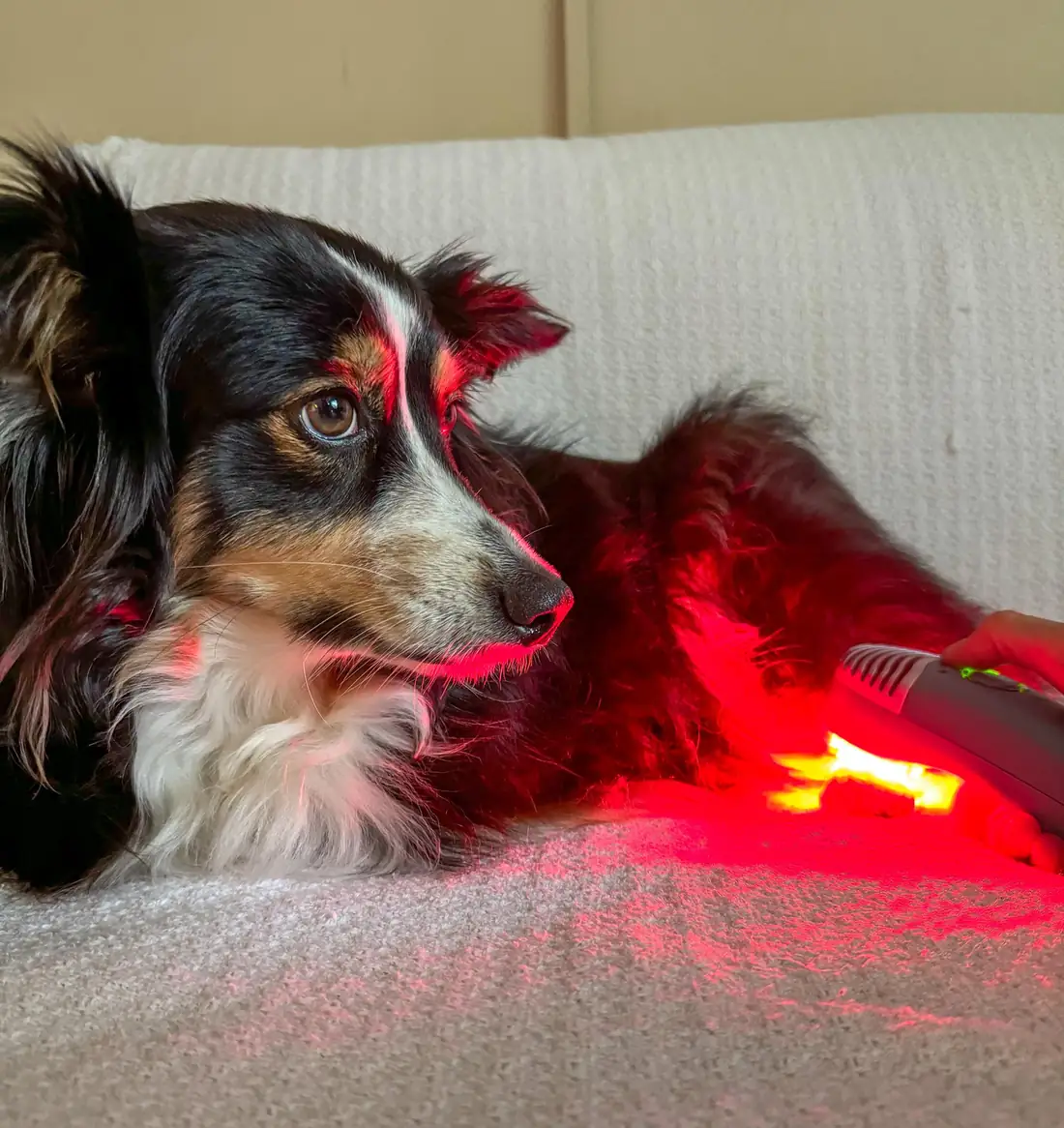
Photobiomodulation, also called PBM, red light therapy, or light-based pain treatment, uses specific wavelengths of light to affect how cells function. The MedcoVet Luma uses red and near-infrared light as part of a pain management approach designed for pets.
How PBM works inside the body
1. Mitochondria and ATP
PBM acts on the mitochondria, which help cells make energy. When cells make more ATP, they have more energy for repair, recovery, and normal function. This matters in tissue under stress from inflammation, surgery, arthritis, or injury.
2. Cytokines and inflammation
Pain and inflammation often rise together. PBM can help influence inflammatory signaling, including cytokines that contribute to swelling, tissue irritation, and discomfort. That matters for chronic pain, osteoarthritis, post-op recovery, and soft tissue injury.
3. Blood flow
PBM may help improve blood flow to the treatment area. Better blood flow can support oxygen delivery, nutrient delivery, and waste removal, all of which matter when the goal is to relieve pain and help tissue recover.
4. The nervous system and nerve pain
PBM may help calm pain signaling in the nervous system and support tissue around irritated nerves. That is one reason it is often discussed for nerve pain, spine pain, and chronic pain states where the body stays stuck in a pain cycle.
Why this matters
PBM does not work like many pain meds that simply block symptoms for a period of time. It aims to support the tissue and processes underneath the pain. That makes it useful for pain relief, pain management, and helping control pain as part of a broader plan.
For a broader review of mechanism, dosing logic, wavelength selection, safety, and device considerations, see Science of Red Light Therapy.
When red light therapy works best for pain
The MedcoVet Luma is often most useful when pain is linked to inflammation, tissue stress, or poor function in muscles, joints, or nerves.
Common use cases
Arthritis and osteoarthritis
Arthritis is one of the most common reasons people look for pain relief for dogs and pain relief for cats. PBM may help manage pain, reduce stiffness, and support more comfortable movement in pets with osteoarthritis and other chronic joint disease.
Hip dysplasia and joint stress
Dogs with hip dysplasia, older dogs, active dogs, and some small dogs may all need long term pain management. PBM can fit well into a plan that may also include rehab, weight control, joint supplements, fish oil, exercise changes, and prescribed pain medications.
Injury
PBM is often used to relieve pain linked to sprains, strains, soreness, overuse, or trauma. It can be part of early support and also part of a longer recovery plan.
Surgery and post-op recovery
After surgery, swelling, discomfort, and tissue irritation are common. PBM is often used to help manage pain and support healing during recovery.
Nerve pain and back pain
Some pets with nerve pain, back pain, or spine-related issues may benefit from a treatment plan that includes PBM.
When NOT to use red light therapy
Red light therapy is not for every situation. It should not be used casually over every problem without thought.
Avoid or pause use when:
your pet has a tumor, suspected cancer, or an unknown lump that has not been assessed
there is an active infection that needs veterinary diagnosis and treatment
you would need to shine the device directly into the eyes
the diagnosis is unclear and severe pain is present
your pet is declining quickly, non-weight-bearing, unable to urinate, or showing emergency symptoms
If a pet has more severe pain, rapid swelling, sudden collapse, severe nerve signs, or other signs that feel urgent, see a veterinarian first. PBM can be a useful treatment tool, but it does not replace diagnosis when a serious disease, cancer, fracture, infection, or neurologic emergency is possible.
Safety section
Is red light therapy safe?
When used correctly, PBM is generally considered a low-risk, non-invasive treatment option in veterinary medicine. That is a major reason many pet owners look at it for pain relief and long term pain management.
Eye safety
Do not shine treatment light directly into the eyes.
Pregnancy context
If a pet is pregnant, ask your veterinarian before use. Use in pregnancy should be handled thoughtfully because treatment goals and target areas matter.
Infection context
If the area may be infected, the first step is veterinary guidance. Infection needs proper diagnosis and treatment.
Medication context
PBM can often be used alongside pain medications, NSAIDs, gabapentin, joint supplements, fish oil, rehab, and other medications, but your veterinarian should help you decide what combination makes sense for your pet’s pain, overall health, blood work, liver status, kidney disease risk, and other drugs already in use.
Red light therapy vs pain medications
Pain medications matter. NSAIDs, gabapentin, and other pain meds are important tools in veterinary medicine. A nonsteroidal anti inflammatory drug may be used to control pain and inflammation. Other medications may be prescribed for nerve pain, surgical discomfort, or disease-specific pain.
But medication is not the whole story.
Where medication helps
fast symptom control
moderate pain or severe pain support
post-op treatment
short-term flare management
Where pain medications may have limits
Depending on the drug, pet, dose, and long term use, there can be potential side effects such as:
stomach upset
digestive problems
changes in platelet function
blood clotting concerns
kidney damage
liver damage
worse side effects in fragile pets or certain species
PBM is often used because it gives another way to relieve pain and manage pain without adding the same drug burden to the body. For some pets, the best plan is not PBM instead of medication. It is PBM plus medication, plus rehab, plus weight management, plus other treatment steps based on the condition.
Can PBM be used with NSAIDs, gabapentin, and other medications?
Yes, often it can. Many veterinarians use PBM as part of a broader pain management plan that may include NSAIDs, gabapentin, joint supplements, fish oil, rehab, surgery recovery care, and other medications. The right treatment mix depends on the source of the pain, whether the pet has kidney disease or liver disease, what other drugs are already being used, and what your veterinarian wants to monitor over time.
Is your dog in pain? Find out what might actually help.
A free 20-minute consult can tell you if light therapy is a fit for your dog’s pain.
PBM can be especially helpful when a pet needs long term support and the goal is to manage pain while being thoughtful about medication load and potential side effects.
At-home vs clinic treatment
Clinic treatment
Clinic laser treatment can be helpful, especially early on or for complex cases. But it often depends on travel, scheduling, cost, and how well the pet tolerates repeated visits. Some dogs and cats do great at the clinic. Others do not.
At-home treatment
At-home PBM makes frequent treatment possible. That matters because consistency is often one of the biggest drivers of success in pain management. Instead of spacing care far apart, you can treat regularly in the real world, where the pet is calm and comfortable.
Why MedcoVet Luma fits this need
The MedcoVet Luma is designed for home use while still being grounded in veterinary science. For many pets, that means more sessions, less stress, and a better shot at steady pain relief.
People often ask whether LED or laser is better for pain relief. The better question is whether the device delivers the right wavelengths, enough useful energy, and a practical treatment format for the target tissue and the actual pet in front of you.
Laser
Laser devices are often used in clinic settings and may be powerful tools in trained hands.
LED
LED-based PBM can also be effective, especially when device design, wavelength choice, treatment consistency, and ease of use support real-world care.
What matters most
wavelength
dosing
treatment frequency
contact with the correct area
fur management
consistency over time
For many dogs and cats, the best device is the one that can actually be used correctly and often enough to manage pain.
Fur and penetration limitations
Fur matters. Thick coats, dark coats, dense undercoats, and body location all affect how much light reaches tissue. That is true whether the goal is to relieve pain from arthritis, soreness, back pain, or another issue.
Factors that affect penetration
coat thickness
coat color
target depth
body size
treatment angle
contact with the skin or parted fur
This is one reason a good pain relief plan should match the actual pet, not just the condition on paper. A small dog with a short coat is different from a large dog with thick fur. A cat with spine pain is different from a dog with hip dysplasia. Good pain management looks at the whole body and the actual use case.
What improves, and when? Week 1 to Week 4
Pain relief is not always instant, but many pets show improvement with consistent use.
Week 1
You may notice:
less guarding
smoother movement
better willingness to walk
less licking
less tension when touched
Week 2 to Week 3
You may notice:
better mobility
easier standing up
more interest in normal activity
better comfort after rest
Week 4 and beyond
You may notice:
more stable pain relief
fewer flare-ups
better day-to-day comfort
stronger long term pain management
easier integration with rehab, medication, and other support
If a pet has severe pain, advanced disease, or a complex diagnosis, improvement may take longer and may depend on a combination plan.
Conditions where MedcoVet Luma may fit into pain management
The MedcoVet Luma may be part of a treatment plan for:
arthritis
osteoarthritis
hip dysplasia
post-surgery discomfort
soft tissue injury
back pain
neck pain
chronic pain
nerve pain
mobility issues
age-related pain and stiffness
It is not a replacement for diagnosis, but it can be a valuable tool to relieve pain, support recovery, and help manage pain over time.
Why MedcoVet Luma
The MedcoVet Luma is built around a simple goal: help dogs and cats feel better with practical, science-based pain relief from home.
What makes it different
designed around PBM for pets
supports pain relief for dogs and pain relief for cats
usable at home, where consistency is easier
can fit into a treatment plan with pain medications, rehab, and veterinary care
gives pet owners a way to manage pain without reaching for human medicine
grounded in veterinary medicine and veterinary science
Clinical summary
Mechanism
Photobiomodulation uses red and near-infrared light to influence cellular function. Proposed mechanisms relevant to pain include mitochondrial stimulation and increased ATP production, modulation of inflammatory cytokines, support for local blood flow, and effects on pain signaling within the nervous system.
Evidence level
Evidence is moderate to strong for pain and functional support in selected inflammatory and musculoskeletal conditions, particularly osteoarthritis, soft tissue injury, and post-surgical recovery. Evidence strength varies by indication, study design, wavelength, irradiance, tissue depth, treatment frequency, and device characteristics.
When it works best
PBM is most commonly used for arthritis, osteoarthritis, hip dysplasia, soft tissue injury, post-operative discomfort, mobility decline, and some forms of back pain or nerve pain. It is most useful when the diagnosis is reasonably clear and treatment is applied consistently over time.
When not to use
PBM should not be used casually over unknown masses, suspected tumors, or areas of possible cancer without veterinary guidance. Caution is also warranted when infection is suspected, when direct eye exposure would occur, or when the pet has severe or rapidly worsening symptoms that require diagnosis before supportive treatment begins.
Limitations
PBM is not a substitute for diagnosis, emergency care, surgery when indicated, or medication when needed. Clinical response varies based on the underlying condition, severity, tissue depth, fur interference, dosing logic, and adherence to treatment frequency.
Clinical questions pet owners ask about red light therapy for pain
Signs of pain in dogs may include limping, stiffness, licking, shaking, slower movement, difficulty rising, reluctance to jump, irritability, hiding, or changes in sleep and appetite. Some dogs with chronic pain do not vocalize. A behavior change may be the clearest sign. Common signs also include whimpering, crying, groaning, or howling, as well as licking or biting at a wound or surgery site. Dogs may show pain by shifting their weight or limping to protect certain areas of their body.
Cat pain is often subtle. Common signs include hiding, crouching, reduced jumping, stiffness, reduced grooming, changes in litter box habits, and decreased social behavior. Cats often mask discomfort until pain is more advanced.
PBM may help improve comfort and function in dogs with arthritis and osteoarthritis, especially when used consistently over time. It is most often used as part of a broader pain management plan that may also include weight management, rehabilitation, medication, and joint support.
Treatment frequency depends on the diagnosis, tissue depth, severity, body area, and whether the goal is short-term relief or long-term pain management. In general, repeated and consistent treatment matters more than occasional use.
Often, yes. PBM is commonly used alongside NSAIDs, gabapentin, rehabilitation, fish oil, joint supplements, and other medications. The correct combination depends on the individual pet, the source of pain, and the veterinarian’s treatment plan.
Lack of improvement should prompt a review of the diagnosis, treatment frequency, dosing logic, fur interference, tissue depth, and overall plan of care. Persistent or worsening pain may indicate that the source of pain is more serious or that another treatment approach is needed.
These therapies do different jobs. Pain medications may help provide faster symptom control, especially in moderate pain or severe pain. PBM is often used to support pain relief and tissue recovery over time. Many pets do best with both, not one or the other.
Do not give ibuprofen, aspirin, acetaminophen, or other human pain meds unless your veterinarian specifically instructs you to do so. Many human pain medications, such as ibuprofen and acetaminophen, are toxic to dogs and should never be given without veterinary guidance. These medications can cause severe side effects in dogs and cats, including stomach injury, blood clotting problems, kidney damage, liver damage, and even death. Acetaminophen can cause red blood cell damage in cats and liver damage in dogs, making it dangerous for pets.
Veterinarians often prescribe NSAIDs for dogs to control pain and inflammation associated with osteoarthritis and after soft tissue and orthopedic surgery. Common FDA-approved NSAIDs for dogs include carprofen, deracoxib, firocoxib, and grapiprant, which help relieve pain by decreasing inflammation. Specialized pain medications like gabapentin and Librela may also be prescribed. Gabapentin is used to manage nerve pain, although its safety and effectiveness are not well established in dogs. Only a few opioids are FDA-approved for use in animals, including dogs, and they are typically reserved for more severe pain.
Yes. Veterinarians may require blood tests before prescribing pain medications to ensure the dog’s liver and kidney functions are adequate for safe medication use. Long-term use of NSAIDs in dogs may require regular blood tests to monitor liver and kidney function due to potential side effects.
Common side effects of NSAIDs in dogs include ulcers in the stomach and intestines, kidney failure, liver failure, and even death in some cases. NSAIDs can cause side effects in the digestive tract, kidneys, and liver due to their interference with prostaglandins, which protect these organs. Opioids can cause side effects such as slow or shallow breathing, decreased heart rate, excessive salivation, nausea, vomiting, and lethargy.
Yes. CBD oil can reduce pain, inflammation, and anxiety in dogs, with minimal side effects such as sedation or diarrhea. Physical therapies such as acupuncture and laser therapy are effective in reducing inflammation and managing chronic pain without medication. Natural alternatives include omega-3 fatty acids, glucosamine, chondroitin, turmeric, and avocado and soybean unsaponifiables (ASUs). Fish oil supplements containing omega-3 fatty acids can help slow joint degeneration and may allow for reduced NSAID use. Turmeric and curcumin supplements may have mild anti-inflammatory effects. Complementary therapies also include chiropractic care, physical therapeutic exercises, underwater treadmill rehabilitation, massage, and acupuncture.
Weight management is one of the most effective ways to reduce chronic joint pain in dogs and is often a key part of a comprehensive pain management plan.
Abstract: Prospective randomized blinded study comparing preoperative laserpuncture with meloxicam in dogs undergoing ovariohysterectomy. Laserpuncture-treated dogs had lower 24-hour composite pain scores and lower scores at 2 and 4 hours; three meloxicam-treated dogs required rescue analgesia versus none in the laserpuncture group.
One Sentence Outcome: Laserpuncture reduced postoperative pain scores and rescue-analgesia use in a small randomized study of dogs undergoing ovariohysterectomy.
Study Parameters: Sixteen bitches were randomized before ovariohysterectomy to laserpuncture or meloxicam and followed for postoperative pain for 24 hours.
Device Parameters: 904 nm laserpuncture; 124 Hz; 10 J; 100 seconds at each acupoint
Abstract: “Over a 15-month period, a total of 395 injuries including sprains, strains, ligament damage, tendonitis and contusions were treated”
“The average LED-mediated RTP in the 65 subjects was significantly shorter at 9.6 days, compared with the mean anticipated RTP of 19.23 days (p = 0.0066, paired two-tailed Student’s t-test).
“A subjective satisfaction survey was carried out among the 112 students with injuries incurred from January to May, 2015. Eighty-eight (78.5%) were either very satisfied or satisfied, and only 8 (7.2%) were dissatisfied.”
One Sentence Outcome: LED phototherapy was associated with a shorter return-to-play time in injured university athletes, including sprains, strains, ligament damage, tendonitis and contusions.
Study Parameters: Human
Single-arm (retrospective?)
65 participants
⌛ ~1-2 weeks per patient; Sessions: 3-6
on
average; Treatment time: 1200 sec
Abstract: “No significant effect of treatment was noted for the MNTs. The AMG results were analyzed in terms of their temporal summation (T-score), where statistically significant improvements in the T-scores for M. longissimus and M. gluteus medius were noted for the different gaits.”
“It is concluded that cold and LLLT causes a decrease in the firing frequency of horse muscles, a change that is similar to the effects of analgesia on muscles of subjects experiencing pain. However, for the first time, the present study reveals evidence that supports an effect of LLLT on muscle function.”
One Sentence Outcome: PBM did not significantly change mechanical nociceptive thresholds but showed evidence of altered muscle firing patterns in horses at different gaits.
Abstract: “Low-level laser therapy, as applied in this study, produced significant reductions in back pain, epaxial muscle hypertonicity, and trunk stiffness. Combined laser therapy and chiropractic care produced similar reductions, with additional significant decreases in the severity of epaxial muscle hypertonicity and trunk stiffness.”
Note: No negative control group.
One Sentence Outcome: Low-level laser therapy was associated with reduced back pain, epaxial muscle hypertonicity, and trunk stiffness in Quarter Horses.
Abstract: “Reflectance data analysis showed significant changes in group 1 (p = 0.027). There was also an ankle function score improvement more in group 1 than in group 2, with a significant short-term effect (p = 0.011) but without significant long-term effects (p = 0.178). Compared with group 2, group 1 had an immediate effect on pain reduction, but no long-term effect (p = 0.074).”
“Combined with standard treatment, fractionated irradiation photobiomodulation therapy has been shown to have favorable short-term effects on the recovery of patients with ankle sprains, but its long-term effects should be improved.”
Note: This single study seems to have two PubMed entries for some reason, possibly because of a mistake! (The other one: https://www.ncbi.nlm.nih.gov/pubmed/31318750 )
One Sentence Outcome: Reflectance data analysis showed significant changes in group 1 (p = 0.027). There was also an ankle function score improvement more in group 1 than in group 2, with a significant short-term effect (p = 0.011) but without significant long-term effects (p =…
Study Parameters: Human; Randomized trial; 19 participants; ⌛ 6 sessions on 3 consecutive days -> 6-week follow-up
Device Parameters: wavelength 635.0 nm; power 15.0 mW; fluence 4.5 +
9.0 J/cm2; sessions 6
/ 3 days
Abstract: “The group treated with LED showed statistically decreased pain compared to the placebo group in both the VAS (85.79 vs 55.73%) and McGill questionnaire (83.33 vs 52.52%). The reduction of oedema in the LED group on the 3rd and 6th days after therapy was statistically superior to that in the placebo (p < 0.0001).
Based on the results of this study, treatment with LED, using the tested dose, is effective for pain and oedema in the initial phase of ankle sprains."
One Sentence Outcome: The group treated with LED showed statistically decreased pain compared to the placebo group in both the VAS (85.79 vs 55.73%) and McGill questionnaire (83.33 vs 52.52%). The reduction of oedema in the LED group on the 3rd and 6th days after therapy was…
Study Parameters: Human; Randomized trial, sham-controlled; 40 participants; ⌛ 6 days; LED phototherapy
Device Parameters: wavelength 627.0 nm; power 60.0 mW; energy 100
(10p) J; duration 1670
(10p) sec; sessions 6
/ 6 days
Abstract: “The test group showed the largest magnitude of improvement for all evaluations at treatment five, and the between-group differences observed were statistically significant (p < 0.0005 for each)."
"These data provide preliminary evidence of the efficacy of Bioptron light therapy supplemented with cryotherapy for the treatment of acute ankle sprains; however, larger studies are required to confirm these results."
One Sentence Outcome: The test group showed the largest magnitude of improvement for all evaluations at treatment five, and the between-group differences observed were statistically significant (p < 0.0005 for each)." "These data provide preliminary evidence of the efficacy of...
Study Parameters: Human; Randomized trial, sham-controlled; 50 participants; ⌛ 5 days; Cryotherapy vs cryotherapy+PBM; ; Polychromatic light
Abstract: “A three by three repeated measures ANOVA with a follow up post hoc test revealed that the group treated with the RICE and an 820-nm GaA1As diode laser presented a statistically significant reduction in the volume of the edema after 24 h (40.3 +/- 2.4 mL, p < 0.01), 48 h (56.4 +/- 3.1 mL, p < 0.002), and 72 h (65.1 +/- 4.4 mL, p < 0.001)."
One Sentence Outcome: A three by three repeated measures ANOVA with a follow up post hoc test revealed that the group treated with the RICE and an 820-nm GaA1As diode laser presented a statistically significant reduction in the volume of the edema after 24 h (40.3 +/- 2.4 mL, p…
Study Parameters: Human; Randomized trial, double-blind; 47 participants; ⌛ 3 days
Device Parameters: wavelength 820.0 nm; power 40.0 mW; fluence 10 J/cm2; sessions 6
/ 3 days
Abstract: “The PBM group showed significantly reduced pain (Day 3: P=0.001), swelling (Day 7: P=0.001), and trismus (Day 4: P=0.037), with sustained improvements through Day 7. Analgesic use was significantly lower in the PBM group (Day 4: P=0.001), demonstrating PBM’s analgesic and anti-inflammatory effects.”
One Sentence Outcome: “The PBM group showed significantly reduced pain (Day 3: P=0.001), swelling (Day 7: P=0.001), and trismus (Day 4: P=0.037), with sustained improvements through Day 7. Analgesic use was significantly lower in the PBM group (Day 4: P=0.001), demonstrating…
Study Parameters: Sessions: daily for 7 days; Notes: At-home device
Device Parameters: Wavelength: 630+
660+
850+
940
Evidence Level: Randomized controlled trial
Study Type: Human
Non-randomized study, split-mouth
12 participants
⌛ 7 days
Abstract: “These findings provide preliminary evidence that the combination of bedinvetmab and physiotherapy enhances pain control and promotes better quality of life in dogs with OA.”
One Sentence Outcome: In dogs with hip osteoarthritis, bedinvetmab combined with PBM/PEMF and physiotherapy was associated with improved pain control and quality of life.
Abstract: “Morphine use was significantly lower in the PBM group at the end of RT (22.9 vs. 37.4 mg/day; p = 0.002) and 1 month post-RT (10.3 vs. 27.2 mg/day; p = 0.0001). No morphine was required in 60% of PBM patients compared with 47% of controls.”
“Grade 3–4 RIOM at the end of RT occurred in 52 control patients (37.1%) and 51 PBM patients (36.4%). Grade 3 mucositis-free survival curves were nearly identical (p = 0.99) (Supplementary Fig. S3). No significant differences were observed across stratification factors, including chemotherapy, surgery, or tumor site.”
“In contrast to opioid use, PBM did not reduce the incidence of grade 3–4 RIOM in our study. The frequency of PBM administration may have contributed to this finding (…)”
One Sentence Outcome: “Morphine use was significantly lower in the PBM group at the end of RT (22.9 vs. 37.4 mg/day; p = 0.002) and 1 month post-RT (10.3 vs. 27.2 mg/day; p = 0.0001). No morphine was required in 60% of PBM patients compared with 47% of controls.” “Grade 3–4…
Study Parameters:
Device Parameters: Wavelength: 660+
810
Evidence Level: Clinical study
Study Type: Human
Retrospective study
280 patients
Abstract: “Combined PBMT exhibited a positive synergistic effect on the burn repair process by significantly (P < 0.05) reducing inflammation (NF-κB, TNF-α, IL-1β, NOS-2, IL-6), pain (substance P-receptor, COX-2), and oxidative stress (ROS, 4-HNE adduct, LPO, 3-NT), while increasing redox potential/endogenous antioxidant (Nrf2, catalase), and maintaining cytoprotection (GRP78) seven days post-wounding.
These molecular findings were well-supported by histopathological analysis, which indicated decreased mast cell infiltration, exhibiting the potent anti-inflammatory effects of the combined PBMT.
Altogether, the current findings demonstrate that dual PBMT synergistically accelerates the repair of full-thickness burns, exhibits analgesic, anti-inflammatory responses, reduces oxidative stress, activates the antioxidant defense pathway, and maintains cellular redox homeostasis. This non-invasive dual NIR PBMT presents a promising translational therapeutic approach for burn repair in clinical care."
One Sentence Outcome: “Combined PBMT exhibited a positive synergistic effect on the burn repair process by significantly (P < 0.05) reducing inflammation (NF-κB, TNF-α, IL-1β, NOS-2, IL-6), pain (substance P-receptor, COX-2), and oxidative stress (ROS, 4-HNE adduct, LPO, 3-NT),...
Study Parameters: Notes: Wavelength combination
Wavelength comparison
Abstract: “Significant reductions in pain (p < 0.05) were observed in the PBM group after treatment, compared to both the placebo and control groups.
WOMAC scores showed significant improvements in pain, stiffness, and functional limitations within the PBM group (pre- vs. post-treatment) (p < 0.05), while no significant changes were found in the sham or control groups (p > 0.05).”
One Sentence Outcome: “Significant reductions in pain (p < 0.05) were observed in the PBM group after treatment, compared to both the placebo and control groups. WOMAC scores showed significant improvements in pain, stiffness, and functional limitations within the PBM group...
Device Parameters: Wavelength: “The analysis included 64 studies with 3855 patients and 12 physical therapy modalities. Based on the surface under the cumulative ranking curve (SUCRA), the most effective treatments were HILT, ESWT, Hydrotherapy, Land-EX, LLLT, Braces, tDCS, US, IFCs, SWD, Insoles, and TENS.”
“HILT appears to be the most effective treatment for pain relief in KOA patients. Further large-scale RCTs are needed to confirm these findings.”
Device Parameters: Wavelength: “In total, 11 eligible RCTs were included.”
“Our analysis revealed significant improvements in the VAS pain and WOMAC function scores on weeks 4 and 8 after interventions in groups treated with LLLT+ET and HILT+ET compared with placebo+ET. Moreover, HILT+ET showed a greater reduction in the VAS pain score (SMD=-1.41; 95% CI: -2.05 to -0.76) and improvement in the WOMAC function score (SMD=-2.20; 95% CI: -3.21 to -1.19) than LLLT+ET in week 8.”
“Based on our findings, both HILT+ET and LLLT+ET treatments effectively reduced pain and improved function, but HILT+ET showed a more significant improvement in both outcomes compared to LLLT+ET.”
Abstract: “With green light therapy (GLT), average WOMAC scores decreased from 44.1 ± 17.5 at baseline to 32.5 ± 16.2 whereas white light therapy (WLT) had no significant effect on arthritis disability scores (39.6 ± 15.3). While both WLT and GLT reduced pain intensity, the analgesic effect of green light was significantly greater.”
One Sentence Outcome: “With green light therapy (GLT), average WOMAC scores decreased from 44.1 ± 17.5 at baseline to 32.5 ± 16.2 whereas white light therapy (WLT) had no significant effect on arthritis disability scores (39.6 ± 15.3). While both WLT and GLT reduced pain…
Study Parameters:
Device Parameters:
Evidence Level: Evidence review / experimental study
Abstract: “Low-level LA gradually reduced older patients’ postoperative pain intensity and morphine consumption within the first 72 h after their TKA for osteoarthritis. Low-level LA may have benefits as an adjuvant pain management technique for clinical care.”
Comment: The parameters were insufficiently reported. According to a Google search, it seems the TI-816-3E2 device has a beam area of less than 1 cm2.
One Sentence Outcome: “Low-level LA gradually reduced older patients’ postoperative pain intensity and morphine consumption within the first 72 h after their TKA for osteoarthritis. Low-level LA may have benefits as an adjuvant pain management technique for clinical care.” …
Study Parameters: Time: 60
(6p); Notes: Laser acupuncture
Abstract: “PBM patients had significantly higher ASIA motor scores at 0.5 months (mean difference, 8.13; 95 % CI, 5.62 to 10.22; P < 0.001) and 3 months (13.33; 95 % CI, 11.01-15.26; P < 0.001), with no significant between-group difference at 6 or 12 months.
The PBM group showed higher-but not statistically significant-independent ambulation rates at 3 and 6 months; rates were similar at 12 months.
At day 7, CSF levels of GFAP, Tau, S100β, NSE, and NFH were lower with PBM; exploratory proteomics suggested enrichment of synaptic plasticity and repair-related pathways.
Scores on SCIM, SF-36, and EQ-5D favored PBM at 3 and 6 months (all P < 0.001), converging by 12 months.
Fewer complications occurred with PBM, and no device-related serious adverse events were observed."
"Early PBM adjunctive to decompression may improve short-term neurological and functional recovery and reduce CSF markers of neural injury in acute incomplete cervical SCI."
One Sentence Outcome: “PBM patients had significantly higher ASIA motor scores at 0.5 months (mean difference, 8.13; 95 % CI, 5.62 to 10.22; P < 0.001) and 3 months (13.33; 95 % CI, 11.01-15.26; P < 0.001), with no significant between-group difference at 6 or 12 months. The...
Study Parameters: Time: 1800; Sessions: 7
/ 7 days
Device Parameters: Wavelength: 810; Power: 300
Evidence Level: Randomized controlled trial
Study Type: Human
Randomized trial
Multicenter
66 participants (56 completed)
⌛ 7-day treatment -> 12-month follow-up
Abstract: “H-Amplitude at 15th day and JOACMEQ-QoL at 7th day demonstrated significant difference (p < 0.05) between the groups. Significant changes (p < 0.05) were observed within experimental group while compared to the control group in H-amplitude, m-CTSIB, JOACMEQ and NDI.
Individuals with compressive cervical myelopathy receiving PBMT as an adjunct to SSS and ABT experienced significantly better outcomes (e.g., improved function, reduced pain, improved QOL) compared to those receiving only SSS and ABT."
One Sentence Outcome: “H-Amplitude at 15th day and JOACMEQ-QoL at 7th day demonstrated significant difference (p < 0.05) between the groups. Significant changes (p < 0.05) were observed within experimental group while compared to the control group in H-amplitude, m-CTSIB,...
Study Parameters: Sessions: 15
/ 3 weeks
Device Parameters:
Evidence Level: Randomized controlled trial
Study Type: Human
Randomized trial
32 participants
⌛ (?)
Device Parameters: Wavelength: “Eighteen studies were included-six on cervical and twelve on lumbar SRD-encompassing a total of 1,095 participants (555 received HILT; 540 were controls).
The overall RoB was 38.9%, primarily due to shortcomings in outcome measurement and the randomization process.
HILT significantly reduced pain when combined with physical therapy (MD = – 1.4 cm; 95% CI: – 2.1, – 0.7; p < 0.05) and compared to placebo (MD = - 1.8 cm; 95% CI: - 3.1, - 0.6).
It also reduced disability, whether applied alone (SMD = 2.3; 95% CI: 0.3, 4.4), with physical therapy (SMD = 2.6; 95% CI: 1.0, 4.1), or with exercise (SMD = 0.9; 95% CI: 0.3, 1.5). For ROM, significant improvement was found only when HILT was combined with physical therapy (SMD = 1.1; 95% CI: 0.6, 1.6; p < 0.01).
Although the evidence was considered important, its certainty was rated low to very low.
HILT is more effective than placebo in reducing pain and disability in individuals with cervical or lumbar radiculopathy, particularly when combined with physical therapy or therapeutic exercise.
Future RCTs should integrate therapeutic exercise and ensure greater methodological rigor, particularly through the standardization of outcome measures."
Abstract: “In the HILT group, pain levels and tissue oxygenation were assessed before and after each of two HILT sessions. The postoperative complications for each group were compared at each of the two follow-up visits. Tissue oxygenation levels were significantly higher after each HILT application at each visit, and pain was significantly reduced after each HILT application compared to before treatment. There was no significant difference observed in the postoperative complications between the control group and the HILT group.
These results suggest that the use of HILT in the minimally invasive spinal intervention postoperative setting improves patient outcomes.”
One Sentence Outcome: “In the HILT group, pain levels and tissue oxygenation were assessed before and after each of two HILT sessions. The postoperative complications for each group were compared at each of the two follow-up visits. Tissue oxygenation levels were significantly…
Study Parameters:
Device Parameters:
Evidence Level: Clinical study
Study Type: Human
Case series (two cohorts: 16 LLLT and 16 controls)
32 patients
Abstract: “The results indicate that the canines who received a single photobiomodulation treatment on the left dental arcade demonstrated a decrease in inflammation and erythema.”
One Sentence Outcome: “The results indicate that the canines who received a single photobiomodulation treatment on the left dental arcade demonstrated a decrease in inflammation and erythema.”
Abstract: “Our results demonstrated that collagenase injection induced mechanical allodynia and cold hypersensitivity, both of which were reversed by PBM at both 660 and 808 nm wavelengths (**p < 0.005 and *p < 0.05).
Additionally, TP led to an increase in collagen type III and a decrease in collagen type I expression, with these effects being reversed by PBM treatment (*p < 0.05). Moreover, TP increased astrocyte immunoreactivity, while PBM at both wavelengths led to a decrease in astrocyte and IL-1β expression. In conclusion, PBM emerged as an effective treatment for TP, as it not only alleviated pain symptoms but also modulated collagen expression and reduced astrocyte and IL-1β expression (**p < 0.01).
These findings suggest that PBM could serve as a beneficial adjunctive therapy for analgesia and regeneration in TP management."
One Sentence Outcome: “Our results demonstrated that collagenase injection induced mechanical allodynia and cold hypersensitivity, both of which were reversed by PBM at both 660 and 808 nm wavelengths (**p < 0.005 and *p < 0.05). Additionally, TP led to an increase in...
By American Society for Laser Medicine and Surgery (ASLMS); Anders JJ
• 2016
• Journal: American Society for Laser Medicine and Surgery
Abstract: ASLMS guidance states that PBM is used for relief of pain and inflammation, but pain should be diagnosed first to confirm it is from a neuromusculoskeletal condition and to rule out disqualifying conditions or contraindications such as cancerous skin lesions; it also notes pregnant women are not good candidates because fetal effects are unknown.
One Sentence Outcome: ASLMS guidance supports diagnosis before PBM pain treatment and recommends screening for contraindications such as cancerous lesions and pregnancy.
Study Parameters: ASLMS public guidance describing PBM indications, diagnostic prerequisites, contraindication screening, pregnancy caution, and parameter considerations.
Device Parameters: PBM devices using lasers, LEDs, and broadband light in visible and near-infrared spectra.
Abstract: “In active laser group, statistically significant improvements were detected in all outcome measures compared with baseline (P < 0.01) while in the placebo laser group, significant improvements were detected in only pain score at rest at the 1 week later of the end of treatment. The score for self-assessed improvement of pain was significantly different between the active and placebo laser groups (63 vs. 19%) (P < 0.01)."
One Sentence Outcome: 904 nm GaAs LLLT improved chronic myofascial neck pain outcomes versus placebo in a randomized double-blind trial.
Abstract: “Both of therapeutic modalities demonstrated analgesic efficacy and improved the function in patients affected by CDH after 4 weeks of therapy (total 20 treatment sessions in 5 days a week). Both the HILT plus exercise program and the TENS / US plus exercise program were found to be effective in improving cervical range of motion and quality of life by reducing pain.”
One Sentence Outcome: High-intensity laser plus exercise improved pain, cervical range of motion, and quality of life in patients with cervical disc herniation.
Abstract: Systematic review of home-use photobiomodulation devices and their reported effects across outcomes such as pain, wound healing, and mobility, with treatment schedules commonly involving repeated weekly sessions.
One Sentence Outcome: Home-use PBM studies commonly used repeated weekly sessions and reported benefits across pain, healing, or mobility outcomes.
Study Parameters: Review of home-use PBM devices and treatment schedules, including repeated short sessions per week.
Device Parameters: Home-use PBM devices; treatment frequency varied across reviewed studies.
By Chow RT; Johnson MI; Lopes-Martins RAB; Bjordal JM
• 2009
• Journal: The Lancet
Abstract: Meta-analysis of randomized controlled trials evaluating low-level laser therapy for neck pain, reporting reductions in acute pain and sustained benefit in chronic neck pain after treatment.
One Sentence Outcome: LLLT reduced neck pain immediately after treatment and showed sustained benefit in chronic neck pain.
Study Parameters: Systematic review and meta-analysis of LLLT for acute and chronic neck pain.
Device Parameters: LLLT parameters varied across randomized placebo or active-control trials.
Evidence Level: Meta-analysis of randomized trials
Abstract: Review discussing photobiomodulation in human muscle tissue, including effects on mitochondrial activity, fatigue resistance, exercise performance, recovery, and muscle damage. The paper summarizes mechanisms and clinical sports-performance applications of PBM.
One Sentence Outcome: The review supports PBM as a potential tool for improving muscle performance and recovery through mitochondrial and anti-inflammatory mechanisms.
Study Parameters: Review of PBM studies in muscle tissue and sports-performance settings.
Device Parameters: Red to near-infrared PBM parameters across reviewed studies; wavelengths and doses vary by protocol.
By Lanzafame RJ; Stadler I; Coleman J; Haerum B; Oskoui P; Whittaker M; Zhang RY
• 2004
• Journal: Photomedicine and Laser Surgery
Abstract: Controlled pressure-ulcer animal study evaluating temperature-controlled 830 nm low-level laser therapy. The study was designed to separate photobiomodulation effects from heating effects during wound healing.
One Sentence Outcome: Temperature-controlled 830 nm LLLT supported wound-healing effects while helping distinguish PBM from simple heating.
Study Parameters: Experimental pressure-ulcer model with low-level laser treatment and temperature monitoring/control.
Abstract: Controlled mouse study comparing red and near-infrared wavelengths for low-level laser/light therapy-induced healing of partial-thickness dermal abrasions. Wavelengths of 635 nm and 810 nm improved healing, while 730 nm and 980 nm did not show stimulated healing under the tested parameters.
One Sentence Outcome: Red 635 nm and near-infrared 810 nm improved dermal abrasion healing in mice, while 730 nm and 980 nm did not under the same dose settings.
Study Parameters: Partial-thickness dermal abrasion mouse model; wounds treated at different wavelengths and compared with control healing.
Device Parameters: 635, 730, 810, and 980 nm light; constant fluence 4 J/cm² and fluence rate 10 mW/cm².
By Bjordal JM; Couppé C; Chow RT; Tunér J; Ljunggren EA
• 2003
• Journal: Australian Journal of Physiotherapy
Abstract: Systematic review evaluating whether low-level laser therapy using location-specific doses reduces pain and improves health status in chronic joint disorders.
One Sentence Outcome: Location-specific LLLT dosing was associated with reduced pain and improved health status in chronic joint disorders.
Study Parameters: Systematic review of LLLT trials for chronic joint disorder pain using location-specific dosing criteria.
Device Parameters: Location-specific LLLT dosing; wavelength and dose varied by included trials.
Abstract: This postoperative canine study found improved recovery outcomes after elective gastropexy with PBMT. No rescue analgesia was needed and pain score differences favored the PBMT group during follow-up, supporting home-relevant recovery use cases.
One Sentence Outcome: Postoperative PBMT improved recovery outcomes after elective gastropexy in dogs.
Study Parameters: Dogs undergoing elective gastropexy received postoperative PBMT and were compared on pain-related recovery outcomes.
Device Parameters: 980 nm PBMT, or 808+980 nm protocol in some dogs; treatment area ~500 cm²; 360 seconds; single postoperative session reported in the database row.
Abstract: This canine clinical study found significant improvements in joint range of motion after PBMT across all evaluated joints, with large effect sizes. The findings support mobility-focused home protocols where repeated treatment is feasible.
One Sentence Outcome: PBMT significantly improved joint range of motion in dogs.
Study Parameters: Clinical study in dogs assessing joint range of motion before and after PBMT.
Device Parameters: 980 nm PBMT; exact power/output not stated in the database row reviewed.
Abstract: This review describes how PBM can increase ATP, modulate ROS and nitric oxide, and reduce inflammatory signaling, supporting pain relief, healing, and anti-inflammatory effects across tissues.
One Sentence Outcome: This review supports anti-inflammatory mechanisms as a major explanation for PBM effects in pain and tissue-repair applications.
Study Parameters: Review of PBM anti-inflammatory mechanisms and applications across cell, animal, and clinical evidence.
Device Parameters: Red and near-infrared PBM parameters reviewed; emphasizes mitochondrial signaling, inflammatory mediators, and dose-dependent effects.
Abstract: Twenty dogs with elbow osteoarthritis were randomly assigned to six weeks of photobiomodulation or sham treatment. The treated group had greater improvements in lameness and pain scores. NSAID doses were reduced in 9 of 11 treated dogs and none of the 9 controls.
One Sentence Outcome: Six weeks of photobiomodulation improved pain and lameness scores and reduced NSAID requirements compared with sham treatment in 20 dogs with elbow osteoarthritis.
Study Parameters: Both elbows treated for 6 weeks; lameness score, pain score, and NSAID dose recorded before and 7-10 days after the last treatment.
Device Parameters: PBMT at 10-20 J/cm² per elbow joint; sham group received 0 J/cm². Exact wavelength was not stated in the PubMed abstract.
Abstract: This study asked whether low-level laser therapy could increase physical activity in dogs with osteoarthritis. Twenty-three dogs wore accelerometers and received six weekly treatments while pain and owner-reported mobility scores were tracked.
One Sentence Outcome: Daily activity and step counts rose significantly from baseline and remained elevated through week 6, suggesting better mobility and quality of life.
Study Parameters: 23 dogs with osteoarthritis; six consecutive weekly laser treatments; accelerometry plus CBPI and LOAD owner-reported outcomes.
Device Parameters: Not clearly reported in the source database
Abstract: In this preliminary prospective study, 36 dogs with acute disc herniation underwent surgery and were assigned alternately to postoperative laser treatment or surgery alone. Dogs receiving laser treatment reached the study’s walking threshold sooner: a median of 3.5 days versus 14 days. The small study was not randomly allocated.
One Sentence Outcome: Dogs receiving postoperative laser treatment reached the study’s walking threshold sooner than controls in a small, nonrandomized study, with median times of 3.5 versus 14 days.
Study Parameters: Post-hemilaminectomy dogs were compared for time to ambulation after receiving LLLT versus control care.
Device Parameters: 810 nm cluster array with five 200 mW emitters; daily postoperative treatment for up to five days.
Abstract: This study compared 12 dogs receiving laser plus rehabilitation with 12 receiving the same rehabilitation without laser after surgery for thoracolumbar disc extrusion. Neurological improvement favored laser-treated dogs that retained deep pain sensation at admission. Time to walking did not differ significantly between groups.
One Sentence Outcome: Postoperative laser plus rehabilitation was associated with neurological improvement in dogs retaining deep pain sensation, but did not significantly shorten time to walking.
Study Parameters: 24 dogs after thoracolumbar disk extrusion surgery; 12 received laser plus rehabilitation and 12 rehabilitation without laser.
Abstract: Osteoarthritis is common in dogs and causes chronic pain that can impair quality of life and may not fully respond to analgesics; this retrospective study evaluated whether low-level laser therapy could improve quality of life and reduce analgesic needs in dogs with OA.
One Sentence Outcome: Pain scores fell after the first session and continued improving, and analgesic medication was reduced in 13 of 17 dogs.
Study Parameters: 17 dogs with osteoarthritis-associated pain; serial LLLT sessions; clinical pain scales and analgesic use tracked over treatment.
Device Parameters: Wavelength: 808 nm
Evidence Level: Level 4 (veterinary case series/retrospective)
Study Type: Retrospective veterinary clinical study
• Journal: American Journal of Veterinary Research, 83(8)
Abstract: This trial evaluated photobiomodulation therapy in 20 dogs with bilateral hip osteoarthritis. Dogs were allocated by joint to control or PBMT, and outcomes included ROM, thigh girth, pain scores, and owner-reported function over 90 days.
One Sentence Outcome: PBMT produced better short-term and medium-term improvements in pain, function, gait, LOAD/COI scores, and range of motion than control treatment.
Study Parameters: 20 dogs (40 joints) with bilateral hip OA; PBMT group vs control; outcomes included ROM, thigh girth, CBPI, Hudson VAS, LOAD, and COI up to 90 days.
Device Parameters: Wavelength: 980 nm, or 808+980 nm in light coat color dogs
Evidence Level: Randomized controlled trial
Study Type: Randomized double-blinded controlled trial
• Journal: American Journal of Veterinary Research
Abstract: A randomized trial compared photobiomodulation with sham treatment in 54 dogs undergoing TPLO surgery. Inflammation, weight bearing, and pain scores did not differ significantly between groups. Surgical site infections occurred only in controls, but that difference was also not statistically significant.
One Sentence Outcome: After TPLO, photobiomodulation did not significantly improve inflammation, weight bearing, pain scores, or surgical site infection rates compared with sham treatment.
Study Parameters: Treatment immediately after induction and again at 6 h, 24 h, 48 h, and 8 weeks after TPLO; sham treatment on same schedule in controls.
• Journal: American Journal of Veterinary Research
Abstract: Twelve dogs undergoing TPLO were randomly assigned to low-level laser therapy or a red-light control. The tested laser protocol did not improve pain or hind-limb function; controls had better weight-bearing results at weeks 2 and 4 and lower owner-rated pain during weeks 1–5.
One Sentence Outcome: The tested laser protocol did not improve pain or hind-limb function after TPLO compared with a red-light control.
Study Parameters: Dogs were treated immediately before TPLO and at predetermined times for 8 weeks after surgery, with follow-up at 2, 4, and 8 weeks.
Device Parameters: LLLT; radiant exposure 1.5-2.25 J/cm² in the treatment group; control received red-light treatment. Exact therapeutic wavelength was not reported in the PubMed abstract.
Abstract: In a blinded randomized trial, 95 dogs undergoing TPLO received perioperative laser or placebo treatment. The laser group improved more on the owner-assessed gait section of the adjusted Canine Orthopedic Index, but other questionnaire scores and bone healing did not improve.
One Sentence Outcome: Perioperative laser treatment improved an owner-assessed gait score after TPLO, but did not improve other questionnaire scores or bone healing.
Study Parameters: Three perioperative treatments within 4 days; a fourth treatment was recommended and accepted in some dogs.
Device Parameters: Class IV laser administered simultaneously at 660 nm red (100 mW) and 800, 905, and 970 nm infrared (maximum 15 W continuous wave, 20 W peak pulsed wave).
• Journal: Veterinary and Comparative Orthopaedics and Traumatology
Abstract: Twenty-seven dogs undergoing TPLO received a single preoperative laser treatment or sham treatment. At eight weeks, the laser group had significantly greater peak vertical force, a measure of weight bearing. Other measured outcomes did not differ significantly.
One Sentence Outcome: A single preoperative laser treatment was associated with better peak vertical force at eight weeks after TPLO, with no significant differences in other measured outcomes.
Study Parameters: Single preoperative treatment before TPLO; outcomes assessed pre-op, 24 h, 2 weeks, and 8 weeks post-op.
Device Parameters: Dual-wavelength LLLT at 800-900 nm, 6 W, 3.5 J/cm² over a 100 cm² area.
Abstract: This blinded placebo-controlled trial studied 20 dogs with naturally occurring elbow osteoarthritis randomized to PBMT or sham light therapy for 6 weeks; the authors evaluated pain, NSAID requirement, and lameness.
One Sentence Outcome: PBMT reduced NSAID use, improved lameness, and improved multiple pain parameters compared with sham treatment.
Study Parameters: 20 dogs with naturally occurring elbow OA; PBMT vs sham; both elbows treated for 6 weeks; pain, lameness, and NSAID requirements evaluated.
Device Parameters: Fluence: 10–20 J/cm²
Evidence Level: Level 1b (veterinary RCT)
Study Type: Randomized blinded placebo-controlled veterinary trial
• Journal: European Journal of Physical and Rehabilitation Medicine
Abstract: This systematic review and meta-analysis evaluated low-level laser therapy for musculoskeletal pain and concluded that LLLT is an effective modality to reduce pain in adult patients with musculoskeletal disorders.
One Sentence Outcome:
Study Parameters: Systematic review and meta-analysis evaluating LLLT for pain in patients with musculoskeletal disorders.
Device Parameters: Low-level laser therapy protocols varied across included musculoskeletal pain trials.
Evidence Level: High
Study Type: Systematic review and meta-analysis
Outcome Direction: Positive
About the Author Alon Landa is the CEO and co-founder of MedcoVet, a leader in at-home red light therapy for pets. With over 20 years of experience in medical technology and firsthand involvement in developing the Luma, Alon combines deep technical knowledge with a passion for improving pet health. He regularly collaborates with veterinarians and pet parents to advance photobiomodulation (PBM) care at home. 📍 Based in Boston, MA 📖Read more from Alon here
About the Medical Reviewer Clinical Focus:Surgery, anesthesia, canine fitness, injury prevention, agility Kristy Williams brings over 30 years of experience to the veterinary field. Her career began in the 1990s, working as a civilian for the Army Veterinary Corps at RAF Feltwell in England, where she first discovered her passion for animal care and supporting their families. Upon returning to the United States, Kristy pursued her education and graduated in 2005 as a certified veterinary technician after passing the national exam. She has since gained extensive experience in both general practice and emergency/referral practices. Read More about Kristy here.
Provide your name and email and we’ll email you your comparison guide
Provide your name and email and we’ll email you your roadmap
Try a Luma
Complete the form below, and we’ll help you get started with Luma. Discover how it can bring comfort and joy back to your pet.
Try a Luma
Complete the form below, and we’ll help you get started with Luma. Discover how it can bring comfort and joy back to your pet.
Trustindex verifies that the company has a review score above 4.5, based on reviews collected on Google over the past 12 months, qualifying it to receive the Top Rated Certificate.