
Is Red Light Therapy Right for Your Dog?
Book a Free 30-minute consult with a clinician


Medically reviewed by: Christine Cranston MPT, CCRP (Specialties: licensed canine physical therapist, arthritis management, orthopedic injuries, muscle strains, sprains, chronic mobility, neurological conditions, geriatrics, IVDD, and dysplasia)
Reviewed: March 2026
Updated: March 2026
Photobiomodulation (PBM), also called red light therapy, low-level laser therapy, LED therapy, cold laser, and near-infrared therapy, refers to the same therapeutic category using light energy to influence cellular biology.
Red light therapy for dogs is a non-invasive treatment that helps reduce pain and promotes faster healing for our furry family members.
We’ll explore how red light therapy for dogs works, how it compares to laser therapy, and how applying red light therapy at home using a personalized treatment plan is beneficial for most dogs.
Is red light therapy effective for dogs?
Photobiomodulation can reduce pain and support tissue recovery in dogs when wavelength, dose, and treatment interval match the target tissue and clinical goal. Response varies by diagnosis, severity, and protocol quality. PBM is typically used as an adjunct alongside veterinary diagnosis and standard care.
Key Takeaways
- Red light therapy is a non-invasive treatment that stimulates cellular activity in dogs, promoting healing and pain relief through enhanced blood flow and ATP production.
- This therapy effectively manages various conditions such as joint pain, arthritis, soft tissue injuries, and chronic skin issues, providing significant health benefits without discomfort.
- Pet owners can utilize red light therapy at home, but it is crucial to consult a veterinary clinician to ensure safe and effective treatment.
- Many pet owners find red light therapy accessible for at-home use, and most pet owners can safely give their dogs red light therapy treatments several times a week for optimal results.
Want expert guidance specific to your dog’s condition?
Book a free consultation with our veterinary clinicians »
Ella
Ella
How Red Light Therapy Works for Dogs
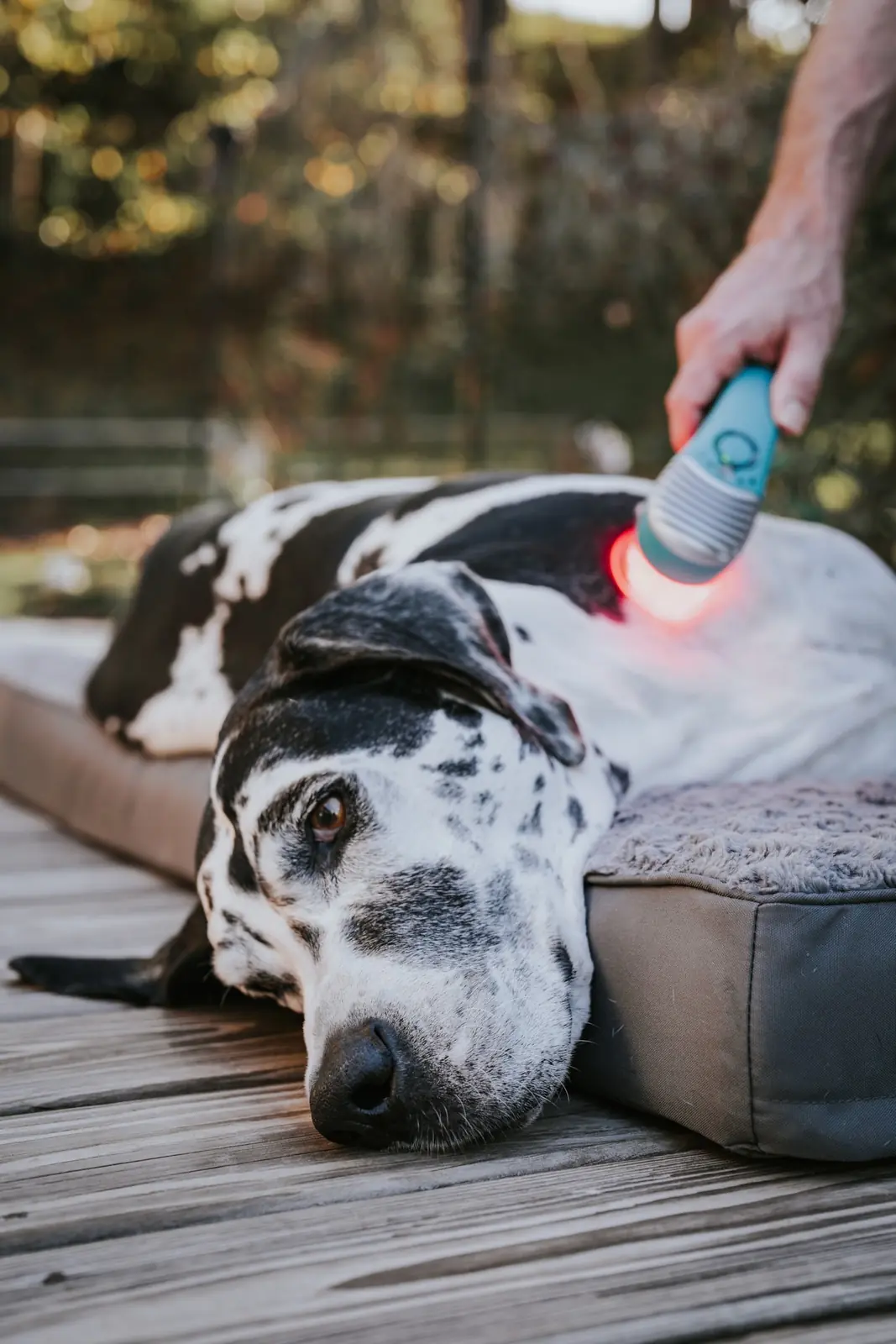
Red light therapy, also known as low-level laser therapy, is a non-invasive treatment that stimulates cellular activity, which is essential for healing in dogs. Increased blood flow helps reduce pain and promote faster recovery by supporting the growth and function of blood vessels. This versatile therapy is used in veterinary practice for treating acute injuries, treating arthritis, managing chronic conditions, and as a wellness aid.
But how exactly does red light therapy for dogs work? At its core, red light therapy involves the use of specific wavelengths of light, known as therapeutic light, to penetrate the skin and tissues. Light penetration is crucial, as red and near-infrared light can reach deeper tissues, making it effective for both surface wounds and underlying conditions. The light energy activates cellular mitochondria, boosting ATP production and facilitating repair and function, which increases cellular energy and supports healing.
Red light therapy for dogs is a non-invasive, drug-free treatment using low-level red and near-infrared light.
Red and near-infrared light penetrates muscles, nerves, and bones to reduce inflammatory cytokines.
Red light therapy devices for pets typically emit light in the 630-1000nm range, allowing the energy to penetrate deep into muscles, joints, and bones.
The Science Behind Red Light Therapy For Dogs
The science behind red light therapy for dogs is both fascinating and straightforward. When the red light therapy device emits light at specific wavelengths, it penetrates deep into the dog’s tissues, reaching the cellular level. This light energy stimulates mitochondria to produce more ATP, the cell’s energy source, increasing blood flow, accelerating repair and improving overall health.
Clinical studies published in reputable veterinary journals have demonstrated the efficacy of red light therapy for dogs, showing its effectiveness in pain management and healing for various canine health conditions.
Additionally, red light therapy enhances blood circulation, helping reduce inflammation and promote healing. Blocking nerve transmission further alleviates pain. These combined mechanisms make red light therapy a potent tool in veterinary medicine, often leading to significant improvement, offering pain free benefits without invasive procedures. PBM has been studied for decades in veterinary and translational medicine.
For a parameter-based overview of mechanism, dosing, and safety, see: /science-of-red-light-therapy/
Evidence index (studies by condition, species, and parameters): /research/
Types of Red Light Therapy
When it comes to types of red light therapy devices, pet parents often find themselves navigating terms like red light therapy, near infrared light, laser therapy, cold laser, LED light, and low level laser therapy. At the heart of it all is red light therapy—a safe, pain free way to reduce inflammation, support cell repair, and promote healing.
Red light pad and red light therapy pads are popular options for targeted healing and pain relief. These pads are designed for at-home use and can help with wound healing, inflammation reduction, and conditions like neuropathy. Many pet owners use red light therapy pads alongside other therapies or medical support for professional-quality results.
In the 1970s, laser therapy took the spotlight, using focused beams to reach deep tissue without the need for surgery. Eventually, low level laser therapy devices hit the scene. Over time, LED-based red light therapy surged in popularity, especially after NASA’s research highlighted its potential. These modern LED devices combine red and infrared wavelengths, offering a pain free alternative that’s easier to use at home. Whether you’re using laser therapy or low level laser therapy (AKA red light therapy) the goal remains the same: safe, effective, drug-free healing.
Want help deciding if Luma fits your dog’s IVDD support plan?
Ghillie
Differences Between Red and Infrared Light therapy
In the realm of red light therapy for dogs, red light and infrared light have distinct applications. Red light is predominantly employed for treatments on the skin’s surface level, including wound healing and hot spots since it affects shallower body parts. Conversely, infrared light (and near infrared light) can reach into bodily tissues, which renders it an effective treatment for deeper-seated conditions that require internal tissue repair, such as treating arthritis, or muscle aches and joint pain.
Employing both red light and infrared light fosters an all-encompassing therapeutic strategy that caters to both external superficial ailments and internal deeper issues. Although red light therapy for dogs typically presents a lower risk profile than laser therapy, it provides a comprehensive method when combined with infrared light for promoting overall healing.
Benefits of Red Light Therapy For Dogs
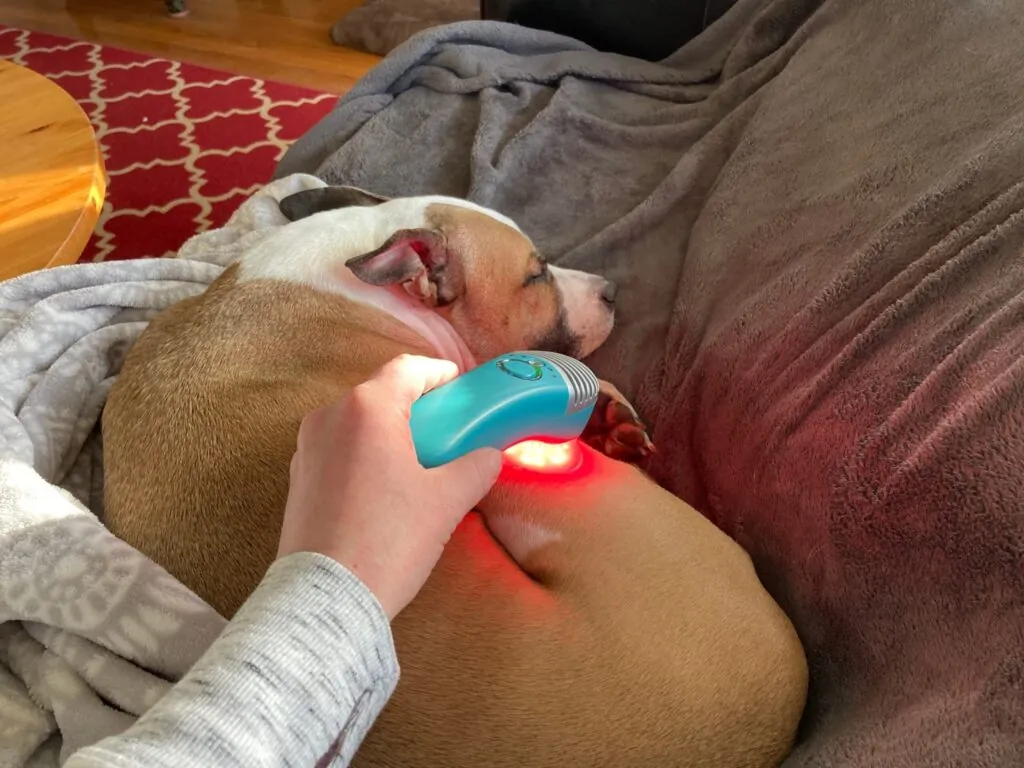
Red light therapy offers a plethora of benefits for canine patients, making it a valuable addition to any pet owner’s toolkit. This treatment promotes well-being without causing pain or discomfort. It’s especially effective in managing pain and promoting healing in conditions like joint pain and post-surgical recovery. Overall, red light therapy is recognized as a safe treatment option that provides significant benefits for our furry friends , including pain relief, enhanced healing, and improved joint conditions.
The benefits of red light therapy extend beyond pain relief and healing. It can also improve skin health, making it ideal for managing chronic skin conditions. Let’s explore these several benefits in more detail, starting with its remarkable pain-relieving and anti-inflammatory properties.
Need help deciding if red light therapy is a good fit for your dog?
Book a free consult with a veterinary clinician »
Free. No pressure.
Hazel Moon
Pain Relief and Inflammation Reduction
One of the most significant benefits of red light therapy is its ability to manage pain and reduce inflammation effectively. This is particularly beneficial for dogs suffering from arthritis, as studies have shown significant reductions in pain associated with this condition. Reducing inflammation in joints and muscles, red light therapy alleviates pain and improves mobility.
This therapy is also beneficial for wound healing and managing chronic conditions like intervertebral disc disease, where it improves blood circulation and reduces inflammation, leading to better pain management and enhanced mobility. For dogs with intervertebral disc disease, it provides substantial relief by alleviating pain, decreasing inflammation, and improving mobility.
With its ability to manage pain and inflammation, red light therapy offers a safe and effective treatment for various canine health issues.
Enhanced Wound Healing and Recovery
Red light therapy is also highly effective in promoting wound healing and recovery. This therapy accelerates the healing of soft tissue injuries and enhances recovery from surgical procedures by promoting collagen production and reducing scarring. The increased blood circulation and reducing pain further contribute to faster healing and improved overall recovery.
Stimulating cellular activity and enhancing blood flow, red light therapy aids in the rapid recovery of soft tissue injuries and surgical wounds, promoting cellular regeneration. This makes it an excellent treatment option for dogs recovering from surgeries or suffering from injuries with laser therapy .
With its ability to stimulate healing and reduce inflammation, red light therapy offers a safe and effective treatment option for enhancing the healing process through infrared light therapy.
Improved Skin Health
Red light therapy offers significant benefits for managing skin conditions in dogs. This therapy promotes better skin healing and overall skin health, making it an excellent choice for conditions such as pododermatitis. Many dogs have shown significant improvement in their skin health through red light therapy, with conditions like pododermatitis demonstrating better healing outcomes.
Improving blood circulation and stimulating cellular activity helps manage chronic skin conditions and promotes overall well-being. Whether it’s addressing skin infections, wounds, or other skin conditions, red light therapy offers a non-invasive and effective treatment option for improving skin health in dogs.
Red Light Therapy For Dogs: Common Conditions
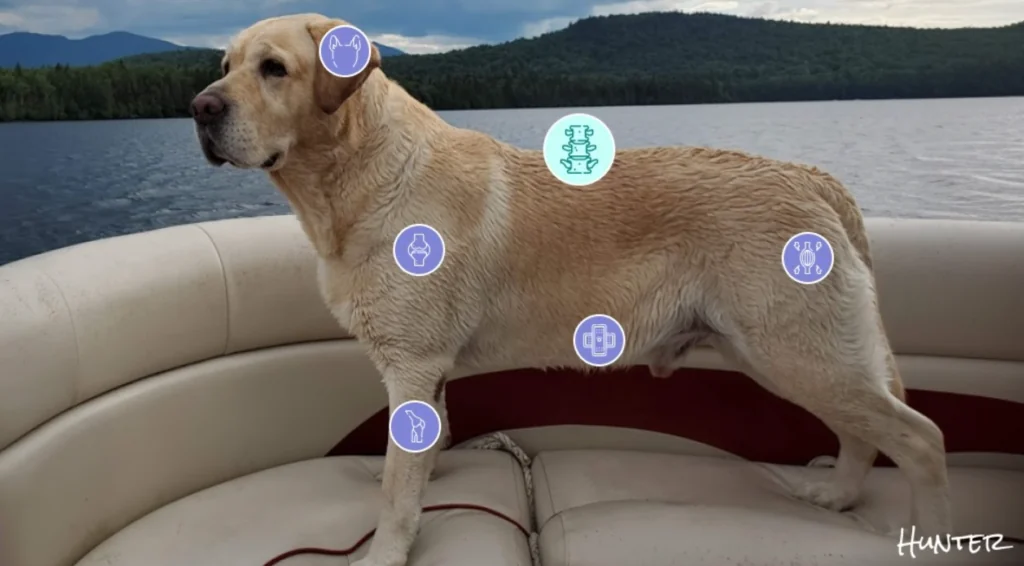
Red light therapy is a versatile treatment option that can address a wide range of canine health issues.
Common conditions treated with red light therapy include:
- Arthritis & Joint pain
- Dysplasia
- Joint injuries
- Muscle strains
- Canine elbow osteoarthritis
- Soft tissue injuries
- Post Surgical Healing & Surgical incisions
- Chronic conditions like intervertebral disc disease (IVDD)
- Pain management
Consistent use of red light therapy is required for visible benefits, much like maintaining an exercise routine.
From alleviating pain and inflammation to promoting wound healing and improving skin health, this therapy offers several benefits for dogs.
In addition to these conditions, red light therapy can also effectively treat skin conditions such as infections, wounds, scrapes, cuts, burns, and pododermatitis. Enhancing inflammatory and immune responses, red light therapy promotes healing and improves overall health.
Let’s explore some of these common conditions in more detail, starting with joint pain and arthritis.
Joint Pain and Arthritis
Red light therapy offers significant benefits for managing joint pain and arthritis in dogs. This non-invasive therapy effectively alleviates pain and reduces inflammation, making it an excellent treatment option for conditions like arthritis and hip dysplasia. Red light therapy is also effective for managing chronic pain in dogs, helping to reduce reliance on medication and improve overall quality of life. Targeting affected areas, red light therapy manages chronic conditions like osteoarthritis, enhancing comfort and mobility.
For senior dogs suffering from joint pain, red light therapy can contribute to a better quality of life and enhanced mobility. Red light therapy is especially beneficial for aging pets suffering from arthritis and joint issues, providing pain relief and supporting overall health. By reducing pain and inflammation, this therapy helps dogs move more comfortably and enjoy a more active lifestyle. With its non-invasive benefits, red light therapy is an invaluable treatment option for managing joint pain and arthritis in dogs.
Initial improvements from red light therapy can often be noticed after 2-3 weeks of regular use.
Soft Tissue Injuries and Surgical Incisions
Red light therapy is highly effective in treating soft tissue injuries and surgical incisions in dogs. This therapy promotes faster healing and reduces scarring, making it an excellent treatment option for dogs recovering from surgeries. Enhancing blood circulation and stimulating cellular repair aid in the rapid recovery of soft tissue injuries.
For dogs with surgical wounds, red light therapy can expedite the healing process and improve overall recovery outcomes. Reducing inflammation and promoting collagen production minimizes scarring and enhances the healing of surgical incisions.
With its ability to stimulate healing and reduce inflammation, red light therapy offers a safe and effective treatment option for soft tissue injuries and surgical wounds in the treated area.
Chronic Conditions and Intervertebral Disc Disease
Red light therapy is also beneficial for managing chronic conditions like intervertebral disc disease. This therapy helps in reducing pain, improving mobility, and enhancing overall quality of life for dogs suffering from chronic ailments. Improving blood circulation and reducing inflammation offers significant relief for dogs with intervertebral disc disease.
Managing chronic conditions in dogs is essential for maintaining their overall health and well-being. Red light therapy offers an effective treatment option for managing conditions like hip dysplasia and canine osteoarthritis, enhancing the overall quality of life for affected dogs. With its ability to reduce pain and improve mobility, red light therapy is an invaluable tool for managing chronic conditions in dogs.
Administering Red Light Therapy For Dogs at Home

Administering red light therapy at home is a convenient and effective way to provide pain relief and healing support to your dog. Hand-held red light therapy devices are designed for easy administration at home and can cater to sound-sensitive dogs. Red light therapy pads are another popular option for at-home use, offering targeted therapy for pain relief, healing, and inflammation reduction. The Luma is a light therapy designed for home use, emitting red light at 660nm and near-infrared light at 850nm. The MedcoVet Luma is specifically designed for pets and features an optical comb that helps penetrate fur, making it easy to use at home. The HelioPet is a budget-friendly red light therapy device for at-home use, but it may struggle with fur penetration. However, it is crucial to consult with a veterinarian before applying red light therapy to ensure safe and proper usage. Various red light therapy devices designed for home use include handheld lasers, therapy wraps, and larger light therapy crates suitable for different conditions.
Following manufacturer instructions and consulting a veterinarian ensures safe home administration of red light therapy. When choosing a red light therapy device, consider the device’s power, size, portability, and pre-programmed dosage timer. This allows for consistent treatment sessions and provides an effective way to manage pain and promote healing in dogs.
Let’s explore how to prepare your dog and equipment, determine the correct dosage and frequency, and monitor progress during red light therapy sessions. Most pets tolerate the treatment well, and some even find it relaxing, making it a stress-free addition to their care routine.
Preparing Your Dog and Equipment
Before starting red light therapy, it is essential to ensure that your dog is clean and dry. Creating a calm and soothing environment during the therapy sessions can help your dog feel more comfortable and relaxed. The treatment area should be clean, and the red light therapy device should be positioned over the affected area for optimal results.
To maintain hygiene, clean the red light therapy device with a dry cloth before and after each use. Following the manufacturer’s instructions carefully is crucial for safe and effective treatment. Devices like the MedcoVet Luma allow for easy and accurate targeting of affected areas and include features like a pre-programmed dosage timer. Therapy wraps for red light therapy are wearable devices that cater to the size of the dog, ensuring a comfortable fit for effective treatment. Consulting with a veterinarian is also essential to ensure that the therapy is suitable for your dog’s specific condition and to receive guidance on proper usage.
Want expert guidance specific to your dog’s condition?
Book a free consultation with our veterinary clinicians »
Ella
Determining Dosage and Frequency
Determining the correct dosage and frequency for red light therapy sessions is essential for effective treatment. The recommended dosage range for red light therapy is 0.1 to 6 Joules/cm², with treatment sessions typically lasting between 5 to 20 minutes. For dogs with long or dense fur, approximately 20 minutes may be needed for effective penetration, ensuring optimal power density. The duration for red light therapy sessions can vary, with common recommendations being around 10 to 20 minutes depending on the device and condition.
It is important to consult with a veterinarian to guide the best treatment options for your dog’s specific condition and to ensure safe usage, especially for serious illnesses. Following the recommended dosage and frequency ensures consistent and effective red light therapy treatment. Protocols vary based on tissue depth and clinical goals.
Fur can reduce delivered light to the skin. Practical delivery guidance:/blog/medcovet-comb/
Monitoring Progress and Adjustments
Monitoring your dog’s progress during red light therapy sessions is crucial for ensuring effective treatment. Look for signs of healing, such as hair regrowth, reduced lameness, and changes in gait over the few weeks. Many pet owners notice improvements in their dogs’ condition in just two weeks of consistent red light therapy. Keeping track of these changes can help you determine the effectiveness of the therapy and make necessary adjustments to the treatment plan.
Regular consultations with a veterinarian are essential for evaluating your dog’s progress and making any necessary adjustments to the treatment plan. Monitoring your dog’s condition and consulting a veterinarian ensures the best possible outcomes from red light therapy.
Choosing the Right Device for Your Dog
Selecting the right red light therapy device for your dog is an important step in ensuring safe, effective, and targeted care. As a pet owner, you want a solution that not only fits your dog’s specific health needs but also offers peace of mind when it comes to safety and results. Red light therapy—sometimes called low level laser therapy—uses gentle red and near infrared light to deliver a non invasive treatment that can promote healing, reduce pain, and improve blood circulation in your furry family member.
When choosing a device, consider the type of condition you’re treating. Devices that combine both red light and near infrared light are ideal for addressing a range of issues, from surface wounds to deeper joint pain or muscle injuries. Look for therapy pads, handheld units, or wraps that are designed for pets, ensuring they’re easy to use and can effectively target the treatment area—even through thick fur.
Safety is paramount, so opt for devices with built-in safety features and clear instructions. Veterinary-grade devices, like those offered by MedcoVet, are developed with input from clinicians and are trusted by professionals in veterinary medicine. These devices are designed to deliver the right wavelengths and power levels for optimal results, while minimizing any risk to your pet.
It’s also helpful to choose a device that comes with support—such as access to veterinary clinicians or an app for tracking progress—so you can confidently manage your dog’s treatment plan at home. By selecting a high-quality red light therapy device tailored to your dog’s needs, you’ll be well on your way to helping them heal faster, move more comfortably, and enjoy a better quality of life.
Safety and Considerations
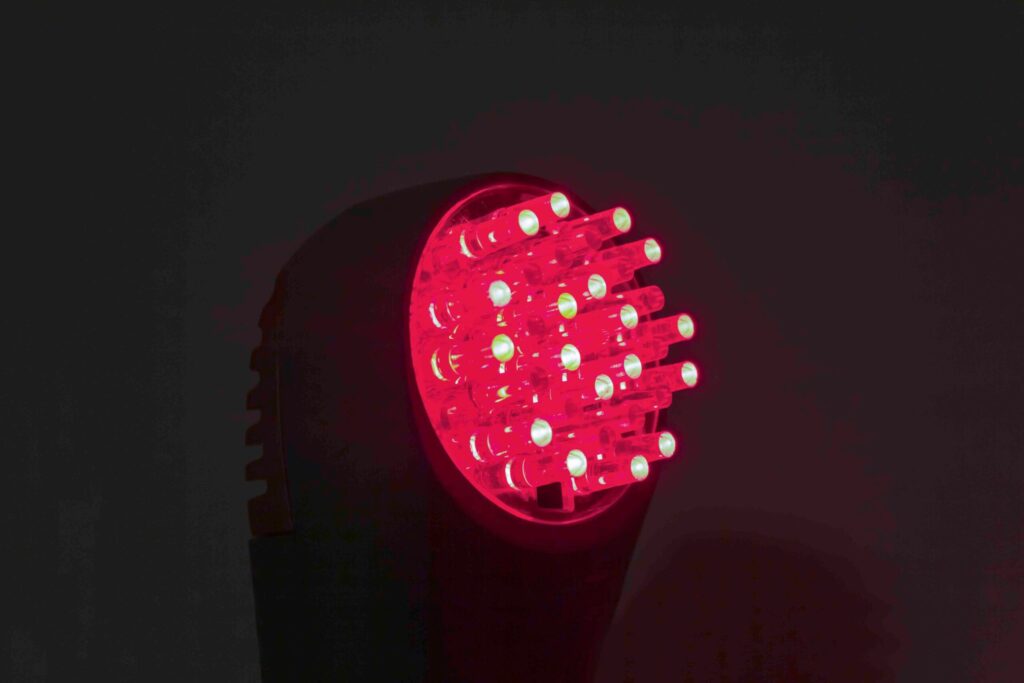
Successful red light therapy lies in proper preparation, accurate dosage, and consistency. Consulting with a veterinary clinician ensures that the therapy is tailored to your dog’s specific needs, maximizing its benefits. Red light therapy is not recommended for dogs with photosensitivity, seizure disorders, pregnancy, or active cancer. Red light therapy may not be suitable for pregnant animals, and a veterinarian should always be consulted before use in these cases. It may stimulate tumor growth and should not be used on malignant tumors or over the thyroid gland. Direct exposure to light can damage the eyes; protective eyewear is recommended during therapy. Avoid direct exposure of red light therapy to the eyes and always follow personalized treatment plans for safety and efficacy. With the right approach, red light therapy can be a valuable addition to your dog’s healthcare regimen, promoting overall well-being and faster healing.
Involving a veterinary clinician in your dog’s red light therapy treatment is essential for customizing the treatment plan based on individual health conditions.
Potential Side Effects and Precautions of Red Light Therapy For Dogs
Red light therapy for dogs is generally safe and has minimal side effects. However, it is essential to monitor your dog for any negative reactions, such as swelling or heat, during and after the therapy sessions. Most dogs have limited sensitivity to infrared light and are rarely bothered during treatment. Extra caution is necessary when using red light therapy for dogs.
While there is mixed information on whether red light therapy is harmful to the eyes, it is advisable to avoid direct exposure to the eyes during treatment, and make sure your red light therapy device is eye safe.
By following these precautions, pet owners can ensure a safe and effective treatment experience for their dogs.
MedcoVet and Veterinary Recommendations
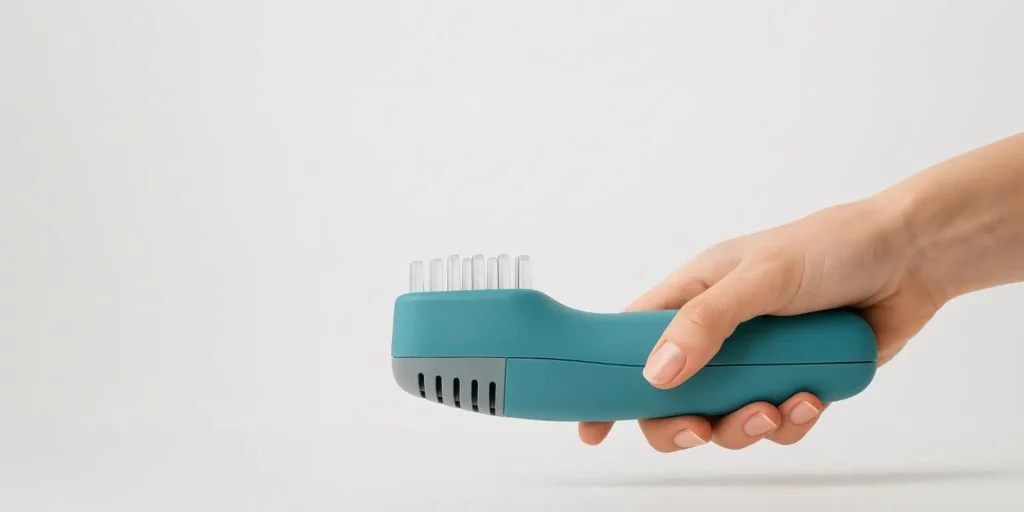
MedcoVet stands at the forefront of supplying red light therapy devices, complemented by specialized clinical consultations designed to maximize therapeutic results and support your dog’s pain free recovery. With more than 250 veterinary clinics nationwide endorsing the Luma, MedcoVet’s reputation for reliability and performance is well established. They facilitate a bridge between pet owners and vets via telemedicine, thereby offering sustained assistance throughout the period of treatment.
Used in over 250 clinics in the US
2,000+ pets treated
Established Protocols by WALT
The World Association of Laser Therapy (WALT) has set guidelines to normalize the application of red light therapy in treating different veterinary issues. These standards are designed to make sure that the therapy is administered in a uniform and secure manner, offering a dependable structure for therapeutic interventions.
Compliance with WALT’s established protocols guarantees optimal results when using red light therapy on canines.
See proposed WALT veterinary PBM guidelines: /proposed-walt-guidelines/
Clinical Summary
Mechanism
Photobiomodulation is associated with cellular signaling effects related to inflammation modulation and tissue repair pathways, including mitochondrial-linked signaling.
Evidence level
Moderate for select musculoskeletal indications in dogs when parameters and schedule are appropriate. Evidence varies by condition and study design.
When it works best
Musculoskeletal pain and mobility support, soft tissue injury recovery support, and post-procedure recovery support when parameters match target tissue depth and clinical goal.
When not to use
Suspected malignancy without veterinary supervision, uncontrolled infection requiring medical management, photosensitivity reactions, and situations requiring urgent veterinary assessment.
See: /science-of-red-light-therapy/ and /research/
Summary
In conclusion, red light therapy offers a safe, non-invasive, and effective treatment option for managing various health conditions in dogs. From alleviating joint pain and arthritis to enhancing wound healing and improving skin health, this therapy provides numerous benefits that can significantly improve the quality of life for our canine companions. By understanding how red light therapy works and following proper guidelines for its application, pet owners can provide effective pain relief and healing support to their dogs.
As we have explored, the key to successful red light therapy for dogs lies in proper preparation, accurate dosage, and consistent monitoring. Consulting with a veterinary clincian ensures that the therapy is tailored to your dog’s specific needs, maximizing its benefits. With the right approach, red light therapy can be a valuable addition to your dog’s healthcare regimen, promoting overall well-being and faster healing.
Frequently Asked Questions
Practical FAQs for pet parents

Evidence Citations

About the Author
Alon Landa is the CEO and co-founder of MedcoVet, a leader in at-home red light therapy for pets. With over 20 years of experience in medical technology and firsthand involvement in developing the Luma, Alon combines deep technical knowledge with a passion for improving pet health. He regularly collaborates with veterinarians and pet parents to advance photobiomodulation (PBM) care at home.
📍 Based in Boston, MA
📖Read more from Alon here

About the Medical Reviewer
Chris Cranston has over 20 years of hands-on experience in small animal physical rehabilitation and is a trusted voice in pet mobility and recovery. She is co-host of the PetAbility Podcast and was among the first 100 professionals worldwide to earn her Certified Canine Rehabilitation Practitioner credential through the University of Tennessee. Chris founded FlowDog in Massachusetts and continues her work through concierge rehab, consulting, and teaching.
Read More about Chris here.

