
Red Light Therapy for Muscle Strains in Pets
Birdie
A dog muscle injury can happen in one wild second.
A sharp turn in the yard. An awkward jump off the couch. A full-speed sprint after a squirrel. Then suddenly, your dog is limping, moving carefully, whining when touched, or skipping the stairs they used to climb without thinking.
Muscle strains can be painful. They can also be sneaky.
Some dogs yelp right away. Others slow down slowly, shift their weight, lick the sore area, or seem a little off. Either way, strained muscle fibers need support, rest, and the right recovery plan.
Often dogs don’t show their injury until hours later, adrenaline helps hide the pain.
That is where red light therapy can help.
Luma brings at-home red light therapy and near-infrared light therapy to pets with muscle strains, soreness, soft tissue injuries, arthritis-related compensation, and post-activity discomfort. It uses targeted light energy to help reduce inflammation, support tissue repair, improve blood flow, and ease pain so your pet can move more comfortably again.
Understanding Muscle Strains in Dogs
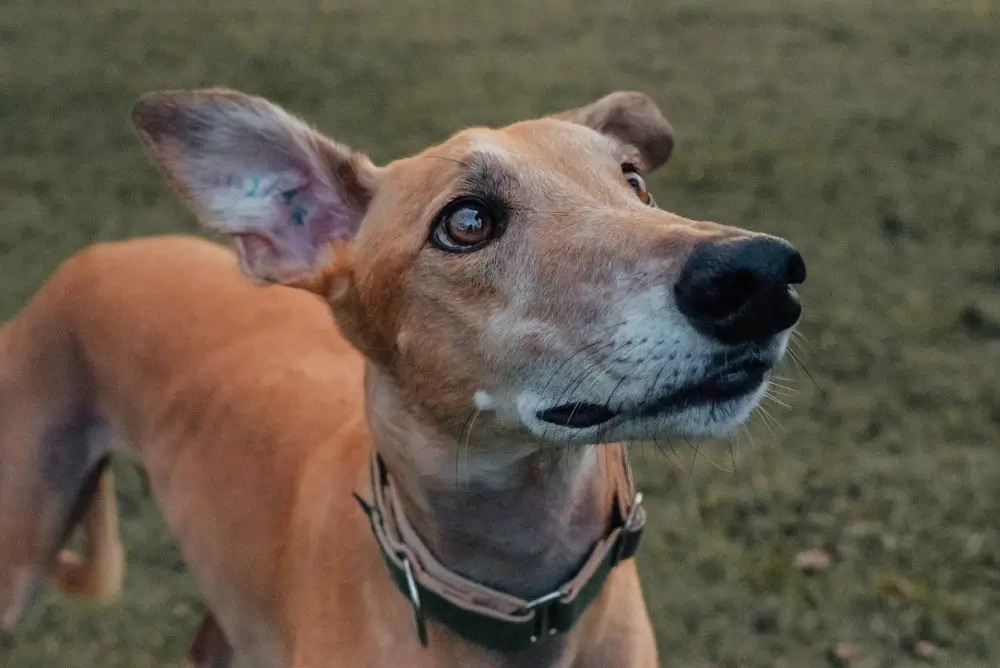
Muscle strains happen when muscle fibers are overstretched or torn. They often show up as:
- Limping or favoring a limb
- Whining when touched
- Hesitation to jump or play
- Swelling or muscle tightness
- A subtle—but noticeable—change in mood
They can be acute (a sudden injury) or chronic (from repetitive strain). Either way, they’re painful—and if untreated, they can lead to compensation injuries or long-term mobility problems.
🐾 Early intervention makes a huge difference.
👉 Talk with a clinician to see if Luma is a fit for your pet →
How Luma Helps Dogs with Muscle Injuries
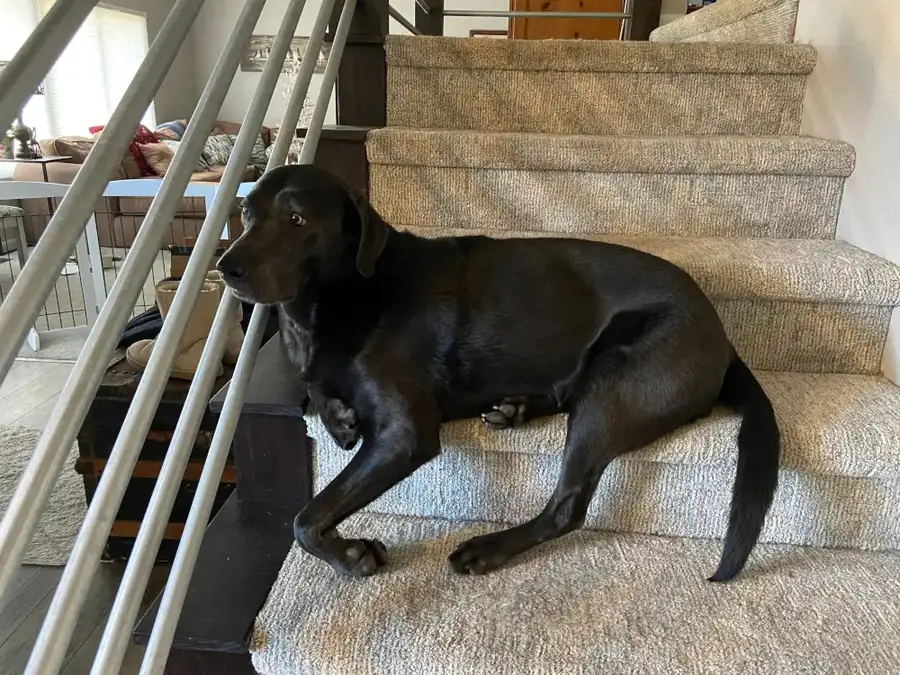
I have continued to treat Morris with the Luma for years now. He is a healthy 8-year-old today who still pays for his young craziness with soreness and arthritis. While all is under control compared to the initial onset, he still needs regular treatment with the Luma. Thank you, Medcovet, for the tools to keep my boy feeling his best! – Cathy Brown-Berry
Red and near-infrared light might sound high-tech, but it’s rooted in something simple: helping your dog’s body heal itself.
Luma uses specific wavelengths of light—635 nm red and 850 nm near-infrared—to target injured muscle tissue and support recovery from the inside out.
Here’s how it works:
⚡ Increases Cellular Energy
Luma boosts ATP (adenosine triphosphate)—your pet’s cellular fuel—so the body has more energy for tissue repair and regeneration. It’s like plugging in a drained battery.
🔥 Reduces Inflammation
The light calms inflammatory cytokines and improves lymphatic flow—helping reduce swelling and pain without drugs.
❤️ Enhances Blood Flow
Better circulation = better healing. Red light improves oxygen and nutrient delivery to the injury site while flushing out waste.
🛠 Promotes Muscle Repair
Red and infrared light support myocyte activity, collagen production, and fiber regeneration—essential for healing torn or strained muscles.
😌 Relieves Pain & Soreness
PBM helps reduce CK levels (a marker of muscle damage) and relieves soreness after exertion—so your pup feels better, faster.
🌟 Ready to support your dog’s recovery—without pills or long rest periods?
👉 Book a Call with a Clinician →
Backed by Research: PBM for Dog Muscle Injuries
📊 Here’s what the science says:
- 635 nm red light: Reduces inflammation and relieves muscle soreness after activity
- 850 nm near-infrared light: Reaches deeper tissue to reduce muscle damage, speed up repair, and boost endurance
- PBM pre-treatment reduces fatigue and improves recovery post-exercise
- Supports angiogenesis (formation of new blood vessels) and faster regeneration of muscle fibers
📚 These aren’t just theories—they’re proven in labs and clinics.
👉 Explore the Science Behind Luma →
What Luma may support after a muscle strain
1. Pain relief
Red light therapy can help calm discomfort as part of pain management by influencing pain signaling and supporting the body’s natural pain-relieving response, including endorphin-related pain modulation that may reduce pain perception.
For your dog, that may look like easier movement, less guarding, less licking, and more comfort during rest.
2. Inflammation reduction
Inflammation is part of healing, but too much inflammation can increase pain, stiffness, and swelling.
Red light therapy can help reduce inflammation in injured tissue, which may support a smoother recovery after a strain, sprain, or soft tissue injury.
3. Better blood flow
Healing tissue needs oxygen and nutrients.
Red and near-infrared light can support local circulation, helping bring oxygen to the injured area while helping clear waste from the tissue. That matters for sore muscles, tight hips, overworked shoulders, and post-activity stiffness.
4. Cellular repair
Muscle recovery happens at the cellular level.
Luma supports ATP production, cellular repair, and tissue healing while also helping limit oxidative stress in recovering muscle fibers. This can help the body repair irritated or strained muscle fibers after activity, injury, or overuse. It may also support collagen production by boosting fibroblast activity, which is important for connective tissue repair.
5. Less soreness after activity
Active dogs can get sore.
Dogs who hike, run, play hard, compete in agility, or chase every ball like it owes them money may benefit from regular red light therapy to support recovery after exercise, ease post-activity discomfort, and help the body repair muscle damage from hard activity. It may also reduce delayed onset muscle soreness, improve muscle recovery after exercise, and shorten recovery time after intense training, in part by lowering inflammatory markers such as creatine kinase.
How to Use Luma for a Dog Muscle Injury At Home
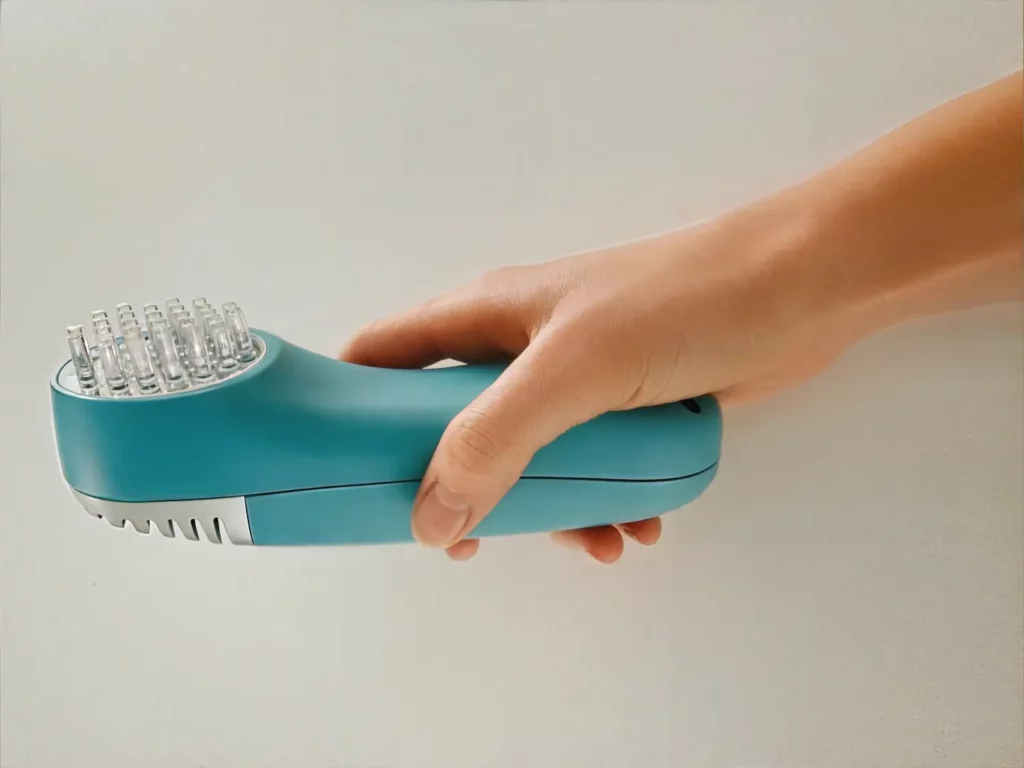
Luma is designed for real life.
👉 Sessions take 3–5 minutes per area
👉 Most pets enjoy treatment—it’s warm and calming
👉 You’ll likely see signs of improvement like:
- Smoother, easier movement
- Less licking or limping
- Brighter mood and more tail wags
- A return to play, stairs, and cuddles
🐕 Muscle strains don’t have to mean weeks of rest and frustration.
👉 Get Your Pet a Personalized Luma Protocol →
Using Luma to Prevent Muscle Strains
For active dogs, prevention is everything. And Luma isn’t just for recovery—it can be used before activity to help reduce fatigue, improve circulation, and prep the muscles for movement.
Whether your dog hikes, runs, or does daily park sprints—PBM can help them stay limber and strong.
Safe, Soothing, and Built for At-Home Use
We live in an area with no rehab vets in easy travel distance. Working virtually with a rehab vet along with Luma allowed me to treat Chilko at home and have a successful resolution of his condition. Luma allowed me to do this more cost-effectively and quicker than conventional in-clinic methods. -Chilko & Lucy
✔ No drugs or downtime
✔ Painless and easy to use
✔ Used by veterinary rehab experts across the U.S.
✔ Loved by dogs (and cats) of all ages
Just a few minutes a day. At home. Without a clinic visit.
🐶 Give your pet the tools they need to heal and thrive.
👉 Book a Free Consultation with a Clinician →
Can Luma help prevent muscle strains?
For active dogs, regular recovery support can help.
Luma may be used before heavy activity and after hard play, hikes, agility work, long walks, or big activity days to support circulation, ease soreness, and help muscles recover, much like recovery tools used around sports injuries.
This can be helpful for:
Senior dogs
Athletic dogs
Dogs with arthritis
Dogs recovering from old injuries
Dogs who compensate because of hip, knee, back, or shoulder discomfort
Dogs who get stiff after activity
Prevention starts with strong basics: warm-ups, controlled exercise, healthy weight, good footing, rest days, and early care when soreness appears.
Luma adds targeted red light therapy support at home.
Safe, soothing, and built for real life
“We live in an area with no rehab vets in easy travel distance. Working virtually with a rehab vet along with Luma allowed me to treat Chilko at home and have a successful resolution of his condition. Luma allowed me to do this more cost-effectively and quicker than conventional in-clinic methods.”
Chilko & Lucy
For many pet owners, access matters.
Not every family has a rehab vet nearby. Not every dog travels well. Not every injury needs a clinic visit every few days. At-home light therapy gives pet owners a calm, practical, low risk way to support healing at home when used correctly and alongside veterinary guidance.
Luma is:
Painless
Non-invasive
Drug-free
Easy to use
Designed for repeated treatment to support potential benefits over time
Suitable for dogs and cats
Used as part of vet-guided recovery plans
Real Stories: Dogs Who Recovered with Luma
Want a story like these? We’d love to help write it.
👉 Start Your Pet’s Recovery Journey →
Summary: Why Use Luma for Dog Muscle Injuries?
| What It Does | Why It Matters |
|---|---|
| ⚡ Boosts ATP | Speeds up tissue repair |
| 🔥 Reduces Inflammation | Calms swelling and pain |
| ❤️ Increases Circulation | Brings oxygen and nutrients to muscles |
| 🛠 Repairs Muscle Fibers | Supports true healing |
| 😌 Eases Soreness | Helps your dog feel better, faster |
| 🛡 Prevents Injuries | Strengthens tissue for active dogs |
Try Luma for Your Dog’s Muscle Strain
You don’t have to wait for an injury to get worse. If your dog is limping, slowing down, or acting off after activity, it could be a strain—and Luma can help.
Let’s get them back to their zoomies, tail wags, and morning adventures.
