
Shedding Light on Laser Therapy, Red Light Therapy, and Cold Laser
Confused by laser vs red light vs cold laser?
We break it down, then help you choose the right next step.
A Brief History of Lasers and LED’s
In the 1970s, lasers were all the rage in medicine. They were powerful enough to reach deep inside tissues without needing an incision, revolutionizing diagnostics and treatments alike. In early medical literature, these therapies were also referred to as ‘low intensity laser therapy,’ ‘low power laser,’ ‘low power laser therapy,’ and ‘low level light therapy.’ These terms are often used interchangeably to describe the use of low-powered lasers for therapeutic purposes. Meanwhile, LEDs were mostly blinking away on Christmas trees—not exactly groundbreaking. But things have changed. Fast forward to today, and LEDs are now at the core of some of the most effective treatments for inflammation, pain relief, and healing.
Still not sure which type of light therapy actually fits your pet?
Get a straight answer in under 2 minutes.
Anderson
What’s in a “Cold Laser”?
A “cold laser” isn’t actually cold—it’s just low-power. Cold laser therapy uses coherent light sources, which allow it to penetrate deep into tissues. It won’t heat up or burn tissue, which is why it’s sometimes called a “soft” laser. This gentle approach can still penetrate deep, allowing it to stimulate healing in tissues without any risk of overheating. In fact, cold laser therapy can penetrate up to 5 centimeters into the skin, making it effective for deeper tissue issues. Cold lasers are the quiet heroes of light therapy, working effectively without the flash. Cold laser therapy is used across several medical fields to treat diverse conditions, including musculoskeletal pain, sports injuries, joint conditions, and neurological issues. It also offers a painless alternative to surgery or medications, eliminating the common side effects associated with painkillers.
Light Sources and Penetration Depths
When it comes to light therapy, not all light is created equal. The type of light source—whether it’s a laser or an LED—plays a big role in how deeply the light can penetrate and what conditions it can help treat. This is especially important for pet parents looking for solutions to chronic pain, joint inflammation, or skin health issues in their furry friends.
Let’s break it down: lasers produce what’s called “coherent light.” Think of this as a focused, synchronized beam that can penetrate deep into tissues. That’s why low level laser therapy (LLLT), cold laser therapy, and other forms of laser therapy are often used for issues like joint pain, musculoskeletal pain, rheumatoid arthritis, and even knee osteoarthritis. The deep reach of coherent light means it can target inflammation and pain right at the source, making it a go-to for conditions that need more than just surface-level healing.
On the flip side, red light therapy devices typically use light emitting diodes (LEDs), which produce “non-coherent” light. This type of light spreads out more and doesn’t penetrate as deeply, but it’s perfect for surface wound healing, skin rejuvenation, and boosting skin elasticity. If your pet is dealing with skin roughness, minor wounds, or needs a little help with tissue repair after surgery, LED-based red light therapy is a gentle, effective option. It’s also a favorite for improving skin health and reducing mild pain or irritation.
Penetration depth is the key factor here. Near infrared light treatment, for example, can reach deeper layers of tissue, making it ideal for stubborn issues like neck pain or chronic low back pain. Meanwhile, red light (with its shorter wavelength) is best for surface-level healing and skin treatments. Clinical trials and systematic reviews have shown that both LLLT and red light therapy can lead to significant improvement in pain management and patient satisfaction, whether you’re dealing with chronic pain or just looking to speed up wound healing.
Of course, safety comes first. Whether you’re using a red light therapy mask, a cold laser, or any other device, always follow the manufacturer’s instructions. Protective goggles are a must to prevent eye damage, and it’s wise to consult a medical professional—especially for deeper issues like joint inflammation or musculoskeletal pain. This ensures you’re using the right light source, at the right penetration depth, for the best possible results without risking skin irritation or other side effects.
In short, understanding the difference between coherent and non-coherent light, and how deep each can go, helps you choose the right therapy for your pet’s needs. From soft laser therapy for deep tissue repair to LED light therapy for glowing skin, the right match can make all the difference in your pet’s comfort and recovery.
Light therapy works when the dose and depth match the problem.
Most people never get that explained.
See when light therapy is a yes, a maybe, or a wait.
Understand depth, safety flags, and basic dosing in under 5 minutes.
Mizzy
The Rise of the LED and Red Light Therapy: Thanks, NASA
In 1999, LEDs got a major boost thanks to none other than NASA. The same technology that powers car headlights today found its way into medical treatments. Red light therapy uses non-coherent LED light, which results in greater diffusion and shallower penetration compared to lasers. LEDs, specifically “Red Light Therapy,” emerged as a contender for therapeutic uses, especially because of their ability to penetrate tissue without the intensity of traditional lasers. Red light therapy typically penetrates 2-3 centimeters below the skin surface, making it suitable for surface-level conditions.
Shopping for a device right now can feel messy
Specs get vague fast.
👉 Get the Smart Pet Parent’s Guide to Choosing a Red Light Therapy Device
Learn what numbers matter, what claims to ignore, and how to compare options side by side.
Matilda
Why “Red Light Therapy” Isn’t Just About the Color
Let’s clarify—red light therapy isn’t just red. Red light therapy is thought to work by increasing the production of mitochondria in cells, which may improve cell function and repair. Most red light therapy devices also use infrared light, which can reach deeper layers of tissue than red light alone. However, the name stuck, even though “Red and Infrared Light Therapy” would be more accurate. So, while “red” might be in the title, the benefits go far beyond one part of the light spectrum. Both cold laser therapy and red light therapy stimulate the production of ATP in cells, enhancing healing and cellular repair.
Enter the Scientists—and a Mouthful
Just when we thought things were simple enough, science coined a new term: “Photobiomodulation.” While this term is precise, describing the use of light to adjust biological processes, it doesn’t exactly roll off the tongue. Photobiomodulation therapy is another term for these light-based treatments, encompassing both red light and cold laser red light therapy. Think of it as a way to trigger healing responses without causing damage, primarily by reducing inflammation and supporting cell repair. These therapies are used to promote healing, reduce inflammation, and achieve pain reduction in pets and humans alike.
Systematic reviews have evaluated the effectiveness of these therapies for various health conditions, with results that are promising but often inconclusive. Red light therapy is being investigated for treating a wide array of health conditions, including musculoskeletal issues. Research shows that red light therapy may be useful for relieving some types of pain, particularly pain due to inflammation. Red light therapy is generally considered safe when used correctly, especially in the short term. But we’ll keep it simple and stick with terms you’re more likely to see in the clinic.
If you want to see how the science turns into real results, this helps
👉 Watch the 15-Minute Red-Light Therapy Crash Course
Clear biology. Real examples. No lab coat required.
Apollo
So, Which Therapy Is Right for Your Pet?
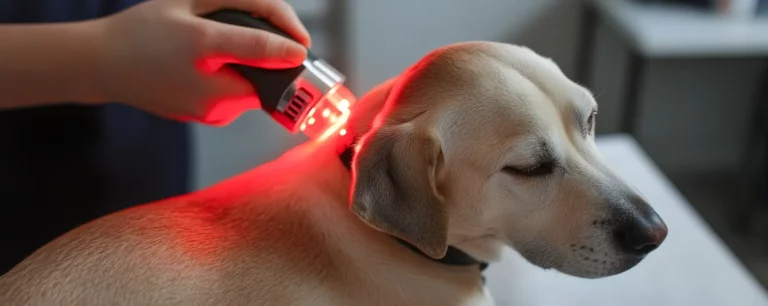
Regardless of what you call it—laser therapy, red light therapy, or cold laser—each form of light therapy brings something unique to the table. Red light therapy helps improve blood circulation, relieve pain, and promote healing for various conditions. They all share the same goal: healing your pets with the wonder of light, minus the dramatic side effects.
Red laser therapy and low level light therapy are also used for specific applications, such as hair growth and pain management. These therapies work by allowing light to penetrate the skin and stimulate cellular activity. Red light therapy devices can be used at home, but they are usually less powerful than those used in clinical settings. Cold laser therapy is often used for chronic pain and deeper skin issues, while red light therapy is more effective for surface-level healing.
Your pet’s condition, size, coat, and history all change how light therapy should be used
That part should not be left to guessing.
👉 Book a Free 30-Minute Consult with a MedcoVet Clinician
Get a custom protocol built for your pet.
Zero cost. Zero pressure.
Ella
Frequently Asked Questions
Ghillie
You have the info. The next step is a plan you can trust.
👉 Get Personal Help from a Veterinary Light-Therapy Specialist
We will review your pet’s case and map out next steps.
Spots are limited.
🐾 Ready to Take the Next Step?
Whether you’re just learning or ready to act — we’ve got you.
👉 Book a Free Consult
Talk to a licensed clinician about your pet’s condition and get a personalized plan. No pressure, just real help.
👉Learn More About the Luma
Explore how our at-home red light therapy device works, why it’s different, and what it can do for your pet.

About the Author
Alon Landa is the CEO and co-founder of MedcoVet, a leader in at-home red light therapy for pets. With over 20 years of experience in medical technology and firsthand involvement in developing the Luma, Alon combines deep technical knowledge with a passion for improving pet health. He regularly collaborates with veterinarians and pet parents to advance photobiomodulation (PBM) care at home.
📍 Based in Boston, MA
📖Read more from Alon here






I would like to know more about consultation in this area.
Hi, hope your week is going well. I’m looking for information about your services. Thanks again!