
Safe, Soothing Red Light Therapy for Pets in Pain
See whether your pet is a strong candidate for red light therapy, learn how it works, and get a plan for what to do next


Krieger
Medically reviewed by: Kristy Williams, CVT, CCFT (Specialties: Pet rehabilitation, pain management, photobiomodulation)
Reviewed: April 2026
Updated: April 2026
This page is part of MedcoVet’s clinical education library on photobiomodulation in veterinary medicine. It is designed to explain where red light therapy may fit into pain management for dogs and cats, where evidence is strongest, where caution is needed, and how home treatment compares with medication, rehabilitation, and in-clinic care.
Not sure where to start?
Start with our 2-minute quiz for a quick candidacy check, or grab the Red-Light Therapy Roadmap for a simple overview of how PBM works, when it helps, and what to do next.
Can red light therapy help relieve pain in dogs and cats?
Photobiomodulation, also called PBM, red light therapy, low-level laser therapy, LED therapy, cold laser, and near-infrared therapy, refers to the same therapeutic category using light energy to influence cellular biology. In dogs and cats, PBM may help reduce pain and inflammation, support blood flow, and improve function in conditions such as arthritis, soft tissue injury, post-surgical recovery, and some forms of nerve pain. It is best used as part of a broader veterinary pain management plan based on diagnosis, tissue depth, treatment frequency, and clinical goals.
Real pain relief for dogs and cats, from home
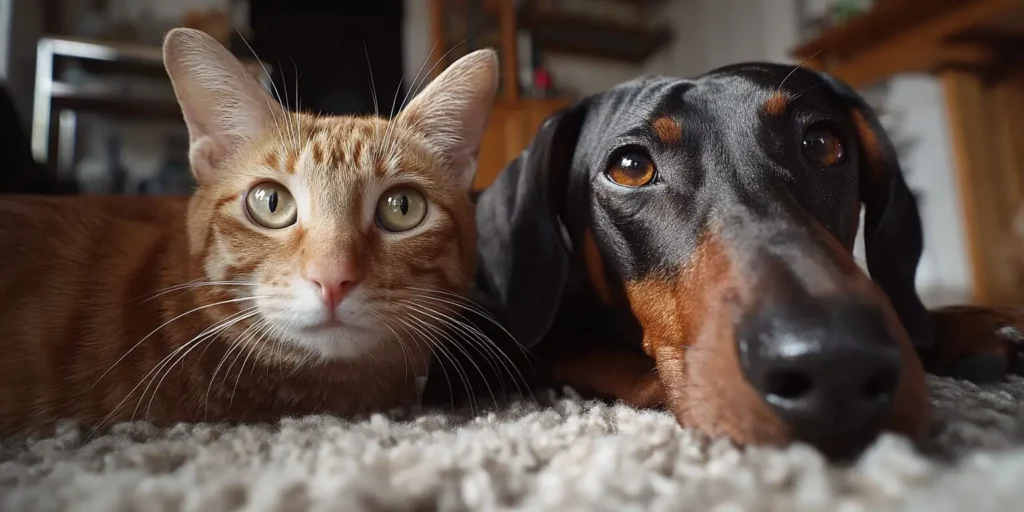
When a pet is in pain, everything changes. Dogs and cats may slow down, hide, limp, stop jumping, avoid stairs, sleep differently, or react when touched. Pain in dogs and cat pain can come on suddenly after surgery or injury, or build over time with arthritis, osteoarthritis, hip dysplasia, nerve pain, or other disease.
The MedcoVet Luma is built for pain relief for dogs and pain relief for cats using photobiomodulation. In veterinary medicine, PBM is used to support pain management, tissue repair, blood flow, and modulation of inflammation. The MedcoVet Luma uses red and near-infrared light within this therapeutic category as part of an at-home treatment approach for dogs and cats.
If you are looking for pain relief, pain management, and a way to help your pet from home without reaching for human pain meds from the medicine cabinet, this page will walk you through what pain is, how PBM works, when it helps, when it should not be used, and how the MedcoVet Luma fits into a smart treatment plan.
What is pain in dogs and cats?
Pain is not just one thing. A dog’s pain may be mild, moderate pain, or severe pain. It may be short term or long term. It may come from the joints, muscles, nerves, spine, skin, mouth, stomach, or another part of the body. Cat pain can look different from pain in dogs, but both dogs and cats feel pain, and both may hide signs until the problem is more advanced.
Common types of pain in pets
Acute pain
Acute pain starts suddenly. It often happens after surgery, an injury, a dental procedure, a strain, a sprain, or another obvious event. Acute pain can cause swelling, discomfort, guarding, limping, restlessness, or changes in behavior.
Chronic pain
Chronic pain lasts longer and may build slowly. It is common with arthritis, osteoarthritis, hip dysplasia, spine problems, long-term inflammation, or disease. Many dogs and many cats with chronic pain do not cry out. Instead, they move less, sleep more, stop jumping, or seem less social.
Inflammatory pain
Inflammatory pain is linked to swelling and irritation in tissue. Arthritis, injury, surgery, and other conditions can all lead to pain and inflammation.
Neuropathic or nerve pain
Nerve pain involves the nervous system. It can happen with back problems, IVDD, nerve injury, or disease affecting nerve tissue. Nerve pain may feel sharp, strange, or hard to localize.
Signs of pain
Signs of pain are not always dramatic. Watch for:
- limping
- stiffness
- licking one area
- shaking
- trouble getting up
- reluctance to jump
- posture changes
- hiding
- irritability
- reduced appetite
- slower walks
- less interest in play
Other signs can include changes in sleep, grooming, facial expression, breathing, or willingness to be touched. In cats, other signs may include crouching, reduced grooming, hiding, or reluctance to use stairs or the litter box.
Why human pain meds are dangerous for pets
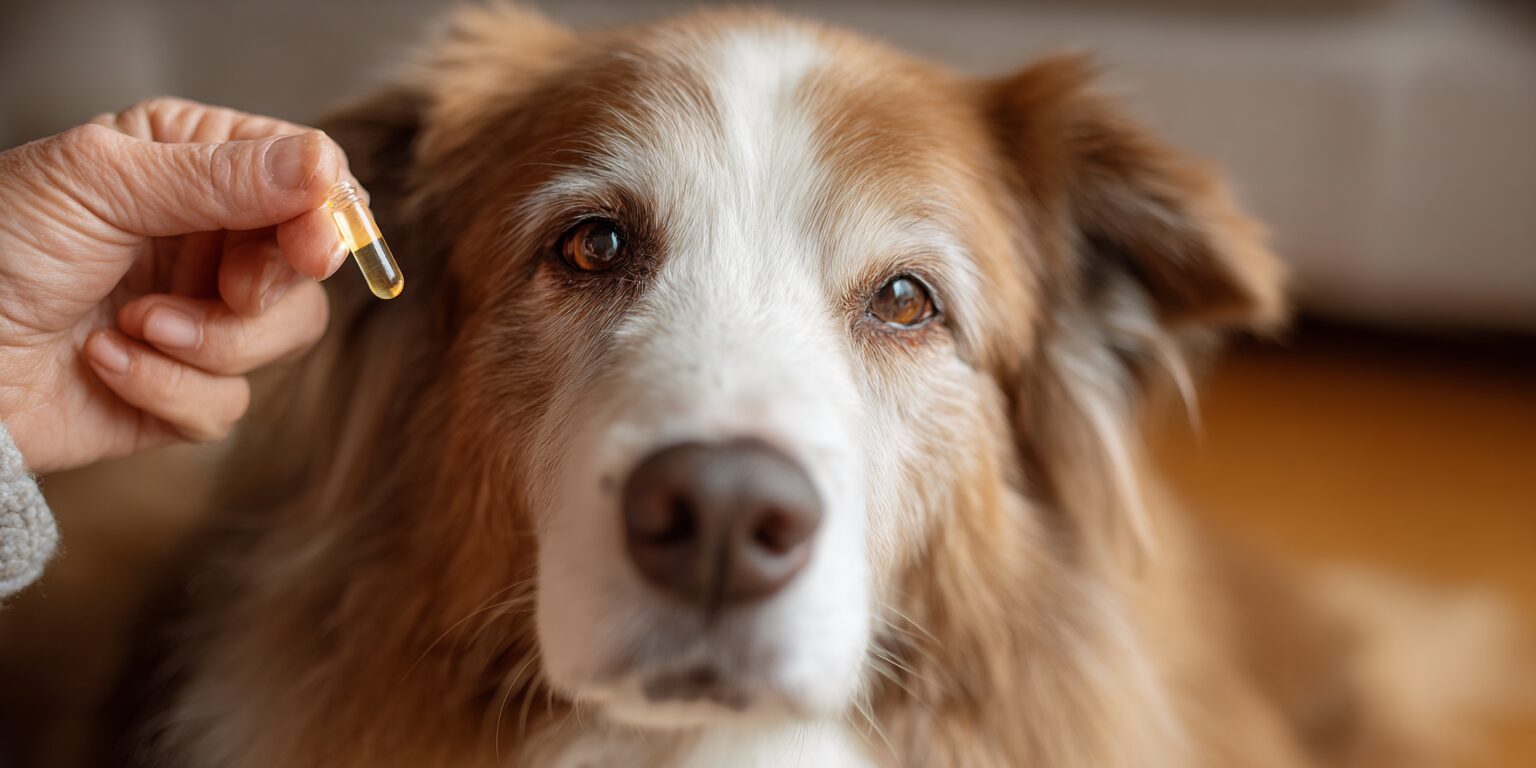
Many people want to help fast, but human pain meds should not be given unless a veterinarian specifically tells you to do so. Human pain meds like ibuprofen and aspirin can cause serious side effects in dogs and cats, including stomach injury, digestive problems, blood clotting issues, platelet function problems, kidney damage, and liver damage. Worse side effects can be seen in small dogs, cats, seniors, or pets with kidney disease, liver disease, cancer, or other health concerns.
Even pain relievers that seem normal for humans may create major risk for pets. Dose, body size, species, disease status, blood work, and other drugs all matter. Some pain medications used in veterinary medicine are FDA approved for certain uses, while some other medications are used based on veterinary science and clinical judgment. Either way, medication choice should come from your veterinarian, not the medicine cabinet.
That is one reason more pet owners look for ways to manage pain that do not depend only on drugs, especially for long term pain management.
What is PBM and how does it work for pain?
Photobiomodulation, also called PBM, red light therapy, or light-based pain treatment, uses specific wavelengths of light to affect how cells function. The MedcoVet Luma uses red and near-infrared light as part of a pain management approach designed for pets.
How PBM works inside the body
1. Mitochondria and ATP
PBM acts on the mitochondria, which help cells make energy. When cells make more ATP, they have more energy for repair, recovery, and normal function. This matters in tissue under stress from inflammation, surgery, arthritis, or injury.
2. Cytokines and inflammation
Pain and inflammation often rise together. PBM can help influence inflammatory signaling, including cytokines that contribute to swelling, tissue irritation, and discomfort. That matters for chronic pain, osteoarthritis, post-op recovery, and soft tissue injury.
3. Blood flow
PBM may help improve blood flow to the treatment area. Better blood flow can support oxygen delivery, nutrient delivery, and waste removal, all of which matter when the goal is to relieve pain and help tissue recover.
4. The nervous system and nerve pain
PBM may help calm pain signaling in the nervous system and support tissue around irritated nerves. That is one reason it is often discussed for nerve pain, spine pain, and chronic pain states where the body stays stuck in a pain cycle.
Why this matters
PBM does not work like many pain meds that simply block symptoms for a period of time. It aims to support the tissue and processes underneath the pain. That makes it useful for pain relief, pain management, and helping control pain as part of a broader plan.
For a broader review of mechanism, dosing logic, wavelength selection, safety, and device considerations, see Science of Red Light Therapy.
When red light therapy works best for pain
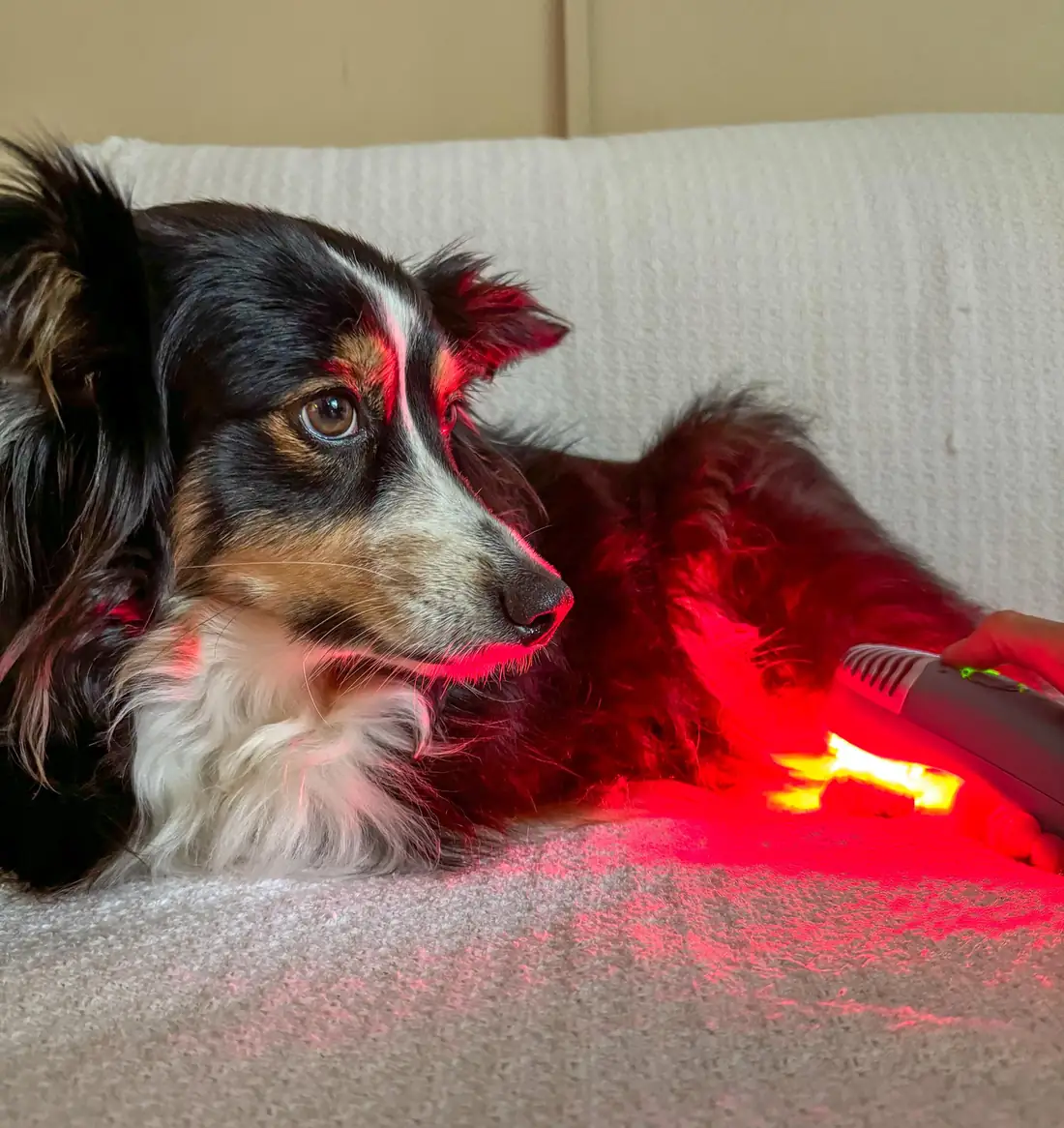
The MedcoVet Luma is often most useful when pain is linked to inflammation, tissue stress, or poor function in muscles, joints, or nerves.
Common use cases
Arthritis and osteoarthritis
Arthritis is one of the most common reasons people look for pain relief for dogs and pain relief for cats. PBM may help manage pain, reduce stiffness, and support more comfortable movement in pets with osteoarthritis and other chronic joint disease.
Hip dysplasia and joint stress
Dogs with hip dysplasia, older dogs, active dogs, and some small dogs may all need long term pain management. PBM can fit well into a plan that may also include rehab, weight control, joint supplements, fish oil, exercise changes, and prescribed pain medications.
Injury
PBM is often used to relieve pain linked to sprains, strains, soreness, overuse, or trauma. It can be part of early support and also part of a longer recovery plan.
Surgery and post-op recovery
After surgery, swelling, discomfort, and tissue irritation are common. PBM is often used to help manage pain and support healing during recovery.
Nerve pain and back pain
Some pets with nerve pain, back pain, or spine-related issues may benefit from a treatment plan that includes PBM.
When NOT to use red light therapy
Red light therapy is not for every situation. It should not be used casually over every problem without thought.
Avoid or pause use when:
- your pet has a tumor, suspected cancer, or an unknown lump that has not been assessed
- there is an active infection that needs veterinary diagnosis and treatment
- you would need to shine the device directly into the eyes
- the diagnosis is unclear and severe pain is present
- your pet is declining quickly, non-weight-bearing, unable to urinate, or showing emergency symptoms
If a pet has more severe pain, rapid swelling, sudden collapse, severe nerve signs, or other signs that feel urgent, see a veterinarian first. PBM can be a useful treatment tool, but it does not replace diagnosis when a serious disease, cancer, fracture, infection, or neurologic emergency is possible.
Safety section
Is red light therapy safe?
When used correctly, PBM is generally considered a low-risk, non-invasive treatment option in veterinary medicine. That is a major reason many pet owners look at it for pain relief and long term pain management.
Eye safety
Do not shine treatment light directly into the eyes.
Pregnancy context
If a pet is pregnant, ask your veterinarian before use. Use in pregnancy should be handled thoughtfully because treatment goals and target areas matter.
Infection context
If the area may be infected, the first step is veterinary guidance. Infection needs proper diagnosis and treatment.
Medication context
PBM can often be used alongside pain medications, NSAIDs, gabapentin, joint supplements, fish oil, rehab, and other medications, but your veterinarian should help you decide what combination makes sense for your pet’s pain, overall health, blood work, liver status, kidney disease risk, and other drugs already in use.
Red light therapy vs pain medications

Pain medications matter. NSAIDs, gabapentin, and other pain meds are important tools in veterinary medicine. A nonsteroidal anti inflammatory drug may be used to control pain and inflammation. Other medications may be prescribed for nerve pain, surgical discomfort, or disease-specific pain.
But medication is not the whole story.
Where medication helps
- fast symptom control
- moderate pain or severe pain support
- post-op treatment
- short-term flare management
Where pain medications may have limits
Depending on the drug, pet, dose, and long term use, there can be potential side effects such as:
- stomach upset
- digestive problems
- changes in platelet function
- blood clotting concerns
- kidney damage
- liver damage
- worse side effects in fragile pets or certain species
PBM is often used because it gives another way to relieve pain and manage pain without adding the same drug burden to the body. For some pets, the best plan is not PBM instead of medication. It is PBM plus medication, plus rehab, plus weight management, plus other treatment steps based on the condition.
Can PBM be used with NSAIDs, gabapentin, and other medications?
Yes, often it can. Many veterinarians use PBM as part of a broader pain management plan that may include NSAIDs, gabapentin, joint supplements, fish oil, rehab, surgery recovery care, and other medications. The right treatment mix depends on the source of the pain, whether the pet has kidney disease or liver disease, what other drugs are already being used, and what your veterinarian wants to monitor over time.
Is your dog in pain? Find out what might actually help.
A free 20-minute consult can tell you if light therapy is a fit for your dog’s pain.
Ghillie
PBM can be especially helpful when a pet needs long term support and the goal is to manage pain while being thoughtful about medication load and potential side effects.
At-home vs clinic treatment
Clinic treatment
Clinic laser treatment can be helpful, especially early on or for complex cases. But it often depends on travel, scheduling, cost, and how well the pet tolerates repeated visits. Some dogs and cats do great at the clinic. Others do not.
At-home treatment
At-home PBM makes frequent treatment possible. That matters because consistency is often one of the biggest drivers of success in pain management. Instead of spacing care far apart, you can treat regularly in the real world, where the pet is calm and comfortable.
Why MedcoVet Luma fits this need
The MedcoVet Luma is designed for home use while still being grounded in veterinary science. For many pets, that means more sessions, less stress, and a better shot at steady pain relief.
For broader condition pages, see Red Light Therapy for Dogs and Red Light Therapy for Cats.
LED vs laser
People often ask whether LED or laser is better for pain relief. The better question is whether the device delivers the right wavelengths, enough useful energy, and a practical treatment format for the target tissue and the actual pet in front of you.
Laser
Laser devices are often used in clinic settings and may be powerful tools in trained hands.
LED
LED-based PBM can also be effective, especially when device design, wavelength choice, treatment consistency, and ease of use support real-world care.
What matters most
- wavelength
- dosing
- treatment frequency
- contact with the correct area
- fur management
- consistency over time
For many dogs and cats, the best device is the one that can actually be used correctly and often enough to manage pain.
Fur and penetration limitations
Fur matters. Thick coats, dark coats, dense undercoats, and body location all affect how much light reaches tissue. That is true whether the goal is to relieve pain from arthritis, soreness, back pain, or another issue.
Factors that affect penetration
- coat thickness
- coat color
- target depth
- body size
- treatment angle
- contact with the skin or parted fur
This is one reason a good pain relief plan should match the actual pet, not just the condition on paper. A small dog with a short coat is different from a large dog with thick fur. A cat with spine pain is different from a dog with hip dysplasia. Good pain management looks at the whole body and the actual use case.
What improves, and when? Week 1 to Week 4
Pain relief is not always instant, but many pets show improvement with consistent use.
Week 1
You may notice:
- less guarding
- smoother movement
- better willingness to walk
- less licking
- less tension when touched
Week 2 to Week 3
You may notice:
- better mobility
- easier standing up
- more interest in normal activity
- better comfort after rest
Week 4 and beyond
You may notice:
- more stable pain relief
- fewer flare-ups
- better day-to-day comfort
- stronger long term pain management
- easier integration with rehab, medication, and other support
If a pet has severe pain, advanced disease, or a complex diagnosis, improvement may take longer and may depend on a combination plan.
Conditions where MedcoVet Luma may fit into pain management
The MedcoVet Luma may be part of a treatment plan for:
- arthritis
- osteoarthritis
- hip dysplasia
- post-surgery discomfort
- soft tissue injury
- back pain
- neck pain
- chronic pain
- nerve pain
- mobility issues
- age-related pain and stiffness
It is not a replacement for diagnosis, but it can be a valuable tool to relieve pain, support recovery, and help manage pain over time.
Why MedcoVet Luma
The MedcoVet Luma is built around a simple goal: help dogs and cats feel better with practical, science-based pain relief from home.
What makes it different
- designed around PBM for pets
- supports pain relief for dogs and pain relief for cats
- usable at home, where consistency is easier
- can fit into a treatment plan with pain medications, rehab, and veterinary care
- gives pet owners a way to manage pain without reaching for human medicine
- grounded in veterinary medicine and veterinary science
Clinical summary
Mechanism
Photobiomodulation uses red and near-infrared light to influence cellular function. Proposed mechanisms relevant to pain include mitochondrial stimulation and increased ATP production, modulation of inflammatory cytokines, support for local blood flow, and effects on pain signaling within the nervous system.
Evidence level
Evidence is moderate to strong for pain and functional support in selected inflammatory and musculoskeletal conditions, particularly osteoarthritis, soft tissue injury, and post-surgical recovery. Evidence strength varies by indication, study design, wavelength, irradiance, tissue depth, treatment frequency, and device characteristics.
When it works best
PBM is most commonly used for arthritis, osteoarthritis, hip dysplasia, soft tissue injury, post-operative discomfort, mobility decline, and some forms of back pain or nerve pain. It is most useful when the diagnosis is reasonably clear and treatment is applied consistently over time.
When not to use
PBM should not be used casually over unknown masses, suspected tumors, or areas of possible cancer without veterinary guidance. Caution is also warranted when infection is suspected, when direct eye exposure would occur, or when the pet has severe or rapidly worsening symptoms that require diagnosis before supportive treatment begins.
Limitations
PBM is not a substitute for diagnosis, emergency care, surgery when indicated, or medication when needed. Clinical response varies based on the underlying condition, severity, tissue depth, fur interference, dosing logic, and adherence to treatment frequency.
Clinical questions pet owners ask about red light therapy for pain
Evidence Citations

About the Author
Alon Landa is the CEO and co-founder of MedcoVet, a leader in at-home red light therapy for pets. With over 20 years of experience in medical technology and firsthand involvement in developing the Luma, Alon combines deep technical knowledge with a passion for improving pet health. He regularly collaborates with veterinarians and pet parents to advance photobiomodulation (PBM) care at home.
📍 Based in Boston, MA
📖Read more from Alon here

About the Medical Reviewer
Clinical Focus: Surgery, anesthesia, canine fitness, injury prevention, agility
Kristy Williams brings over 30 years of experience to the veterinary field. Her career began in the 1990s, working as a civilian for the Army Veterinary Corps at RAF Feltwell in England, where she first discovered her passion for animal care and supporting their families. Upon returning to the United States, Kristy pursued her education and graduated in 2005 as a certified veterinary technician after passing the national exam. She has since gained extensive experience in both general practice and emergency/referral practices.
Read More about Kristy here.

