
Red Light Therapy for Sprains and Ligament Injuries in Pets
See If Luma Can Help


Anderson
Medically reviewed by: Kristy Williams, CVT, CCFT (Specialties: Pet rehabilitation, pain management, photobiomodulation)
Reviewed: July 2026
Updated: July 2026
A sprain can change everything.
One bad landing. One sharp turn. One wild sprint across the yard. Suddenly, your dog is limping, holding up a leg, struggling on stairs, or refusing to play.
Ligament injuries can be painful and slow to heal. They can also be frustrating because rest takes time, surgery is not always the first choice, and pain medication can only do so much.
Red light therapy gives pet owners another way to support the healing process.
Luma brings red light therapy and near-infrared light therapy home, helping support pain relief, reduce inflammation, improve blood flow, and assist soft tissue repair during recovery from sprains, ligament injuries, CCL tears, ACL injuries, orthopedic surgery, and mobility setbacks.
Is Red Light Therapy right for your dog?
Gideon
Is red light therapy effective for sprains and ligament injuries in dogs?`
Red light therapy can help support recovery from sprains and ligament injuries by reducing inflammation, improving pain relief, supporting collagen production, and helping repair injured soft tissue. It may be useful during conservative management, after surgery, or as part of a vet-guided physical therapy plan.
Red light therapy cannot repair a fully torn ligament on its own, and it should not delay veterinary care when a pet has severe pain, swelling, instability, or sudden lameness.
What are sprains and ligament injuries in pets?
A sprain happens when a ligament is stretched, strained, partially torn, or fully torn.
Ligaments are strong bands of tissue that connect bones and help stabilize joints. When a ligament is injured, the joint can become painful, swollen, unstable, and difficult to use.
In dogs, one of the most common ligament injuries is a cranial cruciate ligament injury, often called a CCL tear. Many pet owners know it as an ACL tear because it is similar to the ACL injury people get in the knee.
Cats can get sprains and soft tissue injuries too. A hard jump, rough play, a fall, or a twist can injure a ligament, tendon, or surrounding muscle.
Common signs of a sprain or ligament injury
You may notice:
- Limping or favoring one leg
- Stiffness after rest
- Swelling around a joint
- Trouble standing up
- Reluctance to run, jump, or climb stairs
- Yelping when touched
- Holding one leg up
- Sitting with one leg kicked out
- Reduced activity
- A sudden change in mood or movement
- Muscle loss over time from using the leg less
Some pets show clear pain right away. Others compensate quietly.
That is why early care matters.
When to call your vet
Contact your vet if your pet has:
- Sudden lameness
- Severe pain
- Refusal to put weight on a leg
- Visible swelling
- Joint instability
- A known fall or twist
- Limping that lasts more than 24 to 48 hours
- A suspected CCL tear
- Pain that keeps returning
- Worsening mobility
A sprain can look like a fracture, dislocation, tendon injury, torn ligament, arthritis flare, hip issue, spinal issue, or nerve problem. A vet can help confirm what is actually going on and guide the right treatment.
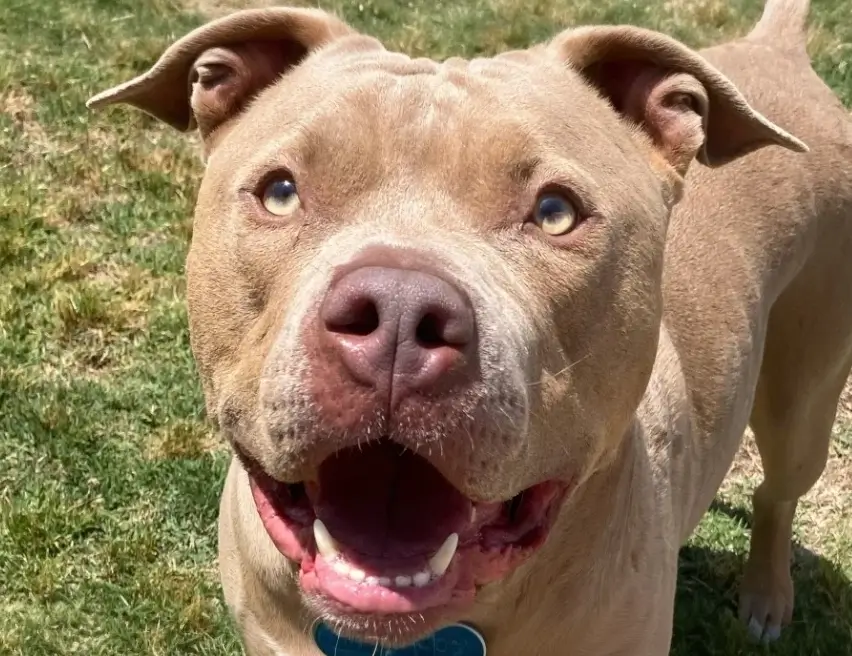
“Anderson was seen by 2 orthopedic doctors who recommended ACL repair on one or both legs. We opted for a conservative approach of rest, acupuncture, and laser therapy. After a recommendation from our vet, Dr. Karen Collins, we purchased our Luma. Anderson is in year 2 of pain-free happiness. He loves his laser therapy! Thank you, Luma.”
With gratitude, Michelle Scharff Anderson
How Luma helps with sprains and ligament injuries
Luma is a handheld red light therapy device designed for at-home pet care.
It uses two therapeutic wavelengths:
| Wavelength | What it supports | Why it matters for sprains and ligament injuries |
|---|---|---|
| 635nm red light | Surface tissue response, circulation, and inflammation support from visible red light | Helpful for soreness, swelling, and soft tissue irritation near the skin, including support for the pet’s skin and tissue close to the surface |
| 850nm near-infrared light | Deeper tissue support | Helps light reach deeper structures around joints, ligaments, tendons, and muscles |
Photobiomodulation, also called red light therapy, low-level laser therapy, LED therapy, cold laser, near-infrared therapy, and PBM therapy, refers to the same therapeutic category using light energy to influence cellular activity.
In plain terms, Luma helps stimulate cellular activity to support healing and improve cellular energy production while the body does the repair work it is already trying to do.
1. Supports cellular energy
When tissue is injured, cells need more energy to repair.
Red light therapy helps support ATP production, giving cells an energy boost for repair, recovery, and normal function. Better cellular energy can help injured tissue move through the healing process more efficiently.
2. Helps reduce inflammation
Inflammation is part of healing, but too much inflammation can increase pain, swelling, stiffness, and joint discomfort.
Red light therapy can help reduce inflammatory signaling in soft tissue injuries, which may help ease pain and support healing. For sprains and ligament injuries, that may support easier movement and better comfort during recovery.
3. Helps with pain relief
Pain changes how pets move.
A dog with a sore knee may shift weight to the other leg. A cat with a sprained leg may hide, stop jumping, or move less. Over time, compensation can strain other joints and muscles.
Red light therapy can help improve pain relief by calming irritated tissue, supporting endorphin response, and reducing sensitivity in the treatment area.
4. Supports collagen production
Ligaments and tendons rely on collagen.
During repair, the body uses fibroblasts to help build new collagen fibers. Red and near-infrared light therapy may support fibroblast activity and collagen formation, which matters for ligament injuries, tendon irritation, and joint support.
5. Improves local blood flow
Healing tissue needs oxygen and nutrients.
Red light therapy can support blood circulation around the treatment area, helping deliver oxygen and nutrients while supporting waste removal from injured tissue.
6. Helps pets tolerate recovery
Sprains and ligament injuries often require restricted activity, slow return to movement, physical therapy, weight control, braces, medication, surgery, and other treatments.
Luma gives pet owners a powerful tool they can use at home for promoting recovery while their pet follows a vet-guided plan.
That matters when every clinic trip is stressful. It matters when a 105-pound dog with a torn ligament needs repeated therapy. It matters when healing takes weeks or months, especially when home care supports the pet’s well being.
Want to know if Luma could relieve your pet’s pain
Ella

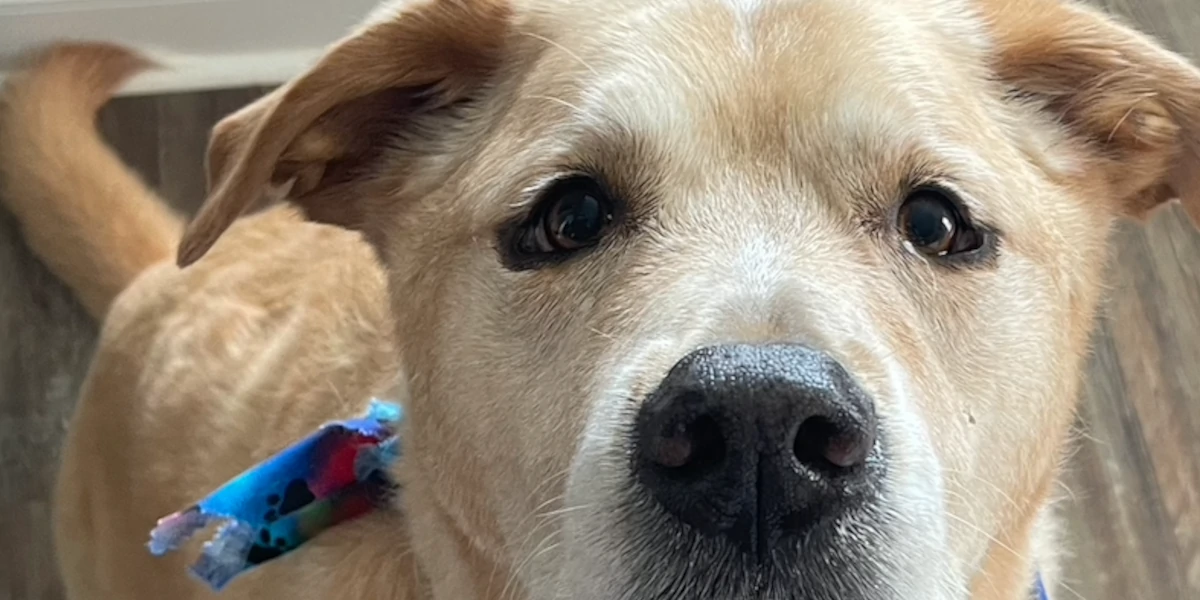
“Roxy had developed knee and leg issues and had been limping for several months prior to reaching out to Medcovet to try the Luma. We had tried medication and nothing seemed to help her. With 2x daily use with the Luma, Roxy was able to finally put weight on her leg without limping and walk/play.” -Renee Carter
Sprains happen when ligaments—the sturdy bands connecting bones—are stretched or torn. Dogs are especially prone to ligament injuries like CCL (cranial cruciate ligament) tears, which can make even standing a struggle. Cats can suffer soft tissue injuries too, especially after high jumps or rough play.
Why Luma is a strong fit for ligament injury recovery
Ligament recovery usually needs consistency and a comprehensive care plan, not a single intervention.
One treatment rarely changes the whole case. Pets often need repeated support over time, especially during the early healing phase or after surgery.
Luma makes repeat therapy easier because it can be used at home.
Luma is helpful for sprains and ligament injuries because it is:
- At-home: No repeated clinic trips for every session
- Non-invasive: No needles, sedation, or stressful setup
- Drug-free: Helpful support alongside your vet’s plan
- Quick to use: Sessions can fit into a normal daily routine
- Designed for pets: The comb-style head helps part fur so light reaches the skin
- Useful for repeat care: Soft tissue healing often needs consistent support
- Clinician-guided: MedcoVet can help pet owners understand where and how to use Luma
Luma does not diagnose a ligament injury. It does not replace surgery when surgery is needed. It does not replace rest, braces, physical therapy, anti-inflammatory drugs, pain medication, or veterinary care.
It gives your pet’s body extra support during recovery.
That is the point.
Can red light therapy help a CCL or ACL injury?
Red light therapy may help reduce pain, inflammation, swelling, and soft tissue stress around a CCL injury, often called an ACL injury by pet owners.
For partial tears, red light therapy may be used as part of conservative management with rest, weight control, bracing, pain control, and physical therapy. It may also be used when chronic conditions such as arthritis affect the same limb or complicate recovery. For full tears or unstable knees, surgery may still be the best option.
Luma can be useful after CCL surgery too. It may promote healing and support faster recovery for pain, inflammation, incision healing, muscle tightness, and gradual return to movement.
Ask your vet which category your pet is in.
A partial sprain, a full tear, and a post-surgery knee need different plans, and overall health influences which recovery plan is appropriate.
How Luma Helps with Sprains & Ligament Injuries
What the research says about red light therapy for sprains and ligament injuries
Red light therapy and low-level laser therapy have been studied for soft tissue injuries, tendon healing, ligament healing, pain, inflammation, blood flow, wound healing, orthopedic recovery, and tendon and ligament injuries.
The findings are useful for pet owners because sprains and ligament injuries depend on the same basic repair systems:
- Inflammation control
- Cellular energy production
- Collagen formation
- Blood flow
- Tissue remodeling
- Pain control
- Gradual return to load and movement
Research in animals and clinical settings suggests that red and near-infrared light therapy may support soft tissue repair, reduce pain, reduce swelling, improve function, and speed healing when used with the right wavelength, dose, timing, and treatment plan; some reports on photobiomodulation also note recovery up to 50% faster than conventional methods alone.
Luma uses 635nm red light and 850nm near-infrared light. These wavelengths were chosen to support both surface-level tissue response and deeper tissue response around joints, ligaments, tendons, and muscles.
The details matter.
A red light therapy device should use specific wavelengths and deliver enough irradiance to support a therapeutic effect. Placement also matters, especially for pets with thick fur or deeper injuries. With the right wavelength, dose, and timing, PBM therapy may be used across acute and chronic conditions. Luma’s comb-style design helps part the fur so the light can get closer to the skin.
Want to understand the larger science behind photobiomodulation? Read The Science of Red Light Therapy.
Want a pet-parent guide to red light therapy for mobility, pain, and healing? Read Red Light Therapy for Dogs.
How to use Luma for a sprain or ligament injury at home
Every injury is different. A mild wrist sprain, a partial CCL tear, and post-op knee recovery need different plans.
Start with your vet’s diagnosis. Then build around it.
A practical at-home care plan may include:
1. Restrict activity
Limit running, jumping, stairs, and rough play with other dogs. Use leash walks for bathroom breaks if your vet recommends it.
This can feel boring. It is also one of the most important parts of soft tissue healing.
2. Use the right surface
Slippery floors can make ligament injuries worse.
Use rugs, runners, yoga mats, or traction socks to help your pet move safely through the house. Block stairs if needed.
3. Support healthy weight
Extra weight adds stress to injured joints and ligaments.
Even small weight changes can reduce pressure on the knees, hips, shoulders, and back.
4. Apply Luma over the treatment area
Use Luma directly over the injured joint or soft tissue area based on your protocol. Sessions typically last 5 to 20 minutes, depending on the area treated and your plan. Part the fur so the light reaches the skin, use recommended eye protection for handlers, and follow device guidance around the eyes during treatment so red light exposure stays focused on the target area.
For knee injuries, your clinician may guide you to treat around the knee, surrounding muscles, and compensation areas such as the hips or opposite leg.
5. Track small changes
Track these changes over time to gauge improved mobility and your pet’s overall response to treatment:
- More even weight-bearing
- Less limping
- Less stiffness after rest
- Easier standing
- Better comfort on leash walks
- Less swelling
- Better mood
- More confidence using the injured leg
6. Return to activity slowly
A pet may feel better before the ligament is fully healed.
That is where many setbacks happen. Build activity gradually and follow your vet’s timeline.
Get a personalized Luma protocol for your pet
Ghillie
What improvement can look like
Improvement may be subtle at first, reflecting not only mobility gains but also comfort, well being, and the pet’s health during recovery.
A dog may place the paw down more often. A cat may jump onto a lower chair again. A senior dog may stand up with less hesitation. A post-surgery pet may rest more comfortably.
Those changes matter.
Common signs of progress include:
- Less limping
- More comfortable standing
- Better tolerance for short walks
- Less guarding
- Less licking at the sore joint
- Reduced swelling
- Easier transitions from lying down to standing
- Better sleep
- Brighter mood
Call your vet if pain worsens, swelling increases, your pet stops using the leg, or mobility declines.
Safe, soothing, and designed for at-home use
Luma was built for normal homes, real pets, and repeat care.
Most pets find sessions relaxing, and some may even doze off during treatment. Sessions are quiet. There is no sedation. There are no needles. There is no stressful clinic room.
Pets with sprains and ligament injuries often need multiple sessions over time. Luma makes that easier.
Luma can be used for:
- Sprains
- CCL injuries
- ACL injuries
- Soft tissue injuries
- Some skin conditions, and in select cases support around open wounds
- Tendon irritation
- Recovery support after surgical procedures
- Joint discomfort
- Arthritis-related compensation and chronic pain
- Senior dog stiffness
- Mobility support
Use Luma with clinician guidance, especially after surgery or when a ligament tear is suspected.
Talk with a clinician about your pet’s injury
Hazel Moon
Testimonials: Real pets. Real relief.
Sprains and ligament injuries can make pets feel older overnight.
They move less. They hesitate. They stop doing the little things that make them feel like themselves.
These stories show how pet owners used Luma as part of their pet’s recovery plan, from conservative care to post-surgery support. Some pets needed help with pain. Some needed support after orthopedic surgery. Some needed a way to receive regular light therapy at home without stressful clinic trips.
Want to know whether Luma could help your pet?
Mizzy
Clinical questions about red light therapy for sprains and ligament injuries
Clinical summary
Mechanism
Photobiomodulation, also called red light therapy, low-level laser therapy, LED therapy, cold laser, and near-infrared therapy, uses specific wavelengths of visible red and near-infrared light to stimulate cellular activity and improve cellular energy production. In sprains and ligament injuries, therapeutic light is applied over the injured joint or soft tissue area to support these effects. Proposed mechanisms include increased ATP production, reduced inflammatory signaling, improved microcirculation, pain modulation, fibroblast activity, collagen production, and support for cellular repair.
Evidence level
Evidence for red light therapy in sprains, ligament injuries, and soft tissue recovery is moderate and still developing. Animal and clinical studies suggest potential benefit for inflammation, pain, collagen synthesis, tendon and ligament repair, wound healing, and post-operative recovery, though veterinarians recommend using it as part of a broader treatment plan rather than as a standalone cure. Results depend on diagnosis, injury severity, treatment timing, wavelength, irradiance, dose, treatment frequency, and whether the joint remains mechanically stable.
When it works best
Red light therapy may work best for mild to moderate sprains, partial ligament injuries, post-surgery recovery, arthritis-related compensation, soft tissue inflammation, muscle strains, chronic conditions, and recovery plans that include activity restriction, weight control, pain management, and physical therapy. It is especially useful when repeated therapy sessions are needed over time.
When not to use
Red light therapy should not delay veterinary care when a pet has severe pain, refusal to bear weight, major swelling, suspected fracture, unstable joint, complete ligament rupture, neurological signs, fever, or worsening mobility. It should also be used with veterinary guidance in pets with cancer, pregnancy, complex illness, surgical incisions, or unexplained pain, since treatment choices depend on the pet’s overall health and veterinary evaluation.
Summary: Why use Luma for sprains and ligament injuries?
| What Luma supports | Why it matters |
|---|---|
| Pain relief | Helps pets rest and move more comfortably |
| Reduced inflammation | Helps calm swelling and tissue irritation |
| ATP production | Gives cells more energy for repair |
| Blood flow | Supports oxygen and nutrient delivery |
| Collagen activity | Supports ligament and tendon repair processes |
| Post-surgery comfort | Helps support recovery after orthopedic procedures |
| At-home repeat care | Makes consistent therapy easier for pet owners |
Try Luma for your pet’s sprain or ligament injury
A ligament injury can make every step feel hard.
You do have options.
If your dog or cat is recovering from a sprain, CCL injury, ACL injury, soft tissue injury, orthopedic surgery, or chronic joint discomfort, Luma may be a helpful part of their recovery plan.
We can help you understand what red light therapy may support, when to call your vet, and how to use Luma safely at home.
Take the 2-minute quiz: Is red light therapy right for your dog?
Sprite
Evidence Citations

About the Author
Alon Landa is the CEO and co-founder of MedcoVet, a leader in at-home red light therapy for pets. With over 20 years of experience in medical technology and firsthand involvement in developing the Luma, Alon combines deep technical knowledge with a passion for improving pet health. He regularly collaborates with veterinarians and pet parents to advance photobiomodulation (PBM) care at home.
📍 Based in Boston, MA
📖Read more from Alon here

About the Medical Reviewer
Clinical Focus: Surgery, anesthesia, canine fitness, injury prevention, agility
Kristy Williams brings over 30 years of experience to the veterinary field. Her career began in the 1990s, working as a civilian for the Army Veterinary Corps at RAF Feltwell in England, where she first discovered her passion for animal care and supporting their families. Upon returning to the United States, Kristy pursued her education and graduated in 2005 as a certified veterinary technician after passing the national exam. She has since gained extensive experience in both general practice and emergency/referral practices.
Read More about Kristy here.

