Red Light Therapy for Dogs Reviews:
What Actually Matters (and How to Evaluate a Device Yourself). We even have a buyers guide to help you


Medically reviewed by: Christine Cranston MPT, CCRP (Specialties: licensed canine physical therapist, arthritis management, orthopedic injuries, muscle strains, sprains, chronic mobility, neurological conditions, geriatrics, IVDD, and dysplasia)
Reviewed: April 2026
Updated: April 2026
This page explains how to interpret at-home red light therapy reviews for dogs. For protocols, dosing, and the veterinary overview, see red light therapy for dogs. For mechanism and parameter basics, see science of red light therapy.
Real stories from pet parents using MedcoVet Luma
Before we break down how to interpret red light therapy for dogs reviews, it’s worth saying this upfront:
There are hundreds of pet parents already using at-home light therapy and sharing their experiences.
At MedcoVet, we’ve had hundreds of pet parents share detailed stories about using Luma with their dogs. These aren’t just quick testimonials. Many include:
- confirmed diagnoses like arthritis, IVDD, and post-surgical recovery
- clear treatment routines over multiple weeks
- specific changes in mobility, comfort, and behavior
- honest timelines, including when results did and didn’t show up
You’ll see patterns like:
- gradual improvement over 2–4 weeks with consistent use
- better tolerance compared to clinic-only treatments
- meaningful changes in daily function, stairs, walks, getting up, jumping
Just as important, these stories often reflect something you’ll see throughout this guide:
Results come from the right parameters, consistent use, and proper targeting, not just the device itself.
Introduction to Red Light Therapy
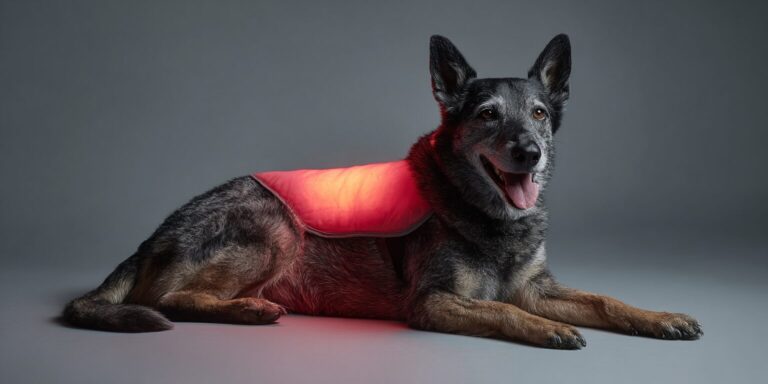
Photobiomodulation (PBM), also called red light therapy, low-level laser therapy, LED therapy, cold laser, and near-infrared therapy, refers to the same therapeutic category using light energy to influence cellular biology. It is an innovative, non-invasive treatment that’s gaining popularity among pet parents seeking safe and effective solutions for their dogs and cats. This therapy uses specific wavelengths of red and near-infrared light to deliver light energy deep into tissues, where it can stimulate cellular repair, reduce inflammation, and accelerate the healing process.
Many pet owners have discovered that regular light therapy sessions can make a huge difference in their pets comfort, mobility, and overall quality of life. Red light therapy is generally well-tolerated by most pets, with sessions designed to be gentle and stress-free. When used according to recommended treatment parameters, this approach can provide effective treatment for a wide range of conditions, including joint pain, soft tissue injuries, and wound healing.
Because red light therapy works at the cellular level, it helps to relieve pain, support tissue regeneration, and promote faster healing—making it a valuable tool for managing chronic pain, post-surgical recovery, and even everyday aches in aging dogs. Whether you’re looking to reduce inflammation, support healing after an injury, or simply improve your pet’s comfort, red light therapy devices offer a science-backed, drug-free option that fits easily into home care routines.
Are at-home red light therapy reviews for dogs reliable?
Reviews are useful for usability (comfort, handling, session time, support quality) but weak for proving clinical effectiveness. Many reviews rely on short trial periods, subjective outcomes, and overlapping treatments. Use reviews to judge real-world experience, then judge effectiveness by parameters (wavelength, delivered dose, protocol consistency, fur delivery) and safety, not star ratings. Reviews often highlight the importance of a device that prioritizes your pet’s comfort, as this can impact compliance and treatment outcomes.
Red light therapy for dogs at home reviews: what pet owners consistently report
When you scan large volumes of red light therapy for dogs at home reviews, a few patterns show up again and again, regardless of brand.
These patterns are useful because they reflect real-world use, not marketing claims.
What positive at-home reviews tend to include:
- Dogs relaxing during treatment sessions
- Gradual improvements in mobility over 2–4 weeks
- Better tolerance compared to clinic-only treatments
- Easier consistency when devices are simple to use
What negative at-home reviews tend to include:
- “No results” after only a few uses
- Difficulty getting through thick fur
- Uncertainty about where or how long to treat
- Devices that are awkward, loud, or hard to position
This reinforces a key point:
At-home success is less about the idea of light therapy, and more about:
- correct dosing
- consistent use
- proper targeting
- and a device that fits real life
Reviews reflect these realities, even when they don’t explain the science behind them.
What people mean by “at-home red light therapy” in reviews
When pet parents browse reviews for red light therapy devices, they encounter a confusing mix of terminology. Understanding what these terms actually mean helps you separate useful information from marketing noise.
Both “laser” and “LED” devices can deliver true PBM if they use appropriate wavelengths and adequate dosing. The key ranges are approximately 630–660 nm for red light and 800–1000 nm for infrared light. When reviews mention “cold laser,” they’re typically referring to low-level laser therapy that doesn’t burn tissue, but this label doesn’t automatically mean high quality or correct dosing.
You’ll see this terminology scattered across Amazon listings (pads with “16 red and 16 infrared chips,” dual-wavelength wands), community posts on Reddit discussing hip arthritis or tracheal collapse, and manufacturer websites. Common phrasings include:
- “Cold laser therapy at the vet”
- “LED pad with multiple wavelength chips”
- “3-wavelength wand for deep tissue”
- “Near-infrared therapy device”
Photobiomodulation has been studied for decades in veterinary and translational medicine, and all of these fall under the PBM umbrella, but they vary enormously in actual specifications. For deeper understanding, explore our science of red light therapy hub, our laser vs LED explainer, and our dosing guide that covers joules/cm² and treatment time.
In reviews, pet parents often mention their pet’s comfort during therapy sessions. Choosing a device that supports your pet’s comfort can improve compliance and lead to better outcomes.
What reviews can tell you
Despite their limitations, reviews provide important real-world signals that controlled studies simply can’t capture. Here’s what to look for when reading through owner experiences.
Comfort and tolerance
Pay attention to how dogs behave during therapy sessions:
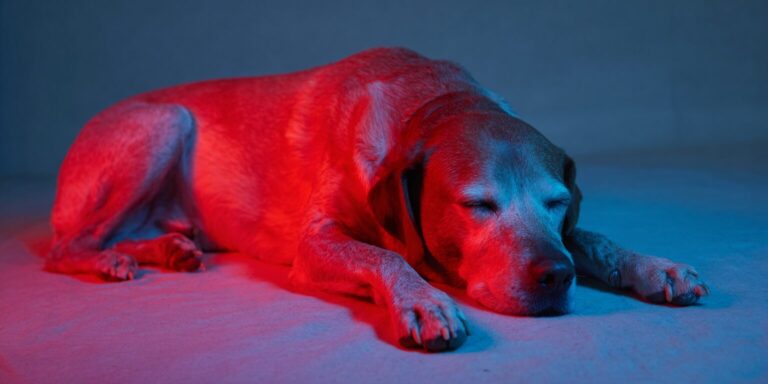
- Does the dog relax, lie down, or even fall asleep?
- Does the dog resist, pull away, or show anxiety?
- Do owners mention their dog with hip arthritis visibly settling after a few minutes?
Reviews describing dogs like a 10-year-old Lab with elbow arthritis who “leans into the light” or a German Shepherd with chronic back pain who “falls asleep every session” indicate good tolerance. This matters because compliance depends on your furry friend accepting the treatment.
Ease of targeting the treatment area
Look for whether reviewers can reliably reach problem areas:
- Hips, elbows, and stifles without awkward handling
- Spine and neck for IVDD or cervical issues
- Long-backed breeds like Dachshunds requiring precise positioning
Heat, noise, and handling
Many pet owners mention:
- Devices getting too hot (some dogs dislike this)
- Fans making noise that startles nervous dogs
- Vibration or beeping that causes anxiety
- Comfortable grips versus awkward designs
Durability and battery life
Long-term reviews (3+ months) reveal:
- Whether batteries fade or hold charge
- If chargers break or diodes stop lighting
- Whether devices survive daily use
Usability and support
Reviews mentioning clear instructions, protocol guidance, teleconsults with clinicians, or app reminders indicate more comprehensive support. MedcoVet Luma users, for example, often reference the app-based tracking and clinician access as differentiators compared to devices with bare-bones instruction booklets.

How to quickly scan red light therapy reviews without wasting time
Most people read reviews inefficiently. They scroll, skim, and get pulled into emotional stories.
A better approach is to scan with intent.
Use this 30-second method:
Step 1: Ignore star ratings at first
Start with 3-star reviews. These often contain the most honest detail.
Step 2: Look for patterns, not opinions
One review means nothing.
Ten reviews saying the same thing is signal.
Step 3: Search for keywords inside reviews
Use find (Ctrl/Cmd + F) and look for:
- “weeks”
- “hip”
- “arthritis”
- “daily”
- “didn’t work”
This surfaces the most relevant experiences fast.
Step 4: Prioritize detailed reviews
Longer reviews with specifics beat short emotional ones every time.
This approach turns reviews from noise into usable data.
What reviews cannot prove
Star ratings and anecdotes are not the same as controlled clinical evidence. Understanding these limitations helps you weigh reviews appropriately.
“It worked” claims are impossible to evaluate without knowing:
- The actual diagnosis (radiograph-confirmed hip dysplasia versus vague “leg pain”)
- Tissue depth (surface wound versus deep hip joint)
- Device parameters and protocol followed
Unrealistic “worked overnight” timelines
Some dogs do show early comfort changes, less guarding, better sleep, reduced muscle tension. But structural improvements in arthritis or chronic conditions typically require weeks, not days. The elbow osteoarthritis RCT in veterinary literature assessed outcomes after six weeks of regular treatment. Reviews claiming dramatic overnight turnarounds are describing comfort responses, not structural healing.
“Seems better” is subjective
Without objective measures, it’s difficult to know if changes are real or natural fluctuation. Here’s what owners can track at home to get clearer signals:
Objective measure | What to observe |
|---|---|
Rising from rest | Does the dog push up more smoothly over 2–4 weeks? |
Stair use | Can they climb 12–15 steps without stopping or misstepping? |
Gait on walks | Less limping after a 10–15 minute walk? Fewer “bunny hops”? |
Post-walk soreness | Less stiffness or licking after activity? |
Jump hesitation | Improving willingness to jump onto couch, car, or bed? |
Lick/chew frequency | Reduced attention to specific joints? |
Night-time rest | Fewer position changes and less pacing? |
MedcoVet clinicians often coach owners to track exactly these items. They’re practical, observable, and help separate real progress from wishful thinking.
The five things that decide whether a device can work
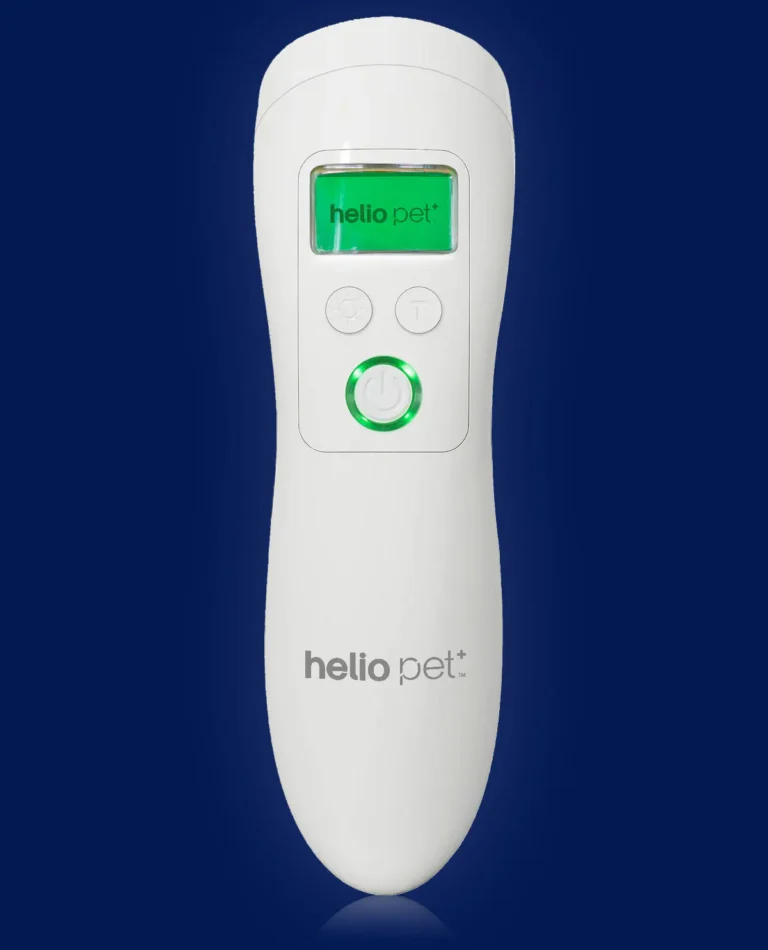
Regardless of reviews, five technical and practical factors largely determine whether at-home PBM can be effective for a specific dog. This framework applies to any device, MedcoVet Luma, budget LEDs like HelioPet, My Pet Laser, Dog Med Laser, or pad systems. The best home laser therapy devices for pets can improve recovery times and help maintain mobility, especially for aging dogs and cats, making them a valuable option for managing pain and supporting long-term joint health in older pets.
The MedcoVet Luma stands out as a hand-held red light therapy device designed specifically for pets, making it the best overall choice for red light therapy devices. It is easy to administer at home and is priced at around $1500, representing a significant investment for pet owners.
Most reviews don’t explicitly mention these factors, so owners must often infer from descriptions or hunt down specifications.
Red light therapy works by increasing blood circulation, enhancing collagen production, and stimulating cellular repair, all of which contribute to pain relief, tissue repair, and overall healing in pets.
1) Wavelength selection
Wavelength controls how deep light penetrates and which tissues are most affected.
Red light (approximately 630–670 nm):
- Penetrates a few millimeters into tissue
- Good for skin conditions, superficial wounds, and surface-level inflammation
- Effective for wound healing, skin irritations, and open wounds
Near-infrared light (approximately 800–850 nm):
- Penetrates deeper: several centimeters into joints, muscles, and spine
- Better for joint pain, arthritis, IVDD, hip dysplasia, and deep muscle issues
Many at-home products list “dual wavelength” chips but rarely specify exact nanometers. Reviews almost never mention wavelength by number. What to look for:
- Manufacturer pages that list specific wavelengths (e.g., “660 nm red and 850 nm NIR”)
- References to veterinary studies that used similar ranges
- Devices designed specifically for deeper conditions listing NIR wavelengths in the 800–1000+ nm range
MedcoVet Luma uses vet-selected red and NIR wavelengths based on clinical PBM literature for canine arthritis, IVDD, and soft tissue injuries—the same parameters supported by veterinary research.
2) Irradiance and dose
This is where marketing often misleads pet owners.
Key definitions:
- Irradiance: Power per area (mW/cm² or W/cm²): how intense the light is at the treatment surface
- Dose: Energy per area (joules/cm²): total energy delivered, which depends on both power and time
It’s essential to follow the recommended dosage (in joules per square centimeter) for your pet’s condition to ensure both safety and effectiveness of red light therapy treatments.
Marketing talks about “high power” or “more LEDs” without stating actual irradiance. The right question isn’t “how many LEDs?” but “what dose reaches the tissue?”
Wavelength, irradiance, dose, and treatment interval affect outcomes.
What to look for in reviews and specs:
- Published irradiance values (mW/cm² at skin surface)
- Clear dosing guidelines linked to diagnoses (arthritis vs wounds vs post-surgical)
- Clinician guidance that adapts dose to condition and fur length
Our dosing explainer goes deeper into calculating joules/cm² and treatment time for different conditions.
3) Treatment interval
Chronic conditions like osteoarthritis, hip dysplasia, or chronic pain generally need:
Loading phase: 3–5 therapy sessions per week for 2–4 weeks Maintenance: 1–3 sessions per week ongoing as needed
This is why reviews reporting “no change after 3 days” or “used it twice and it didn’t help” aren’t judging PBM fairly. Cellular repair, tissue regeneration, and inflammation reduction take time.
Example: An 11-year-old Labrador with elbow arthritis whose owner used PBM 4x/week for 3 weeks before noticing easier stair climbing represents a realistic timeline. That’s the pattern in positive outcomes—both in clinical practice and in credible owner reviews.
The most positive reports come from consistent use over several weeks. MedcoVet Luma’s app and clinician team help owners maintain protocol through reminders, tracking, and adjustments—improving compliance beyond what generic devices with no support can offer.
Protocols vary based on tissue depth and clinical goal.
4) Delivery through fur
Fur is a major real-world constraint that reviews often overlook.
Dense, dark, or long coats, Golden Retrievers, German Shepherds, doodles, Samoyeds, can reflect or scatter light, dramatically reducing the dose that actually reaches the skin. A device might deliver excellent irradiance in theory, but if light never penetrates fur, treatment time becomes ineffective.
What owners need:
- Direct contact with the skin or carefully parted fur
- Enough gentle pressure to move fur aside without causing pain
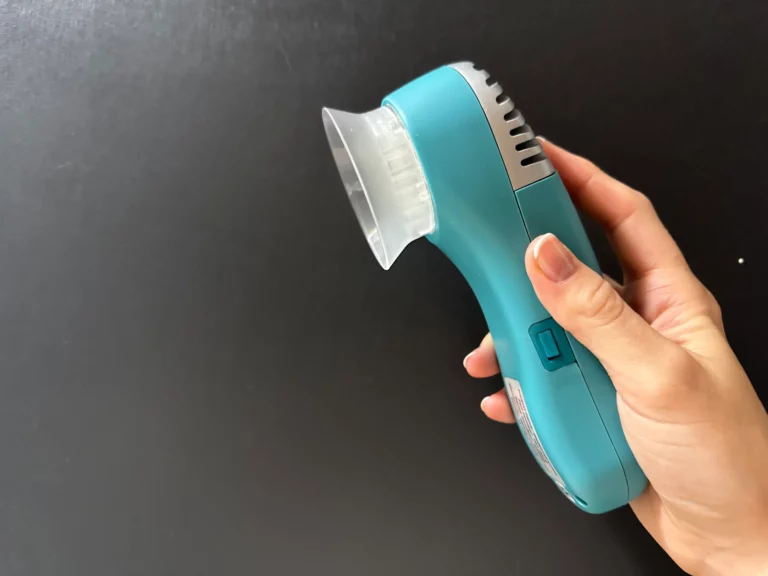
- Tools like optical combs or contact tips designed for dogs and cats
What to look for in reviews:
- Mentions of comb attachments or “pressing against the skin”
- Descriptions of positioning the device on hips, elbows, or along the spine
- Frustration with pads sliding around or fur “insulating” the light
MedcoVet Luma includes comb technology specifically designed to part fur and deliver light to the skin. Our dedicated fur penetration article explains these physics in more detail.
Even a powerful device underperforms when light never truly reaches the dog’s body.

5) Safety and contraindications
Responsible devices and reviews should mention safety basics instead of ignoring them.
Key concerns that should appear in serious product documentation:
Safety area | What to know |
|---|---|
Eye safety | Avoid direct beam into eyes; use eyewear or careful positioning for head/face treatments |
Cancer | Avoid treating known or suspected malignant tumors unless directed by a veterinary oncologist |
Photosensitivity | Caution if the dog is on medications that increase light sensitivity (some antibiotics, certain supplements) |
Pregnancy | Avoid abdominal treatments on pregnant dogs as a precaution |
Seizure disorders | Discuss with a vet first if the dog has epilepsy or neurologic disease |
Reviews that talk openly about safety and vet guidance, for example, discussing post-surgical use over staples or use after spinal surgery, are more trustworthy than those treating PBM as risk-free “for everything.”
Light therapy is generally safe when used correctly, but responsible use requires understanding contraindications. See our contraindications page and eye safety explainer for detailed guidance.
Laser Therapy Options
When exploring laser therapy options for your dog, you’ll find a variety of light therapy devices designed specifically for pets. These range from handheld red light therapy devices and battery-operated wands to flexible pads and wraps, each offering unique features to address different needs. The main distinction lies in the type of light used—some devices emit red light, others use near-infrared light, and many combine both wavelengths to target a broader range of conditions.
Laser therapy devices for pets can be based on LED technology or true low-level laser diodes. Both can be effective when they deliver the right dose and specific wavelengths, but it’s important to choose a device that’s been designed specifically for animal use and is supported by veterinary guidance. Features like comb attachments for fur penetration, adjustable treatment parameters, and user-friendly controls can make a huge difference in delivering light energy effectively to your dog’s body.
Popular at-home options, such as MedcoVet Luma, stand out by offering veterinary-grade technology, personalized protocols, and clinician support through an app—helping pet owners track their pet’s progress and adjust therapy sessions as needed. Other brands, like Photizo VetCare, HelioPet, and Dog Med Laser, also provide devices for joint pain, soft tissue injuries, and post-surgery recovery, but may differ in power, wavelength selection, and support features.
When choosing a laser therapy device, consider your pet’s specific condition, fur type, and comfort level. Look for devices that offer the recommended dosage, are easy to use, and have safety features to protect both you and your pet. With the right device and proper guidance, laser therapy can be a game changer for managing chronic pain, supporting healing, and improving your dog’s quality of life at home.
How to spot marketing language inside “reviews”
Some “reviews” on brand pages, marketplaces, or social media are essentially marketing copy. Here’s a checklist of red flags:
Vague regulatory claims:
- “FDA approved” for pet devices without specifying the exact approval pathway
- No distinction between human device clearances and veterinary use
Unsupported outcome claims:
- Before/after statements with no diagnosis, species, or timeline
- “My pet got better overnight” with zero context
- “Works for everything”—arthritis, allergies, anxiety, infections, cancer—all with the same device and settings
Technical misdirection:
- Overemphasis on “class 3” or “class 4” laser labels as if they guarantee better outcomes
- No mention of actual dosing or protocol details
- High LED counts presented as proof of effectiveness without irradiance data
Missing protocol information:
- No mention of how often the device was used
- No timeframe (how many weeks)
- No treatment time per session
Medical overclaims:
- “My vet said I can stop all medications now” without explanation or follow-up
- Claims that PBM replaces surgery or essential medications
Healthier review patterns to trust:
- Mentions specific diagnosis (e.g., “confirmed elbow arthritis on X-ray”)
- Notes time course (“after 4 weeks of daily use”)
- Acknowledges what else they did (NSAIDs, weight loss, rehab)
- Describes observable changes rather than just feelings
How to interpret common review patterns
Many reviews cluster into recognizable patterns, each with likely underlying reasons. For example, some negative reviews mention longer sessions, which often result from devices with lower average power—these require more time per treatment to deliver an effective dose, and this can be a disadvantage for pet owners seeking quick, convenient therapy. Understanding these helps you avoid overreacting to any single review.
“It worked in 1 to 2 days”
Some quick improvements can be real but are usually related to:
- Local warmth and increased circulation creating comfort
- The dog enjoying gentle handling and focused attention from their owner
- Reduced guarding and muscle tension after repeated calm sessions
- Rest effect—the dog is lying still and relaxing during treatment
In arthritis or chronic spinal issues, structural changes and consistent mobility improvements typically take 2–4 weeks. Treat “instant miracle” reviews as early encouraging signs, not proof of long-term efficacy.
MedcoVet clinicians often set expectations that the first week is mostly about comfort and tolerance building, with functional improvements following later.
“No change after a week”
This pattern usually points to:
- Insufficient dose: Too-short sessions or too-low-power device
- Poor contact: Light not reaching skin through dense fur
- Infrequent sessions: Once per week instead of 3–5 times
- Wrong target: Misplaced device not reaching the actual problem area
Some conditions—severe hip dysplasia, advanced elbow arthritis, significant IVDD—simply need more time and more structured protocols.
Owners should consider:
- Whether they’re following a vetted protocol (like those provided with MedcoVet Luma via app and clinician calls)
- Whether the dog’s diagnosis is correct—persistent non-response may warrant re-evaluation by a veterinarian
“Helped arthritis but not IVDD”
This pattern often reflects:
- Tissue depth differences: Deep spinal lesions versus more superficial joints
- Severity and chronicity: Long-standing disc disease versus milder joint changes
- Misplacement: Not accurately targeting the affected spinal segment
PBM can support some IVDD recovery but is not a replacement for surgical decompression or strict rest when indicated. A device that works well for elbow arthritis may not be powerful or precise enough for deep lumbar disc disease in a large dog.
MedcoVet protocols distinguish between arthritis, IVDD, post-surgical sites, and soft tissue injuries, adjusting dose and frequency accordingly.
“My dog hated it”
Possible reasons for negative tolerance:
- Device gets too hot on the skin
- Noise from fans or beeping is stressful
- Treatment involves painful handling of an already sore joint or back
- Sessions are too long
- Dog is restrained in an uncomfortable position
When reading these reviews, look for:
- Whether the reviewer tried adjusting positioning, session length, or environment
- Whether their dog was already touch-averse around the painful area
- Whether any accommodation was attempted
Most pets tolerate PBM well when devices are quiet, contact is gentle, and treatment is guided by someone who understands the pet’s specific condition. MedcoVet’s workflow includes clinician guidance specifically to troubleshoot tolerance issues.

Tips for effective use at home
To ensure your dog gets the most benefit from red light therapy at home, it’s important to follow a few key guidelines. Start by selecting the right device for your dog’s specific condition—consider factors like treatment area, device power, and the wavelengths offered. Always adhere to the recommended treatment parameters, including treatment time and frequency, to provide safe and effective treatment.
Monitor your dog’s progress closely, noting any changes in mobility, comfort, or behavior, and be prepared to adjust the treatment plan as needed. Consulting with your veterinarian is essential—they can help you set the right protocol, answer questions, and ensure you’re using the device correctly. By following these tips and using light therapy devices as directed, pet owners can deliver effective treatment and support their dog’s healing journey at home.
What to ask before you trust a review
Apply this checklist mentally to any review you read:
- What was the actual veterinary diagnosis and severity? (e.g., mild hip dysplasia on X-ray in a 4-year-old Lab vs end-stage arthritis in a 13-year-old shepherd)
- Where exactly was the treatment area? (hips, elbows, lumbar spine, neck, wound site—and how large?)
- How many sessions per week, and for how many weeks before judging results?
- What device did they use? Did they mention any treatment parameters (wavelength, power, treatment time per site)?
- What else changed during this time? (new NSAIDs, joint supplements, rehab, rest, weight loss, flooring changes)
- What objective changes did they notice? (stairs, rising, walk distance, limping, night rest) rather than just “seemed better”
MedcoVet’s clinician consults walk through these same questions—both when advising new clients and when interpreting previous device experiences.
A simple scoring rubric for at-home review credibility
Use this 0–10 scoring system when reading any dog red light therapy review. Each of five categories is worth 0–2 points:
- 0 = not present or clearly poor
- 1 = partial or vague
- 2 = clear, specific, and credible
Category | 0 points | 1 point | 2 points |
|---|---|---|---|
Diagnosis clarity | “my dog’s legs hurt” | mentions arthritis but not confirmed | “hip dysplasia confirmed on X-ray at 8 years old” |
Protocol clarity | no info on frequency or duration | vague (“a few times a week”) | specific schedule (“10 min per hip, 4x/week for 4 weeks”) |
Timeline realism | claims major reversal in 1–2 days | some quick improvement, no follow-up | gradual improvement over 2–6 weeks with maintenance |
Objective outcomes | only “seemed happier” | mix of feelings and some functions | specific functional changes (walks 20 min with no limp, climbs 15 stairs) |
Confounders acknowledged | no mention of other treatments | acknowledges meds/rehab but doesn’t separate effects | clearly notes what else changed, admits PBM is one piece |
Example application:
A review states: “My 9-year-old Lab was diagnosed with moderate elbow arthritis on X-ray. I used the device 4 times per week for 5 weeks, 12 minutes per elbow. He also continued his Carprofen. After 3 weeks, he started climbing stairs without stopping. He still limps slightly after long walks, but it’s much better. I can’t say whether it’s the light therapy or the medication, but together they’ve made a huge difference.”
Score:
- Diagnosis clarity: 2
- Protocol clarity: 2
- Timeline realism: 2
- Objective outcomes: 2
- Confounders acknowledged: 2
- Total: 10/10
Weight high-scoring reviews more heavily when choosing devices and protocols. A 7+ review is far more informative than a dozen 3-point reviews.
Clinical summary
Mechanism
PBM works through red and NIR photons being absorbed by chromophores—primarily cytochrome c oxidase in mitochondria. This triggers a cascade: improved cellular energy production (ATP), modulation of reactive oxygen species, and changes in inflammatory signaling. The result can be reduced pain, decreased inflammation, and enhanced tissue regeneration at the cellular level.
Evidence level
Moderate for select canine musculoskeletal indications when parameters and schedule are appropriate. Evidence varies by condition, disease stage, and protocol quality, and many consumer devices have not been directly studied in dogs.
When PBM works best:
- Mild to moderate osteoarthritis (hips, elbows, stifles)
- Soft tissue injuries (muscle strains, tendonitis)
- Post surgical recovery and orthopedic repairs (with vet guidance)
- Chronic back pain and some IVDD cases as adjunct to standard care
- Wound healing and certain skin conditions
When not to use:
- Over known or suspected malignant tumors (unless directed by specialist)
- Over pregnant abdomens
- As replacement for needed surgery (severe IVDD compression, cruciate ligament rupture)
- As replacement for essential medications without vet guidance
Clinical questions veterinarians ask about at-home devices
Putting it all together: how to use reviews and science together
Here’s the simplest way to make a decision without getting overwhelmed:
Step 1: Use reviews to filter for usability
- Is it easy to use?
- Do dogs tolerate it?
- Can people stay consistent?
Step 2: Use specs to filter for effectiveness
- Correct wavelengths
- Known irradiance
- Clear dosing
Step 3: Use guidance to bridge the gap
- Protocols matched to condition
- Support when things aren’t working
This three-part filter removes most of the guesswork.
Next steps
Reading reviews is just the first step. What matters is matching the right device to your dog’s specific condition with proper parameters and veterinary guidance.
Continue learning:
- Visit our comprehensive red light therapy for dogs pillar page for detailed protocols and condition-specific guidance
- Explore the science hub for deeper dives into mechanisms, wavelengths, and dose calculations
- Read our dedicated fur penetration article to understand why delivery to the skin matters so much
Get personalized guidance:
- MedcoVet offers free clinician consultations to review your dog’s diagnosis and determine if at-home PBM (including Luma) is appropriate
- Take our vet-reviewed quiz to match conditions (arthritis, IVDD, post-surgery, dysplasia) to suggested protocols
The scoring rubric and checklists in this guide work for any device. Use them on the next review you read, then combine what you’ve learned with veterinary advice to make the best decision for your dog.
Evidence Citations
This page is supported by the MedcoVet research index. As the research library is published, citations will appear as a filtered list of studies relevant to at-home photobiomodulation in dogs (mechanism, dosing, osteoarthritis, soft tissue injury, and safety).
🐾 Ready to Take the Next Step?
Whether you’re just learning or ready to act — we’ve got you.
👉 Book a Free Consult
Talk to a licensed clinician about your pet’s condition and get a personalized plan. No pressure, just real help.
👉Learn More About the Luma
Explore how our at-home red light therapy device works, why it’s different, and what it can do for your pet.

About the Author
Alon Landa is the CEO and co-founder of MedcoVet, a leader in at-home red light therapy for pets. With over 20 years of experience in medical technology and firsthand involvement in developing the Luma, Alon combines deep technical knowledge with a passion for improving pet health. He regularly collaborates with veterinarians and pet parents to advance photobiomodulation (PBM) care at home.
📍 Based in Boston, MA
📖Read more from Alon here

About the Medical Reviewer
Chris Cranston has over 20 years of hands-on experience in small animal physical rehabilitation and is a trusted voice in pet mobility and recovery. She is co-host of the PetAbility Podcast and was among the first 100 professionals worldwide to earn her Certified Canine Rehabilitation Practitioner credential through the University of Tennessee. Chris founded FlowDog in Massachusetts and continues her work through concierge rehab, consulting, and teaching.
Read More about Chris here.