
At-Home Red Light Therapy for Pets with IVDD
Is Red Light Therapy Right for Your Pet?


Ella
Medically reviewed by: Kristy Williams, CVT, CCFT (Specialties: Pet rehabilitation, pain management, photobiomodulation)
Reviewed: August 2026
Updated: August 2026
IVDD can change a dog’s life fast.
One day your dog is jumping on the couch. The next, they are stiff, hunched, shaking, dragging their back legs, or crying when they move. For pet owners, it feels awful. For the dog, it can mean pain, inflammation, spinal cord compression, nerve damage, and a scary loss of mobility.
Luma brings red light therapy and near-infrared light therapy home, so your dog can receive regular support between vet visits, during crate rest, after spinal surgery, or as part of an IVDD recovery plan guided by a licensed vet.
Luma uses red light at 635nm and near-infrared light at 850nm. These specific wavelengths are used in photobiomodulation, also called red light therapy, low-level laser therapy, LED therapy, cold laser, and near-infrared therapy.
The goal is simple: reduce inflammation, support healing, improve pain relief, and help your dog move more comfortably.
Is red light therapy effective for IVDD in dogs?
Red light therapy can be a helpful, non-invasive support option for dogs with intervertebral disc disease when used as part of a vet-guided treatment plan. It may help reduce inflammation around the spinal cord, support cellular repair, improve pain relief, and assist the healing process after IVDD surgery or during conservative treatment with crate rest.
Red light therapy is not a substitute for emergency veterinary care in severe cases, especially if your dog loses deep pain sensation, bowel control, or the ability to stand.
Understanding IVDD in Pets
IVDD—Intervertebral Disc Disease—is a spinal condition that can range from “a bit stiff” to full-blown paralysis. It happens when the discs between the vertebrae (those little cushioning pads) deteriorate, bulge, or burst. The inner material pushes on the spinal cord and nerves, causing intense pain and sometimes nerve damage.
It’s most common in certain breeds because of genetics. But age, injury, or repetitive motion can also trigger it.
Signs of IVDD include:
- Reluctance to move or jump
- Arched back or stiff neck
- Weakness or paralysis in the back legs
- Knuckling or dragging paws
- Loss of bladder or bowel control
It’s painful. It’s scary. But it’s not a death sentence. With early intervention and the right therapy plan, many dogs walk—and even run—again.
IVDD can change quickly
Get clear guidance for your dog’s stage, symptoms, and recovery plan.
Mizzy
Signs of IVDD in dogs
Call your vet immediately if you notice:
Back pain or neck pain
A hunched spine
Shaking, trembling, or crying
Reluctance to walk, jump, or use stairs
Weakness in the back legs
Knuckling or dragging paws
Loss of balance
Sudden change in mobility
Loss of bowel control or bladder control
No deep pain response
Severe pain or rapid decline
IVDD can move quickly. Early intervention matters.
A dog with mild pain may need strict crate rest, pain medications, anti inflammatory drugs, physical therapy, and careful monitoring. A dog with severe spinal cord compression, loss of deep pain, or worsening neurological signs may need advanced imaging and spinal surgery.
The safest first step is always a veterinary exam.
How Luma Helps Pets with IVDD

”Gideon’s life completely changed after we started using the Luma for IVDD pain in his neck and lower back! It was the perfect solution for him—no more stressful vet visits or uncomfortable handling, which he absolutely dislikes. Shortly after we began using the Luma, it was like getting our happy, playful boy back! Gideon became bouncy, social, and full of energy again. Before IVDD, he loved chasing critters and enthusiastically shaking his toys around, but as the pain set in, he became hesitant to run, withdrawn, and spent a lot of time isolating in his bedroom. Thanks to the Luma, he’s thriving! He is back to his playful, social, critter-chasing self, and enjoying life to the fullest. We couldn’t be more thrilled with the results— it’s been a total game-changer!” -Kristen Hanley
Luma uses targeted red (635nm) and near-infrared (850nm) light to penetrate deep into the tissues around your pet’s spine. These wavelengths aren’t random—they’re chosen for a reason:
- 635nm stimulates healing at the skin and soft tissue level.
- 850nm reaches deeper into joints, nerves, and bones.
And here’s why it matters for IVDD:
💥 Relieves Pain – Red light triggers endorphins (your pet’s natural painkillers) and modulates pain signals in the spine.
🔥 Reduces Inflammation – Less swelling around the spinal cord = less compression, less nerve damage, and faster recovery.
🧬 Supports Nerve Repair – PBM promotes cellular energy (ATP), collagen production, and circulation—all essential for nerve healing and tissue repair.
❤️ Improves Neurological Recovery – In dogs with surgical IVDD cases, red light therapy has been linked to faster return to walking when used as part of rehab.
Get a Personalized IVDD Treatment Plan
Custom guidance for your dog’s spine, pain, and mobility needs.
Huxley
What Luma may support during IVDD recovery
1. Pain relief
Red light therapy can improve pain relief by triggering endorphins, the body’s natural pain-relieving chemicals. It can also help calm pain signaling at the cellular level.
For a dog with IVDD, pain relief can mean less guarding, less shaking, more comfort during crate rest, and better tolerance for vet-approved physical therapy.
2. Reduced inflammation
Laser therapy and red light therapy can reduce inflammation and promote healing. For IVDD, this is especially important because inflammation around the spinal cord can add pressure and discomfort.
Less inflammation may help reduce stress on irritated nerves and surrounding soft tissue.
3. Cellular repair and ATP production
Photobiomodulation helps cells produce more ATP, which is the energy cells use to repair and function. More cellular energy can support healing, tissue repair, and the body’s natural recovery process.
This is one reason red light therapy is used in veterinary medicine for pain, inflammation, soft tissue injuries, superficial wounds, arthritis, and post-surgery recovery.
4. Nerve support and nerve regeneration
IVDD can irritate or injure nerves. In some cases, it can cause spinal cord injury.
Photobiomodulation has been studied for nerve-related healing because it may reduce oxidative stress in spinal tissue, support nerve regeneration, and improve neurological recovery when used as part of a broader treatment plan.
5. Better mobility and quality of life
The goal is a more comfortable dog.
For many dogs, that means easier standing, steadier back legs, less discomfort, and a more confident return to movement as their vet clears them for activity.
Red light therapy IVDD research: what we know
Red light therapy, laser therapy, and low-level laser therapy have been studied in both human and veterinary medicine.
A key dog study looked at dogs recovering after spinal surgery for thoracolumbar intervertebral disc disease. Dogs treated with perilesional photobiomodulation therapy and physical rehabilitation showed improved neurological status when deep pain sensation was still present. In the laser therapy group, the average time to regain walking ability trended shorter at 14.2 days, compared with 24 days in the no-laser group. That is roughly a week earlier post-surgery.
In human research, low-level laser therapy has been studied for chronic low back pain, with some reviews finding benefit and others calling the evidence uncertain due to differences in dosing, study quality, and treatment methods. This matters because red light therapy is dose-dependent. Wavelength, irradiance, treatment time, and placement all affect results.
Photobiomodulation is widely described as a form of light therapy using lasers, LEDs, or other non-ionizing light sources in the visible and near-infrared range to influence biological activity.
Why Luma is a strong fit for IVDD support at home
IVDD care often happens over weeks.
That is where at-home therapy becomes powerful.
A clinic laser treatment may help, but many pet owners cannot get to the vet every 2 to 4 days for repeated sessions. Some dogs are in strict crate rest. Some are stressed in the car. Some need daily comfort support. Some are recovering from IVDD surgery and need a calmer routine.
Luma gives pet owners a practical way to support healing at home with a safe, easy-to-use red light therapy device.
Luma is useful for IVDD because it is:
At-home: Easier for dogs on crate rest or limited movement
Drug-free: Can help reduce dependency on steroids or painkillers over time when a vet agrees
Non-invasive: No sedation, needles, or stressful clinic setup
Designed for fur: Comb prongs help part the dog’s fur so light reaches the skin more effectively
Built for repeat use: Regular sessions can support the healing process over days and weeks
Guided by clinicians: Pet owners can get help choosing a treatment protocol for their dog’s condition
Luma is not used to diagnose IVDD. It does not replace spinal surgery when surgery is needed. It does not replace anti inflammatory drugs, pain medications, crate rest, physical therapy, or urgent veterinary care.
It gives your dog a way to receive consistent red light therapy support at home.
That matters.
Need Help Choosing the Right IVDD Recovery Option?
Talk to a clinician about your pet’s specific condition and whether Luma is the right fit.
Matilda
What the Research Says:
| Wavelength | Function | Application to IVDD |
|---|---|---|
| 635 nm | Boosts circulation & collagen | Aids tissue repair and skin-level inflammation |
| 850 nm | Deep tissue & nerve penetration | Targets spinal discs, reduces nerve inflammation |
| 660 & 810 nm | Pain relief, ATP production | Studied for back pain and nerve regeneration |
| Combined Red + IR | Proven anti-inflammatory effect | Reduces swelling around damaged discs |
🔬 PBM is safe. Repeatable. Backed by evidence. And unlike drugs, it doesn’t just mask symptoms—it supports healing from the inside out.
How IVDD red light therapy is typically used
IVDD treatment plans vary based on the dog’s condition, pain level, neurological signs, and whether the dog has had surgery.
In general, IVDD laser therapy sessions often last 5 to 10 minutes and may be used every 2 to 4 days during the early phase of treatment. Many dogs show noticeable improvement within 3 to 5 laser therapy sessions, although recovery depends heavily on IVDD severity, deep pain status, spinal cord compression, and the full treatment plan.
Devices should deliver sufficient irradiance for effective treatment. Too little energy may not reach the intended tissues. Too much energy, poor technique, or the wrong device can create safety concerns.
That is why we recommend consulting a licensed veterinarian for optimal treatment protocols.
When IVDD is an emergency
Book a free consult for guidance, but call your vet or an emergency vet immediately if your dog has:
Sudden paralysis
Loss of deep pain sensation
Loss of bowel control or bladder control
Severe pain
Rapidly worsening weakness
Trouble standing
Dragging both back legs
A painful neck with crying or stiffness
Signs that worsen over hours
Red light therapy can support healing. Emergency veterinary care protects your dog when the spinal cord is at risk.
Safe, Soothing, and Designed for At-Home Use
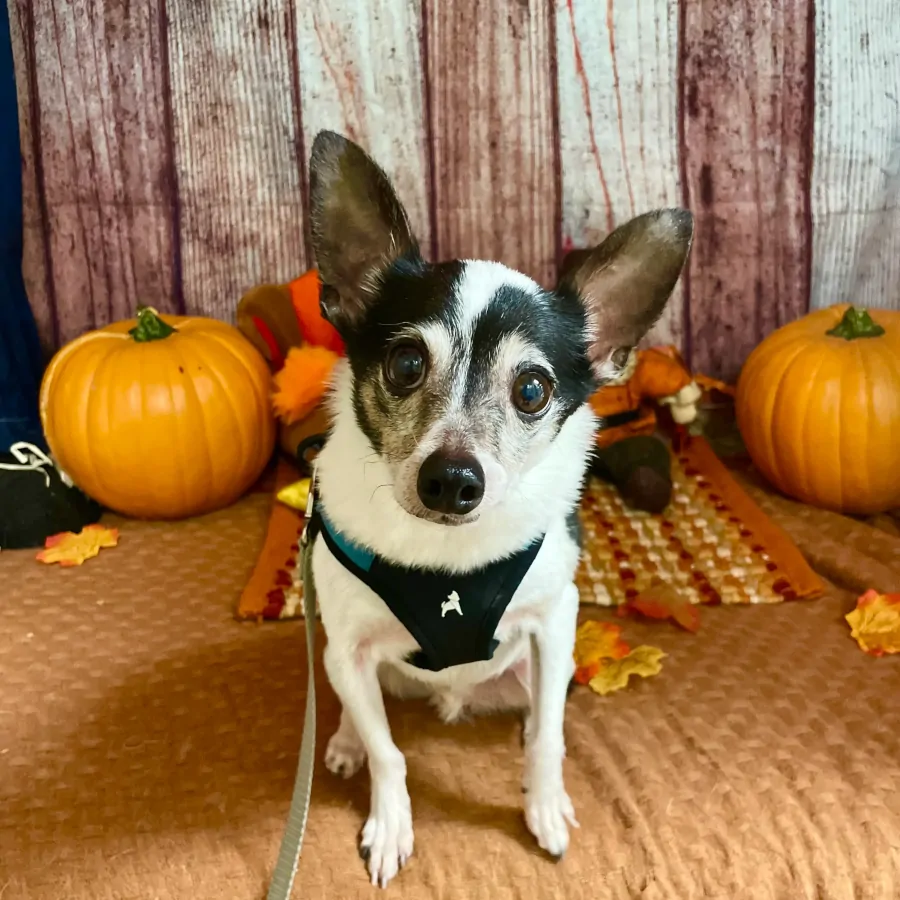
”During a portion of Crash’s rehab for his IVDD, we were using Luma for daily sessions. He improved so much in such a small amount of time. Now he is stable and pain-free, and uses Luma only once a week. I have so many thanks to give Luma.” – Samual Koch
What about crate rest, surgery, and physical therapy?
Most IVDD recovery plans include several parts.
Your vet may recommend:
Strict crate rest
Anti inflammatory drugs
Pain medications
Muscle relaxers
Laser therapy
Red light therapy
Physical therapy
Controlled standing exercises
Assisted walking
Weight management
Surgery in severe cases
Conservative treatments can work well for many dogs with mild to moderate IVDD, especially when deep pain is present and mobility is stable. IVDD surgery may be needed when there is severe spinal cord compression, loss of deep pain, or worsening neurological function.
After surgery, red light therapy and physical therapy may help support comfort, mobility, and neurological recovery.
Talk to a Clinician About Your Pet’s IVDD
Our clinicians help you understand whether Luma fits your pet’s condition.
Ghillie
Real Stories: Pets Who Found Relief with Luma
Try Luma for Your Pet
If your pet is struggling with IVDD—whether you’re managing it conservatively or recovering post-surgery—Luma might be exactly what they need.
A simple beam of light. A big dose of healing.
Let’s find out together.
🐾 Every pet deserves comfort—and a chance to heal naturally.
Ready to See If Luma Can Help Your Pet?
Talk to a clinician about your pet’s IVDD, mobility, or recovery needs.
Not ready yet? Take the 2-minute quiz
Benjamin

About the Author
Alon Landa is the CEO and co-founder of MedcoVet, a leader in at-home red light therapy for pets. With over 20 years of experience in medical technology and firsthand involvement in developing the Luma, Alon combines deep technical knowledge with a passion for improving pet health. He regularly collaborates with veterinarians and pet parents to advance photobiomodulation (PBM) care at home.
📍 Based in Boston, MA
📖Read more from Alon here

About the Medical Reviewer
Clinical Focus: Surgery, anesthesia, canine fitness, injury prevention, agility
Kristy Williams brings over 30 years of experience to the veterinary field. Her career began in the 1990s, working as a civilian for the Army Veterinary Corps at RAF Feltwell in England, where she first discovered her passion for animal care and supporting their families. Upon returning to the United States, Kristy pursued her education and graduated in 2005 as a certified veterinary technician after passing the national exam. She has since gained extensive experience in both general practice and emergency/referral practices.
Read More about Kristy here.

