“Recovery doesn’t stop when surgery ends. That’s where healing begins.” — MedcoVet
Whether it was a routine spay or a high-stakes orthopedic surgery, when your pet comes home, the real work begins. The healing. The waiting. The watching. Every limp or whimper makes your heart ache.
That’s where Luma steps in—bringing science-backed, vet-trusted red light therapy right to your living room.
No more waiting for weekly rehab appointments. No more wondering if you’re doing enough. Just real relief, right at home.
Is red light therapy effective for post-surgical healing in pets?
Yes. Red light therapy supports post operative healing by improving cellular energy production, increasing blood flow, and reducing inflammation. It can reduce post operative pain and support faster wound healing when used appropriately alongside standard veterinary care.
Healing After Surgery: What Pets Go Through
Surgery saves lives—but it’s just the first step. Afterward comes the swelling. The inflammation. The limited movement. For pets, it’s confusing and painful. And for pet parents? It can be overwhelming.
Common challenges after surgery:
Pain and discomfort
Swelling or stiffness
Delayed wound healing
Decreased appetite or energy
Risk of infection or complications
Anxiety from limited mobility
Excess swelling and post-operative pain can delay recovery, making it harder for your pet to return to normal activities. Addressing these issues early is crucial for a smoother healing journey and optimal surgical outcomes.
Veterinarians do everything they can in-clinic. But once your pet is home, Luma helps you keep the healing going.
Not sure what your pet actually needs right now?
Answer a few quick questions and get a clear recommendation based on your pet’s surgery and symptoms.
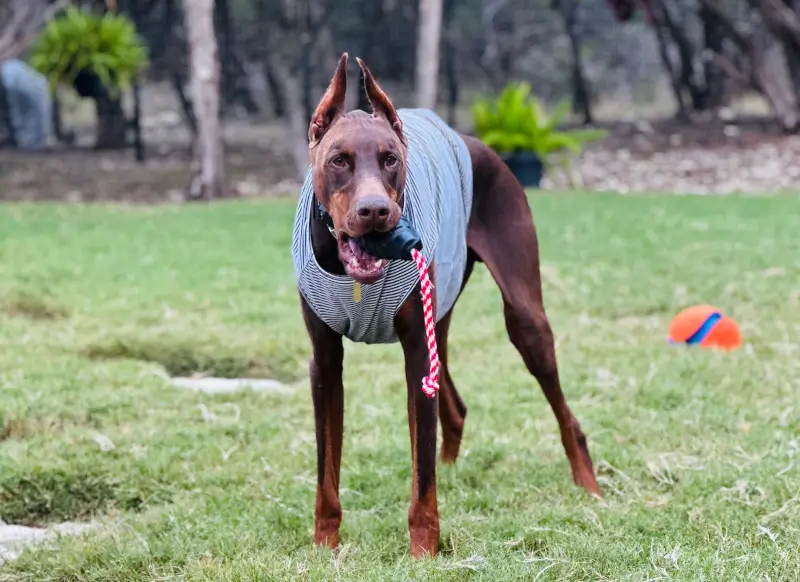
“The Luma device was a total game changer for our Doberman’s TPLO recovery. After two post-surgery infections and being told his recovery would be delayed due to significant inflammation, the Luma device helped us reduce his swelling and start professional rehab sooner than expected. We’re so grateful we found it and would highly recommend it to anyone!” -Sidney Moore
How Red Light Therapy Works
How Red Light Therapy Helps Pets Heal
Photobiomodulation (PBM), also called red light therapy, low-level laser therapy, LED therapy, cold laser, and near-infrared therapy, refers to the same therapeutic category using light energy to influence cellular biology.
The MedcoVet Luma uses therapeutic red and near-infrared light (635 nm and 850 nm) to jumpstart the healing process at the cellular level. The science is called Photobiomodulation (PBM), and it’s used in top rehab centers across the world.
Here’s what it does:
🔋 Increases Cellular Energy (ATP) Mitochondria = the power plants of cells. Red light tells them: go time. More energy = faster healing.
🔥 Reduces Inflammation Luma calms inflammatory markers like TNF-α and IL-1β, reducing swelling and discomfort.
😌 Relieves Pain—Naturally Red light encourages endorphin release, helps nerves function better, and dials down pain signals.
💓 Boosts Blood Flow Increased circulation = faster delivery of oxygen and nutrients where they’re needed most.
🌱 Accelerates Wound Healing PBM stimulates fibroblasts and growth factors like Vascular endothelial growth factor (VEGF), speeding up tissue repair and skin regrowth.
🛡 Minimizes Scarring and Tissue Damage Luma helps regulate enzymes like MMP-2, which means smoother healing and fewer complications.
“Ruger has always been a dog who finds joy in running, hiking, and wrestling with other dogs. After tearing his CCL and having knee surgery at 9 years old, I was not only worried he wouldn’t be able to do the things he loves, I was heartbroken seeing him uncomfortable. Incorporating Luma into his rehab treatment plan sped his healing, offered him relief, and ultimately contributed to him getting back to his active self – hiking and wrestling with his dog friends and foster siblings.” – Becky Reiss
Where Red Light Therapy Fits in Surgery Recovery
Red light therapy helps across a wide range of procedures:
Orthopedic surgeries like TPLO or total knee arthroplasty
Soft tissue surgeries including spay, tumor removal, abdominal surgeries
Dental and oral procedures
Spinal surgeries such as IVDD
Skin closures and wound healing cases
Red light therapy is frequently utilized for rehabilitation after orthopedic, and general surgeries to enhance overall healing outcomes and reduce downtime. In post-surgical recovery, laser therapy and low level laser therapy (LLLT) are also used to reduce pain, improve range of motion, and support healing, though they differ from LED-based red light therapy in their delivery method and clinical application. Near infrared light therapy, which is part of the spectrum used in these treatments, further aids in speeding up healing and reducing pain.
It is especially useful for patients recovering from procedures involving inflammation, incision sites, or limited mobility.
Key Benefits of Red Light Therapy for Post Surgery
Red light therapy offers a safe, non-invasive option for post-surgical recovery.
Faster healing and tissue repair
Reduced inflammation and swelling
Improved wound healing and incision closure
Reduction in post operative pain
Improved mobility during recovery
Support for healthier skin and scar reduction
Red light therapy speeds healing and supports faster recovery after surgery by reducing inflammation and swelling, which improves overall recovery outcomes. Many patients experience quicker recovery timelines when incorporating red light therapy into post surgery care.
What You May Notice
Early stage (first several weeks):
Reduced swelling at the surgical site
Less guarding or licking
Improved comfort and sleep
With continued use:
Faster wound healing
Improved movement
Reduced stiffness
Better overall recovery progression
Conditions and Surgeries That Benefit from Luma
✔ Spay & neuter ✔ TPLO, FHO, CCL repairs ✔ Fracture or luxation repair ✔ Benign tumor removals ✔ IVDD and spinal surgeries ✔ Dental surgeries ✔ Skin closures and abscesses ✔ Any surgery with swelling, pain, or restricted movement
What Sets Luma Apart?
Not all red light is created equal. Here’s what makes Luma different:
✔ Clinically-Backed Wavelengths 635 and 850 nm. The sweet spots for post-op healing, proven in peer-reviewed studies.
✔ Vet-Prescribed, Home-Ready Trusted in veterinary rehab clinics. Built for safe, easy use at home.
✔ No Drugs. No Sedation. No Clinic Visits. Just soothing, non-invasive therapy your pet can relax into.
✔ Safe for Seniors, and Pets on Meds No known side effects. Cleared for long-term or daily use.
✔ Pain-Free to Use Most pets nap during sessions. You might want to join them.
What You’ll Notice with Luma
In the first few treatments:
Reduced swelling at incision site
Less guarding or licking behavior
Calmer demeanor and better sleep
With consistent use:
Faster wound healing
Improved energy and movement
Reduced pain or stiffness during recovery
Happier mood and appetite
Every pet is unique. But recovery doesn’t have to be a mystery. Luma gives you a tool you can trust.
Olive
“Olive was only a year old when she was diagnosed with grade 3 bilateral luxating patellas. We found an amazing PT who recommended trying the LUMA under her guidance. The LUMA not only helped us prepare for each of Olive’s three orthopedic surgeries, it was also a crucial part of her recovery afterwards. Now Olive is almost 5 years old and while she is not competing in any Olympic sports, she is still able to enjoy her favorite activities like a normal and happy dog. Thank you LUMA!!” – Tia Trabucco
Used by rehab vets and surgeons across the country
Backed by decades of clinical research
Clinical Summary
Mechanism: Photobiomodulation increases mitochondrial activity, leading to higher ATP production. This enhances cellular repair, collagen synthesis, and tissue regeneration. It also improves circulation and modulates inflammatory pathways.
Evidence level: Moderate to strong. Supported by veterinary and human clinical studies across wound healing, inflammation reduction, and pain management.
When it works best:
Early to mid-stage post operative recovery
Soft tissue and orthopedic healing
Cases involving inflammation, delayed healing, or mobility restriction
When not to use:
Untreated infection without veterinary oversight
Direct application over malignant tumors unless directed
Situations where light exposure is contraindicated
Real Recovery Stories
1-12 of 14 results
Mason
“The Luma helped with the healing of Mason’s post surgery wound. He healed much quicker”
Mason
Post surgery wound recovery
“The Luma helped with the healing of Mason’s post surgery wound. He healed much quicker”
“Our pup Jacques tore his CCL at 11 year old and the Luma help so much with his post surgery…”
Jacques
Post CCL surgery recovery and arthritis
“Our pup Jacques tore his CCL at 11 year old and the Luma help so much with his post surgery recovery and we’ve continued to use it for support the past few years. It’s so wonderful to be able to provide healing in the comfort of home ❤️”
“Olive was only a year old when she was diagnosed with grade 3 bilateral luxating patellas. We found an amazing…”
Olive
Arthritis, Luxating Patellas, CCL tears
“Olive was only a year old when she was diagnosed with grade 3 bilateral luxating patellas. We found an amazing PT who recommended trying the LUMA under her guidance. The LUMA not only helped us prepare for each of Olive’s three orthopedic surgeries, it was also a crucial part of her recovery afterwards. Now Olive is almost 5 years old and while she is not competing in any Olympic sports, she is still able to enjoy her favorite activities like a normal and happy dog. Thank you LUMA!!”
“The Luma helped Noel recover through multiple operations as an 8-week-old puppy. Noel’s leg was severely broken when her original…”
Noel
Recovery from broken femur in front right leg with nerve damage and recovery from TPLO in right rear leg.
“The Luma helped Noel recover through multiple operations as an 8-week-old puppy. Noel’s leg was severely broken when her original owner stepped on her. I adopted Noel as the original owner could not afford the surgeries needed. Noel also had severe nerve damage. The Luma was used for several weeks to help with bone and nerve healing. I purchased a Luma because I expected Noel would need the Luma treatment for arthritis throughout her life. I can use the Luma for a week and it lessens the pain and the need to use pain medications for long periods. I also used the Luma to help her recover from a TPLO on her right rear leg when she was 3 years old.”
“Recovery from Sunshine surgeries required a full suite of rehabilitaion modalities. Laser, underwater treadmill and program of physical therapy. Having…”
Sunshine
Recovery from four orthopedic surgeries.
“Recovery from Sunshine surgeries required a full suite of rehabilitaion modalities. Laser, underwater treadmill and program of physical therapy. Having the Luna enabled me to provide laser treatment on a daily basis. This kept Sunshine comfortable through the daily exertion required for the exercises. Sun would happily lay on her “laser pad” for her treatment and this added to our connection through her lengthy period of recovery. She is now a happy, healthy dog leading a full normal life. So glad Luma was available to help us on our journey.”
“The Luma was so helpful during Penni’s recovery from surgery. It was effective for both pain control and wound healing.…”
Penni
Bilateral ACL tears, L TPLO
“The Luma was so helpful during Penni’s recovery from surgery. It was effective for both pain control and wound healing. When we brought her in for her 2 week check up, the surgery staff was amazed at how well she was using her leg! No doubt, the Luma helped my Penni to feel better faster.”
“Ruger has always been a dog who finds joy in running, hiking, and wrestling with other dogs. After tearing his…”
Ruger
Recovery from TPLO surgery
“Ruger has always been a dog who finds joy in running, hiking, and wrestling with other dogs. After tearing his CCL and having knee surgery at 9 years old, I was not only worried he wouldn’t be able to do the things he loves, I was heartbroken seeing him uncomfortable. Incorporating Luma into his rehab treatment plan sped his healing, offered him relief, and ultimately contributed to him getting back to his active self – hiking and wrestling with his dog friends and foster siblings.”
“When my miniature dachshund, Ella, underwent her first IVDD surgery, it was a challenging time for both of us. She…”
Ella
IVDD
“When my miniature dachshund, Ella, underwent her first IVDD surgery, it was a challenging time for both of us. She was in significant pain despite being on multiple medications, and I desperately wanted an alternative solution that didn’t involve adding more pills to her regimen. That’s when her rehab veterinarian recommended the MedcoVet Luma, and it truly became a game-changer.
We’ve been using the Luma therapy every day for the past two years, and I can’t say enough about how much it has helped Ella. Initially, it played a vital role in managing her post-surgery pain, providing her with much-needed relief. Over time, it’s become an essential part of her routine, helping to prevent painful flare-ups and keeping her comfortable and active.
Not only has the MedcoVet Luma been effective, but it’s also incredibly easy to use at home. It has saved us countless trips to the vet’s office and significantly reduced our expenses for in-clinic laser therapy. Most importantly, it has given Ella a better quality of life—and as a pet parent, that’s priceless.
I wholeheartedly recommend the MedcoVet Luma to anyone dealing with similar challenges. It’s been a lifeline for Ella, and I know it can make a difference for others too.”
“When Nitro first came to us as a young foster puppy (eventually a foster fail), he could barely walk and…”
Nitro
One FHO surgery and a back leg reconstruction
“When Nitro first came to us as a young foster puppy (eventually a foster fail), he could barely walk and could not sit well. He had a broken hip, dislocated back left leg, and a shattered back right leg which had fused back together at the joint which prevented him from bending the leg. He went through several major surgeries over the following four months, including an FHO on the left back leg and what was essentially a reconstruction of his back right leg. I hired a local rehabilitation veterinarian to help me through Nitro’s recovery, and she had recommended using the Luma device as he healed in order to give him the best possible chance of being able to function like a normal dog. We are now at 10 months after his last major surgery. For the better part of the past year, I used the Luma concurrently with his physical therapy exercises every day, and he now has almost full use of both of his back legs. He can not only walk and sit, but run, sprint, jump, and play like a normal puppy. I am amazed at how far he has come in the past year and at everything he is able to do now because of the treatments I was able to provide to him. I am so glad I decided to buy a Luma device rather than rent, as I plan on keeping it on hand to use in the future. We have 4 dogs in total so we are bound to need it again at some point. I highly recommend the Luma and truly believe it aided greatly with Nitro’s recovery.”
“The Luma device was a total game changer for our Doberman’s TPLO recovery. After two post-surgery infections and being told…”
Dave
TPLO recovery
“The Luma device was a total game changer for our Doberman’s TPLO recovery. After two post-surgery infections and being told his recovery would be delayed due to significant inflammation, the Luma device helped us reduce his swelling and start professional rehab sooner than expected. We’re so grateful we found it and would highly recommend it to anyone!”
“Luma has been absolutely amazing and is so easy to use. We used it on Neely after surgery on his…”
Neely
He tore the ACL in both rear knees
“Luma has been absolutely amazing and is so easy to use. We used it on Neely after surgery on his right knee for the swelling. We also used it on his left knee when he injured it compensating for his other knee. At 1st he wouldn’t put any weight on his leg but after a few days of using the Luma on it, he was back to taking small walks. Now, years later, he is walking several miles a day with no issues and is playing with our new puppy every day. I cannot thank the people at Luma enough for giving me back my “pup”. Thank you.”
Yes. PBM increases cellular activity, collagen production, and blood flow, which supports wound closure and tissue repair.
It can reduce pain and inflammation, but it is typically used alongside, not as a replacement for, prescribed pain medication.
Yes, when used correctly. It is non invasive and commonly used directly over or around surgical sites.
Avoid use over active infections without veterinary guidance, over tumors unless directed, or in cases where heat or light exposure is contraindicated.
Some improvements in pain and inflammation can appear within days, while tissue regeneration and full healing benefits develop over several weeks.
Photobiomodulation increases ATP production within cells, providing the energy necessary for efficient cellular repair and regeneration, which accelerates healing.
Photobiomodulation increases ATP production within cells, providing the energy necessary for efficient cellular repair and regeneration, which accelerates healing.
Yes, red light therapy helps reduce inflammation and swelling after surgery, improving overall recovery outcomes and minimizing discomfort caused by excessive swelling.
Absolutely. Red light therapy is a non-invasive, safe treatment that does not generate heat, making it suitable for regular use alongside other therapies.
The timing is critical and should be determined in consultation with healthcare providers to ensure it aligns with the specific healing stage of the wound.
Yes, using red light therapy after surgery can decrease reliance on pain-relief medication by providing effective, non-invasive pain management.
Red light therapy can soften scar tissue and promote the growth of healthy new skin, benefiting both keloid and hypertrophic scars.
Starting red light therapy early in the healing process can minimize scar formation, resulting in softer and flatter scars over time.
Abstract: LLLT after ovariohysterectomy modulated inflammatory-cell infiltration and edema, improved epithelialization, increased pCNA expression, and decreased iNOS expression in a rat surgical-wound model, with effects varying by dose and timing.
One Sentence Outcome: Dose-dependent LLLT improved several histologic and inflammatory markers of incisional healing after ovariohysterectomy in rats.
Study Parameters: Seventy-two female Wistar rats underwent ovariohysterectomy with paired abdominal incisions and were evaluated after one or two LLLT applications at multiple doses.
Device Parameters: LLLT tested at radiant exposures of 1, 3, and 6 J/cm²
Evidence Level: Preclinical controlled animal study
Study Type: Rat ovariohysterectomy wound-healing study (n=72)
Abstract: Prospective randomized blinded study comparing preoperative laserpuncture with meloxicam in dogs undergoing ovariohysterectomy. Laserpuncture-treated dogs had lower 24-hour composite pain scores and lower scores at 2 and 4 hours; three meloxicam-treated dogs required rescue analgesia versus none in the laserpuncture group.
One Sentence Outcome: Laserpuncture reduced postoperative pain scores and rescue-analgesia use in a small randomized study of dogs undergoing ovariohysterectomy.
Study Parameters: Sixteen bitches were randomized before ovariohysterectomy to laserpuncture or meloxicam and followed for postoperative pain for 24 hours.
Device Parameters: 904 nm laserpuncture; 124 Hz; 10 J; 100 seconds at each acupoint
• Journal: Journal of Veterinary Clinical Practice & Pet Care
Abstract: PBM produced visible postoperative wound-healing improvement in dogs after elective ovariectomy, although the overall between-area clinical score difference was not statistically significant. Treated areas had significantly less exudate at day 4 and no adverse reactions were reported.
One Sentence Outcome: In seven dogs after elective ovariectomy, PBM produced visible healing improvement and significantly reduced wound exudate, although the overall treated-versus-control score difference was not significant.
Study Parameters: Seven female dogs with post-neutering surgical wounds after elective ovariectomy; half of each incision was treated and the other half served as untreated control.
Device Parameters: Portable GaAlAs laser; 808 nm reported in later veterinary evidence reviews; twice daily for 6 minutes over 5 days
Abstract: “The PBM group showed significantly reduced pain (Day 3: P=0.001), swelling (Day 7: P=0.001), and trismus (Day 4: P=0.037), with sustained improvements through Day 7. Analgesic use was significantly lower in the PBM group (Day 4: P=0.001), demonstrating PBM’s analgesic and anti-inflammatory effects.”
One Sentence Outcome: “The PBM group showed significantly reduced pain (Day 3: P=0.001), swelling (Day 7: P=0.001), and trismus (Day 4: P=0.037), with sustained improvements through Day 7. Analgesic use was significantly lower in the PBM group (Day 4: P=0.001), demonstrating…
Study Parameters: Sessions: daily for 7 days; Notes: At-home device
Device Parameters: Wavelength: 630+
660+
850+
940
Evidence Level: Randomized controlled trial
Study Type: Human
Non-randomized study, split-mouth
12 participants
⌛ 7 days
Abstract: “Half of the length of each surgical wound was treated with Phovia, and the remaining 50% was treated with saline solution on the first day after surgery and every 3 days until day 13.”
“Phovia therapy improved re-epithelialization, decreased dermal inflammation, and improved matrix formation in uncomplicated cutaneous incisional wounds by regulating the expression of key biological mediators.”
One Sentence Outcome: “Half of the length of each surgical wound was treated with Phovia, and the remaining 50% was treated with saline solution on the first day after surgery and every 3 days until day 13.”
Study Parameters: Fluorescence PBM
Device Parameters:
Evidence Level: Controlled veterinary clinical study
Abstract: “LLLT did not appear to influence the healing of surgically created incisions and small wounds with the methodology reported here.”
One Sentence Outcome: “LLLT did not appear to influence the healing of surgically created incisions and small wounds with the methodology reported here.”
Abstract: “Twenty PRF samples from healthy volunteers were divided into non-irradiated controls and subgroups irradiated at specific wavelengths. Structural changes were analyzed via scanning electron microscopy (SEM), while VEGF and PDGF-BB concentrations were quantified using enzyme-linked immunosorbent assay (ELISA).
SEM revealed that 940 nm irradiation induced the most pronounced structural alterations, with 80% irregular fibrin fiber arrangement under low magnification, compared to smoother fibers in controls.
Conversely, 660 nm irradiation significantly increased growth factor release, with PDGF-BB levels rising to 52.89 ± 6.70 pg/mL (p < 0.001 vs. controls: 40.17 ± 2.75) and VEGF to 52.30 ± 27.54 pg/mL (p = 0.021 vs. controls: 41.83 ± 16.52).
Statistical analysis (one-way ANOVA, paired t-tests) confirmed wavelength-dependent effects, with 660 nm and 810 nm showing comparable efficacy (p = 0.999), while 940 nm underperformed in growth factor release."
One Sentence Outcome: “Twenty PRF samples from healthy volunteers were divided into non-irradiated controls and subgroups irradiated at specific wavelengths. Structural changes were analyzed via scanning electron microscopy (SEM), while VEGF and PDGF-BB concentrations were…
Abstract: “Radiographically, infrared (810 nm) Diode effect on alveolar bone surface area has significantly exceeded the red laser, while histologically, red (650 nm) Diode has demonstrated statistical significance regarding all parameters; newly formed bone surface area percentage, unmineralized bone area percentage and finally Osteocalcin bone marker reaction surface area percentage and optical density.
Under the specified conditions and laser parameters, photobiomodulation using the 810 nm Diode got the upper hand radiographically, yet histologically, the red 650 nm Diode managed to dominate all histological parameters when both employed as an adjunct to alveolar socket preservation procedures.”
One Sentence Outcome: “Radiographically, infrared (810 nm) Diode effect on alveolar bone surface area has significantly exceeded the red laser, while histologically, red (650 nm) Diode has demonstrated statistical significance regarding all parameters; newly formed bone surface…
Device Parameters: Wavelength: “Fifty-six trials (N = 4920) were included for systematic review and 35 trials contributed 69 outcomes to meta-analysis.
NIR significantly improved wound healing (0.78, [0.46-1.09], p < 0.01) and reduced postoperative pain (0.71, [0.24-1.17], p < 0.01), but heterogeneity was high and effects varied across studies.
Optimal outcomes were associated with short NIR wavelengths (700-850 nm), 4-10 sessions and non-contact application.
Effects on swelling, scarring and inflammatory markers were inconsistent.
Overall, certainty of evidence was very low.
This first systematic review and meta-analysis indicates that NIR therapy demonstrates promise for enhancing postoperative healing and reducing pain, though effects vary by protocols."
Abstract: “Low-level LA gradually reduced older patients’ postoperative pain intensity and morphine consumption within the first 72 h after their TKA for osteoarthritis. Low-level LA may have benefits as an adjuvant pain management technique for clinical care.”
Comment: The parameters were insufficiently reported. According to a Google search, it seems the TI-816-3E2 device has a beam area of less than 1 cm2.
One Sentence Outcome: “Low-level LA gradually reduced older patients’ postoperative pain intensity and morphine consumption within the first 72 h after their TKA for osteoarthritis. Low-level LA may have benefits as an adjuvant pain management technique for clinical care.” …
Study Parameters: Time: 60
(6p); Notes: Laser acupuncture
Study Type: Human
Randomized trial, sham-controlled
82 participants
Outcome Direction: Positive
About the Author Alon Landa is the CEO and co-founder of MedcoVet, a leader in at-home red light therapy for pets. With over 20 years of experience in medical technology and firsthand involvement in developing the Luma, Alon combines deep technical knowledge with a passion for improving pet health. He regularly collaborates with veterinarians and pet parents to advance photobiomodulation (PBM) care at home. 📍 Based in Boston, MA 📖Read more from Alon here
About the Medical Reviewer Clinical Focus:Surgery, anesthesia, canine fitness, injury prevention, agility Kristy Williams brings over 30 years of experience to the veterinary field. Her career began in the 1990s, working as a civilian for the Army Veterinary Corps at RAF Feltwell in England, where she first discovered her passion for animal care and supporting their families. Upon returning to the United States, Kristy pursued her education and graduated in 2005 as a certified veterinary technician after passing the national exam. She has since gained extensive experience in both general practice and emergency/referral practices. Read More about Kristy here.
Provide your name and email and we’ll email you your comparison guide
Provide your name and email and we’ll email you your roadmap
Try a Luma
Complete the form below, and we’ll help you get started with Luma. Discover how it can bring comfort and joy back to your pet.
Try a Luma
Complete the form below, and we’ll help you get started with Luma. Discover how it can bring comfort and joy back to your pet.
Trustindex verifies that the company has a review score above 4.5, based on reviews collected on Google over the past 12 months, qualifying it to receive the Top Rated Certificate.