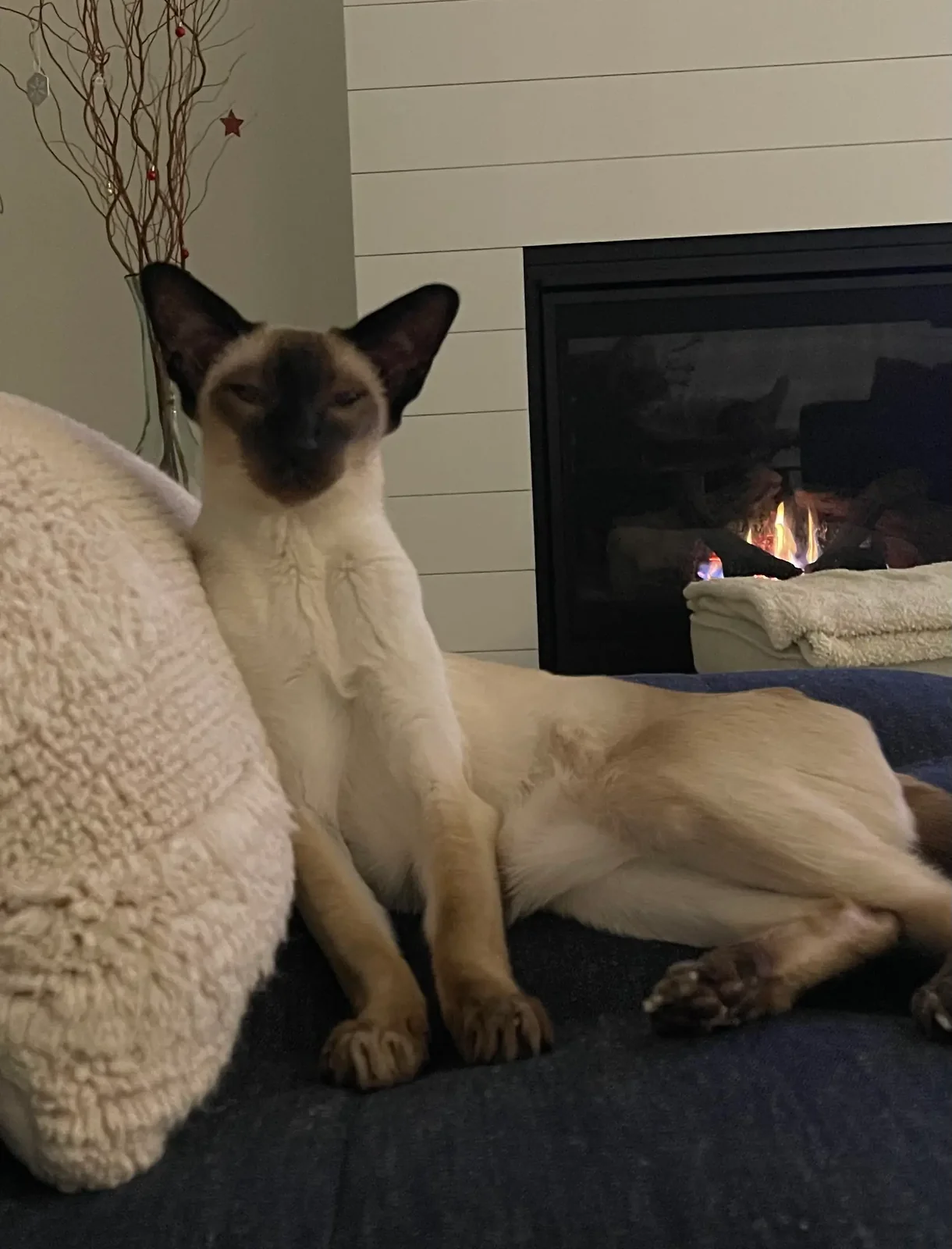
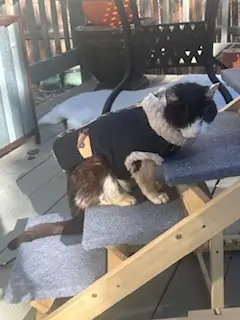
One in three senior cats will develop chronic kidney disease. — International Renal Interest Society
That’s not just a statistic. It’s a call to action.
Chronic Kidney Disease (CKD) creeps in slowly, stealing energy, appetite, and quality of life from our pets when they should be enjoying their golden years. Traditional treatments work hard to slow it down — but they can’t turn back the clock.
Now? We’re shining a new light on hope.
Red light therapy is emerging as a powerful, non-invasive way to help support kidney function, energy, and comfort in pets with CKD.
Understanding Chronic Kidney Disease in Pets
CKD is a progressive, heartbreaking loss of kidney function that builds over months or even years. It leads to toxin buildup, dehydration, weight loss, muscle weakness, and eventually — heartbreak.
Photobiomodulation (PBM) therapy — better known as red light therapy — directly targets those issues. Using specific red and near-infrared wavelengths (typically 600-800+ nm), PBM boosts energy production inside cells, reduces inflammation, and helps calm the oxidative storm that drives disease progression (Hamblin, 2017) .It’s already well known for helping musculoskeletal injuries, wound healing, and pain management. Now it’s showing promising support for CKD, too.
The MedcoVet Luma delivers clinically relevant wavelengths — IR 850 nm, Red 635 nm — directly to areas where they can stimulate healing and energy production.
With Luma, pet parents can:
Stimulate mitochondrial ATP production to energize struggling cells (Hamblin, 2018)
Reduce inflammation around the kidneys and systemically
Combat oxidative stress and cell damage
Potentially support better hydration, appetite, and vitality
Luma makes advanced, hospital-grade therapy accessible from your living room. No stress. No drugs. No side effects.
“The Luma has been instrumental in helping Suits maintain excellent kidney function. Before we started treatment she was urinating 5-6 times per day and had a diluted specific gravity. We have been using the Luma for 18 months on 15 designated areas at 1 minute per area (every other day) Now she’s consistently urinating 2 times per day and her specific gravity has improved as well as her creatinine value.”
-Traceé L. Harris
This isn’t wishful thinking. It’s science, meeting heart.
Studies show PBM therapy can:
🔋 Increase cellular energy (ATP) production
🔥 Reduce oxidative stress and inflammatory markers
👍 Improve appetite and activity in pets with CKD
🫀 Stabilize key blood values like BUN and creatinine
A pilot study presented at ASLMS showed 10 of 12 pets with late-stage CKD survived over a year after PBM therapy — with “very good to excellent” quality of life (PBM and CKD 2023).
Ongoing clinical studies using MedcoVet’s Luma are showing similar promise: over 65% of pet parents report visible improvements in energy and appetite after just a few weeks (PBM and CKD 2024).
We’re also proud to be partnering with Dr. Ronald E. Hirschberg, DVM, in an ongoing CKD-focused clinical study. Dr. Hirschberg, a pioneer in veterinary PBM therapy, has served as the medical director of Brockton Animal Hospital in Massachusetts for over 30 years. His expertise in surgery, internal medicine, and light therapy has shaped international protocols and advanced the role of PBM in treating chronic conditions like CKD. Learn more about the study here or visit his website at pbmdvm.com.
“We have been using the Luma for Tae waa to help with chronic kidney disease for the past 6 months, and he has shown significant improvement in his kidney disease related symptoms since then. He is more energetic overall, has been eating better, and maintains better hydration. His overall condition is much more stable than when we started with the Luma. I have also found the Luma can help with other ailments such as constipation and wound healing, and my vet has indicated that the Luma can be used for a range of conditions and symptoms including in combination with other treatments. If there is a use case for your cat’s condition with photobiomodulation I would highly recommend looking into the Luma as a possible method of treatment.” – -Derek Robins
What the Research Says
Mitochondrial Support: PBM boosts mitochondrial energy output, crucial for kidney health (Hamblin, 2011).
Pilot Study Success: 10 of 12 pets lived an extra year with better life quality when PBM was added (PBM and CKD 2023).
Current Clinical Trials: Early data on Luma shows improved appetite, energy, and lab stability (PBM and CKD 2024).
Safe, Soothing, and Designed for At-Home Use
Olivia
“Overall, the treatment is easy. Olivia has gained two pounds while using this treatment. She still has significant kidney disease, but I feel like her quality of life is good, thanks to this treatment.” -Hannah Henderson
Luma isn’t just powerful. It’s gentle, safe, and simple.
🔹 Non-invasive, drug-free
🔹 Easy to use at home in minutes
🔹 No known side effects
🔹 Vet-recommended as an adjunct to standard CKD care
“Overall, the treatment is easy. Sometimes she is grumbly about certain points on her body, so I do what I…”
Olivia Henderson
Kidney disease, arthritis
“Overall, the treatment is easy. Sometimes she is grumbly about certain points on her body, so I do what I can without upsetting her. It is beneficial to have a treatment that doesn’t cause any negative side effects or pain. That has been great for our relationship. Olivia has gained two pounds while using this treatment. My pet seems to be moving better. She has arthritis, but she’s moving well. My overall impression is positive. I am using it along with other therapies, so it can be hard to tell which treatments are the most effective. The vet told me to keep doing whatever I am doing though. She still has significant kidney disease, but I feel like her quality of life is good, thanks to this treatment.”
“The Luma has been instrumental in helping Suits maintain excellent kidney function. Before we started treatment she was urinating 5-6…”
Suits
Early stage kidney disease
“The Luma has been instrumental in helping Suits maintain excellent kidney function. Before we started treatment she was urinating 5-6 times per day and had a diluted specific gravity. We have been using the Luma for 18 months on 15 designated areas at 1 minute per area (every other day) Now she’s consistently urinating 2 times per day and her specific gravity has improved as well as her creatinine value.”
“The Luma has made such a drastic difference for our cat, Apollo. Since beginning his treatment, Apollo has become more…”
Apollo
Anxiety, Chronic Kidney Disease
“The Luma has made such a drastic difference for our cat, Apollo. Since beginning his treatment, Apollo has become more calm and seems happier! Using the Luma has become a part of our routine which Apollo seems to look forward to. We are so happy that his chronic kidney disease is also static!”
One Sentence Outcome: Direct CKD review supporting PBM as a potential therapeutic adjunct for kidney disease mechanisms.
Study Parameters:
Device Parameters: Wavelength nm: “Preliminary studies suggest the benefits of PBM in multiple diseases, including CKD. Hence, this review will provide a concise summary of the underlying action mechanisms of PBM and its potential therapeutic effects on CKD. Based on the findings, PBM may represent a novel, non-invasive and non-pharmacological therapy for CKD, although more studies are necessary before PBM can be widely recommended.”
Study Type: Human; Randomized trial; 28 participants; ⌛ 8 weeks
Outcome Direction: “As a result, there was an increase in the functional capacity (assessed through the six-minute walk test) for the IG compared with the CG [50.7 m (CI95% 15.63; 85.72), p = 0.01, large effect size, d = 1.12], as well as an improvement on lower limb muscle strength (assessed through the sit-and-stand test) [- 7.4 s (CI95% - 4.54; - 10.37), p = 0.00, large effect size, d = 1.99]. For other outcomes evaluated, no significant difference between-group was observed. ; ; Finally, PBM applied as monotherapy for 8 weeks in the lower limb improves functional capacity and muscle strength of CKF patients.
One Sentence Outcome: CKD review supporting PBM effects on TGF-β signaling and renal fibrosis pathways.
Study Parameters:
Device Parameters: Wavelength nm: “Lasers can be effective in reducing or enhancing inflammatory responses, reducing fibrosis factors, and decreasing reactive oxygen species (ROS) levels in kidney disease and glomerular cell proliferation.”
One Sentence Outcome: Human hemodialysis study supporting acute functional/strength benefit in CKD patients.
Study Parameters: Biphasic dose response
Device Parameters: Wavelength nm: 850; Power mW: 1000
(5 diodes of 200mW); Energy J: 60
90
120
/ arm; Area: 44.16
cm2
cluster
size; Time sec: 60
90
120
/arm; Sessions: 1
of
each
condition
Evidence Level: Randomized Controlled Trial
Study Type: Human; Randomized trial, double-blind, crossover; 15 participants; ⌛ 4 sessions with 1-week washout periods
Outcome Direction: “Significant strength increases occurred after PBMT application with doses of 60 J/arm (4.85%, p = 0.005, ES = 0.32) and 90 J/arm (4.45%, p = 0.013, ES = 0.25), while no changes were detected with placebo or 120 J/arm.”
Outcome Direction: “For the first time, we showed that LLLT had a protective effect regarding renal interstitial fibrosis. It is conceivable that by attenuating inflammation, LLLT can prevent tubular activation and transdifferentiation, which are the two processes that mainly drive the renal fibrosis of the UUO model.”; ; Note: See comment&reply of this paper. They discuss the mechanism a little bit.
Outcome Direction: “Histological observations indicated that LLLT suppressed crescent formation and infiltration of ED1+ macrophages and CD8+ lymphocytes into the glomeruli. LLLT attenuated the levels of IL-1β and TNF-α messenger RNA in the renal cortex.; ; Externally directed LLLT suppresses the activity of rat anti-GBM crescentic glomerulonephritis in rats. LLLT has the potential to be used for direct treatment of glomerulonephritis.”; ; Star: Parameters were well reported.
One Sentence Outcome: Mouse renal-fibrosis pilot supporting PBM interaction with mitochondrial and anti-fibrotic repair pathways.
Study Parameters: Blue light ; Green light ; ; Wavelength comparison
Device Parameters: Wavelength nm: 405
532
635
Evidence Level: Animal Study
Study Type: Mouse
Outcome Direction: “Wavelengths 405, 532, and 635 nm all significantly synergized with MSC to enhance mitochondrial activity and reduce apoptosis. Proliferative activity was observed in the renal cortices following combined treatment with the 532 nm laser and MSC; endothelial proliferation increased in response to the 635 nm laser alone and to the combined effects of MSC and the 405 nm wavelength. Reductions of transforming growth factor-β were observed with 532 nm alone and when combined with MSC.”
About the Author Alon Landa is the CEO and co-founder of MedcoVet, a leader in at-home red light therapy for pets. With over 20 years of experience in medical technology and firsthand involvement in developing the Luma, Alon combines deep technical knowledge with a passion for improving pet health. He regularly collaborates with veterinarians and pet parents to advance photobiomodulation (PBM) care at home. 📍 Based in Boston, MA 📖Read more from Alon here
About the Medical Reviewer Dr. Ronald Hirschberg has been the long term hospital director of the Brockton Animal Hospital, in Brockton, Massachusetts. He came to the hospital after graduating from The Ohio State University College of Veterinary Medicine, and served as medical director for more than 30 years. During his tenure, Dr. Hirschberg developed the facility into a full service hospital emphasizing surgery as well as medicine. His areas of interest include orthopedics, ophthalmology, dermatology, and Photobiomodulation or Red Light Therapy (previously known as Low Level Laser Therapy).
He is a recognized authority on Photobiomodulation and its application in companion animal medicine. His treatment protocols have been adopted for use by several light device practitioners and manufacturers. Dr. Hirschberg was invited to sit on a multi-day task force at the World Association of Photobiomodulation (WALT) international meeting in Nice, France in 2018 in an effort to create standardized protocols for several medical conditions.
Dr. Hircshberg is the author of PBMDVM a site dedicated to educating both clinicians and pet parents about the benefits of photobiomodulation in animal health.
Trustindex verifies that the company has a review score above 4.5, based on reviews collected on Google over the past 12 months, qualifying it to receive the Top Rated Certificate.