
Red Light Therapy for Otitis and Ear Inflammation in Dogs and Cats
Get Free Help for Your Pet’s Ears


Otis
Medically reviewed by: Kristy Williams, CVT, CCFT (Specialties: Pet rehabilitation, pain management, photobiomodulation)
Reviewed: July 2026
Updated: July 2026
Ear inflammation can make a sweet pet miserable.
The head shaking starts. Then the scratching. Then the smell. Then the stress of trying to clean an ear that hurts every time you touch it.
Otitis in dogs and cats can be painful, persistent, and hard to manage at home. Some pets get one ear infection and recover quickly. Others deal with chronic ear infections, recurring ear infection flare-ups, swollen tissue, ear discharge, itchy ears, and ongoing discomfort for months or years.
Luma gives pet owners a gentle way to support ear comfort at home.
Luma uses red light therapy and near-infrared light therapy to help reduce inflammation, support tissue repair, and make affected ears more comfortable while your pet follows a vet-guided treatment plan.
Is red light therapy right for your dog?
Gideon
Is red light therapy effective for otitis and ear inflammation in pets?
Red light therapy may help pets with otitis and ear inflammation by helping decrease inflammation, reduce tissue swelling inside the ear area, support cellular repair, and improve comfort. It may be useful alongside veterinary care, ear cleaning, and prescribed ear drops when inflammation makes the ear painful or difficult to treat.
Red light therapy does not replace a veterinary exam, accurate diagnosis, microscopic examination, ear drops, antibiotics, antifungals, or surgery when those treatments are needed.
What is otitis in dogs and cats?
Otitis means inflammation of the ear.
In pets, the most common type is otitis externa, which affects the outer ear canal and external ear. This is the part of the ear you can see and the canal that leads inward.
Ear inflammation can also move deeper. Otitis media affects the middle ear. Inner ear disease can affect balance, hearing, and neurological function.
Left untreated, outer ear infections can progress from the external ear canal into middle ear infections or inner ear problems. Severe cases may lead to hearing loss, facial paralysis, chronic pain, thickened ear canals, or permanent changes in the ear canal.
This is why veterinary exams are crucial for diagnosing ear infections in dogs and cats.
A painful ear needs a real diagnosis.
Common ear infection symptoms in pets
Ear infection symptoms can be subtle at first.
Watch for:
- Head shaking
- Scratching at the ears
- Ears itchy or sensitive to touch
- Redness swelling inside the ear
- Bad odor
- Ear discharge
- Black or yellowish discharge
- Ear debris
- Crusting around the ear flap (pinna)
- Pain when the ear is touched
- Rubbing the head on furniture or the floor
- Holding one ear lower
- Head tilt
- Loss of balance
- Hearing changes
- Irritability or hiding
- Worsening discomfort after ear cleaning
Common symptoms often include head shaking, foul odor, redness, inflammation, discharge, and scratching. Dogs with ear infections often shake their heads frequently because the ear canal feels painful, itchy, or full.
Cats can show similar signs. A cat’s ear canal is sensitive, and a feline friend with ear mites, bacterial or yeast infections, or an inflamed outer ear may scratch, shake, hide, or resist touch.
If your pet has head tilt, balance problems, facial weakness, severe pain, or sudden hearing loss, call your veterinarian quickly. These may be signs of middle ear or inner ear involvement.

Real Story: Otis
“Otis got severe ear infections and his ear canal has narrowed significantly. We ended up getting recommended to use the Luma. We are so happy with the Luma. We Luma his ear to help reduce inflammation and I recommend anyone who may have chronic ear infections try Luma treatment before surgery.”
-Melanie Walsh
What causes otitis and ear inflammation?
Ear infections usually have an underlying cause.
That matters because the right treatment depends on the reason the ear became inflamed in the first place.
Common causes include:
Allergies
Allergies are one of the most common drivers of otitis in dogs. Otitis in dogs often occurs due to underlying allergies, trapped moisture, or both.
Food allergies and environmental allergies can inflame the skin inside the ear canal. Ear infections occur in many dogs with food allergies, and allergies are reported as a major cause of ear infection cases in dogs.
When the ear canal is inflamed, bacteria and/or yeast can overgrow more easily.
Bacteria and yeast overgrowth
Bacterial and yeast infections are common in the external ear canal.
Bacteria and yeast overgrowth often lead to ear infection in dogs, especially when moisture, allergies, wax, or swelling create the right environment. Topical medications often combine antibiotics and antifungals because bacterial or yeast infections may occur together.
Ear mites
Ear mites are a common cause of otitis, especially in cats and young pets.
An ear mite infestation can cause intense itching, dark ear debris, scratching, head shaking, and secondary bacterial infection. Ear mites need veterinary diagnosis and appropriate treatment.
Moisture
Moisture trapped in the ear canal promotes infections in dogs.
Swimming, baths, humid weather, and floppy ear shapes can trap moisture inside the outer ear canal. Keeping ear canals dry can help prevent infections in dogs. Avoid getting water in your dog’s ears during baths when possible.
Ear anatomy
Ears with anatomical issues, such as floppy shapes, narrow canals, hairy ears, heavy ear flaps, or abnormal canal shape, are more prone to ear infections.
The dog’s ear canal has a vertical canal and a horizontal canal, which means debris and moisture can be harder to clear. A cat’s ear canal has a similar bend. That shape can make ear cleaning harder, especially when swollen tissue narrows the canal.
Foreign body
A grass awn, seed, dirt, or another foreign body can irritate the ear canal and create sudden pain, head shaking, or discharge.
Immune system diseases and underlying disease
Immune system diseases, endocrine disorders, skin disease, and other underlying medical issues can make ear infections more likely.
Chronic cases often need strict management because the ear canal can thicken, scar, narrow, or close over time.
Why chronic ear infections are a serious problem
Chronic ear infections can lead to permanent changes.
Repeated inflammation can cause ear canal excessive growth, thickened tissue, narrowed canals, and chronic pain. In severe cases, the ear canal can become so damaged that medicine cannot reach the deeper tissue well.
Some pets with chronic ear infections eventually need surgery, including total ear canal ablation, to remove swollen tissue and diseased canal tissue. This is usually reserved for severe cases where the ear is painful, chronically infected, or structurally damaged.
Early treatment can help prevent permanent changes.
Regular ear checks can help catch inflammation before it becomes a bigger problem.
How Luma helps pets with otitis and ear inflammation
Luma is a handheld red light therapy device designed for at-home pet care.
It uses two therapeutic wavelengths:
| Wavelength | What it supports | Why it matters for otitis |
|---|---|---|
| 635nm red light | Surface tissue response and inflammation support | Helpful for the outer ear, ear flap, irritated skin, and external ear inflammation |
| 850nm near-infrared light | Deeper tissue support | Helps light reach deeper tissue around the ear canal and surrounding area |
Photobiomodulation, also called red light therapy, low-level laser therapy, LED therapy, cold laser, and near-infrared therapy, refers to the same therapeutic category using light energy to influence cellular biology.
In plain terms, Luma helps calm inflamed tissue and support repair.
1. Helps decrease inflammation
Ear infections can cause redness swelling, heat, pain, and narrowed space inside the ear canal.
Red light therapy may help decrease inflammation and reduce tissue swelling inside and around affected ears. Less swelling can make the ear less painful and easier to manage.
2. Supports comfort
Pets with infected ears often guard their head, pull away, scratch, and resist handling.
When inflammation and discomfort calm down, ear cleaning and prescribed ear drops may become less stressful for both the pet and the person helping them.
3. Supports tissue repair
Inflamed ear tissue needs energy to repair.
Red light therapy supports ATP production, the energy cells use for cellular repair and healing. This can be helpful when ear tissue is irritated from otitis externa, chronic scratching, ear discharge, cleaning, or recurring infection.
4. Supports circulation
Better local circulation can help bring oxygen and nutrients to irritated tissue. This supports the body’s natural healing response while the underlying cause is being treated.
5. Helps with at-home consistency
Chronic ear cases need consistency.
Ear cleaning. Medication. Rechecks. Allergy control. Dry ears. Regular monitoring. Luma gives pet owners one more at-home tool to support comfort and inflammation control between veterinary visits.
Book a free consult with a MedcoVet clinician
Hazel Moon
What Luma does and does not do for ear infections
Luma may help reduce inflammation, reduce tissue swelling, support comfort, and support healing in irritated ear tissue.
Luma does not diagnose infection. It does not kill all bacteria or yeast. It does not remove ear mites. It does not replace ear drops, oral antibiotics, antifungals, injectable antibiotics, ear cleaning, microscopic examination, or veterinary care.
Ear infections need appropriate treatment based on the cause.
A vet may need to look inside the ear canal, check the eardrum, collect samples, perform a microscopic examination, identify bacteria yeast, check for ear mites, and choose the right medication in ear drop form or oral form.
That is the safest path.
Luma supports the tissue while your vet treats the cause.
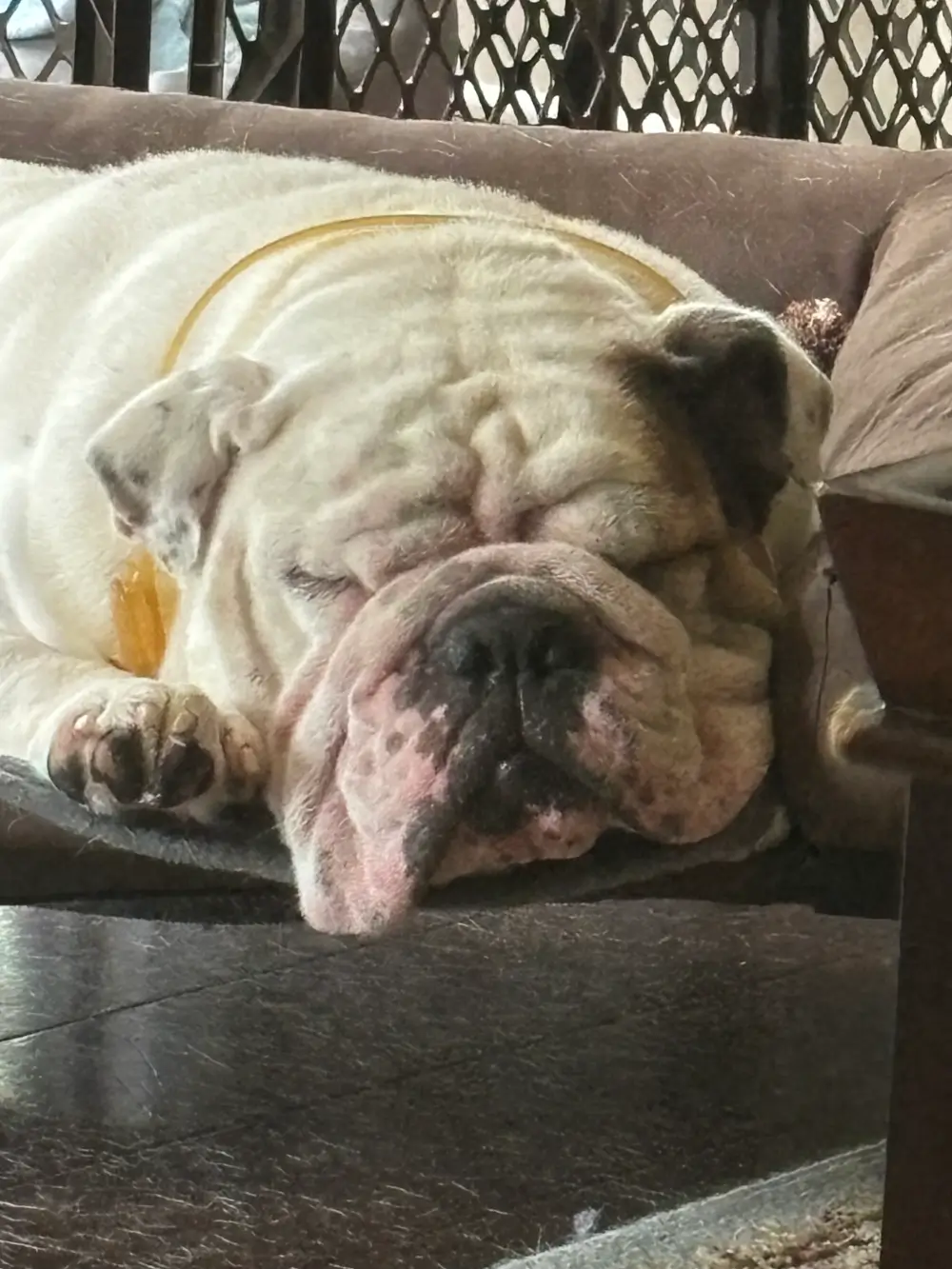
Real Story: Max
“The Luma helped heal Max’s hot spot so quickly than any other treatments I tried. It also helped bring the swelling down on his ear hematoma! It was so easy to use and the best part was I treated him in the comfort of my own home without office visits! Renting the device was the best thing I ever did! I would highly recommend.”
-Lisa Lekoski
Standard treatment for otitis in dogs and cats
Most ear infections need veterinary care.
Treatment depends on the underlying cause, the type of infection, the severity, and whether the eardrum is intact.
Your veterinarian may recommend:
- Physical exam
- Ear exam with an otoscope
- Microscopic examination of ear debris
- Ear cleaning
- Prescribed ear drops
- Antibiotics
- Antifungals
- Anti-inflammatory medication
- Ear mite treatment
- Allergy management
- Oral antibiotics for severe ear infections
- Injectable antibiotics in select severe cases
- Recheck appointments
- Surgery in severe chronic cases
Treatment duration for ear infections is often 7 to 14 days, but chronic ear infections may need longer care and strict follow-up.
Topical medications often combine antibiotics and antifungals because bacterial and yeast infections can occur at the same time. Ear drops may also include medication to reduce inflammation and pain.
Do not use leftover ear drops without a vet’s guidance. Some medications can be unsafe if the eardrum is damaged.
At-home ear care that can help prevent flare-ups
Prevention starts with checking the ears regularly.
This is especially important for dogs with floppy ears, hairy ears, allergies, a weak immune system, chronic ear infections, or a history of recurring ear infection.
Helpful steps at home:
Check your dog’s ears regularly
Look for redness, swelling, odor, discharge, scratching, head shaking, or ear debris.
Keep ears dry
Moisture trapped in the ear canal promotes infection.
Dry the ears after swimming or baths if your vet recommends it. Avoid getting water in your dog’s ears during baths.
Clean only as directed
Ear cleaning can help prevent ongoing infections, but over-cleaning can irritate the ear.
Use a vet-recommended cleaner. Gently lift the ear flap, apply cleaner as directed, massage the base of the ear, then let your pet shake. Wipe away debris from the outer ear with gauze or a soft pad.
Do not push cotton swabs deep into the ear canal. Because of the shape of the ear canal in dogs and cats, cotton swabs often push the debris further into the canal.
Trim hair around the ear canal when needed
Trim hair around the ear canal to improve airflow when your vet or groomer recommends it.
Manage allergies
If allergies are the underlying cause, ear infections may keep coming back until the allergy is controlled.
Follow the full treatment plan
Stopping treatment early can allow bacteria or yeast to return.
Use prescribed ear drops for the full course unless your vet tells you otherwise.
When ear inflammation becomes urgent
Call your vet quickly if your pet has:
- Severe pain
- Head tilt
- Loss of balance
- Facial paralysis
- Hearing loss
- Bleeding
- A swollen ear flap
- Thick black or yellow discharge
- Foul odor with pain
- Sudden worsening
- Ear canal closure
- Recurrent ear infection despite treatment
- Signs spreading beyond the outer ear
Undiagnosed otitis can progress from the outer ear to more severe middle ear or inner ear conditions.
Do not wait on severe cases.
What the science says about red light therapy for ear inflammation
Red light therapy and low-level laser therapy are used in veterinary medicine to support pain relief, inflammation control, tissue repair, wound healing, and soft tissue recovery.
For ear inflammation, the main reason to consider red light therapy is tissue support.
Inflamed ears often have swollen tissue, pain, redness, and irritation. Photobiomodulation may support cellular energy production, local circulation, and the body’s natural inflammation response. That can make the affected ears more comfortable while veterinary treatment addresses infection, ear mites, allergies, moisture, foreign body irritation, or other underlying disease.
Device choice matters.
A red light therapy device should use specific wavelengths and deliver enough light to the tissue. Luma uses 635nm red light and 850nm near-infrared light, giving pets both surface and deeper tissue support.
Want the full pet-parent guide? Read Red Light Therapy for Dogs.
Want the science behind PBM, wavelengths, and cellular energy? Read The Science of Red Light Therapy.
Why Luma is a strong fit for otitis support
Ear inflammation is hard because the ear hurts.
That pain makes everything harder. Cleaning becomes harder. Medication becomes harder. Vet visits become harder. Even touching the ear flap can make some pets flinch.
Luma gives pet owners a quiet, gentle way to support comfort at home.
Luma is helpful for ear inflammation because it is:
- At-home: Useful between vet visits and rechecks
- Gentle: No pressure inside the ear canal
- Drug-free: Supports comfort alongside prescribed care
- Fast: Sessions fit into daily routines
- Designed for pets: Easy to use around the ear flap and affected area
- Repeatable: Helpful for chronic cases that need steady support
- Clinician-guided: MedcoVet can help pet owners understand how to use it safely
For ear use, Luma should be applied around the ear area as directed. Do not insert the device into the ear canal.
Talk with a clinician about your pet’s ear inflammation
Matilda
Testimonials: Real pets, calmer ears
Ear inflammation changes a pet’s whole day.
They scratch. Shake. Hide. Resist touch. Lose sleep. Feel sore and irritable.
These stories show how pet owners used Luma as part of their pet’s comfort plan for ear inflammation, swelling, hot spots, chronic irritation, and recovery support at home.
Want to know whether Luma could help your pet?
Sprite
Clinical questions about red light therapy for otitis and ear inflammation
Clinical summary
Mechanism
Photobiomodulation, also called red light therapy, low-level laser therapy, LED therapy, cold laser, and near-infrared therapy, uses light energy to influence cellular biology. In otitis and ear inflammation, therapeutic light is applied externally around the affected ear tissue. Proposed effects include reduced inflammatory signaling, improved local circulation, pain modulation, ATP support, and cellular repair in irritated soft tissue.
Evidence level
Evidence for red light therapy in ear inflammation is emerging and condition-specific. Photobiomodulation has broader support in veterinary medicine for inflammation control, pain relief, wound healing, and soft tissue repair. For otitis externa, red light therapy should be viewed as supportive care rather than primary infection treatment. Accurate diagnosis, microscopic examination, ear cleaning, and appropriate medication remain standard care.
When it works best
Red light therapy may work best when ear inflammation is causing discomfort, redness, swelling, or resistance to handling, and when it is used alongside veterinary treatment. It may be especially helpful in chronic cases where repeated inflammation makes the external ear painful and difficult to manage.
When not to use
Red light therapy should not delay veterinary care when a pet has severe pain, head tilt, facial paralysis, hearing loss, bleeding, suspected foreign body, suspected middle ear infection, inner ear signs, ear canal closure, or recurring infection that is not improving. It should also be used with veterinary guidance in pets with cancer, pregnancy, complex illness, or unexplained pain.
Why use Luma for otitis and ear inflammation?
| What Luma supports | Why it matters |
|---|---|
| Decreased inflammation | Helps calm swollen, irritated ear tissue |
| Pain relief | Helps pets tolerate handling and care |
| Cellular repair | Supports recovery in irritated soft tissue |
| Local circulation | Supports oxygen and nutrient delivery |
| At-home use | Makes repeat support easier between vet visits |
| Comfort during chronic cases | Helps pet owners support affected ears over time |
Help your pet feel more comfortable
Luma may help support comfort and reduce inflammation while your vet treats the underlying cause.
We can help you understand whether red light therapy makes sense for your pet’s ear inflammation, what to ask your vet, and how to use Luma safely at home.
Want help thinking through your dog’s otitis support plan?
Dave
Evidence Citations

About the Author
Alon Landa is the CEO and co-founder of MedcoVet, a leader in at-home red light therapy for pets. With over 20 years of experience in medical technology and firsthand involvement in developing the Luma, Alon combines deep technical knowledge with a passion for improving pet health. He regularly collaborates with veterinarians and pet parents to advance photobiomodulation (PBM) care at home.
📍 Based in Boston, MA
📖Read more from Alon here

About the Medical Reviewer
Clinical Focus: Surgery, anesthesia, canine fitness, injury prevention, agility
Kristy Williams brings over 30 years of experience to the veterinary field. Her career began in the 1990s, working as a civilian for the Army Veterinary Corps at RAF Feltwell in England, where she first discovered her passion for animal care and supporting their families. Upon returning to the United States, Kristy pursued her education and graduated in 2005 as a certified veterinary technician after passing the national exam. She has since gained extensive experience in both general practice and emergency/referral practices.
Read More about Kristy here.

