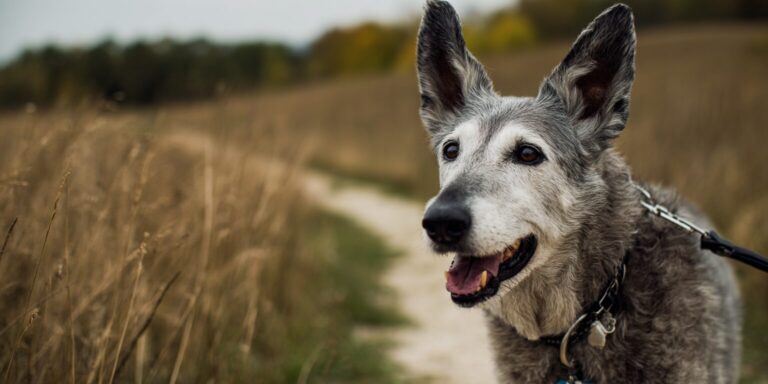
Dog Arthritis Treatment: Complete Guide to Easing Your Dog’s Joint Pain
Get A Custom Arthritis Treatment Plan for Your Pet
Medically reviewed by: Christine Cranston MPT, CCRP (Specialties: licensed canine physical therapist, arthritis management, orthopedic injuries, muscle strains, sprains, chronic mobility, neurological conditions, geriatrics, IVDD, and dysplasia)
Reviewed: October 2026
Updated: October 2026
Watching your dog struggle to get up from their bed or hesitate before climbing stairs is heartbreaking. If you’ve noticed your once-energetic companion slowing down, you’re likely searching for answers about how to help them feel comfortable again.
“It’s not ‘just’ arthritis; it’s a disease.” – Christine Cranston, MPT, CCRP
The good news? Modern dog arthritis treatment has come a long way. From cutting-edge therapies that work at the cellular level to simple home modifications, there are more options than ever to relieve arthritis pain and restore your dog’s quality of life.
This guide breaks down everything you need to know, from the most effective treatments available today to practical strategies you can start implementing immediately.
Is there an effective treatment for arthritis in dogs?
Yes. Arthritis in dogs is managed using a multimodal approach that combines pain relief medications, weight control, physical therapy, and non-invasive therapies like photobiomodulation (red light therapy). These treatments help reduce inflammation, improve joint function, and manage chronic pain, but they do not reverse joint damage.
“Osteoarthritis cannot be cured, but it can be managed. That’s why early recognition and intervention are so important.” – Christine Cranston, MPT, CCRP
Looking for a complete guide to arthritis and red light therapy? See Red Light Therapy for Arthritis in Pets.
Dog Arthritis Treatments at a Glance
Most dogs benefit from a combination of treatments. This chart compares common options, including how they work, their main benefits, and their possible drawbacks.
“Educate yourself about the many ways you can help your pet manage arthritis. Options may include physical rehabilitation, appropriate activity, massage, passive range of motion, stretching, targeted strengthening exercises, lifestyle changes, raised water bowls, weight loss, improved traction, regular foot-fur and nail trims, supportive bedding to facilitate restorative sleep, thermal therapies such as heat or cold, red-light therapy, pulsed electromagnetic field therapy (PEMF), supplements, CBD, medications, chiropractic care, acupuncture, food therapy, injectables, biologics, and regenerative medicine such as platelet-rich plasma (PRP) and stem-cell therapies. The list goes on. It is important to remember that successful arthritis management is typically multimodal, meaning it involves combining multiple approaches tailored to the individual pet.” – Chris Cranston, MPT, CCRP
|
Treatment |
How It Works |
Typical Cost (USD) |
How It Is Used |
When Results May Appear |
Prescription? |
Pros |
Cons |
|---|---|---|---|---|---|---|---|
|
Traditional NSAIDs, such as carprofen and meloxicam |
Block COX enzymes to reduce inflammation and pain |
About $20-$60 per month for generic options |
Oral medication, usually daily |
Often within hours to days |
Yes |
Fast pain relief; widely available; easy to give at home |
Can affect the stomach, intestines, kidneys, or liver; bloodwork and ongoing monitoring may be needed |
|
Librela (bedinvetmab) |
Binds to nerve growth factor to reduce osteoarthritis pain signaling |
Varies by dog weight; often $30-$100+ per month |
Monthly injection administered by a veterinarian |
Some dogs improve sooner, but full assessment may require two monthly injections |
Yes, veterinarian administered |
Monthly dosing; no daily pills; uses a different pain pathway than NSAIDs |
Requires clinic visits; does not repair joint damage; potential adverse effects should be discussed with a veterinarian |
|
Galliprant (grapiprant) |
Targets the EP4 receptor involved in osteoarthritis pain and inflammation without broadly blocking COX enzymes |
Often higher than generic NSAIDs |
Oral medication, usually daily |
Often within days |
Yes |
Targeted mechanism; easy daily administration; may suit some dogs that cannot take traditional NSAIDs |
Gastrointestinal side effects and drug interactions remain possible; veterinary monitoring is still needed |
|
Adequan Canine |
Uses polysulfated glycosaminoglycan to help protect cartilage, support joint lubrication, and reduce the loss of key joint components |
Varies by dog size and clinic; the initial injection series has a higher upfront cost |
Intramuscular injections, commonly twice weekly for up to four weeks; the series may be repeated when signs return |
Improvement may appear during or after the initial four-week series |
Yes |
Supports joint structures rather than focusing only on pain; does not require a daily pill |
Requires injections; costs are concentrated at the start; unsuitable for dogs with known or suspected bleeding disorders |
|
Joint supplements |
Support cartilage, joint fluid, and healthy inflammatory responses |
About $15-$40 per month |
Oral supplement, usually daily |
Usually 4-8 weeks or longer |
No |
Easy to use; generally well tolerated; can be combined with other treatments |
Slow results; product quality and effectiveness vary; may provide limited relief when used alone |
|
Weight management |
Reduces the mechanical load placed on painful joints |
Low with portion changes; therapeutic diets may add cost |
Ongoing dietary and lifestyle changes |
Weeks to months |
No |
Low cost; supports mobility and overall health; can improve the results of other treatments |
Requires consistent portion control; progress is gradual; some dogs need veterinary nutrition support |
|
Physical therapy, exercise, and rehabilitation |
Strengthen supporting muscles and help maintain mobility, balance, and joint function |
Home exercises may cost little; professional sessions often cost $50-$150+ |
Guided home exercises, professional sessions, or both |
Gradual improvement over weeks to months |
No, though professional guidance is often helpful |
Can improve strength and daily function; plans can focus on the dog’s specific weak areas |
Requires time and consistency; professional care can be costly; excessive exercise may cause a flare-up |
|
Red light therapy with Luma |
Uses red and near-infrared light to support cellular energy production and help reduce inflammation and pain |
$1,500 to own or $40 per week to rent |
Used at home with a clinician-built treatment schedule |
Often 2-6 weeks with consistent use |
No, clinician guidance is included |
Drug-free; painless; used at home; can be combined with medications, supplements, and rehabilitation |
Requires regular sessions; ownership has a higher upfront cost; |
Costs vary based on your dog’s size, dose, location, veterinary clinic, pharmacy, and treatment frequency. Prescription medications require veterinary oversight. Many dogs receive the best results from a multimodal plan that combines several options.
Not sure which combination is right for your dog?
Most dogs do best on 2–4 of these together. In a free 30-minute call, a MedcoVet clinician looks at your dog’s diagnosis, current treatments, and goals, and helps you map out a multimodal treatment plan
Hazel Moon
What Is Arthritis in Dogs?
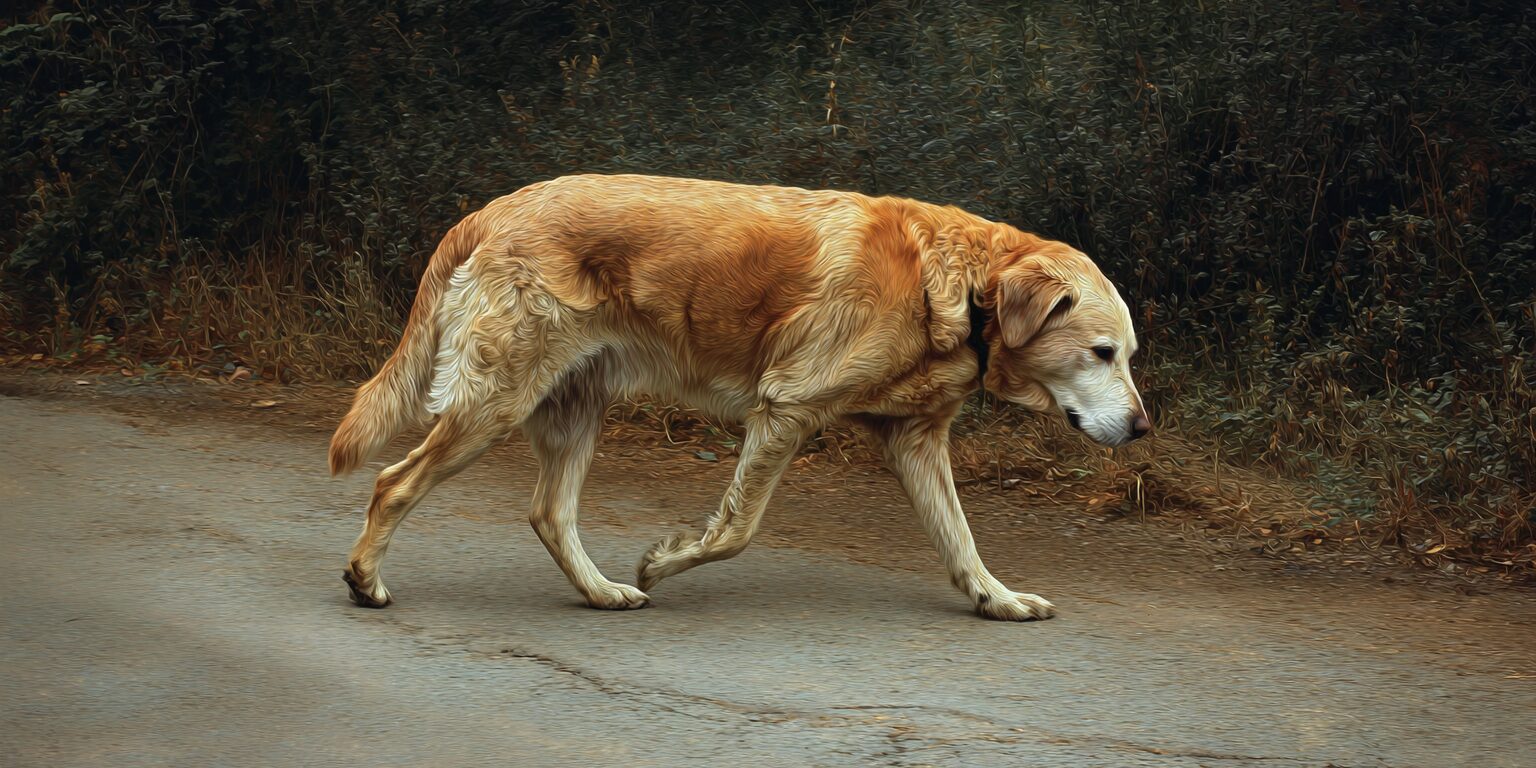
Osteoarthritis, the most common type of arthritis in dogs, is a degenerative joint disease characterized by progressive breakdown of joint cartilage, chronic inflammation, and painful joints that worsen over time. It typically affects high-stress areas like hips, knees, elbows, and the spine, though it can develop in one or more joints throughout the body.
What surprises many dog owners is how early this disease process can begin. While we often think of arthritis as an “old dog problem,” predisposed breeds like Labrador Retrievers, German Shepherds, and Golden Retrievers can show signs as young as 1-2 years old. Dogs with hip dysplasia, elbow dysplasia, or previous injuries like cruciate ligament tears face elevated risk factors for developing the condition.
“Arthritis can affect any joint at any age.” – Christine Cranston, MPT, CCRP

Watch for these warning signs that arthritis may affect dogs in your household:
- Stiffness after resting, especially first thing in the morning
- Limping or favoring certain legs
- Reluctance to jump into the car, onto furniture, or climb stairs
- Lagging behind on walks that used to be easy
- Irritability when touched around painful joints
- Visible muscle loss over the hips or shoulders
There’s currently no cure that fully reverses cartilage deterioration. However, modern treatments, especially red light therapy combined with weight control, medications, and injectable therapies—can significantly improve comfort and joint mobility. The key is catching it early. Dogs who receive prompt attention often delay the need for higher doses of pain medications and maintain better function for years longer than those whose condition goes unmanaged.
“Arthritis can create a vicious cycle in which pain leads to immobility. Reduced movement then causes weakness and deconditioning, even though movement is critical for joint health, which can ultimately lead to more pain. Breaking this cycle is essential.” – Christine Cranston, MPT, CCRP
Signs and Symptoms of Arthritis in Dogs
Arthritis often develops gradually, and many dogs do not show obvious pain at first. Early symptoms may look like normal aging, so watch for small changes in how your dog moves, rests, and responds to everyday activities.
Early Signs of Arthritis
- Stiffness after sleeping or resting
- Slower walking or hesitation before moving
- A subtle limp that comes and goes
- Difficulty climbing stairs, jumping, or getting into the car
- Less interest in walks, play, or other physical activity
- Changes in sleeping position or where your dog chooses to rest
“What many pet parents may not realize is that an initial diagnosis, such as a cruciate ligament tear when a pet is younger, can often lead to arthritis later in life. It is important to address arthritic changes as early as possible—not only to manage the signs of osteoarthritis when they appear, but also to help slow its progression and reduce the severity of the disease, which can ultimately become debilitating.” – Christine Cranston, MPT, CCRP
Signs Arthritis May Be Progressing
- Persistent limping or favoring one leg
- Difficulty standing up, lying down, or changing positions
- Reduced range of motion in an affected joint
- Muscle loss, especially around the hips or back legs
- Swelling around one or more joints
- Increased stiffness after activity
- Reluctance or refusal to run, jump, climb stairs, or play
Arthritis commonly affects the hips, elbows, knees, spine, and back legs. It can occur in dogs of any age, although older dogs and dogs with joint injuries, hip dysplasia, elbow dysplasia, or excess body weight may face a higher risk.
“Arthritis is a disease that affects daily function and quality of life. It is not simply a minor inconvenience. In its most severe form, arthritis can become so debilitating that it may ultimately contribute to the decision to euthanize a pet.” – Christine Cranston, MPT, CCRP
For a closer look at early warning signs, pain-related behavior, and how symptoms change over time, read our complete guide to dog arthritis symptoms.
When to Contact Your Veterinarian
Schedule a veterinary examination if your dog has persistent pain, swelling around a joint, rapidly worsening symptoms, severe mobility changes, or refuses to move. A physical examination can help confirm whether arthritis is causing the symptoms and identify other conditions that may require treatment.
How Vets Diagnose Arthritis in Dogs
Diagnosing arthritis typically combines a thorough physical examination, careful observation of how your dog moves, and imaging studies. This process usually starts with your primary care veterinarian.
During the exam, your vet will palpate each joint, checking range of motion and feeling for swelling, warmth, or crepitus (that grinding sensation of bone-on-bone contact). They’ll watch your dog walk and note any asymmetry, stiffness, or reluctance to bear weight. Many dogs mask pain signals remarkably well, so experienced vets look for subtle clues like muscle asymmetry or protective posturing.
X-rays remain the most common diagnostic tool in veterinary medicine for confirming arthritis. Radiographs reveal telltale signs: bone spurs forming around arthritic joints, narrowing of the space where healthy cartilage should cushion bones, and other degenerative changes that confirm the progressive disease is underway.
For dogs with moderate to severe arthritis, follow-up X-rays every 12-24 months help monitor progression and guide adjustments to the treatment plan. Blood tests may also be recommended periodically, particularly for dogs on long-term nsaid therapy, to monitor organ function.
In complex cases—especially when surgery might be considered—your vet may refer you to a veterinary orthopedic specialist or sports medicine veterinarian. Advanced imaging like CT or MRI occasionally comes into play for surgical planning or when standard X-rays don’t tell the whole story.
“There is often a disconnect between what we see on X-rays and how a person or pet is actually presenting. A radiograph may look relatively normal, while the signs of pain and dysfunction are obvious. It is important to address those clinical signs rather than dismissing the potential severity of inflammation simply because it is not apparent on a diagnostic test.” Christine Cranston, MPT, CCRP
Red Light Therapy for Dog Arthritis
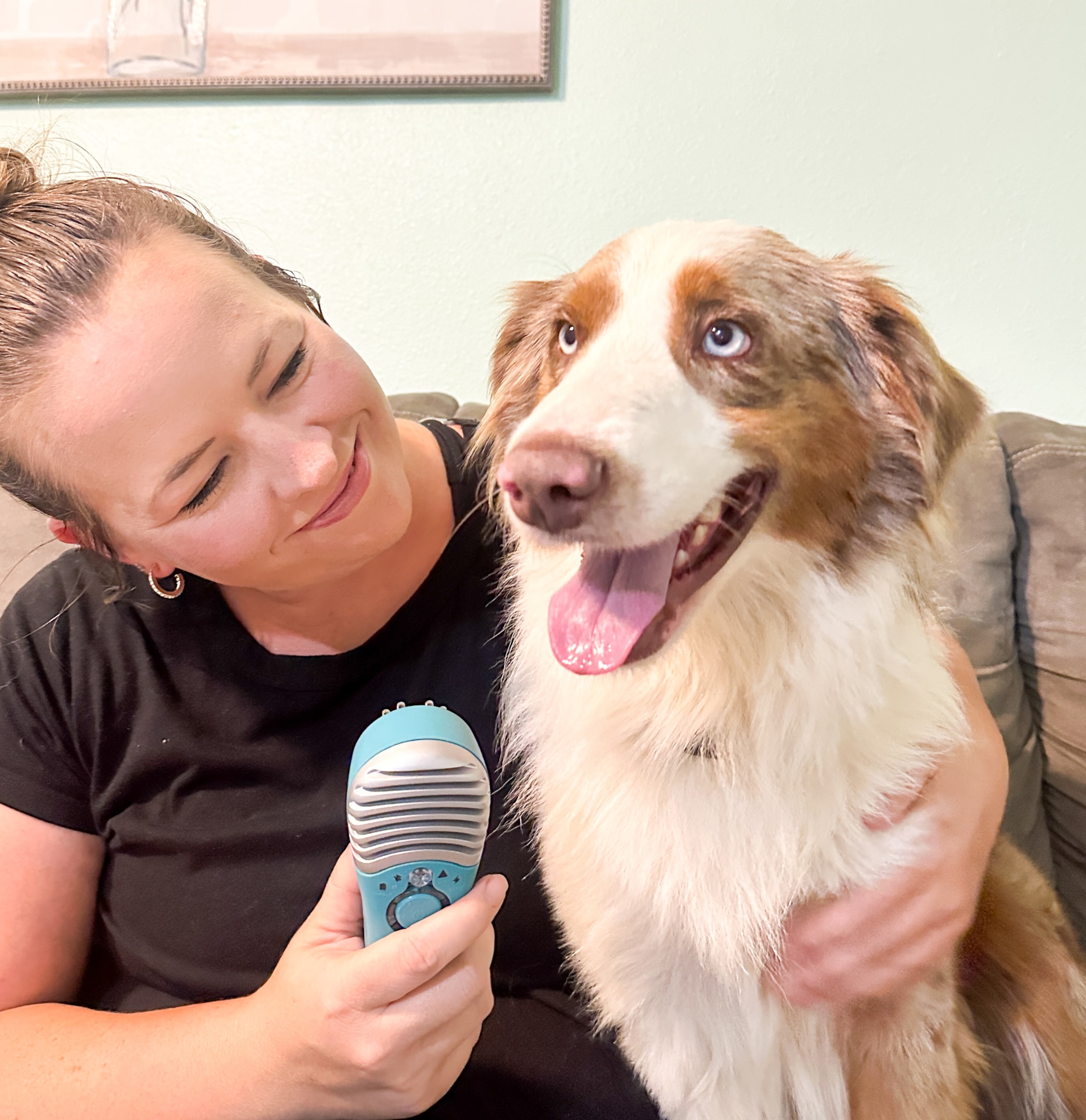
Red light therapy has established itself as the leading science-backed, drug-free treatment to treat arthritis and decrease inflammation in dogs. Clinical studies support its effectiveness: in a randomized, placebo-controlled trial, 9 of 11 dogs with elbow osteoarthritis reduced their NSAID dose after photobiomodulation therapy, compared to 0 of 9 in the sham-treatment group (). A separate randomized trial found dogs treated with photobiomodulation returned to normal gait faster than dogs treated with the NSAID meloxicam alone ().
The science behind it is straightforward: red and near-infrared light wavelengths are absorbed by mitochondria, the energy factories within cells. Near-infrared wavelengths penetrate measurably deeper into tissue than red light alone, reaching muscle, connective tissue, and joint structures beneath the skin. This triggers increased ATP production, enhanced blood circulation, and suppression of inflammatory chemicals like TNF-alpha and IL-1beta. The result is reduced swelling, improved blood flow to oxygen-starved joint tissues, and accelerated repair of damaged cartilage, tendons, and ligaments.
What makes laser therapy particularly appealing is its gentleness. Sessions are painless and non-invasive, making them ideal even for anxious or elderly dogs who might struggle with other treatments. Unlike prescription medications that require careful monitoring for side effects, red light therapy carries virtually no risk when used correctly.
Key benefits of red light therapy for arthritic dogs:
- Significant pain relief without gastrointestinal or organ stress
- Reduced chronic inflammation at the cellular level
- Improved joint fluid production and joint lubrication
- Better mobility and willingness to exercise
- Potential to reduce reliance on higher-dose prescription drugs
Red light therapy integrates seamlessly with other approaches. You can use it safely alongside NSAIDs, gabapentin, Adequan injections, and weight management as part of a comprehensive personalized treatment plan.
👉 Want a deeper look at the science behind how red light therapy works?
/science-of-red-light-therapy/
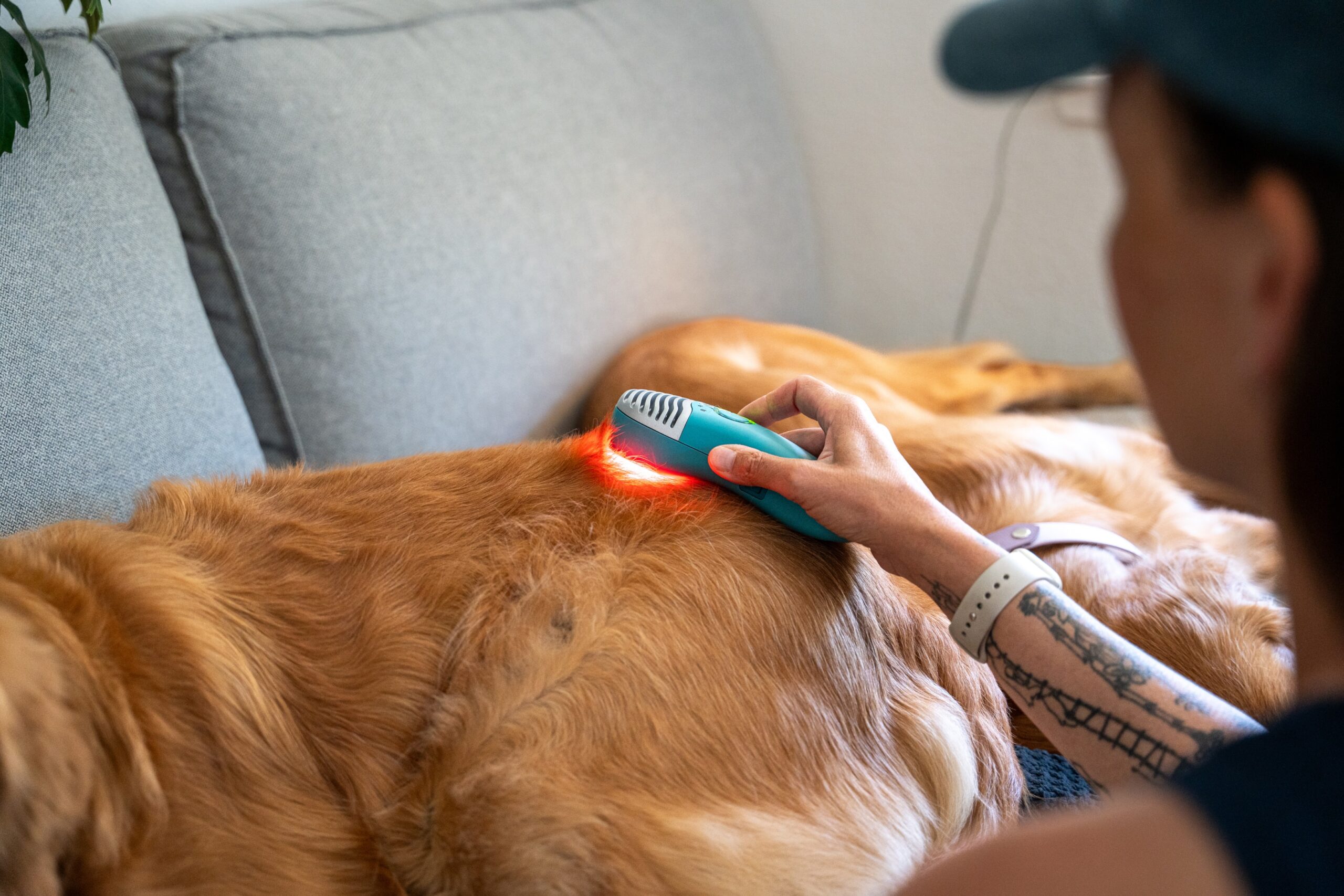
Safety and When to Avoid Red Light Therapy
Red light therapy is remarkably safe for most dogs, but a few precautions ensure optimal results. Never shine the light directly into your dog’s eyes, and always follow the manufacturer’s guidelines for treatment distance and session duration.
Certain situations require veterinary approval before starting:
- Suspected or known tumors in the treatment area
- Pregnant or nursing dogs
- Dogs taking photosensitizing prescription medications
- Very young puppies whose growth plates are still developing
Use Medcovet Luma exactly as directed. If you notice worsening lameness, increased swelling, or heat in the joint during the treatment period, pause sessions and contact your veterinarian promptly. While complications are rare, staying attentive ensures you’re supporting joint health rather than masking a problem that needs different intervention.
Would red light therapy help your dog?
Our 2-minute quiz checks your dog’s condition, age, and safety flags.
Gideon
Clinical Summary: Red Light Therapy for Dog Arthritis
Mechanism: Near-infrared wavelengths penetrate measurably deeper into tissue than red light alone (), reaching muscle, connective tissue, and joint structures beneath the skin. This triggers increased ATP production, enhanced blood circulation, and suppression of inflammatory chemicals like TNF-alpha and IL-1beta (; ).
Evidence level: Supported by veterinary and human research showing potential improvements in osteoarthritis pain, stiffness, and physical function. Results vary based on wavelength, dose, treatment frequency, disease severity, and consistency of use.
When it works best: Used consistently with an appropriate dose and schedule, often several times per week, as part of a multimodal plan that may also include medication, weight management, joint supplements, and physical rehabilitation.
When not to use: Do not apply over a known or suspected tumor or directly into the eyes. Veterinary guidance is recommended for pregnant or nursing dogs, very young dogs with developing growth plates, dogs taking photosensitizing medications, and dogs with worsening pain, swelling, or unexplained lameness.
Core Medical Treatments for Dog Arthritis
While red light therapy leads as a non-invasive option, medications and injections remain crucial for pain management, especially for dogs with moderate to severe arthritis. These work best when combined with therapies like Medcovet Luma and lifestyle modifications.
NSAIDs (Non-Steroidal Anti-Inflammatory Drugs) are typically first-line arthritis medicine for controlling pain and inflammation. Common options include carprofen (Rimadyl), meloxicam (Metacam), deracoxib (Deramaxx), and grapiprant (Galliprant). By blocking the production of inflammatory chemicals in the body, NSAIDs reduce swelling and pain often within hours, while also helping protect joint cartilage from further damage. They require baseline and periodic blood tests to monitor liver and kidney function.
Dogs are notably more sensitive to NSAID-related gastrointestinal effects than people are (), one endoscopy study found gastrointestinal erosions in over 80% of dogs on chronic NSAID therapy, most without any visible symptoms (). This is why many dog parents seek complementary therapies to reduce dosing over time.
Adequan Canine (polysulfated glycosaminoglycan) represents the gold standard for joint-protective injectable therapy. Administered as a series of injections over approximately 4 weeks, then tapered to maintenance dosing, Adequan promotes hyaluronic acid synthesis to improve joint lubrication and may slow cartilage breakdown.
Adjunctive pain medications like gabapentin or amantadine address neuropathic or chronic pain components, particularly valuable for senior dogs or those with spinal arthritis where pain signals may be amplified through nerve sensitization.
Steroidal anti-inflammatory drugs (corticosteroids) are generally reserved for dogs whose pain isn’t adequately controlled by NSAIDs alone, and aren’t typically combined long-term with NSAIDs due to increased ulcer risk. Because of their potential side effects, they’re typically used for short periods or in specific situations under close veterinary supervision. Your veterinarian will recommend rechecks every 3-6 months to assess how well the current protocol is working.
Pairing any of these medications with high-quality joint supplements can provide even greater support, while medications address immediate pain and inflammation, supplements work over time to nourish cartilage and maintain joint fluid.
Hyaluronic Acid Injections and Supplements
Hyaluronic acid is a naturally occurring molecule that plays a crucial role in maintaining joint health by keeping joint fluid thick and slippery. This helps ensure proper joint lubrication, reduces friction between bones, and supports the resilience of healthy cartilage. In dogs with arthritis, the quality and quantity of hyaluronic acid in the joints can decrease, leading to increased pain and stiffness.
Hyaluronic acid injections are a targeted treatment option, administered directly into the affected joint by a veterinarian. These injections can provide rapid pain relief by immediately improving joint lubrication and cushioning, making movement more comfortable for arthritic dogs. In some cases, hyaluronic acid injections can also reduce the need for ongoing NSAID therapy, minimizing the risk of medication-related side effects.
Oral hyaluronic acid supplements are another way to support joint health, though they typically take longer to show noticeable effects. When included as part of a comprehensive treatment plan, these supplements can help maintain joint fluid, reduce inflammation, and promote the repair of healthy cartilage over time.
Whether used as injections or supplements, hyaluronic acid is a valuable tool in managing arthritis in dogs. It works best when combined with other therapies—such as weight management, physical rehabilitation, and appropriate medications—to provide pain relief and support long-term joint health.
Alternative and Regenerative Therapies
When basic treatments aren’t providing enough relief, or for dog owners pursuing advanced care, several alternative medications and regenerative options deserve consideration.
Acupuncture has gained mainstream acceptance as a complementary therapy for managing chronic pain. By inserting needles at specific acupoints, practitioners stimulate endorphin release and help modulate pain signals. Evidence in dogs is more limited and mixed than in human studies (); some pet owners and clinicians report benefit as part of a multimodal treatment plan. Many rehabilitation vets and even some holistic veterinarian practices across North America and Europe now offer this service.
Professional laser therapy (distinct from home devices like Medcovet Luma) uses higher-power equipment in clinical settings. These sessions are typically shorter but require regular visits, often packaged in 6-12 treatment plans. Some clinics also offer shockwave therapy, which applies targeted pulses to stimulate angiogenesis and stem cell recruitment. In one controlled study of dogs with stifle osteoarthritis, force-plate measurements improved in 4 of 7 treated dogs, compared to 1 of 5 untreated controls whose limb function continued to worsen (). A separate study in dogs with hip osteoarthritis found improved weight-bearing and pain scores in treated limbs, with no improvement in untreated limbs ().
Regenerative medicine represents the cutting edge. Platelet rich plasma (PRP) injections concentrate your dog’s own growth factors to promote cartilage repair. In a human study of knee osteoarthritis, PRP recipients saw pain scores drop roughly 65% at 6-month follow-up ().
Stem cell therapy harvests stem cells from adipose tissue and reinjects them into affected joints. In a placebo-controlled trial, significantly more treated dogs showed improvement on veterinarian pain-on-manipulation scores (92.8% vs. 50.2% for placebo) and overall response rate (79.2% vs. 55.4% for placebo) ().
When exploring these complementary therapies, ask for evidence of effectiveness and realistic expectations. Quality and availability vary, so discuss options thoroughly with your veterinary team.
Joint Supplements and Nutritional Support
High-quality joint supplements can support joint health and joint fluid production, especially when started early in the disease process before extensive cartilage deterioration occurs. Think of supplements as long-term maintenance rather than quick fixes.
Evidence-based ingredients to look for include:
Ingredient | Primary Benefit |
|---|---|
Glucosamine hydrochloride | Supports cartilage matrix production |
Chondroitin sulfate | Helps retain water in cartilage |
MSM (methylsulfonylmethane) | Anti-inflammatory support |
Green lipped mussel | Natural source of omega fatty acids |
Omega 3 fatty acids (EPA/DHA) | Reduces inflammatory pathways |
Undenatured type II collagen | May support immune tolerance to cartilage |
Quality matters significantly with dietary supplements. Choose products that have undergone third-party testing or carry veterinary brand backing. Unfortunately, independent testing has found some products contain substantially less than their labeled amount (), making vet-recommended formulations worth the investment.
Fish oil remains one of the most accessible ways to incorporate omega 3 fatty acids into your dog’s routine. Look for products specifying EPA and DHA content, aiming for 48-100 mg/kg EPA of body weight daily for anti-inflammatory benefits (). Effects are gradual, typically requiring 4-8 weeks of consistent use before improvements become noticeable. These supplements work to support joint health over time rather than provide pain relief.
Therapeutic diets formulated specifically for joint support offer another avenue. Prescription foods enriched with omega-3s, cartilage-building nutrients, and controlled calories can address both nutritional support and weight management simultaneously. Ask your vet whether a therapeutic diet might benefit your arthritic dog.
Green Lipped Mussel: A Natural Joint Aid
Green-lipped mussel, sourced from the pristine waters of New Zealand, has gained popularity among dog owners and holistic veterinarians as a natural way to support joint health and relieve arthritis pain. This unique shellfish is rich in glycosaminoglycans (GAGs), which are essential building blocks of joint cartilage, as well as omega-3 fatty acids known for their anti-inflammatory properties.
Many pet parents choose to incorporate green-lipped mussel alongside other treatments such as physical therapy, red light therapy, and prescription medications. This natural supplement can be a valuable component of a personalized treatment plan, especially for dogs with mild to moderate arthritis or those who benefit from a holistic approach to pain management.
Always consult your veterinarian before adding any new supplement to your dog’s regimen to ensure it fits their specific needs and treatment goals.
Weight Management for Arthritic Dogs
Keeping your dog at a healthy body weight is one of the most powerful, proven ways to relieve arthritis pain and slow progression. It’s also completely within your control as a pet owner.
The connection is well established: excess weight adds mechanical load to already-struggling joints, and excess fat tissue produces inflammatory chemicals that worsen chronic inflammation throughout the body. In a landmark 14-year lifelong study of Labrador Retrievers, dogs kept at a lean body condition didn’t need treatment for osteoarthritis until a mean age of 13.3 years-three years later than their littermates fed a standard diet (; ). With 59% of US dogs exceeding their ideal weight (), this represents a massive opportunity for improvement.

Veterinarians assess dog’s weight using a Body Condition Score (BCS) on a 1-9 scale. Most arthritic dogs should aim for a 4-5/9 () where ribs are easily felt under a thin fat layer and a visible waist tucks up when viewed from the side. Your vet can teach you to assess this at home.
Guidelines for safe, effective weight loss:
- Target 1-2% of body weight lost per week
- Use measured meals rather than free-feeding
- Switch to calorie-controlled or prescription weight loss diets
- Limit high-calorie treats (or substitute with low-calorie alternatives like green beans)
- Involve the whole family, extra treats from well-meaning family members can sabotage progress
“Keeping pets moving through enrichment and appropriate low-impact activities is one of the best things you can do to support their health and quality of life.” – Christine Cranston, MPT, CCRP
As your dog slims down, you’ll likely notice better results from red light therapy, medications, and supplements. With less strain on joints, every intervention works more effectively. Many pet parents report that weight management alone transforms their dog’s mobility more than any single medication.
Exercise, Physical Therapy, and Rehabilitation
The goal with arthritic dogs isn’t to stop motion exercises and activity—it’s to support controlled, low-impact movement that maintains muscle strength and joint flexibility. Muscle atrophy makes arthritis worse, so appropriate exercise remains essential.
Practical guidelines for daily activity:
- Short, frequent walks: 10-20 minute slow walks 2-4 times daily beat one long outing
- Avoid high-impact activities: Skip ball-chasing, rough play, and jumping off furniture
- Watch for overdoing it: If limping increases that evening or the next morning, dial back intensity
- Leash walks only: Controlled pace prevents sudden movements that stress joints
“As pets age or recover from an injury, I recommend shorter, more frequent leash walks. If a young dog has historically walked for an hour every morning, for example, they might transition to 30-minute walks in the morning and evening as they age. In their senior years, that could become three or four 10- to 15-minute walks throughout the day. The goal is to avoid pushing vulnerable, weight-bearing joints into a state of inflammation. By stopping activity before inflammation sets in, you can help protect the joints from further damage.” – Christine Cranston, MPT, CCRP
Veterinary physical rehabilitation centers have become increasingly common, offering personalized treatment plan development including:
- Underwater treadmill sessions
- Targeted strengthening exercises for atrophied muscles
- Passive range-of-motion stretching
- Neuromuscular electrical stimulation
- Canine massage and manual therapy techniques
- Therapeutic exercise progressions
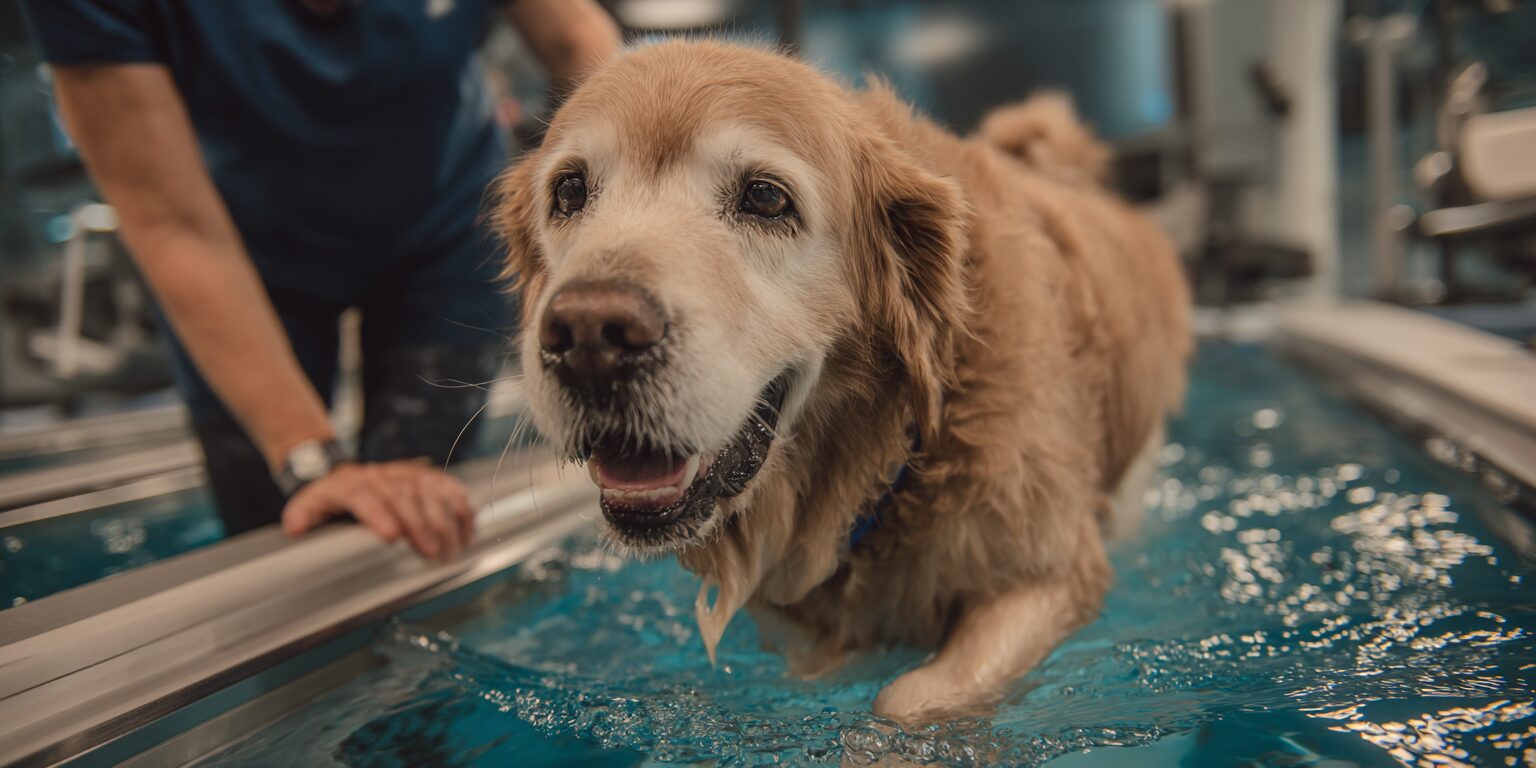
Red light therapy with Medcovet Luma pairs excellently with physical rehabilitation. Schedule sessions before or after therapy appointments to reduce post-exercise soreness and support tissue recovery. This combination represents one of the most effective approaches for maintaining long-term joint mobility.
Home Environment and Lifestyle Modifications
Simple changes around your home can immediately improve daily life for dogs with painful joints.
Modification | Impact |
|---|---|
Nonslip rugs on hardwood/tile floors | Prevents slips that jar joints |
Ramps to bed, couch, or car | Eliminates jump impacts |
Baby gates blocking stairs | Prevents unsupervised climbing |
Orthopedic foam dog beds | Cushions pressure points during rest |
Raised food/water bowls | Reduces neck strain for large dogs |
Read more about how to help your dog at home here: How to Help a Dog with Arthritis at Home
Working With Your Veterinary Clinician on a Long-Term Plan

Arthritis management isn’t a one-time fix—it’s an ongoing partnership between you, your dog, and your veterinary team. Treatment needs typically evolve as your dog ages or as the progressive disease advances.
Plan for regular checkups every 6-12 months (more frequently for severe arthritis cases) to reassess:
- Current pain levels and medication effectiveness
- Mobility changes and muscle condition
- Body weight and nutrition status
- Any side effects from long-term medications
- Need for additional diagnostics or specialist referral
Between appointments, track changes at home. Note walking distance, ease of standing after rest, willingness to use stairs, and overall energy level. This information helps your vet fine-tune the treatment approach far more effectively than relying on a single office visit snapshot.
Bring up red light therapy optimization at each visit. If you’re hoping to reduce reliance on certain prescription medications over time, discuss whether your current Medcovet Luma protocol might allow for dosage adjustments under veterinary supervision.
The most important message? Even though arthritis is a lifelong condition, combining modern treatments like red light therapy with smart weight management, appropriate exercise, and thoughtful home modifications can keep your dog comfortable and active well into their senior years. Dogs with well-managed arthritis often enjoy 2-3 additional years of quality life compared to those whose condition goes unaddressed.
Your next steps:
- Start tracking mobility weekly
- See if red light therapy fits → Take the 2-minute quiz
- Build a multimodal plan with a clinician → Book a free 30-minute consult
Your dog depends on you to advocate for their comfort. With the right combination of therapies and consistent care, a pain free or significantly improved life is absolutely achievable.
“Don’t underestimate the power you have as a pet owner to help your pet thrive despite arthritis. They are not simply ‘getting old.’ Listen to your pet, observe their behavior, and be proactive rather than dismissing the signs you see as a natural part of aging. You can do something about it. Address the problem early, see your veterinarian, and start taking action.” – Christine Cranston, MPT, CCRP
Frequently Asked Questions About Dog Arthritis Treatment
Evidence Citations
🐾 Ready to Take the Next Step?
Whether you’re just learning or ready to act — we’ve got you.
👉 Book a Free Consult
Talk to a licensed clinician about your pet’s condition and get a personalized plan. No pressure, just real help.
👉Learn More About the Luma
Explore how our at-home red light therapy device works, why it’s different, and what it can do for your pet.

About the Author
Alon Landa is the CEO and co-founder of MedcoVet, a leader in at-home red light therapy for pets. With over 20 years of experience in medical technology and firsthand involvement in developing the Luma, Alon combines deep technical knowledge with a passion for improving pet health. He regularly collaborates with veterinarians and pet parents to advance photobiomodulation (PBM) care at home.
📍 Based in Boston, MA
📖Read more from Alon here

About the Medical Reviewer
Chris Cranston has over 20 years of hands-on experience in small animal physical rehabilitation and is a trusted voice in pet mobility and recovery. She is co-host of the PetAbility Podcast and was among the first 100 professionals worldwide to earn her Certified Canine Rehabilitation Practitioner credential through the University of Tennessee. Chris founded FlowDog in Massachusetts and continues her work through concierge rehab, consulting, and teaching.
Read More about Chris here.