
Red Light Therapy for Arthritis and Joint Pain in Pets


ODIN
Medically reviewed by: Christine Cranston MPT, CCRP (Specialties: licensed canine physical therapist, arthritis management, orthopedic injuries, muscle strains, sprains, chronic mobility, neurological conditions, geriatrics, IVDD, and dysplasia)
Reviewed: April 2026
Updated: April 2026
Key Takeaways
- Red light therapy for dogs arthritis is a safe, non-invasive, and drug-free treatment option that helps reduce pain, inflammation, and improve mobility.
- Therapeutic wavelengths of red (around 660 nm) and near-infrared light (around 810–850 nm) penetrate deep into joint tissues to stimulate cellular activity and promote healing.
- Consistency in treatment sessions—typically 3 to 5 times per week—is crucial for achieving significant improvement in arthritis symptoms.
- Red light therapy enhances blood flow, supports tissue repair, and can alleviate chronic pain associated with conditions like canine osteoarthritis and hip dysplasia.
- Many pet owners notice visible improvements in their dog’s comfort and mobility within a few weeks of regular use.
Does red light therapy help arthritis in pets?
Photobiomodulation (PBM), also called red light therapy, low-level laser therapy, and near-infrared light therapy, uses specific wavelengths of light to influence cellular activity, particularly in tissues affected by inflammation and degeneration such as arthritic joints. When applied with the correct wavelengths and consistent treatment sessions, it improves blood flow, supports tissue repair, and can lead to measurable improvements in mobility and pain scores. Results vary based on disease severity and treatment consistency.
Looking for a complete guide to photobiomodulation in dogs? See red light therapy for dogs.
Looking for a complete guide to photobiomodulation in cats? See red light therapy for cats.
Understanding Arthritis & Joint Pain in Pets
Arthritis, also known as Osteoarthritis (OA) or Degenerative Joint Disease (DJD), is a progressive condition that affects the joints, leading to pain, stiffness, and reduced mobility. This condition is especially common in older pets but can also develop due to injuries, genetic predisposition, or excessive wear and tear on the joints over time.
As arthritis progresses, the protective cartilage in the joints breaks down, leading to inflammation and discomfort. Pets with arthritis may show signs such as reluctance to walk or climb stairs, stiffness after resting, difficulty standing up, or decreased activity levels. Managing arthritis effectively is crucial to improving a pet’s comfort and quality of life.
Hazel
🐾 Early detection and proactive treatment can make a world of difference
👉 Meet With a Clinician to See If Your Pet Is a Good Fit for Luma
What arthritis is
Arthritis is a chronic condition involving inflammation and degeneration of the joints, most commonly referred to as canine osteoarthritis. Over time, the protective cartilage within a joint breaks down, leading to friction, reduced mobility, and ongoing joint pain. This process is often driven by chronic inflammation, mechanical stress, and changes in the dog’s tissues that impair the normal healing process.
In veterinary medicine, arthritis is one of the most common causes of chronic pain in dogs and cats. It is considered a progressive condition, meaning it tends to worsen over time without proper management. Many pets experience a gradual decline in mobility, often masked until pain becomes more severe.
Photobiomodulation and low level laser therapy have been studied for decades in both veterinary research and human medicine for their effects on inflammation, tissue repair, and pain management.
Signs of arthritis in pets
Arthritis often develops slowly, which makes early signs easy to miss. Many pet owners only recognize the condition once mobility has clearly declined.
Common signs include:
- Stiffness after resting
- Reluctance to climb stairs or jump
- Slower movement or hesitation to walk
- Difficulty standing up
- Reduced activity or play
- Changes in posture or gait
- Sensitivity when the affected area is touched
In many cases, these symptoms are incorrectly attributed to normal aging. In reality, they are often signs of joint pain and chronic conditions that can benefit from early therapeutic interventions.
Pain scores and mobility assessments in veterinary medicine consistently show that earlier intervention leads to better healing outcomes and improved long-term well being.
Where arthritis occurs (hips, knees, spine)
Arthritis can affect multiple joints, but certain areas are more commonly impacted due to load, movement, and previous injury.
Hips
Hip dysplasia is one of the most common causes of arthritis in dogs. This condition leads to joint instability, chronic inflammation, and progressive degeneration. Red light therapy for dogs arthritis in the hips is often used to manage pain and improve mobility.
Knees
Knee arthritis is frequently linked to ligament injuries such as CCL tears. These joints often require ongoing treatment sessions to support healing and reduce inflammation in the treated area.
Spine
Arthritis in the spine can contribute to stiffness, reduced flexibility, and nerve-related discomfort. This can overlap with other conditions and requires a careful treatment plan.
Other joints
Elbows, shoulders, and smaller joints can also be affected, especially in active dogs or those with prior soft tissue injuries.
Because arthritis can impact multiple areas at once, many pets benefit from a personalized treatment plan that addresses more than one affected area.
“One in five dogs will develop arthritis in their lifetime.”
— American College of Veterinary Surgeons
That’s not a niche problem. It’s extremely common. And it’s not just old age. Arthritis can be triggered by genetics, injuries, or the simple wear and tear of living an active life. For your pet, that means pain. Stiffness. Slowing down.
But it doesn’t have to stay that way.
Luma delivers powerful red and infrared light therapy that reduces inflammation, alleviates pain, and helps pets move with ease again. No drugs. No downtime. Just minutes a day.
How Luma Helps Pets with Arthritis & Joint Pain

“Hazel Moon was limping and experiencing obvious discomfort from arthritis and CCL injury in her hind legs. Along with physical therapy, the Luma helped with her inflammation and pain and she is excited about going for walks again. Sometimes she even asks for a Luma treatment by nudging the device with her nose then presenting the area she wants treated” –Andrea
We don’t believe in buzzwords or gimmicks. At MedcoVet, we lead with research—not fluff. We’ve spent years reviewing the data, consulting with veterinary clinicians, and testing real-world outcomes to ensure Luma delivers meaningful results.
So here’s the deal:
👉 Some devices use low-power lights that don’t reach the tissue depth required to actually reduce pain.
👉 Others make bold claims without publishing results or sharing treatment parameters.
👉 Luma isn’t that.
We use therapeutic wavelengths in the 600–800 nm range—specifically studied for their impact on arthritis pain, inflammation, and cellular repair.
Let’s break it down.
🌟 Help your pet move with ease again—with just a few minutes a day.
👉 Book a Call and Speak with a Clinican →
Free. No pressure.
How Luma Helps with Arthritis: Backed by Research
Luma delivers therapeutic red (around 660 nm) and near-infrared light (810–830 nm) deep into tissue. These wavelengths are shown to:
- 🔋 Increase Cellular Energy (ATP): Light stimulates cytochrome c oxidase in mitochondria, boosting ATP—the fuel cells use to repair and regenerate.
- 🔥 Reduce Inflammation: PBM helps lower swelling by modulating inflammatory cytokines and increasing anti-inflammatory markers.
- 😌 Alleviate Pain Naturally: Red light therapy can trigger the release of endorphins—your pet’s natural painkillers.
- ❤️ Improve Blood Flow: Better circulation brings more oxygen and nutrients to inflamed joints.
- 🛡 Protect Against Cartilage Breakdown: Certain wavelengths (like 635 and 850 nm) modulate MMPs (matrix metalloproteinases), enzymes linked to joint degradation.
What the Research Says:
- 660 nm light improved grip strength and joint structure in rats with rheumatoid arthritis.
- 830 nm laser modulated joint enzymes and reduced cartilage damage in a mouse model.
- 685 & 830 nm lasers reduced swelling and vascular inflammation by up to 24% in arthritic rats.
👉 We don’t use vague “red light” terms. We specify the wavelengths that count.
While many studies are preclinical, the biological mechanisms are consistent with observed outcomes in veterinary practice.
🧬 Curious about how it works?
👉 Explore the Science Behind Luma →
Safe, Soothing, and Designed for At-Home Use
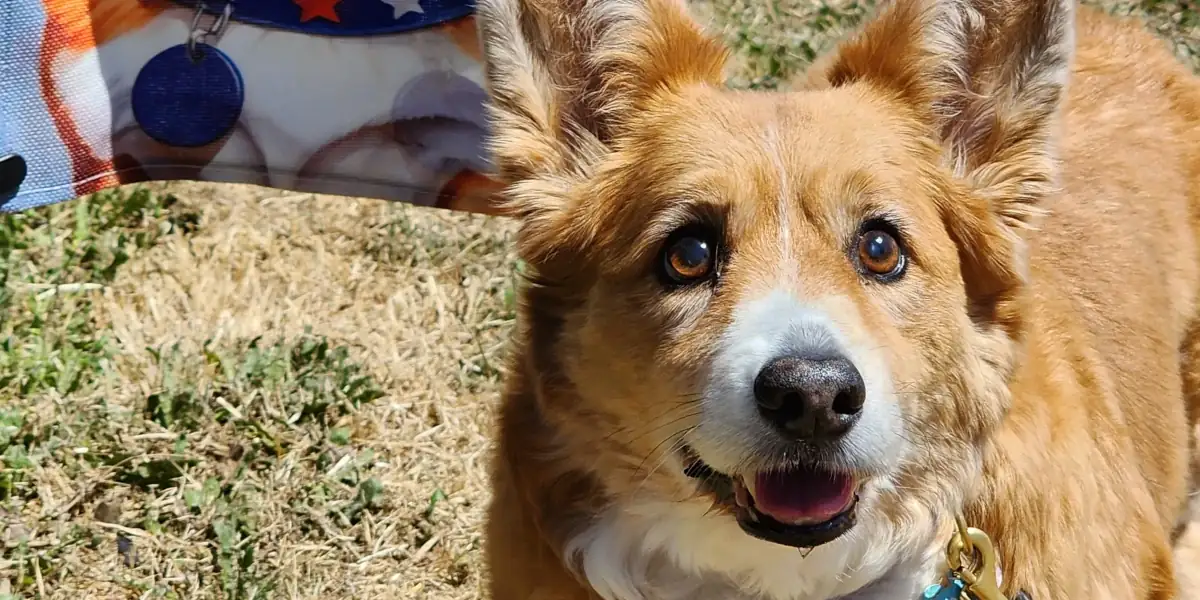
”Rose had been getting in-office deep laser treatments from her physical therapist for arthritis in her legs and stiffness in her back after having ruptured a disc a few years ago. The treatments were wonderful, but wore off pretty quickly, so the Luma was suggested. Thanks to the Luma, she gets more frequent treatments in more areas than ever before. She’s able to be pretty active for a nearly 12 year old blind dog whose had this kind of injury and the Luma is essential for that. She can walk longer, sleeps better, and is excited for her walks! The Luma has made a huge improvement in her quality of life!” –Richelle Krotts
Luma isn’t just science-forward—it’s pet-parent friendly:
✔ Non-Invasive & Drug-Free – No anesthesia or medications required.
✔ Safe for Long-Term Use – No known serious side effects when used appropriately, making it ideal for senior pets.
✔ Easy & Comfortable – Sessions last only a few minutes, and pets often find the treatment soothing.
✔ Vet-Recommended – Used by veterinarians to complement arthritis management plans.
✔ Convenient At-Home Care – Treat your pet without frequent clinic visits.
🐶 Every pet deserves a chance at a pain-free life.
👉 Book a Call and Let’s Talk About Your Pet’s Needs →
No pressure • No obligation • Real clinicians
Gemma
When red light therapy helps arthritis (and when it doesn’t)
Red light therapy for dogs arthritis can be a powerful tool in pain management, but like any treatment, it works best in the right context and as part of a complete treatment plan.
For a complete guide on arthritis treatment, see → Dog Arthritis Treatment: Complete Guide to Easing Your Dog’s Joint Pain
When red light therapy helps most
Red light therapy and low level laser therapy are often most effective for pets with:
- Mild to moderate canine osteoarthritis
- Chronic pain driven by inflammation
- Joint pain from hip dysplasia or soft tissue injuries
- Chronic conditions where ongoing treatment sessions are possible
- Recovery following surgical procedures or injury
In these cases, therapeutic light using specific wavelengths of visible red and near infrared light can stimulate cellular activity, increase blood circulation, and promote faster recovery. Many pet owners report significant improvement in mobility, reduced pain scores, and better overall well being within a few weeks of consistent use.
By increasing blood flow and supporting the healing process, red light therapy devices can help manage pain, reduce inflammation, and support tissue repair in the affected area. Most pets tolerate treatment well, and many even relax during their first session.
👉 Learn how this applies to dogs specifically: Red light therapy for dogs →
👉 Learn how this applies to cats: Red light therapy for cats →
When results may be more limited
Red light therapy is not a cure for arthritis, and outcomes depend on the severity of joint damage and the overall treatment plan.
Results may be more limited in:
- Advanced joint degeneration with structural damage
- Severe cartilage loss or instability
- Cases where arthritis is not the primary cause of pain
- Situations where treatment sessions are inconsistent
In these cases, red light therapy should be viewed as one of several therapeutic interventions, often combined with other treatments such as medication, rehabilitation, or weight management.
That said, even in more advanced cases, many pet parents still use light therapy as a drug free way to reduce pain, support comfort, and improve quality of life for their furry family member.
What matters most for results
Not all red light therapy devices are the same. Outcomes depend on:
- Using the correct specific wavelengths
- Delivering enough light energy to the treated area
- Consistency across multiple sessions
- A personalized treatment plan based on your pet’s condition
This is why veterinary medicine increasingly views photobiomodulation as a supportive, effective treatment when applied correctly.
👉 Want a deeper look at the science behind how red light therapy works?
/science-of-red-light-therapy/
Clinical Summary
- Mechanism:
Red light therapy and low level laser therapy use therapeutic light in the red and near infrared light spectrum to stimulate cellular activity. This supports ATP production, increases blood flow, enhances collagen production, and modulates chronic inflammation in joint tissues. - Evidence level:
Moderate. Veterinary research, including studies referenced in sources like the american journal literature, shows significant differences in pain scores, inflammation, and healing outcomes in treated groups compared to control groups. Evidence continues to grow in both veterinary medicine and human translational research. - Best use cases:
Chronic joint pain, canine osteoarthritis, hip dysplasia, soft tissue injuries, and recovery support after surgical procedures. Particularly effective when used consistently as part of a broader pain management strategy. - Limitations:
Does not reverse structural joint damage or fully restore cartilage. Most effective when combined with other treatments and a personalized treatment plan. - Safety:
Red light therapy is considered safe, non invasive, and drug free when used appropriately. Most dogs and cats tolerate treatment well across multiple sessions.
Common Questions About Red Light Therapy for Arthritis in Pets
Real Stories: Pets Who Found Relief with Luma
Try Luma for Your Pet
There’s no one-size-fits-all approach to arthritis. But if your pet is slowing down, showing signs of pain, or has already been diagnosed with OA or DJD—Luma might be the game-changer you’ve been looking for.
Let’s find out together.
Schedule a consult and get these kinds of results
Benjamin
Try Luma for Your Pet
Evidence Citations
In controlled studies referenced in veterinary research and american journal literature, photobiomodulation has shown significant differences in pain scores, inflammation markers, and healing outcomes compared to untreated control groups.

About the Author
Alon Landa is the CEO and co-founder of MedcoVet, a leader in at-home red light therapy for pets. With over 20 years of experience in medical technology and firsthand involvement in developing the Luma, Alon combines deep technical knowledge with a passion for improving pet health. He regularly collaborates with veterinarians and pet parents to advance photobiomodulation (PBM) care at home.
📍 Based in Boston, MA
📖Read more from Alon here

About the Medical Reviewer
Chris Cranston has over 20 years of hands-on experience in small animal physical rehabilitation and is a trusted voice in pet mobility and recovery. She is co-host of the PetAbility Podcast and was among the first 100 professionals worldwide to earn her Certified Canine Rehabilitation Practitioner credential through the University of Tennessee. Chris founded FlowDog in Massachusetts and continues her work through concierge rehab, consulting, and teaching.
Read More about Chris here.

