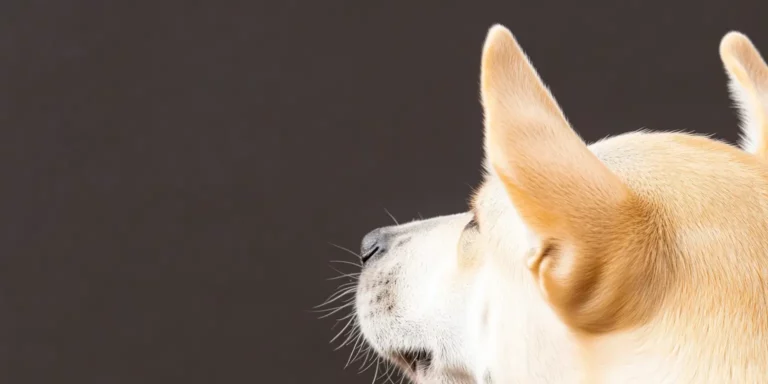
Why Is My Dog Shaking?
All the Reasons, What to Watch For, And How To Help
If your dog’s shaking has you worried, you’re not alone. Many causes are harmless—but some signal pain or inflammation beneath the surface. Learn how gentle light can help calm, repair, and restore comfort naturally.
A 5-minute, vet-reviewed guide to how light flips the “heal” switch in your dog’s cells.
Why is my dog shaking? Dogs shake due to excitement, anticipation, anxiety, cold, or health issues. This article will explain the common and serious reasons, and when to see a vet.
Key Takeaways
- Shaking in dogs can be normal due to excitement or cold, but persistent shaking combined with symptoms like panting or vomiting requires immediate vet attention.
- Common causes of shaking include behavioral triggers, medical conditions, and exposure to toxins; understanding these can help in identifying issues early.
- Red light therapy can effectively aid in managing dog shaking related to pain or inflammation, but it’s essential to diagnose the underlying cause first.
Introduction
Shaking, trembling, panting, or a dog’s shivering in dogs can be concerning for any pet owner. These behaviors can be triggered by a variety of factors, including excitement, stress, cold weather, or new experiences. However, they can also be symptoms of more serious medical conditions that require veterinary attention, especially in a shaking dog or dog trembling. Understanding your pet’s behavior is crucial for identifying potential issues. Changes or unusual aspects of your pet’s behavior can indicate health issues and should be monitored closely.
Noticing changes in your dog’s behavior or physical symptoms like panting alongside shaking can indicate the need for immediate veterinary care. It is important to monitor your pet’s health for any changes, as these could signal underlying medical issues that require prompt attention. This article will cover all the major causes of shaking in dogs, from mild to severe, and explain when red light therapy, can help reduce pain, inflammation, or neurological irritation.
Normal or Mild Reasons for Dog Shaking or Trembling

Sometimes, the reasons why dogs shake are entirely benign. For instance, many dogs shake when they are excited, such as when they see their owner or anticipate a walk. Cold temperatures can also cause dogs to shiver as a natural warming mechanism, especially in short-coated or small breeds. Shivering helps dogs raise their body temperature, making it a normal response to feeling cold. Dogs shiver not only to stay warm but also in response to excitement, fear, or illness. Monitoring when and why dogs shiver can help identify if it’s a normal reaction or a sign of a health issue. Additionally, trembling after a bath or swim is a dog’s natural instinct to dry off.
Maintaining routines and providing positive experiences can help keep your dog happy, which in turn may reduce stress-related shaking. Establishing a predictable daily routine can help reduce anxiety in dogs.
However, it’s important to distinguish between mild, temporary shaking and more persistent or severe trembling, which could indicate an underlying issue. Understanding these normal causes can help dog owners better interpret their pet’s body language and overall health. Observing changes in a dog’s body, such as muscle weakness or joint problems, can help determine if shaking is a normal response or a sign of a more serious health concern.
Behavioral or Emotional Causes
Behavioral or emotional triggers are common reasons for a dog shaking. Excitement or anticipation can cause your dog to tremble, especially when they see you after a long day or are about to engage in a favorite activity. Stress or fear, such as during thunderstorms, vet visits, or traveling, can also lead to trembling due to the adrenaline rush. Loud noises like thunderstorms or fireworks are common triggers for shaking in dogs; providing a safe space can help your dog cope with these stressors and reduce their anxiety. Separation from their owners is another frequent cause of anxiety-induced shaking in dogs. Additionally, dogs often shake when they feel fear, such as when facing aggressive animals or unfamiliar situations. Anxiety dogs may display behaviors such as shaking, panting, or pacing, especially during thunderstorms, fireworks, or separation from their owners.
Anxiety or separation anxiety, often accompanied by panting and restlessness, can make some anxious dogs shake. After exercise, dogs might also tremble as their muscles cool down. Understanding these behavioral and emotional triggers helps you offer the right comfort and support. Dogs shaking due to anxiety may also show signs like pacing or pulling back their ears, which can help you identify their stress levels. Early signs of stress in dogs can include yawning, lip licking, and pulling back their ears. Petting and providing gentle massage can help soothe a dog experiencing anxiety or stress, offering them much-needed comfort.
Think it might be stress—or something deeper?
The Red-Light Therapy Roadmap breaks down what happens inside your dog’s body when inflammation takes hold, and how light can safely help cells recover.
✨ Read time: under 5 minutes. Vet-reviewed.
Mizzy
Environmental or Physical Causes
Environmental and physical factors can also lead to dog shaking. Cold temperatures dogs are a primary cause, especially for small or thin-coated breeds that are more susceptible to feeling cold. After exposure to water, dogs often shake to remove moisture from their fur. Motion sickness during car rides or travel can also cause dogs to shake or tremble, as the discomfort and nausea associated with motion sickness may trigger these symptoms.
Smaller breeds like Chihuahuas or Toy Terriers often shake due to their faster metabolism and body composition. Aging dogs may also develop mild tremors or experience neurological changes that result in shaking. Generalized tremor syndrome (GTS) can cause shaking in certain breeds of dogs without other health issues, and it is often managed with veterinary care.
Knowing these environmental and physical underlying causes helps you manage your dog’s comfort and west highland white terriers’ pet’s health conditions more effectively.
Medical, Neurological, and Pain-Related Causes

While many cases of dog shaking are benign, it can sometimes indicate serious medical or neurological issues. Medical conditions such as arthritis, injuries, or systemic illnesses may lead to trembling. Shaking can also be a subtle sign of pain or injury, even if other symptoms like lethargy or loss of appetite are not present. Identifying these more serious causes is crucial for ensuring your pet receives the appropriate care. Prioritizing your pet’s health by diagnosing the underlying causes of shaking and seeking timely veterinary care is essential for effective treatment. Regular veterinary check-ups and monitoring your pet’s health are essential to catch potential issues early and maintain their well-being.
Various medical, neurological, and pain-related causes of dog shaking can significantly impact your pet’s health. Understanding these can help you know when veterinary attention is warranted.
If your dog’s shaking may be pain-related, you don’t have to guess.In just 15 minutes, our free Crash Course: From Chronic Pain to Playtime breaks down how red and infrared light can reduce inflammation and get your dog feeling better—fast.
Huxley
Pain or Discomfort
Pain or discomfort is a common reason for dog shaking. If your dog is shaking and panting, it could be a sign of pain, especially if they are reluctant to move or vocalize when touched. Common sources of pain include:
- arthritis
- back or joint injuries
- sprains
- ear infections
- skin wounds
- dental disease
- post-surgical recovery
- upset stomach (gastrointestinal discomfort can cause shaking, panting, whining, or refusal to eat).
Older dogs might also experience muscle tremors in their legs due to muscle weakness, which can sometimes be mistaken for normal aging in senior dogs and old age. Identifying these signs ensures timely veterinary care and relief for your dog.
If pain is part of the problem, understanding your options matters.
🕵️♀️ See how leading at-home light therapy devices actually stack up—
specs, safety, and results, side-by-side.
Matilda
Systemic Illnesses
Systemic illnesses can also cause shaking in dogs, including:
- Fever, which can lead to full-body shivering.
- Hypoglycemia, or low blood sugar, especially common in small breeds or puppies.
- Addison’s disease, which causes symptoms such as weakness, vomiting, and trembling, and requires veterinary attention.
- Canine distemper, a serious viral disease that affects puppies and unvaccinated dogs, which can cause shaking, fever, and neurological issues.
- Fever, which can lead to full-body shivering.
- Hypoglycemia, or low blood sugar, especially common in small breeds or puppies.
- Addison’s disease, which causes symptoms such as weakness, vomiting, and trembling, and requires veterinary attention.
Cushing’s disease, a hormonal imbalance, often presents with panting, muscle weakness, and shaking, affecting the nervous system as a medical condition. Hormonal imbalances like Cushing’s disease can impact a dog’s body by reducing muscle strength and affecting overall physical health. Blood tests are often required to confirm Cushing’s disease and to rule out other similar health issues. Metabolic disorders, including liver or kidney disease, can also lead to trembling and weakness.
Monitoring these early signs and consulting with a vet for professional advice about any worrying symptoms and other signs can ensure that your dog’s health is properly managed.
Neurological Disorders
Neurological disorders are another significant cause of shaking in dogs. Seizures, for instance, involve rhythmic jerking and loss of awareness, which are different from benign tremors. Corticosteroid-responsive tremor syndrome, also known as white shaker dog syndrome, is an immune-related condition common in small white breeds, leading to uncontrollable shaking.
Neurological conditions and their associated symptoms include:
- Cerebellar disorders: affect coordination and cause intentional tremors
- Idiopathic head tremors: involve localized repetitive movements of the head, lips, or ears
- Hepatic encephalopathy: a neurological condition due to liver dysfunction that can also cause shaking
Understanding these seizure disorders can help you seek appropriate treatment and care for your dog.
Toxins and Poisoning
Exposure to toxins or poisoning is a serious cause of sudden, severe trembling in dogs. Common toxic substances include chocolate, xylitol, antifreeze, and certain plants. Accompanying symptoms of poisoning might include vomiting, diarrhea, collapse, confusion, or unsteady walking.
Suspecting your dog has ingested a toxic substance requires immediate veterinary care. Quick action can prevent serious health issues and potentially save your dog’s life.
Medication Reactions
Certain medications can also cause tremors or other symptoms in dogs. These include:
- Antibiotics
- Insulin
- Steroids
- Chemotherapy
- Flea/tick preventatives
Severe allergic reactions, such as anaphylaxis, can also cause trembling and vomiting.
It’s essential to monitor your dog’s response to new medications and consult your vet if you notice any adverse reactions. Proper management and adjustment of medication can help alleviate these symptoms.
Age-Related Shaking
As dogs get older, it’s common for many dog owners to notice their senior dogs shaking more frequently. This age-related shaking can be due to several factors, including a natural decline in muscle mass, muscle weakness, and joint painthat often comes with aging. The nervous system in older dogs may not function as efficiently, leading to occasional tremors or shivering, especially in the hind legs. Observing your dog’s shivering is important, as it can help you determine if it is simply a normal part of aging or if your dog’s shivering may be a sign of pain, illness, anxiety, or another medical issue that needs veterinary attention.
While some shaking in senior dogs is a normal part of the aging process, it’s important for dog owners to stay alert for other symptoms that could signal underlying medical conditions. If your older dog’s shaking is accompanied by lethargy, loss of appetite, difficulty walking, or any sudden changes in behavior, it’s a good idea to schedule a vet visit. Conditions such as arthritis, neurological issues, or even low blood sugar can cause increased trembling in senior dogs and may require treatment to keep your furry friend comfortable and healthy.
Regular check-ups and monitoring your dog’s body for changes can help catch any health issues early, ensuring your senior dog enjoys their golden years with the best possible quality of life.
Breed-Specific Shaking
Shaking in dogs can sometimes be linked to their breed, as certain breeds are more prone to tremors and shivering due to their genetics or specific health conditions. For example, West Highland White Terriers and other small white breeds are known to develop White Shaker Dog Syndrome, also called Generalized Tremor Syndrome. This condition causes full body tremors and is most often seen in young to middle-aged white dogs. Fortunately, it can usually be managed with corticosteroid treatment prescribed by your veterinarian.
Smaller breeds, in general, tend to shake more often than larger dogs. This can be due to their higher energy levels, sensitivity to cold, or naturally anxious temperaments. Some breeds are also more likely to experience anxiety, which can lead to shaking and may require anti anxiety medications or behavioral training to help your dog feel more secure.
Dog owners should familiarize themselves with their breed’s specific health conditions and tendencies. Regular veterinary check-ups are essential for early detection of any breed-related issues, and your vet can provide guidance on managing shaking in dogs, whether it’s due to a medical condition or simply part of your dog’s unique personality. By understanding your furry companion’s needs, you can help them live a happier, healthier life.
Why Is My Dog Shaking and Panting?
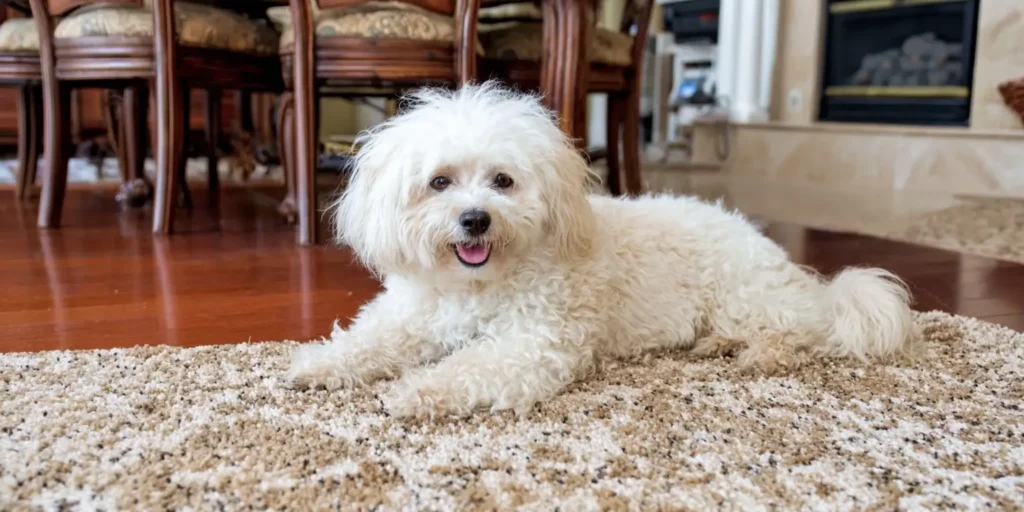
When your dog is both shaking and panting, it often indicates pain or injury. This combination of symptoms can be due to a variety of causes, including heat regulation, stress, or fear. Medication side effects, such as dysphoria, can also lead to shaking and panting.
Cushing’s disease, which causes hormonal imbalances, can present with both panting and tremors. Paying attention to your dog’s behavior and consulting a vet can help identify the underlying cause and effectively manage your pet’s health.
Why Is My Dog Shaking His Head?
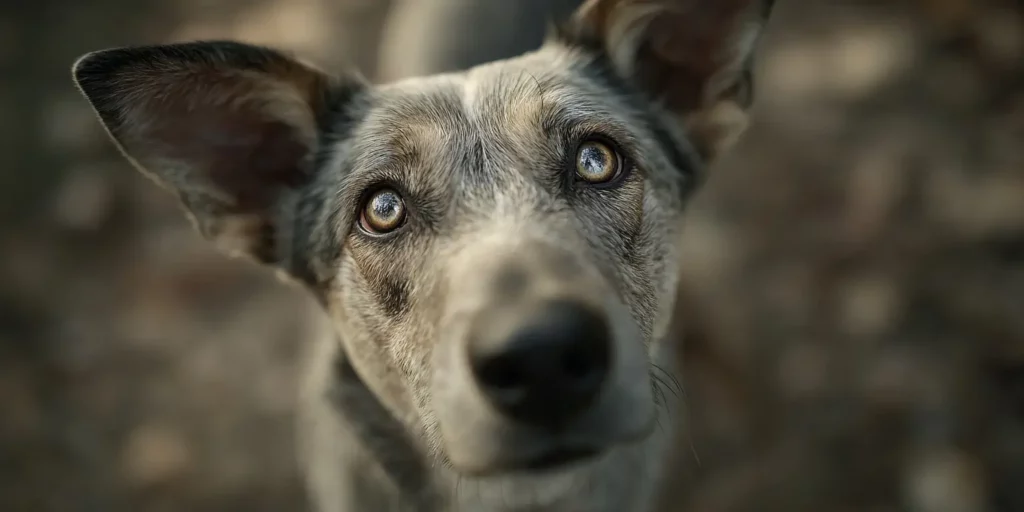
Head shaking in dogs is often localized and can be due to:
- Ear infection
- Ear mites
- Foreign bodies in the ear, such as grass seeds
- Allergic reactions causing ear canal inflammation
An ear infection can cause a dog to shake its head and results in signs of discomfort, such as scratching at the ears or whining. Identifying and treating the infection promptly can help alleviate these symptoms.
In rare cases, partial seizures or idiopathic head tremors can cause repetitive head movements. Determining why your dog is shaking its head allows you to provide the proper treatment and relief.
Why Is My Dog Shaking in His Sleep?
Shaking during sleep is usually a completely normal part of REM sleep, where dogs may dream and exhibit muscle twitching. This type of shaking is harmless and often observed in healthy dogs.
However, if the shaking is accompanied by stiffness or your dog doesn’t wake easily, it could indicate seizure activity or a neurological disorder. In such cases, it’s important to seek veterinary advice to rule out serious health issues.
Why Is My Dog Shaking and Throwing Up? (Emergency Signs)

Shaking accompanied by vomiting is often a warning sign of a medical emergency. Causes can include:
- Toxin exposure, such as chocolate, antifreeze, or medications
- Addison’s disease, which causes weakness and vomiting
- Liver or kidney disease, which produces vomiting and lethargy
- Canine distemper, a serious viral disease that affects puppies and unvaccinated dogs. Canine distemper can cause symptoms such as shaking, vomiting, fever, and neurological issues.
If your dog collapses, has pale gums, severe vomiting, difficulty breathing, or can’t stand, seek emergency veterinary care immediately. Early intervention can be lifesaving for your dog’s health in serious medical emergencies and serious illness. If you are unsure, consult an emergency veterinarian for guidance.
When to See a Veterinarian
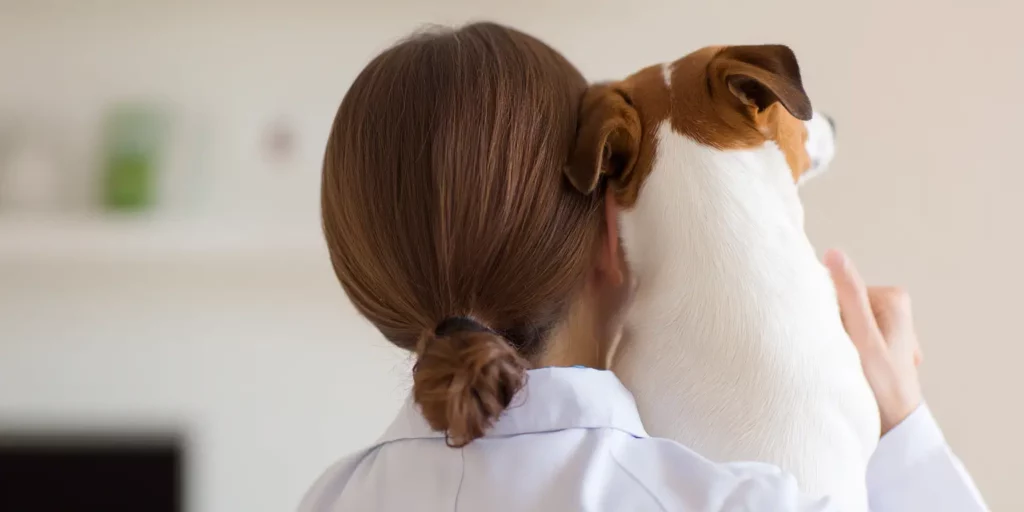
Persistent or severe symptoms such as shaking, vomiting, or unusual behavior in your dog warrant a vet visit. Shaking accompanied by other symptoms, such as fever, weakness, or confusion, also requires prompt veterinary attention.
Dogs shaking after toxin exposure, medication changes, or trauma need to be evaluated by a vet. New tremors in older dogs may indicate degenerative or neurological issues and require assessment for proper care. It’s important to monitor your dog’s body for changes like muscle weakness, joint problems, or other unusual symptoms, as these can signal underlying health conditions that need veterinary attention. Dog shakes can also be a sign of these underlying problems that develop tremors.
When and How Red Light Therapy Can Help

Red light therapy can be a valuable tool in managing various causes of dog shaking. This therapy uses red and near-infrared light to stimulate mitochondrial energy, reduce inflammation, and enhance recovery. The MedcoVet Luma is a veterinary-grade, at-home PBM device designed for safe, guided use under clinician supervision.
Photobiomodulation therapy (PBM) is validated in peer-reviewed veterinary research for pain relief, tissue repair, and neural recovery. It can be particularly effective for managing conditions that cause shaking, as we’ll explore in the following sections.
Want the short version before you dive in?
The Red-Light Therapy Roadmap explains:
- How red & near-infrared light calm inflammation
- When it’s safe (and when to wait)
- How to spot your dog’s “green light” for treatment
Sprite
What Is Red Light Therapy?
Photobiomodulation (PBM), known as red light therapy, uses red and near-infrared light to boost cellular energy and speed up healing. The therapy involves two wavelengths: Red light (635nm) for surface issues and infrared light (850nm) for deeper conditions affecting joints and muscles.
Devices like the MedcoVet Luma are designed to ensure effective delivery of light to the skin, even through the fur, making it an ideal at-home treatment under veterinary guidance.
Conditions Related to Shaking Where RLT Helps
Red light therapy is beneficial for various conditions related to dog shaking, including:
- Managing kidney and liver diseases by reducing inflammation and promoting cellular repair
- Treating neurological conditions such as cerebellar disorders
- Addressing hepatic encephalopathy
Additionally, it can provide pain relief and support tissue repair for injuries, arthritis, and post-surgicalrecovery. Understanding these applications can help you utilize red light therapy effectively for your dog’s health.
How It Works Mechanistically
The science behind red light therapy involves light absorption by cytochrome c oxidase in mitochondria, which increases ATP and nitric oxide production. This leads to:
- Improved blood flow
- Reduced inflammation
- Faster tissue repair
- Natural pain relief.
Being non-thermal, non-invasive, and comfortable for pets, photobiomodulation devices like The Luma are ideal for at-home use with veterinary supervision.
Want to see how it all comes together?
The 15-Minute Miracle Crash Course turns complex science into a step-by-step plan for helping your pet heal at home—complete with a free workbook to track results.
Matilda
When Not to Use Red Light Therapy
While red light therapy has many benefits, it should not be used in certain situations. Exposure to low-level laser therapy can accelerate the growth of cancer cells, making it unsafe to use directly over malignancies without veterinary approval. It is also generally contraindicated during pregnancy and nursing due to insufficient research on its safety.
Using red light therapy without a clear diagnosis can mask serious underlying conditions, so it’s critical to determine the cause ofjoint pain beforehand. Additionally, it should be avoided in young animals until their growth plates are fully developed, unless advised by a veterinarian.
⚕️ Shopping for a red light device? Don’t go in blind.
The Smart Pet Parent’s Comparison Guide shows you exactly what to look for—wavelengths, power density, fur compatibility, and safety—so you can skip the hype and shop smart.
Spock
Supportive Home Care Tips
Managing your dog’s shaking at home involves ensuring their comfort. Keep your dog warm and create a safe space, especially during cold weather or stressful events like thunderstorms. Providing a blanket or sweater can help dogs stay warm and comfortable in colder conditions.
Maintaining hydration and proper nutrition is essential for your dog’s health. To help improve your dog’s quality of life, consider the following:
- Log when and how tremors occur to provide valuable information for your vet.
- Combine medical treatment with holistic support.
- Use the Luma for chronic pain or inflammation.
❤️ Ready to get expert eyes on your dog’s case?
Book a free 30-minute consultation with a MedcoVet clinician.
In one call, you’ll:
- Review your dog’s condition and history
- Get a custom light therapy plan (no guesswork)
- Learn exactly how to start helping your dog feel better this week
Ghillie
Key Takeaways
Occasional shaking in dogs is usually normal, but persistent or combined symptoms like panting, vomiting, and confusion require prompt veterinary evaluation. Causes of shaking can range from harmless excitement to life-threatening toxins or metabolic diseases.
Red light therapy, such as The Luma, is backed by veterinary research for pain, inflammation, and nerve healing, making it a valuable adjunct once the underlying cause is diagnosed.
Summary
In summary, understanding why your dog is shaking is key to ensuring their health and well-being. From benign causes like excitement and cold to serious medical conditions, being aware of the signs and symptoms can help you make informed decisions. Red light therapy offers a promising solution for managing pain and inflammation. Always consult with your veterinarian to determine the best course of action for your beloved pet.
Frequently Asked Questions
Why does my dog shake when excited?
Your dog shakes when excited as a way to release pent-up energy and express their enthusiasm, especially when anticipating fun or seeing you. It’s a normal behavior showing they’re happy!
Can cold weather cause my dog to shake?
Absolutely, cold weather can make your dog shake because it’s a natural response to feeling chilly, especially for smaller or short-coated breeds. It’s important to keep them warm in cold conditions!
What should I do if my dog is shaking and throwing up?
If your dog is shaking and throwing up, it’s crucial to seek immediate veterinary care, as this could signal a serious health issue or potential toxin exposure. Don’t wait—get your furry friend the help they need!
How can red light therapy help my shaking dog?
Red light therapy can help your shaking dog by reducing inflammation and promoting tissue repair, providing pain relief that may ease their discomfort. It’s worth considering for their well-being.
When should I be concerned about my dog’s shaking?
If your dog is shaking persistently or severely, especially with signs like weakness or confusion, it’s time to see the vet to ensure there’s no serious health issue at play.
Next Steps to Help Your Dog Feel Steadier
You don’t have to wonder why your dog’s shaking—or face it alone.
🟢 Step 1: Download the Red-Light Therapy Roadmap – the 5-minute guide that explains how light therapy works for dogs.
🟣 Step 2: Watch the 15-Minute Crash Course – see real results from real pets.
🔵 Step 3: Compare Devices – know what’s worth your money.
❤️ Step 4: Book a Free Consultation – get a custom plan made for your dog.
The fastest path from shaking to playful starts here.

About the Author
Alon Landa is the CEO and co-founder of MedcoVet, a leader in at-home red light therapy for pets. With over 20 years of experience in medical technology and firsthand involvement in developing the Luma, Alon combines deep technical knowledge with a passion for improving pet health. He regularly collaborates with veterinarians and pet parents to advance photobiomodulation (PBM) care at home.
📍 Based in Boston, MA
📖Read more from Alon here