
What Causes Sudden Hind Leg Weakness in Dogs and How to Help
👉 Worried about your dog’s back legs? Start here
Get a fast read on what may be going on and whether red light therapy could help
Medically reviewed by: Dr. Ron Hirschberg
Reviewed: July 2026
Updated: July 2026
Sudden hind leg weakness in dogs can be alarming. Common causes include orthopedic issues, neurological disorders, metabolic problems, cardiovascular conditions, infections, and toxins. While sudden hind leg weakness can affect senior dogs, it is not exclusive to them—dogs of any age may be impacted, so early diagnosis and management are important for all ages. This article will delve into these causes and offer ways to help your dog.
What causes sudden hind leg weakness in dogs?
Sudden hind leg weakness in dogs can be caused by spinal cord compression, traumatic injury, intervertebral disc disease, metabolic disorders, tick paralysis, toxin exposure, blood clots, orthopedic injuries, or systemic illness. Sudden weakness, leg dragging, knuckling, or inability to walk should be treated as a medical emergency. A veterinarian needs to identify the underlying cause before any home treatment or therapy plan begins.
If your dog suddenly cannot use their back legs, is dragging their hind limbs, or seems distressed, contact your veterinarian immediately or seek emergency care. Accurately identifying your dog’s symptoms and consulting a veterinarian is crucial for a proper assessment of your pet’s condition.
Sudden hind leg weakness needs fast attention
A dog suddenly losing strength in the back legs can look terrifying.
One moment your dog walks normally. The next, their legs are slipping, their back end is swaying, or they cannot stand.
Sudden hind leg weakness is different from slow aging changes. Senior dogs, in particular, may experience gradual weakening of the hind legs over months or years because of arthritis, muscle mass loss, hip dysplasia, or canine degenerative myelopathy. However, sudden hind end weakness can happen quickly and can affect dogs of any age due to various health conditions or injuries.
That matters.
Sudden hind leg weakness can mean the spinal cord, nervous system, circulatory system, or metabolic system is under stress. Some causes can worsen quickly without treatment.
This article can help you understand possible causes, but it does not constitute medical advice. Your dog needs an accurate diagnosis from a veterinarian.
What sudden hind leg weakness can look like
Signs of hind limb weakness in dogs may include:
- Knuckling, where the paw folds under
- Ataxia, or wobbly uncoordinated movement
- Leg dragging
- Legs slipping on the floor
- Sudden reluctance to move
- Hind leg tremors
- Quivering hind legs
- Hind leg swaying
- Difficulty walking
- Difficulty climbing stairs
- Back leg weakness
- Bunny hopping
- Sudden collapse in the back legs
- Inability to bear weight
- Pain, crying, or panic
- Loss of bladder or bowel control
A dog’s symptoms can give clues, but they cannot confirm the cause. A neurological exam, bloodwork, imaging, and veterinary assessment may be needed.
When sudden hind leg weakness is an emergency
Sudden hind leg weakness in dogs should be treated as urgent until a veterinarian confirms the cause. If your dog suddenly cannot stand, drags the back legs, knuckles the paws, cries in pain, collapses, or seems disoriented, contact your veterinarian immediately or seek emergency care.
Some causes of sudden hind leg weakness can progress quickly, especially spinal cord compression, traumatic injury, severe hypoglycemia, toxin exposure, tick paralysis, or a blood clot affecting the hind limbs. The faster your dog is evaluated, the better the chance of protecting mobility and preventing further injury.
This article can help you understand possible causes, but it does not constitute medical advice. Sudden hind leg weakness needs an accurate diagnosis before starting any at-home treatment plan.
Orthopedic Issues Leading to Hind Leg Weakness in Dogs

Orthopedic issues are a common cause of sudden hind leg weakness in dogs. Conditions such as hip dysplasia and ligament tears can significantly impair a dog’s hind leg muscles. Hip dysplasia, for instance, is a genetic condition where the hip joint doesn’t fit properly into the hip socket, leading to pain and difficulty in movement. Similarly, a cranial cruciate ligament tear can cause severe injury, resulting in immediate and noticeable weakness in the hind legs. The dog’s age is a significant risk factor for developing orthopedic problems like hip dysplasia and ligament tears, which can negatively impact a dog’s health and mobility. Early diagnosis and intervention are important to maintain your dog’s overall health.
What Causes Sudden Hind Leg Weakness in Dogs? Neurological Disorders

Neurological disorders can also lead to sudden hind leg weakness in dogs. Intervertebral disc disease (IVDD) is a condition where the discs between the vertebrae in the spine degenerate or herniate, causing spinal cord compression and severe pain. This condition is particularly common in small breeds and can result in significant motor control loss. A dog suddenly experiencing these symptoms, including hind leg tremors swaying, should be evaluated by a veterinarian.
Degenerative myelopathy is another neurological disorder that typically affects older dogs. This progressive disease leads to reduced coordination and balance due to muscle mass loss, hind limb weakness, and incoordination, with symptoms such as hind leg tremors and quivering hind legs. Degenerative myelopathy (DM) is a slow, progressive condition that causes hind limb weakness in dogs. As the disease advances, developing canine degenerative myelopathy leads to the dog’s inability to walk becoming increasingly impaired, eventually leading to paralysis. Degenerative myelopathy leads to improper nerve function, causing symptoms such as legs slipping and overall difficulty in movement.
Fibrocartilaginous embolism, a condition where a piece of cartilage obstructs blood flow in the spinal cord, can cause sudden hind leg weakness, particularly in large breed dogs. Additionally, cervical spondylomyelopathy, or wobbler syndrome, can cause weakness and incoordination due to spinal cord compression in the neck region.
What Causes Sudden Hind Leg Weakness in Dogs? Intervertebral disc disease and spinal cord compression
Intervertebral disc disease, or IVDD, is one of the more urgent causes of sudden hind leg weakness. It happens when a disc in the spine bulges or ruptures and places pressure on the spinal cord. This spinal cord compression can disrupt the dog’s nervous system, leading to back leg weakness, hind leg tremors, knuckling, leg dragging, loss of coordination, or paralysis.
A dog with IVDD may also show pain, a hunched back, reluctance to move, crying, or sudden difficulty walking. If IVDD is suspected, do not force your dog to walk. Keep them still and contact your veterinarian immediately.
Learn more here: Red Light Therapy for IVDD.
What Causes Sudden Hind Leg Weakness in Dogs? Metabolic and Endocrine Factors

Metabolic and endocrine disorders can significantly impact a dog’s mobility, often resulting in sudden hind leg weakness. Diabetes, for example, weakens hind leg joints because the body produces insufficient insulin, which impairs glucose utilization. This condition can cause considerable difficulty in movement and overall weakness.
Other metabolic disorders that can lead to legs slipping and legs weak, include hypoglycemia, anemia, and hypokalemia. Endocrine issues such as Addison’s disease and hypothyroidism are also contributing factors.
Severe Hypoglycemia
This can be especially serious in puppies, small dogs, diabetic dogs, or dogs with certain metabolic disorders. If your dog suddenly becomes weak, shaky, or unable to stand, seek emergency veterinary care.
What Causes Sudden Hind Leg Weakness in Dogs? Cardiovascular Conditions
Cardiovascular conditions can also lead to sudden hind leg weakness in dogs. Diseases such as heartworm, congestive heart failure, cardiomyopathy, and cardiac arrhythmias can cause significant weakness, particularly in the hind limbs. These conditions impair the heart’s ability to pump blood effectively, leading to reduced oxygen supply and circulation.
Larger dog breeds are particularly susceptible to these cardiovascular conditions due to their size and weight, which can exacerbate the strain on their heart and circulatory system.
Fluid accumulation around the heart, known as pericardial effusion, can further contribute to hind leg weakness by putting additional strain on the heart. Cardiac arrhythmias, which disrupt the normal rhythm of the heart, can also result in noticeable weakness in dogs.
Impaired heart function ultimately leads to reduced blood circulation and oxygen supply, which primarily impacts the hind legs, causing them to weaken.
Aortic thromboembolism
Aortic thromboembolism is a blood clot that blocks the main artery supplying blood to the hind limbs. It can cause sudden paralysis, severe pain, cold back legs, and extreme distress.
This is an emergency. If your dog suddenly loses use of the back legs and appears painful or panicked, seek immediate veterinary care.
Some heart-related issues need quick action. If your dog is showing sudden weakness, talk to a clinician
Ghillie
What Causes Sudden Hind Leg Weakness in Dogs? Infections and Toxins
Infections and toxins are another potential cause of sudden hind leg weakness in dogs. Bacterial infections and sudden hind end weakness from inflammatory diseases may respond positively to antibiotics or anti-inflammatory treatments. However, toxins such as botulism, lead, or snake venom can cause paralysis, necessitating quick and effective veterinary care.
Detecting infections or toxin exposure early improves the likelihood of recovery in dogs. Quick treatment can prevent complications and help restore your dog’s mobility, making it crucial to address infections, toxins, and metabolic or endocrine disorders promptly to maintain your dog’s mobility and overall quality of life.
Tick paralysis
Tick paralysis happens when certain ticks release neurotoxins through a bite. These toxins affect the nervous system and can cause sudden weakness, difficulty walking, hind limb weakness, and worsening paralysis.
Tick paralysis can become serious quickly. If your dog has sudden hind leg weakness and may have been exposed to ticks, contact your veterinarian right away.
Diagnosing Hind Leg Weakness
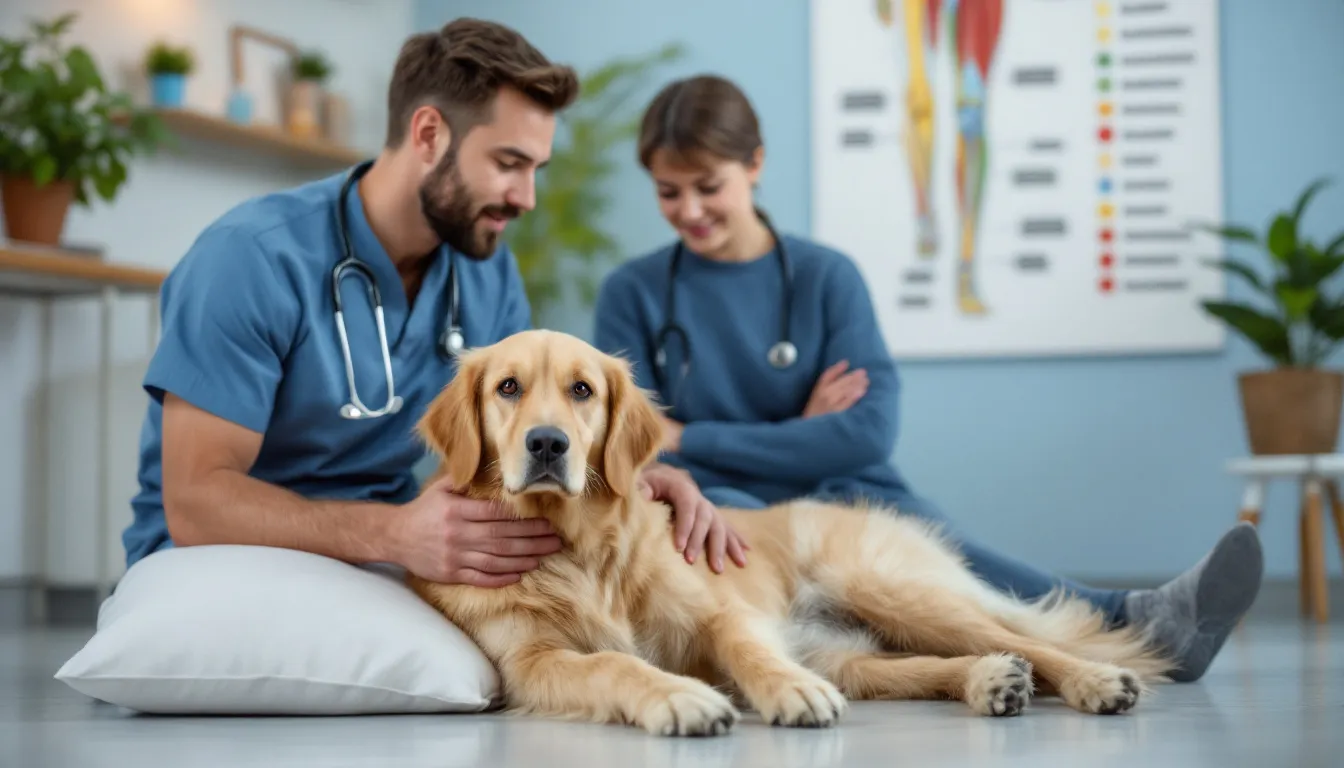
Diagnosing the cause of hind leg weakness involves a thorough and systematic approach. A physical examination helps identify mobility issues and assess reflexes and muscle tone in dogs. Signs of hind-limb weakness in dogs include slow to rise, sinking on hind limbs, dragging the tops of the toes, and hind-end swaying. This initial assessment helps veterinarians determine the potential underlying causes and decide on further diagnostic steps.
Understanding your pet’s condition through thorough diagnostics is essential for effective treatment and management. Tailoring treatment to your dog’s condition based on diagnostic findings ensures that therapies and interventions address the specific health issues affecting your pet. Blood tests detect underlying issues like infections or metabolic disorders that might contribute to hind leg weakness. These tests offer valuable insights into your dog’s overall health and help pinpoint specific conditions affecting their mobility.
Neurologic assessments evaluate spinal cord function to determine if the weakness is due to nervous system-related issues.
Tests your veterinarian may recommend
Diagnosing sudden hind leg weakness usually requires more than watching how your dog walks. Your veterinarian may recommend a neurological examination to assess reflexes, pain response, coordination, and spinal cord function.
Depending on your dog’s symptoms, diagnostics may also include comprehensive blood panels, x-rays, tick-borne disease testing, urinalysis, or advanced imaging such as MRI or CT scan. These tests help identify whether the problem is orthopedic, neurological, metabolic, infectious, toxic, or related to the circulatory system.
An accurate diagnosis matters because treatment options vary widely. A dog with hip dysplasia needs a very different plan than a dog with spinal cord compression, severe hypoglycemia, toxin exposure, or a blood clot.
How to protect your dog while waiting for veterinary care
If your dog has sudden hind leg weakness, keep them as still and safe as possible until they are examined.
Do this:
- Stop activity right away
- Keep your dog away from stairs
- Move them onto a non-slip surface
- Use a towel, sling, or rear lifting harness if they need help standing
- Do not force your dog to walk
- Do not massage the spine or painful area
- Do not give human medications
- Call your veterinarian or emergency clinic
Your goal is to prevent further injury. Sudden hind leg weakness can involve the spinal cord, nervous system, joints, muscles, blood flow, or metabolic health, so guessing at home can delay the right treatment.
Worried about your dog’s hind leg weakness?
A free clinician consult can tell you what’s likely going on, and whether at-home care could help. No cost, no obligation.
Ella
Treatment Options for Hind Leg Weakness

Various treatment options are available for addressing hind leg weakness in dogs. Physical rehabilitation can improve range of motion and muscle mass. This includes exercises, massage, and other therapeutic techniques to enhance mobility and strength. Treatment for sudden hind leg weakness in dogs can include medications for pain and inflammation, surgery, and rehabilitation therapies such as physical therapy or acupuncture. Various supportive therapies can help manage a dog’s hind leg weakness and keep your pup’s legs strong, such as red light therapy, acupuncture, hydrotherapy, and physical rehabilitation.
Therapies like acupuncture, red light therapy, and hydrotherapy are used to manage a dog’s hind leg weakness and improve mobility. These therapies alleviate discomfort, improve circulation, and promote healing. Mobility aids such as hip braces can provide additional support.
How red light therapy can support recovery after diagnosis
Photobiomodulation, or PBM, also called red light therapy, low-level laser therapy, LED therapy, cold laser, and near-infrared therapy, refers to the same therapeutic category using light energy to influence cellular biology.
Red light therapy can help support some causes of hind leg weakness after a veterinarian identifies the diagnosis. It may help reduce pain, reduce inflammation, improve local circulation, and support tissue repair.
Learn more here: Science of Red Light Therapy.
Red light therapy may be helpful as part of a treatment plan for:
- Hip dysplasia
- Arthritis
- IVDD recovery support
- Joint pain
- Muscle strain
- Post-surgical recovery
- Mobility support
- Physical therapy comfort
It should not delay emergency care.
If a dog has sudden hind leg weakness from spinal cord compression, blood clot, toxin exposure, severe hypoglycemia, trauma, or serious illness, red light therapy is not the first step. Diagnosis comes first. Stabilization comes first.
Why Luma can help dogs with hind leg weakness
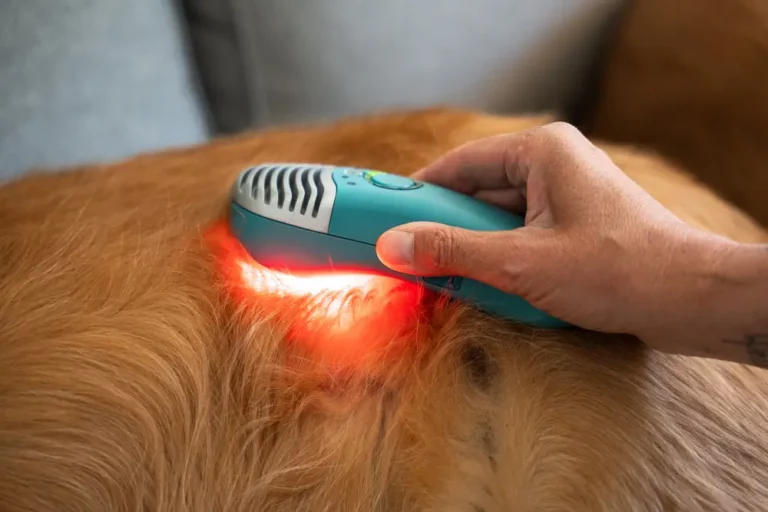
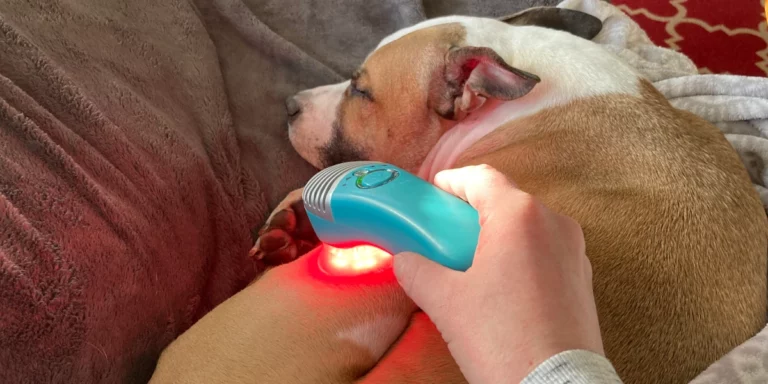
The MedcoVet Luma gives pet owners a way to support comfort and mobility at home once a care plan is in place.
Luma uses red and near-infrared light to support cellular activity, blood flow, inflammation control, and pain relief. It is non invasive, drug free, and designed for guided home use.
For dogs with chronic weakness, joint pain, hip dysplasia, arthritis, or IVDD recovery needs, Luma can be a helpful part of the larger plan, depending on your dog’s condition as assessed by a veterinarian.
Luma may support:
- Reduced pain
- Reduced inflammation
- Better comfort during movement
- Physical therapy tolerance
- Tissue repair support
- Joint comfort
- Muscle recovery
- Improved mobility over time
For broader guidance, visit Red Light Therapy for Dogs.
How to maintain hind leg strength long term
Once your veterinarian identifies the cause and your dog is stable, long-term support may help maintain hind leg strength.
Helpful steps can include:
- Keep your dog at a healthy weight to reduce stress on your dog’s hind legs and joints, which helps prevent weakness as they age
- Use low-impact exercise
- Build muscle gradually
- Use physical therapy when recommended
- Support healthy bones and joints
- Add rugs to slippery floors
- Use ramps for furniture or cars
- Schedule regular veterinary check-ins
- Use mobility aids when needed
- Watch for changes in gait, strength, or comfort
Maintaining a healthy weight is crucial for reducing stress on your dog’s hind legs and joints, helping prevent weakness as they age and supporting old dog’s hind legs for longer mobility.
Keeping your pup’s legs strong—and supporting an old dog’s hind legs—relies on exercise, weight management, and proper care tailored to your dog’s age, breed, condition, and comfort level.
MedcoVet’s clinical view on hind leg weakness
MedcoVet focuses on photobiomodulation protocols for dogs with pain, mobility issues, IVDD, hip dysplasia, arthritis, surgery recovery, and chronic inflammation.
Our clinical approach starts with safety. Sudden hind leg weakness needs veterinary evaluation because the underlying cause can be urgent.
Once the dog’s condition is diagnosed, red light therapy may fit into the treatment plan as supportive care. It can be a powerful tool for pain relief, inf
Preventative Measures for Maintaining Healthy Hind Legs

Keeping your dog’s hind legs healthy involves a combination of care and preventative measures. Maintaining a healthy weight is important to reduce stress on your dog’s hind legs and joints. Regular exercise like walking and swimming helps strengthen the muscles in your dog’s hind legs without overburdening the joints.
Avoiding strenuous exercise is also important, as it can lead to conditions like exercise-induced collapse, where dogs suddenly become weak and uncoordinated.
Following these preventative measures helps ensure your dog’s hind legs remain strong and mobile, supporting healthy bones and preventing issues like bunny hopping or improper foot positioning. Additionally, understanding various dog breeds can help in selecting the right companion for your lifestyle. Preventive care and strengthening exercises are key to supporting your dog’s hind legs and overall mobility, especially as they age and may experience issues with an old dog’s hind legs.
Questions pet owners ask about sudden hind leg weakness
Clinical summary
Mechanism:
Sudden hind leg weakness in dogs can arise from neurological, orthopedic, metabolic, cardiovascular, infectious, toxic, or traumatic causes. Acute spinal cord compression, severe hypoglycemia, aortic thromboembolism, tick paralysis, toxin exposure, and traumatic injury can cause rapid loss of hind limb function.
Evidence level:
Neurological examination, advanced imaging such as MRI or CT scan, and comprehensive blood panels are standard diagnostic tools for sudden hind limb weakness. Treatment depends on the underlying cause and may include surgery, medications, physical therapy, rehabilitation, or emergency stabilization.
When red light therapy works best:
Red light therapy works best after diagnosis. It may support dogs with hip dysplasia, arthritis, IVDD recovery, post-surgical weakness, or chronic mobility issues.
When not to use red light therapy:
Do not use red light therapy as a substitute for emergency veterinary care. Dogs with sudden paralysis, severe pain, collapse, toxin exposure, suspected spinal cord injury, inability to urinate, or rapidly worsening weakness need immediate veterinary care.
Get answers before guessing
Sudden hind leg weakness in dogs can be serious.
Your dog needs the right diagnosis, fast.
Once you know what is causing the weakness, you can build a safer plan for pain relief, mobility, and recovery support.
Want help thinking through your dog’s diagnosis and at-home support options?
Lucy

About the Author
Alon Landa is the CEO and co-founder of MedcoVet, a leader in at-home red light therapy for pets. With over 20 years of experience in medical technology and firsthand involvement in developing the Luma, Alon combines deep technical knowledge with a passion for improving pet health. He regularly collaborates with veterinarians and pet parents to advance photobiomodulation (PBM) care at home.
📍 Based in Boston, MA
📖Read more from Alon here

About the Medical Reviewer
Dr. Ronald Hirschberg has been the long term hospital director of the Brockton Animal Hospital, in Brockton, Massachusetts. He came to the hospital after graduating from The Ohio State University College of Veterinary Medicine, and served as medical director for more than 30 years. During his tenure, Dr. Hirschberg developed the facility into a full service hospital emphasizing surgery as well as medicine. His areas of interest include orthopedics, ophthalmology, dermatology, and Photobiomodulation or Red Light Therapy (previously known as Low Level Laser Therapy).
He is a recognized authority on Photobiomodulation and its application in companion animal medicine. His treatment protocols have been adopted for use by several light device practitioners and manufacturers. Dr. Hirschberg was invited to sit on a multi-day task force at the World Association of Photobiomodulation (WALT) international meeting in Nice, France in 2018 in an effort to create standardized protocols for several medical conditions.
Dr. Hircshberg is the author of PBMDVM a site dedicated to educating both clinicians and pet parents about the benefits of photobiomodulation in animal health.
📍 Based in Newton, MA
📖Read more from Dr Ron here

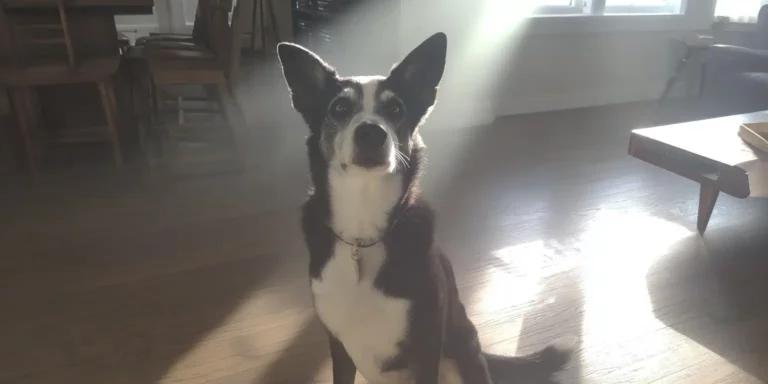




So I rescued this dog from a homeless and came in and at first the dog did not seem to sit on its feet it looked like it was very tired or maybe like dizzy almost and it was like kind of like walking like to the side almost a little bit and I carried him until I got home and then after I got home I am fed him and everything and he was fine he started you know acting normal jumping around doing the normal dog thing since then he’s been pretty normal but all of a sudden like he kind of just like stopped eating and now he has lost all control of his back legs it looks like kind of in a sense like he kind of like will get up and walk for a second and then like fall and like school it’s really weird so if you guys can please try to just help me give me a little bit of direction I’d really appreciate it
I just need help with why my dog lost the use of her back legs.