Natural Pain Relief for Dogs at Home
Not sure which natural option fits your dog?
Talk to a licensed MedcoVet clinician about your dog’s condition and get a personalized plan.


Severe pain, collapse, or a recent injury? See your vet now.
Written by: Alon Landa
Medically reviewed by: Marilyn J. Jerome, M.S., LVT
(Specialties: Critical care, post-surgical healing, pain relief, emergency medicine, arthritis, acute mobility, complex case management, IVDD, dysplasia, clinical operations, and otitis)
Reviewed: October 2026
Updated: October 2026
This page is part of MedcoVet’s clinical education library on photobiomodulation in veterinary medicine. It explains natural pain relief for dogs at home, how pain-relief methods are used in clinical practice, where red light therapy fits into treatment, and when veterinary guidance should come first.
What are the best natural pain relief options for dogs at home?
Natural pain relief for dogs at home covers a lot of ground. Think red light therapy, cold packs, weight control, physical therapy, gentle massage, diet tweaks, joint and fish oil supplements, and a few herbal options. The right choice depends on what’s actually causing your dog’s pain: chronic aches, sore joints, muscle strain, arthritis, trouble moving, or even anxiety. Matching the method to the root cause is key. Always check with your vet before starting something new.
Key Takeaways
- Natural pain relief for dogs can mean a lot of things: diet changes, gentle massage, and especially red light therapy. Red light therapy stands out for arthritis pain. It helps cut pain and inflammation right at home and can be a game-changer in your dog’s pain plan.
- A variety of natural pain relief options, including supplements and alternative therapies, can be combined with traditional care for best outcomes.
- Watch for pain in your dog by looking for changes in behavior, trouble moving, or physical signs. Spotting these early lets you step in fast.
- Red light therapy is safe, non-invasive, and helps your dog heal. It’s a solid addition to any pain management plan.
Introduction to Natural Pain Relief Options
Natural pain relief for dogs encompasses a variety of methods that aim to ease pain without depending heavily on pharmaceuticals, including natural remedies, natural supplements, and alternative therapies. These methods can include diet changes, physical therapy, innovative treatments like red light therapy, alternative therapies such as acupressure and acupuncture, and natural supplements. Consult your veterinarian to establish an accurate diagnosis and develop a comprehensive plan to manage your dog’s pain. Assessing your dog’s pain level will help customize the approach and address it naturally before starting any new treatment. Dog parents should be proactive in exploring safe, effective natural remedies and alternative therapies to manage their dog’s pain naturally, evaluating the dog’s pain level to choose the best natural options.
Among the options available, red light therapy functions as one of the best natural pain-relief options for dogs. It reduces pain and inflammation, supports healing, and is a natural anti-inflammatory modality that is safe to use at home.
This blog post will help you recognize pain in your dog, understand the benefits of red light therapy, and implement these treatments effectively at home.
For a more extensive overview of pain in dogs, including how red light therapy fits into a full treatment plan, see our main pain guide.
Natural pain relief works best when it is tied to diagnosis
Natural pain relief for dogs is most effective when it is built around the exact cause of the dog’s pain. A dog with arthritis pain, sore muscles, chronic conditions, mobility issues, or excessive licking may all need different natural pain relief options. In clinical practice, the goal isn’t just to relieve pain. The goal is to reduce pain, support healing, slow progression and improve pain control through the right mix of natural pain remedies, rehabilitation therapy, prescription pain medications when needed, and long-term pain management.
Signs Your Dog Might Be in Pain
Recognizing pain in your dog is the first step toward effective pain management. Because dogs frequently mask their discomfort, pet parents and pet owners need to assess their dog’s pain level to manage it properly. Anxiety-related discomfort can also show up as pain or tension, so recognizing this type of discomfort is important for effective pain management.
Key indicators can be behavioral changes, mobility issues, and physical symptoms. By correctly assessing your dog’s pain level, you can better understand it and take appropriate steps to manage it.
Behavioral Changes
Behavior is a big clue. If your usually friendly dog starts snapping, growling, or pulling away, pain might be the reason. Aggression, anxiety, or withdrawal often point straight to discomfort. Posture matters too. An arched back or low head or unusual tail position can mean pain. These small shifts are easy to miss, but catching them early helps you step in before things get worse.
Mobility Issues
Mobility issues clearly indicate chronic pain in dogs. Difficulty moving, limping, or reluctance to exercise are common symptoms. Regular activities like jumping on the couch or climbing stairs or getting into a vehicle, might suddenly become challenging. These activities can put extra stress on a dog’s joints, so protecting joint health is essential to support mobility. Maintaining a healthy dog’s body and supporting your dog’s joints are important for all-around mobility and comfort.
Short walks and light stretching can improve mobility and relieve pain. Additionally, healthy weight management reduces stress on joints, can increase longevity, support joint health, and provide many other health benefits. Monitoring your dog’s weight is important, as weight management is critical for reducing joint strain. Maintaining proper body weight can help dogs live longer, healthier lives; studies show that dogs at a healthy weight can live an average of two years longer than overweight dogs. (Kealy et al., 2002)
Physical Symptoms
Physical symptoms such as swelling, redness, or altered body posture can visibly indicate that your dog is experiencing pain. Certain natural pain-relief methods, such as cold therapy, can help reduce swelling and ease discomfort. These symptoms often appear in areas with inflammation, such as the joints.
An arched back or limp is your dog’s way of saying something’s wrong. Spotting these signs lets you act fast and manage pain before it gets worse.
The best natural pain relief for dogs
When it comes to natural pain relief for dogs, red light therapy is a major advance. This leading-edge treatment not only helps relieve pain but also promotes healing and reduces inflammation. Red light therapy is one of several natural pain remedies that can effectively relieve pain in dogs.
Let’s examine more closely why red light therapy might be the best option for your furry friend.
Why red light therapy is the best natural pain relief for dogs
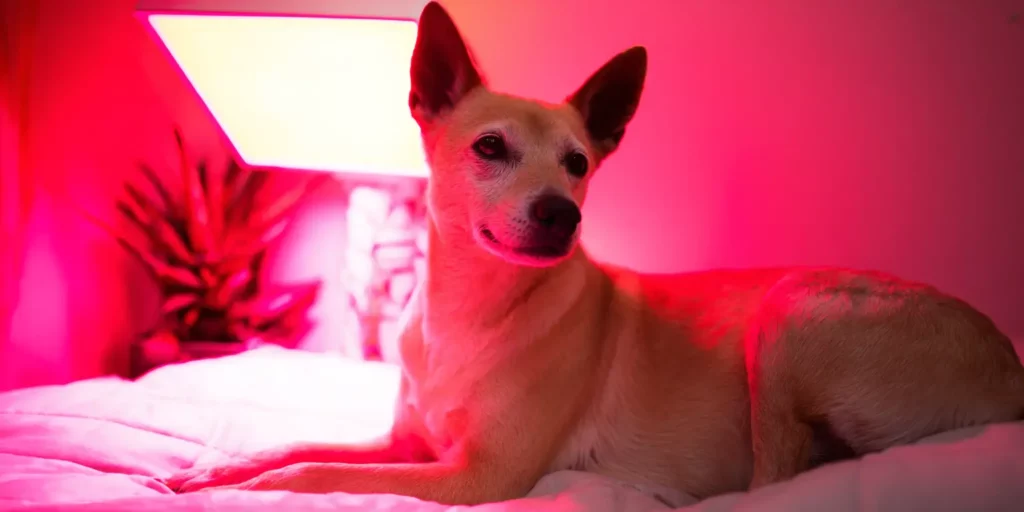
Red light therapy, or photobiomodulation therapy, applies specific wavelengths of light to address pain and inflammation. This therapy is popular for conditions like arthritis, muscle strains, and post-op recovery. The light penetrates deep into tissues, promoting cellular-level healing and stimulating blood flow. Red light therapy can also positively influence the nervous system, helping to reduce pain signals and facilitate relaxation. Additionally, pulsed electromagnetic field therapy is another method that can support recovery and wellness.
Red light therapy is flexible. You can use it with meds or rehab plans to get better results. Most dogs handle it well, and side effects are rare.
Getting red light therapy at home used to be tough. Now, new tech makes it easy and affordable. Regular, frequent sessions are what really help with pain and healing. It’s drug-free, no sedation needed, and safe for your dog.
For an in-depth overview of how PBM is used for arthritis pain, mobility issues, IVDD, dysplasia, and recovery support, see Red Light Therapy for Dogs.
When NOT to use Red light therapy for pain relief in dogs
While red light therapy provides many advantages, there are situations where it should not be used. Consult a veterinarian to ensure it’s appropriate for your dog’s condition. For instance, at high doses, red light therapy can accelerate cancer cell growth and should not be used over tumors without veterinary approval. (Godbold et al., 2017)
Additionally, due to insufficient research on its effects during pregnancy and nursing, it’s advised to avoid red light therapy in these cases. It is also vital to obtain a clear diagnosis before administering red light therapy, as it may mask serious underlying conditions.
Lastly, the therapy is not recommended for puppies under one year old because it may affect their developing bones. By knowing these contraindications, you can ensure red light therapy is used safely and safely for your dog’s pain management.
What is PBM and how does it fit into natural pain relief for dogs?
Photobiomodulation, also called PBM, red light therapy, low-level laser therapy, LED therapy, cold laser, and near-infrared therapy, refers to the same therapeutic category using light energy to influence cellular biology. In veterinary medicine, PBM supports pain relief, tissue repair, blood flow, and inflammation modulation. In dogs, it is often used to relieve pain from arthritis, chronic pain, joint pain, muscle pain, mobility issues, and post-surgical recovery as part of your dog’s broader pain management plan.
Results you can expect
When implementing red light therapy, pet owners can expect to see improvements over time. Typically, pain relief can be observed within a few sessions, but significant results often depend on the severity and nature of the condition being treated.
Consistency is everything. Short, frequent sessions beat long, rare ones every time. Stick with it, and you’ll see better movement, less inflammation, and a happier dog.
For a deeper review of wavelength selection, dosing logic, tissue depth, and mechanism, see Science of Red Light Therapy.
Meet the Luma
Wondering what a home routine would look like for your dog?
A clinician can walk you through placement, schedule and what to expect.
Hazel Moon
Natural pain relief for dogs at home, step-by-step
Providing natural pain relief for your dog at home includes a mix of methods customized to their particular needs. From red light therapy to gentle massage and dietary supplements, such as joint supplements and natural pain relievers like CBD oil, there are several effective methods to consider. Adding these supplements in your dog’s diet can further benefit pain relief and overall health, and many can be mixed into your dog’s food to make administration easy and ensure your dog’s food supports their joint and pain management needs.
Red light therapy at home
Administering red light therapy at home requires an individualized strategy that evaluates each pet’s unique requirements and circumstances. Custom protocols are necessary, as a generic approach may not be effective.
One challenge with red light therapy is making sure the light penetrates the fur to reach the skin and tissues. Tests have shown that even short hair can significantly reduce the amount of light that penetrates, making fur density an essential factor in the therapy’s effectiveness. Frequent short sessions can greatly improve pain relief, promote wound healing, and improve mobility.
With a home device, you can treat your dog more often, and that’s what really helps healing. The right dose depends on what you’re treating and your goals. Stick to low or moderate doses; too much light can actually slow things down.
Other helpful home methods
Besides red light therapy, there are several other effective home methods for providing natural pain relief listed below, including their pain-relieving properties:
- Gentle massage can improve blood flow, reduce pain and stiffness, and relax muscles.
- Heat therapy helps dilate blood vessels, promoting blood flow and facilitating healing in sore or tense muscles.
- Dietary changes, such as omega-3 fatty acids, collagen, and glucosamine, can promote joint and cartilage wellness.
- Weight management by controlled exercise and diet reduces strain on joints — always consult your vet before adding new fish oil supplements or other additions.
- Orthopedic beds or ramps can help senior dogs with pain control and mobility.
These natural methods can be used alongside or as alternatives to traditional medications, always under veterinary guidance.
Diet modifications for your dog’s health
Thoughtful diet changes can greatly affect your dog’s pain management, especially for those dealing with chronic or joint pain, including arthritis. A well-balanced diet rich in nutrients that support joint health, such as omega-3 fatty acids, glucosamine, and chondroitin, can help reduce inflammation and encourage overall health. Joint supplements such as glucosamine and chondroitin sulfate are commonly used to support and protect cartilage, decreasing the risk of painful joint conditions in dogs. Omega-3 fatty acids, particularly EPA and DHA, are essential for dogs and have potent anti-inflammatory effects, making them especially beneficial for joint health and arthritis management. These nutrients are known for their anti-inflammatory properties, which can help decrease pain and improve your dog’s mobility.
Keeping your dog at a healthy weight matters. Extra pounds stress the joints and make pain worse. Portion control and regular exercise go a long way to reduce inflammation and keep joints healthy.
Consult your veterinarian to create a personalized diet plan customized to your dog’s specific needs. They can recommend the best dog food or supplements to address your dog’s pain and ensure they get all the nutrients needed for optimal health. With the right diet modifications, you can help control your dog’s pain naturally and improve their quality of life.
Using green lipped mussel for joint support
Green lipped mussel is a powerful natural supplement that can provide significant relief for dogs with joint pain and help overall joint health, especially for arthritis pain. This unique shellfish is rich in anti-inflammatory properties and glycosaminoglycans (GAGs), which are key to preserving healthy cartilage and joint function. Green lipped mussel is also rich in omega-3 fatty acids, providing anti-inflammatory benefits that help reduce pain and inflammation in dogs. By reducing inflammation and supporting the structure of your dog’s joints, green lipped mussel can help improve mobility and decrease pain.
You can use green lipped mussel with other natural pain relief, like red light therapy or diet tweaks, for a full plan. Add it to your dog’s food or give it alone, but always check with your vet for the right dose.
Adding green-lipped mussel to your dog’s routine can ease pain, cut down on meds, and keep joints healthy for the long haul.
Herbal remedies and dosing for dogs
Herbal remedies are often discussed as natural pain relief options for dogs with chronic pain, joint pain, arthritis pain, sore muscles, and other chronic conditions. Some contain compounds with natural anti-inflammatory properties and may support pain relief when used as part of a veterinarian-guided dog’s pain management plan.
However, herbal medications are not dosed the same way as prescription pain medications. The appropriate amount may vary depending on the dog’s body weight, health history, other pain medications, and the concentration and form of the product. A fresh root, powdered herb, standardized extract, and combination supplement may contain very different amounts of the active compounds. For that reason, dose based on the specific product and your veterinarian’s recommendation rather than converting a human supplement into a dose for your dog.
| Herb or supplement | Why it may be used | Dosing guidance | Important cautions |
|---|---|---|---|
Turmeric / curcumin | Curcumin is a natural anti-inflammatory molecule found in turmeric, studied for its role in joint health and arthritis pain. | Canine research has used standardized curcumin extracts, but the amount of curcumin in whole turmeric powder varies considerably. Follow a veterinary product’s weight-based directions or your veterinarian’s recommendation rather than estimating from kitchen turmeric. | Can interact with medications and may affect clotting. Speak with your veterinarian before combining with NSAIDs, anticoagulants, or other pain medications. |
Ginger | Used in veterinary herbal medicine for nausea and discussed for anti-inflammatory and pain-relieving properties. | Fresh ginger, powders, capsules, and extracts have different concentrations. Use a veterinarian-recommended amount based on the product and your dog’s body weight. | Can cause GI upset; use cautiously with NSAIDs or anticoagulants. Avoid in dogs with known bleeding disorders unless directed by a veterinarian. |
Boswellia / frankincense | Commonly included in joint supplements intended to support joint health and mobility; studied in dogs with osteoarthritis. | Use a veterinary formulation according to its weight-based directions — study doses shouldn’t be applied to a different product. | Mild GI upset possible; some sources note a possible effect on blood clotting. |
Devil’s claw | Appears in some herbal formulas for dogs with arthritis pain or mobility issues. | No well-established universal canine dose across preparations. Best determined by a veterinarian trained in herbal medicine or traditional Chinese veterinary medicine. | Avoid unsupervised use, particularly with NSAIDs, other pain medications, or in dogs with GI disease or other chronic conditions. |
Licorice root | Used in some veterinary herbal formulas and traditional Chinese veterinary medicine. | Formulations and active compounds differ — use only according to veterinary guidance rather than a calculated home dose. | Can affect blood pressure, electrolyte balance, and medication activity. Extra caution with heart, kidney, or blood pressure concerns. |
CBD oil | Studied for pain control in dogs with osteoarthritis; may support some dogs with chronic pain or anxiety-related discomfort. | Dosing depends heavily on product concentration and composition. Ask your veterinarian to recommend an appropriate product and dose. | Products vary widely in composition and may affect liver enzymes or interact with other medications. |
Why herbal dosing varies so much
A common question from dog parents is how many milligrams of an herb to give based on a dog’s body weight. Unfortunately, weight alone does not determine a safe dose. For example, turmeric powder added to a dog’s food differs greatly from a standardized curcumin extract. The same applies to ginger root compared with concentrated ginger extract, or whole boswellia compared with a product standardized for specific boswellic acids. Two products labeled with the same herb may provide very different amounts of the compounds that produce the intended health benefits.
This is one reason many pet parents choose veterinary joint supplements or herbal formulas that already provide weight-based directions instead of combining individual herbal remedies themselves.
Can herbal remedies be combined with pain medications?
Sometimes, but you should discuss this with your veterinarian first. Natural remedies can still affect the dog’s body. Ginger, turmeric, boswellia, CBD oil, and other herbal medications may affect blood clotting, liver metabolism, blood pressure, the nervous system, or how other medications are processed. Avoid stacking several herbal products in an attempt to provide natural pain relief or combining them with prescription pain medications without veterinary guidance. More ingredients do not necessarily mean more effective pain relief. A veterinarian can help determine whether an herbal supplement may safely support pain relief alongside treatments such as laser therapy, physical therapy, rehabilitation therapy, cold therapy, heat therapy, joint supplements, fish oil supplements, weight management, or prescribed medication. For dogs with significant chronic pain, herbal remedies should support proper pain control rather than delay treatment that can more reliably relieve pain.
The three herbs below have the most direct canine dosing research behind them; the others in the table above are used more on general herbal-medicine principles and standard formulation guidance.
Turmeric/curcumin
Curcumin has been studied for its possible effects on inflammatory pathways and joint health. In one canine osteoarthritis study, dogs received curcumin at 4 mg/kg body weight twice daily for 20 days, with researchers reporting changes in the expression of genes involved in inflammation and connective-tissue development and function. This study supports biologic activity but does not establish 4 mg/kg twice daily as a standard pain-relief dose for dogs. (Colitti et al., 2012)
Other canine trials have evaluated different turmeric and curcumin preparations with mixed clinical results. A randomized, double-blind, placebo-controlled trial of a turmeric extract called P54FP found improvement in the investigators’ overall clinical assessment, but no significant difference in objective peak vertical force compared with placebo. (Innes et al., 2003)
Because curcumin concentration and absorption vary substantially between whole turmeric, powders, extracts, and formulated supplements, these study doses should not be converted directly into a home dose. Use a veterinary product according to its directions or ask your veterinarian for guidance.
Boswellia / frankincense
Boswellia serrata has been studied as an herbal supplement for dogs with chronic joint and spinal conditions. In an open multicenter clinical trial involving 29 dogs, researchers administered a standardized Boswellia resin extract at 400 mg per 10 kg of body weight once daily for six weeks. Among the 24 dogs eligible for efficacy analysis, 71% showed an overall response after two weeks, with reductions in signs such as lameness, local pain, and stiff gait reported during the study. (Reichling et al., 2004)
This finding applies to the specific standardized extract used in the study. Boswellia products can contain different concentrations of active compounds, so 400 mg per 10 kg should not be treated as a universal dosing recommendation.
CBD oil
CBD oil has also been studied as a natural pain-relief option for dogs with osteoarthritis, although overall evidence remains limited and results depend on the formulation used.
A randomized, placebo-controlled, veterinarian- and owner-blinded crossover study from Cornell University evaluated CBD oil at 2 mg/kg every 12 hours for four weeks in dogs with osteoarthritis. Dogs receiving CBD showed considerable improvements in owner-reported pain and activity scores, as well as lower veterinary pain scores. Blood testing also showed a significant increase in alkaline phosphatase (ALP) during CBD treatment, even though owners did not report clinical side effects. (Gamble et al., 2018)
Another canine osteoarthritis study also used 2 mg/kg every 12 hours, this time as part of a multimodal pain-management plan, and reported improvements in several pain measures compared with the group getting standard treatment alone. (Brioschi et al., 2020)
The wider evidence is still uncertain. A systematic review and meta-analysis found that CBD may reduce osteoarthritis pain scores in dogs. Still, they rated the certainty of the evidence as very low and noted reports of asymptomatic increases in ALP in several studies. (Limsakul et al., 2023)
For that reason, these research doses should not be presented as a universal CBD dose. Product composition varies, and CBD may interact with other pain medications or affect liver enzymes.
Other therapies that may support natural pain relief for dogs
Natural pain relief for dogs can include several non-drug and alternative therapies in addition to red light therapy. Depending on the diagnosis, therapies such as pulsed electromagnetic field therapy, veterinary chiropractic care, hydrotherapy, and structured physical therapy may help decrease pain, improve mobility, strengthen the dog’s body, or support recovery.
These pain relief methods can also be combined. A veterinarian or canine rehabilitation professional can assist in determining which options make sense based on the dog’s pain level, physical symptoms, mobility issues, age, and diagnosis.
| Therapy | What it involves | When it may be considered | Home accessible? | Important considerations |
|---|---|---|---|---|
Pulsed electromagnetic field therapy (PEMF) | Pulsed electromagnetic field therapy uses controlled electromagnetic pulses delivered through a mat, loop, pad, or other device. It is being studied for effects on pain, inflammation, mobility, and tissue recovery. | Chronic pain, arthritis pain, joint pain, and selected musculoskeletal conditions. | Sometimes. Home PEMF mats and devices are available, although protocols and device specifications vary. | Veterinary evidence is growing, but protocols are less standardized than some established rehabilitation therapies. Discuss use with your veterinarian, particularly if your dog has an implanted electronic device or a complex medical condition. |
Veterinary chiropractic care | Animal chiropractic care uses hands-on assessment and controlled manipulation of joints and the spine. | Certain mobility issues, restricted movement, back or neck discomfort, and compensatory movement patterns. | No. Treatment should be performed by an appropriately trained veterinary or animal chiropractic professional. | Chiropractic treatment should follow an appropriate veterinary assessment. Pain caused by fractures, neurologic disease, infection, spinal instability, or other serious conditions requires diagnosis before manual treatment is considered. |
Hydrotherapy / underwater treadmill | Water supports part of the dog’s body weight while resistance helps build strength. An underwater treadmill allows controlled walking with less loading on the dog’s joints than many land-based exercises. | Rehabilitation therapy after some orthopedic or neurologic injuries, arthritis, muscle loss, mobility problems, conditioning, and weight management. | Usually no. Underwater treadmills are typically found at veterinary rehabilitation facilities. | Exercise level and water depth should be selected for the individual dog. Dogs recovering from surgery or dealing with neurologic or cardiac conditions should have veterinary or rehabilitation supervision. |
Structured physical therapy | Physical therapy may include controlled exercises, range-of-motion work, strengthening, balance exercises, massage, and other rehabilitation methods. | Chronic pain, muscle pain, weakness, arthritis, post-surgical recovery, and mobility issues. | Partly. A professional may prescribe exercises that dog parents can continue at home. | Exercises should match the diagnosis. The wrong activity or intensity can increase discomfort rather than reduce pain. |
Pulsed electromagnetic field therapy for dogs
Pulsed electromagnetic field therapy, or PEMF, uses controlled electromagnetic fields and is being studied as a non-drug option for chronic pain, arthritis pain, and mobility issues in dogs. Recent canine research provides encouraging results, although the evidence base is still small.
A 2025 randomized clinical study evaluated 20 dogs with radiographically confirmed hip osteoarthritis. Ten dogs received PEMF therapy for 30 minutes twice weekly for five weeks, while 10 dogs received no intervention. The PEMF group showed significant improvement in several pain measurements over the treatment period, including Canine Brief Pain Inventory scores. (Kühl et al., 2025)
A separate 2025 randomized, double-blind, placebo-controlled trial studied 21 dogs with chronic osteoarthritis. Dogs receiving PEMF showed a statistically significant improvement in objective gait symmetry by day 42. Owner-reported LOAD scores also declined in the treatment group, though differences between the PEMF and placebo groups were not statistically significant for that measure. (Šutalo et al., 2025)
A 2026 randomized comparative pilot study compared PEMF with the NSAID mavacoxib in 16 dogs with osteoarthritis. The PEMF group showed earlier improvements in pain, lameness, and muscle circumference, but no significant differences between groups were found for gait or radiographic outcomes. The authors described the findings as preliminary given the small sample and short follow-up. (Sassaroli et al., 2026)
Another 2026 study evaluated bedinvetmab alone versus bedinvetmab combined with physiotherapy, including both photobiomodulation and PEMF, in 30 dogs with hip osteoarthritis. Because the rehabilitation group combined PEMF and photobiomodulation, this study cannot isolate the individual contribution of PEMF. (Cidral et al., 2026)
Taken together, these studies suggest pulsed electromagnetic field therapy may support pain relief and mobility in some dogs with osteoarthritis. Study populations remain small, treatment protocols differ considerably, and additional research is needed before a single PEMF protocol can be considered standard for canine pain control.
Veterinary chiropractic care
Veterinary chiropractic care focuses on joint and spinal movement and may be considered for selected dogs with stiffness, abnormal movement patterns, or musculoskeletal discomfort.
An appropriately trained professional should perform it. Pain and mobility problems can have many causes, including arthritis, muscle injury, IVDD, neurologic disease, fractures, and other conditions that require different treatment. A clear diagnosis helps determine whether manual therapy is appropriate.
When looking for a practitioner, dog parents can ask about veterinary credentials and animal chiropractic training, including certification through organizations such as the American Veterinary Chiropractic Association.
Hydrotherapy and underwater treadmill rehabilitation
Hydrotherapy is commonly used in canine rehabilitation because water changes how much weight a dog places through the limbs while providing resistance for exercise. An underwater treadmill helps dogs practice controlled movement while building strength, endurance, range of motion, and coordination.
This can be especially useful for senior dogs, dogs with arthritis pain, dogs recovering from some orthopedic procedures, and dogs whose body weight makes land-based exercise difficult.
Hydrotherapy may help with healthy weight management. Maintaining a healthy weight reduces unnecessary stress on the dog’s joints and can support joint health over time. A well-balanced diet rich in appropriate nutrients, controlled portions of the dog’s food, and a suitable exercise program can all help maintain a healthy dog’s body weight.
Combining Red Light Therapy With Other Therapies
Red light therapy does not have to be the only part of a dog’s pain management plan. Photobiomodulation (PBM) affects cellular processes involved in energy production, inflammatory signaling, blood flow, and tissue repair. Other therapies may address movement, joint loading, strength, biomechanics, or pain through different mechanisms. That makes PBM well suited to multimodal pain management, where several therapies are selected based on the cause of the dog’s pain rather than relying on a single method.
Research into veterinary PBM supports effects on mitochondrial activity, ATP production, nitric oxide signaling, and inflammatory pathways, although the exact mechanisms and ideal treatment protocols are still being studied.
Red light therapy + pulsed electromagnetic field therapy
Photobiomodulation and PEMF are two different physical therapies that may be used within the same rehabilitation plan. PBM uses red and near-infrared light to influence cellular signaling — proposed mechanisms include effects on mitochondrial cytochrome c oxidase, ATP production, nitric oxide, and inflammatory mediators. PEMF exposes tissue to pulsed electromagnetic fields, and its biological effects depend heavily on frequency, intensity, waveform, treatment duration, and the tissue being treated. Because those parameters vary considerably, PEMF should not be treated as a single standardized intervention.
Direct canine evidence now examines a rehabilitation program that included both therapies. A 2026 randomized comparative study followed 30 dogs with hip osteoarthritis receiving bedinvetmab — one group alone, the other with twice-weekly physiotherapy incorporating photobiomodulation and pulsed electromagnetic field therapy over a 90-day period. Both groups improved, but dogs receiving the combined rehabilitation program developed a significantly higher pain threshold earlier in treatment and showed greater improvements on algometry from day 30 onward. (Cidral et al., 2026)
Because PBM and PEMF were delivered together, this study cannot determine how much of the added benefit came from PBM, PEMF, their combination, or the more comprehensive physiotherapy program. It does, however, provide direct evidence that PBM and PEMF can be incorporated into the same multimodal treatment plan for canine osteoarthritis.
Timing: There is currently no well-established veterinary evidence showing that PBM and PEMF require a specific interval or that one must always be performed before the other. When both are prescribed, timing must follow the dog’s rehabilitation plan, device instructions, and veterinary guidance.
Red light therapy + veterinary chiropractic care
Veterinary chiropractic care and PBM address different parts of musculoskeletal care. Chiropractic treatment focuses on joint movement, spinal mechanics, and musculoskeletal function; PBM targets biological processes within the treated tissue that may influence inflammation, pain, and tissue recovery.
Direct canine research on combining the two is limited, but controlled veterinary evidence exists in horses. A randomized clinical trial involving 61 Quarter Horses with back pain compared low-level laser therapy, chiropractic care, and a combination of the two. Laser therapy reduced back pain, muscle hypertonicity, and trunk stiffness. The combined treatment produced similar reductions in pain along with additional decreases in epaxial muscle hypertonicity and trunk stiffness — the researchers concluded the combination appeared to have additive effects for some outcomes. (Haussler et al., 2020)
This study was performed in horses, so its results cannot be assumed to apply directly to dogs. It does support the wider use of PBM as part of multimodal veterinary musculoskeletal care rather than requiring it to be used alone.
Timing: There is not enough published canine evidence to establish a standard interval between a chiropractic treatment and PBM. A veterinarian or rehabilitation professional can determine timing based on the dog’s diagnosis, response to treatment, and overall rehabilitation plan.
Red light therapy + hydrotherapy or underwater treadmill
Hydrotherapy and PBM complement each other in different ways. Hydrotherapy and underwater treadmill exercise primarily work through controlled movement; water reduces the weight on a dog’s joints, while resistance builds strength, range of motion, coordination, and endurance. PBM addresses tissue biology rather than providing exercise, with proposed effects on inflammatory signaling, cellular energy production, circulation, and tissue recovery.
Strong published canine research directly comparing PBM plus hydrotherapy with either therapy alone does not appear to exist. For now, the rationale for combining them comes mainly from their different roles within rehabilitation therapy — for example, a dog recovering from orthopedic surgery might use an underwater treadmill to rebuild strength and movement while receiving red light therapy as part of a wider plan to support pain relief and tissue recovery.
Timing: There is no established evidence-based rule requiring PBM before or after hydrotherapy. Exercise intensity should be based on the dog’s condition and pain level, and treatment should not be used as a reason to push a dog beyond the activity prescribed by its veterinary rehabilitation team — therapies that decrease pain can sometimes make an animal appear ready for more activity before the underlying tissue is ready for the load.
Red light therapy + herbal support
Herbal remedies work differently from rehabilitation therapies because they’re generally given on an ongoing schedule rather than during a treatment session. Turmeric or curcumin, ginger, boswellia, and other herbal medications are often discussed due to their anti-inflammatory properties, and PBM can also modify inflammatory signaling, but through a different type of intervention.
There is currently little direct research testing whether specific herbal remedies and PBM provide greater pain relief when used together in dogs — their combined use is based more on multimodal pain management principles than on studies of a specific PBM-herb combination. The main safety consideration usually comes from the herbal supplement itself: some may interact with NSAIDs, anticoagulants, or other prescription medications, and could affect blood clotting, blood pressure, or drug metabolism. Those risks don’t appear to result from an interaction with red light itself, but they still matter when creating the dog’s complete pain management plan.
Timing: There is no established PBM-specific reason to separate an herbal supplement from a red light therapy session. Follow the dosing directions for the herbal product and confirm its use with your veterinarian, especially when the dog is also receiving prescription medications.
Why multimodal pain management can make sense
Different pain relief methods solve different parts of the problem. A dog with arthritis pain may have inflammation, reduced joint movement, muscle weakness, altered gait, excess body weight, and chronic pain at the same time — one therapy may help with one part of that problem while another addresses something different.
A multimodal plan could include:
- Red light therapy to support pain relief, inflammatory regulation, blood flow, and tissue recovery
- Physical therapy or hydrotherapy to restore strength and movement
- PEMF as another non-drug physical therapy option
- Veterinary chiropractic care when appropriate for movement or mechanical issues
- Weight management to decrease stress on the dog’s joints
- Joint supplements, fish oil supplements, or green-lipped mussel to support joint health
- Selected herbal remedies under veterinary guidance
- Prescription pain medications when stronger pain control is needed
The combination should depend on the diagnosis, dog’s pain level, mobility, other medications, and response to treatment. For pet parents trying to provide natural pain relief, the goal isn’t to use as many natural remedies as possible — it’s to choose pain relief methods that have a clear purpose within the dog’s pain management plan.
For more detail on how PBM works, see Science of Red Light Therapy. Treatment frequency and timing can also vary by diagnosis, tissue, and treatment goal, which is why MedcoVet uses custom red light therapy protocols rather than one standard schedule for every dog.
Choosing the right natural pain relief options
Many pet parents want to manage their dog’s pain naturally or reduce reliance on traditional pain medications when possible. Natural pain remedies can play an important role, but “natural” describes the source or method, not how strong or safe a treatment is.
The best natural pain relief approach depends on the diagnosis.
Joint pain may respond to a mixture of weight management, rehabilitation, joint supplements, green-lipped mussel, fish oil supplements, and therapies that support joint health. Muscle pain may respond better to controlled activity, physical therapy, massage, appropriate heat therapy or cold therapy, and treatments that improve blood flow. Excessive licking or anxiety-related discomfort may require evaluation of the dog’s skin, nervous system, joints, or underlying source of discomfort before choosing a pain relief method.
Pet parents should also consider whether the goal is to reduce inflammation, ease pain, support cartilage health, improve mobility, or manage a chronic condition. Those goals can call for different treatments.
Natural pain does not always mean mild pain. If a dog’s pain level is increasing, movement is becoming difficult, physical symptoms are worsening, or home care isn’t providing pain relief, veterinary evaluation should come first.
The safest way to provide natural pain relief is to use natural remedies and alternative therapies as part of a clear dog’s pain management plan, with traditional pain medications available when they are medically necessary.
What not to do
When managing your dog’s pain at home, keep these important precautions in mind. Always consult a veterinarian before using any new treatment or supplement, as some remedies can interact negatively with existing medications.
Avoid using heat therapy on injuries, as it can worsen inflammation. Cold therapy is often more effective for reducing swelling. When applying cold therapy, always protect your dog’s skin by placing a cloth or towel between the ice pack or cold compress and the dog’s skin to prevent frostbite or cold damage.
Never administer supplements, herbal remedies, or herbal medications without veterinary guidance, as improper usage can harm your dog. Avoid self-diagnosing your dog’s pain or condition, as this can lead to ineffective or harmful treatment choices.
Why choose MedcoVet Luma for home use
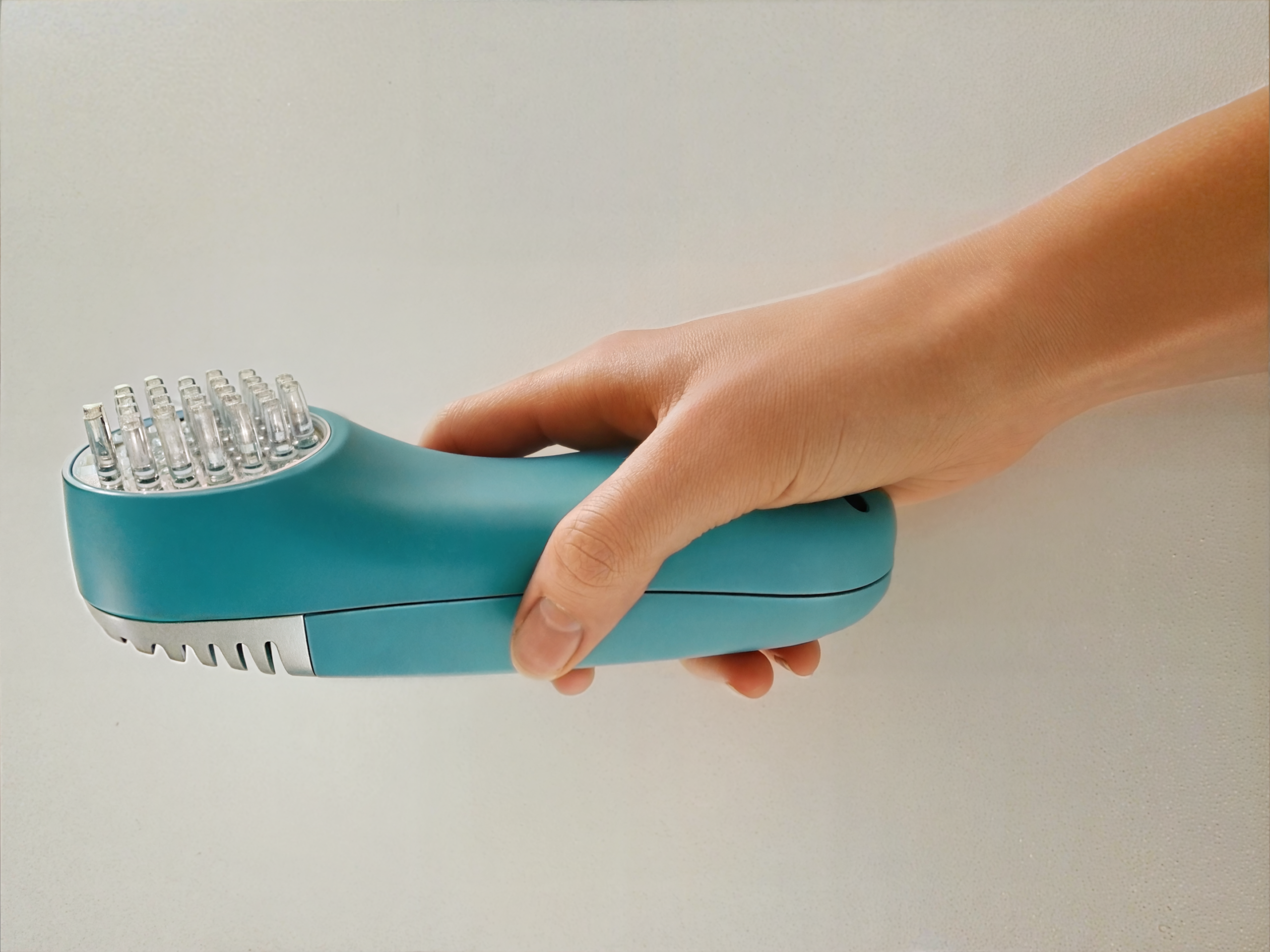
The MedcoVet Luma is an outstanding device designed specifically for pets to provide red light therapy. It is designed to address your dog’s pain and promote faster recovery effectively. It features:
- Advanced collimated LED technology, allowing deep penetration of light to reduce pain and inflammation effectively.
- Use of both red light for surface treatments and infrared light for deeper tissue therapy.
- Efficacy for various conditions such as arthritis, surgical recovery, and chronic inflammation.
What makes the Luma unique is its easy-to-use design. The device includes an optical comb attachment that parts the fur, ensuring the light reaches the skin and enhancing treatment effectiveness. MedcoVet Luma offers personalized treatment plans tailored to each pet’s needs, supporting optimal recovery and health.
It’s also the most budget-friendly clinical-grade device suitable for home use.
Real Dogs, Real Relief
The research above explains why red light therapy and multimodal pain management work. These are a few of the dogs it’s worked for.
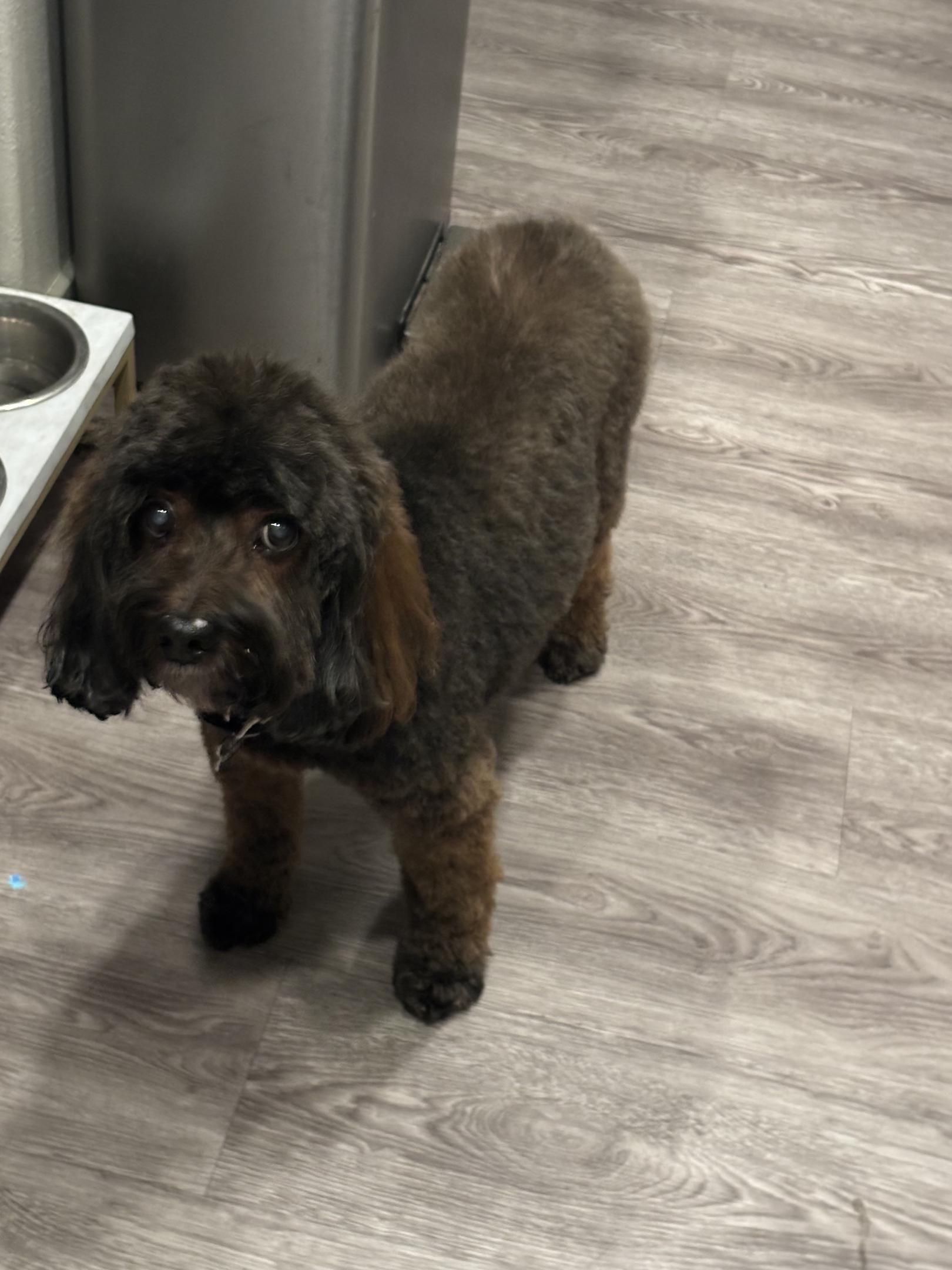
Lucky, 16 — hind leg shaking and collapsing.
“The Luma has really helped Lucky with the pain in his back legs. I would take him to go potty, and his little back legs would shake. He also was collapsing, and it was just heartbreaking. As soon as I started using this red light therapy from Luma, I really saw a difference, and now he doesn’t shake at all anymore and is living a much happier life.”
— Kristine, Lucky’s parent
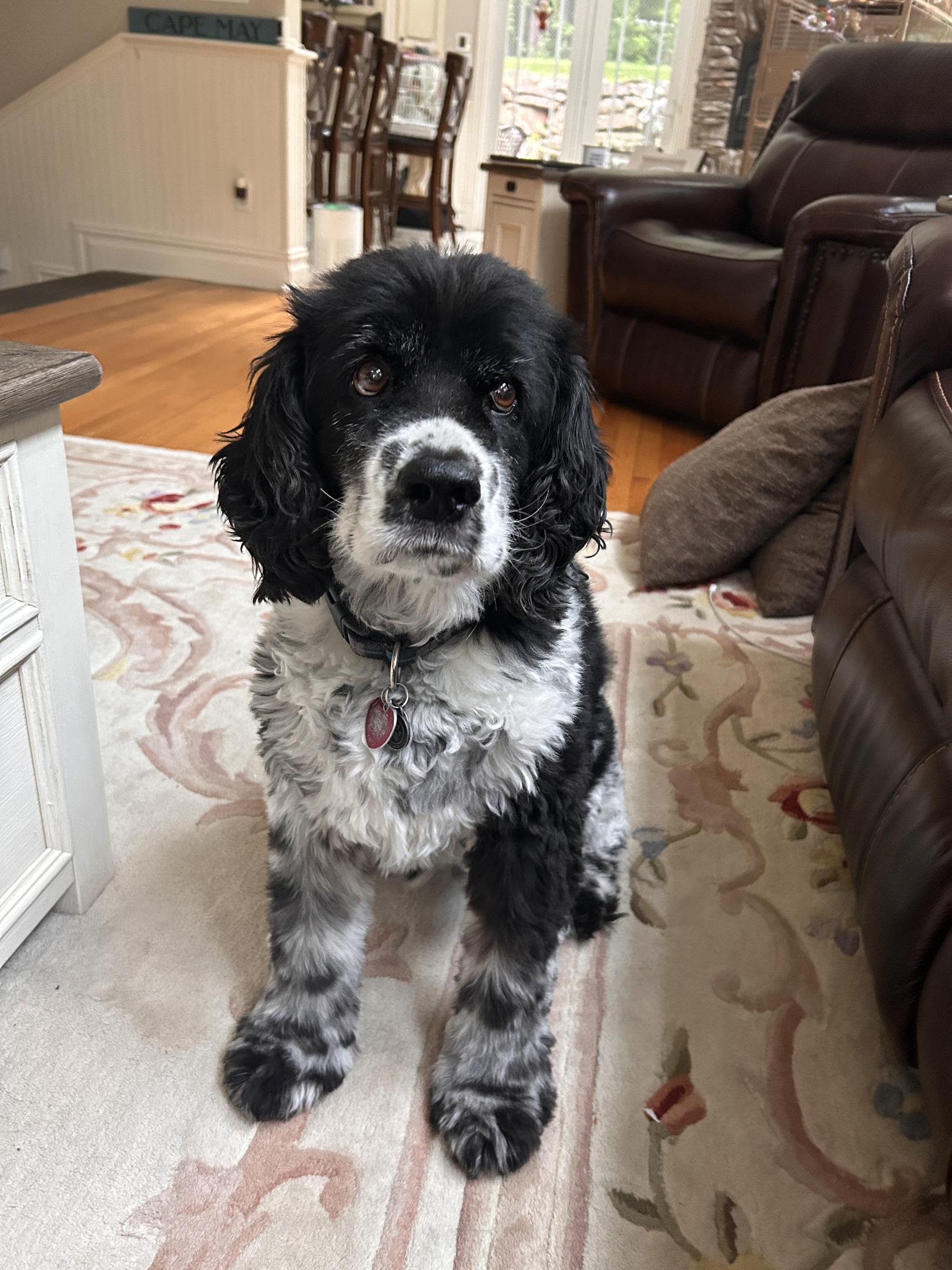
Teddy — IVDD, when medication wasn’t an option
“The Luma helped Teddy with his IVDD… He had many health issues and was unable to take most pain medications. This device greatly improved his quality of life… Teddy was also very stressed with any type of restraint or vet visits, so the fact that I could treat him at home while he was lying down was also extremely helpful.”
— Brianna, Teddy’s parent

Norman — chiropractic and red light therapy, week by week
“We couldn’t afford a $10,000 MRI, so I went the natural route and took him to an animal chiropractor… she’d adjust him and then the Luma device. Within a few weeks, Norman was able to stand again without help… By week 17 we turned a corner! Very slight limp and full weight on his front foot. We got our sweet Norman back.”
— Jennifer, Norman’s parent
More stories from MedcoVet families:
Individual results vary. These accounts reflect the experiences of specific pet owners and are not a substitute for the clinical evidence discussed above or for your veterinarian’s assessment of your dog’s condition.
Want to see if Luma could help your dog?
Talk to a clinician, free.
Spock
Clinical summary
Mechanism
Natural pain relief for dogs works through several pathways depending on the method used. Cold therapy may decrease pain and reduce inflammation by limiting blood flow to an irritated area. Heat therapy may support blood vessels, ease tense muscles, and help sore muscles relax. Physical therapy, rehabilitation therapy, and weight management can improve joint health, support cartilage health, and improve mobility. Photobiomodulation may support mitochondrial activity, ATP production, blood flow, inflammatory signaling, and tissue recovery.
Evidence level
Evidence is moderate to strong for selected non-drug pain relief methods in dogs, particularly weight management, physical therapy, rehabilitation therapy, and selected joint supplements for chronic conditions and arthritis pain. Evidence for PBM is moderate to strong in selected musculoskeletal and inflammatory conditions, particularly osteoarthritis, soft tissue injury, and post-surgical recovery. Evidence for herbal medications, CBD oil, and some alternative therapies is more variable and depends on formulation, dosing, and diagnosis.
When it works best
Natural pain relief options work best for chronic pain, joint pain, arthritis pain, sore muscles, mobility issues, post-surgical support, and selected inflammatory conditions. Many pet parents use natural pain relief methods to support pain relief at home, especially for senior dogs, aging dogs, and dogs that need long-term support.
When not to use
Natural pain relief should not replace diagnosis when severe symptoms, sudden collapse, major trauma, neurologic decline, uncontrolled pain, or systemic illness are present. PBM should not be used casually over unexplored masses, untreated infection, diagnosed cancer or situations where the cause of pain is still unclear. Certain herbal remedies, CBD oil, and supplements may also interact with prescription pain medications or affect blood pressure and should be discussed with a veterinarian first.
Limitations
Natural pain relief for dogs is not a substitute for appropriate treatment, surgery when indicated, or prescription pain medications when needed. Clinical response varies based on the dog’s pain level, dog’s body weight, diagnosis, tissue depth, treatment consistency, dog’s diet, and the rest of the pain management plan.
Final Thoughts
Recognizing and managing your dog’s pain is essential to their overall well-being. Natural pain relief methods, particularly red light therapy, offer effective solutions with minimal side effects. Natural remedies can be a safe, gentle way for dog parents to address their dog’s pain, but it’s important to take a complete approach to your dog’s pain management. Effective natural pain relief for dogs includes a combination of nutritional supplements, physical therapies, and lifestyle management. Through understanding the signs of pain, using appropriate treatments, and consulting with your veterinarian, you can greatly improve your dog’s quality of life.
“When pain management is delivered with a plan that incorporates various modalities, we give our pets a better chance of an improved quality of life as a result.” -Marilyn Jerome MS, LVT
Incorporating red light therapy into your dog’s pain management plan can result in remarkable improvements. With the appropriate tools and knowledge, you can help your furry friend live a happier, healthier life.
Clinical questions pet owners ask about natural pain relief for dogs at home
Ready to see if red light therapy fits your dog’s pain plan?
You’ve seen the natural options. The next step is matching them to your dog. In a free consult, you’ll talk to a MedcoVet clinician about your dog’s condition and get a personalized plan.
Ella
See Luma pricing · Meet the Luma · Why consults matter
Evidence Citations
🐾 Ready to Take the Next Step?
Whether you’re just learning or ready to act — we’ve got you.
👉 Book a Free Consult
Talk to a licensed clinician about your pet’s condition and get a personalized plan. No pressure, just real help.
👉Learn More About the Luma
Explore how our at-home red light therapy device works, why it’s different, and what it can do for your pet.

About the Author
Alon Landa is the CEO and co-founder of MedcoVet, a leader in at-home red light therapy for pets. With over 20 years of experience in medical technology and firsthand involvement in developing the Luma, Alon combines deep technical knowledge with a passion for improving pet health. He regularly collaborates with veterinarians and pet parents to advance photobiomodulation (PBM) care at home.
📍 Based in Boston, MA
📖Read more from Alon here

About the Medical Reviewer
Marilyn J. Jerome, M.S., LVT
Clinical Focus: Critical care, post-surgical healing, pain relief, emergency medicine, arthritis, and complex case management.
Marilyn J. Jerome brings over 25 years of experience in veterinary medicine, specializing in emergency care, critical care, and specialty veterinary nursing. A graduate of the Bel-Rea Institute of Animal Technology, she spent a decade providing emergency and intensive nursing care before expanding into specialty medicine at BluePearl Pet Hospital.
Her career includes working alongside specialists in internal medicine, oncology, neurology, and critical care, as well as supporting community veterinary programs throughout New York City. Marilyn also holds a Master of Science in Health Informatics from National University, combining extensive clinical expertise with a commitment to improving patient outcomes.