🐾 Free Vet-Reviewed Quiz: See If Red-Light Therapy Can Help Your Pet — Spots Fill Fast →
Contraindications for Red Light Therapy: Know When to Hit Pause
Written By: Alon Landa Reviewed: April 2026 Updated: April 2026
Photobiomodulation (PBM) is remarkably safe, but safe never means risk-free. Red light therapy is generally considered safe when used properly, especially for short term use, but long-term safety data is still limited. Certain situations call for caution or a clear “not now.” Below is your evidence-backed checklist before you reach for red-light therapy.
What are the Main Contraindications for Red Light Therapy in Pets?
Red light therapy is generally very safe, but certain situations require caution or avoidance. Pets with cancer, undiagnosed pain, pregnancy or nursing status, or those under one year of age may need modified treatment or should avoid therapy entirely. Understanding these contraindications helps pet owners and clinicians use photobiomodulation more safely and effectively.
Introduction to Red Light Therapy
Red light therapy, also known as low-level laser therapy (LLLT) or low-power laser therapy, is a non-invasive treatment that harnesses the power of specific wavelengths of red light to stimulate natural healing processes within the body. In recent years, this therapy has gained significant attention for its ability to promote cell growth, accelerate wound healing, and support skin rejuvenation and hair growth. By delivering light in the 630-700 nanometer range, red light therapy devices penetrate the skin and underlying tissues, where the energy is absorbed by cells and used to boost blood circulation and reduce inflammation. This gentle, drug-free approach to healing is now widely used in both human and veterinary medicine, offering a promising option for those seeking to enhance recovery, manage chronic pain, and improve overall wellness through targeted light therapy.
Safety and Effectiveness
The safety and effectiveness of red light therapy have been well-documented in numerous clinical trials and published studies. For most people and pets, red light therapy is considered safe, with a low risk of side effects when used as directed. The therapy has shown positive results in treating a variety of skin conditions, such as acne and wrinkles, as well as supporting hair regrowth and reducing chronic pain and inflammation. However, there are situations where red light therapy may be absolutely contraindicated—such as during pregnancy or in the presence of certain medical conditions—making it essential to consult with a healthcare professional or veterinarian before receiving treatment. Individuals with underlying health conditions or those taking medications should always seek guidance to ensure that red light therapy is appropriate for their specific needs. Overall, the growing body of scientific evidence supports the effectiveness of red light therapy for a range of health and wellness goals, provided it is used responsibly and under professional supervision.
Red Light Therapy Device Options
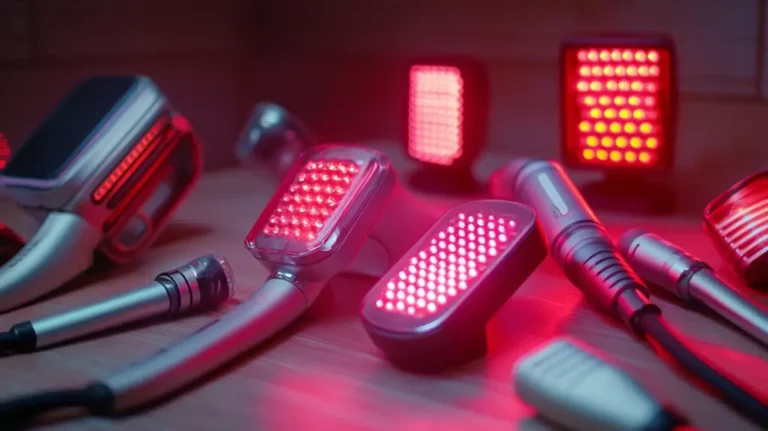
Today’s market offers a wide variety of red light therapy device options, from convenient at-home devices to advanced clinical-grade systems. When selecting a red light therapy device, it’s important to consider the specific wavelengths it emits, as these determine the depth of penetration and the type of benefit—whether for skin rejuvenation, hair growth, or relief from chronic pain and inflammation. Devices designed for particular treatments may vary in intensity and recommended duration, so matching the device to your needs is key. For safety and peace of mind, choose a device designed for animals, with published specifications and clinician support. Note that no red light therapy device for pets is FDA-cleared or approved. Whether you’re seeking to treat skin, pain, or hair concerns, the right device can make a significant difference in your therapy outcomes.
Usage Guidelines and Protocols
To get the most out of your red light therapy sessions, it’s essential to follow established usage guidelines and protocols. Consistency is crucial—most protocols recommend using the device on bare skin two to three times per week, with each session lasting between 10 and 20 minutes, depending on the device and the area being treated. Always wear eye protection during treatment to safeguard your vision from direct light exposure. Avoid using the device over clothing or makeup, as these can block the light and reduce the therapy’s effectiveness. By adhering to these best practices and consulting with a healthcare professional or veterinarian, you can maximize the benefits of red light therapy for your specific health conditions, ensuring safe and effective results with every session.
1. Cancer
Red and near-infrared light boost blood flow, ATP production, and cellular repair. Great for healing, not so great for tumors. Multiple in vitro studies show faster proliferation of cancer cells after low-level laser exposure, especially at higher doses.(PubMed, PubMed, PubMed) Professional guidelines advise never treating directly over a known malignancy, except for veterinarian-approved palliative care (for pain or oral-mucositis relief).
Bottom line: Skip PBM over or near tumors unless your vet-oncologist signs off.
2. Pregnancy or Nursing
Research on PBM during pregnancy is slim and mixed. A 2021 systematic review notes that most manufacturers still list pregnancy as a contraindication because fetal laser exposure has not been ruled out with animal or veterinary data. (PMC) A handful of human case reports suggest surface skin treatments look safe, but we lack studies on deep-tissue doses or lactation effects in dogs and cats. Until that gap closes, the safest play is to wait until mom is neither pregnant nor nursing.
Bottom line: No PBM over the abdomen or mammary area of pregnant or lactating pets.
3. Undiagnosed Pain
PBM calms inflammation and eases pain quickly. If the cause of pain is unknown, that rapid relief can hide a ticking time bomb, an infection, fracture, or other disease. The American Society for Laser Medicine and Surgery states that a clear diagnosis must come before treatment.(aslms.org)
Bottom line: See your veterinarian first to get an accurate diagnosis. No guessing!
4. Pets Under One Year
Growth plates stay open in puppies and kittens until roughly 12 months. Laser studies in young rats show dose-dependent changes in cartilage thickness, chondrocyte count, and even altered femur length.(PubMed, PubMed, PubMed) We do not yet know the long-term impact on skeletal and physiological development, as systems are still developing in companion animals.
Bottom line: Hold PBM until after the first birthday unless your veterinarian deems the benefits outweigh theoretical risks.
Prove It – Key Takeaways
Cancer cells multiply faster when exposed to certain PBM parameters. Use palliative PBM only under oncology guidance.(PubMed, PubMed)
Pregnancy data are sparse. Manufacturers and reviews still flag it as a precaution.(PMC)
Pain needs a diagnosis first to avoid masking serious disease.(aslms.org)
Developing bones react unpredictably to PBM in animal models. Delay until skeletal maturity or proceed with specialist input.(PubMed)
Abstract: “This study demonstrates that PBMT can have significant effects on the epithelial tissue of X. laevis. The PBMT-induced abnormal tissue structures represent a loss of tissue polarization and cellular organization along the tail edge, both of which are essential to maintaining tissue homeostasis.”
One Sentence Outcome: “This study demonstrates that PBMT can have significant effects on the epithelial tissue of X. laevis. The PBMT-induced abnormal tissue structures represent a loss of tissue polarization and cellular organization along the tail edge, both of which are…
Abstract: “Results indicated that PBM reduced the anti-fibrogenic effects of pirfenidone on CAFs and increased their viability. PBM compensated for inhibited migration-inducing effects of CAFs by pirfenidone on cancer cells and promoted their clonogenic potential.”
One Sentence Outcome: “Results indicated that PBM reduced the anti-fibrogenic effects of pirfenidone on CAFs and increased their viability. PBM compensated for inhibited migration-inducing effects of CAFs by pirfenidone on cancer cells and promoted their clonogenic potential.”
Abstract: “Results suggest that using PBM in breast cancer patients undergoing [conventional fractionation radiotherapy] does not influence the locoregional recurrence, the development of new primary tumors, or [overall survival].”
One Sentence Outcome: “Results suggest that using PBM in breast cancer patients undergoing [conventional fractionation radiotherapy] does not influence the locoregional recurrence, the development of new primary tumors, or [overall survival].”
Device Parameters: Wavelength: “Acute radiation dermatitis is a frequent adverse effect of radiotherapy, but standardisation of care for acute radiation dermatitis is lacking.
Due to the conflicting evidence and variability in current guidelines, a four-round Delphi consensus process was used to compile opinions of 42 international experts on care for people with acute radiation dermatitis on the basis of the evidence in existing medical literature.
Interventions for acute radiation dermatitis prevention or management that reached at least 75% consensus were recommended for clinical use.
Six interventions could be recommended for the prevention of acute radiation dermatitis: photobiomodulation therapy and Mepitel film in people with breast cancer, Hydrofilm, mometasone, betamethasone, and olive oil.”
Abstract: “The difference in the change in CARS scores between the two groups was 7.23 (95% CI 2.357 to 12.107, p = 0.011). Seventeen of the thirty participants completed at least two EEGs and time-dependent trends were detected.
In addition, an interaction between Active versus Sham and Scaled Time was observed in delta power (Coefficient = 7.521, 95% CI -0.517 to 15.559, p = 0.07) and theta power (Coefficient = -8.287, 95% CI -17.199 to 0.626, p = 0.07), indicating a potential trend towards a greater reduction in delta power and an increase in theta power over time with treatment in the Active group, compared to the Sham group.
Furthermore, there was a significant difference in the condition (Treatment vs. Sham) in the power of theta waves (net_theta) (Coefficient = 9.547, 95% CI 0.027 to 19.067, p = 0.049). No moderate or severe side effects or adverse effects were reported or observed during the trial.”
“These results indicate that tPBM may be a safe and effective treatment for ASD and should be studied in more depth in larger studies.”
One Sentence Outcome: “The difference in the change in CARS scores between the two groups was 7.23 (95% CI 2.357 to 12.107, p = 0.011). Seventeen of the thirty participants completed at least two EEGs and time-dependent trends were detected. In addition, an interaction…
Study Parameters: Sessions: 16
/ 8 weeks
Device Parameters: Wavelength: 850
Evidence Level: Randomized controlled trial
Study Type: Human (pediatric)
Randomized trial, double-blind
30 participants
⌛ 8 weeks
By Cressoni MDC; Casarotto RA; De Oliveira S; et al.
• 2010
• Journal: Photomedicine and Laser Surgery
Abstract: Preclinical rat study evaluating an 830 nm GaAlAs diode laser on epiphyseal cartilage. Histological analysis and radiographs showed increased epiphyseal cartilage thickness and increased chondrocyte number in laser groups, although total bone length did not change.
One Sentence Outcome: 830 nm GaAlAs laser altered epiphyseal cartilage thickness and chondrocyte number in rats, supporting caution near active growth plates.
Study Parameters: Rat epiphyseal cartilage was exposed to 830 nm GaAlAs laser and evaluated by histological analysis and x-ray radiographs for cartilage thickness, chondrocyte count, and bone length.
Abstract: Preclinical rat study evaluating 670 nm LLLT on epiphyseal growth. The study concluded that treatment under the tested parameters caused neither changes in epiphyseal cartilage areas nor final limb length.
One Sentence Outcome: This rat model found no growth-plate changes with 670 nm LLLT under the tested parameters, but it still belongs in a juvenile-growth safety evidence stack.
Study Parameters: Rat tibial growth plates were treated with 670 nm LLLT and assessed radiologically and histologically for epiphyseal cartilage area and final limb length.
Device Parameters: 670 nm low-level laser therapy; parameters applied to rat tibial growth plate.
Evidence Level: Preclinical animal safety study
Study Type: Controlled animal study
Outcome Direction: No observed growth-plate change under tested parameters
By Sperandio FF; Giudice FS; Corrêa L; Pinto DS Jr; Hamblin MR; de Sousa SCOM
• 2013
• Journal: Journal of Biophotonics
Abstract: In vitro study evaluating whether red and near-infrared LLLT could alter dysplastic and oral cancer cell behavior. LLLT modified proteins related to progression and invasion and was reported to potentially aggravate oral cancer cellular behavior through Akt/mTOR pathway modulation.
One Sentence Outcome: LLLT increased markers associated with aggressive behavior in dysplastic and oral cancer cell lines, supporting caution around known or suspected malignancy.
Study Parameters: Dysplastic oral keratinocyte and oral cancer cell lines were exposed to LLLT and evaluated for Akt/mTOR signaling, Cyclin D1, Hsp90, and markers related to progression and invasion.
Device Parameters: 660 nm and 780 nm low-level laser therapy; fluences reported in the PBM database include 2.05, 3.07, and 6.15 J/cm².
Abstract: The study evaluated effects of LLLT on osteosarcoma-like and lung carcinoma cell lines. Proliferation increased with additional applications and higher power output levels, leading the authors to caution that LLLT may activate precancerous cells or increase existing cancerous tissue in clinically undetected situations.
One Sentence Outcome: LLLT increased cancer-cell proliferation in vitro depending on power output and number of applications.
Study Parameters: Saos-2 osteoblast-like osteosarcoma cells and A549 human lung carcinoma cells were irradiated and cell proliferation was measured by MTT assay.
Device Parameters: Nd:YAG laser; power outputs of 0.5, 1, 2, and 3 W; one to three irradiations according to test group.
Abstract: In vitro study examining LLLT effects on head and neck squamous cell carcinoma cells. The authors reported that LLLT increased proliferation in a dose-dependent manner in HNSCC cells but not in normal epithelial tonsil cells.
One Sentence Outcome: LLLT stimulated dose-dependent proliferation in head and neck squamous cell carcinoma cells, supporting caution around malignant tissue.
Study Parameters: Head and neck squamous cell carcinoma cells and normal epithelial tonsil cells were exposed to LLLT and evaluated for proliferation response.
Device Parameters: Low-level laser therapy; dosing parameters varied in vitro.
🐾 Ready to Take the Next Step? Whether you’re just learning or ready to act — we’ve got you.
👉Book a Free Consult Talk to a licensed clinician about your pet’s condition and get a personalized plan. No pressure, just real help.
👉Learn More About the Luma Explore how our at-home red light therapy device works, why it’s different, and what it can do for your pet.
About the Author Alon Landa is the CEO and co-founder of MedcoVet, a leader in at-home red light therapy for pets. With over 20 years of experience in medical technology and firsthand involvement in developing the Luma, Alon combines deep technical knowledge with a passion for improving pet health. He regularly collaborates with veterinarians and pet parents to advance photobiomodulation (PBM) care at home. 📍 Based in Boston, MA 📖Read more from Alon here
Why Frequency Wins: The Case for At-Home Red Light Therapy Over Once-a-Week Vet Visits Written By: Alon LandaReviewed: April 2026Updated: April 2026 “Rose had been getting in-office deep laser treatments. The treatments were wonderful, but wore off pretty quickly. Thanks to the Luma, she gets more frequent treatments in more areas than ever before. She…
Photobiomodulation (PBM) already juggles wavelengths, power, and protocols. Now throw steroids like prednisone into the mix, and heads start to spin. A common claim floating around veterinary circles is: “Never use low-level laser therapy with prednisone.” Time to check the receipts. Why the Rumor Took Off In 2006 researchers zapped rodents with PBM after blocking…
Your Pet Needs a Custom Protocol Not a guess. A plan. You wouldn’t use someone else’s glasses prescription.You wouldn’t feed a Chihuahua the same amount as a Great Dane.So why use a one-size-fits-all red light therapy protocol for your pet? Here’s the truth: red light therapy (RLT), also called photobiomodulation, only works well when it’s…
The Bright Side of Light: Eye Safety, Collimated Light, and Ocular Benefits of Light Therapy Eye Safety, Collimated Light, and Ocular Benefits of Light Therapy Lucy Light powers life. In the right wavelength and dose, red light therapy is generally safe for the eyes when used correctly—even near the face—and that safety question matters because…
Red Light Therapy for Dogs at Home: What Actually Works Not sure if red light therapy is right for your dog? Get a quick, vet-informed answer in under 2 minutes. 👉 Take the Free Quiz: Is Red Light Therapy Right for Your Dog? Reviewed: April 2026Updated: April 2026 Does Red Light Therapy for Dogs at…
Shedding Light on Laser Therapy, Red Light Therapy, and Cold Laser Confused by laser vs red light vs cold laser?We break it down, then help you choose the right next step. A Brief History of Lasers and LED’s In the 1970s, lasers were all the rage in medicine. They were powerful enough to reach deep…
Provide your name and email and we’ll email you your comparison guide
Provide your name and email and we’ll email you your roadmap
Try a Luma
Complete the form below, and we’ll help you get started with Luma. Discover how it can bring comfort and joy back to your pet.
Try a Luma
Complete the form below, and we’ll help you get started with Luma. Discover how it can bring comfort and joy back to your pet.
Trustindex verifies that the company has a review score above 4.5, based on reviews collected on Google over the past 12 months, qualifying it to receive the Top Rated Certificate.