Dog ACL Surgery: Costs, Recovery, and Alternatives
Understand your options before you decide on surgery. Discover what recovery really looks like, what it costs, and how at-home red-light therapy can help dogs heal faster and hurt less.
Dog ACL surgery is a common procedure for repairing a torn ligament in your dog’s knee. ACL surgery cost is often a major concern for pet owners considering this procedure. This guide covers the essential details: costs, recovery, and alternatives.
Key Takeaways
- Cranial cruciate ligament (CrCL) injuries in dogs typically develop gradually and can lead to significant pain and mobility issues.
- When a dog develops an ACL injury, early recognition and intervention are crucial for good outcomes.
- Surgical intervention is often necessary for full recovery from torn ACLs, with costs varying widely based on location, provider experience, and procedure complexity.
- Non-surgical treatments like red light therapy can aid in recovery, and maintaining a healthy weight alongside proper rehabilitation can help prevent future ACL injuries.
- More than 50% of dogs that suffer one ACL injury may experience a similar injury in the opposite leg in the future.
Introduction

An ACL injury in dogs, or accurately, cranial cruciate ligament (CrCL) injury, is a common orthopedic problem that can lead to severe pain and mobility issues for your pet. The cranial cruciate ligament (CCL) is essential for knee stabilization, similar to the anterior cruciate ligament (ACL) in humans, and its rupture can result in significant lameness and discomfort, often associated with a dog’s knee injury, a cruciate ligament injury, and a cranial cruciate ligament rupture.
A torn CCL is the most common knee injury in dogs, frequently resulting from trauma or gradual wear and tear, and can lead to clinical issues such as lameness and arthritis. While surgery is often the go-to recommendation for repairing a torn ACL, it’s important to consider the associated costs and the recovery journey. Additionally, innovative treatments like red light therapy are emerging as both alternatives and supportive measures in the recovery process.
Let’s delve deeper into understanding these injuries and the options available for our pets.
Understanding the Dog’s ACL (CrCL)
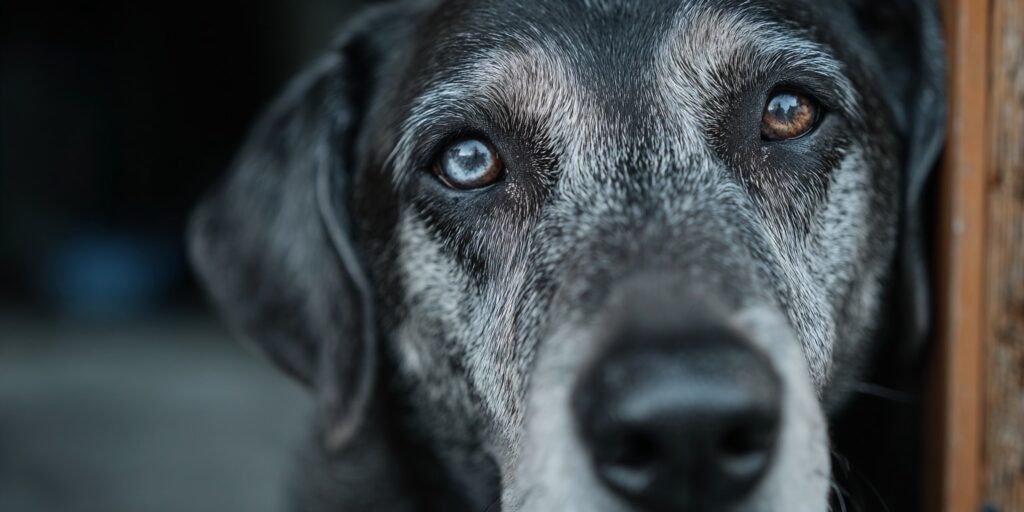
The cranial cruciate ligament (CrCL) is the veterinary term for what many refer to as the ACL in dogs, a common knee injury. It plays a vital role in stabilizing the dog’s knee joint, much like the anterior cruciate ligament (ACL) does in humans. The cranial cruciate ligament connects the femur to the shin bone (tibia), providing essential stability to the knee joint. This ligament helps the knee function smoothly, allowing your dog to run, jump, and play without pain, which can be affected by cranial cruciate ligament disease.
However, unlike in humans, where ACL injuries are often the result of sudden trauma, CrCL injuries in dogs typically develop gradually over time. The CrCL bears weight and experiences added stress whenever a dog is standing, making it more prone to degenerative changes and eventual rupture. Recognizing this difference is key to effective treatment.
When a dog suffers a torn CrCL, it can lead to instability in the knee, causing pain and lameness. The dog’s size and activity level can also influence the severity of the injury and the treatment approach required. CCL surgery is a common and effective treatment for restoring knee function in affected dogs. Early recognition of signs and symptoms can significantly improve treatment outcomes. A persistent limp in a dog, especially favoring a hind leg, is one of the primary indicators of a torn CCL.
Common Causes of Dog ACL Injuries

Aging is a significant factor contributing to the gradual degeneration of the CrCL in dogs, making them more susceptible to injuries as they grow older. This degeneration weakens the ligament over time, increasing the risk of dog tears. When a ligament is torn, it can severely impact the function and movement of the dog’s leg, often resulting in lameness and reduced activity.
Active dogs, especially those that engage in vigorous activities, are at a higher risk of ACL injuries due to the constant strain placed on their knees, which applies to most dogs. Certain breeds, such as Rottweilers and Labradors, are also more prone to CrCL injuries due to their genetic predisposition.
Additionally, a dog’s physical condition and weight play crucial roles in the risk of ACL injuries. Obesity adds extra stress to the knee joints, while poor physical condition can weaken the ligaments. Proper weight management and regular exercise can significantly reduce the risk of these injuries and help dogs bear weight more effectively.
Recognizing Signs of a Torn ACL in Dogs
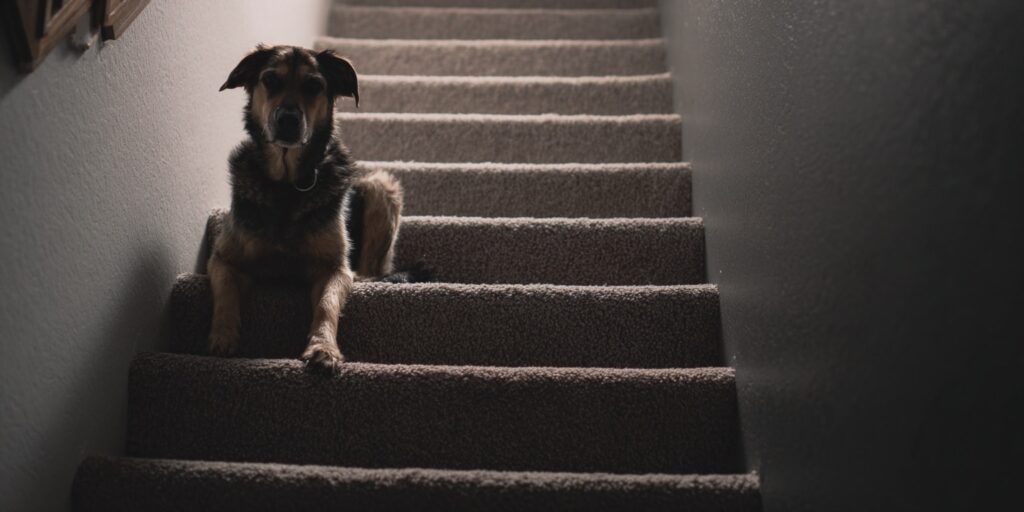
Behavioral changes that can indicate an ACL injury in your dog include:
Signs that a dog may need ACL surgery include persistent lameness, difficulty bearing weight on a hind leg, visible knee swelling, and reluctance to jump or play.
Behavioral changes that can indicate an ACL injury in your dog include:
- Reluctance to play or exercise
- Struggling to rise or climb stairs
- Audible sounds like popping or clicking from the knee
- Excessive licking near the injured knee, indicating discomfort
Recognizing these symptoms early and seeking veterinary care promptly can help manage the traumatic injury effectively and prevent further complications. Early intervention is key to ensuring your dog’s recovery and long-term health, so if you notice any concerning signs, be sure to vet immediately.
💡 Worried about your dog’s knee health?
Book a free consult to learn more about supportive care options you can use at home.
Mizzy
Diagnosing ACL Injuries in Dogs

When diagnosing ACL injuries in dogs, veterinarians typically start with a physical exam and palpation of the knee. The cranial drawer test is a primary diagnostic method that involves manipulating the knee to identify instability, indicating a torn ligament.
In some cases, sedation may be necessary to accurately perform certain diagnostic tests, such as the tibial compression test, which assesses the extent of ACL damage. X-rays are also useful in ruling out other conditions that can cause lameness, such as fractures or arthritis, including issues related to the femur and tibia bones.
For a more detailed examination, arthroscopy allows veterinarians to visually inspect the joint and assess the extent of the injury. In complex cases or when advanced diagnostic techniques are required, veterinary surgeons may be consulted to ensure the most precise evaluation and treatment planning. Veterinarians diagnose ACL injuries by palpating the dog’s knee and may use X-rays to rule out other conditions. These diagnostic methods provide a comprehensive understanding of the injury, enabling veterinary medicine vets to recommend the most appropriate treatment plan for your dog.
Treatment Options for Dog ACL Injuries
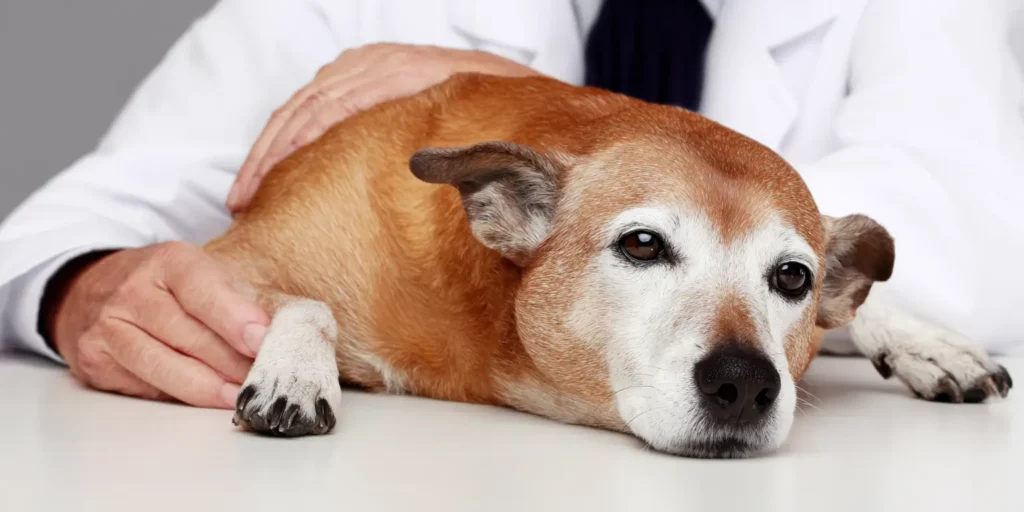
There are several treatment options available for dog ACL injuries, ranging from knee braces to a surgical procedure involving an artificial ligament. A torn ACL cannot fully heal without surgery due to the poor blood supply to the ligament.
Both non-surgical and surgical approaches are designed to help a dog heal and regain normal function, using methods such as physical therapy, crate rest, and medical interventions to support recovery. Surgical intervention is often recommended for dogs with torn ACLs to restore stability and function to the knee joint. Addressing partial tears promptly is crucial, as they can escalate to fully ruptured ligaments if left untreated. Effective treatment is essential to prevent complications and ensure your dog’s long-term health.
Traditional repair techniques are often chosen for smaller dogs or less active pets, while more advanced surgical techniques may be recommended for larger or highly active dogs. Different surgical techniques, such as TPLO and TTA, vary in complexity and cost but aim to restore knee stability after an ACL tear. This procedure involves moving beyond traditional methods.
Non-Surgical Treatments

For dogs that may not be good candidates for surgery due to age, health, or cost, there are conservative approaches that can still provide meaningful relief. These include weight management, activity modification, joint supplements, and physical therapy. Many veterinary clinics offer payment plans to help spread the cost of ACL surgery over time.
One promising non-surgical treatment is red light therapy. This approach uses specific wavelengths of red and near-infrared light to stimulate the body’s natural healing mechanisms. Research shows that red light therapy can:
- Reduce pain and inflammation by calming the overactive immune response around the injured joint.
- Boost cellular energy production (ATP), which accelerates the repair of ligament fibers and surrounding tissues.
- Improve circulation and lymphatic flow, ensuring injured tissues receive oxygen and nutrients while removing waste and swelling.
- Support joint stability by encouraging stronger tissue repair over time.
Unlike surgery, red light therapy is non-invasive and can be done safely at home. For some dogs, especially those with partial tears or mild instability, consistent red light therapy can help the ACL heal and allow the dog to regain mobility without the risks and costs of surgery.
MedcoVet’s Luma device is designed for at-home use and gives pet parents the ability to follow veterinary protocols consistently, which is key for results. Many pet owners use it not only as an alternative to surgery but also as an aid during recovery and rehab to shorten healing time and improve comfort.
Curious if red light therapy could work for your dog’s ACL injury?
Watch our 22-Minute Crash Course to learn how it helps pets heal at home.
Matilda
Dog ACL Surgery Options

When it comes to surgical options for dog ACL injuries, there are several techniques available. The most common types of ACL surgery for dogs include the lateral suture technique, tibial plateau leveling osteotomy (TPLO), and tibial tuberosity advancement (TTA).
Each surgical option has its pros and cons. For example, the lateral suture technique is often chosen for smaller or less active dogs due to its simplicity and lower cost. On the other hand, TPLO and TTA are more advanced procedures that provide better stability and are typically recommended for larger or more active dogs.
Discussing these options with a veterinary surgeon can help determine the best approach for your dog’s specific needs. Factors such as the dog’s size, activity level, and overall health play a role in deciding the most suitable surgical technique.
Cost of Dog ACL Surgery
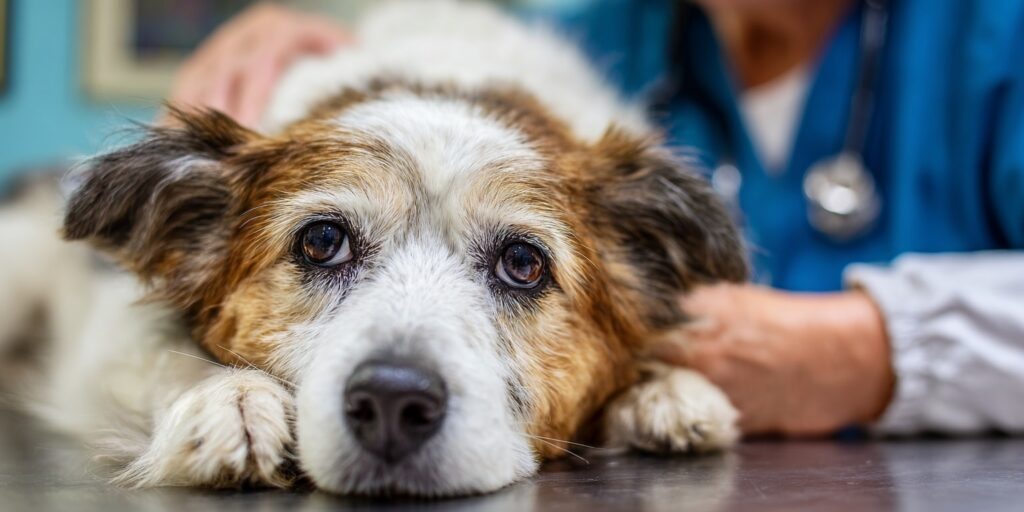
The cost of dog ACL surgery costs can vary significantly for different procedures, with typical expenses ranging from $1,500 to $7,000, highlighting what dogs cost for treatment. Factors influencing the cost include geographical location, the experience of the provider, and the complexity of the procedure. Urban veterinary clinics or those in areas with a higher cost of living typically charge more for ACL surgery.
Pre- and post-operative expenses, including diagnostics and rehabilitation, can significantly increase the total cost of ACL surgery. Obtaining detailed cost estimates from veterinarians aids in financial planning. Understanding the total costs, including pre- and post-operative care, is crucial for accurate budgeting.
When planning for a dog’s ACL surgery, it’s important to consider financial preparations such as pet insurance coverage, payment options, and assistance programs, as insurance may have limitations or exclusions for this procedure. Discussing budget and payment options with the care team before treatment ensures financial preparedness and helps avoid unexpected expenses.
Want to understand if surgery or home therapy is the better financial choice?
Download our Buyer’s Guide for a breakdown of costs and treatment options.
Spock
What’s Included in ACL Surgery Costs?
The cost of dog ACL surgery typically includes:
- Pre-operative tests
- Surgical fees
- Anesthesia
- Post-operative care
- Follow-up visits
These elements are essential for a successful surgery and recovery.
However, additional expenses like diagnostics, pain medication, rehabilitation, and follow-up care may not always be included in the initial cost. Post-operative costs can involve follow-up appointments, re-checks, and x-rays to monitor healing progress.
Reading the quote carefully and asking the vet about any additional potential expenses, including vet bills, can provide a clearer understanding of the total cost. Understanding the full scope of costs is essential for making informed decisions that support your pet’s health.
Financing Options for ACL Surgery
Facing the costs of ACL surgery in dogs can be overwhelming, but there are several financing options available to help pet owners manage these expenses. Many veterinary clinics understand the financial strain that ACL surgery can place on families and offer flexible payment plans or financing solutions directly through their offices. It’s a good idea to ask your veterinary surgeon about any in-house financing programs or partnerships with third-party providers.
One popular option is CareCredit, a credit card designed specifically for health and veterinary care expenses. CareCredit allows pet owners to pay for ACL surgery and related treatments over time, often with promotional interest rates. Additionally, some pet owners choose to use traditional credit cards or take out personal loans to cover the upfront costs of ACL surgery in dogs. Most veterinary clinics require payment upfront for ACL surgery before performing the procedure.
Pet Insurance and Financial Aid
Pet insurance can be a lifesaver when it comes to managing the costs of ACL surgery in dogs. Many pet insurance plans offer coverage for ACL injuries, including the surgical procedure itself, post-operative care, and even physical therapy or rehabilitation sessions. Depending on the policy, pet owners may be reimbursed for a significant portion of their veterinary bills, making it much easier to provide the best care for their furry friend. However, preexisting conditions may not be covered, so it’s important to review the policy details carefully.
When considering pet insurance, it’s important to review the details of each plan. Look for policies that specifically cover ACL surgery in dogs, and check if they include add-ons for physical therapy, pain medications, or other related treatments. Accident-only, comprehensive, and wellness plans each offer different levels of coverage, so choose the one that aligns with your pet’s health needs and your financial situation.
In addition to pet insurance, there are financial aid resources available for pet owners facing high veterinary costs. Some non-profit organizations and charitable funds provide grants or assistance for pets in need of ACL surgery and other critical treatments. Researching these options and applying for aid can help bridge the gap if insurance or personal funds fall short.
By combining pet insurance with available financial aid, pet owners can ensure their dog receives timely and effective treatment for ACL injuries, supporting a successful recovery and a return to an active, happy life.
Post-Operative Care and Recovery After ACL Surgery for Dogs
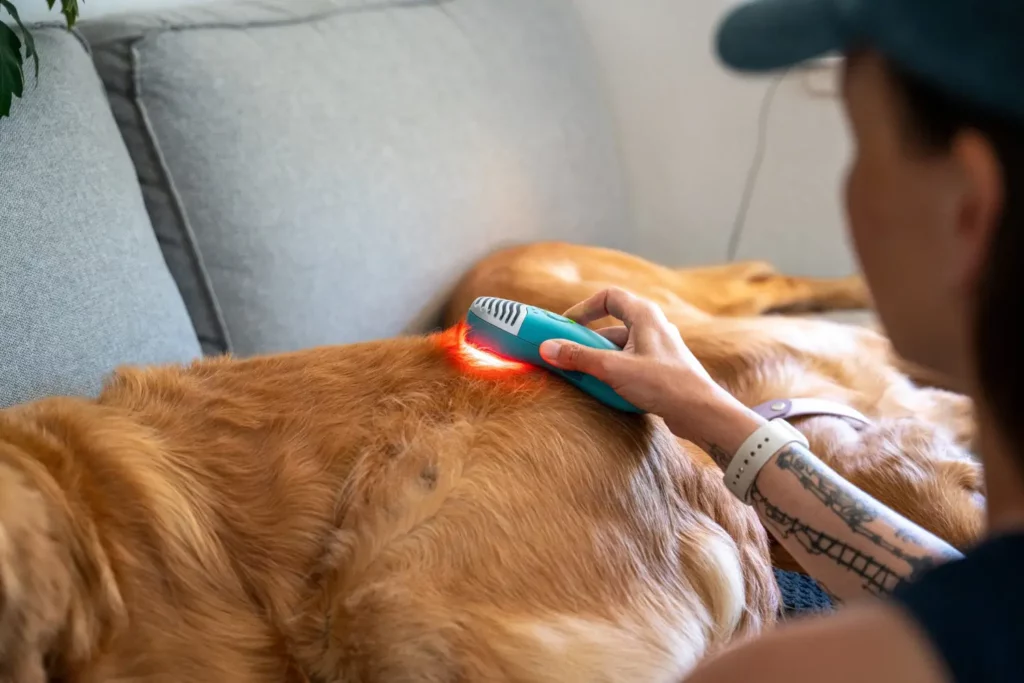
Post-operative care is crucial for a successful recovery after patients undergo ACL surgery, which may include strict crate rest. Crate rest for the first 10 to 14 days after returning home from ACL surgery is often recommended to allow the surgical incision to heal. Proper post operative care is essential, and NSAIDs may be prescribed for pain management to help alleviate discomfort following the procedure. Icing the surgical area can help reduce swelling; apply ice wrapped in a towel for about 20 minutes, a couple of times per day.
Home preparation to restrict movement is essential during the first two weeks of recovery. Preventing licking or chewing at the surgical site is crucial, and an e-collar may be used to protect the incision. Engaging in supervised short leash walks helps gradually increase weight-bearing on the affected leg and hind legs.
Post-surgical care for dogs includes:
- Introducing hydrotherapy after the surgical site has healed to promote muscle strength and joint mobility.
- Scheduling follow-up veterinary visits to assess healing progress and safely adjust activity levels as needed for the dog’s recovery.
- Rehabilitation exercises can include range of motion exercises as advised by the veterinarian to support recovery after ACL surgery.
- Expecting a gradual return to normal activities within 10 to 16 weeks with proper care.
Supporting ACL Surgery Recovery with Red Light Therapy
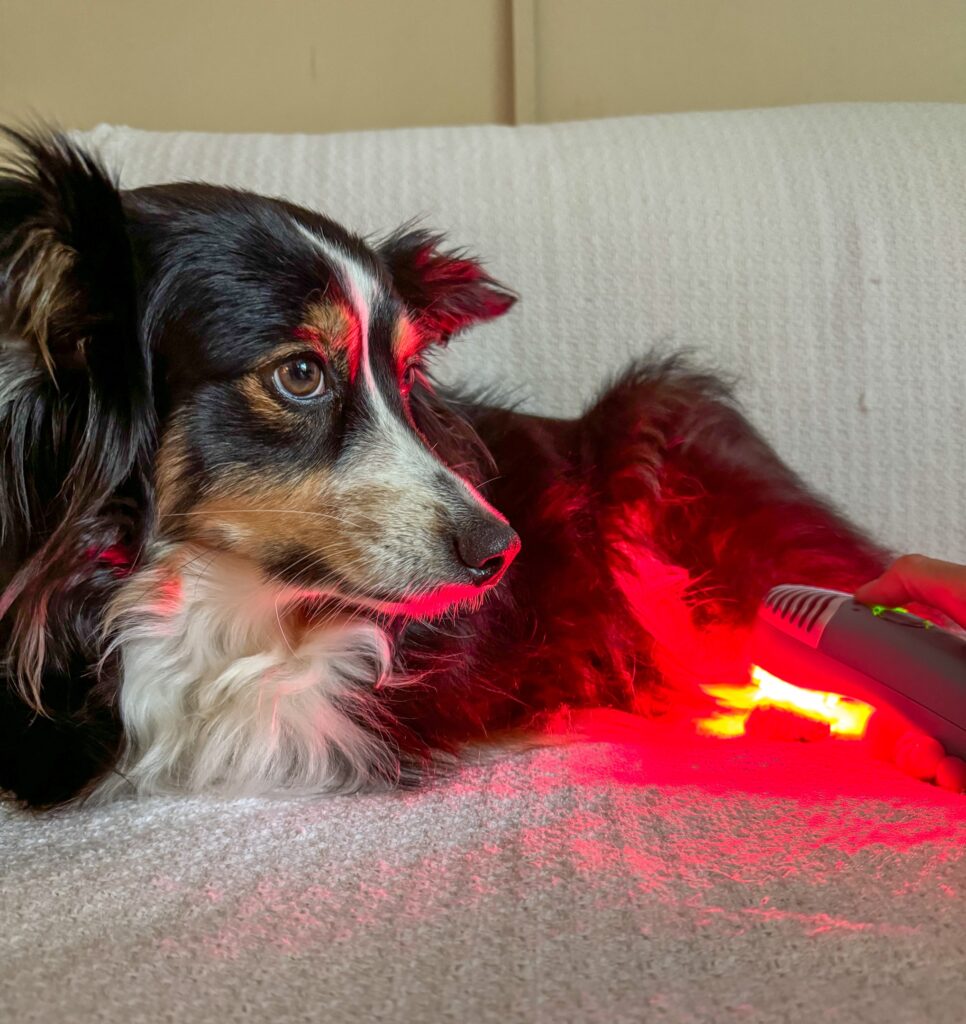
Red light therapy is increasingly used as a supportive treatment following ACL surgery in dogs.By delivering specific wavelengths of light to the surgical area, it stimulates cellular repair, improves circulation, and reduces inflammation. This combination helps manage pain, minimize swelling, and accelerate tissue healing.
The MedcoVet Luma device is designed for safe, at-home use. When applied consistently, it supports recovery by promoting faster wound closure, reducing scar tissue formation, and improving joint mobility. The MedcoVet app further ensures treatment adherence by providing reminders and progress tracking, which helps pet parents maintain a steady routine.
Pets often begin to show improvements in comfort and mobility within the first couple of weeks of treatment. For many, this means a smoother transition through the critical post-operative recovery stages, less reliance on pain medications, and a quicker return to normal activity.
How to Prevent Future ACL Injuries
Preventing future ACL injuries is crucial for your dog’s long-term health. Key points to consider include:
- Weight management is essential, as obesity significantly increases the risk of ACL injuries.
- Maintaining a healthy weight can drastically reduce stress on your dog’s joints.
- Lowering joint stress reduces the likelihood of injury.
Regular controlled rehabilitation exercises help in ACL injury prevention by:
- Building muscle strength and improving joint stability through activities like walking or hydrotherapy
- Avoiding high-impact activities
- Providing joint supplements to support cartilage health and reduce inflammation
- Incorporating physical therapy techniques as part of the recovery process
When to Talk to Your Vet
Knowing when to talk to your vet about your dog’s ACL injury is important. If your dog shows signs of significant pain, lameness, or difficulty bearing weight, it may be necessary to consider surgery despite alternative treatments. Discussing these signs with your veterinarian can help determine the best course of action.
When consulting your vet, ask about the costs and dog acl surgery recovery process associated with ACL surgery. Bringing up red light therapy as part of your dog’s care plan can also provide additional support for recovery. Open communication with your vet ensures the best possible care for your pet’s health.
Conclusion
In conclusion, while ACL surgery is often an effective solution for repairing an acl tear in dogs, it comes with significant costs and a lengthy recovery process. Exploring alternatives like red light therapy can offer valuable support for non-surgical cases and enhance recovery after surgery.
We invite pet parents to learn more about MedcoVet Luma and how it can help in your dog’s recovery. Book a free consult today to explore the best options for your furry friend, or watch our Crash Course to see how red light therapy supports healing at home.
Summary
To recap, understanding dog ACL injuries, recognizing the signs, and exploring treatment options are crucial for your pet’s health. Surgery, while effective, involves significant costs and recovery time. Non-surgical treatments like red light therapy can provide valuable support in managing pain and enhancing recovery.
Ensuring proper post-operative care, preventing future injuries through weight management, and maintaining open communication with your vet are all essential steps in your dog’s healing journey. With the right care and treatment, your dog can regain mobility and enjoy a happy, active life.
Frequently Asked Questions
What is the cranial cruciate ligament (CrCL) in dogs?
The cranial cruciate ligament (CrCL) in dogs is essential for stabilizing the knee joint and facilitating smooth movement, much like the ACL in humans. Its proper function is crucial for your dog’s mobility and overall joint health.
What are the common signs of a torn ACL in dogs?
Common signs of a torn ACL in dogs are hind limb lameness, joint swelling, difficulty rising or climbing stairs, and changes in behavior, such as a reluctance to play. If you notice these symptoms, it’s important to consult a veterinarian for an accurate diagnosis and treatment.
How much does dog ACL surgery typically cost?
Dog ACL surgery typically costs between $1,500 and $7,000, varying based on location, provider experience, and procedure complexity. The average cost of dog ACL surgery ranges from $1,200 to $9,500 depending on various factors. It’s important to consult with a veterinary professional for a more accurate estimate tailored to your situation.
What are the benefits of red light therapy for dogs recovering from ACL surgery?
Red light therapy significantly aids dogs recovering from ACL surgery by reducing pain, decreasing inflammation, and promoting faster healing through enhanced cellular energy and improved blood circulation. This treatment can be an essential part of their recovery process.
How can I prevent future ACL injuries in my dog?
To prevent future ACL injuries in your dog, focus on maintaining a healthy weight, ensure regular controlled exercises, avoid high-impact activities, and consider joint supplements to support cartilage health. Implementing these strategies can significantly reduce the risk of injury.
🐾 Ready to Take the Next Step?
Whether you’re just learning or ready to act — we’ve got you.
👉 Book a Free Consult
Talk to a licensed clinician about your pet’s condition and get a personalized plan. No pressure, just real help.
👉Learn More About the Luma
Explore how our at-home red light therapy device works, why it’s different, and what it can do for your pet.

About the Author
Alon Landa is the CEO and co-founder of MedcoVet, a leader in at-home red light therapy for pets. With over 20 years of experience in medical technology and firsthand involvement in developing the Luma, Alon combines deep technical knowledge with a passion for improving pet health. He regularly collaborates with veterinarians and pet parents to advance photobiomodulation (PBM) care at home.
📍 Based in Boston, MA
📖Read more from Alon here