Why Do Dogs Lick Their Paws? Common Causes and Helpful Solutions
Is it grooming, allergies, or pain? Spot the cause fast, then choose the next best step for your dog
7 quick questions, vet reviewed. Get instant guidance on next steps.
Medically reviewed by: Kristy Williams, CVT, CCFT (Specialties: Pet rehabilitation, pain management, photobiomodulation)
Reviewed: May 2026
Updated: June 2026
This page is part of MedcoVet’s clinical education library on photobiomodulation in veterinary medicine. It is designed to explain why dogs lick their paws, how excessive paw licking is evaluated in clinical practice, where red light therapy may fit into treatment, and when veterinary care should come first.
Why do dogs lick their paws?
Dogs lick their paws for many reasons, including normal grooming, itchy paws, allergies, injuries, infections, irritation, and behavioral causes such as boredom or separation anxiety. Occasional paw licking can be normal, but excessive paw licking, constant licking, or a dog that is constantly licking one paw often signals an underlying issue that needs attention. Common reasons dogs lick their paws include seasonal allergies, food allergies, skin infections, yeast infections, insect bites, dry skin, pain, and compulsive licking.
Key Takeaways
- Excessive paw licking in dogs can indicate various issues, including allergies, injuries, infections, and behavioral problems.
- Red light therapy (RLT) is a promising non-invasive treatment that can help reduce inflammation, manage pain, and promote healing in conditions associated with excessive paw licking.
- Proper veterinary assessment is essential for diagnosing underlying causes and developing effective treatment plans to manage excessive paw licking.
Introduction
Dogs lick their paws for many reasons, ranging from normal self-grooming to underlying physical and behavioral issues. If your dog is frequently and intensely licking its paws, it usually indicates that a problem exists. The most common causes and common reasons dogs lick their paws include allergies (such as paw allergies triggered by environmental, food, or contact allergens), injuries, and behavioral issues. Constantly licking their paws can be a sign of underlying health issues, so it’s important to monitor your pet’s health closely and consult a veterinarian if the behavior persists. Early intervention is crucial to prevent long-term health issues and infections related to excessive paw licking.
Excessive paw licking in dogs is also often part of the broader topic of pain in dogs, especially when a dog is experiencing pain from arthritis, injury, nerve irritation, or chronic inflammation.
These causes fall into two main categories: physical/medical and behavioral/psychological, with several common reasons for the underlying cause being a crucial factor in understanding these other causes.
Curious if your dog’s paw licking could signal something deeper?
Gideon
Normal Grooming Behavior
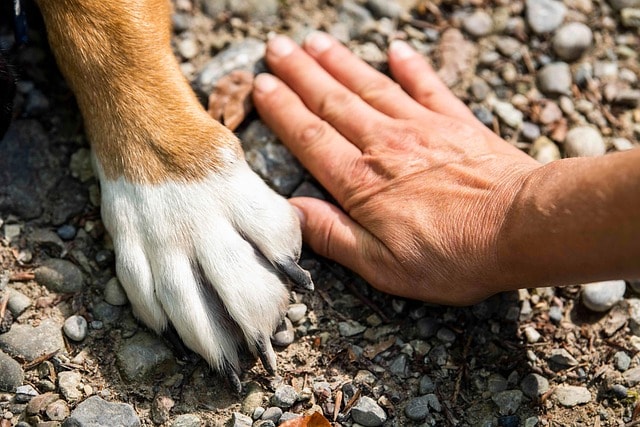
Dogs may lick their paws occasionally as part of their normal grooming routine. Occasional paw licking is a common behavior for dogs and helps maintain hygiene by cleaning off dirt and debris picked up during daily activities. This behavior is similar to how cats groom themselves and serves to keep their paw clean and free from irritants. Additionally, dogs may lick their paws as a means of exploration or self-soothing.
Occasional licking after being outdoors is a natural way for dogs to clean off dirt, sand, or debris.
Licking also helps dogs relax. Just like humans might find comfort in repetitive actions, dogs lick their paws as a way to soothe themselves. However, it’s essential to distinguish between normal grooming and excessive licking, which can indicate deeper issues. Boredom or anxiety, including separation anxiety, can also lead to excessive paw licking as a self-soothing behavior.
Excessive paw licking is often a symptom, not the root cause
Dogs lick their paws occasionally as part of normal grooming, but frequent paw licking, obsessive paw licking, or a dog that licks constantly at one paw usually points to an underlying issue. In clinical practice, the goal is not just to stop licking paws. The goal is to identify the exact cause, whether that is itchy skin, paw allergies, food sensitivities, yeast overgrowth, skin infections, pain, or a behavioral issue.
Physical and Medical Causes

Frequent paw licking can be a sign of underlying health concerns, and obsessive paw licking may indicate a more serious issue such as allergies or sensitivities. Identifying the root cause of obsessive paw licking is essential for effective treatment, rather than just addressing the symptom.
It is important to consult a vet for proper diagnosis and treatment if you notice excessive paw licking, as they can determine the underlying issue and recommend appropriate care. A veterinarian can diagnose the cause of excessive licking and recommend treatments ranging from special diets to behavioral modification techniques.
Skin Irritation and Allergies
Skin irritation is a frequent cause of excessive paw licking in dogs, often due to paw allergies triggered by common allergens such as pollen, dust mites, and certain food ingredients like chicken and beef. It is important to regularly inspect your dog’s skin for signs of irritation, redness, or infection, as these can indicate underlying issues affecting your dog’s skin health. Seasonal allergies, caused by environmental reactions to pollen, grass, mold, or dust mites, often lead to seasonal itching and increased paw licking. Allergies can lead to itchy paws and skin irritation, including reactions to food, pollen, grass, and dust mites. Dogs may lick their paws incessantly to alleviate the discomfort from these allergic reactions.
Food sensitivities are another common trigger for paw licking. Evaluating your dog’s diet is crucial when addressing potential food allergies. Food allergies develop when a dog’s immune system mistakenly identifies a protein as harmful, leading to inflammation and itching, especially on the paws. An elimination diet—removing common allergens from your dog’s food for 8–12 weeks and gradually reintroducing ingredients—can help pinpoint the specific trigger. Chronic licking due to allergies often requires treatment to reduce discomfort and manage the underlying allergies effectively.
Monitoring your dog’s environment, including exposure to household products, is also important to identify and remove allergens that may trigger paw licking. Rinsing or wiping your dog’s paws after walks can help remove allergens, dirt, and chemicals, supporting overall paw health.
Injuries and Pain
Dogs may lick their paws due to injuries from sharp objects, stings, bites, or embedded foreign objects. Environmental factors like hot pavement can also cause injuries that lead to excessive licking. If your dog is favoring one paw or limping, it might indicate an injury that needs attention.
Aggressive paw licking is often a response to pain or discomfort. Pain from arthritis, trauma, or nerve damage can also cause this behavior. Dog’s arthritis is a frequent cause of pain-related paw licking and should be evaluated by a veterinarian. Checking for cuts, bruises, or foreign objects can help identify the affected area and provide relief through appropriate treatment.
Pain-related paw licking often fits into the larger category of pain in dogs, especially when the dog is constantly licking one paw or showing signs of discomfort elsewhere.
Skin Conditions (Dermatitis)
If a dog’s feet appear outwardly normal, excessive licking may be attributed to a skin condition like dermatitis. Regularly inspecting your dog’s skin for signs of irritation, infection, parasites, hair loss, or hot spots is important to help prevent excessive paw licking. The intense licking behavior is usually triggered by underlying itchiness or pain. Common skin conditions causing paw licking include pododermatitis, bacterial or fungal infections, and acral lick granuloma. If left untreated, paw licking can lead to complications such as bacterial infections like pododermatitis, hot spots, and hair loss, which may indicate underlying health issues.
Acral lick granuloma, in particular, is a self-inflicted lesion resulting from chronic licking. This condition creates a vicious cycle of pain and itching, driving the dog to lick even more. Addressing these skin conditions is crucial to breaking the cycle.
Pain
Dogs may lick their paws excessively when they are experiencing pain due to various physical conditions. Sudden licking focused on one paw often indicates an injury to the affected area or localized pain. Chronic or intense licking suggests an underlying issue related to orthopedic, neurological, or soft tissue pain.
Pain from arthritis, trauma, or nerve damage can lead to constant paw licking. Treating the physical discomfort is crucial, as licking is often a self-comforting mechanism that temporarily reduces pain by releasing endorphins.
Infections
Constant paw licking can lead to skin lesions that may become infected. When dogs lick their paws excessively, the warm, moist environment created can promote yeast overgrowth, and repeated licking damages the skin barrier, making it ideal for both bacterial and yeast infections to develop. Signs of infection include redness, swelling, discharge, and a musty smell from the paws—these symptoms indicate the need for veterinary care. Open sores can also develop, requiring protective measures such as Elizabethan collars or paw wraps to prevent further damage and infection during the healing process. Bacterial and yeast infections are common outcomes of excessive licking, perpetuating the issue by causing more discomfort and encouraging further constant licking. Maintaining the health of your dog’s paws is essential to prevent infections from developing or worsening. Regular inspection of the dog’s paws is important for early detection and intervention, as this creates a vicious cycle where the infection worsens the itchy skin, redness, and swelling.
Medicated soaks or topical treatments are often necessary to treat these infections, break the cycle, and provide relief. Preventing secondary infections is crucial in managing excessive paw licking long-term.
Gastrointestinal (GI) Discomfort
Excessive licking, including licking paws, floors, and other items, may be a sign of GI discomfort or disease, such as Inflammatory Bowel Disease (IBD) or chronic pancreatitis.
Addressing these underlying health concerns can help reduce the licking behavior and is essential for addressing behavioral issues, ultimately contributing to overall health.
Parasites
Fleas and ticks are common parasites that can irritate a dog’s skin. Insect bites, such as from fleas or other insects, can cause irritation, swelling, and discomfort, often leading to paw licking. These parasites often reside in grassy or wooded areas and can burrow between the toes of our furry friends and pets, causing significant discomfort. Intense itching is a primary symptom of parasite infestations, prompting dogs to lick their paws in an attempt to relieve the irritation.
Using a flea comb can help check for these pests and prevent infections from embedded tick parts.
Behavioral and Psychological Causes
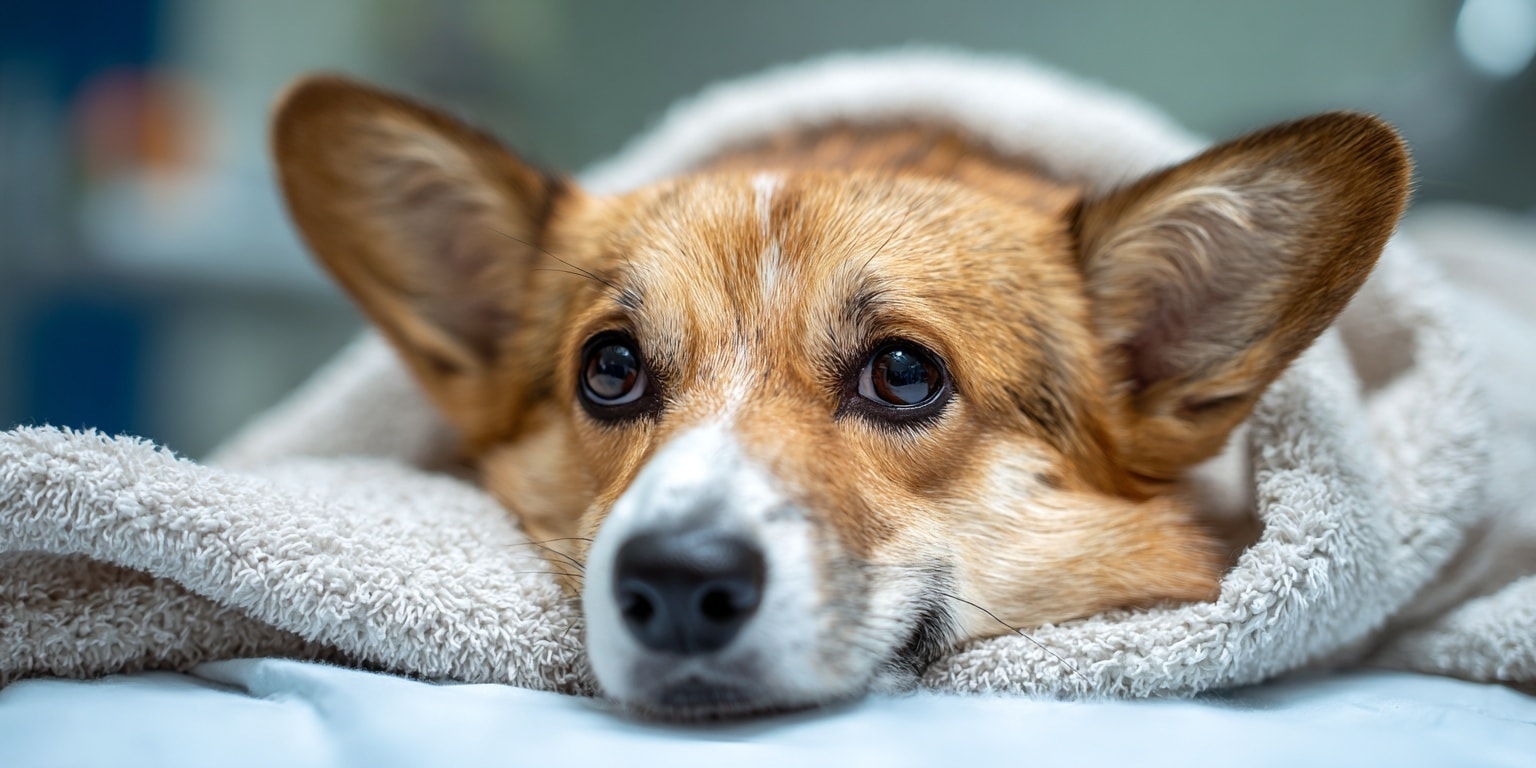
If medical problems are ruled out, the licking may be driven by psychological factors. Pet owners should be vigilant in recognizing signs of excessive paw licking and seek professional veterinary care if needed. Understanding these behavioral and psychological causes is essential in addressing the underlying issue effectively.
Stress, Anxiety, and Boredom
Excessive licking often relates to stress, anxiety, separation anxiety, boredom, or compulsiveness. Lick granulomas are often observed in large, active dogs left alone for extended periods. Providing mental stimulation through toys and activities can help reduce boredom and alleviate anxiety-related licking.
Managing excessive paw licking requires addressing psychological factors. Providing sufficient mental and physical stimulation can significantly reduce stress and anxiety-driven behaviors.
Compulsive Behavior
The behavior is often categorized as a form of canine obsessive-compulsive disorder. Dogs with compulsive tendencies may obsessively lick their paws, requiring intervention from an animal behaviorist to address the issue effectively.
Endorphin Release
One theory suggests that excessive licking causes a temporary release of endorphins, providing comfort and reducing pain. This temporary relief reinforces the licking behavior, creating a cycle that can be challenging to break without intervention.
Identifying Underlying Health Concerns
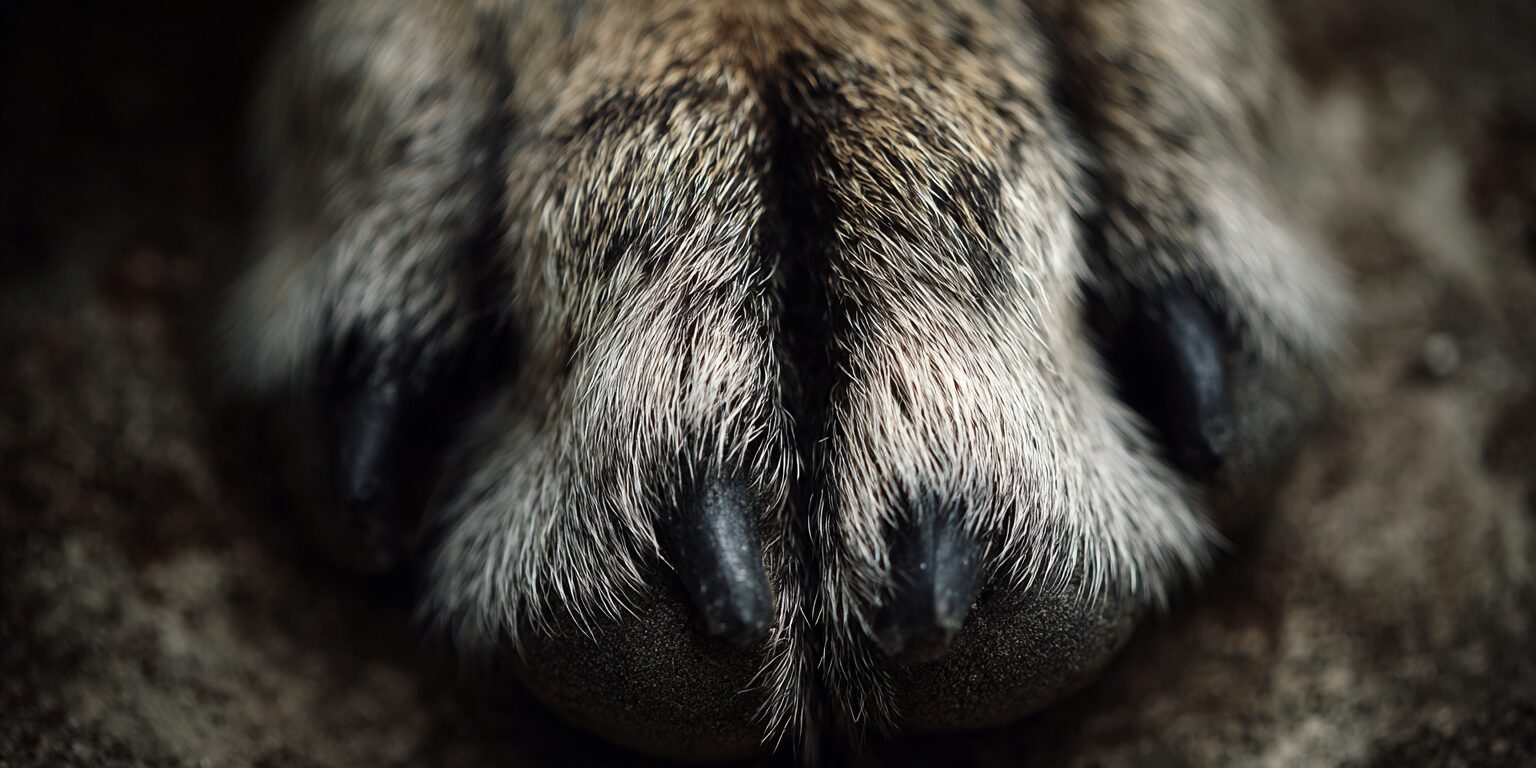
Excessive licking can be a sign of an underlying health issue that requires attention. Monitoring your dog’s behaviors, such as paw licking, is important for maintaining your pet’s health. Chronic paw licking can lead to serious infections, warranting a visit to a veterinarian. Conditions such as arthritis and acral lick granuloma can cause persistent paw licking and need proper medical evaluation.
Effective management of excessive paw licking requires a thorough examination to identify underlying causes. Regular check-ups with a veterinarian can help identify potential health issues before they lead to excessive licking.
If you notice persistent paw licking in your dog, consult your veterinarian for proper assessment and treatment.
🐶 7 questions. 2 minutes. 1 clear answer
Find out if your pet’s paw licking could respond to red light therapy
Anderson
Managing and Treating Excessive Paw Licking
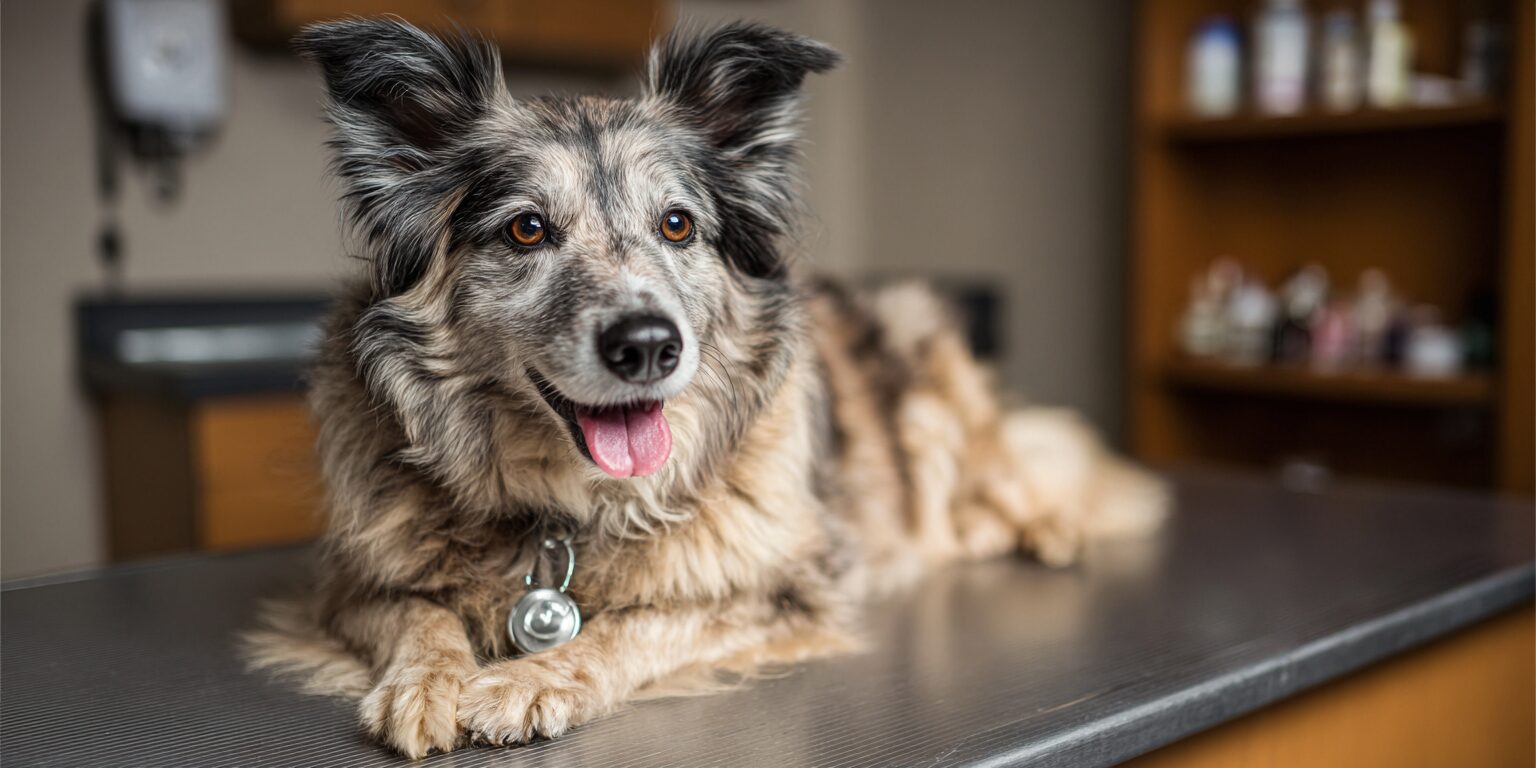
Managing and treating excessive paw licking often involves a multifaceted approach. Using vet-recommended products and seeking veterinary treatment are important steps in addressing the underlying causes and ensuring your dog’s safety. A veterinarian can assess for potential allergies, infections, or parasitic skin conditions that require specific treatments. In some cases, oral medications may be prescribed to help manage allergies, infections, or inflammation associated with excessive paw licking.
The approach to treatment may depend on whether the excessive licking stems from a physical or psychological cause.
Veterinary Care
Veterinarians can offer personalized treatment plans based on the specific cause of a dog’s paw licking. Excessive licking leads to dampness, making them susceptible to infections. Bacterial and fungal/yeast infections can result from excessive paw licking, thriving in a moist environment created by constant licking.
Veterinarians may recommend the following for managing excessive paw licking:
- Foot soaks
- Topical treatments
- Antibiotics
- Medicated sprays
Surgery may be necessary if there is a growth, foreign body, or injury causing the licking.
Veterinary specialists can offer further insights if initial treatments do not resolve the issue. Early identification can make resolution easier and result in simpler solutions, including a treatment plan to find relief. Vets can play a crucial role in this process.
Want help sorting through possible causes?
Mizzy
Environmental Modifications
Keeping your dog’s environment clean can significantly reduce allergens, such as dust mites and mold spores, which may contribute to excessive paw licking and allergies dogs. Regularly washing your dog’s bedding, vacuuming carpets, and using air purifiers can help minimize allergens in your home.
It’s important to keep your dog’s paws dry, especially between the toes, to prevent skin issues and infections. Regularly check and care for the paw pads to catch minor injuries or dry skin early and maintain overall paw health. Using protective measures such as booties or paw balms can help reduce exposure to allergens and irritants, providing relief for dogs with sensitive skin.
Avoid walking your dog on hot pavement to protect their paws from discomfort and potential irritation. Implementing these simple environmental modifications can provide relief and help reduce the tendency for your dog to lick their paws excessively.
Red Light Therapy (Photobiomodulation) for Paw Licking
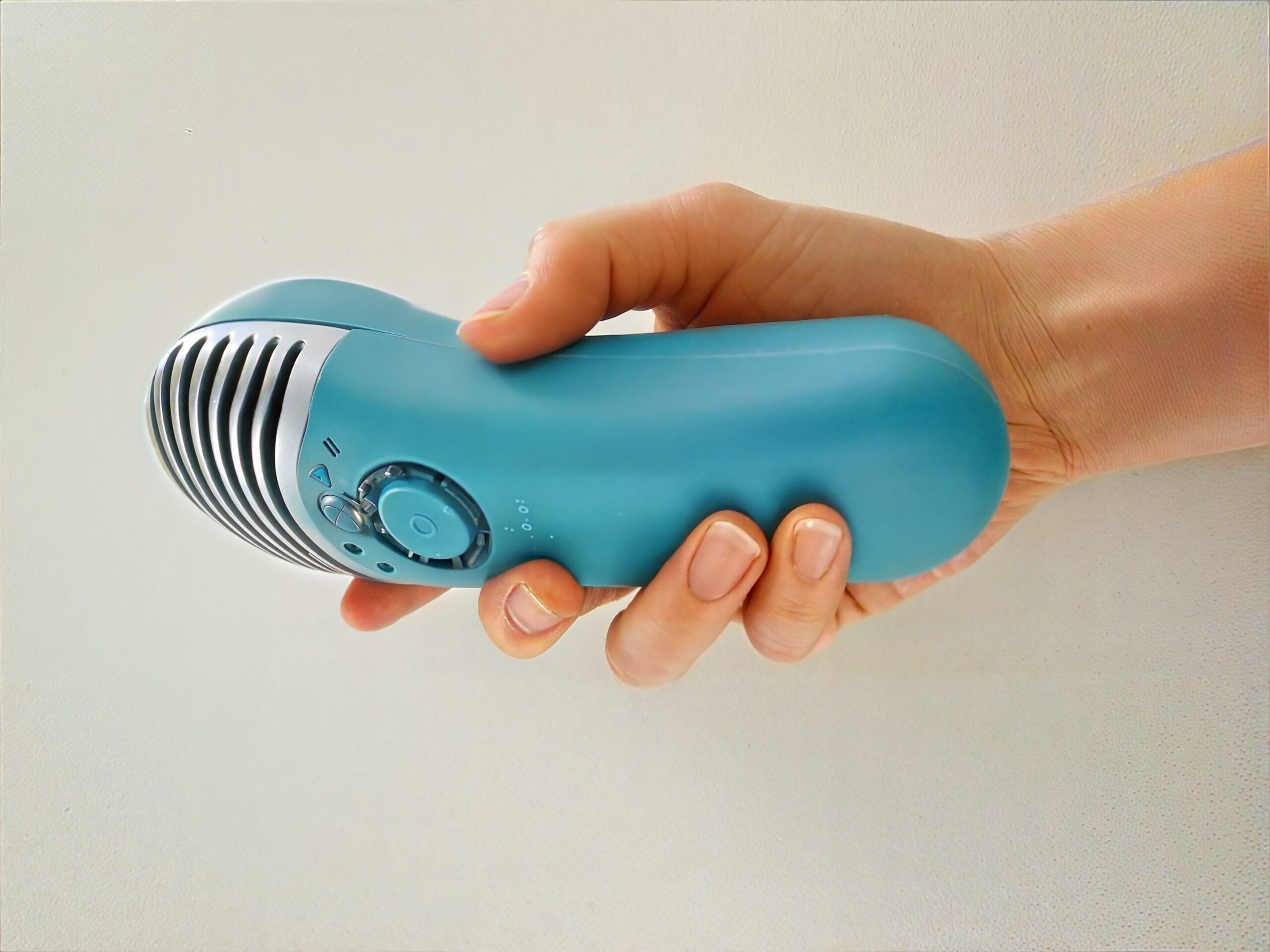
Red light therapy (RLT), or photobiomodulation (PBM), uses specific wavelengths of red and near-infrared light to stimulate cellular healing, reduce inflammation, and manage pain. This non-invasive treatment has shown promise in addressing various conditions that cause excessive paw licking.
RLT can be particularly effective in reducing inflammation and promoting healing in conditions like arthritis, skin infections, and dermatitis. RLT can help break the cycle of discomfort and compulsive licking by addressing the underlying causes.
For a broader overview of how PBM is used across arthritis, mobility issues, IVDD, dysplasia, and recovery support, see Red Light Therapy for Dogs.
What is PBM and how does it relate to paw licking in dogs?
Photobiomodulation, also called PBM, red light therapy, low-level laser therapy, LED therapy, cold laser, and near-infrared therapy, refers to the same therapeutic category using light energy to influence cellular biology. In veterinary medicine, PBM is used to support pain management, tissue repair, blood flow, and modulation of inflammation. In dogs with excessive paw licking, it is typically considered after diagnosis, when the goal is to reduce inflammation, provide relief, support healing, and help break the cycle of licking caused by pain, irritation, or tissue damage.
Instances Where Red Light Therapy Can Help
PBM is frequently used in veterinary medicine for musculoskeletal pain, wound healing, and skin conditions. Research supports RLT/PBM as a helpful treatment for paw and leg conditions, providing a promising solution for excessive paw licking.
Sterile Pyogranulomatous Pododermatitis
Sterile Pyogranulomatous Pododermatitis is an immune-related disease involving nodular lesions on a dog’s paws. Red light therapy has shown clinical improvement and decreased exudate in treated lesions, leading to resolution or stabilization in pilot studies.
Interdigital Pyoderma (infection between toes)
Interdigital Pyoderma, an infection between the toes, has strong evidence supporting red light therapy (RLT) as an adjunctive treatment. RLT significantly shortens healing time compared to controls, offering an effective solution for this condition.
Deep Pyoderma (severe skin infection)
Deep Pyoderma is a severe skin infection where RLT significantly reduces infection severity and the need for systemic antibiotics.
This makes it a valuable treatment option for managing severe skin infections in dogs.
Lick Granulomas / Acral Lick Dermatitis (ALDs)
RLT is effective in treating and preventing lick granuloma or acral lick dermatitis (ALDs). These lesions result from chronic licking, creating a thickened plaque that can be challenging to heal.
Class 4 infrared laser treatments have been successful in improving healing and increasing hair regrowth compared to control groups. This makes RLT a valuable tool in managing ALDs and reducing excessive paw licking.
Chronic Pain and Arthritis
RLT helps manage chronic pain and improves mobility, reducing the need for medication and preventing secondary paw licking caused by referred pain. This therapy offers a non-invasive solution to managing chronic conditions in dogs.
Specific pain-related conditions that benefit from RLT include chronic pain and osteoarthritis. RLT can help manage pain and reduce reliance on pain medication, improving lameness and pain scores in dogs with chronic pain from osteoarthritis.
RLT also supports rehabilitation from injuries by reducing inflammation and supporting the healing process. It can aid post-surgical recovery and help dogs return to activity more quickly. Establishing a clear diagnosis for pain is critical before administering RLT treatment to avoid masking serious underlying conditions.
RLT addresses the root causes of pain and discomfort by reducing inflammation and promoting tissue healing, helping dogs lead more comfortable lives without excessive paw licking.
Treating Dermatitis and Paw Licking
PBM can be an advisable or promising adjunctive treatment for several conditions that cause paw licking, including dermatitis and bacterial skin infections. Light therapy works at a cellular level to counteract the effects of skin inflammation and tissue damage caused by licking.
For conditions like deep pyoderma, RLT:
- Significantly reduces infection severity and the need for systemic antibiotics
- Promotes tissue healing by increasing ATP production
- Reduces inflammation
Additionally, light therapy has antimicrobial action, disrupting biofilms and damaging bacterial cell walls, which helps manage secondary infections. By reducing scarring and promoting new blood vessel formation, RLT aids in the overall healing process.
🐕 Wondering if red light therapy could actually help your dog?
Our clinicians can build a custom plan that fits your dog’s meds, supplements, and red-light routine.
Spock
How Red Light Therapy Works
PBM, including RLT and NIR light, uses nonionizing light sources like lasers or LEDs in the visible and infrared spectrum. This therapy is non-thermal and noninvasive. Light is absorbed by photoreceptor molecules called chromophores, particularly cytochrome c oxidase (CCO) in the mitochondria—the cell’s powerhouses.
The absorption of light stimulates mitochondrial activity, increasing ATP production, which provides energy for cellular repair. This boost in cellular energy promotes several therapeutic outcomes, including enhanced tissue healing, reduced inflammation, and improved cellular function.
Get a Personalized Treatment Plan
Custom guidance for your dog’s real licking causes and ways to improve it
Huxley
Important Precautions
While RLT is generally safe for dogs, it should be used under guidance with a clear diagnosis. Avoid using RLT in the following situations:
- Over neoplastic lesions
- Over a pregnant uterus
- Over the growth plates of young animals under one year old, as high-powered lasers may prematurely close epiphyses.
📘 Shopping for a red-light device?
Don’t get lost in tech specs and hype.
Otis
Preventing Future Episodes
To help reduce paw licking behavior in dogs:
- Regular grooming can help prevent excessive licking by keeping a dog’s coat clean and free of irritants.
- Reducing allergen exposure in the home can help mitigate paw licking due to environmental allergies.
- Minimizing exposure to allergens like dust and pollen can help reduce paw licking behavior.
To prevent situations that might trigger your dog’s licking behavior, consider the following:
- Maintain a safe and clean environment.
- Engage your dog in mental activities and exercise to reduce boredom.
- Use interactive toys to stimulate your dog’s mind and reduce the likelihood of obsessive licking.
Having a consistent routine can help minimize anxiety-related licking in dogs.
When to Seek Professional Advice
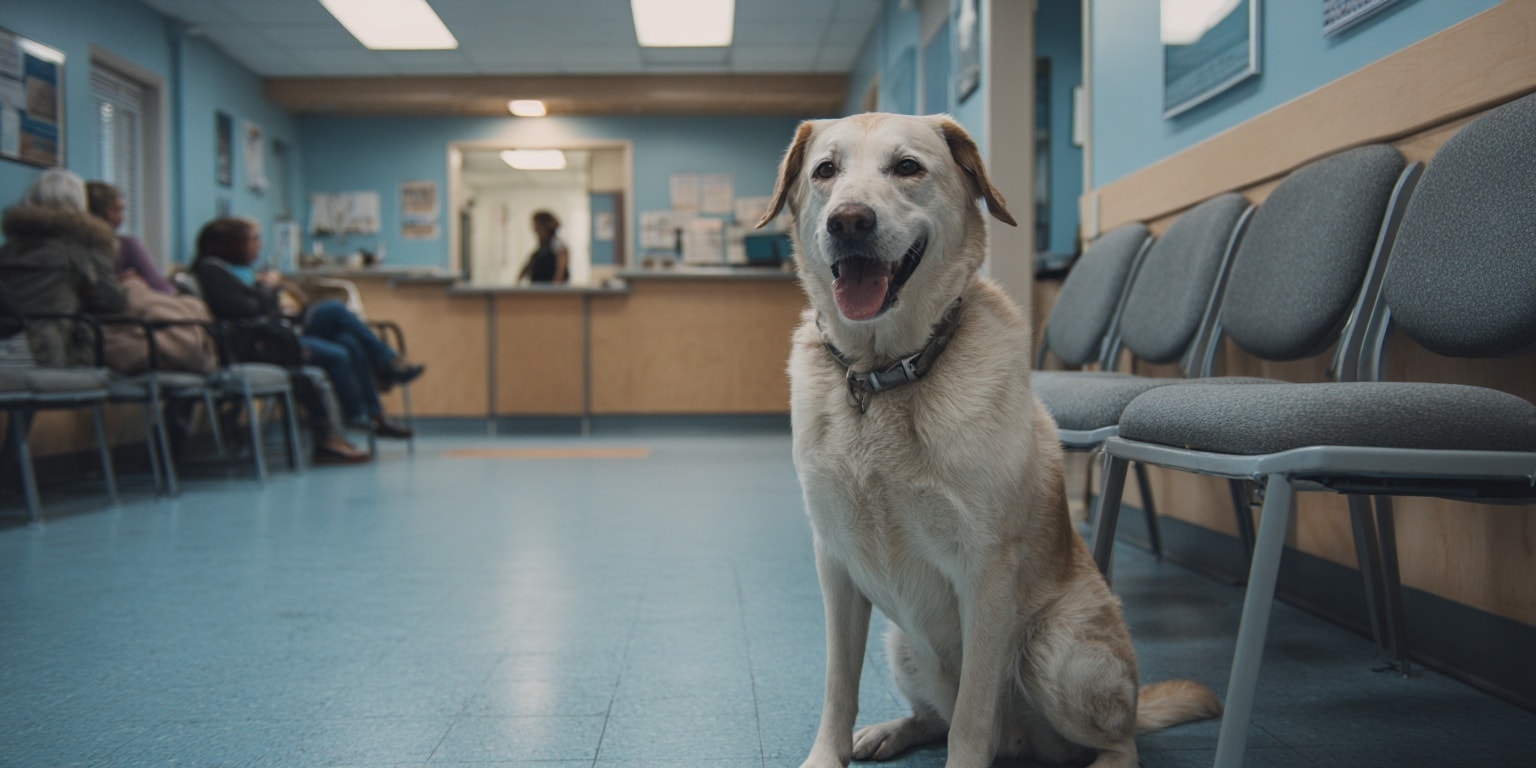
If your dog’s paw licking is excessive, consider the following steps. To ensure the well-being of your furry friend, seek professional advice when needed:
- Get a checkup to help with early detection of illnesses or diseases related to excessive paw licking.
- Consult a veterinarian for professional advice.
- Seek help from an animal behaviorist if paw licking persists despite home care.
Behavioral specialists may be consulted if a dog’s excessive licking is determined to be a behavioral issue. A veterinarian or a certified dog trainer can provide expert guidance for addressing excessive paw licking.
Seeking early veterinary advice can prevent more complicated health issues from developing. If home treatments fail, a veterinarian can prescribe medications or therapies tailored to your dog’s needs.
🩺 Ready for answers, not guesswork?
Book a free 30-minute consultation with a MedcoVet veterinary specialist.
You’ll get a custom plan built for your pet’s size, coat, and condition—no pressure, no obligation.
Ghillie
Conclusion
Dogs lick their paws for many reasons—ranging from irritation and allergies to pain or anxiety—and excessive dog licking almost always signals that something is wrong with the dog’s paw, much like similar behaviors in humans .
Red light therapy provides a non-invasive, science-backed way to reduce inflammation, relieve pain, and promote healing for many conditions linked to paw licking. When used under veterinary supervision, it can help break the cycle of itch, pain, and infection while supporting long-term paw health.
Would you like me to create the SEO metadata (title tag, meta description, and key phrase strategy) for this outline next?
Summary
In summary, excessive paw licking in dogs can be due to a variety of physical, medical, and psychological reasons. Identifying the exact cause is crucial for effective treatment and is vital for your dog’s overall health . Red light therapy offers a promising solution for many conditions, and consulting with a veterinarian can ensure the best care for your pet. By addressing the underlying issues and implementing preventive measures, you can help your dog live a more comfortable and healthy life.
🐾 Ready to help your dog stop licking and start healing?
Want help thinking through your dog’s recovery plan?
Sprite
Frequently Asked Questions
🐾 Ready to Take the Next Step?
Whether you’re just learning or ready to act — we’ve got you.
👉 Book a Free Consult
Talk to a licensed clinician about your pet’s condition and get a personalized plan. No pressure, just real help.
👉Learn More About the Luma
Explore how our at-home red light therapy device works, why it’s different, and what it can do for your pet.

About the Author
Alon Landa is the CEO and co-founder of MedcoVet, a leader in at-home red light therapy for pets. With over 20 years of experience in medical technology and firsthand involvement in developing the Luma, Alon combines deep technical knowledge with a passion for improving pet health. He regularly collaborates with veterinarians and pet parents to advance photobiomodulation (PBM) care at home.
📍 Based in Boston, MA
📖Read more from Alon here

About the Medical Reviewer
Clinical Focus: Surgery, anesthesia, canine fitness, injury prevention, agility
Kristy Williams brings over 30 years of experience to the veterinary field. Her career began in the 1990s, working as a civilian for the Army Veterinary Corps at RAF Feltwell in England, where she first discovered her passion for animal care and supporting their families. Upon returning to the United States, Kristy pursued her education and graduated in 2005 as a certified veterinary technician after passing the national exam. She has since gained extensive experience in both general practice and emergency/referral practices.
Read More about Kristy here.