Some dogs with intervertebral disc disease (IVDD) can be treated at home with conservative management, but only after a veterinarian confirms the severity of the disc problem. At-home treatment usually includes strict crate rest, pain medications, anti inflammatory medications, muscle relaxers, bladder care, weight management, and guided physical therapy when cleared. IVDD can cause extreme pain and paralysis in dogs. Dogs with severe pain, paralysis, loss of bladder control, or loss of deep pain sensation need urgent veterinary care and may need spinal surgery.
If your dog has sudden weakness, cannot walk, cries in pain, or loses bladder control, call your vet immediately.
Start with the right diagnosis
Intervertebral disc disease IVDD happens when an intervertebral disc in the dog’s spine degenerates, bulges, ruptures, or herniates. When disc material moves out of place, it can put pressure on the spinal cord or nerve roots. Certain breeds are more prone, including Dachshunds and Beagles, though larger breeds such as German Shepherds can also be affected.
That pressure can cause pain, weakness, loss of coordination, bladder problems, and paralysis.
Some dogs show subtle signs of back pain. Others have extreme pain or sudden loss of movement in the hind legs, and in some cases the condition can progress to loss of deep pain sensation.
At-home care depends on the severity.
A dog with mild pain may be managed with strict rest and medication. A dog with severe spinal cord compression, loss of walking ability, or absent deep pain may need decompressive surgery. That surgery often involves removing herniated disc material to reduce pressure on the dog’s spinal cord.
Your veterinarian may recommend a physical exam, neurological exam, magnetic resonance imaging, CT scan, MRI, or other advanced imaging to locate the affected disc spaces and assess the spinal cord.
This article can help with home care, but it does not replace your vet’s advice.
When home treatment is not enough
Do not try to manage severe IVDD at home without urgent veterinary care.
Seek emergency care if your dog has:
Severe pain
Sudden paralysis
Inability to walk
Dragging hind legs
Loss of bladder control
Loss of deep pain sensation
Rapidly worsening symptoms
Crying, shaking, or panic when moved
Trouble holding a standing position
Weakness that gets worse over hours
Surgery may be necessary if a dog cannot walk due to IVDD. Some dogs with grade 3 or 4 IVDD can recover with non surgical treatment, but that decision needs a veterinarian. Deep pain sensation and pain perception matter because they help guide prognosis and treatment options.
Fast care protects your dog from further injury.
What conservative treatment means
Conservative treatment, also called medical management or conservative management, is used for some dogs with mild symptoms, mild pain, or selected moderate IVDD injuries.
It usually includes:
Strict crate rest
Pain medications
Anti inflammatory medications
Muscle relaxers
Controlled bathroom breaks
Nursing care
Weight management
Careful monitoring
Physical therapy later in the recovery process
Red light therapy when approved
Strict rest is the center of at-home IVDD care.
That means no running, jumping, stairs, rough play, couch access, bed access, or free roaming. Crate rest prevents further injury during the healing process by limiting movement around the affected disc.
Full crate rest often lasts at least four weeks. Some dogs need longer, especially when symptoms are more serious or healing is slow.
How to set up an IVDD recovery space
A safe recovery space should prevent jumping, twisting, and sudden movements.
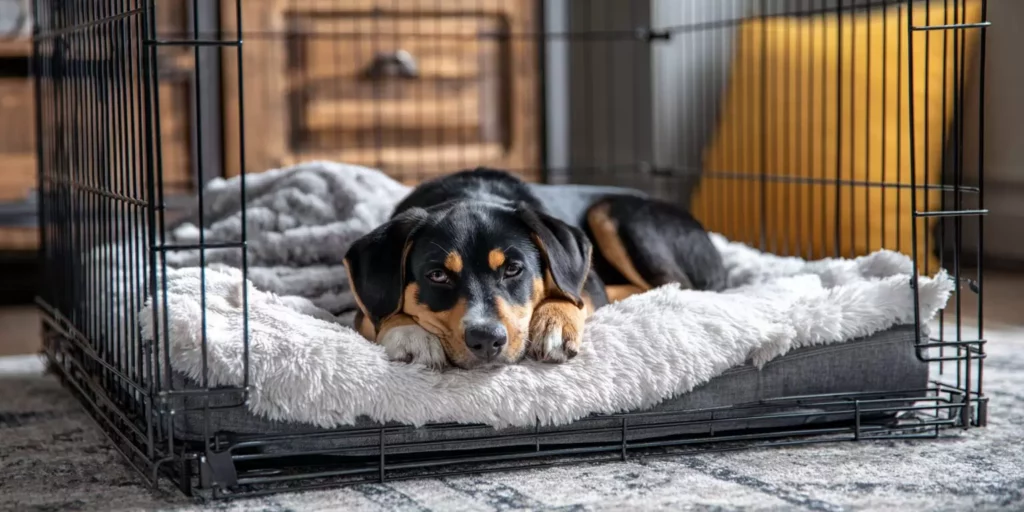
For small dogs, a recovery crate or exercise pen should be about 3 by 4 feet. For large dogs, a recovery space around 4 by 5 feet may be appropriate. The space should be large enough for your dog to rest in a comfortable position, turn around carefully, and access food and water.
It should not be large enough for pacing.
A good recovery space includes:
Non-slip flooring
Soft, supportive bedding
Food and water within reach
Low sides if your dog needs help entering
A calm location
No access to furniture
No contact with rowdy pets
Easy access for cleaning
Room for your dog to lie fully stretched out
An exercise pen may work for some dogs. A crate may work better for others. The goal is controlled rest that also protects your dog’s mobility by limiting slipping, twisting, and overexertion during recovery. Covering an exercise pen with a fitted sheet can help deter jumping.
If your dog has neck pain, use a harness instead of a collar. A collar can place extra pressure on the dog’s neck and spine, while a harness helps avoid pressure on your dog’s neck during assisted movement or potty trips.
Bathroom breaks during crate rest
Dogs on strict crate rest still need bathroom breaks.
Many dogs need at least three short leash walks daily for potty breaks, often around 10 minutes or less. Your vet may recommend shorter or more frequent trips based on your dog’s condition.
Keep bathroom breaks boring:
Use a short leash
Use a harness
Walk slowly
Avoid stairs
Avoid slippery ground
Do not let your dog sniff around for long
Return to the recovery space right away
IVDD dogs may need a sling or rear lifting harness for bathroom breaks, especially if the hind legs are weak. A supportive harness can help dogs move safely without straining.
Do not force your dog to walk. Support them.
Pain management at home
IVDD can cause mild discomfort, more pain, or severe pain depending on how much disc material is putting pressure on the spinal cord.
Your veterinarian may prescribe or avoid, depending on the case:
Pain medications
non steroidal anti inflammatories
Muscle relaxers
Sedatives if rest is difficult
Stomach protectants if needed
Give medications exactly as prescribed. Do not add human medications or supplements without veterinary approval.
Pain control is not only about comfort. Pain can make your dog tense, shake, guard the spine, and move suddenly. Good pain management helps your dog rest safely.
Call your vet immediately if your dog seems painful despite medication.
Bladder care and incontinence
IVDD can cause bladder incontinence in dogs. Incontinence often occurs when nerve signals between the bladder and spinal cord are affected.
Dogs with paralysis or reduced nerve function may not empty the bladder normally. Manual bladder expression may be necessary for some IVDD dogs.
Ask your veterinary team to teach you.
Hydration and bladder care are important for dogs with paralysis because incomplete emptying can increase the risk of urinary tract infections. Signs of a urinary problem can include dribbling urine, straining, strong odor, blood in urine, discomfort, or frequent leaking.
A raised bed can help manage incontinence in IVDD dogs by keeping the skin drier. Clean bedding, frequent checks, and gentle hygiene help prevent skin irritation and pressure sores.
Weight management during recovery
Maintaining a lean weight is essential for IVDD dogs.
Extra weight adds mechanical stress to the spine. It also places more strain on weak hind legs, stiff joints, and recovering tissues. Weight management helps reduce pressure on the spine and supports better mobility.
Ask your vet if your dog’s food should be adjusted during crate rest. Dogs burn fewer calories when activity is restricted, so some need smaller portions.
A healthy weight supports the entire recovery process.
Physical therapy after strict rest
Physical therapy can aid recovery from IVDD in dogs, but timing matters.
Do not start physical therapy exercises during strict rest unless your veterinarian specifically approves them. Too much movement too early can worsen the disc problem.
When your dog is ready, physical therapy may include:
Passive range of motion exercises
Assisted standing
Gentle weight shifting
Slow controlled walking
Balance work
Hydrotherapy
Massage therapy
Acupuncture
Electro-acupuncture when recommended
Strength building after the spine is stable
Passive range of motion exercises can help prevent joint stiffness in dogs who are not moving normally. Hydrotherapy reduces joint pressure while allowing gentle movement. Acupuncture may help reduce inflammation and pain in selected IVDD dogs.
Some studies and clinicians have reported strong outcomes with electro-acupuncture in IVDD recovery, and some sources even report it as more effective than surgery in certain cases, but it should be discussed with your veterinary team. It is not a replacement for emergency care when decompressive surgery is needed.
Gentle exercises can help rehabilitation after strict rest, and physical therapy can support your dog’s recovery after either conservative treatment or surgery. The key word is gentle.
Heat, comfort, and nursing care
Applying moist heat to a painful area may help relax muscles in some dogs. Ask your veterinarian first, especially during the first week or if inflammation is severe.
If approved, use warmth, not heat. Wrap the warm pack in a towel and keep sessions short.
Good nursing care also matters:
Keep bedding clean and dry
Reposition dogs with limited mobility
Check skin daily
Prevent pressure sores
Keep nails trimmed
Use non-slip paths
Keep food and water close
Make rest feel calm and predictable
Your furry friend may feel confused by crate rest. Sit nearby. Talk softly. Offer calm attention.
Recovery is physical and emotional.
Supplements and diet support
Some dog owners ask about supplements for dogs with IVDD.
Veterinary-approved omega-3 fatty acids may support inflammation control. Turmeric is sometimes discussed for inflammation, but it should be used carefully and only with veterinary guidance because it may interact with medications or affect digestion.
Supplements can support the plan. They do not replace pain medications, strict crate rest, surgery, or medical care.
Ask your vet before adding anything, especially if your dog is taking anti inflammatory medications or pain medications.
How red light therapy supports at-home IVDD care
Photobiomodulation, or PBM, also called red light therapy, low-level laser therapy, LED therapy, cold laser, and near-infrared therapy, refers to the same therapeutic category using light energy to influence cellular biology.
Red light therapy can support IVDD recovery by helping reduce pain, support local circulation, improve comfort, and reduce inflammation around affected tissues.
Red light therapy does not remove herniated disc material. It does not replace spinal surgery, strict crate rest, pain management, advanced imaging, or your veterinarian’s treatment plan.
It can support the recovery process once your dog has been assessed and the plan is clear.
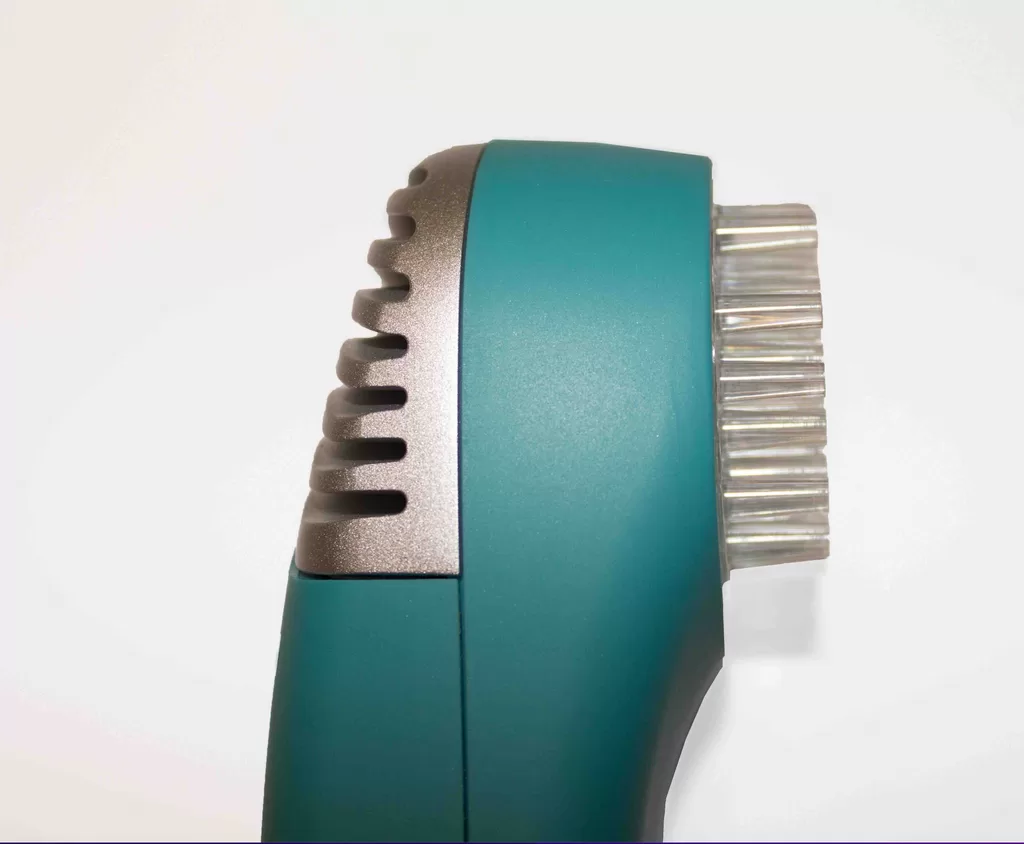
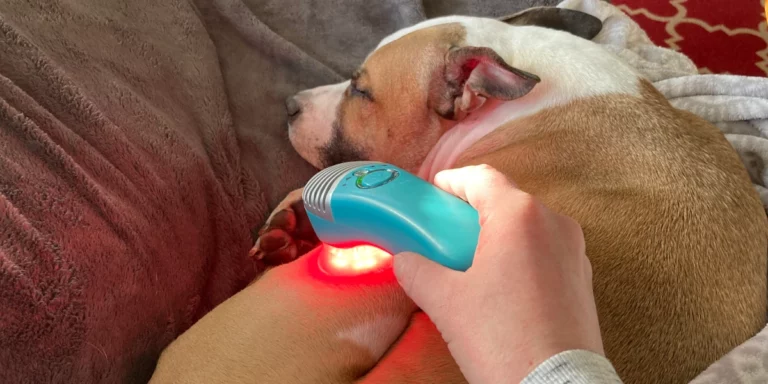
The MedcoVet Luma gives pet owners a way to support comfort during the long home recovery period.
Luma uses red and near-infrared light to support circulation, inflammation control, cellular function, and pain relief. It is non invasive, drug free, and designed for guided home use.
For dogs with IVDD, Luma may support:
Comfort during crate rest
Reduced pain
Reduced inflammation
Better tolerance for physical therapy
Support after spinal surgery
Comfort during conservative treatment
Recovery support after disc herniation
Mobility support after diagnosis
Many dogs with IVDD need weeks of rest and careful recovery. Luma gives pet parents a gentle support tool to use as part of the plan.
There is the crate rest. The pain management. The careful bathroom breaks. The worry every time your dog shifts, stands, or tries to move.
Luma gives pet parents a way to support comfort, inflammation control, and mobility at home as part of their dog’s IVDD care plan. Red light therapy can be especially helpful during recovery because it supports the body’s natural healing process while your dog rests, rebuilds strength, and works toward safer movement.
1-12 of 13 results
Kona
“we use the Luma 3 to 4 times per week and I do believe it did make a difference on…”
Kona
IVDD
“we use the Luma 3 to 4 times per week and I do believe it did make a difference on my sweet dogs back. It kept him strong until the very end.”
“When my miniature dachshund, Ella, underwent her first IVDD surgery, it was a challenging time for both of us. She…”
Ella
IVDD
“When my miniature dachshund, Ella, underwent her first IVDD surgery, it was a challenging time for both of us. She was in significant pain despite being on multiple medications, and I desperately wanted an alternative solution that didn’t involve adding more pills to her regimen. That’s when her rehab veterinarian recommended the MedcoVet Luma, and it truly became a game-changer.
We’ve been using the Luma therapy every day for the past two years, and I can’t say enough about how much it has helped Ella. Initially, it played a vital role in managing her post-surgery pain, providing her with much-needed relief. Over time, it’s become an essential part of her routine, helping to prevent painful flare-ups and keeping her comfortable and active.
Not only has the MedcoVet Luma been effective, but it’s also incredibly easy to use at home. It has saved us countless trips to the vet’s office and significantly reduced our expenses for in-clinic laser therapy. Most importantly, it has given Ella a better quality of life—and as a pet parent, that’s priceless.
I wholeheartedly recommend the MedcoVet Luma to anyone dealing with similar challenges. It’s been a lifeline for Ella, and I know it can make a difference for others too.”
“Simon is a 15-year-old 80 lb goldendoodle who led a very active life hiking 3 mi a day until he…”
Simon
Degenerative Disc Disease
“Simon is a 15-year-old 80 lb goldendoodle who led a very active life hiking 3 mi a day until he was 14 years old. At 14 he developed degenerative disc disease and cannot get up anymore on his own. He was in a lot of pain and our veterinarian suggested the Luma. It has been the best thing we could have ever done for Simon. We use it every night on him on all his limbs and his spine. He doesn’t cry anymore when he goes to sleep and he’s much more active. We do help him get up but once he’s up he can walk around without any pain. Thank you so much Luma for helping Simon and us”
“The luma helped Teddy with his IVDD. There was a noticeable improvement in his symptoms soon after treating. He…”
Teddy
IVDD
“The luma helped Teddy with his IVDD. There was a noticeable improvement in his symptoms soon after treating. He had many health issues and was unable to take most pain medications. This device helped improve his quality of life greatly and I am so grateful that we had the opportunity to try it. Teddy was also very stressed with any type of restraint or vet visits, so the fact that I could treat him at home while he was laying down was also extremely helpful.”
“Shaw-neh has IVDD a Bilateral Cruciate disease. There were days my little girl had trouble just getting around. Shawneh has…”
Shaw-neh
Shaw-new has bilateral cruciate, herniated L7 S1 an has groin issues. Some times she has had soft tissue issues in her cervical region.
“Shaw-neh has IVDD a Bilateral Cruciate disease. There were days my little girl had trouble just getting around. Shawneh has a hunting background with both parents, so she is quite active. This helped give Shawneh a quality of life, to enjoy her walks and hiking with me. She’s my side kick an on days that she couldn’t function all I had too do was use the laser! Sometimes all I had too do was just show her the laser and she would assume her position on her bed for her treatment! I KNOW this works for her!!! But better yet,,SHE knows it works!!”
“We were desperate to find a solution to Norman’s pain. He was unable to walk and could not even get…”
Norman
Pinched nerve or slipped disc
“We were desperate to find a solution to Norman’s pain. He was unable to walk and could not even get comfortable laying down. He would sit like a bear and pivot from left foot to right foot. He couldn’t put any pressure on his right front foot. We couldn’t afford a $10,000 MRI, so I went the natural route and took him to an animal chiropractor. She was very patient and loving with poor Norman. She would adjust him and then give him some ‘scritches’ and then a treat and then the Luma device. We saw a pretty decent improvement with his pain level in just a few uses. I was very interested to learn more about this Luma device. I read everything I could find on it and I wanted to buy one . My animal chiropractor suggested renting it for a bit until she could find one for me to buy. We rented for about 4 months. I used it religiously three to five times a day on Norman. We saw great improvements with the Luma. Within a few weeks Norman was able to stand again without help. He still wasn’t putting any weight on that front paw and it hurt him to limp but he was standing to eat and could potty on his own again. Week after week we saw slight improvements. By week 9 he was walking with a limp. The pain was manageable and controlled at this point. Then on week 17 we turned a corner! Very slight limp and full weight on his front foot. Pain was minimal. It was so exciting! We got our sweet Norman back. He was happy again. It was miracle! Thank you for sharing your miracle red light healing Luma. We are forever grateful to you for bringing our sweet Norman back to a pain free, limp free life.”
“The Luma helped my dog with neck and spine pain. With the help of the Luma my dog was able…”
Roxy
Helped her walk again I can’t remember the name of the disease but her legs gave out on her all 4 with the help of the Luma and Chinese herbs Roxy was able to walk again within a couple weeks,IVDD
“The Luma helped my dog with neck and spine pain. With the help of the Luma my dog was able to run and use her legs within a couple weeks!”
“The Luma device eased Birdie’s hind leg pains. It brought tears to my eyes when I first saw her get…”
Birdie
muscle spasms in back legs,IVDD
“The Luma device eased Birdie’s hind leg pains. It brought tears to my eyes when I first saw her get “zoomies” in the backyard – it’s been a while since she felt good enough to zip around!”
“Syre suffered from excruciating IVDD flares that would cause back, leg, and facial spasms. Using the Luma device helped to…”
Syre
IVDD and other musculoskeletal pain
“Syre suffered from excruciating IVDD flares that would cause back, leg, and facial spasms. Using the Luma device helped to reduce inflammation and pain during IVDD flares. And we’ve had a reduction in IVDD flares since using the device on a regular basis. Being able to provide cold laser therapy to my dog at home saves us time and money, and we can adjust the treatment schedule to more/less frequent treatments depending on his health. This has been a game-changer in managing his IVDD. Thank you, Medco!”
“During a portion of Crash’s rehab for his IVDD, we were using Luma for daily sessions. He improved so much…”
Crash
IVDD, arthritis
“During a portion of Crash’s rehab for his IVDD, we were using Luma for daily sessions. He improved so much in such a small amount of time. Now he is stable and pain-free, and uses Luma only once a week. I have so many thanks to give Luma.”
“Luma red light therapy has been an incredible tool in my senior dog Autumn’s health journey. At nearly 16 years…”
Autumn
Pemphigus Foliaceous and IVDD
“Luma red light therapy has been an incredible tool in my senior dog Autumn’s health journey. At nearly 16 years old, Autumn has faced some tough challenges, including pemphigus foliaceus (a rare autoimmune skin disease) and IVDD, which has left her unable to use her back legs. When conventional treatments had limitations, I turned to holistic support to help her feel as comfortable and vibrant as possible.
Luma became a key part of her routine, and I truly believe it made a difference. It helped calm and support her skin when her autoimmune condition flared, and as IVDD progressed, I noticed it helped prolong her mobility and reduce discomfort. Even though she can no longer walk, she’s still enjoying life—going on hikes, taking road trips, and staying engaged in all the adventures we love. For any pet parent looking to support their dog’s health naturally, I can’t recommend Luma enough. It’s easy to use, safe, and something I wish I had started even earlier. Thank you, Luma, for being a part of our holistic routine and helping me give Autumn the best quality of life possible!”
“Tucker is a 12-year-old Doxie mix who has been dealing with “long dog back problems” for about four years. Unfortunately,…”
Tucker
Tucker has chronic IVDD.
“Tucker is a 12-year-old Doxie mix who has been dealing with “long dog back problems” for about four years. Unfortunately, Doxies are known for being incredibly stubborn, and Tucker is no exception—he doesn’t always know his limits. We often find him on tables, running up and downstairs, or sprinting to the door to bark at delivery people. It’s no surprise that he occasionally experiences flare-ups of back pain.
During his first few episodes of IVDD, he was completely crate-bound for weeks. Now, we incorporate the Luma into his recovery plan, and we’ve found that it helps shorten the duration of his flare-ups and gets him back to normal more quickly. We know this is a critical part of his care, and we’re grateful that our rehab vet suggested adding it to our at-home routine.
Before, I had to schedule appointments with the vet—hoping they had an opening—and drive there for laser treatments. Now, we can do it more frequently and cost-effectively from home, which has made a huge difference in Tucker’s recovery. It’s been wonderful to see him return to his usual antics!”
MedcoVet’s clinical view on at-home IVDD treatment
MedcoVet focuses on photobiomodulation protocols for dogs with IVDD, pain, mobility loss, inflammation, and surgery recovery.
Our clinical approach starts with diagnosis and safety. At-home care can help most dogs maintain comfort and function in mild to moderate cases, but it should never delay prompt veterinary care when severe cases are present.
The strongest at-home IVDD plans include accurate diagnosis, strict crate rest, medications, bladder care, physical therapy when cleared, weight management, home setup, and careful monitoring.
Red light therapy can fit into that plan as supportive care.
Questions pet owners ask about treating IVDD at home
Some mild to moderate IVDD cases can be treated at home with conservative management, but only under veterinary supervision. Severe cases may need spinal surgery.
Strict crate rest usually lasts at least four weeks, and many dogs need four to six weeks or longer to give them the best chance of full recovery. Follow your vet’s advice exactly.
A small dog may need about a 3 by 4 foot recovery crate. A large dog may need about a 4 by 5 foot space. The space should prevent jumping, running, and pacing.
Your dog may need short leash walks for bathroom breaks, often three 10-minute trips daily or less depending on your vet’s plan. These are potty breaks, not exercise walks, and walk length and frequency should follow your vet’s advice.
Call your veterinarian. IVDD can affect bladder control, and manual bladder expression may be needed. Bladder problems can lead to urinary tract infections.
Yes. Physical therapy can improve mobility in IVDD-affected dogs, but it should begin only when your veterinary team says it is safe.
No. Red light therapy cannot remove herniated disc material or treat severe spinal cord compression. It may support pain relief and recovery after diagnosis.
Call your vet immediately if your dog has severe pain, worsening weakness, loss of bladder control, inability to walk, loss of deep pain, or any sudden decline.
Clinical summary
Mechanism: IVDD occurs when intervertebral disc material bulges, ruptures, or herniates and puts pressure on the spinal cord or nerve roots. Conservative treatment aims to reduce inflammation, prevent further injury, and allow stabilization of the affected disc. Surgery may be required to remove disc material and decompress the spinal cord.
Evidence level: Strong for strict crate rest and medication in selected mild cases. Strong for decompressive surgery in severe cases with loss of walking ability or progressive neurological signs. Physical therapy supports mobility recovery after medical or surgical treatment when started at the correct stage. Photobiomodulation has moderate support for pain and inflammation support.
When red light therapy works best: Red light therapy works best after diagnosis when pain, inflammation, tissue repair, physical therapy tolerance, or post-surgical recovery support are part of the plan. It can be used as a supportive tool during conservative treatment or recovery after spinal surgery when cleared by the veterinary team.
When not to use red light therapy: Do not use red light therapy as a substitute for urgent veterinary care, advanced imaging, strict crate rest, pain medications, or surgery when needed. Dogs with severe pain, paralysis, loss of bladder control, or loss of deep pain sensation need immediate veterinary attention.
Abstract: “PBM patients had significantly higher ASIA motor scores at 0.5 months (mean difference, 8.13; 95 % CI, 5.62 to 10.22; P < 0.001) and 3 months (13.33; 95 % CI, 11.01-15.26; P < 0.001), with no significant between-group difference at 6 or 12 months.
The PBM group showed higher-but not statistically significant-independent ambulation rates at 3 and 6 months; rates were similar at 12 months.
At day 7, CSF levels of GFAP, Tau, S100β, NSE, and NFH were lower with PBM; exploratory proteomics suggested enrichment of synaptic plasticity and repair-related pathways.
Scores on SCIM, SF-36, and EQ-5D favored PBM at 3 and 6 months (all P < 0.001), converging by 12 months.
Fewer complications occurred with PBM, and no device-related serious adverse events were observed."
"Early PBM adjunctive to decompression may improve short-term neurological and functional recovery and reduce CSF markers of neural injury in acute incomplete cervical SCI."
One Sentence Outcome: “PBM patients had significantly higher ASIA motor scores at 0.5 months (mean difference, 8.13; 95 % CI, 5.62 to 10.22; P < 0.001) and 3 months (13.33; 95 % CI, 11.01-15.26; P < 0.001), with no significant between-group difference at 6 or 12 months. The...
Study Parameters: Time: 1800; Sessions: 7
/ 7 days
Device Parameters: Wavelength: 810; Power: 300
Evidence Level: Randomized controlled trial
Study Type: Human
Randomized trial
Multicenter
66 participants (56 completed)
⌛ 7-day treatment -> 12-month follow-up
Abstract: “H-Amplitude at 15th day and JOACMEQ-QoL at 7th day demonstrated significant difference (p < 0.05) between the groups. Significant changes (p < 0.05) were observed within experimental group while compared to the control group in H-amplitude, m-CTSIB, JOACMEQ and NDI.
Individuals with compressive cervical myelopathy receiving PBMT as an adjunct to SSS and ABT experienced significantly better outcomes (e.g., improved function, reduced pain, improved QOL) compared to those receiving only SSS and ABT."
One Sentence Outcome: “H-Amplitude at 15th day and JOACMEQ-QoL at 7th day demonstrated significant difference (p < 0.05) between the groups. Significant changes (p < 0.05) were observed within experimental group while compared to the control group in H-amplitude, m-CTSIB,...
Study Parameters: Sessions: 15
/ 3 weeks
Device Parameters:
Evidence Level: Randomized controlled trial
Study Type: Human
Randomized trial
32 participants
⌛ (?)
Device Parameters: Wavelength: “Eighteen studies were included-six on cervical and twelve on lumbar SRD-encompassing a total of 1,095 participants (555 received HILT; 540 were controls).
The overall RoB was 38.9%, primarily due to shortcomings in outcome measurement and the randomization process.
HILT significantly reduced pain when combined with physical therapy (MD = – 1.4 cm; 95% CI: – 2.1, – 0.7; p < 0.05) and compared to placebo (MD = - 1.8 cm; 95% CI: - 3.1, - 0.6).
It also reduced disability, whether applied alone (SMD = 2.3; 95% CI: 0.3, 4.4), with physical therapy (SMD = 2.6; 95% CI: 1.0, 4.1), or with exercise (SMD = 0.9; 95% CI: 0.3, 1.5). For ROM, significant improvement was found only when HILT was combined with physical therapy (SMD = 1.1; 95% CI: 0.6, 1.6; p < 0.01).
Although the evidence was considered important, its certainty was rated low to very low.
HILT is more effective than placebo in reducing pain and disability in individuals with cervical or lumbar radiculopathy, particularly when combined with physical therapy or therapeutic exercise.
Future RCTs should integrate therapeutic exercise and ensure greater methodological rigor, particularly through the standardization of outcome measures."
Abstract: Cadaver dog study measuring transcutaneous delivery of PBM light to the spinal canal using an intra-spinal probe, supporting feasibility and dose-delivery considerations for spinal targets.
One Sentence Outcome: Transcutaneous PBM light reached the spinal canal in dog cadavers, supporting the plausibility of spinal light delivery.
Study Parameters: Six cadaver dogs; multi-channel intra-spinal probe measured target-level light transmission to spinal canal
Device Parameters: wavelength: 980 nm
Evidence Level: Experimental veterinary cadaver study
Abstract: “Importantly, phototherapy attenuated the protein and gene expression of pain-related factor IL-6 at all doses and wavelengths. Interestingly, phototherapy also modulated the protein and gene expression of IL-8, which is responsible for the anabolic response, at a wavelength of 465 nm at all doses, in human NP cells. These findings suggested that phototherapy, at an optimal dose and wavelength, might be a useful therapeutic tool to treat IVD degeneration.”
One Sentence Outcome: Phototherapy reduced inflammatory and pain-related mediators in human nucleus pulposus cells, suggesting a mechanistic rationale for disc-related pain support.
Study Parameters: LED phototherapy; ; Wavelength comparison
Abstract: “Both of therapeutic modalities demonstrated analgesic efficacy and improved the function in patients affected by CDH after 4 weeks of therapy (total 20 treatment sessions in 5 days a week). Both the HILT plus exercise program and the TENS / US plus exercise program were found to be effective in improving cervical range of motion and quality of life by reducing pain.”
One Sentence Outcome: High-intensity laser plus exercise improved pain, cervical range of motion, and quality of life in patients with cervical disc herniation.
Abstract: This randomized canine study evaluated daily postoperative laser therapy after thoracolumbar hemilaminectomy in Dachshunds and found faster incision healing and better cosmetic outcomes than untreated controls.
One Sentence Outcome: Daily postoperative laser therapy was associated with faster and more cosmetic incision healing in a small canine surgical-incision study.
Study Parameters: Nine dogs after thoracolumbar hemilaminectomy were followed for incision healing and cosmetic outcome.
Device Parameters: Postoperative laser therapy protocol used for thoracolumbar hemilaminectomy incision healing; exact dosimetry should be verified from full text.
Abstract: Preliminary study in dogs after hemilaminectomy evaluating whether LLLT shortened time to ambulation.Preliminary study in dogs after hemilaminectomy evaluating whether LLLT shortened time to ambulation.
One Sentence Outcome: This study reported a positive outcome for the photobiomodulation intervention or evidence question.
Study Parameters: Post-hemilaminectomy dogs were compared for time to ambulation after receiving LLLT versus control care.
Device Parameters: Low-level laser therapy; exact dosimetry not fully reported in the abstract record reviewed.
• Journal: American Journal of Veterinary Research
Abstract: Objective: evaluate postoperative PBMT and physical rehabilitation on early recovery after hemilaminectomy for thoracolumbar disk disease; the reviewed abstract reports no difference among groups.Objective: evaluate postoperative PBMT and physical rehabilitation on early recovery after hemilaminectomy for thoracolumbar disk disease; the reviewed abstract reports no difference among groups.
One Sentence Outcome: This study reported a null/negative outcome for the photobiomodulation intervention or evidence question.
Study Parameters: 32 nonambulatory dogs after hemilaminectomy assigned to PBMT, rehabilitation with sham PBMT, or sham PBMT only.
Device Parameters: PBMT; the abstract reviewed did not report the full device settings.
Abstract: This study reported the clinical effects of PBMT within a postoperative rehabilitation protocol in dogs after thoracolumbar disk extrusion surgery.This study reported the clinical effects of PBMT within a postoperative rehabilitation protocol in dogs after thoracolumbar disk extrusion surgery.
One Sentence Outcome: This study reported a positive outcome for the photobiomodulation intervention or evidence question.
Study Parameters: 24 dogs after thoracolumbar disk extrusion surgery; 12 received laser plus rehabilitation and 12 rehabilitation without laser.
Device Parameters: MLS laser therapy / PBMT was used within a rehabilitation protocol; the reviewed abstract record did not list the full dosimetry.
🐾 Ready to Take the Next Step? Whether you’re just learning or ready to act — we’ve got you.
👉Book a Free Consult Talk to a licensed clinician about your pet’s condition and get a personalized plan. No pressure, just real help.
👉Learn More About the Luma Explore how our at-home red light therapy device works, why it’s different, and what it can do for your pet.
About the Author Alon Landa is the CEO and co-founder of MedcoVet, a leader in at-home red light therapy for pets. With over 20 years of experience in medical technology and firsthand involvement in developing the Luma, Alon combines deep technical knowledge with a passion for improving pet health. He regularly collaborates with veterinarians and pet parents to advance photobiomodulation (PBM) care at home. 📍 Based in Boston, MA 📖Read more from Alon here
About the Medical Reviewer Clinical Focus:Surgery, anesthesia, canine fitness, injury prevention, agility Kristy Williams brings over 30 years of experience to the veterinary field. Her career began in the 1990s, working as a civilian for the Army Veterinary Corps at RAF Feltwell in England, where she first discovered her passion for animal care and supporting their families. Upon returning to the United States, Kristy pursued her education and graduated in 2005 as a certified veterinary technician after passing the national exam. She has since gained extensive experience in both general practice and emergency/referral practices. Read More about Kristy here.
IVDD Symptoms in Dogs How to spot early warning signs, severe symptoms, and emergency changes in your dog’s spine and mobility Worried your dog is showing signs of IVDD?Talk with a MedcoVet clinician about your dog’s pain, mobility changes, diagnosis, and at-home care options. Reviewed: June 2026Updated: June 2026 What are the symptoms of IVDD…
Canine Tethered Cord Syndrome When Back Pain, Tail Pain, and Strange Gait Point to a Neurologic Cause When a dog has low back pain, trouble climbing stairs, sudden soreness, or an odd “skipping” gait, many pet parents first think of an orthopedic problem. That makes sense. Hip pain, knee issues, muscle strains, IVDD, and lumbosacral…
IVDD in Dogs Treatment Options Conservative care, surgery, recovery, cost, and how to support your dog at home Help your dog get the right IVDD recovery planTalk with a MedcoVet clinician about your dog’s diagnosis, pain level, mobility, and at-home support options. Reviewed: June 2026Updated: June 2026 What is the best treatment for IVDD in…
Dog Neck Pain: Symptoms, Causes, and At-Home Relief Options (Including Red Light Therapy) Not sure what’s causing your dog’s neck pain?Get clear on whether red light therapy could help and when it should wait. Vet-reviewed • Fast • No email spam Reviewed: May 2026Updated: May 2026 This page is part of MedcoVet’s clinical education library…
Relief Without the Waitlist What Causes Sudden Hind Leg Weakness in Dogs and How to Help 👉 Worried about your dog’s back legs? Start here Get a fast read on what may be going on and whether red light therapy could help Sudden hind leg weakness in dogs can be alarming. Common causes include orthopedic…
Bulging Disc in Dogs: What You Need to Know + How Red Light Therapy Fits Safe, non-invasive, and evidence-based care options explained. Plus, free resources to help you take the next step. Lucy A bulging disc can turn everyday movement into agony for your dog. While surgery and meds are often discussed, red light therapy…
Trustindex verifies that the company has a review score above 4.5, based on reviews collected on Google over the past 12 months, qualifying it to receive the Top Rated Certificate.