LumaSoothe 2: A Comprehensive Overview
Before you spend hundreds, find out what really matters—and what could hold you back.
Written by: Alon Landa
Reviewed: April 2026
Updated: April 2026
Note: This article is part of our Red Light Round Up Series where we review and compare the top devices on the market. LumaSoothe 2 is a registered copyright of LumaSoothe. MedcoVet is not affiliated with LumaSoothe. In fact, we are a competitor who is asked constantly to compare our device to the LumaSoothe. This post shares our findings. If you want the broad clinical overview, protocols, and condition guidance, see Red Light Therapy for Dogs.
Is the LumaSoothe 2 a good at-home light therapy device for pets?
The LumaSoothe 2 has some promising elements, including red and infrared wavelengths, but the review raises concerns about whether it delivers enough power to be effective in real-world use. The page says independent testing found output far below the advertised claim, and it also notes that the device lacks a good way to treat through fur. It may still help in some cases, but it appears less practical and less predictable than stronger devices with clearer dosing and better skin access.
Let’s examine the details, considering the device’s strengths and shortcomings based on both manufacturer claims and independent testing.
First Impressions: Promising Technology, But Questionable Power
Light therapy is increasingly popular for treating various conditions in pets, from arthritis to wound healing. The science behind it, particularly red and infrared light therapy, is well-supported by clinical studies.
The LumaSoothe 2 boasts two key therapeutic wavelengths: red light at 635nm and infrared light at 940nm. Red light is known for reducing inflammation and promoting cell regeneration, which is great for wound healing, while infrared light can penetrate further into tissues and the pet’s body, making it a good candidate for pain relief and injury recovery.
However, not all wavelengths are equally effective at reaching deep tissues. The graph below helps to explain why. On a logarithmic scale—where each step represents a 10-fold increase—we can see how different wavelengths interact with biological tissues. Hemoglobin tends to absorb wavelengths below 800nm (the red spectrum in the graph), which can limit how deeply those wavelengths penetrate into tissues. Meanwhile, water absorbs most of the energy from wavelengths above 850nm, including the 940nm wavelength used in LumaSoothe 2. This means that while 940nm can be effective for certain applications, a significant portion of its energy is absorbed by water, reducing the amount that reaches the target tissue and the deeper areas of the body.
For deeper tissue penetration, a wavelength closer to 808nm is ideal, as it balances absorption by hemoglobin and water, allowing more light to reach the intended area for effective pain relief and healing.

Beyond wavelengths, our independent test casts doubt on the LumaSoothe 2’s real-world performance, particularly its power output. When the test was conducted, we found that the actual power output was just a fraction of this claim—0.225 J/cm² per minute instead of the advertised 6.4 J/cm². This discrepancy is significant, with our tests showing the device’s power to be 28 times lower than what is advertised. This could mean that while the LumaSoothe 2 might still offer some therapeutic effects, the intensity may not be enough for it to perform as effectively as promised, especially when compared to stronger devices like the Luma, which delivers much more light power to the target tissue.
Let a clinician review your dog’s case
Get a personalized protocol based on your dog’s condition, size, coat, and history. Free. No pressure.
Ella
Wavelengths and Light Specs: Overcomplicated for No Reason?
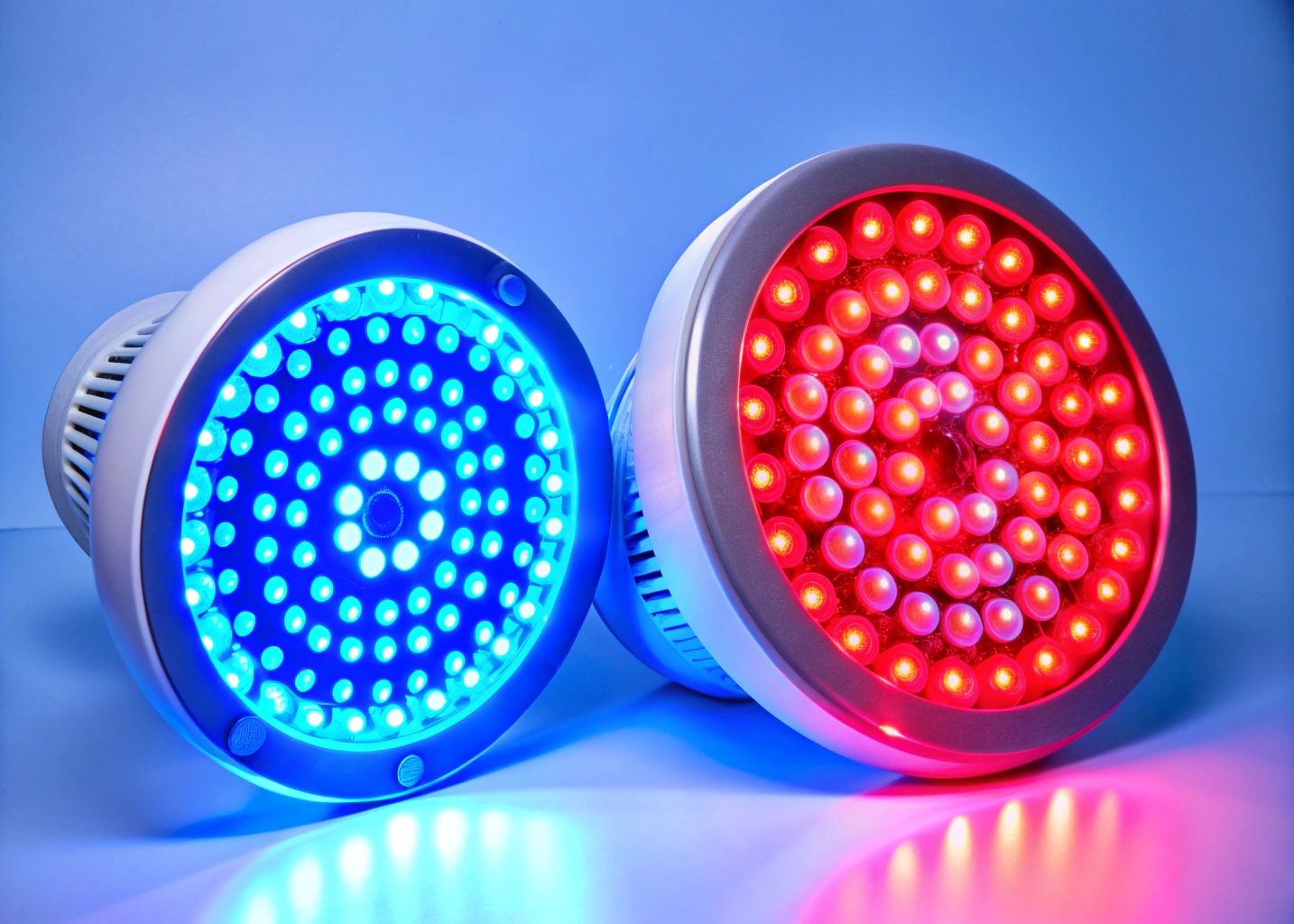
One of the LumaSoothe 2’s selling points is its use of five different wavelengths, including blue and green light. These extra colors are marketed as beneficial for killing bacteria and promoting skin health. However, clinical research shows that the effectiveness of blue and green light at these lower power levels is questionable, and the available material on light therapy effectiveness is limited or inconclusive for certain wavelengths. For blue light to effectively target bacteria, the light needs to be applied at much higher intensities and for far longer periods than what the LumaSoothe 2 offers. In practice, these additional colors seem more like a gimmick than a feature that provides any real clinical benefits for pets.
Moreover, while the device does use pulsed light, which some research suggests could enhance the therapeutic effect, there’s little evidence supporting the efficacy of pulsing at the rates visible to the human eye. The lack of clear dosage information—such as how much light is emitted at each wavelength—also raises concerns. Without this crucial data, pet owners have no way of knowing how long to use the device to achieve the desired results, further diminishing the device’s practical usability. Users may need to keep notes on their usage and results to track effectiveness, given the absence of detailed guidance in the provided material.
Light Therapy Benefits and Applications
Light therapy has emerged as a promising treatment option in veterinary medicine, offering a non-invasive way to address a range of conditions in pets. As more pet owners seek alternatives to medication for pain relief and healing, the critical evaluation of light therapy devices becomes increasingly important. Devices like the LumaSoothe 2 are often the subject of review and analysis, as pet parents and clinicians look for effective solutions to manage arthritis, inflammation, and skin issues in dogs and cats.
One of the most significant benefits of light therapy is its ability to provide pain relief. Clinical studies and ongoing research have demonstrated that infrared light can penetrate deep into the body’s tissues, reducing inflammation and promoting cellular repair. This is particularly valuable for pets suffering from chronic conditions such as arthritis, where traditional treatments may have limitations or unwanted side effects. The act of reviewing these devices—whether through book reviews, product analysis, or committee-led surveys—helps determine which products truly deliver on their promises.
Beyond pain management, light therapy is also used to accelerate healing after surgery, minimize scarring, and treat various skin conditions. For example, blue light has been discussed in the literature for its potential to address surface-level skin concerns, though its effectiveness at lower power levels remains a topic of debate. This ongoing discussion highlights the need for judicial reexamination of current research and the importance of transparent reporting on device performance, power output, and wavelength specifications.
When treating pets, it’s essential to consider the unique characteristics of their skin and fur. Devices must be evaluated not just for their technical specs, but also for their real-world performance—especially for dogs with thick coats, where light penetration can be a challenge. Comments and feedback from pet owners, as well as findings from independent testing, play a crucial role in shaping the current affairs of the light therapy market. Sellers and manufacturers must address concerns about manufacturing defects, power discrepancies, and usability to ensure their products meet the needs of both pets and their caregivers.
The process of reviewing light therapy devices is similar to critical evaluations in other fields, such as accounting, business, or literature. Just as a book review or a financial analysis examines strengths, weaknesses, and overall performance, a thorough review of a light therapy device involves a detailed analysis of its benefits, shortcomings, and clinical relevance. This practice ensures that decisions are based on evidence and real-world results, rather than marketing claims alone.
As the field of pet wellness technology evolves, the importance of ongoing research, expert committee discussions, and transparent publication of findings cannot be overstated. The period during which a device is tested, the methods used, and the proceedings of these evaluations all contribute to a comprehensive understanding of its effectiveness. Reviews that have appeared in both scientific literature and user forums provide valuable insights, helping pet owners make informed decisions about treatment options.
In summary, light therapy offers a range of benefits for pets, from pain relief to improved healing and skin health. However, the effectiveness of these treatments depends on careful evaluation of each device’s power, wavelength, and design. By fostering a culture of critical review and open discussion—drawing on clinical studies, user feedback, and expert analysis—we can ensure that pets receive the safest and most effective care possible. As new devices and research continue to appear, the ongoing review of light therapy in veterinary practice remains essential for advancing the field and improving outcomes for our animal companions.
A Practical Design? The Fur Factor
For any light therapy device designed for pets, there’s an important factor that can’t be overlooked: fur. Roughly 80% of light can be absorbed or reflected by fur before it ever reaches the skin, where treatment is needed. The LumaSoothe 2 lacks an optical comb or any other mechanism in its form or design to help bypass this barrier. This is a key shortcoming, as other devices, like the Luma, incorporate patented designs to address this issue and ensure that more light actually reaches the pet’s skin.
As a result, the effectiveness of the LumaSoothe 2 is likely to be significantly reduced when used on pets with thick fur. Without a comb or a way to increase light delivery, the device may need much longer treatment times to deliver meaningful results—if it’s able to at all. Additionally, the effectiveness can depend on the person using the device, as proper technique and consistency are important to achieve the best outcomes.
For an example of how MedcoVet solved the fur problem, click
Power, Heat, and Safety

One thing the LumaSoothe 2 does get right is its safety design. Light therapy devices, especially those delivering higher power, can generate heat. Devices emitting over 1W of light must have a heat dissipation mechanism to avoid overheating and burning out. The LumaSoothe 2 doesn’t seem to generate enough power to require extensive heat management, which could be seen as a benefit in terms of safety, though this lack of power also limits its overall effectiveness. The device aims to provide a reliable service for pet owners seeking safe treatment options.
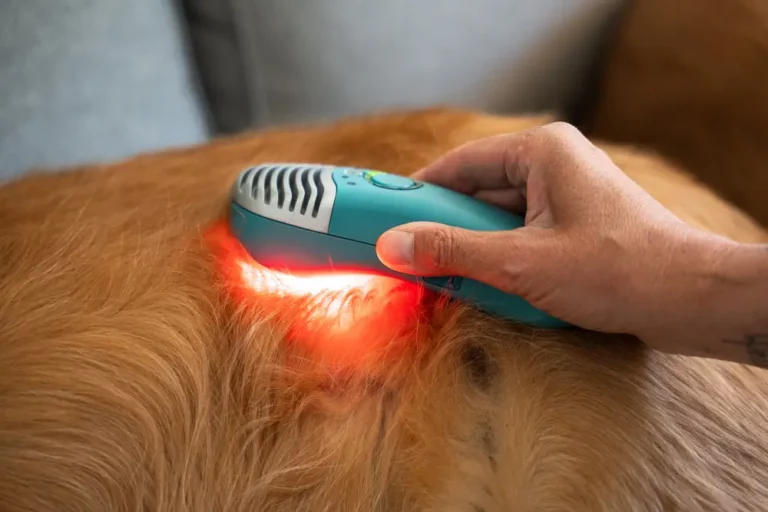
Another drawback is that the device is designed for scanning treatment, which is generally less efficient compared to stationary treatment. When you move the device around during use, as suggested in the LumaSoothe 2’s instructions, it reduces the overall light dose to the target area, meaning it may take longer to achieve results compared to a stationary light therapy device. These factors can influence a pet owner’s decision to purchase the device, especially when comparing efficiency and value to other options.
Also, there is no way to accurately dose how much light energy is actually getting to the target tissue simply due to constantly moving the device. That is, one area may receive dramatically more light energy than another due to human error alone.
If you want a structured way to judge claims and compare devices across real constraints:
👉 Download: The Smart Pet Parent’s Guide to Choosing a Red Light Therapy Device
Hazel
Clinical Summary
Mechanism: Photobiomodulation using red and infrared light can influence cellular signaling associated with inflammation modulation, circulation changes, and tissue repair. On the page, the device is described as using 635 nm red light and 940 nm infrared light, though the article argues 940 nm is less ideal for deeper tissue penetration than wavelengths closer to 808 nm.
Evidence level: Moderate for select pain, inflammation, and healing applications when sufficient dose reaches the tissue. In this case, the article questions whether the device’s actual output and unclear per-wavelength dosing are adequate to reliably achieve that effect.
When it works best: Likely in thinner-coated pets, surface-oriented applications, or situations where owners can be highly consistent and patient with treatment time. Results are more plausible when fur is not a major barrier and when expectations are modest.
When not to use: Suspected malignancy without veterinary oversight, active infections that need medical care, photosensitivity concerns, pregnancy without clinician guidance, or cases where prompt veterinary diagnosis is needed. It is also a poor fit when thick fur, uncertain dosing, or inconsistent scanning technique make reliable delivery unlikely.
FAQ’s
Verdict: A Well-Meaning But Underpowered Device
This written review aims to provide a comprehensive evaluation of the LumaSoothe 2, drawing on the critic’s perspective and knowledge in the field. The LumaSoothe 2 positions itself as a convenient and affordable light therapy solution for pet owners, but it falls short in key areas. While its use of red and infrared light is grounded in solid science, the device’s actual power output is a major concern. With independent testing showing much lower light intensity than advertised, it’s hard to see how the LumaSoothe 2 could deliver the therapeutic benefits promised in a reasonable amount of time.
When reviewing consumer choices, it’s important to consider the role of the seller in providing accurate information and support. In terms of affordability, the device’s price may seem attractive, but the value is questionable given its performance. Key events in the device’s development and use, such as updates to its design and user feedback collected through surveys, have not fully addressed core issues like penetration through fur. Suggestions for improvement could include new ideas for future iterations, such as enhanced power output or better fur-combing technology. As a critic, I recommend consulting a doctor before starting any new therapy for your pet, and considering essays or other written reviews for additional perspectives. Presenting these findings in both written and speech formats helps ensure clarity. When discussing terminology, choosing the right word and understanding synonyms is crucial for accurate communication.
🐾 Ready to Take the Next Step?
Whether you’re just learning or ready to act — we’ve got you.
👉 Book a Free Consult
Talk to a licensed clinician about your pet’s condition and get a personalized plan. No pressure, just real help.
👉Learn More About the Luma
Explore how our at-home red light therapy device works, why it’s different, and what it can do for your pet.

About the Author
Alon Landa is the CEO and co-founder of MedcoVet, a leader in at-home red light therapy for pets. With over 20 years of experience in medical technology and firsthand involvement in developing the Luma, Alon combines deep technical knowledge with a passion for improving pet health. He regularly collaborates with veterinarians and pet parents to advance photobiomodulation (PBM) care at home.
📍 Based in Boston, MA
📖Read more from Alon here