Does Red Light Therapy for Dogs at Home Actually Work?
Red light therapy for dogs at home can be a safe and effective treatment for joint pain, soft tissue injuries, and chronic conditions when used with the right dose, frequency, and protocol. It works by using red and near infrared light to stimulate cellular repair, improve blood flow, and reduce inflammation. The key is consistency and customization, not guesswork.
Photobiomodulation (PBM), also called red light therapy, low-level laser therapy, LED therapy, cold laser, and near-infrared therapy, refers to the same therapeutic category using light energy to influence cellular biology.
This includes:
Red light (around 600–700 nm) for surface-level tissue
Near infrared light (around 800–850 nm) for deeper tissue penetration
This combination allows light energy to reach muscles, joints, and connective tissue where healing needs to happen.
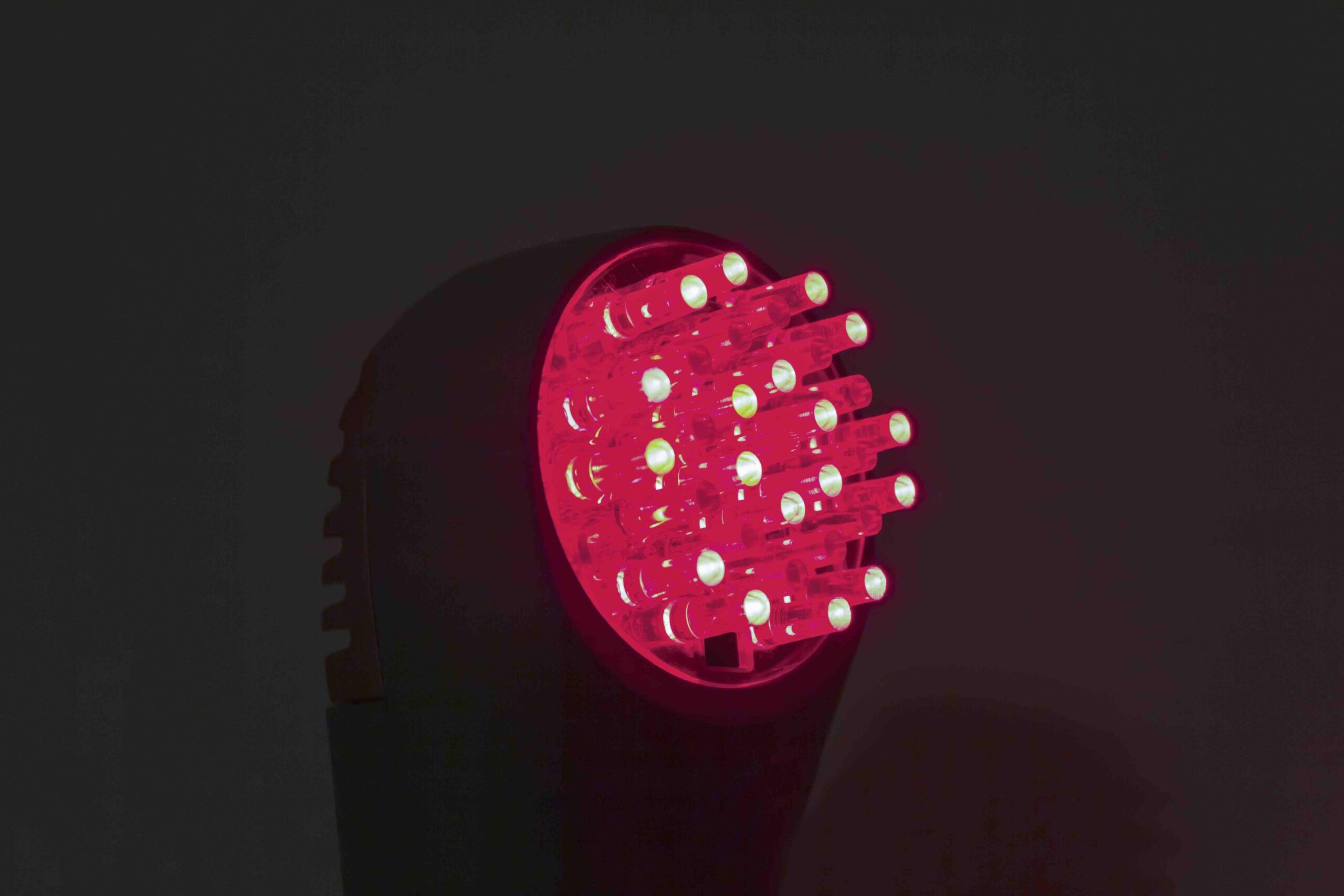
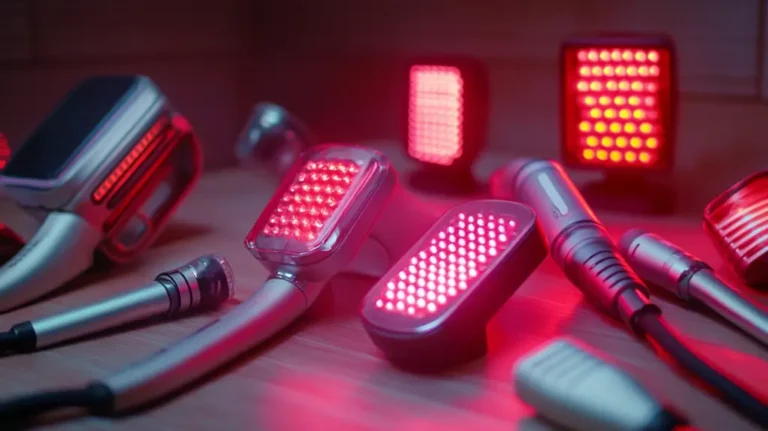
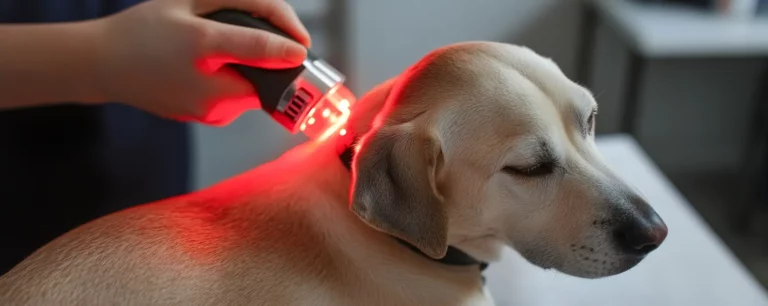
At-home devices like red light therapy devices, red light therapy pads, or a pet laser allow pet parents to deliver light therapy for dogs consistently, without relying on occasional clinic visits.
A clear breakdown of what actually matters in red light therapy devices.
Spock
Clinical Summary
Mechanism: Photobiomodulation therapy uses red and near infrared light to stimulate mitochondrial activity, increase ATP production, improve blood flow, and support cellular repair.
Evidence level: Supported by veterinary and human studies for pain relief, inflammation reduction, and tissue healing, especially with proper dosing and frequency.
When it works best:
Consistent use (multiple times per week)
Correct dose and wavelength
Customized to the pet’s condition
When not to use:
Over malignant tumors
Without guidance in complex conditions
With incorrect dosing or inconsistent use
You’ve got the science. Now get the plan.
We’ll walk through your dog’s condition and map out exactly what to do next.
Give your furry friends a more comfortable, pain free life
And that’s what every pet parent wants.
Frequently Asked Questions (FAQ) About Red Light Therapy for Dogs at Home
When choosing a device, consider its power, size, portability, and whether it includes a pre-programmed dosage timer. These features help ensure safe and effective treatments tailored to your pet’s needs.
Most devices emit light in the 630-1000 nm range, combining red and near-infrared light. This range allows the energy to penetrate deep into muscles, joints, and even bones for effective therapy.
Yes, your dog’s coat color and thickness can impact treatment effectiveness. Fur can block or scatter light, so treatment protocols may need adjustment based on coat characteristics, the depth of the tissue targeted, and the condition being treated.
Look for devices offering infrared wavelengths, especially around 808 nm, as this penetrates deeply enough to impact joints, nerves, and muscles effectively.
Yes, medical-grade devices used in clinics are designed with specific wavelengths, dosages, and duration protocols to maximize safety and effectiveness. Consumer devices may not offer the same precision or clinical support.
Devices should include protections against shock and electrocution, over voltage and A/C surges, and short and over current conditions to ensure safe use around pets.
Absolutely. The best home laser therapy devices can make a huge difference in your furry friend’s comfort, mobility, and overall quality of life.
Yes, consulting your vet is essential, especially if your dog has complex medical conditions. Your veterinarian can help create a safe and effective treatment plan.
It supports healing after surgical procedures and manages chronic conditions like osteoarthritis. It’s also effective for joint pain, hip dysplasia, muscle strains, soft tissue injuries, back pain, disc disease, and skin wounds.
Red light therapy boosts energy production in cells, accelerating recovery for nerves, bones, and collagen. It stimulates cellular repair, enhances collagen production essential for tissue repair, and reduces inflammation and pain without medication side effects.
Avoid direct exposure of red light therapy to your dog’s eyes to prevent any potential harm.
No, red light therapy devices should not be used on pregnant dogs or over malignant tumors.
Administer therapy in a comfortable, quiet environment. Sessions typically last between 5 to 15 minutes. Always supervise your dog during treatment and never leave them unattended.
Many pet owners report their dogs feeling more relaxed during sessions, showing improved mobility, energy levels, less limping, and reduced stiffness after a few treatments.
It can improve joint range of motion and reduce the need for non-steroidal anti-inflammatory drugs (NSAIDs) in dogs with arthritis, offering a drug-free pain relief option.
Yes, it helps reduce swelling, improve comfort, and accelerate healing after acute injuries or surgical procedures.
Ready to Help Your Dog Feel Better?
You don’t need to figure this out alone.
Whether you’re just starting or already using red light therapy for dogs at home, we’ll help you do it right.
📋 Comparison Guide → Device specs, red flags, clinician advice 🎬 Crash Course → The science simplified in 45 minutes 🩺 Free Consult → Personalized guidance for your pet
Abstract: “Penetration efficacy was detectable for all fluences, distances, and transmission media, with an average buccal thickness of 2.68 mm. MOP did not differ between fluences of 2 and 6 J/cm2 (p = 0.19). In the absence of media, MOP was significantly higher compared with alcohol (p < 0.05) but was not significantly different from normal saline solution (p = 0.26)." "Extraoral application of LLLT demonstrated penetration efficacy through the buccal tissue with both contact and non-contact skin (<10 mm)."
One Sentence Outcome: Supports feasibility of external cheek application of 830 nm LLLT through feline buccal tissue, relevant to Trouble’s cheek/lower-jaw treatment plan.
Abstract: “One week of serial sessions of a newly developed LLLT device for home use significantly improved tear film production and stability along with ocular discomfort symptoms in patients with DED owing to MGD. These findings open up a new scenario for patients with MGD who can enjoy the unique benefits of LLLT at home.”
One Sentence Outcome: “One week of serial sessions of a newly developed LLLT device for home use significantly improved tear film production and stability along with ocular discomfort symptoms in patients with DED owing to MGD. These findings open up a new scenario for patients…
Study Parameters: Sessions: 4
(every other day); Notes: PBM device design: toothbrush
Abstract: “Active tPBM significantly improved cognitive performance compared with the placebo.
Mean MoCA-K scores increased by 3.87 ± 2.51 points in the active group versus a 0.74 ± 2.85 point decline in the placebo group (p < 0.001).
K-MMSE2 scores improved significantly (p < 0.001).
CERAD-K showed a significant between-group difference at week 13 (p < 0.001), while GDepS scores remained unchanged.
No device-related adverse events occurred, and adherence to home-based treatment was high."
One Sentence Outcome: “Active tPBM significantly improved cognitive performance compared with the placebo. Mean MoCA-K scores increased by 3.87 ± 2.51 points in the active group versus a 0.74 ± 2.85 point decline in the placebo group (p < 0.001). K-MMSE2 scores improved...
Study Parameters: Sessions: 72
/ 12 weeks; Notes: At-home PBM
Device Parameters: Wavelength: 808
Evidence Level: Randomized controlled trial
Study Type: Human
Randomized trial, double-blind
26 participants
⌛ 12 weeks
Abstract: “67% of the participants completed at least 50% of the prescribed PBM treatments. Overall, 60% of expected sessions were administered, surpassing the predefined compliance threshold. By week 3, 6% presented with severe OM and none with severe RD. At RT completion, 41% and 18% had severe OM and RD, respectively. Four weeks post-RT, no severe OM or RD were observed, with the majority presenting with no toxicity (grade 0). No device related adverse effects were reported, and patients reported high comfort and ease of use.”
One Sentence Outcome: “67% of the participants completed at least 50% of the prescribed PBM treatments. Overall, 60% of expected sessions were administered, surpassing the predefined compliance threshold. By week 3, 6% presented with severe OM and none with severe RD. At RT…
Study Parameters: Sessions: twice daily for 9-11 weeks
Abstract: “The PBM group showed significantly reduced pain (Day 3: P=0.001), swelling (Day 7: P=0.001), and trismus (Day 4: P=0.037), with sustained improvements through Day 7. Analgesic use was significantly lower in the PBM group (Day 4: P=0.001), demonstrating PBM’s analgesic and anti-inflammatory effects.”
One Sentence Outcome: “The PBM group showed significantly reduced pain (Day 3: P=0.001), swelling (Day 7: P=0.001), and trismus (Day 4: P=0.037), with sustained improvements through Day 7. Analgesic use was significantly lower in the PBM group (Day 4: P=0.001), demonstrating…
Study Parameters: Sessions: daily for 7 days; Notes: At-home device
Device Parameters: Wavelength: 630+
660+
850+
940
Evidence Level: Randomized controlled trial
Study Type: Human
Non-randomized study, split-mouth
12 participants
⌛ 7 days
Abstract: Systematic review of home-use photobiomodulation devices and their reported effects across outcomes such as pain, wound healing, and mobility, with treatment schedules commonly involving repeated weekly sessions.
One Sentence Outcome: Home-use PBM studies commonly used repeated weekly sessions and reported benefits across pain, healing, or mobility outcomes.
Study Parameters: Review of home-use PBM devices and treatment schedules, including repeated short sessions per week.
Device Parameters: Home-use PBM devices; treatment frequency varied across reviewed studies.
Abstract: Veterinary reference text on photobiomodulation covering clinical applications, dosing, treatment frequency, and protocols for veterinary conditions.
One Sentence Outcome: This veterinary PBM reference supports frequency-based treatment schedules for pain, inflammation, healing, and rehabilitation protocols.
Study Parameters: Veterinary clinical reference describing PBM treatment phases, frequency recommendations, and application by condition.
Abstract: This postoperative canine study found improved recovery outcomes after elective gastropexy with PBMT. No rescue analgesia was needed and pain score differences favored the PBMT group during follow-up, supporting home-relevant recovery use cases.
One Sentence Outcome: Postoperative PBMT improved recovery outcomes after elective gastropexy in dogs.
Study Parameters: Dogs undergoing elective gastropexy received postoperative PBMT and were compared on pain-related recovery outcomes.
Device Parameters: 980 nm PBMT, or 808+980 nm protocol in some dogs; treatment area ~500 cm²; 360 seconds; single postoperative session reported in the database row.
Abstract: This canine clinical study found significant improvements in joint range of motion after PBMT across all evaluated joints, with large effect sizes. The findings support mobility-focused home protocols where repeated treatment is feasible.
One Sentence Outcome: PBMT significantly improved joint range of motion in dogs.
Study Parameters: Clinical study in dogs assessing joint range of motion before and after PBMT.
Device Parameters: 980 nm PBMT; exact power/output not stated in the database row reviewed.
Abstract: This veterinary review summarizes PBM mechanisms, basic principles, and evidence-based clinical indications across companion animal medicine. It is useful background support for claims about pain, healing, and rehabilitation use in dogs.
One Sentence Outcome: This review supports PBM use in veterinary pain, healing, and rehabilitation contexts.
Study Parameters: Narrative review covering mechanisms, indications, and clinical use of PBM across veterinary settings.
Device Parameters: Review of veterinary PBM modalities and parameters rather than a single device protocol.
Abstract: This systematic review found that veterinary laser therapy literature is promising but heterogeneous, with conflicting results driven in part by wide variation in parameters and study design.
One Sentence Outcome: The veterinary laser literature is promising but inconsistent, highlighting the importance of proper parameters and protocol design.
Study Parameters: Systematic review assessing the breadth and quality of veterinary laser therapy studies.
Device Parameters: Systematic review of veterinary laser therapy literature; no single device protocol.
Evidence Level: Systematic review (studies at high or moderate risk of bias)
Abstract: This optics study showed that light penetration depth in skin varies substantially with wavelength because of tissue optical properties. It supports the article’s explanation that red and near-infrared wavelengths behave differently and that deeper targets require the right wavelength and delivery setup.
One Sentence Outcome: Penetration depth varies by wavelength, supporting red vs near-infrared protocol choices for surface versus deeper targets.
Study Parameters: Experimental study modeling/measuring depth of light penetration in skin as a function of wavelength.
Device Parameters: Wavelength analysis across 200-1000 nm; examines how penetration changes across the spectrum rather than a single therapeutic device.
Abstract: This controlled experimental wound study in 10 Beagles compared low-level laser therapy with standard care on paired acute full-thickness wounds and found no apparent healing benefit with the protocol tested.
One Sentence Outcome: In this protocol, LLLT did not significantly improve open-wound healing versus control.
Study Parameters: Self-controlled experimental study of secondary-intention open wounds in dogs comparing laser-treated and control wounds.
Abstract: This canine penetration study found significantly lower light transmission in darker and unshaved areas, indicating that fur and pigmentation materially affect how much therapeutic light reaches tissue.
One Sentence Outcome: Laser power, wavelength, coat color and shaving changed how much light got through; coat length did not.
Study Parameters: Experimental veterinary study measuring tissue penetration under varying laser power, wavelength, coat length, and coat color conditions.
Device Parameters: Laser power and wavelength varied across shaved/unshaved and different coat-color conditions to evaluate transmission through canine tissue/coat barriers.
Abstract: This dosage guidance paper emphasizes that PBM effectiveness depends on choosing an appropriate therapeutic window rather than simply using more light. It supports claims about dose specificity and the need for condition-specific protocols.
One Sentence Outcome: Editorial summarizes WALT dosage recommendations and reinforces that condition-specific dosing windows matter for musculoskeletal outcomes.
Study Parameters: Editorial outlining WALT dosage recommendations and the importance of matching dose to indication.
Device Parameters: “In the near future, we think that we will also be able to identify therapeutic windows in nerve repair and peripheral nerve analgesia. The limited available evidence suggests already that this therapeutic window will have a somewhat higher dose range and, possibly, a higher power density than the WALT musculoskeletal dosage recommendations.
Only the future will show if we reach our ambitious goals of providing clinicians with the best recommendations. However, we sincerely believe that these are currently the best guidelines to be found for optimal administration of LLLT for musculoskeletal pain.”
• Journal: American Journal of Veterinary Research, 83(8)
Abstract: This trial evaluated photobiomodulation therapy in 20 dogs with bilateral hip osteoarthritis. Dogs were allocated by joint to control or PBMT, and outcomes included ROM, thigh girth, pain scores, and owner-reported function over 90 days.
One Sentence Outcome: PBMT produced better short-term and medium-term improvements in pain, function, gait, LOAD/COI scores, and range of motion than control treatment.
Study Parameters: 20 dogs (40 joints) with bilateral hip OA; PBMT group vs control; outcomes included ROM, thigh girth, CBPI, Hudson VAS, LOAD, and COI up to 90 days.
Device Parameters: Wavelength: 980 nm, or 808+980 nm in light coat color dogs
Evidence Level: Randomized controlled trial
Study Type: Randomized double-blinded controlled trial
• Journal: American Journal of Veterinary Research
Abstract: A randomized trial compared photobiomodulation with sham treatment in 54 dogs undergoing TPLO surgery. Inflammation, weight bearing, and pain scores did not differ significantly between groups. Surgical site infections occurred only in controls, but that difference was also not statistically significant.
One Sentence Outcome: After TPLO, photobiomodulation did not significantly improve inflammation, weight bearing, pain scores, or surgical site infection rates compared with sham treatment.
Study Parameters: Treatment immediately after induction and again at 6 h, 24 h, 48 h, and 8 weeks after TPLO; sham treatment on same schedule in controls.
• Journal: American Journal of Veterinary Research
Abstract: Twelve dogs undergoing TPLO were randomly assigned to low-level laser therapy or a red-light control. The tested laser protocol did not improve pain or hind-limb function; controls had better weight-bearing results at weeks 2 and 4 and lower owner-rated pain during weeks 1–5.
One Sentence Outcome: The tested laser protocol did not improve pain or hind-limb function after TPLO compared with a red-light control.
Study Parameters: Dogs were treated immediately before TPLO and at predetermined times for 8 weeks after surgery, with follow-up at 2, 4, and 8 weeks.
Device Parameters: LLLT; radiant exposure 1.5-2.25 J/cm² in the treatment group; control received red-light treatment. Exact therapeutic wavelength was not reported in the PubMed abstract.
Abstract: This study asked whether low-level laser therapy could increase physical activity in dogs with osteoarthritis. Twenty-three dogs wore accelerometers and received six weekly treatments while pain and owner-reported mobility scores were tracked.
One Sentence Outcome: Daily activity and step counts rose significantly from baseline and remained elevated through week 6, suggesting better mobility and quality of life.
Study Parameters: 23 dogs with osteoarthritis; six consecutive weekly laser treatments; accelerometry plus CBPI and LOAD owner-reported outcomes.
Device Parameters: Not clearly reported in the source database
Abstract: In this preliminary prospective study, 36 dogs with acute disc herniation underwent surgery and were assigned alternately to postoperative laser treatment or surgery alone. Dogs receiving laser treatment reached the study’s walking threshold sooner: a median of 3.5 days versus 14 days. The small study was not randomly allocated.
One Sentence Outcome: Dogs receiving postoperative laser treatment reached the study’s walking threshold sooner than controls in a small, nonrandomized study, with median times of 3.5 versus 14 days.
Study Parameters: Post-hemilaminectomy dogs were compared for time to ambulation after receiving LLLT versus control care.
Device Parameters: 810 nm cluster array with five 200 mW emitters; daily postoperative treatment for up to five days.
• Journal: American Journal of Veterinary Research
Abstract: Thirty-two nonambulatory dogs received standard care after hemilaminectomy, plus photobiomodulation, rehabilitation with sham light treatment, or sham light treatment alone. Time to recovery milestones and duration of intravenous opioid treatment did not differ significantly between groups.
One Sentence Outcome: After hemilaminectomy, photobiomodulation and rehabilitation did not significantly improve early recovery milestones or shorten intravenous opioid treatment compared with sham treatment.
Study Parameters: 32 nonambulatory dogs after hemilaminectomy assigned to PBMT, rehabilitation with sham PBMT, or sham PBMT only.
Abstract: This study compared 12 dogs receiving laser plus rehabilitation with 12 receiving the same rehabilitation without laser after surgery for thoracolumbar disc extrusion. Neurological improvement favored laser-treated dogs that retained deep pain sensation at admission. Time to walking did not differ significantly between groups.
One Sentence Outcome: Postoperative laser plus rehabilitation was associated with neurological improvement in dogs retaining deep pain sensation, but did not significantly shorten time to walking.
Study Parameters: 24 dogs after thoracolumbar disk extrusion surgery; 12 received laser plus rehabilitation and 12 rehabilitation without laser.
• Journal: Photobiomodulation, Photomedicine, and Laser Surgery
Abstract: A retrospective review compared two photobiomodulation and rehabilitation protocols in dogs with presumed degenerative myelopathy. Dogs receiving Protocol B took longer to lose walking ability and had longer survival than those receiving Protocol A or published historical comparisons. The observational design cannot establish that photobiomodulation caused the difference.
One Sentence Outcome: Protocol B was associated with slower progression and longer survival than Protocol A in dogs with presumed degenerative myelopathy, but the retrospective comparison cannot establish causation.
Study Parameters: Retrospective comparison of Protocol A vs Protocol B plus rehabilitation; outcomes included time to nonambulatory paresis/paralysis and survival time.
Abstract: Dogs with otitis externa received LED-illuminated gel once weekly, twice weekly, or standard medication. All groups improved, with the twice-weekly gel group showing the greatest reduction in clinical scores. Reduction in bacterial colony counts did not differ between groups.
One Sentence Outcome: Twice-weekly LED-illuminated gel produced the greatest clinical score improvement, while bacterial count reductions did not differ between treatment groups.
Study Parameters: Dogs were randomized to LED-illuminated gel once weekly, twice weekly, or standard topical therapy; twice-weekly LED-gel was most favorable.
Device Parameters: LED-illuminated gel with chromophores activated by an LED lamp; exact lamp power/wavelength were not stated in the PubMed abstract.
Abstract: Thirty dogs with itchy paws caused by atopic dermatitis received laser treatment on one paw and placebo treatment on another. Skin severity and owner-rated itch improved in both treated and placebo paws, with no significant difference between treatments.
One Sentence Outcome: Laser treatment did not improve paw itch or skin severity more than placebo in dogs with atopic dermatitis.
Study Parameters: Three treatments per week for the first 2 weeks and two treatments per week for the second 2 weeks; one paw treated and one placebo paw per dog.
Device Parameters: LLLT at 4 J/cm² to the paw area from carpus/tarsus to the distal aspect of digit 3; placebo laser comparator.
Abstract: Thirteen dogs with acral lick dermatitis received antibiotics and trazodone plus laser and LED treatment or sham treatment. Licking scores, lesion size, and lesion thickness did not differ significantly between groups. Hair growth increased significantly more in the light-treatment group.
One Sentence Outcome: Adding laser and LED treatment increased hair growth but did not significantly improve licking scores, lesion size, or thickness compared with conventional treatment plus sham.
Study Parameters: Randomized, double-blinded, sham-controlled design evaluating LLLT plus conventional therapy versus conventional therapy plus sham.
Device Parameters: 130 mW laser applied for 2 minutes with blue and red LEDs; 10 treatment visits over four weeks.
Abstract: Twenty-one dogs with chronic wounds received saline wound care alone or with one of two photobiomodulation protocols. Wound area decreased in all groups over 15 days, with significantly greater reductions in the light-treatment groups. The findings support these protocols as adjuncts to standard wound care.
One Sentence Outcome: Both tested photobiomodulation protocols increased wound-area reduction compared with saline wound care alone in this small study of dogs with chronic wounds.
Study Parameters: 21 client-owned dogs with chronic wounds divided into control, 830 nm PBMT, and simultaneous multiwavelength PBMT groups; wound area monitored every 2 days for 15 days.
Device Parameters: 830 nm PBMT or simultaneous superpulsed multiple wavelengths (660, 875, and 905 nm).
Abstract: In a randomized split-body trial, 35 dogs with interdigital furunculosis received systemic antibiotics, with one paw also receiving weekly fluorescent light energy. Treated paws healed sooner than control paws, with median times to clinical resolution of 35 versus 56 days. More treated paws were healed at days 28 and 56.
One Sentence Outcome: Weekly fluorescent light energy alongside antibiotics shortened median time to paw healing from 56 to 35 days compared with antibiotics alone in dogs with interdigital furunculosis.
Study Parameters: 35 client-owned dogs; split-body design with one paw randomized to weekly FLE while the contralateral paw served as control during systemic antibiotic treatment.
🐾 Ready to Take the Next Step? Whether you’re just learning or ready to act — we’ve got you.
👉Book a Free Consult Talk to a licensed clinician about your pet’s condition and get a personalized plan. No pressure, just real help.
👉Learn More About the Luma Explore how our at-home red light therapy device works, why it’s different, and what it can do for your pet.
About the Author Alon Landa is the CEO and co-founder of MedcoVet, a leader in at-home red light therapy for pets. With over 20 years of experience in medical technology and firsthand involvement in developing the Luma, Alon combines deep technical knowledge with a passion for improving pet health. He regularly collaborates with veterinarians and pet parents to advance photobiomodulation (PBM) care at home. 📍 Based in Boston, MA 📖Read more from Alon here
About the Medical Reviewer Chris Cranston has over 20 years of hands-on experience in small animal physical rehabilitation and is a trusted voice in pet mobility and recovery. She is co-host of the PetAbility Podcast and was among the first 100 professionals worldwide to earn her Certified Canine Rehabilitation Practitioner credential through the University of Tennessee. Chris founded FlowDog in Massachusetts and continues her work through concierge rehab, consulting, and teaching. Read More about Chris here.
Power and Photobiomodulation Written By: Alon LandaReviewed: April 2026Updated: April 2026 I like my light like I like my coffee. Strength matters, but too much ruins the brew. Quick Take How does power affect the effectiveness of photobiomodulation? Power determines how light interacts with tissue once it reaches the target, directly influencing the biological response….
Photobiomodulation (PBM) already juggles wavelengths, power, and protocols. Now throw steroids like prednisone into the mix, and heads start to spin. A common claim floating around veterinary circles is: “Never use low-level laser therapy with prednisone.” Time to check the receipts. Why the Rumor Took Off In 2006 researchers zapped rodents with PBM after blocking…
Contraindications for Red Light Therapy: Know When to Hit Pause Written By: Alon LandaReviewed: April 2026Updated: April 2026 Photobiomodulation (PBM) is remarkably safe, but safe never means risk-free. Red light therapy is generally considered safe when used properly, especially for short term use, but long-term safety data is still limited. Certain situations call for caution…
Shedding Light on Laser Therapy, Red Light Therapy, and Cold Laser Confused by laser vs red light vs cold laser?We break it down, then help you choose the right next step. A Brief History of Lasers and LED’s In the 1970s, lasers were all the rage in medicine. They were powerful enough to reach deep…
One of the most common questions we get at MedcoVet is whether treatment should be changed if we are treating through fur. What happens with dark fur? What about a really heavy coat? Our research shows that fur definitely has a huge impact on light, but that the Luma has special features that…
Relief Without the Waitlist Cold Laser Therapy for Dogs: Pain Relief and Healing 👉 Help your dog feel better today Get a quick read on whether red light therapy is a fit for your dog Reviewed: March 2026Updated: March 2026 Cold laser therapy for dogs is a non-invasive way to reduce pain and promote healing….
One Comment
As someone who’s seen firsthand how red light therapy can support post-surgical recovery in dogs, I appreciate the detailed breakdown of its benefits for joint pain and mobility issues. It’s reassuring to see a vet-reviewed approach that makes this treatment accessible for pet owners. The emphasis on scientific backing really helps build trust in the process.
Trustindex verifies that the company has a review score above 4.5, based on reviews collected on Google over the past 12 months, qualifying it to receive the Top Rated Certificate.









As someone who’s seen firsthand how red light therapy can support post-surgical recovery in dogs, I appreciate the detailed breakdown of its benefits for joint pain and mobility issues. It’s reassuring to see a vet-reviewed approach that makes this treatment accessible for pet owners. The emphasis on scientific backing really helps build trust in the process.