
Red Light Therapy for Dogs at Home: What Actually Works
Not sure if red light therapy is right for your dog?
Get a quick, vet-informed answer in under 2 minutes.
👉 Take the Free Quiz: Is Red Light Therapy Right for Your Dog?
Medically reviewed by: Christine Cranston MPT, CCRP (Specialties: licensed canine physical therapist, arthritis management, orthopedic injuries, muscle strains, sprains, chronic mobility, neurological conditions, geriatrics, IVDD, and dysplasia)
Reviewed: April 2026
Updated: April 2026
Does Red Light Therapy for Dogs at Home Actually Work?
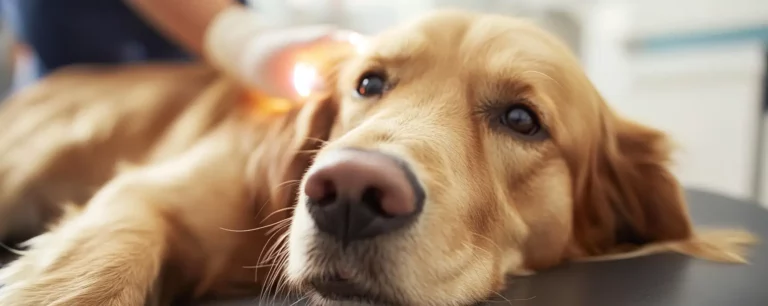
Red light therapy for dogs at home can be a safe and effective treatment for joint pain, soft tissue injuries, and chronic conditions when used with the right dose, frequency, and protocol. It works by using red and near infrared light to stimulate cellular repair, improve blood flow, and reduce inflammation. The key is consistency and customization, not guesswork.
Looking for a complete guide to photobiomodulation in dogs? See red light therapy for dogs.
What Is Red Light Therapy for Dogs at Home?
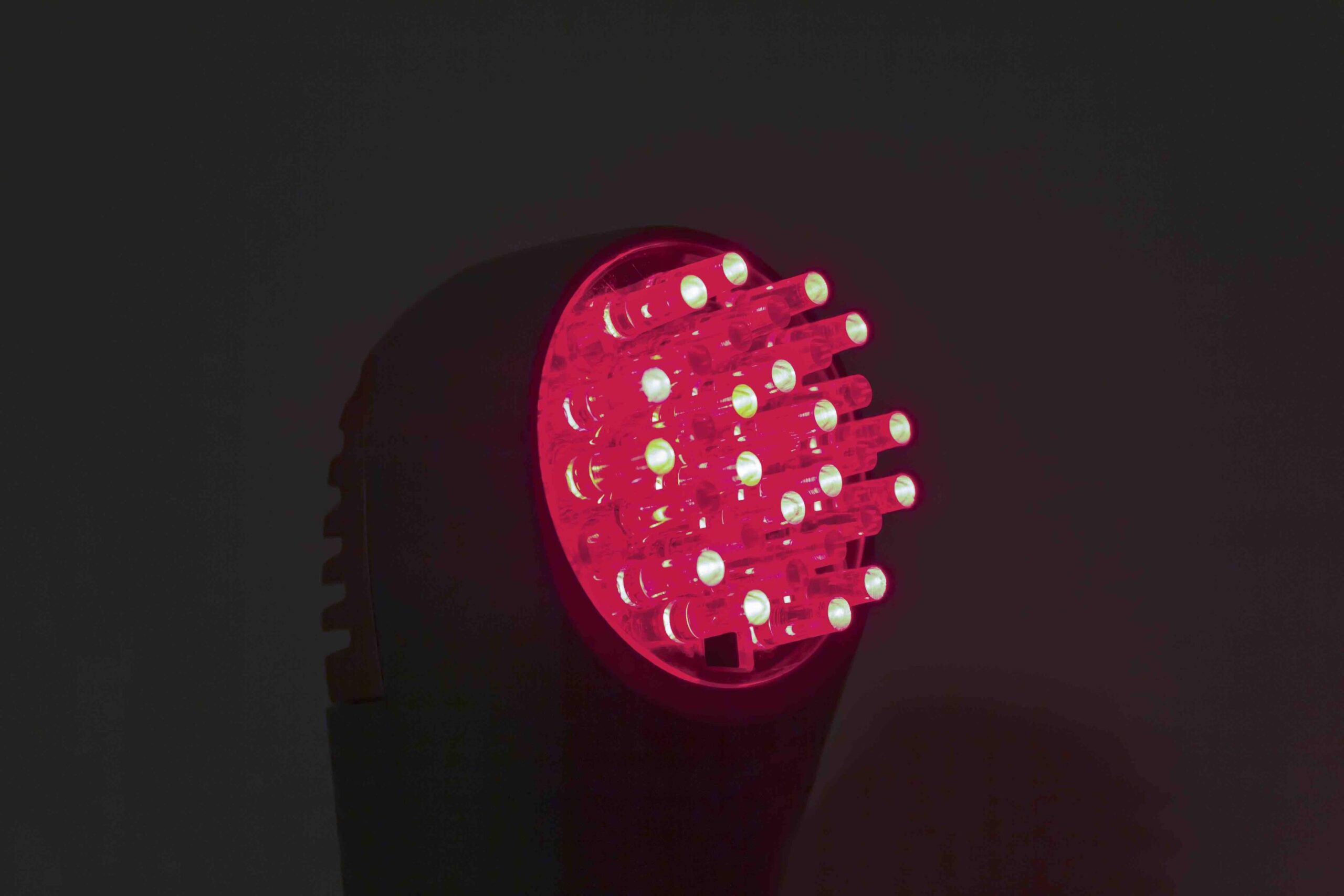
Photobiomodulation (PBM), also called red light therapy, low-level laser therapy, LED therapy, cold laser, and near-infrared therapy, refers to the same therapeutic category using light energy to influence cellular biology.
This includes:
- Red light (around 600–700 nm) for surface-level tissue
- Near infrared light (around 800–850 nm) for deeper tissue penetration
This combination allows light energy to reach muscles, joints, and connective tissue where healing needs to happen.
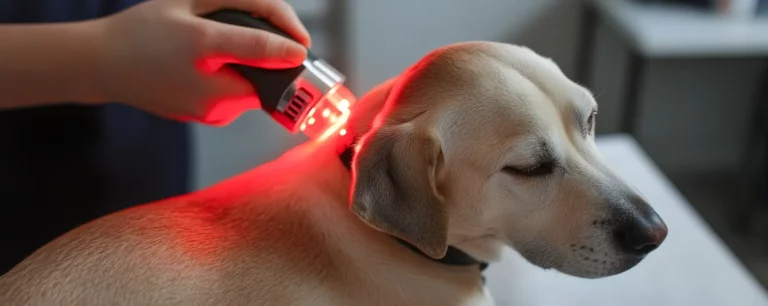
At-home devices like red light therapy devices, red light therapy pads, or a pet laser allow pet parents to deliver light therapy for dogs consistently, without relying on occasional clinic visits.
👉 Want a deeper look at the science behind how red light therapy works?
/science-of-red-light-therapy/
How Red Light Therapy Helps Dogs Heal
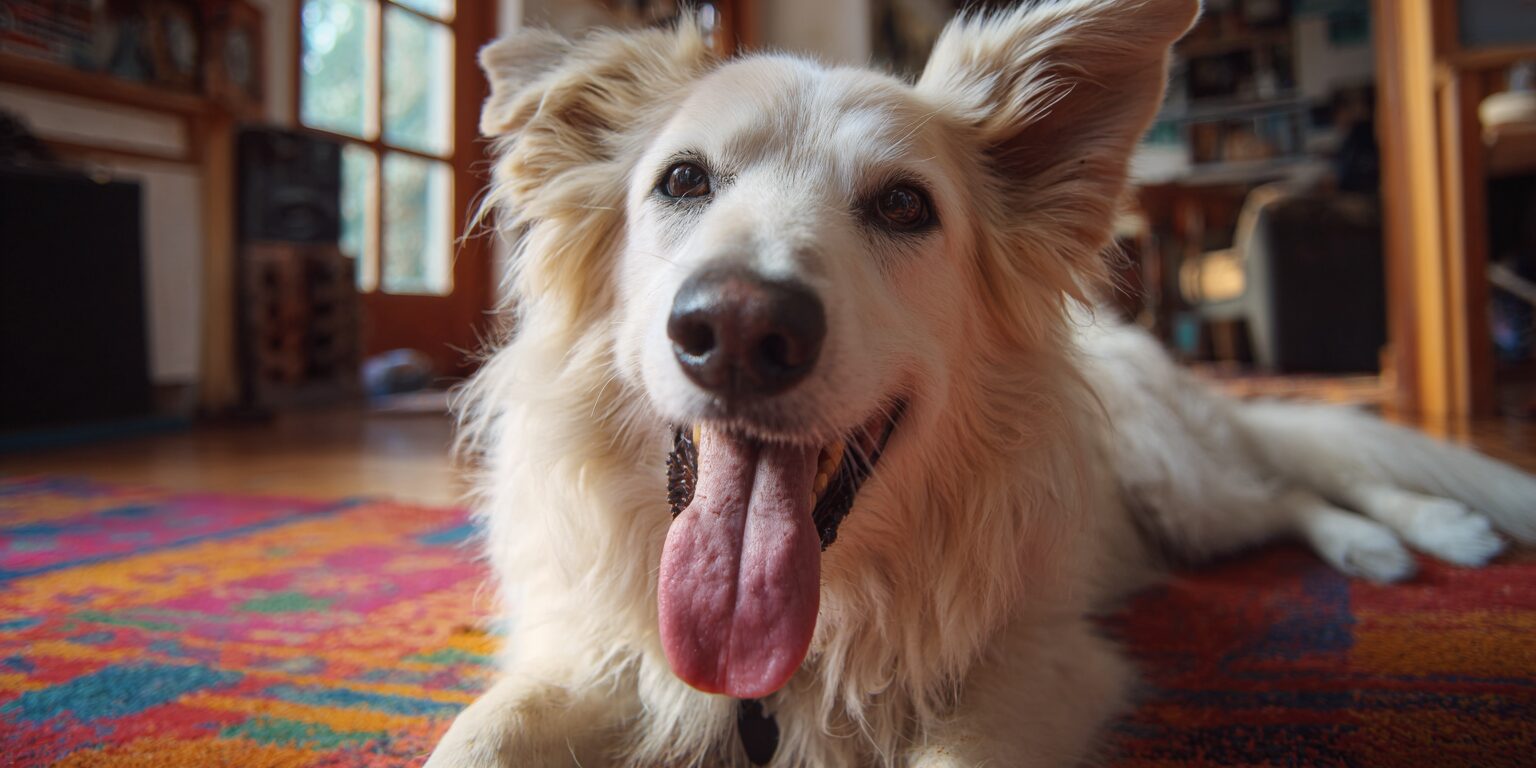
When applied correctly, light therapy can:
- Reduce inflammation
- Relieve pain and improve comfort
- Stimulate cellular repair and tissue repair
- Improve blood flow and oxygen delivery
- Support collagen production
- Accelerate the healing process
This is why many pet owners use red light therapy for dogs at home for:
- Chronic pain and chronic joint pain
- Hip dysplasia
- Intervertebral disc disease (IVDD)
- Soft tissue injuries and muscle strains
- Wound healing and post surgical recovery
- Skin conditions
For many furry family members, it creates a huge difference in mobility, energy, and overall pet wellness.
Want to know if this could help your dog specifically?
Skip the guesswork and get a clear plan.
A simple, vet-informed guide to what works, what doesn’t, and how to do it right.
Mizzy
Why At-Home Red Light Therapy Works Better
The biggest advantage of home laser therapy is simple:
Frequency.
Most dogs need multiple sessions per week to see results. That’s hard to maintain with in-clinic laser therapy alone.
Research and clinical guidelines consistently show that:
- Frequent sessions support faster healing
- Lower intensity, repeated treatments outperform occasional high doses
- Consistency builds cumulative results
As outlined in clinical protocols and research, 2–3 sessions per week or more is often needed early on, with adjustments over time
That level of consistency is only realistic with at home devices.
Thinking about getting a device? Read this first.
Learn what to look for, what to avoid, and how to choose a device that actually works.
Matilda
Frequency: The Missing Piece Most Pet Owners Overlook
Red light therapy works in a rhythm.
Early stage (acute injury or flare-up):
- Daily or near-daily sessions
- Focus: reduce inflammation, manage pain
Mid stage (healing and rebuilding):
- Every other day
- Focus: support healing and tissue repair
Maintenance:
- 1–2 times per week
- Focus: prevent relapse, maintain mobility
This is why many pet owners feel like clinic treatments “wear off.”
They’re not getting enough frequency.
At-home red light therapy fills that gap.
Dose Matters More Than You Think
Here’s where most people go wrong.
They assume:
- More light = better results
That’s not how photobiomodulation therapy works.
It follows a biphasic dose response:
- Too little light → no effect
- Too much light → can slow or inhibit healing
The goal is a therapeutic window.
Typical ranges:
- 1–5 J/cm² for surface-level healing
- 10–20 J/cm² for deeper tissue issues
- Higher doses can reduce effectiveness or create stress in the tissue
Power matters too:
- Moderate intensity supports cellular repair
- Excessive intensity can overwhelm cellular activity
This is why treatment parameters matter:
- Specific wavelengths
- Treatment time
- Distance from the treatment area
- Device output
Without this, even the best red light therapy devices can underperform.
This is where most people get it wrong
Understand dosing, frequency, and how to avoid wasting weeks on the wrong protocol.
Mizzy
Why Your Dog Needs a Custom Protocol
Not a template. Not a guess.
A custom protocol.
Every dog is different:
- Size of the dog’s body
- Depth of the condition
- Type of issue (acute vs chronic conditions)
- Coat density (yes, dog’s coat matters)
- Stage of healing
A Labrador with hip dysplasia needs a different plan than a small dog with a paw injury.
A dog in post surgery recovery needs a different frequency than one managing arthritis long-term.
And fur matters more than people think:
- Fur blocks and scatters light
- It reduces how much therapeutic light reaches the tissue
- It directly impacts dose
That means your protocol has to adjust for:
- Application method
- Treatment time
- Device positioning
Without that, you’re not delivering the recommended dosage your pet actually needs.
Your dog doesn’t need a generic plan
Talk to a MedcoVet clinician and get a custom protocol built for your dog.
No pressure. Just real guidance.
Hazel Moon
What Conditions Respond Best to At-Home Therapy
Red light therapy for dogs at home is commonly used for:
Joint and Mobility Issues
- Hip dysplasia
- Chronic joint pain
- Arthritis (manage arthritis and improve improved mobility)
Neurological and Spinal Conditions
- Intervertebral disc disease (IVDD)
Injury and Recovery
Skin and Surface Conditions
- Wound healing
- Skin conditions
Safety: Is Red Light Therapy Safe for Dogs?
In general, red light therapy is safe and generally safe when used correctly.
It is:
- Non-invasive
- Drug-free
- Well tolerated by most pets
But there are important considerations:
Avoid or use caution with:
- Malignant tumors
- Direct exposure over eyes
- Pregnant animals (consult first)
The key is clinical guidance.
With proper vet guidance, it becomes a safe and effective treatment for many conditions.
What to Look for in At-Home Red Light Therapy Devices
Not all red light therapy devices are created equal.
Look for:
- Dual wavelengths (red + near infrared light)
- Controlled treatment parameters
- Safe power levels
- Ability to treat multiple areas
- Designed for real use on pets (coat, movement, positioning)
Avoid:
- One-size-fits-all protocols
- Devices that don’t specify output
- Overpowered systems marketed as “stronger is better”
The goal is effective treatment, not maximum intensity.
Don’t buy a device blind.
A clear breakdown of what actually matters in red light therapy devices.
Spock
Clinical Summary
Mechanism:
Photobiomodulation therapy uses red and near infrared light to stimulate mitochondrial activity, increase ATP production, improve blood flow, and support cellular repair.
Evidence level:
Supported by veterinary and human studies for pain relief, inflammation reduction, and tissue healing, especially with proper dosing and frequency.
When it works best:
- Consistent use (multiple times per week)
- Correct dose and wavelength
- Customized to the pet’s condition
When not to use:
- Over malignant tumors
- Without guidance in complex conditions
- With incorrect dosing or inconsistent use
You’ve got the science. Now get the plan.
We’ll walk through your dog’s condition and map out exactly what to do next.
Ghillie
The Bottom Line
Red light therapy for dogs at home works.
But only when:
- You use it often enough
- You dose it correctly
- You follow a plan built for your dog
That’s what turns light into results.
Without that, it’s just another device.
With it, you can:
- Reduce pain
- Support healing
- Improve mobility
- Give your furry friends a more comfortable, pain free life
And that’s what every pet parent wants.
Frequently Asked Questions (FAQ) About Red Light Therapy for Dogs at Home
Ready to Help Your Dog Feel Better?
You don’t need to figure this out alone.
Whether you’re just starting or already using red light therapy for dogs at home, we’ll help you do it right.
📋 Comparison Guide → Device specs, red flags, clinician advice
🎬 Crash Course → The science simplified in 45 minutes
🩺 Free Consult → Personalized guidance for your pet
📋 Get the Guide | 🎬 Watch the Class | 🩺 Book a Consult
Sprite
Evidence Citations
🐾 Ready to Take the Next Step?
Whether you’re just learning or ready to act — we’ve got you.
👉 Book a Free Consult
Talk to a licensed clinician about your pet’s condition and get a personalized plan. No pressure, just real help.
👉Learn More About the Luma
Explore how our at-home red light therapy device works, why it’s different, and what it can do for your pet.

About the Author
Alon Landa is the CEO and co-founder of MedcoVet, a leader in at-home red light therapy for pets. With over 20 years of experience in medical technology and firsthand involvement in developing the Luma, Alon combines deep technical knowledge with a passion for improving pet health. He regularly collaborates with veterinarians and pet parents to advance photobiomodulation (PBM) care at home.
📍 Based in Boston, MA
📖Read more from Alon here

About the Medical Reviewer
Chris Cranston has over 20 years of hands-on experience in small animal physical rehabilitation and is a trusted voice in pet mobility and recovery. She is co-host of the PetAbility Podcast and was among the first 100 professionals worldwide to earn her Certified Canine Rehabilitation Practitioner credential through the University of Tennessee. Chris founded FlowDog in Massachusetts and continues her work through concierge rehab, consulting, and teaching.
Read More about Chris here.




As someone who’s seen firsthand how red light therapy can support post-surgical recovery in dogs, I appreciate the detailed breakdown of its benefits for joint pain and mobility issues. It’s reassuring to see a vet-reviewed approach that makes this treatment accessible for pet owners. The emphasis on scientific backing really helps build trust in the process.