
Red Light Therapy Pads for Dogs:
Most pads fall short for deeper conditions like arthritis and joint pain. Here’s what actually matters.
👉 Find Out if It Will Work for Your Dog
Get a personalized answer in 2 minutes.
Medically reviewed by: Christine Cranston MPT, CCRP (Specialties: licensed canine physical therapist, arthritis management, orthopedic injuries, muscle strains, sprains, chronic mobility, neurological conditions, geriatrics, IVDD, and dysplasia)
Reviewed: April 2026
Updated: April 2026
This content is based on clinical principles of photobiomodulation (PBM), veterinary treatment guidelines, and in-house evaluation of at-home red light therapy devices.
We evaluate devices based on:
- Delivered irradiance (mW/cm²)
- Dose (J/cm²) and treatment time
- Wavelength accuracy
- Real-world delivery factors (fur, contact, anatomy)
- Clinical usability and protocol clarity
Our goal is to translate light therapy from theory into real-world outcomes for pets and their owners.
Looking for a complete guide to photobiomodulation in dogs? See red light therapy for dogs.
Are Red Light Therapy Pads Effective for Dogs?
Red light therapy pads for dogs can support surface-level healing, but most do not deliver enough power to effectively treat deeper conditions like joint pain, arthritis, or intervertebral disc disease. For many pet owners, this means limited results when trying to relieve pain or support healing in the dog’s body.
Not sure if red light therapy is right for your dog?
Answer a few quick questions and get a personalized recommendation based on your dog’s condition, symptoms, and goals.
Anderson
What Is Red Light Therapy for Dogs?
Photobiomodulation (PBM), also called red light therapy, low-level laser therapy, LED therapy, cold laser, and near-infrared therapy, refers to the same therapeutic category using light energy to influence cellular biology. It uses specific wavelengths of red light and near infrared light to influence cellular activity.
When applied correctly, light therapy can:
- Reduce inflammation
- Promote healing
- Increase circulation
- Support wound healing and post surgical recovery
- Help relieve pain in muscles, joints, and soft tissue injuries
This process works by stimulating energy production (ATP) inside cells, which supports the healing process across the pet’s body.
Clinical studies show that red light therapy can be a safe and effective treatment when the right dose reaches the target tissue.
👉 Want a deeper look at the science behind how red light therapy works?
/science-of-red-light-therapy/
Wondering if red light therapy could actually help your dog’s limp?
Want the full breakdown of how red light therapy actually works?
Mizzy
Why Red Light Therapy Pads for Dogs Are So Popular
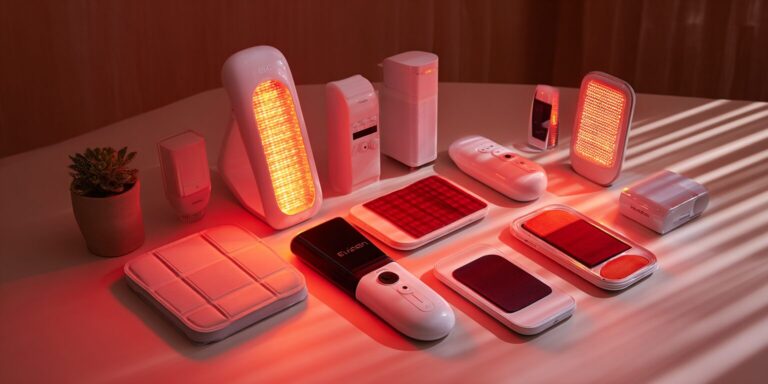
A red light therapy pad or canine light therapy pad is designed to sit over a large area of the dog’s body.
Many pet owners are drawn to therapy pads because they:
- Cover a wide treatment area
- Are hands-free and easy to use
- Feel like a non invasive treatment option
- Seem ideal for chronic pain or arthritis
On the surface, it sounds like the perfect solution for furry friends dealing with discomfort.
But there’s a gap between how these devices are marketed and how they actually perform.
Do Red Light Therapy Pads for Dogs Work?
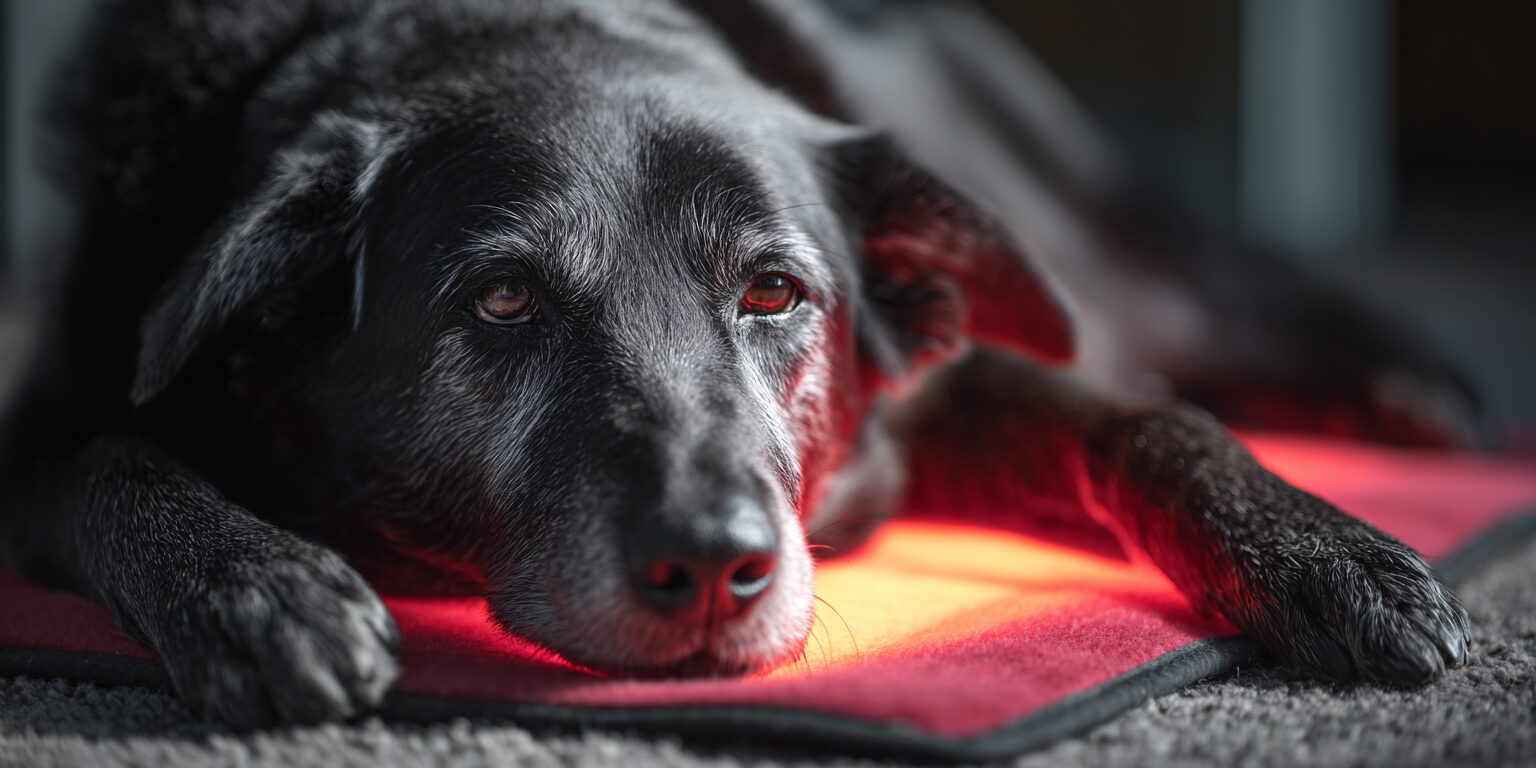
Red light therapy pads can work in certain situations, but they are limited.
They may help with:
- Skin conditions
- Minor wounds
- Superficial inflammation
- Surface-level healing
They are far less effective for:
- Joint pain
- Hip dysplasia
- Arthritis
- Deep tissue issues
- Neurological issues like intervertebral disc disease
The reason comes down to how light therapy devices deliver energy into the body.
The Core Problem: Light Delivery
For red light therapy to work, light must:
- Reach the skin
- Deliver enough power (dose)
- Penetrate to the target tissue
Most therapy pads struggle with all three.
1. Fur Blocks Light
Dogs are not humans. Their fur creates a barrier.
- Fur scatters light before it reaches the skin
- Air gaps between the pad and the body reduce delivery
- Thick or dark coats make this worse
Many devices claim they can penetrate deep or treat through fur, but without direct contact, a large portion of light never reaches the pet’s body.
2. Poor Contact with the Dog’s Body
A light therapy pad is flat. A dog’s body is not.
Pads often sit unevenly across:
- Joints
- Spine
- Hips
- Muscles
This leads to inconsistent treatment across the area, which makes it harder to deliver an effective treatment.
3. Low Power Density
This is the most important factor.
What matters in red light therapy is not the number of LEDs or the size of the pad.
It’s the power delivered to the skin (irradiance).
- Many pads deliver very low power
- Some measured devices fall around 1–10 mW/cm²
- Veterinary PBM guidance suggests around 25 mW/cm² or more for deeper targets
This gap is significant.
Low power means:
- Longer treatment time
- Less energy reaching deeper tissue
- Reduced ability to treat pain or inflammation effectively
4. Limited Depth
Even with ideal conditions, red light and near infrared light only penetrate so far.
Now combine that with:
- Fur blocking light
- Poor contact
- Low power
The result is minimal energy reaching deeper structures like joints or spine.
Thinking about buying a device? Read this first.
Most devices fail for the exact reasons outlined above. This guide shows what to look for, what to avoid, and how to tell if a device can actually deliver results
Matilda
Why This Matters for Common Conditions
Many pet owners turn to red light therapy pads hoping to treat:
- Arthritis
- Hip dysplasia
- Chronic pain
- Soft tissue injuries
- Post surgical recovery
These conditions involve deeper tissue.
If the light cannot reach those areas with enough power, the treatment will not produce a meaningful difference.
This is why some pet owners report mild improvement, while others see little to no change.
The Dose Problem Most Pet Owners Miss
Red light therapy follows a dose-response curve:
- Too little energy → no effect
- Correct dosage → beneficial response
- Too much → reduced benefit
Pads often fall into the “too little” category.
Without:
- Published specs
- Recommended dosage
- Clear treatment time guidance
…it becomes difficult to use the device effectively or consistently.
When a Red Light Therapy Pad May Still Be Useful
A red light pad may still be beneficial for:
- Surface-level skin conditions
- Small wounds
- Light inflammation
- Maintenance support
In these cases, light can reach the skin and support healing more easily.
What to Look For in a Red Light Therapy Device
If you are considering light therapy for dogs, here is what actually matters:
1. Specific Wavelengths
Look for:
- Red light (around 600–700 nm)
- Near infrared light (around 800–900 nm)
These ranges are commonly used in clinical studies.
2. Adequate Power
Devices must deliver enough energy to the tissue.
Without sufficient power, even long sessions may not produce results.
3. Direct Contact with Skin
A device designed for pets should:
- Account for fur
- Maintain consistent contact
- Minimize light loss
4. Clear Treatment Guidance
Look for:
- Defined treatment time
- Recommended dosage
- Condition-specific protocols
This is critical for achieving consistent results.
5. Clinical Support
The most effective treatment plans include:
- Vet guidance
- Adjustments over time
- Monitoring response
This is especially important for chronic conditions or recovery after surgery.
Want to see how all of this comes together in real treatment?
Watch the full breakdown of how red light therapy is used at home, including protocols, common mistakes, and what actually drives results.
Apollo
Red Flags to Watch For
Be cautious of light therapy devices that:
- Claim to penetrate deep without explaining how
- Do not publish specs
- Focus on large coverage instead of power
- Offer vague or generic treatment instructions
- Market as a cure-all for all conditions
These are common across many therapy pads.
Clinical Summary
Mechanism
Photobiomodulation (PBM), also called red light therapy, low-level laser therapy, LED therapy, and near-infrared therapy, refers to the same therapeutic category using light energy to influence cellular biology.
When specific wavelengths of red light and near infrared light are absorbed by chromophores within cells, particularly in the mitochondria, this increases ATP (cellular energy) production. This shift supports:
- Reduced inflammation
- Increased circulation
- Modulation of oxidative stress
- Acceleration of the healing process
These effects can support tissue repair across skin, muscles, and joints within the dog’s body.
Evidence Level
Clinical studies in veterinary medicine show moderate evidence for red light therapy in dogs, particularly for:
- Arthritis and joint pain
- Soft tissue injuries
- Wound healing
- Post surgical recovery
Consistent use has been associated with reduced pain, improved mobility, and decreased reliance on pain medication in some cases.
Outcomes are highly dependent on:
- Delivered dose
- Power density
- Treatment time
- Tissue depth
Device design plays a major role in whether therapy is effective.
When It Works Best
Red light therapy is most effective when:
- Adequate energy reaches the target tissue
- Treatment is applied with consistent frequency
- The condition is properly identified
- Skin contact is direct and reliable
Best-fit use cases include:
- Surface-level skin conditions
- Wound healing
- Mild inflammation
- Early-stage joint discomfort
- Maintenance support for chronic conditions
Devices that can deliver sufficient power and maintain contact with the pet’s body are more likely to produce meaningful results.
When It Does Not Work Well
Red light therapy is less effective when:
- Power is too low
- Light is blocked by fur or poor contact
- Treatment does not reach deep tissue
- Protocols are inconsistent or unclear
This is where most red light therapy pads for dogs fall short.
Pads are typically not well suited for:
- Deep tissue issues
- Hip dysplasia
- Advanced arthritis
- Intervertebral disc disease
- Neurological issues
In these cases, insufficient energy reaches the target tissue to drive a meaningful biological response.
Still not sure what’s right for your dog?
Talk to a clinician who can walk through your dog’s condition, goals, and whether light therapy makes sense.
✔ No pressure
✔ No prescription required
✔ Personalized plan
Ghillie
Are Red Light Therapy Pads Safe for Dogs?
Red light therapy is generally considered safe and non invasive when used properly.
However, there are important considerations:
- Avoid use over malignant tumors
- Use caution with pregnant animals
- Follow proper treatment time and dosage
- Consult a vet for serious conditions
Safety depends on proper use, not just the device itself.
Clinical Q&A
Final Thoughts
Red light therapy can be a beneficial, non invasive treatment for dogs when used correctly.
But not all devices are equal.
Most red light therapy pads for dogs:
- Struggle with fur and contact
- Deliver low power
- Fall short for deep tissue issues
They can support surface-level healing, but they are not a reliable solution for many of the conditions pet owners are trying to treat.
If your goal is real pain relief, reduced inflammation, and support for deeper healing, focus on:
- Delivered energy
- Skin contact
- Targeted treatment
- Clear protocols
That is what makes the difference for your furry family members.
If you’re serious about helping your dog feel better, don’t guess.
The difference between results and no results comes down to dose, delivery, and consistency.
Start with the right next step:
Not sure if it’s a fit → Take the quiz
Want to understand how it works → Get the roadmap
Comparing devices → Read the buyer’s guide
Ready to learn the full system → Watch the crash course
Want expert guidance → Book a free consult
📋 Get the Guide | 🎬 Watch the Class | 🩺 Book a Consult
Jose
Evidence Citations
🐾 Ready to Take the Next Step?
Whether you’re just learning or ready to act — we’ve got you.
👉 Book a Free Consult
Talk to a licensed clinician about your pet’s condition and get a personalized plan. No pressure, just real help.
👉Learn More About the Luma
Explore how our at-home red light therapy device works, why it’s different, and what it can do for your pet.

About the Author
Alon Landa is the CEO and co-founder of MedcoVet, a leader in at-home red light therapy for pets. With over 20 years of experience in medical technology and firsthand involvement in developing the Luma, Alon combines deep technical knowledge with a passion for improving pet health. He regularly collaborates with veterinarians and pet parents to advance photobiomodulation (PBM) care at home.
📍 Based in Boston, MA
📖Read more from Alon here

About the Medical Reviewer
Chris Cranston has over 20 years of hands-on experience in small animal physical rehabilitation and is a trusted voice in pet mobility and recovery. She is co-host of the PetAbility Podcast and was among the first 100 professionals worldwide to earn her Certified Canine Rehabilitation Practitioner credential through the University of Tennessee. Chris founded FlowDog in Massachusetts and continues her work through concierge rehab, consulting, and teaching.
Read More about Chris here.


Where do you ship from? What is a good product for a senior dog for red light
Hi Elizabeth,
Our product is a great product! Try a free consult to see if would work for your senior pup.