Photizo VetCare : A Deep Dive
Know What Matters
The quick guide to choosing a red light therapy device for pets.
Written by: Alon Landa
Reviewed: March 2026
Updated: March 2026
Note on independence: We are not affiliated with Photizo. We have been asked by our clients to review the Photizo and other products to better understand devices on the market.
This article is part of our Red Light Round Up series. If you want the broad clinical overview, protocols, and condition guidance, see red light therapy for dogs.
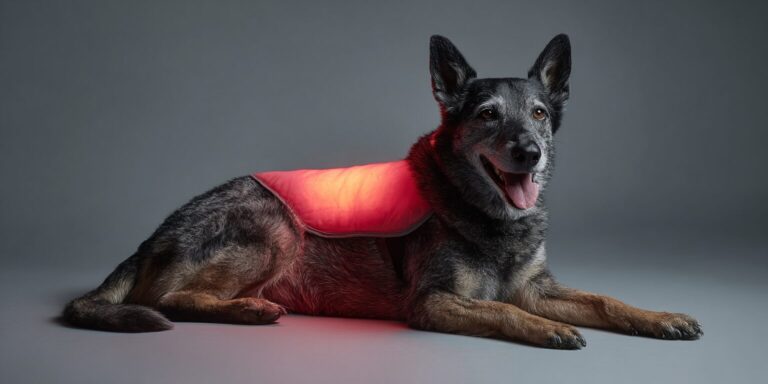
Welcome to our latest blog post where we dive into the world of at-home red light therapy for pets, focusing on two popular products: the Photizo VetCare light therapy device and our MedcoVet Luma. As pet owners increasingly look for effective and non-invasive treatments to enhance their pets’ health and well-being, red light therapy has emerged as a promising option used by many vet professionals in their practice.
Photobiomodulation (PBM), also called red light therapy, low-level laser therapy, LED therapy, cold laser, and near-infrared therapy, refers to the same therapeutic category using light energy to influence cellular biology.
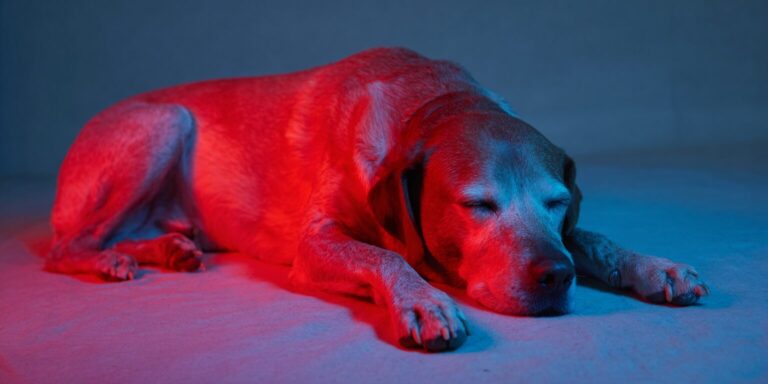
Chronic pain and conditions like arthritis can lead to a feeling of emotional distress or even depression in pets and their owners. Red light therapy devices are regularly used to treat a range of issues, including injury (such as sports injuries, trauma, or muscle strains), sore muscles, neck pain, and even skin concerns like wrinkles. Many users report that, initially, their pets experience noticeable improvements within the first week of consistent use, including better muscle recovery and reduced discomfort, which can also lead to improved sleep.
In the past, these therapies were only available in clinical settings, but now at-home devices make it easier for pet parents to provide ongoing care.
Is the Photizo VetCare a good choice for treating pets at home?
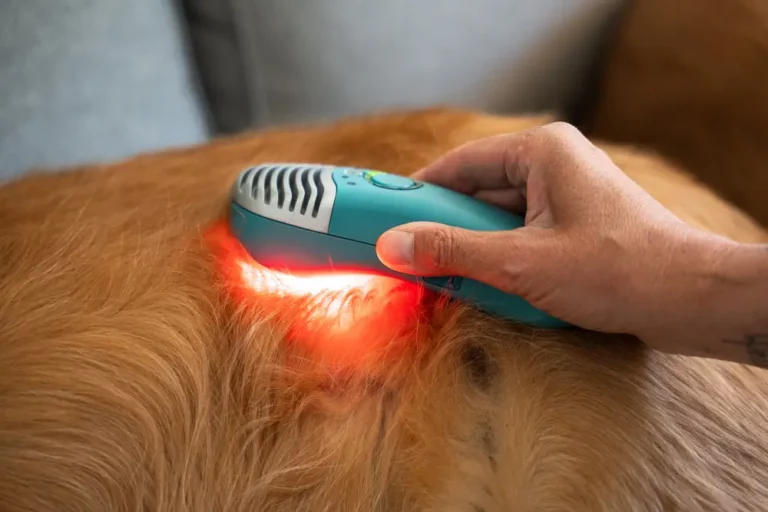
The Photizo VetCare looks like a legitimate home photobiomodulation device with the right general wavelength mix and a reasonable amount of power. That said, its small treatment area, lack of an optical comb, and very short treatment guidance make it harder to use well on real pets, especially through fur. Overall, it may help in select cases, but it appears less practical for deeper targets, larger treatment areas, or owners who need stronger clinical guidance.
Before you try anything else, check what’s safe for your dog
Gideon
Introduction to Red Light Therapy
Red light therapy, sometimes called low-level laser therapy (LLLT) or photobiomodulation (PBM), is a completely safe, non-invasive treatment that uses specific wavelengths of red and near-infrared light to stimulate healing at the cellular level. This innovative light therapy has gained traction in both human and veterinary medicine for its ability to reduce inflammation, accelerate recovery, and provide pain relief for a wide range of chronic conditions.
The science behind red light therapy centers on its ability to enhance cellular energy production, boost collagen synthesis, and reduce oxidative stress. By delivering targeted red and infrared light deep into tissues, these light therapy devices can help treat issues like arthritis, muscle soreness, plantar fasciitis, and even stubborn wounds or lacerations. The result is improved skin health, faster healing, and a noticeable reduction in discomfort for both people and pets.
One of the huge differences that red light therapy brings to the market is its versatility and ease of use. Devices like the Photizo Vetcare are designed for simple, one-touch operation, allowing pet owners to target the treatment area precisely and effectively. Whether you’re treating a dog with joint pain, a cat recovering from surgery, or a horse with muscle injuries, red light therapy can assist in reducing inflammation and enhancing recovery—without drugs or invasive procedures.
Satisfied customers and veterinary professionals alike have noticed good results with regular sessions, reporting improvements in pain, mobility, and overall quality of life for their pets. Reviews often highlight the benefits of red light therapy for chronic pain, arthritis, and even skin conditions, with many pet owners glad to have a natural, at-home solution that fits into their daily routine.
Importantly, red light therapy devices are designed to be completely safe for animals, with no heat or discomfort during operation. This makes them ideal for treating a range of conditions, from acute injuries to chronic health issues, across different species—including dogs, cats, and horses. With ongoing research and growing clinical support, red light therapy continues to stand out as a sound, effective option for enhancing the health and well-being of pets everywhere.
In summary, red light therapy offers a wide range of benefits—from pain relief and reduced inflammation to improved healing and skin health. Devices like the Photizo Vetcare are making a huge difference in veterinary care, providing pet owners with a practical, effective way to support their animals’ recovery and comfort at home.
Here’s our scoring for the Photizo:
Device Specs – Grade: B…
Although we haven’t verified the specs, the Photizo has the right wavelengths, and a reasonable amount of power. One thing to note is that the website doesn’t say how much light is red vs. Infrared.
The Photizo does not have an optical comb, which means that about 80% of the light will be lost due to the fur. This is the main reason home units are not good enough. Clinical units have enough power to reach the target (because they have so much power), but most home devices don’t have enough power, factoring in fur and are best for superficial conditions.
Device Quality – Grade B…
The device looks well made and at a glance should deliver what is promised. The challenge is that either the device gets really hot (there is no heatsink to eliminate heat) or it is not expected to be on for very long, which means not enough of a dose to have a clinical impact.
Clinical Information – C-…
The device is only expected to be on for 30 seconds per spot, which is not enough dosage to have a clinical impact (unless you treat many spots). This is very confusing to pet owners.
The videos also show the Photizo being held at a distance from the patient, which means even less light will reach the target. These instructions show lack of clinical understanding.
Beyond the device – F…
There is only generic information on how to treat different conditions. A clinician should establish the protocol after reviewing the patient’s records. Generic information leads to hit or miss results.
By far the main reason pets don’t heal is because pet owners are not compliant. The Photizo does not offer an app that reminds the pet owner to treat and also connection to the clinic to ensure good outcomes. 70% of MedcoVet users engage with the app and track treatments, provide status updates to clinic, send messages, etc. Without compliance and engagement most devices are not used after the first few days.
Analysis:
The Photizo has decent device parameters. It has about 1W of average power and has both red and infrared wavelengths (red is more for superficial wound healing and IR is for deeper conditions like arthritis). The website looks good and has videos, etc. Overall, this appears to be a quality product.
**Key Red Light Therapy Device Differences Between the Luma and the Photizo:**
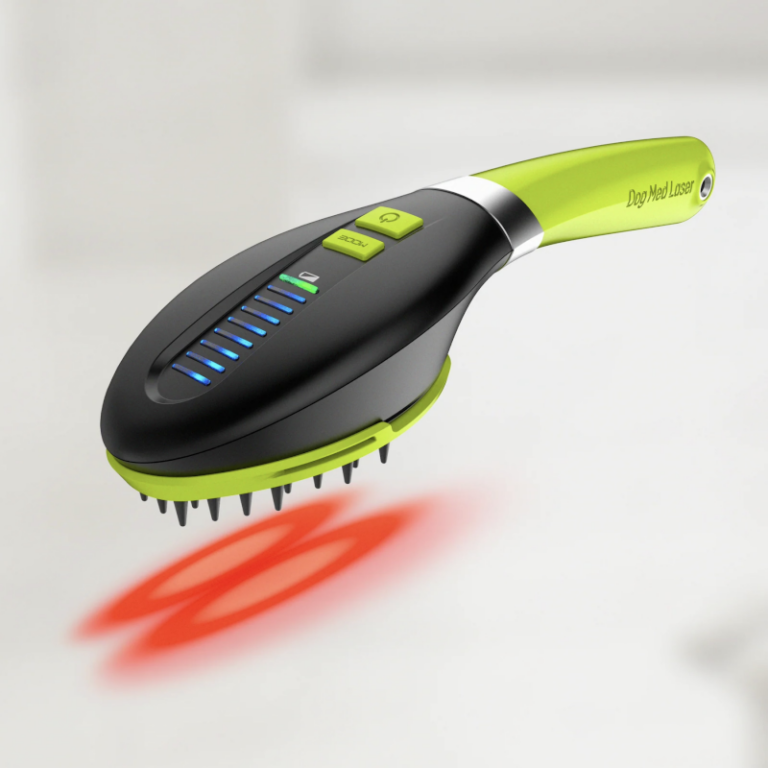
- Luma has an optical comb – This is so important that we patented our comb. About 80% of light (or more) is lost in the fur. The optical comb bypasses the fur to reach the skin and the target tissue. Usually, only large class IV devices can emit enough light to get through the fur and reach the target tissue.
- Treatment area – The Photizo’s treatment area is ⅓ the size of the Luma’s treatment area. This presents two challenges. 1- The pet owner must move the device to many different spots while treating, and 2- Small treatment spots require accurate placement. We chose a larger treatment head because the pet owner doesn’t know the exact locations to treat.
- Device overheating – Any light device that is emitting over 1W of light creates heat. Many devices on the market don’t have a way to dissipate heat, which means they are either not on for very long (treatment times less than 1 min, which don’t do much) or they burn out. The Photizo claims that treatment only needs to be 30 seconds (per location). This seems pretty ridiculous, as the World Association of Laser Therapy says otherwise. The body needs time to absorb the light and will not absorb double the power in half the time (this phenomenon is called reciprocity).
Beyond the device:
The first part of the document compares the MedcoVet Luma with another light healing device. But MedcoVet offers much more than a quality device. The price of the Luma includes:
- An app to connect the pet owner and clinic. This enables protocol changes between visits so the pet is getting the optimal dosage based on their progress. 70% of pet owners engage with the app to get connected to the clinic, leading to better outcomes.
- MedcoVet support for any issues regarding the Luma. MedcoVet offers best in class support for all customer inquiries including billing, technical and medical issues.
Here is a link to the Photizo VetCare:
Here is a link to the other device specs:
Key Device Specs Reviewed:
Power output 1300mW (Peak Power 330mW/cm^2 Average output: 194mW/cm2)
Coverage 4.7cm2
Wavelengths 633nM (red) and 850nM (infrared) – each dose includes both wavelengths simultaneously
Dose details 6 joules (31 second dose) – 30% includes a range of pulsed healing frequencies (50/50 duty cycle), 70% continuous light
Note: All Infrared is concentrated in the middle, not throughout the treatment area
Specification Comparison:
Parameter | MedcoVet | Photizo | Notes |
Infra Red | 606mW | ? | Photoizo has IR but not clear how much |
Red Light | 404mW | ? | Photoizo has red but not clear how much |
Other Light | 0mW | 0mW | Photizo doesn’t use other color gimmicks (this is good) |
Total Light | 1010mW | 990mW | Note Average power used, not peak power (because average power is used for dosage) |
Treatment area | 14.5cm^2 | 4.7cm^2 | The Photizo has a small treatment area and all the IR in the middle of the device. Treatment area requires many spots or moving the device |
Power density | 70mW/cm^2 | 194mW/cm^2 | Per World Association of Laser Therapy (WALT) For healing, 50-100 mw/cm^2, for analgesic >300mW/cm^2. |
Comb | Yes | No | Very important as about 80% of light is lost in the fur |
Treatment times | 1 min 30 seconds per spot | 30 seconds | From the video…”30 second treatment is enough”, “You can’t overtreat (not true). |
Heat Sink | Yes | No | All devices that emit 1 Watt of power also generate heat. Without a heat sink, either you treat for very short times or treat longer and the device will burn out. |
If you want a structured way to judge claims and compare devices across real constraints:
📋 Download: The Smart Pet Parent’s Guide to Choosing a Red Light Therapy Device
Hazel
MedcoVet is the bridge between
- expensive, quality, in-clinic treatments (which don’t work because pet owners can’t come in), and
- inexpensive devices on the internet (which either don’t meet veterinary guidelines or don’t have the medical support to achieve positive medical outcomes).
FAQ’s
Clinical Summary
Mechanism: Red and near-infrared photobiomodulation is absorbed by cellular chromophores, influencing signaling linked to inflammation modulation, circulation, cellular energy production, and tissue repair. Devices that deliver consistent skin-level light can support recovery in appropriate cases.
Evidence level: Moderate in principle for select veterinary musculoskeletal and superficial applications when the right wavelength, dose, contact, and treatment schedule are used. For this device specifically, real-world effectiveness is more uncertain because the page emphasizes unverified specs, short treatment times, and practical light-loss issues through fur.
When it works best: Smaller, more superficial targets, short-haired pets, or situations where fur can be managed and the owner is willing to treat multiple spots carefully. Best results are most likely when treatment placement is accurate and sessions are repeated consistently.
When not to use: Suspected malignancy without veterinary oversight, infections that need medical treatment, photosensitivity concerns, pregnancy without clinician guidance, or cases needing diagnosis and prompt veterinary evaluation. It is also a weaker fit when the pet has a thick coat, the target is deep, or the owner needs personalized protocol support.
Final Thoughts
The Photizo VetCare appears to be a credible light therapy device with a reasonable wavelength profile and decent stated output, and it is clearly positioned as an accessible at-home option for pet owners. But good headline specs do not automatically translate into good clinical usability, especially in veterinary medicine where fur, movement, dosing consistency, and treatment placement all matter.
What holds the Photizo back most is not that it looks unserious, but that it seems underbuilt for the practical realities of treating pets. Its small coverage area, lack of an optical comb, and short treatment guidance may leave many owners doing more work for less reliable light delivery than they expect.
Overall, this is a device that may be reasonable for selective use cases, especially when the pet is cooperative, the target is smaller or more superficial, and the owner is willing to manage multiple treatment spots carefully. For owners who need easier treatment through fur, better support, or a more clinically guided system, it makes sense to look closely at alternatives before buying.
🐾 Ready to Take the Next Step?
Whether you’re just learning or ready to act — we’ve got you.
👉 Book a Free Consult
Talk to a licensed clinician about your pet’s condition and get a personalized plan. No pressure, just real help.
👉Learn More About the Luma
Explore how our at-home red light therapy device works, why it’s different, and what it can do for your pet.

About the Author
Alon Landa is the CEO and co-founder of MedcoVet, a leader in at-home red light therapy for pets. With over 20 years of experience in medical technology and firsthand involvement in developing the Luma, Alon combines deep technical knowledge with a passion for improving pet health. He regularly collaborates with veterinarians and pet parents to advance photobiomodulation (PBM) care at home.
📍 Based in Boston, MA
📖Read more from Alon here