Dog Fitness
How daily exercise, strength work, mental enrichment, and red light therapy help dogs stay healthy and active
Help your dog stay active, strong, and comfortable
Talk with a MedcoVet clinician about your dog’s fitness plan, mobility, soreness, joint health, and at-home recovery support options.
Medically reviewed by: Kristy Williams, CVT, CCFT (Specialties: Pet rehabilitation, pain management, photobiomodulation)
Reviewed: July 2026
Updated: July 2026
What is dog fitness?
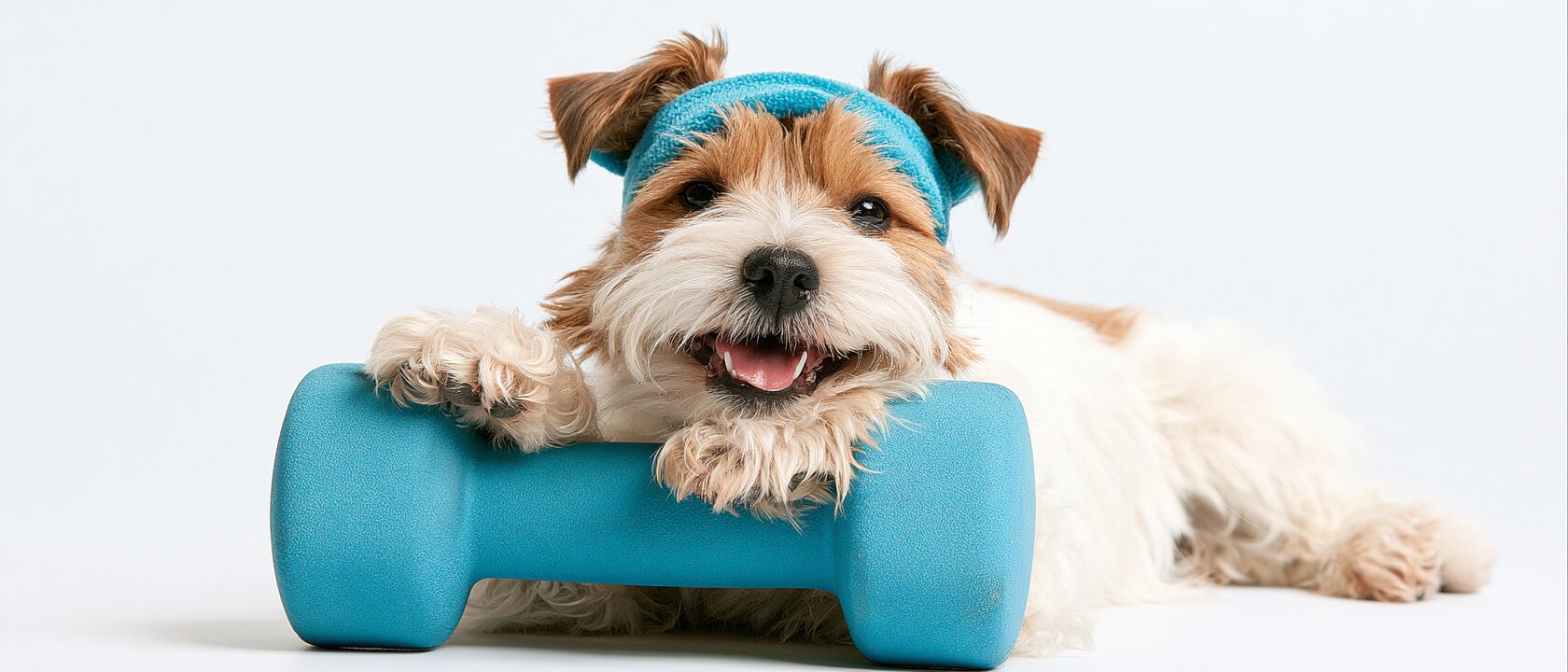
Dog fitness is the regular exercise, strength training, balance training, mobility work, play, and mental stimulation that help keep a dog healthy. A good fitness plan supports weight control, joint health, muscle strength, coordination, posture, mental health, and overall health. Most dogs need 30 to 60 minutes of daily exercise, but the right routine depends on the dog’s age, breed, health, personality, and current fitness level.
If your dog is active, aging, sore after exercise, or starting a new routine:
Is red light therapy right for your dog?
Want help supporting your dog’s mobility and recovery?
Dingo
Why dog fitness matters
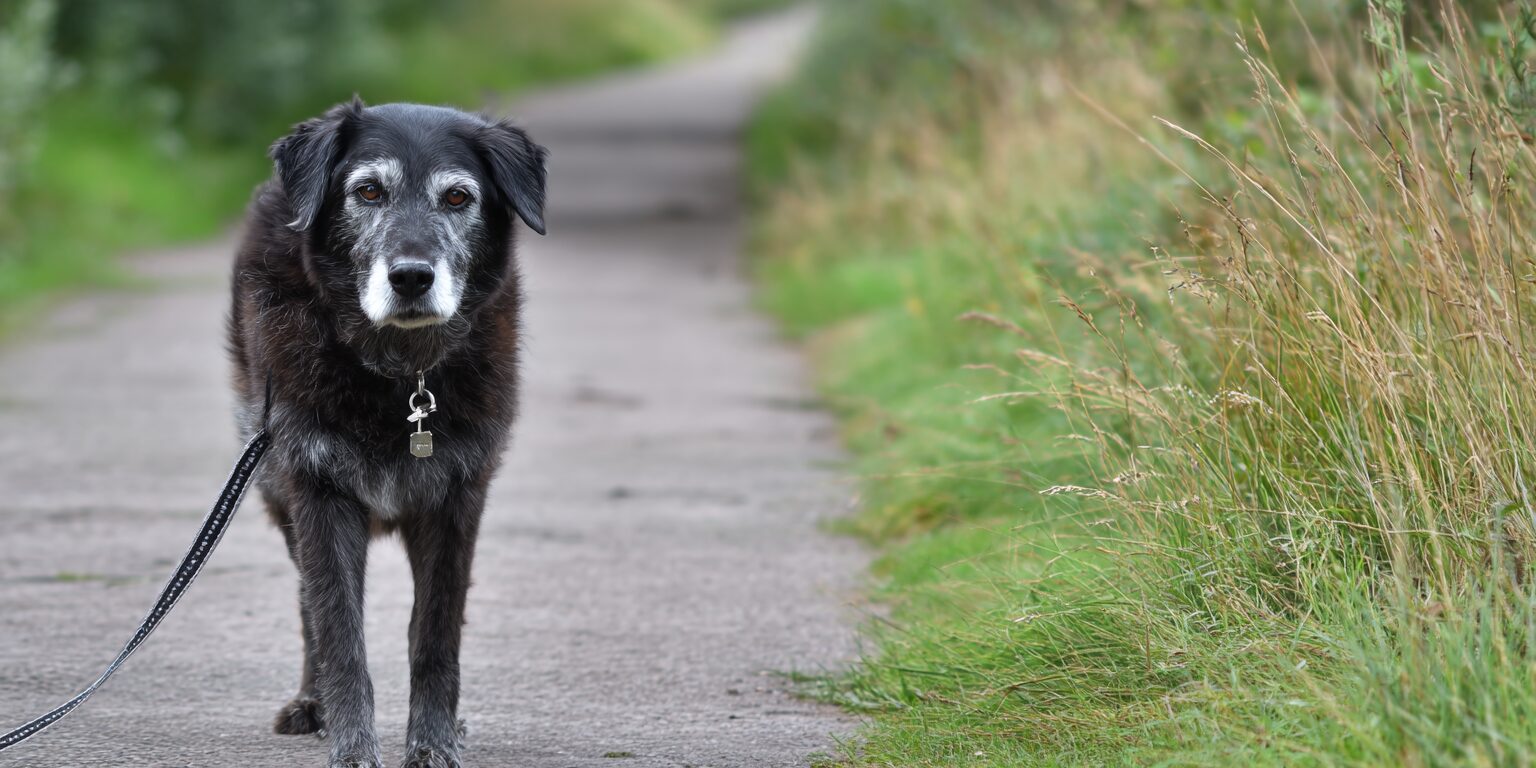
Dog fitness affects daily life.
The way your dog walks. The way they stand. The way they jump into the car, chase a toy, climb stairs, hike on a trail, or get up from a nap.
Regular exercise helps dogs stay at a healthy weight, maintain muscle, support joint health, improve circulation, reduce behavioral problems, and keep the brain busy. Daily exercise can also help prevent health issues like obesity and arthritis.
A balanced diet and consistent exercise promote a dog’s health. Portion control helps prevent overfeeding and obesity, and obesity increases a dog’s risk of diseases like diabetes, heart disease, joint problems, and mobility loss.
Fitness helps the body.
It helps the brain too.
Mental exercise is as important as physical activity for dogs. Puzzle toys, scent games, training games, and new skills can reduce boredom and prevent destructive behaviors. Active dogs are less likely to act out because of boredom when their body and brain both have work to do.
How much exercise does a dog need each day?
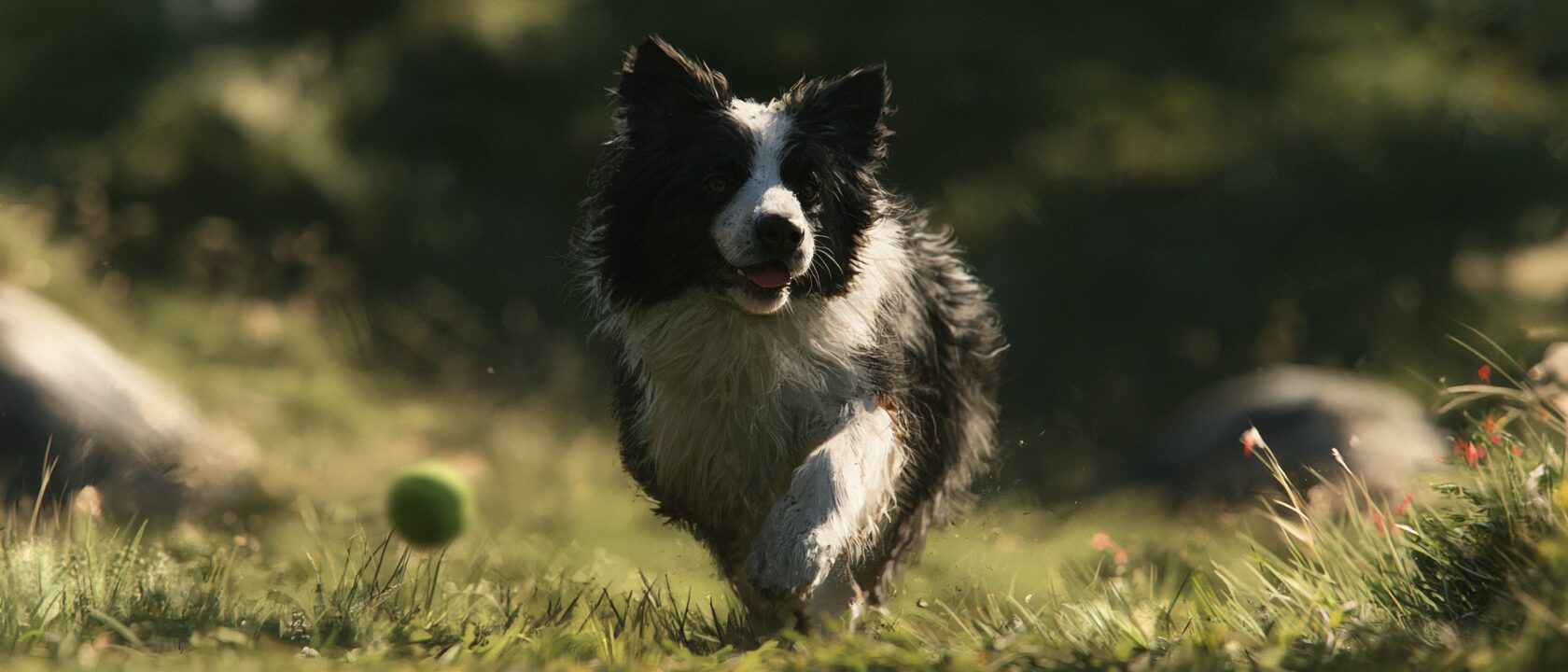
Dogs need a minimum of 30 to 60 minutes of exercise daily.
Some dogs need more. Some need less. The right amount depends on the dog’s level of fitness, age, breed, body condition, joint health, and health history.
A brisk walk twice a day can keep many dogs happy and healthy. Daily walks provide both physical exercise and mental stimulation because your dog gets movement, sniffing, sights, sounds, and routine.
Good daily exercise can include:
- Walks
- Playing fetch
- Hiking
- Swimming
- Training games
- Indoor exercises with balls and toys
- Obstacle courses
- Agility training
- Balance training
- Strength training
- Scent games
- Tug
- Canine conditioning exercises
Start where your dog is today.
Then build slowly.
Gradual increases in exercise intensity help avoid injury. High-impact exercise can aggravate orthopedic injuries, especially in dogs with arthritis, past ligament injuries, back pain, hip dysplasia, or poor conditioning.
Build a fitness plan around your dog
A good fitness plan should match your dog’s personality and body.
Some dogs love running. Some dogs love sniffing. Some dogs want to swim. Some dogs prefer short games with treats. Some senior dogs need slow, low-impact movement and more rest.
Your dog’s routine should consider:
- Age
- Breed
- Weight
- Current fitness level
- Joint health
- Injury history
- Energy level
- Personality
- Weather
- Surface type
- Access to outdoor activities
- Daily routine
- Veterinary guidance
Consult a vet before starting a new exercise plan, especially if your dog is overweight, senior, recovering from injury, has arthritis, or has any known health condition.
Veterinary-approved treatments and guidance offer safer options for managing pet health issues.
Dog fitness for puppies
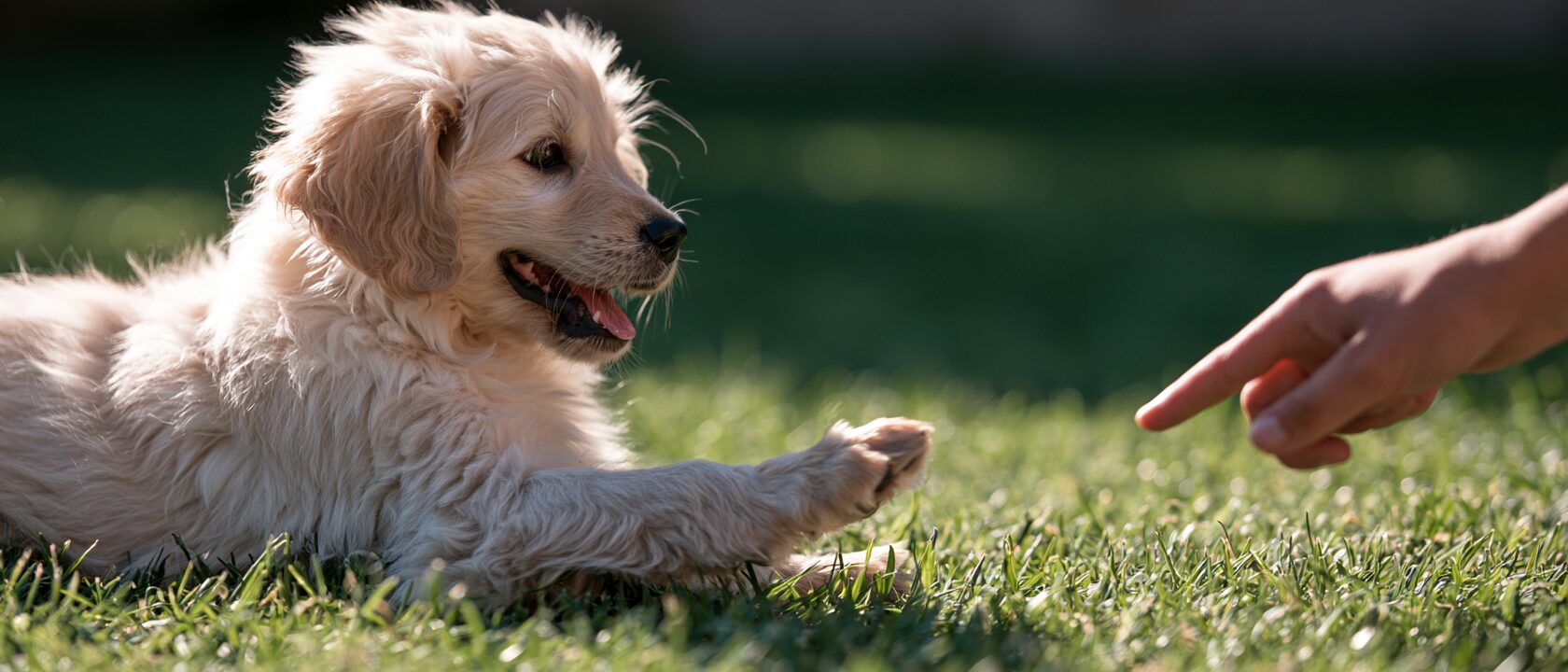
Puppies need shorter, more frequent exercise sessions.
Their bodies are still developing, and large breeds may continue maturing until they are 2 years old. That matters because high-impact activity, repeated jumping, and intense workouts can place stress on developing joints.
Puppy fitness should focus on:
- Short walks
- Gentle play
- Training basics
- Body awareness
- Low-impact balance
- Exploring safe surfaces
- Short fetch games
- Sit, stand, and recall games
- Puzzle toys
- Confidence building
Keep it fun.
Puppies do not need a hard workout. They need safe movement, rest, training, and positive experiences.
Dog fitness for senior dogs

Senior dogs need movement too.
Low-impact exercises such as swimming can be especially helpful for senior dogs or dogs with joint issues. Swimming is an excellent exercise for dogs of many breeds because it supports cardio, muscle use, and mobility with less pressure on the joints.
Senior dog fitness may include:
- Slow daily walks
- Swimming
- Gentle strength training
- Balance training
- Short indoor games
- Active range of motion work
- Low obstacles
- Scent games
- Rest breaks
- Weight control
Daily exercise can help improve circulation, muscle strength, and mobility. Regular exercise can also reduce obesity-related health conditions and support a healthier life.
Avoid pushing senior dogs to complete routines if they show fatigue.
Watch for:
- Lagging behind
- Limping
- Heavy panting
- Stiffness
- Refusing stairs
- Slower recovery
- Lying down during exercise
- Changes in posture
- Less interest in play
Stop before your dog is exhausted.
Fitness for active dogs
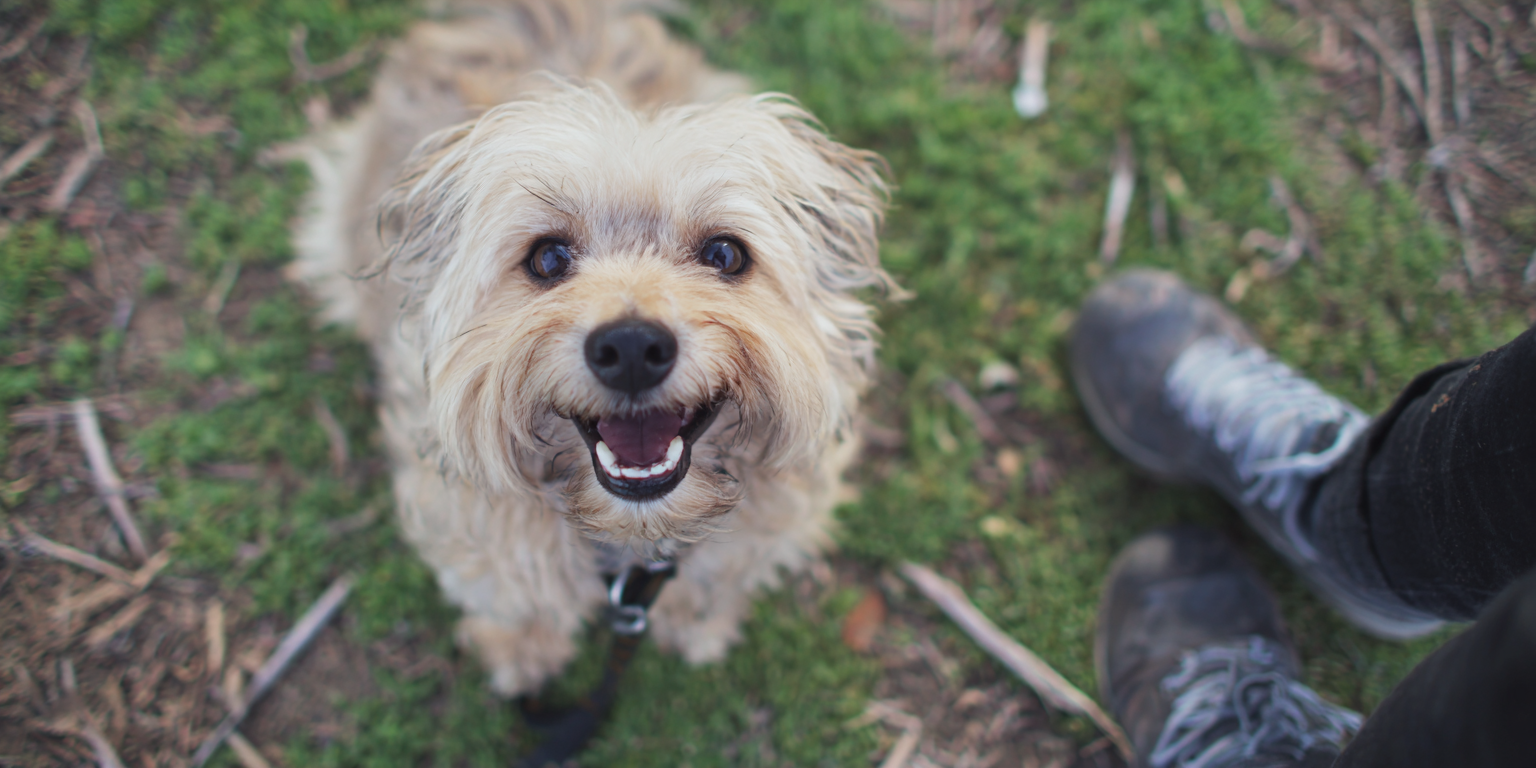
Active dogs need fitness with structure.
A dog who hikes, runs, plays fetch, swims, does agility, or participates in obstacle courses needs strength, balance, coordination, stamina, and recovery.
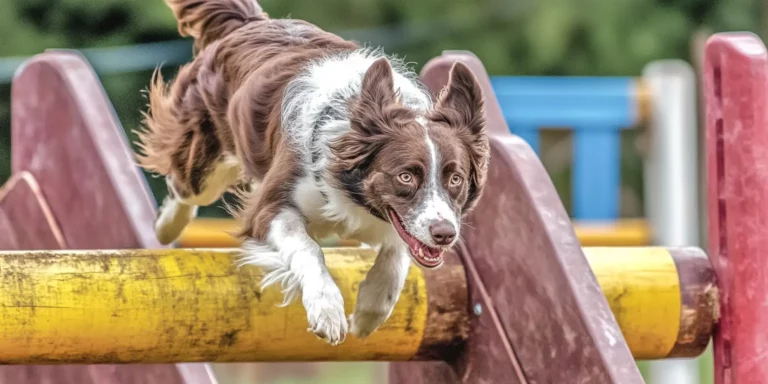
Agility training improves a dog’s strength, balance, and coordination. It also builds focus, impulse control, and a stronger bond between dog owners and their dogs.
Active dogs may benefit from:
- Warm-ups
- Cool-downs
- Strength training
- Balance training
- Canine conditioning
- Swimming
- Hiking
- Controlled fetch
- Agility skills
- Rest days
- Recovery support
Playing fetch can be a fun game, but repeated high-speed stops, twists, and jumping can increase injury risk. Use shorter throws, softer surfaces, and controlled sessions.
Fitness should build the dog.
It should not break them down.
Strength training for dogs
Strength training for dogs can help prevent injuries and build muscle.
Stronger muscles help support joints, posture, movement, and stability. Strength work can be especially useful for active dogs, dogs recovering from injury, senior dogs, and dogs who need better mobility.
Simple strength exercises include:
- Sit-to-stand
- Stand-to-sit
- Step-ups on a low surface
- Front paws on a low platform
- Rear paws on low platform
- Backing up
- Cavaletti poles
- Slow hill walking
- Controlled tug
- Balance work
- Core work
Use treats as a reward. Keep sessions short. Ask for a few seconds of good posture instead of long holds that make your dog tired or sloppy. Proper form is far more important than the duration.
Good movement matters more than more reps.
Balance training for dogs
Balance training helps dogs build coordination, posture, body awareness, and stabilizing muscles.
Start on stable ground. Then gradually add gentle challenges.
Balance exercises may include:
- Standing square on all four paws
- Weight shifts
- Front paws on a low platform
- Slow walking over poles
- Turning in a small circle
- Backing up
- rear paws on low platform
- all four paws on low, stable, platform
- Balance discs when appropriate
Balance discs and other unstable equipment can help some dogs, but they should be used carefully. Dogs need enough strength and body control before working on an unstable surface.
Start easy.
Reward calm, controlled movement.
Mental fitness and enrichment
Dog fitness includes mental health.
A dog’s brain needs daily work too. Mental enrichment reduces boredom, supports confidence, and can prevent destructive behaviors in dogs.
Good mental exercise includes:
- Puzzle toys
- Scent games
- Training new behaviors
- Hide-and-seek with treats
- Food scatter games
- Short obedience sessions
- Tricks
- Sniff walks
- Gentle obstacle courses
- Interactive toys
Even 5 to 10 minutes of training can change the day.
Teach a new skill. Reward effort. Keep it positive.
A fun routine strengthens the bond between dog and owner.
Fitness, weight, and joint health
Maintaining a healthy weight is crucial for preventing joint problems in dogs.
Extra weight places more pressure on the joints, spine, heart, and muscles. It can increase the risk of arthritis, diabetes, heart disease, and mobility problems.
Daily exercise helps prevent canine obesity and related health issues. A brisk walk twice a day can help many dogs stay happy and healthy. Even 20 minutes of daily exercise can boost vitality and support longevity for some dogs, especially when paired with a balanced diet and safe routine.
Weight management basics:
- Measure food
- Limit high-calorie treats
- Use training treats wisely
- Increase activity gradually
- Choose low-impact exercise when needed
- Track body condition
- Schedule regular veterinary check-ups
Routine veterinary care helps ensure pets remain up-to-date on vaccinations and health checks. Regular veterinary check-ups can help detect potential health problems early.
Regular grooming can also help spot skin issues, soreness, lumps, and parasites before they become bigger problems.
How to prevent injury during dog fitness
Safety is part of fitness.
Prevent injury by building gradually, matching exercise to the dog’s level, and avoiding high-impact workouts when the dog is tired, sore, overweight, or unconditioned.
Helpful safety tips:
- Warm up with easy walking
- Cool down after exercise
- Avoid slick floors
- Avoid intense jumping on hard surfaces
- Increase intensity slowly
- Use low-impact exercise for joint issues
- Watch for fatigue
- Skip workouts on painful days
- Keep nails trimmed
- Provide water
- Avoid heat stress
- Use a harness when needed
- Talk to your vet about injuries
Do not push dogs to complete routines if they show fatigue.
A tired dog changes posture. Then movement changes. That is when injury risk can climb.
AKC FIT DOG and structured fitness goals
Some dog owners like having a clear goal.
The American Kennel Club’s AKC FIT DOG program offers three fitness title levels: Bronze, Silver, and Gold. The program is designed to give dogs and owners a structured fitness plan they can do together.
A title is not required for dog fitness.
It can be motivating, though.
For some owners, tracking walks, workouts, and activities helps turn exercise into a routine. That consistency is where the benefits happen.
How red light therapy supports dog fitness
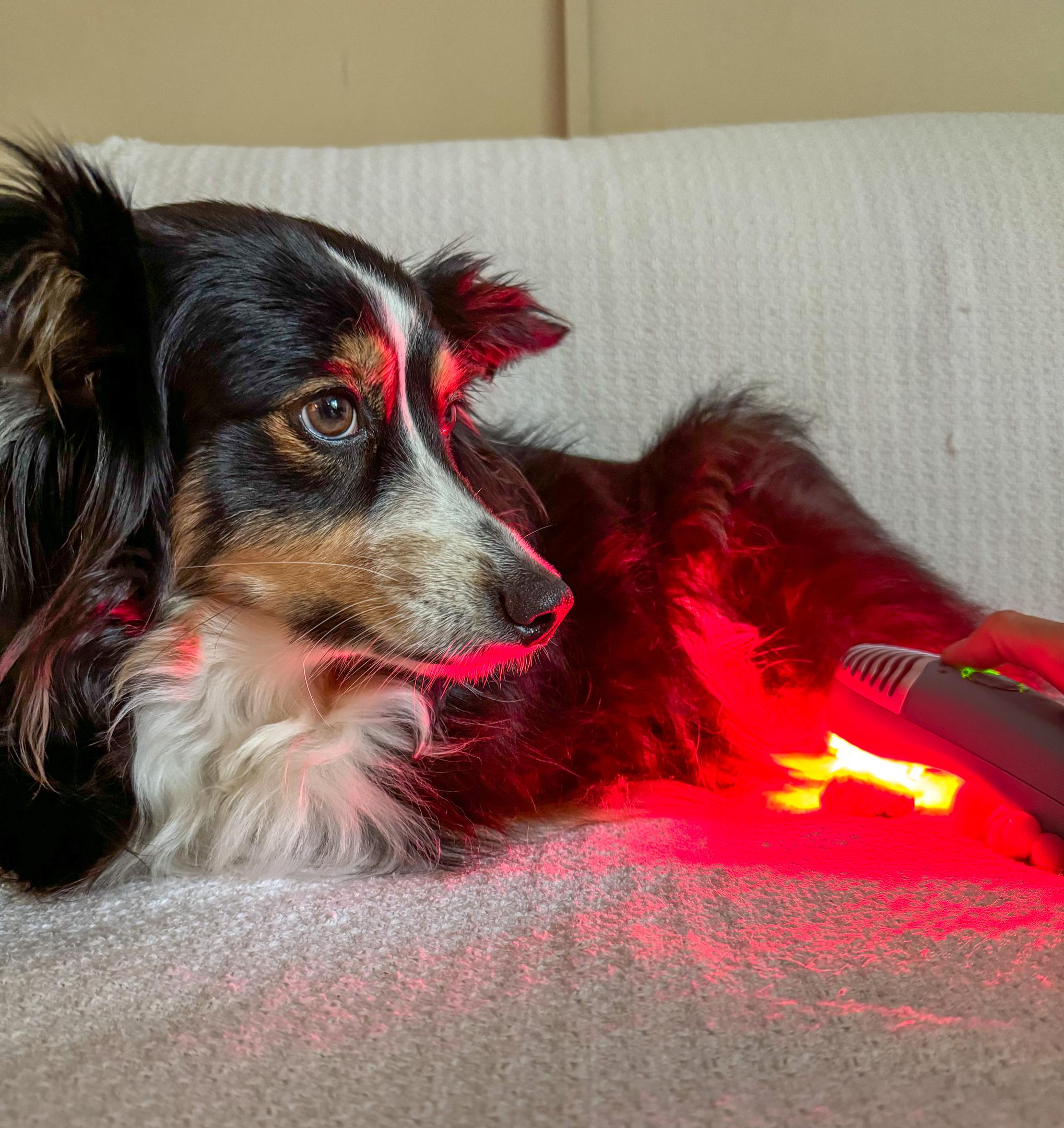
Photobiomodulation, or PBM, also called red light therapy, low-level laser therapy, LED therapy, cold laser, and near-infrared therapy, refers to the same therapeutic category using light energy to influence cellular biology.
Red light therapy can support dog fitness by helping reduce inflammation, support circulation, ease discomfort, and support muscle recovery after exercise.
Learn more here: Science of Red Light Therapy.
This can be helpful for active dogs, senior dogs, dogs with joint health concerns, and dogs rebuilding strength after injury. It can also support recovery after agility training, hiking, swimming, strength training, balance work, and outdoor activities.
Red light therapy may support:
- Muscle recovery after workouts
- Joint comfort after daily walks
- Reduced soreness
- Better mobility in senior dogs
- Comfort after agility training
- Recovery after hiking
- Support after strength exercises
- Physical therapy tolerance
- Circulation around working tissues
- Long-term mobility support
Red light therapy does not replace exercise, weight management, veterinary care, or safe training. It supports the recovery side of the fitness plan.
Why Luma is helpful for dog fitness
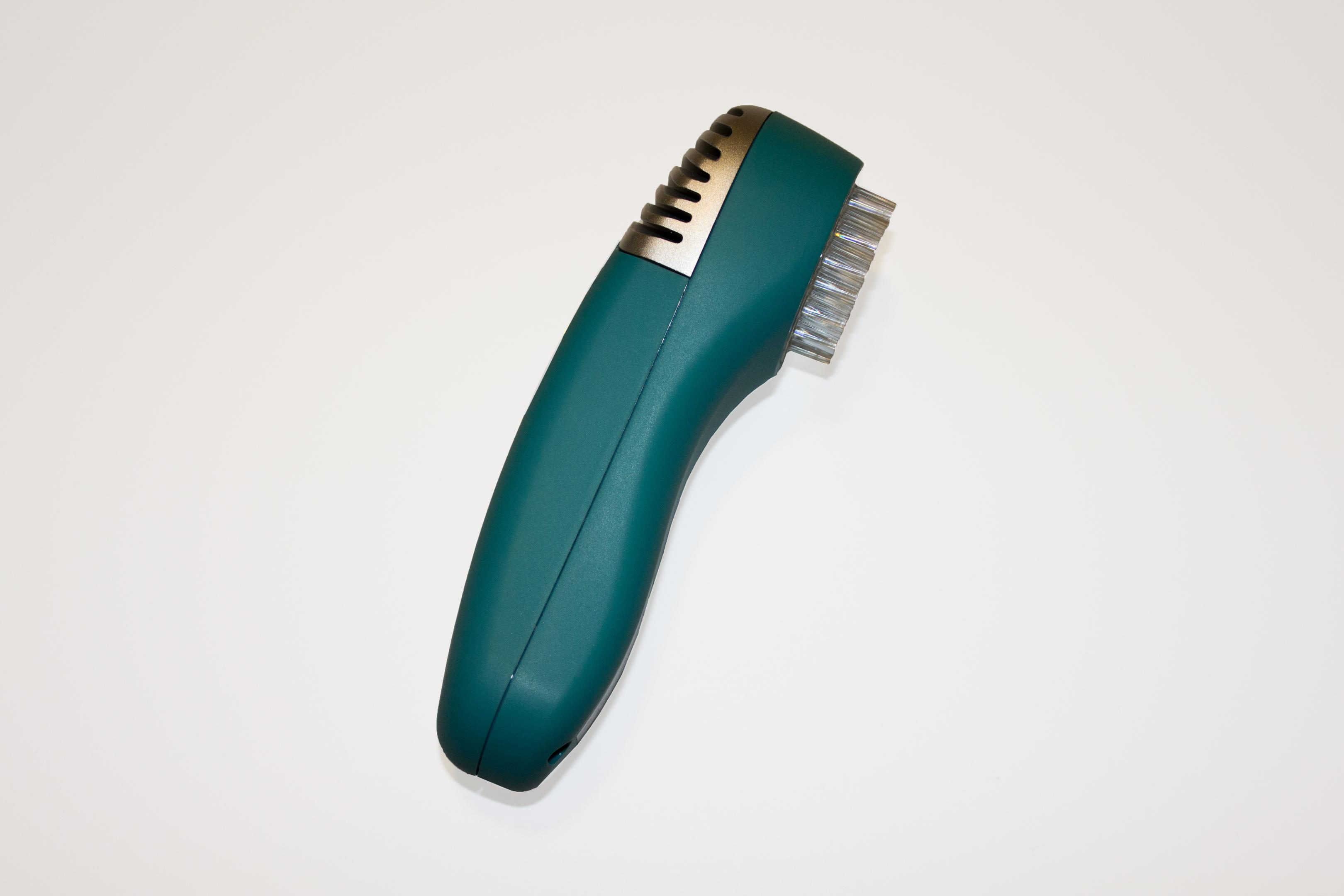
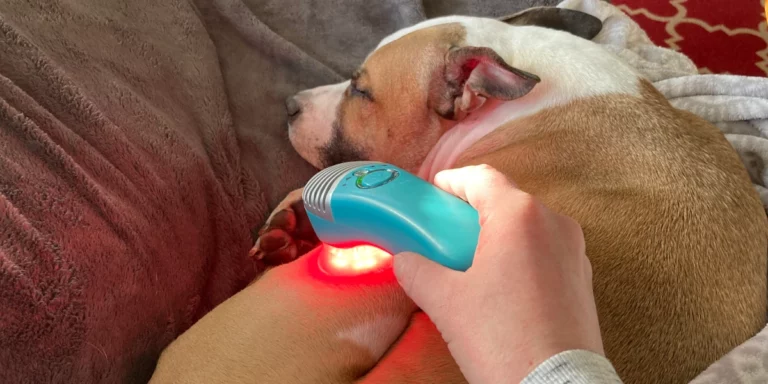
The MedcoVet Luma gives dog owners a way to support their dog’s comfort, mobility, and recovery at home.
Luma uses red and near-infrared light to support circulation, inflammation control, cellular activity, and comfort. It is non invasive, drug free, and designed for guided home use.
For dog fitness, Luma can help support the body after activity.
That matters for senior dogs trying to stay mobile, active dogs training regularly, dogs with joint health concerns, and pups building a safe routine.
Luma may support:
- Comfort after exercise
- Muscle recovery after play
- Joint comfort after walks
- Support after agility training
- Mobility support in senior dogs
- Recovery after canine conditioning
- Comfort during weight management
- Support after outdoor activities
- Physical therapy tolerance
- Long-term active life
For sport-specific guidance, visit Red Light Therapy for Agility Dogs.
For broader guidance, visit Red Light Therapy for Dogs.
Want to know if Luma fits your dog’s fitness and recovery routine?
Anderson
Real Dogs, Real Fitness Support
Fitness looks different for every dog.
For one dog, it is hiking and agility. For another, it is a brisk walk twice a day. For a senior dog, it may be swimming, gentle strength work, and getting up more comfortably in the morning.
Luma gives pet parents a way to support comfort, recovery, and mobility at home as part of their dog’s fitness routine.
Testimonial Block
Want help deciding if Luma fits your dog’s fitness and recovery plan?
Otis
MedcoVet’s clinical view on dog fitness
MedcoVet focuses on photobiomodulation protocols for dogs with pain, inflammation, mobility concerns, arthritis, sport recovery, surgery recovery, and injury prevention support.
Our clinical approach considers the individual dog: age, breed, weight, joint health, current fitness level, injury history, soreness patterns, daily routine, and recovery needs.
Dog fitness helps build strength, stamina, coordination, mental health, and confidence. Red light therapy supports recovery so dogs can keep moving comfortably.
Movement supports health.
Recovery supports movement.
Questions dog owners ask about dog fitness
Clinical summary
Mechanism:
Dog fitness uses regular exercise, cardiovascular activity, strength training, balance training, mobility work, play, and mental enrichment to support muscle function, joint health, weight control, coordination, stamina, behavior, and overall health.
Evidence level:
Regular exercise and weight control are widely recommended in veterinary preventive health, obesity management, arthritis care, and mobility support. Strength and balance exercises are commonly used in canine conditioning and rehabilitation to support movement quality and injury prevention.
When red light therapy works best:
Red light therapy works best when dogs need support for muscle recovery, joint comfort, inflammation control, mobility, physical therapy tolerance, senior stiffness, or recovery after exercise. It may be useful for active dogs, senior dogs, and dogs rebuilding fitness after injury.
When not to use red light therapy:
Do not use red light therapy as a substitute for veterinary evaluation after acute injury, sudden lameness, severe pain, swelling, collapse, heat illness, or unexplained weakness. Dogs with untreated infection, known or suspected tumors, or unexplained pain should be evaluated before use.
Keep your dog moving well
Dog fitness can be simple.
Walk daily. Play. Train. Strengthen. Rest. Repeat.
Build a routine that fits your dog’s body, age, personality, and health.
Then support the recovery that keeps them moving.
Want help supporting your dog’s fitness and recovery plan?
Dave
Evidence Citations

About the Author
Alon Landa is the CEO and co-founder of MedcoVet, a leader in at-home red light therapy for pets. With over 20 years of experience in medical technology and firsthand involvement in developing the Luma, Alon combines deep technical knowledge with a passion for improving pet health. He regularly collaborates with veterinarians and pet parents to advance photobiomodulation (PBM) care at home.
📍 Based in Boston, MA
📖Read more from Alon here

About the Medical Reviewer
Clinical Focus: Surgery, anesthesia, canine fitness, injury prevention, agility
Kristy Williams brings over 30 years of experience to the veterinary field. Her career began in the 1990s, working as a civilian for the Army Veterinary Corps at RAF Feltwell in England, where she first discovered her passion for animal care and supporting their families. Upon returning to the United States, Kristy pursued her education and graduated in 2005 as a certified veterinary technician after passing the national exam. She has since gained extensive experience in both general practice and emergency/referral practices.
Read More about Kristy here.