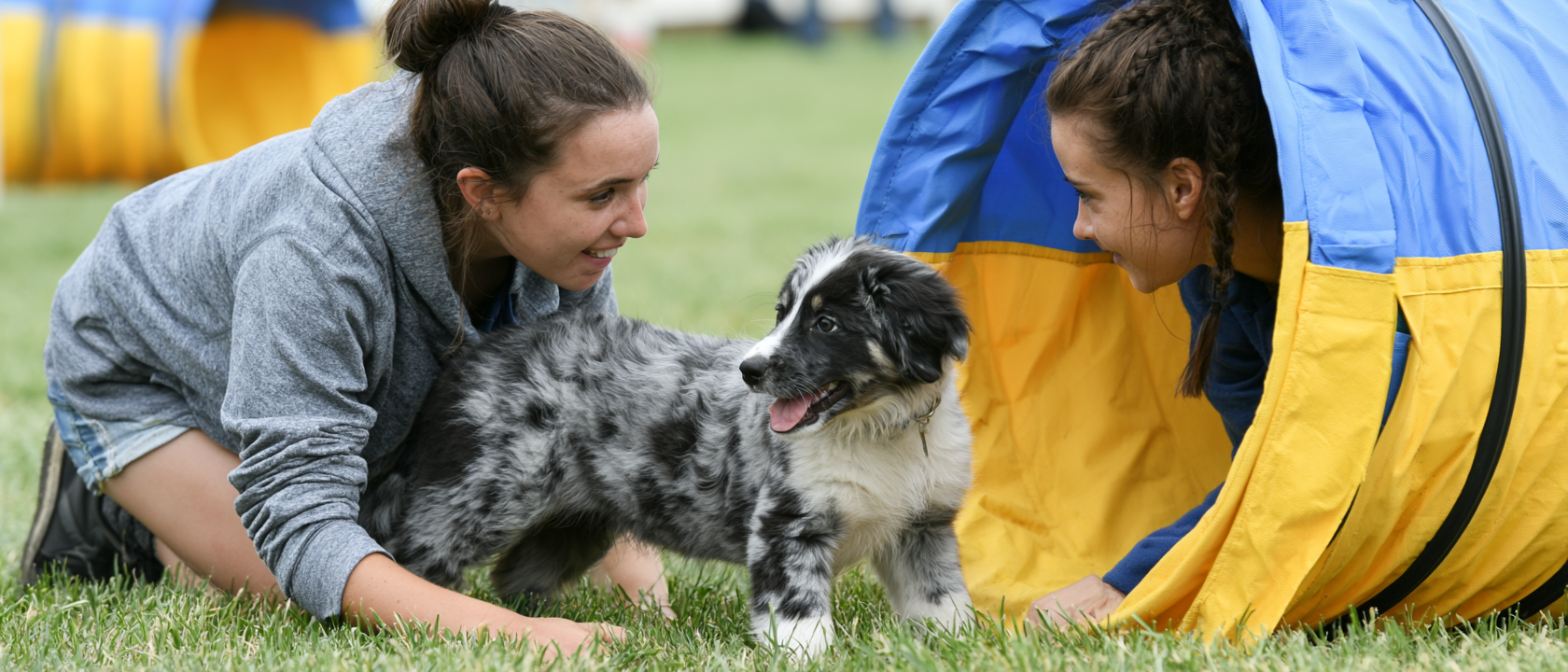
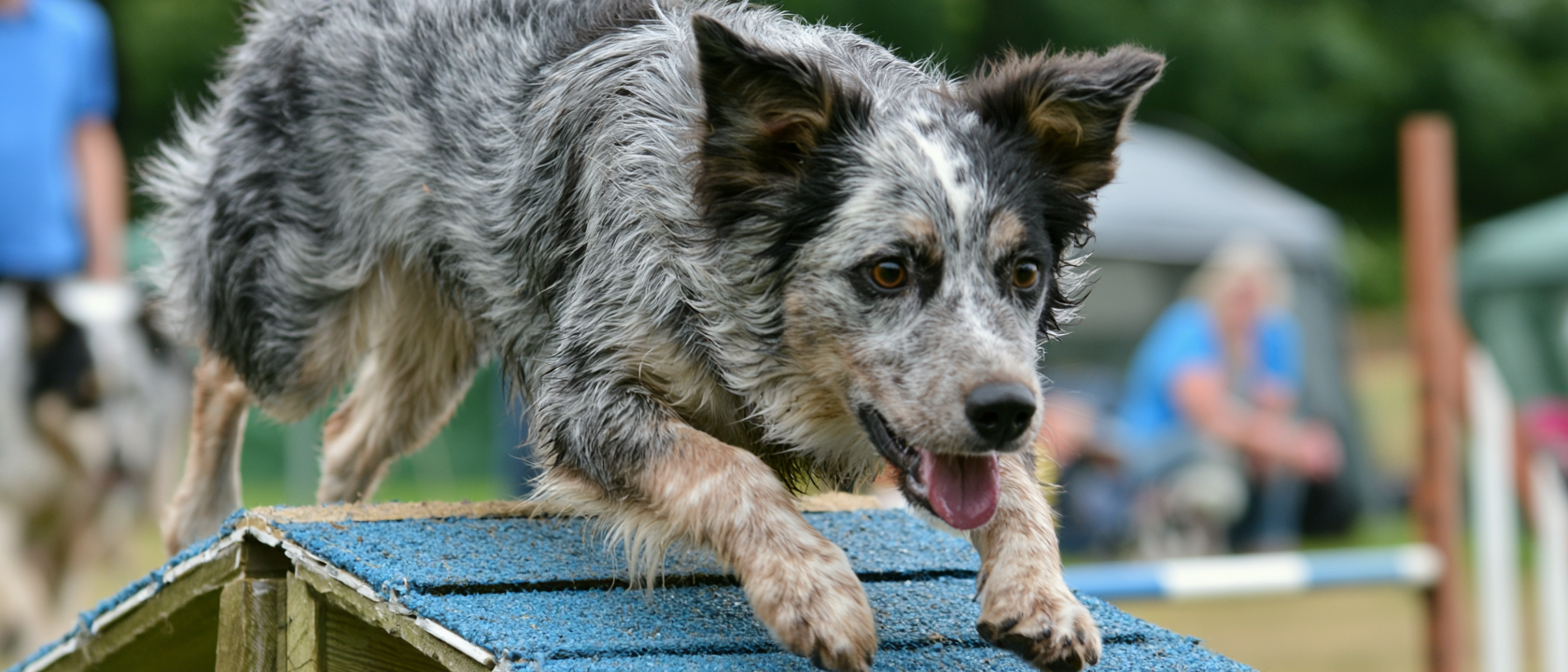
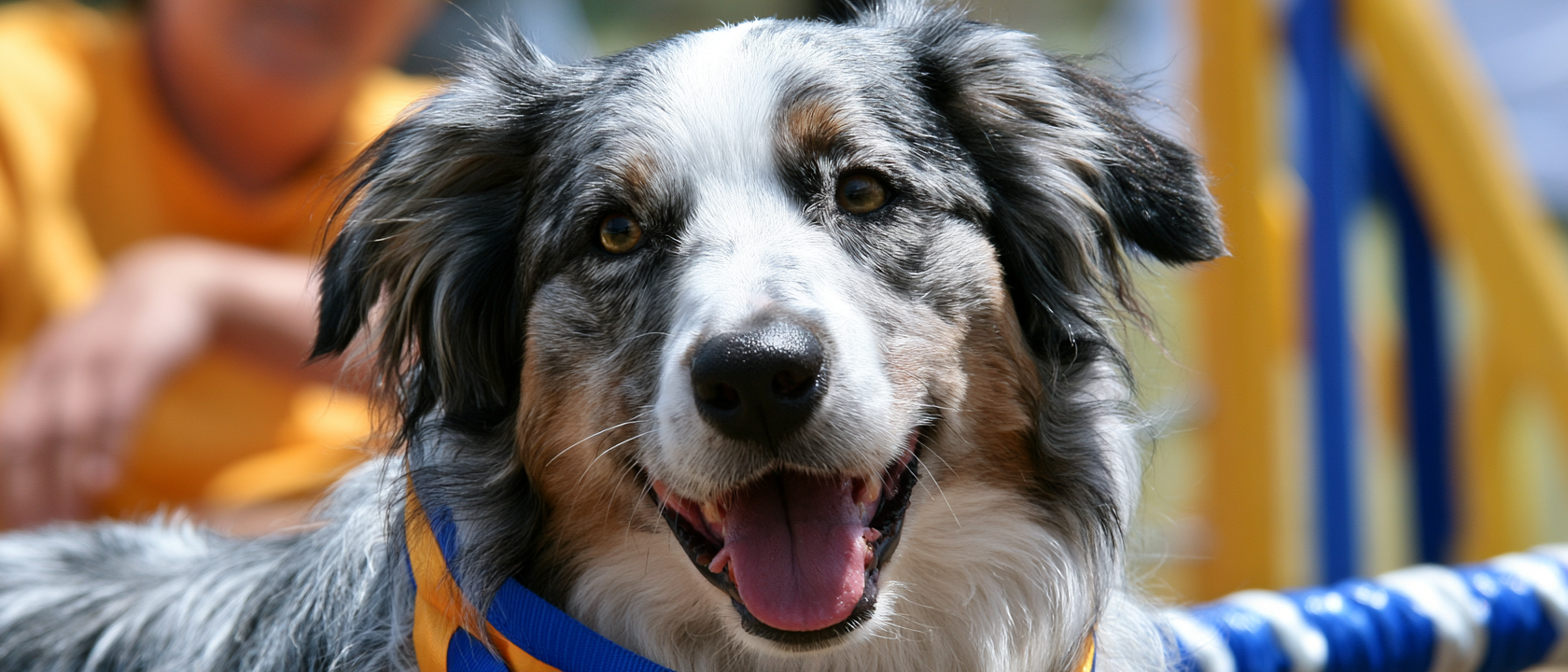
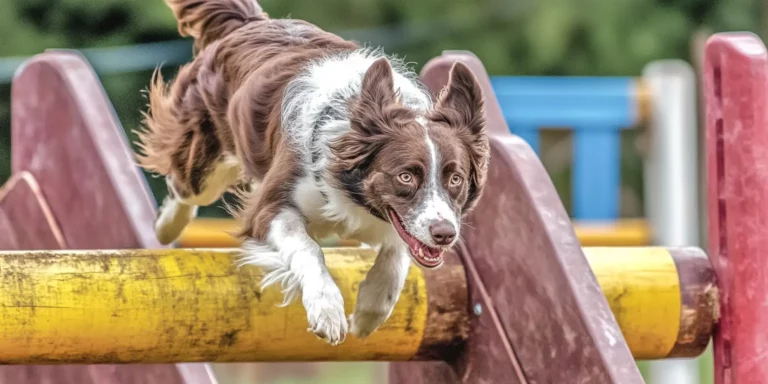
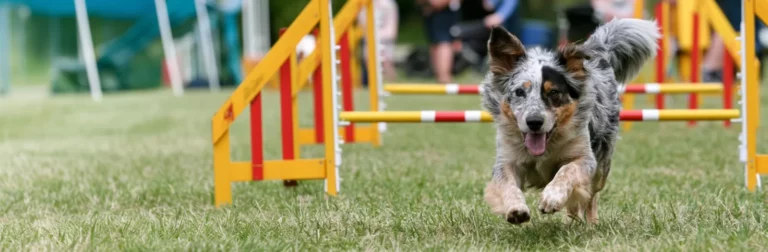
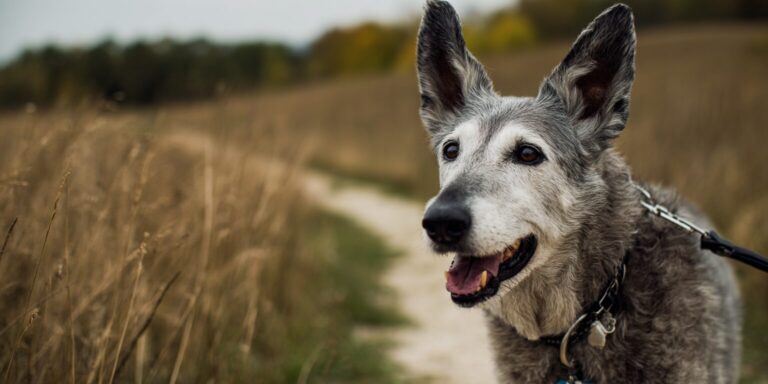
Dog agility training is a fast-paced competitive sport where a handler directs a dog through an obstacle course with jumps, tunnels, weave poles, a pause table, a frame, tire jump, and other agility obstacles. Most dog agility competitions and agility courses include 14 to 20 obstacles that the dog must complete quickly and accurately. Agility training gives dogs physical exercise, mental stimulation, better focus, and a stronger bond with their handler, and most breeds can enjoy it.
If your dog is active, recovering from hard training, or starting agility classes:
Dog agility is a fun way to give your dog physical activity and mental stimulation at the same time. The dog learns to listen, move, wait, turn, jump, climb, and respond to body language from the handler.
It is a team sport.
Agility training can help:
Build confidence in shy dogs
Give high energy dogs a healthy outlet
Improve impulse control
Strengthen basic obedience
Support focus around other dogs
Improve coordination
Build body awareness
Add structured exercise
Strengthen the bond between dog and handler
Many dogs love agility because it gives them a job. They get to move fast, solve problems, and work with their person.
That can feel great for both you and your dog.
When can dogs start agility training?
Puppies can start puppy agility around 4 months old, but the work should stay gentle. Think body awareness, confidence, tunnels, flatwork, basic skills, and fun games. This is the time for building a good foundation.
High-impact training should wait until your dog’s joints have matured, and growth plates have closed, often around 12 to 18 months. Certain breeds may mature, move, or handle impact differently, so training should match the individual dog. That means no full jump height, hard weave poles, heavy repetition, or intense agility obstacles too early.
Puppies can learn:
Sit
Stay
Recall
Leash skills
Body awareness
Confidence around new surfaces
Tunnels
Short sequences with low impact
Basic obedience
Focus around other dogs
The goal is not speed yet. The goal is safe learning.
Senior dogs can do agility too, with the right changes. Lower jumps, slower pace, shorter sessions, and soft surfaces can make agility a fun activity for older dogs or dogs with health issues.
What dogs need before their first agility class
Before the first class, your dog should have basic obedience and comfort working around other dogs.
Helpful basic skills include:
Name response
Sit
Stay
Recall
Loose leash walking
Focus on the handler
Waiting calmly
Comfort with handling
A dog does not need to be perfect. Most dogs are not.
But agility classes work better when the dog can focus for short periods and respond to simple cues. Anxious dogs may need extra time. Shy dogs may need a slower start. A good instructor will let each individual dog move at their own pace.
Beginner dog agility classes are also useful for the human side of the team. They teach proper handling techniques, safe equipment use, body language, distance work, and how to guide the dog through all the obstacles without confusion.
Common dog agility obstacles
Dog agility training uses specific agility equipment. Some agility obstacles are simple to introduce. Others take more time.
Common obstacles include:
Tunnels
Jumps
Weave poles
Pause table
A frame
Tire jump
Teeter totter
Dog walk
Raised platform
Contact obstacles
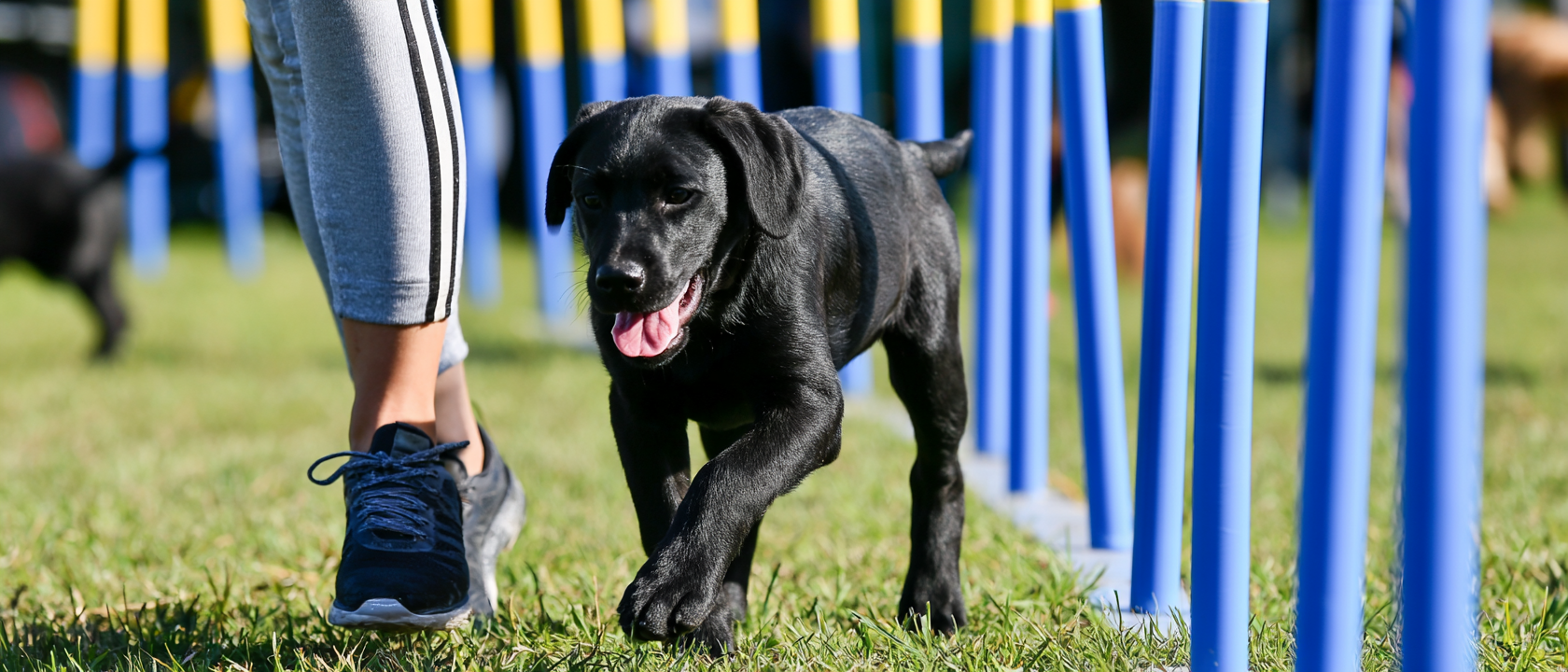
Weave poles are one of the most challenging obstacles to teach. They usually include 6 to 12 upright poles that the dog weaves through in a set pattern.
The teeter totter can also be tough because it moves under the dog’s feet. It takes confidence, balance, and trust.
Start simple. Use tunnels, low jumps, and basic body awareness work before moving to harder equipment.
Some dog owners build basic agility equipment at home using PVC pipes, cones, and low platforms. Keep it safe. Use dog-designed equipment when possible and train on non-slip surfaces.
What happens in agility classes?
Many classes begin with warm-up work, basic handling, and early obstacle work focused on training dogs to move confidently and safely. Then the dog and handler practice short sequences.
A short sequence might include:
Tunnel
Low jump
Pause table
Tunnel again
As the dog learns, the instructor may gradually increase the challenge. More obstacles. More speed. More distance work. More turns.
A good agility class should teach control before speed.
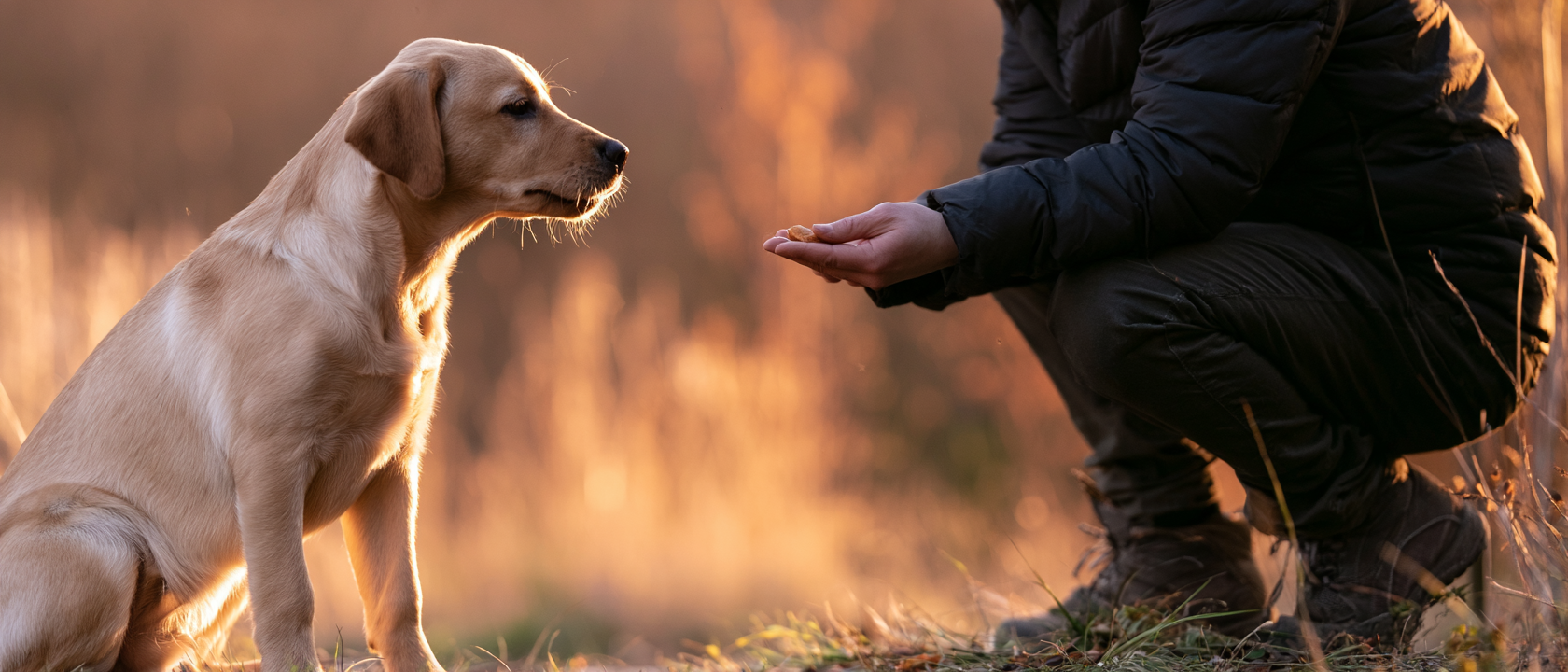
Dogs learn best with positive reinforcement. Treats, toys, praise, and clear timing all help. Training aids can be useful, but they should support learning without pressure or fear.
Keep training sessions short. Dogs focus better when the work is fun and fresh. Some facilities also offer indoor agility for year-round practice or for dogs that do better in a more controlled environment.
How to keep agility training safe
Agility is a sport. That means safety matters.
Before increasing speed or jump height, make sure your dog has the strength, coordination, and maturity to handle it.
Safety tips:
Train on non-slip surfaces
Use equipment made for dogs
Keep sessions short
Warm up before training
Cool down after training
Avoid high-impact work for young puppies
Gradually increase difficulty
Watch for fatigue
Stop if your dog limps or slows down
Use positive reinforcement
Adjust for senior dogs and health issues
Jump height should match the dog’s size, age, ability, and training stage. A dog begins with low impact work and gradually builds up.
High energy dogs may want to keep going long after their body is tired. The handler has to make the smart call.
Dog agility competitions
Dog agility competitions are organized events where dogs run a timed obstacle course. Competitions are often hosted by local clubs over weekends, and an agility trial may include several classes, jump heights, and course types.
Handlers usually walk the course before their dog runs it. This gives the handler time to plan the path, turns, cues, and timing.
A standard agility course often has about 15 obstacles, though dog agility competitions commonly include 14 to 20 obstacles. Each agility ring may require at least 5,000 square feet of space.
Qualifying runs can earn titles through organizations such as the American Kennel Club, CPE, UKI, USDAA, and other agility groups.
Competition is fun for many dogs.
It is also physical.
That is why recovery support matters.
How to support your dog after agility training
Agility uses the whole body. The front legs absorb force. The back legs push. The spine bends and turns. The shoulders, hips, knees, and core all work hard.
After agility training, watch for:
Limping
Stiffness
Hesitation on stairs
Reduced enthusiasm
Slower movement after rest
Muscle soreness
Skipping obstacles
Refusal to jump
Changes in stride
Less drive in training
Mild fatigue can happen after a fun session. Pain should not be ignored.
Give your dog rest days. Keep them at a healthy weight. Build strength gradually. Use physical therapy when recommended. Support recovery before small soreness becomes a bigger issue.
How red light therapy supports agility dogs
Photobiomodulation, or PBM, also called red light therapy, low-level laser therapy, LED therapy, cold laser, and near-infrared therapy, refers to the same therapeutic category using light energy to influence cellular biology.
Red light therapy can support agility dogs by helping reduce inflammation, support circulation, reduce pain, and support muscle recovery after physical activity. It can also help dogs with chronic stiffness, old injuries, arthritis, joint stress, or training soreness.
For agility dogs, red light therapy can help support:
Muscle recovery after training
Joint comfort
Pain relief
Reduced inflammation
Recovery after agility competitions
Comfort after physical exercise
Support for active dogs
Long-term mobility
Physical therapy tolerance
Red light therapy does not replace veterinary care for injuries. If your dog is limping, painful, or suddenly refuses activity, talk with your veterinarian.
Why Luma is helpful for dog agility training
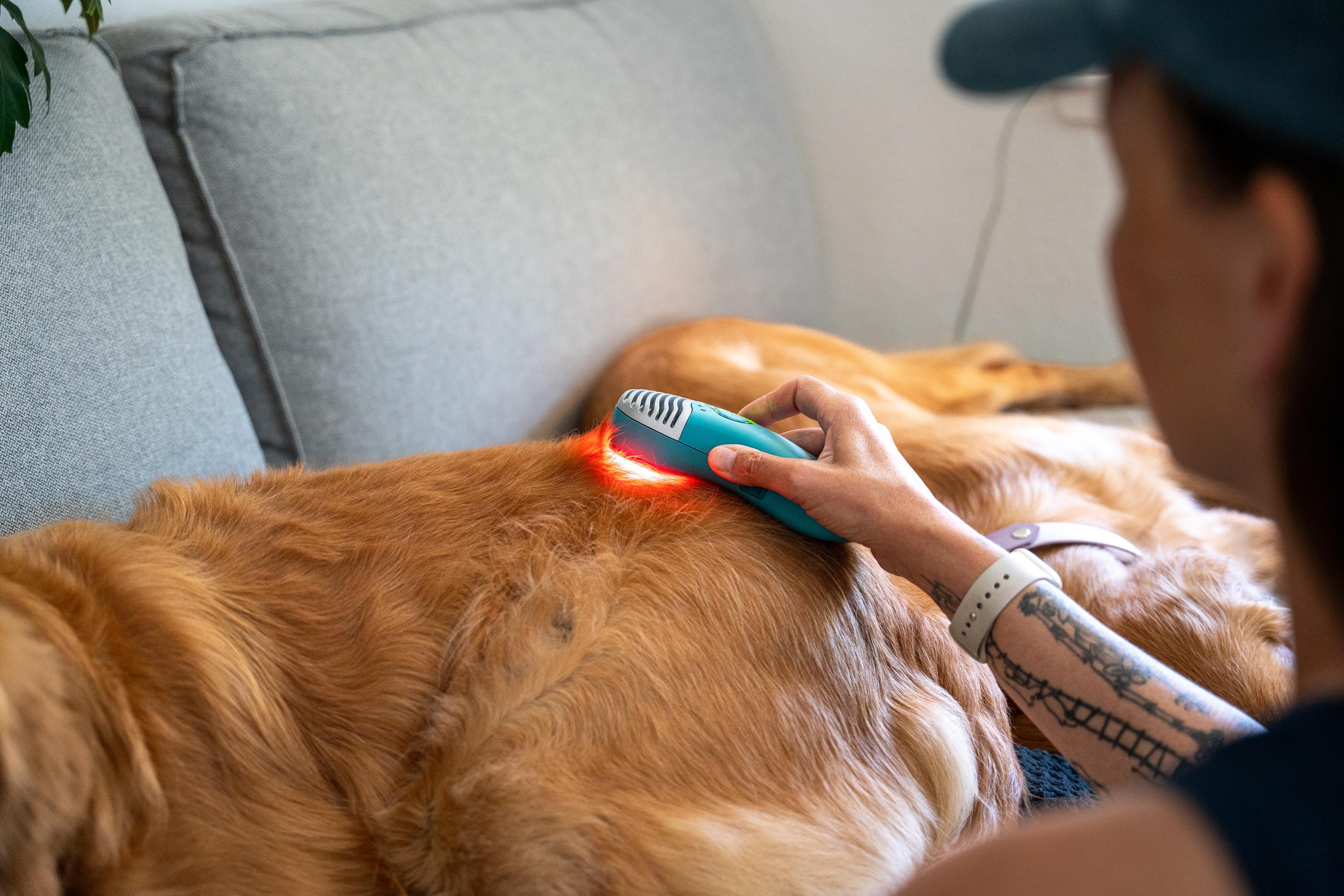
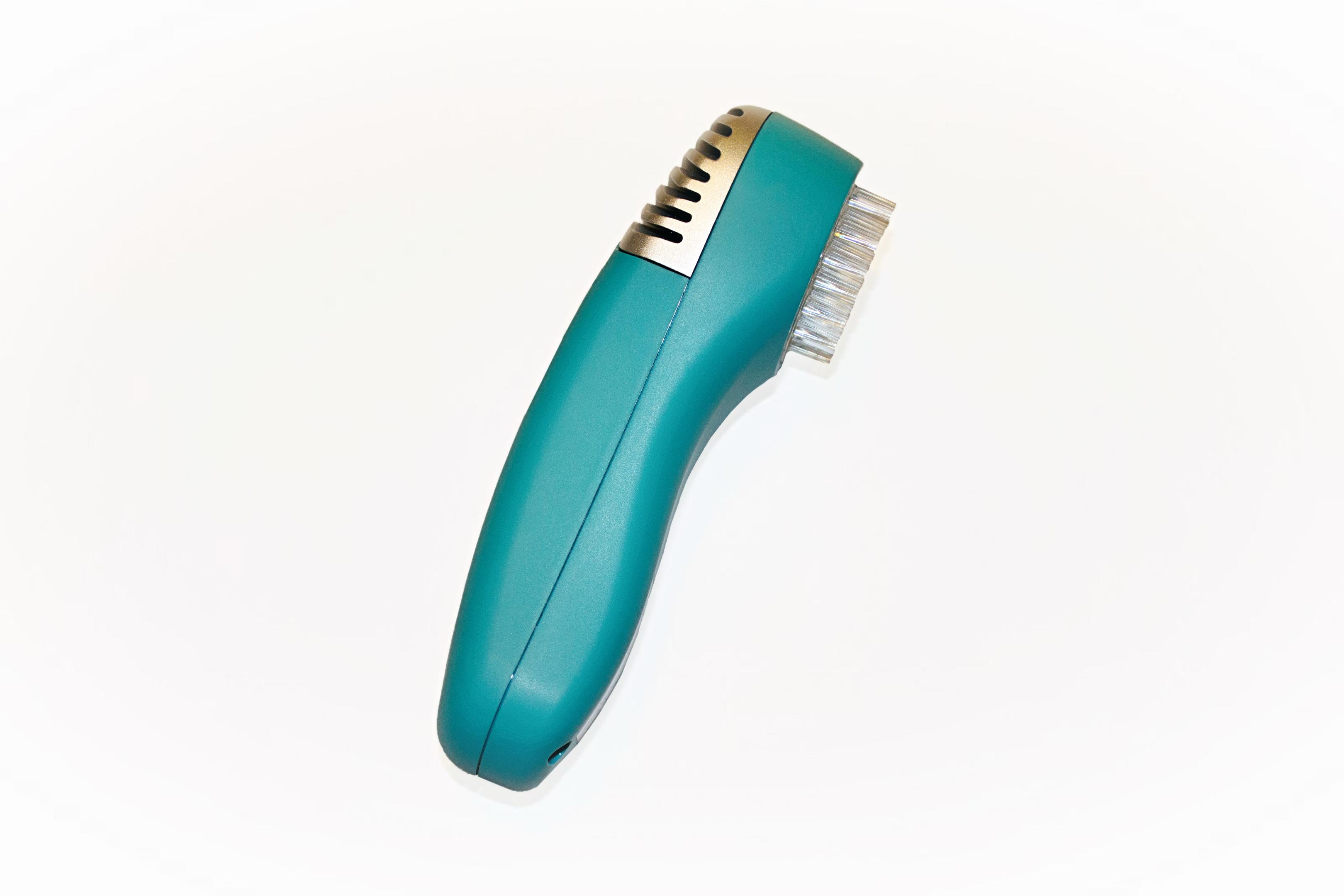
The MedcoVet Luma gives pet parents a way to support recovery at home after training, classes, and competition weekends.
Luma uses red and near-infrared light to support circulation, inflammation control, and comfort. It is non invasive, drug free, and designed for home use with clinician guidance.
For agility dogs, consistency matters.
A dog doing agility training may need regular support for muscles, joints, and soft tissue. Luma can fit into a broader care plan that includes warm-ups, cool-downs, rest days, body conditioning, physical therapy, and veterinary care when needed.
They turn fast. They jump. They weave. They climb. They run hard because they love the game.
Luma gives pet parents a way to support comfort, recovery, and mobility at home as part of their dog’s agility training routine.
1-5 of 5 results
Izzy
“Izzy started limping after her agility lessons. She is 7 years old but will not slow down, being a border…”
Izzy
General pain from border collie crouching and agility.,pain,injured during an agility competition,limp
“Izzy started limping after her agility lessons. She is 7 years old but will not slow down, being a border collie, for her obstacles. It took awhile with the Luma and a couple x-rays to see where her problem spots were, but after pin-pointing the spots and doing the Luma consistantly, she is no longer limping. She’s back to her fast agility self!”
“Sprite is an active sports dog who sustained an injury. The Luma is instrumental in her rehab program. It’s helping…”
Sprite
Biceps tendon rupture and front 5th MCP lateral sprain.
“Sprite is an active sports dog who sustained an injury. The Luma is instrumental in her rehab program. It’s helping her heal faster and with less pain.”
“Ghillie is back to running in agility and competing in Obedience and Rally. I take the Luma with me and…”
Ghillie
Partial ligament tear
“Ghillie is back to running in agility and competing in Obedience and Rally. I take the Luma with me and use it after he has had a very hard workout. So nice to have when needed”
“Bailey is a competitive agility dog. So being healthy and strong is very important. He slipped on our wooden floors…”
Bailey
Strained Psoas
“Bailey is a competitive agility dog. So being healthy and strong is very important. He slipped on our wooden floors at home and strained his Psoas. After 3 weeks of rest and using Luma he is back to training and competing. We even did a a 2.5 mile run yesterday.”
MedcoVet focuses on photobiomodulation protocols for dogs with pain, arthritis, surgery recovery, sports recovery, agility strain, and mobility issues.
Our clinical approach considers the individual dog: age, breed, training load, health issues, soreness patterns, competition schedule, and recovery needs.
Dog agility training works best when performance and recovery are treated as a pair. Training builds skill. Recovery protects the body that performs the skill.
Red light therapy can be a helpful part of that recovery plan.
Questions dog owners ask about agility training
Yes. Agility training provides excellent physical exercise, mental stimulation, impulse control, confidence building, and bonding between dog and handler.
Dogs can start gentle puppy agility and body awareness work as early as 4 months old. High-impact training should wait until joints mature, and growth plates have closed, usually around 12 to 18 months.
Basic obedience helps. Your dog should know simple skills like sit, stay, recall, leash walking, and focus around other dogs.
Common agility obstacles include tunnels, jumps, weave poles, a frame, dog walk, pause table, tire jump, teeter totter, and raised platforms.
Yes. Weave poles are one of the most challenging obstacles because dogs must learn a specific movement pattern through upright poles while staying fast and accurate.
Yes, many anxious dogs can enjoy agility when training starts slowly and uses positive reinforcement. Agility can build confidence when the dog is allowed to learn at their own pace.
Yes, senior dogs can enjoy modified agility with lower jumps, slower work, shorter sessions, and attention to health issues.
Red light therapy can support recovery, comfort, inflammation control, and mobility after training. It works best as part of a care plan that includes safe conditioning, rest, and veterinary guidance when needed.
Clinical summary
Mechanism: Dog agility training combines physical exercise, obstacle learning, handler cues, impulse control, and environmental focus. It challenges strength, coordination, balance, speed, and body awareness. Safe agility training depends on gradual progression, mature joints, proper surfaces, dog-designed equipment, and positive reinforcement.
Evidence level: Agility training is widely used as a canine sport and enrichment activity. It supports physical activity, handler engagement, mental stimulation, and confidence. Injury prevention depends on conditioning, safe equipment, age-appropriate jump height, rest periods, and veterinary care for pain or lameness.
When red light therapy works best: Red light therapy works best for agility dogs when muscle soreness, joint stress, inflammation, stiffness, or recovery support are part of the picture. It may also support dogs returning to training after injury or surgery when cleared by a veterinarian.
When not to use red light therapy: Do not use red light therapy as a substitute for veterinary evaluation after sudden lameness, acute injury, severe pain, swelling, or refusal to bear weight. Dogs with untreated infection, known or suspected tumors, or unexplained pain should be evaluated before treatment.
Help your dog train, recover, and keep playing
Dog agility training is fun, physical, and mentally rich.
Your dog gets exercise. You get teamwork.
Both you and your dog learn a sport together. Support the training. Protect the recovery.
Abstract: “Over a 15-month period, a total of 395 injuries including sprains, strains, ligament damage, tendonitis and contusions were treated”
“The average LED-mediated RTP in the 65 subjects was significantly shorter at 9.6 days, compared with the mean anticipated RTP of 19.23 days (p = 0.0066, paired two-tailed Student’s t-test).
“A subjective satisfaction survey was carried out among the 112 students with injuries incurred from January to May, 2015. Eighty-eight (78.5%) were either very satisfied or satisfied, and only 8 (7.2%) were dissatisfied.”
One Sentence Outcome: LED phototherapy was associated with a shorter return-to-play time in injured university athletes, including sprains, strains, ligament damage, tendonitis and contusions.
Study Parameters: Human
Single-arm (retrospective?)
65 participants
⌛ ~1-2 weeks per patient; Sessions: 3-6
on
average; Treatment time: 1200 sec
One Sentence Outcome: A meta-analysis of randomized trials found no significant overall improvement in running performance from PBM alone or with training, highlighting mixed sports-performance evidence.
Study Parameters: Meta-analysis
Device Parameters: Wavelength: “Twelve studies fulfilled the inclusion criteria. No significant effects in favor of PBM were found (SMD = 0.13; p = 0.11). There was no effect considering the presence (SMD = 0.16; p = 0.38) and absence (SMD = 0.11; p = 0.25) of training, and there was no dose-response effect (p = 0.82).”
“Our findings indicate that PBM alone or combined with a training program does not improve running performance in terms of time-trial and time-to-exhaustion testing. More studies involving PBM plus training and doses higher than 1000 J are needed to determine if PBM is effective in improving running performance.” nm
Abstract: “After the treatment, pain, swelling and lameness were significantly improved by HILT compared with the control group (p = 0.023, 0.008 and 0.044, respectively).
No significant changes were found in lesion echogenicity degree between both groups in measurements taken during treatment (p = 0.188) and after treatment (p = 0.070).
For lesion percentage reduction, the statistical modelling showed a significant improvement in the HILT group compared with the control group during (p = 0.038) and after treatment (p = 0.019).
In conclusion, HILT promoted analgesic and anti-oedema effects, with visual lameness reduction in horses with tendon and ligament injuries, and reduced lesion percentage but did not influence change in lesion echogenicity.”
One Sentence Outcome: High-intensity laser therapy was associated with improved pain, swelling, lameness and lesion reduction in performance horses with tendon and ligament injuries.
Abstract: “Notwithstanding the wide variability in lameness score at admission, there was a statistically significant overall improvement in both lameness and ultrasonographic scores the day after cessation of laser therapy (week 2) and 4 weeks later (week 6), across all types and stages of tendinopathy or desmopathy and both for horses diagnosed with a single disorder and for horses suffering from multiple causes of lameness.
The lack of a control group precludes drawing of any conclusions about causal effects, but this finding can be considered quite interesting, as the improvement manifests after a much shorter time interval than described in literature for other treatment modalities.”
Comment: Dose parameters not reported.
One Sentence Outcome: In 150 sports horses with tendinopathy or desmopathy treated with high-power laser therapy, lameness and ultrasonographic scores improved over short-term follow-up, although causality is limited by lack of a control group.
Abstract: “No significant effect of treatment was noted for the MNTs. The AMG results were analyzed in terms of their temporal summation (T-score), where statistically significant improvements in the T-scores for M. longissimus and M. gluteus medius were noted for the different gaits.”
“It is concluded that cold and LLLT causes a decrease in the firing frequency of horse muscles, a change that is similar to the effects of analgesia on muscles of subjects experiencing pain. However, for the first time, the present study reveals evidence that supports an effect of LLLT on muscle function.”
One Sentence Outcome: PBM did not significantly change mechanical nociceptive thresholds but showed evidence of altered muscle firing patterns in horses at different gaits.
Abstract: “Low-level laser therapy, as applied in this study, produced significant reductions in back pain, epaxial muscle hypertonicity, and trunk stiffness. Combined laser therapy and chiropractic care produced similar reductions, with additional significant decreases in the severity of epaxial muscle hypertonicity and trunk stiffness.”
Note: No negative control group.
One Sentence Outcome: Low-level laser therapy was associated with reduced back pain, epaxial muscle hypertonicity, and trunk stiffness in Quarter Horses.
Abstract: “PBMT-sMF enhanced the performance of functional tests, decreased the levels of biochemical markers of muscle damage and inflammation, decreased oxidative stress, and increased antioxidant activity in CrossFit® athletes when applied before or after WOD.”
One Sentence Outcome: PBMT plus static magnetic field improved functional performance and reduced markers of muscle damage, inflammation and oxidative stress in CrossFit athletes.
Study Parameters: Human
Randomized trial, crossover, double-blind
12 participants
⌛ 4 sessions (-> 48h follow-up) with 1-week washout periods
Device Parameters: Wavelength: 633+
850+
905 nm
Evidence Level: Randomized controlled trial
Study Type: Human
Randomized trial, crossover, double-blind
12 participants
⌛ 4 sessions (-> 48h follow-up) with 1-week washout periods
Abstract: “PBMT increased the VO2 max (both relative and absolute values-p < 0.0467 and p < 0.0013, respectively), time until exhaustion (p < 0.0043), time (p < 0.0007) and volume (p < 0.0355) in which anaerobic threshold happened, and volume in which aerobic threshold happened (p < 0.0068).
Moreover, PBMT decreased CK (p < 0.0001) and LDH (p < 0.0001) activities. Regarding the cytokines, PBMT decreased only IL-6 (p < 0.0001).
Finally, PBMT decreased TBARS (p < 0.0001) and carbonylated protein levels (p < 0.01) and increased SOD (p < 0.0001)and CAT (p < 0.0001) activities.
The findings of this study demonstrate that preexercise PBMT acts on different functional aspects and biochemical markers. Moreover, preexercise PBMT seems to play an important antioxidant effect, decreasing exercise-induced oxidative stress and consequently enhancing athletic performance and improving postexercise recovery."
One Sentence Outcome: Pre-exercise PBM improved performance markers and reduced muscle damage, inflammatory and oxidative stress markers in high-level soccer players.
Study Parameters: Human
Randomized trial, crossover, double-blind
22 participants
⌛ 2 sessions (1 active, 1 sham) with 14-day washout; Sessions: 1; Treatment time: 100 sec
Device Parameters: Wavelength: 810 nm; Power: 100
per
diode
(5 diodes) mW; Energy: 850
per
lower
limb J; Dose: 275 J/cm²; Area: 0.0364
cm2
spot
size
per diode
(5 diodes)
9.6
cm2
cluster
area
Evidence Level: Randomized controlled trial
Study Type: Human
Randomized trial, crossover, double-blind
22 participants
⌛ 2 sessions (1 active, 1 sham) with 14-day washout
Abstract: “This study found that, for volleyball athletes, photobiomodulation therapy and NMES both promoted benefits in terms of muscle-strength gain. In addition, these benefits were maintained for 2 weeks even after training was interrupted.
Dominant lower limb strength improved in the NMES group compared to the control group. Non-dominant lower limb strength increased in both the photobiomodulation therapy group and the NMES group compared to the control group, but the NMES group improved significantly more than the photobiomodulation therapy group; the NMES group also improved in global impression of jumps compared to the control group.”
One Sentence Outcome: PBM and NMES improved selected strength and jumping-performance outcomes in young volleyball athletes during a training program.
• Journal: American Journal of Veterinary Research
Abstract: Objective: assess PBMT after TPLO for CCLR using CRP, percentage weight bearing, pain scores, and surgical site infection. Fifty-four dogs were randomized to PBMT or sham. No statistically significant differences were found for CRP, weight bearing, or pain scores, although surgical site infections occurred only in controls.Objective: assess PBMT after TPLO for CCLR using CRP, percentage weight bearing, pain scores, and surgical site infection. Fifty-four dogs were randomized to PBMT or sham. No statistically significant differences were found for CRP, weight bearing, or pain scores, although surgical site infections occurred only in controls.
One Sentence Outcome: This study reported a mixed outcome for the photobiomodulation intervention or evidence question.
Study Parameters: Treatment immediately after induction and again at 6 h, 24 h, 48 h, and 8 weeks after TPLO; sham treatment on same schedule in controls.
Device Parameters: PBMT device; exact wavelength/power not stated in the PubMed abstract.
About the Author Alon Landa is the CEO and co-founder of MedcoVet, a leader in at-home red light therapy for pets. With over 20 years of experience in medical technology and firsthand involvement in developing the Luma, Alon combines deep technical knowledge with a passion for improving pet health. He regularly collaborates with veterinarians and pet parents to advance photobiomodulation (PBM) care at home. 📍 Based in Boston, MA 📖Read more from Alon here
About the Medical Reviewer Clinical Focus:Surgery, anesthesia, canine fitness, injury prevention, agility Kristy Williams brings over 30 years of experience to the veterinary field. Her career began in the 1990s, working as a civilian for the Army Veterinary Corps at RAF Feltwell in England, where she first discovered her passion for animal care and supporting their families. Upon returning to the United States, Kristy pursued her education and graduated in 2005 as a certified veterinary technician after passing the national exam. She has since gained extensive experience in both general practice and emergency/referral practices. Read More about Kristy here.
Dog Fitness How daily exercise, strength work, mental enrichment, and red light therapy help dogs stay healthy and active Help your dog stay active, strong, and comfortableTalk with a MedcoVet clinician about your dog’s fitness plan, mobility, soreness, joint health, and at-home recovery support options. What is dog fitness? Dog fitness is the regular exercise,…
Conditioning for dogs How strength, balance, body awareness, and red light therapy help dogs stay active and reduce injury risk Help your dog stay strong, mobile, and ready for everyday lifeTalk with a MedcoVet clinician about your dog’s fitness level, injury history, soreness, mobility, and at-home conditioning support options. What is canine conditioning? Canine conditioning…
Agility, flyball, dock diving, frisbee, field trials—the list goes on. Our four-legged athletes are pushed to their physical limits, requiring bursts of speed, precise movements, and incredible endurance. While exhilarating, this high-impact activity inevitably takes a toll on a dog’s body, leading to a risk of strains, sprains, joint inflammation, and soft tissue injuries. To…
Dog Agility Equipment What to use, how to set it up safely, and how to support your dog’s body after practice What dog agility equipment do beginners need? Beginner dog agility equipment usually includes jumps, a tunnel, weave poles, and a pause table or low platform. These agility obstacles help dogs learn the basics of…
Proper Exercise for Dogs Dog workouts, safe fitness ideas, and recovery support for every age and activity level Help your dog exercise safely and recover well Talk with a MedcoVet clinician about your dog’s activity level, soreness, mobility, joint health, and at-home recovery support options. What is proper exercise for dogs? Proper exercise for dogs…
Trustindex verifies that the company has a review score above 4.5, based on reviews collected on Google over the past 12 months, qualifying it to receive the Top Rated Certificate.