Red Light Therapy for Canine Athletes and Sports Recovery
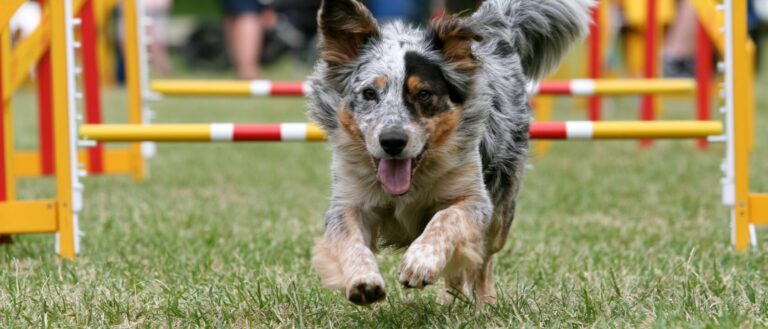
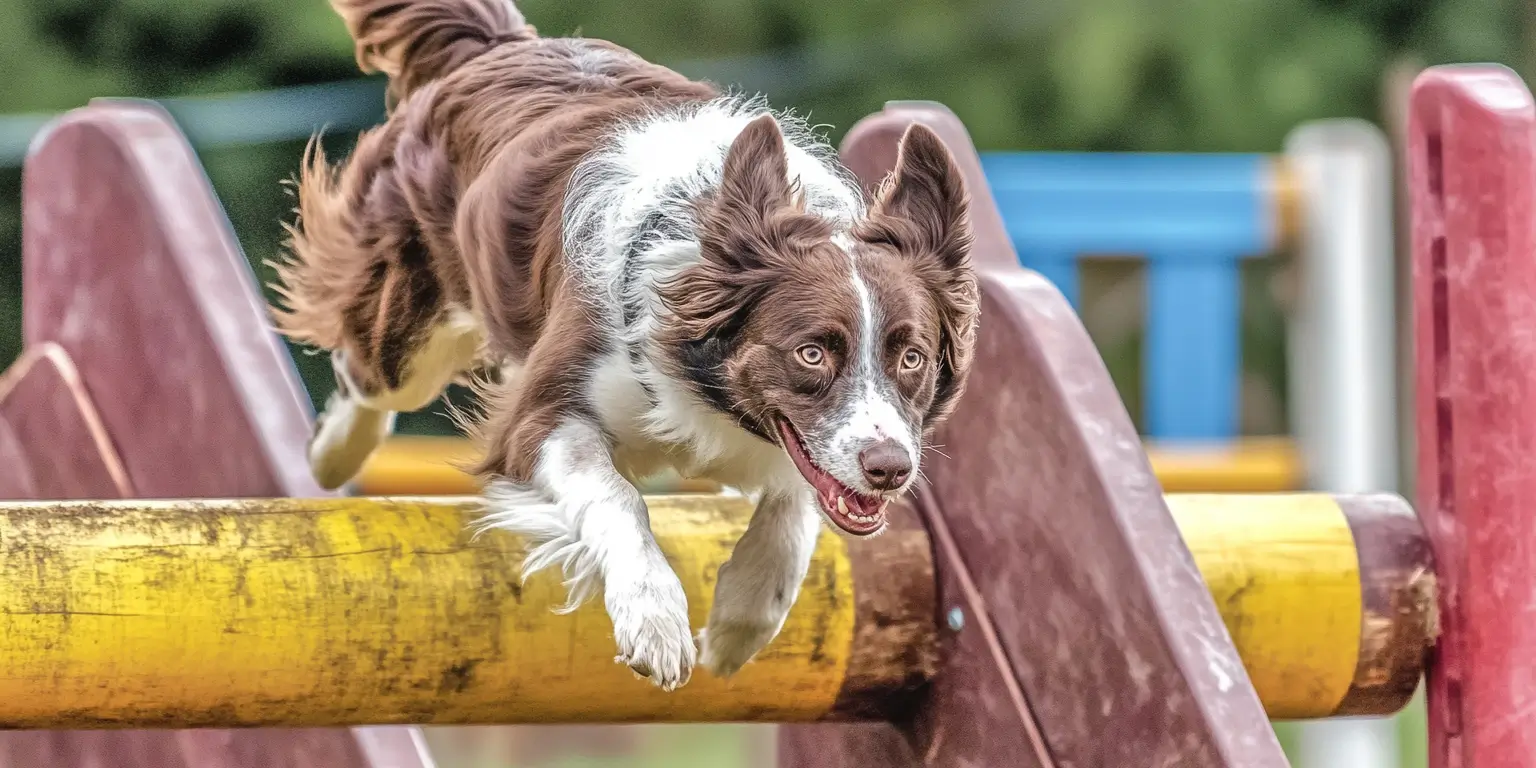
Agility, flyball, dock diving, frisbee, field trials—the list goes on. Our four-legged athletes are pushed to their physical limits, requiring bursts of speed, precise movements, and incredible endurance. While exhilarating, this high-impact activity inevitably takes a toll on a dog’s body, leading to a risk of strains, sprains, joint inflammation, and soft tissue injuries.
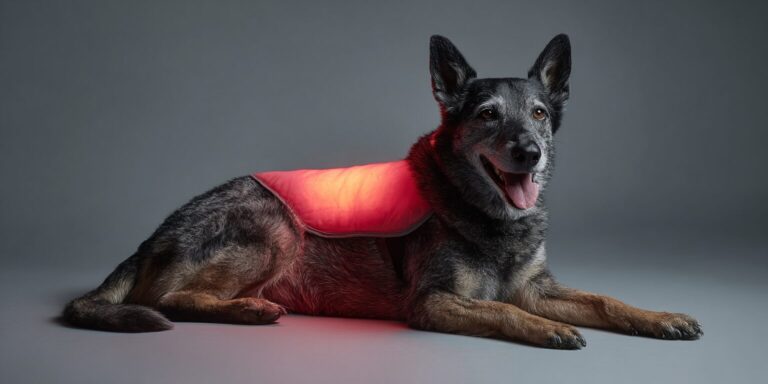
To support these dedicated athletes, pet parents and veterinary professionals are increasingly turning to red light therapy, also known as photobiomodulation (PBM) or low-level light therapy (LLLT), as a non-invasive and effective tool for both injury prevention and accelerated recovery.a
How Red Light Therapy Works (The Quick Version)
Red light therapy uses very specific wavelengths of light—typically 600 to 1000 nanometers—to penetrate tissue and stimulate mitochondria, the energy producers inside cells. This light activates an enzyme called cytochrome c oxidase, which ramps up production of adenosine triphosphate (ATP), essentially giving the cell more energy to repair and restore itself (Hamblin, 2017; Karu, 2009). The result? Reduced inflammation, better blood flow, accelerated healing, and pain relief (Hamblin & Demidova, 2006).
Why Canine Athletes Love Red Light Therapy

Let’s break it down:
- Injury Prevention: Pre-treating before competition helps loosen muscles, improve range of motion, and reduce the risk of strains, tears, or sprains (Leal Junior et al., 2015).
- Faster Recovery: After an event or tough training session, PBM helps clear inflammation, bring in oxygen and nutrients, and speed tissue repair (Bjordal et al., 2006). One study using 810nm light showed significantly faster return-to-play times in university athletes (D’Amico, 2022).
- Pain Reduction: PBM reduces inflammatory cytokines and calms the nervous system—providing natural, drug-free pain relief (Chow et al., 2009).
- Performance Boost: Repeated studies in human athletes show improved endurance, reduced fatigue, and better muscle performance when PBM is used regularly (Draper, 2010).
- Post-Surgery Healing: For those unfortunate ACL repairs or orthopedic surgeries, PBM can accelerate wound healing and tissue regeneration, getting dogs back on their feet faster (Enwemeka et al., 2004).
- Chronic Condition Management: Many canine athletes also battle arthritis and joint disease. PBM’s anti-inflammatory and regenerative effects are well-documented for ongoing joint support (Wang et al., 2016).
The Prove It Section: What The Research Actually Says
- Wavelengths Matter: Most studies show effective results using a mix of red (630-670nm) and near-infrared (810-890nm) wavelengths. 660nm and 850nm are common and well-supported (Hamblin, 2017).
- Depth of Penetration: Red light reaches 8-10mm, while near-infrared penetrates up to 30-40mm. For muscle, joint, and ligament recovery, you need both superficial and deep penetration (Anders et al., 2014).
- Dosage and Frequency: Safe and effective doses typically range from 1-6 J/cm^2 for tissue healing (WALT Guidelines, 2019) Most agility dogs benefit from frequent sessions: 3-5 times weekly during injury recovery or post-event, and 1-2 times weekly for maintenance.
- Results in Healthy People: Human studies give us confidence in similar mechanisms for dogs. Vanin (2017) showed positive results for both laser and LED’s in humans(Vanin, 2017). Chow et al. (2009) found PBM significantly reduced muscle soreness and inflammatory markers (Chow et al., 2009).
Safety First
PBM is extremely safe when used properly. Still:
- Avoid direct eye exposure.
- Use caution with pregnant dogs, seizure disorders, or active cancer.
- Don’t overtreat—more isn’t always better. Follow proper dose and timing.
Conclusion
Agility dogs aren’t just pets—they’re athletes. And athletes deserve the same recovery science we give humans. Photobiomodulation isn’t a miracle. It’s a well-researched, highly effective way to help your dog train harder, recover faster, and stay in the game longer.
Citation Summary
- Anders, J. et al. (2014). Mechanisms of photobiomodulation. Photochem Photobiol Sci, 13, 143.
- Bjordal, J.M. et al. (2006). Low level laser therapy for tendinopathy: a systematic review. BMC Musculoskeletal Disorders, 7(1), 55.
- Chow, R.T., Johnson, M.I., et al. (2009). Efficacy of low-level laser therapy in the management of neck pain: a systematic review and meta-analysis. The Lancet, 374(9705), 1897-1908.
- Enwemeka, C.S., et al. (2004). The efficacy of low-power lasers in tissue repair and pain control: a meta-analysis study. Photomedicine and Laser Surgery, 22(4), 323-329.
- Hamblin, M.R. (2017). Mechanisms and applications of the anti-inflammatory effects of photobiomodulation. AIMS Biophysics, 4(3), 337-361.
- Karu, T. (2009). Multiple roles of cytochrome c oxidase in mammalian cells under action of red and IR-A radiation. Photochem Photobiol, 84(5), 1091-1099.
- D’Amico A, Silva K, Rubero A, Dion S, Gillis J, Gallo J. The Influence of Phototherapy on Recovery From Exercise-Induced Muscle Damage. IJSPT. 2022;17(4):658-668.
- Leal Junior, E.C.P. et al. (2010). Photobiomodulation improves performance and recovery in humans. Journal of Athletic Training, 45(5), 511-519.
- Wang, Y.Y. et al. (2016). Low-level laser therapy for treating rheumatoid arthritis: a systematic review and meta-analysis. Int J Rheum Dis, 19(10), 1047-1054.
- WALT Guidelines (2019). World Association for Laser Therapy: Dose recommendations for photobiomodulation.
🐾 Ready to Take the Next Step?
Whether you’re just learning or ready to act — we’ve got you.
👉 Book a Free Consult
Talk to a licensed clinician about your pet’s condition and get a personalized plan. No pressure, just real help.
👉Learn More About the Luma
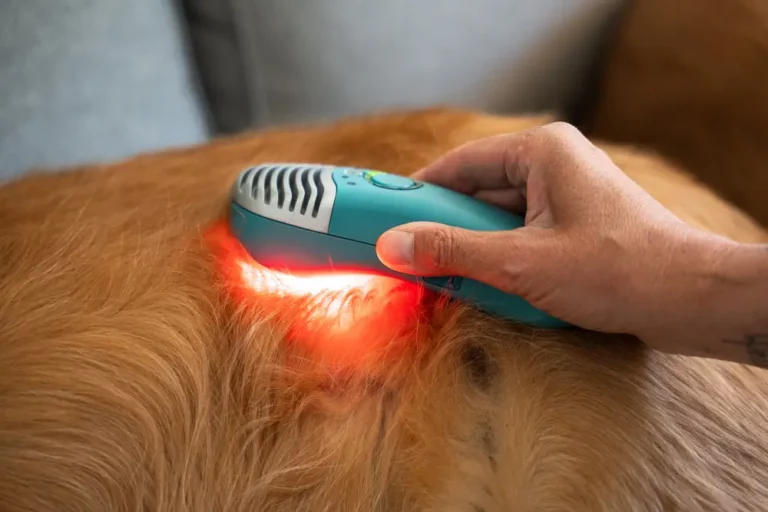
Explore how our at-home red light therapy device works, why it’s different, and what it can do for your pet.

About the Author
Alon Landa is the CEO and co-founder of MedcoVet, a leader in at-home red light therapy for pets. With over 20 years of experience in medical technology and firsthand involvement in developing the Luma, Alon combines deep technical knowledge with a passion for improving pet health. He regularly collaborates with veterinarians and pet parents to advance photobiomodulation (PBM) care at home.
📍 Based in Boston, MA
📖Read more from Alon here