Dog Spay Surgery Recovery


Help your dog heal comfortably after spay surgery

Get clear next steps based on your dog’s surgery, incision healing, pain level, and recovery stage.


Want help building a recovery plan?

Written by: Alon Landa
Medically reviewed by: Kristy Williams, CVT, CCFT (Specialties: Pet rehabilitation, pain management, photobiomodulation)

Reviewed: May 2026
Updated: May 2026

How long does dog spay surgery recovery take?

Dog spay surgery recovery usually takes 10 to 14 days for the incision site to heal, though complete internal healing can take up to six weeks. Most female dogs start acting more normal by days 4 to 7, but activity should still be restricted for the full recovery period. Proper post operative care, pain management, incision care, and rest help prevent complications and support proper healing.

If your dog recently had spay surgery and you want to know if red light therapy can support her recovery

Gideon

What happens during dog spay surgery?

A dog spay (ovariectomy) is the surgical removal of a female dog’s reproductive organs, usually the ovaries and uterus. It is performed under general anesthesia at a veterinary clinic. Spay surgery is major surgery, even when it is routine.

Spay or neuter procedures help prevent unwanted litters. Spayed females also have a lower risk of uterine infections and mammary tumors, especially when surgery is performed before certain hormonal cycles. In dogs, mammary tumors are often discussed in relation to breast cancer risk.

Neuter surgery is different. Neutered males have the testicles removed, while female dogs have a deeper abdominal surgery. Female cats and female dogs both need careful post operative care after spay surgery, but dogs may need extra activity control because jumping, running, and rough play can stress the surgery site.

The first night home after spay surgery
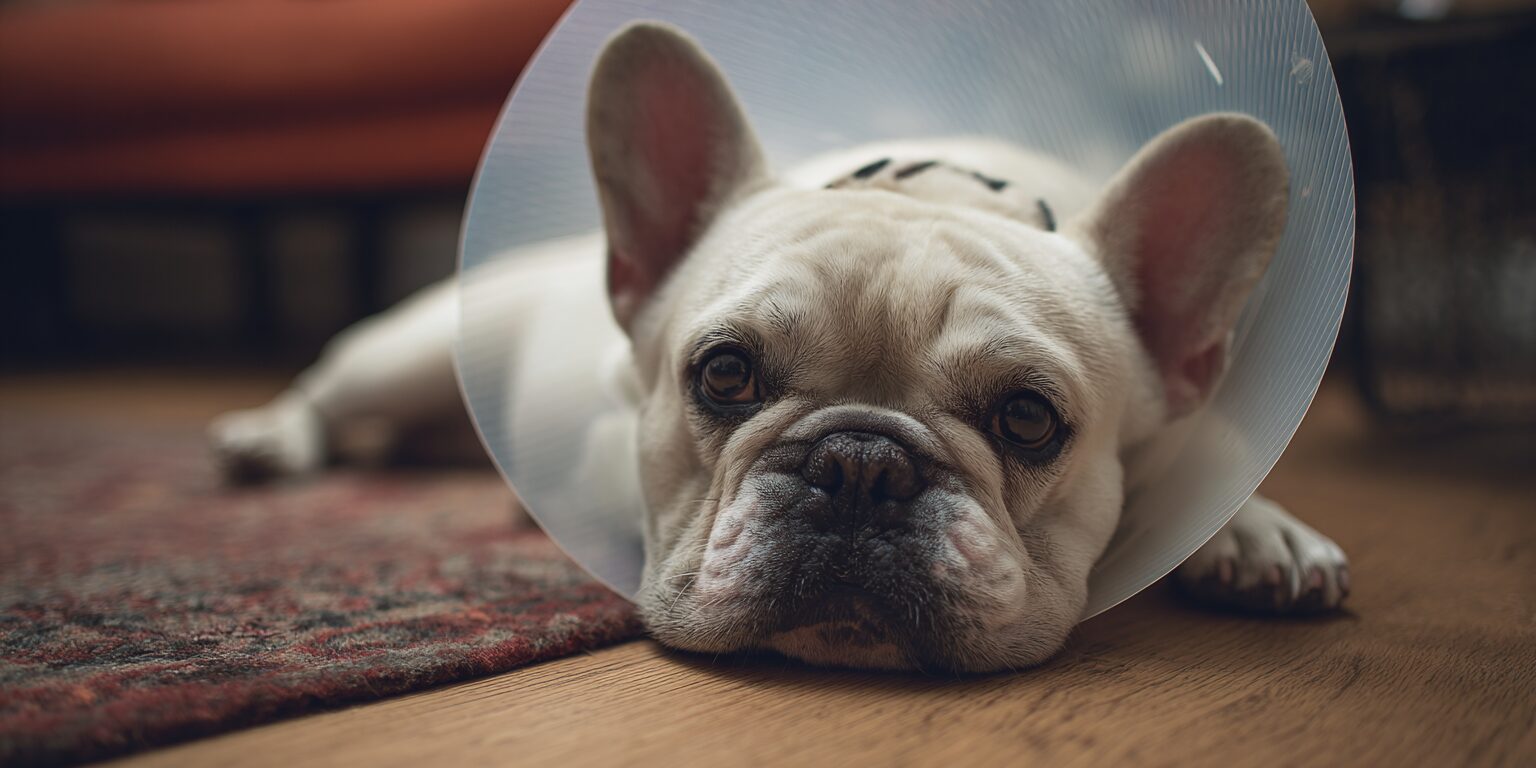
The first night home after spay surgery

The first night home can feel a little strange. Your furry companion may seem sleepy, wobbly, nauseous, or quiet after general anesthesia. During the first 24 hours after surgery, dogs may have grogginess, nausea, and a reduced appetite.

Offer a small meal and small amounts of water at first. Do not worry if your dog skips dinner, but appetite should usually begin returning to normal within 24 hours. Some dogs have changes in appetite or normal behavior for the first few days.

Keep the environment calm and clean. A small room or crate works well, especially for high-energy dogs. A clean, stress-free recovery area helps speed up the healing process and lowers the risk of complications.

Days 1 to 14: protect the incision and limit activity

The full recovery period matters. Even if your pet appears normal after a few days, internal healing takes longer.

For 10 to 14 days after spay surgery:

  • No running
  • No jumping
  • No rough play
  • No stairs if avoidable
  • No play with other pets
  • No swimming or baths
  • Leash walks only for bathroom breaks
  • Keep your dog in a small room, pen, or crate when unsupervised

Strictly limit physical activity so the incision heals properly. Too much movement can delay healing and, in some cases, lead to complications such as suture rupture or internal bleeding.

Most dogs recover well with proper care. The hard part is that dogs often feel better before the body is fully healed.

Pain management after spay surgery
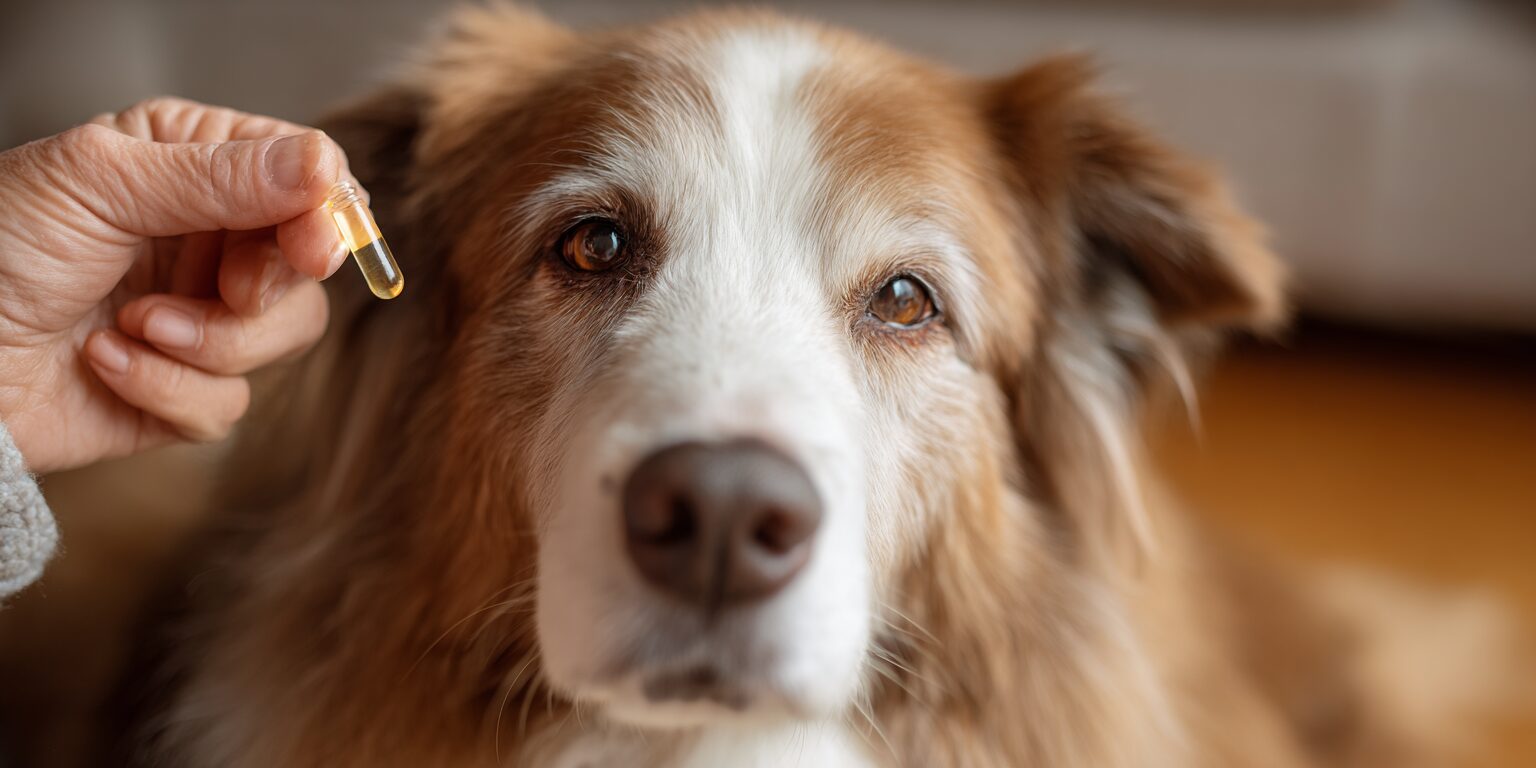
Pain management after spay surgery

Pain management matters. Give pain medications exactly as directed on the medication instructions from your veterinary team.

Common pain medications prescribed after surgery may include anti-inflammatory drugs such as Carprofen, often known as Rimadyl, or Meloxicam, often known as Metacam. These help with pain relief and inflammation during recovery.

Never give human medications such as ibuprofen, Tylenol, or Aspirin unless your veterinarian specifically tells you to. These can be dangerous or toxic for dogs.

Signs of pain can include:

  • Panting
  • Whining
  • Restlessness
  • Hiding
  • Not wanting to sit, lie down, or walk
  • Shaking
  • Loss of appetite

If your dog seems painful even with pain meds, call the veterinary clinic. Always err on the side of caution, if you have even the slightest concern, it is worth a call to your vet.

How to care for the incision site

Check the incision site twice daily. Many pets have absorbable sutures that do not need removal. Some may have surgical glue. Either way, pet owners should monitor the incision daily until it is fully healed.

Normal signs can include:

  • Minimal redness
  • Mild swelling
  • Slight bruising
  • A small amount of firmness near the incision

Warning signs include:

  • Excessive redness
  • Swelling that gets worse
  • Active bleeding
  • Pus
  • Fluid drainage
  • Foul odor
  • Heat
  • Opening of the incision
  • Discoloration around the incision
  • Persistent vomiting or diarrhea

Increased redness, swelling, pus, or a foul smell require immediate veterinary attention.

Keep the incision clean and dry. Do not apply topical ointments unless your veterinary team tells you to. Ointments can trap moisture, attract licking, or introduce bacteria.

Why the E-collar matters

The Elizabethan collar, E-collar, recovery cone, surgical suit, or recovery collar helps prevent licking and chewing. Use it.

Licking can introduce bacteria, irritate the incision site, pull at sutures or surgical glue, and delay healing. Many dogs act offended by the cone. That is fine. A protected incision is worth it.

How red light therapy supports dog spay surgery recovery
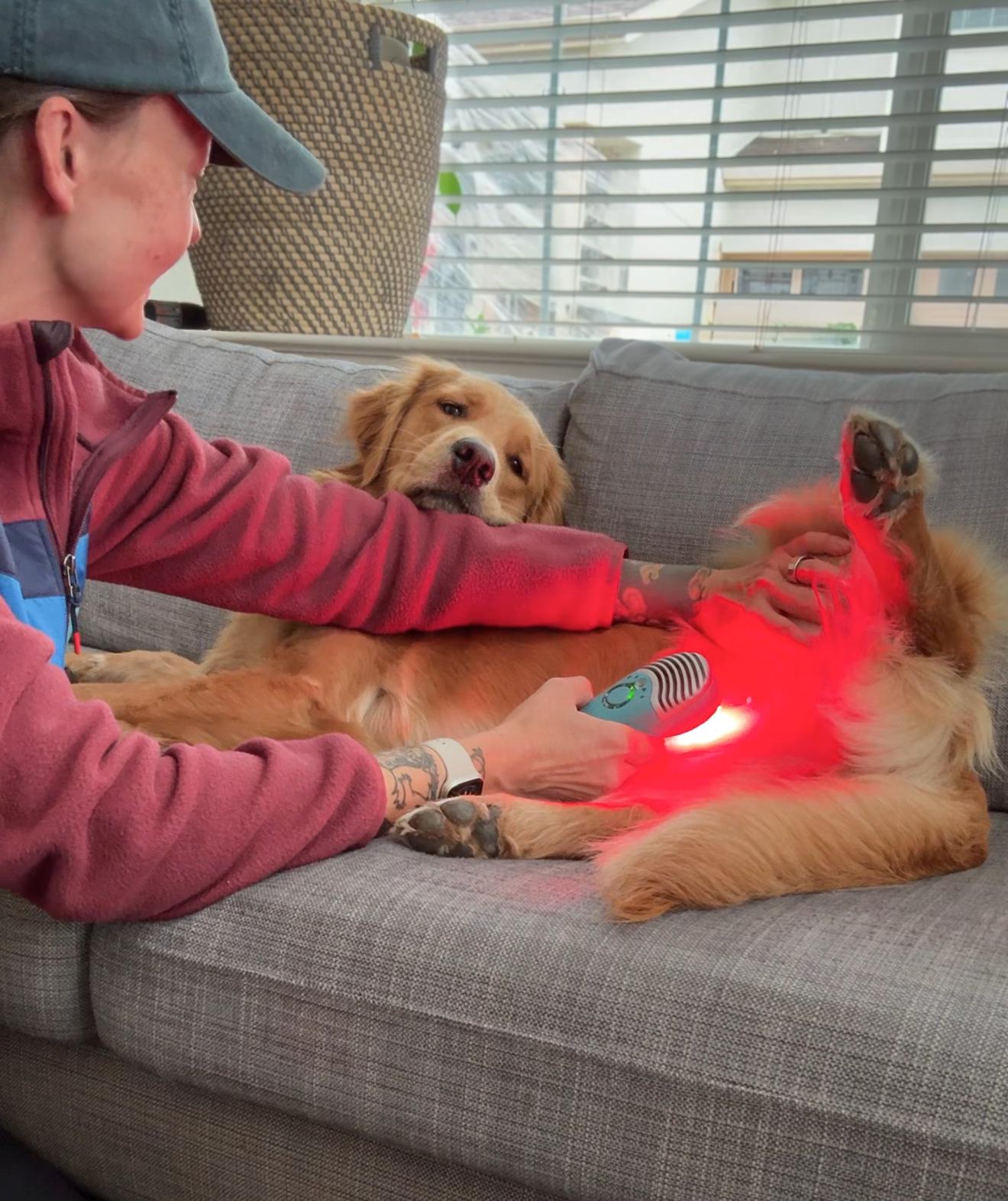
How red light therapy supports dog spay surgery recovery

Photobiomodulation (PBM), also called red light therapy, low-level laser therapy, LED therapy, cold laser, and near-infrared therapy, refers to the same therapeutic category using light energy to influence cellular biology.

Red light therapy can support dog spay surgery recovery by helping reduce inflammation, support tissue repair, improve local blood flow, and provide comfort during the healing process.

Learn more here: Science of Red Light Therapy.

The MedcoVet Luma is especially helpful because it gives pet parents a gentle, non invasive way to support healing at home. Luma can be used as part of a proper post operative care plan to support comfort near the surgery site, reduce inflammation, and promote healing while your dog rests.

Luma does not replace your veterinarian’s instructions, pain medications, incision care, or follow up visits. It supports the body’s natural repair process during recovery.

Read more about recovery support here: Red Light Therapy for Post-Surgical Healing in Pets.

For broader guidance, visit Red Light Therapy for Dogs.

Want to know if Luma is right for your dog after spay surgery?

Hunter

MedcoVet’s clinical view on spay recovery

MedcoVet focuses on photobiomodulation protocols for dogs across surgery recovery, pain, inflammation, and healing support. Our clinical approach considers timing, comfort, tissue depth, incision care, and safe use at home.

Dog spay surgery recovery usually goes smoothly with rest, incision monitoring, pain management, and activity restriction. Red light therapy can fit into that plan when the goal is to support tissue repair and comfort during the recovery period.

Questions pet owners ask after spay surgery

Most dogs can return to normal meals within 24 hours, but start with a small meal the first night home. If vomiting continues or appetite does not return, call your veterinary clinic.

Most dogs should wear the E-collar until the incision site is fully healed or until your vet approves removal. This is often 10 to 14 days.

No. Keep your dog away from other pets during the recovery period. Play can quickly become rough play and stress the incision.

Most dogs return to normal activity after two weeks, once the vet approves. Internal healing can take up to six weeks, so follow your veterinary team’s guidance.

Call your vet if you notice pus, foul odor, spreading redness, significant swelling, active bleeding, incision opening, repeated vomiting, diarrhea, or signs of severe pain.

Photobiomodulation should not be used in suspected malignancy without veterinary supervision, uncontrolled infection, or when dosing parameters are inappropriate.[2,5]

Most dogs can return to normal meals within 24 hours, but start with a small meal the first night home. If vomiting continues or appetite does not return, call your veterinary clinic.

Dogs may exhibit grogginess, nausea, reduced appetite, or lethargy during the first 24 hours post-surgery. Appetite usually returns to normal within 24 hours, though some behavior changes may persist for a few days.

Offer small amounts of food and water initially, monitoring for any signs of discomfort or complications. Most dogs can resume normal meals within 24 hours.

Preventing running, jumping, or rough play for 10 to 14 days is crucial to ensure proper healing of the incision. Even if your dog seems normal, internal healing can take longer, and excessive activity may cause complications like suture rupture or internal bleeding.

Dogs should only be allowed leash walks for bathroom breaks during the recovery period. For high-energy dogs, confinement to a crate or small space can help prevent complications.

Administer prescribed pain medications such as Carprofen (Rimadyl) or Meloxicam (Metacam) at recommended intervals. Never give human medications like ibuprofen or Tylenol, as these can be harmful. Signs of pain include panting, whining, restlessness, or reluctance to move.

Check the incision twice daily for signs of infection or complications, including excessive redness, swelling, discharge, or foul odor. Keep the site clean and dry; do not bathe or allow swimming for at least 10 to 14 days. Most dogs have absorbable sutures that do not require removal.

Clinical summary

Mechanism:
Spay surgery involves abdominal tissue healing after surgical removal of reproductive organs. Recovery depends on incision closure, inflammation control, pain management, and internal healing. Red light therapy supports cellular activity, local circulation, and tissue repair.

Evidence level:
Spay surgery is a routine procedure in veterinary medicine, but it remains major surgery. Post operative care, restricted activity, incision monitoring, and pain medications are standard recovery tools. Photobiomodulation has moderate support for pain control, inflammation reduction, and wound healing.

When it works best:
Red light therapy works best during the early recovery period when inflammation, discomfort, and tissue repair are active concerns.

When not to use:
Do not use red light therapy over an infected incision, open wound without veterinary approval, or known malignant tumor unless directed by a veterinarian.

Help your dog heal comfortably after spay surgery

Dog spay surgery recovery is usually short, but it still deserves careful attention. Rest, incision care, pain management, and activity restriction help your dog heal quickly and safely.

Want help deciding what support your pet needs?

Lucy

Evidence Citations

  • Postoperative Analgesic Effects of Laserpuncture and Meloxicam in Bitches Submitted to Ovariohysterectomy

    By Tomacheuski et al.

    • 2020

    • Journal: Veterinary Sciences

    Abstract: Prospective randomized blinded study comparing preoperative laserpuncture with meloxicam in dogs undergoing ovariohysterectomy. Laserpuncture-treated dogs had lower 24-hour composite pain scores and lower scores at 2 and 4 hours; three meloxicam-treated dogs required rescue analgesia versus none in the laserpuncture group.

    One Sentence Outcome: Laserpuncture reduced postoperative pain scores and rescue-analgesia use in a small randomized study of dogs undergoing ovariohysterectomy.

    Study Parameters: Sixteen bitches were randomized before ovariohysterectomy to laserpuncture or meloxicam and followed for postoperative pain for 24 hours.

    Device Parameters: 904 nm laserpuncture; 124 Hz; 10 J; 100 seconds at each acupoint

    Evidence Level: Level 2b (prospective randomized blinded veterinary clinical study)

    Study Type: Dog randomized blinded clinical study (n=16)

    Outcome Direction: Positive / supportive for postoperative analgesia

  • First Experience with Photobiomodulation (PBM) in Post-Surgical Wound Healing In Dogs

    By Perego et al.

    • 2016

    • Journal: Journal of Veterinary Clinical Practice & Pet Care

    Abstract: PBM produced visible postoperative wound-healing improvement in dogs after elective ovariectomy, although the overall between-area clinical score difference was not statistically significant. Treated areas had significantly less exudate at day 4 and no adverse reactions were reported.

    One Sentence Outcome: In seven dogs after elective ovariectomy, PBM produced visible healing improvement and significantly reduced wound exudate, although the overall treated-versus-control score difference was not significant.

    Study Parameters: Seven female dogs with post-neutering surgical wounds after elective ovariectomy; half of each incision was treated and the other half served as untreated control.

    Device Parameters: Portable GaAlAs laser; 808 nm reported in later veterinary evidence reviews; twice daily for 6 minutes over 5 days

    Evidence Level: Level 2b/4 (small prospective split-wound veterinary clinical study)

    Study Type: Dog prospective split-wound clinical study (n=7)

    Outcome Direction: Mixed / modest positive

  • Comparison of three different dosages of low-level laser therapy on expression of cell proliferation and inflammatory markers following ovariohysterectomy in rats

    By Polat et al.

    • 2023

    • Journal: Cutaneous and Ocular Toxicology

    Abstract: LLLT after ovariohysterectomy modulated inflammatory-cell infiltration and edema, improved epithelialization, increased pCNA expression, and decreased iNOS expression in a rat surgical-wound model, with effects varying by dose and timing.

    One Sentence Outcome: Dose-dependent LLLT improved several histologic and inflammatory markers of incisional healing after ovariohysterectomy in rats.

    Study Parameters: Seventy-two female Wistar rats underwent ovariohysterectomy with paired abdominal incisions and were evaluated after one or two LLLT applications at multiple doses.

    Device Parameters: LLLT tested at radiant exposures of 1, 3, and 6 J/cm²

    Evidence Level: Preclinical controlled animal study

    Study Type: Rat ovariohysterectomy wound-healing study (n=72)

    Outcome Direction: Positive / supportive wound-healing mechanism

  • Effect of the topical Klox fluorescence biomodulation system on the healing of canine surgical wounds

    By Salvaggio et al.

    • 2020

    • Journal: Vet Surg

    Abstract: “Half of the length of each surgical wound was treated with Phovia, and the remaining 50% was treated with saline solution on the first day after surgery and every 3 days until day 13.” “Phovia therapy improved re-epithelialization, decreased dermal inflammation, and improved matrix formation in uncomplicated cutaneous incisional wounds by regulating the expression of key biological mediators.”

    One Sentence Outcome: “Half of the length of each surgical wound was treated with Phovia, and the remaining 50% was treated with saline solution on the first day after surgery and every 3 days until day 13.”

    Study Parameters: Fluorescence PBM

    Device Parameters:

    Evidence Level: Controlled veterinary clinical study

    Study Type: Dog (n = 10)

    Outcome Direction: Positive

  • Effects of low-level laser therapy on the healing of surgically closed incisions and surgically created open wounds in dogs.

    By Gammel et al.

    • 2018

    • Journal: Vet Surg

    Abstract: “LLLT did not appear to influence the healing of surgically created incisions and small wounds with the methodology reported here.”

    One Sentence Outcome: “LLLT did not appear to influence the healing of surgically created incisions and small wounds with the methodology reported here.”

    Study Parameters: Punch excision wound

    Device Parameters: wavelength: 980; radiant exposure: 5; sessions: 5

    Evidence Level: Controlled veterinary clinical study

    Study Type: Dog

    Outcome Direction: Null/negative

  • Effects of Near Infrared Light on Surgical Wound Healing: A Systematic Review and Meta-Analysis

    By Liu

    • 2026

    • Journal: Int Wound J

    Abstract:

    One Sentence Outcome:

    Study Parameters:

    Device Parameters: Wavelength: “Fifty-six trials (N = 4920) were included for systematic review and 35 trials contributed 69 outcomes to meta-analysis. NIR significantly improved wound healing (0.78, [0.46-1.09], p < 0.01) and reduced postoperative pain (0.71, [0.24-1.17], p < 0.01), but heterogeneity was high and effects varied across studies. Optimal outcomes were associated with short NIR wavelengths (700-850 nm), 4-10 sessions and non-contact application. Effects on swelling, scarring and inflammatory markers were inconsistent. Overall, certainty of evidence was very low. This first systematic review and meta-analysis indicates that NIR therapy demonstrates promise for enhancing postoperative healing and reducing pain, though effects vary by protocols."

    Evidence Level: Systematic review / Meta-analysis

    Study Type: Meta-analysis

    Outcome Direction: Unclear / review

  • Post-surgical photobiomodulation therapy improves outcomes following elective gastropexy in dogs

    By Alves et al.

    • 2024

    • Journal: Lasers in Medical Science

    Abstract: This postoperative canine study found improved recovery outcomes after elective gastropexy with PBMT. No rescue analgesia was needed and pain score differences favored the PBMT group during follow-up, supporting home-relevant recovery use cases.

    One Sentence Outcome: Postoperative PBMT improved recovery outcomes after elective gastropexy in dogs.

    Study Parameters: Dogs undergoing elective gastropexy received postoperative PBMT and were compared on pain-related recovery outcomes.

    Device Parameters: 980 nm PBMT, or 808+980 nm protocol in some dogs; treatment area ~500 cm²; 360 seconds; single postoperative session reported in the database row.

    Evidence Level: Moderate

    Study Type: Prospective veterinary clinical study

    Outcome Direction: Positive

  • A Systematic Literature Review of Complementary and Alternative Veterinary Medicine: Laser Therapy

    By Millis & Bergh

    • 2023

    • Journal: Animals (Basel)

    Abstract: This systematic review found that veterinary laser therapy literature is promising but heterogeneous, with conflicting results driven in part by wide variation in parameters and study design. It strongly supports the article’s point that protocol quality and dosing matter.

    One Sentence Outcome: The veterinary laser literature is promising but inconsistent, highlighting the importance of proper parameters and protocol design.

    Study Parameters: Systematic review assessing the breadth and quality of veterinary laser therapy studies.

    Device Parameters: Systematic review of veterinary laser therapy literature; no single device protocol.

    Evidence Level: High

    Study Type: Systematic review

    Outcome Direction: Mixed

  • Laser Therapy for Incision Healing in 9 Dogs

    By Wardlaw et al.

    • 2019

    • Journal: Front Vet Sci

    Abstract: This randomized canine study evaluated daily postoperative laser therapy after thoracolumbar hemilaminectomy in Dachshunds and found faster incision healing and better cosmetic outcomes than untreated controls.

    One Sentence Outcome: Daily postoperative laser therapy was associated with faster and more cosmetic incision healing in a small canine surgical-incision study.

    Study Parameters: Nine dogs after thoracolumbar hemilaminectomy were followed for incision healing and cosmetic outcome.

    Device Parameters: Postoperative laser therapy protocol used for thoracolumbar hemilaminectomy incision healing; exact dosimetry should be verified from full text.

    Evidence Level: Level 2b/4 (small veterinary randomized clinical study)

    Study Type: Randomized controlled veterinary clinical study

    Outcome Direction: Positive / supportive PBM outcome

  • The Effect of Low-Level Laser Therapy on the Healing of Open Wounds in Dogs

    By Kurach et al.

    • 2015

    • Journal: Vet Surg

    Abstract: This controlled experimental wound study in 10 Beagles compared low-level laser therapy with standard care on paired acute full-thickness wounds and found no apparent healing benefit with the protocol tested.

    One Sentence Outcome: In this protocol, LLLT did not significantly improve open-wound healing versus control.

    Study Parameters: Self-controlled experimental study of secondary-intention open wounds in dogs comparing laser-treated and control wounds.

    Device Parameters: 635 nm laser, 15 mW, radiant exposure 1.125 J/cm².

    Evidence Level: Moderate

    Study Type: Self-controlled veterinary wound study

    Outcome Direction: Null/negative

🐾 Ready to Take the Next Step?
Whether you’re just learning or ready to act — we’ve got you.

👉 Book a Free Consult
 Talk to a licensed clinician about your pet’s condition and get a personalized plan. No pressure, just real help.

👉Learn More About the Luma
 Explore how our at-home red light therapy device works, why it’s different, and what it can do for your pet.

Author Image - Alon Landa

About the Author
Alon Landa is the CEO and co-founder of MedcoVet, a leader in at-home red light therapy for pets. With over 20 years of experience in medical technology and firsthand involvement in developing the Luma, Alon combines deep technical knowledge with a passion for improving pet health. He regularly collaborates with veterinarians and pet parents to advance photobiomodulation (PBM) care at home.
 📍 Based in Boston, MA
📖Read more from Alon here

Kristy Williams Medical Reviewer Headshot

About the Medical Reviewer
Clinical Focus: Surgery, anesthesia, canine fitness, injury prevention, agility
Kristy Williams brings over 30 years of experience to the veterinary field. Her career began in the 1990s, working as a civilian for the Army Veterinary Corps at RAF Feltwell in England, where she first discovered her passion for animal care and supporting their families. Upon returning to the United States, Kristy pursued her education and graduated in 2005 as a certified veterinary technician after passing the national exam. She has since gained extensive experience in both general practice and emergency/referral practices.
Read More about Kristy here.

Similar Posts

Leave a Reply

Your email address will not be published. Required fields are marked *