The LumaCare Ark:
Is It Worth the Price?
Before you spend hundreds, find out what really matters—and what could hold you back.
Written by: Alon Landa
Reviewed: April 2026
Updated: April 2026
Note: This article is part of our Red Light Round Up Series where we review and compare the top devices on the market. We are not affiliated with LumaCare Lasers in any way. The LumaCare Ark is a registered trademark of LumaCare Lasers. If you want the broad clinical overview, protocols, and condition guidance, see Red Light Therapy for Dogs.
Is the LumaCare Ark a good laser therapy device for pets?
The LumaCare Ark has strong core technology, including three clinically relevant wavelengths (670 nm, 808 nm, and 905 nm) and super-pulsing that helps light penetrate through fur. However, its lower average power means treatments can take significantly longer, especially for deeper conditions. It can be effective with consistent use, but it requires more time and effort than many pet owners expect.
At first glance, the LumaCare Ark looks like a serious contender in the world of pet light therapy. It’s sleek, packed with tech, and definitely not shy about its high price tag. Over the years, critical essays and reviews by critics have appeared in various publications evaluating devices like the LumaCare Ark, offering in-depth analysis and commentary on their effectiveness and value. But let’s cut through the marketing—what’s really going on under the hood of this device?
In this article, we aim to provide a critical perspective similar to those found in established publications, giving you an objective look at what the LumaCare Ark offers—and what it doesn’t. If you’re a pet owner who’s committed to giving your furry friend the best care, the LumaCare Ark might have caught your eye. But before you shell out the big bucks, let’s take a deeper dive into what this device offers—and what it doesn’t.
Device Specs: A Critical Evaluation of the Good, the Bad, and the Surprising
On paper, the LumaCare Ark has the right stuff. It uses three key wavelengths: 670nm (red), 808nm (infrared), and 905nm (super-pulsed infrared). These are solid choices for light therapy, helping with everything from surface wounds to deeper tissue healing. The device is constructed with high-quality material, which contributes to its durability and performance. But here’s where it gets interesting: unlike most devices that rely more heavily on infrared (because it penetrates deeper), the LumaCare Ark skews toward red light.
The device’s average infrared**light power is 36mW, for the 808nm wavelength, and 29mW for the 904nm wavelength. The red light average power is much stronger at 150mW. This means the average power of red light is more than double infrared- which is a bit unexpected since infrared is typically the workhorse for deep tissue treatment. Product reviews often present these specs in the form of comparison tables or structured summaries to help users evaluate performance.
What does this mean for you?
If you’re using the LumaCare Ark on deep-tissue injuries, you’ll need to be prepared for longer treatment times due to its lower average power compared to a standard “non-superpulsing” device (think 20-30 minutes for a knee vs. 5 minutes, per the WALT Guidelines). While the device’s higher peak power allows light to penetrate through fur, the lower average power means it’s only effective a small fraction of the time. This works well for surface treatments, but for deeper issues, patience will be essential. The reliability of the LumaCare Ark can be assessed through repeated test cycles and by conducting surveys of user experience to ensure consistent results over time.
Before you try anything else, check what’s safe for your dog
Human pain meds can cause real harm. This quick quiz helps you understand when red light therapy is a safe option, and when it’s not.
Gideon
Treating Through Fur: Pet Owner Solution, But at a Cost

Here’s the good news—the LumaCare Ark has solved a major problem: treating through fur. For pet owners, this is a big deal. Many devices struggle with light penetration, especially on long-haired pets. LumaCare uses a technology called super pulsing at 905nm, with peak power hitting a whopping 70W. This means it can push through that furry barrier more easily. But—and there’s always a “but”—this comes at a price. The average power remains low, which translates to longer treatment times. You’ll need to be patient if you want effective results. If you ever encounter issues or have questions, reliable customer service is crucial to ensure you get the support you need.
The device does sit flush against the skin, which means there’s no air gap stealing away precious light. This is a smart design move, ensuring more of the energy reaches the target tissue. However, you’ll be spending extra minutes per session compared to other devices like the MedcoVet Luma, which uses an optical comb to bypass the fur altogether. Each treatment session is an important event in your pet’s care—be sure to track these events and keep notes on each one to monitor your pet’s progress and the effectiveness of the therapy.
For an example of how another company (i.e. MedcoVet) solves the “fur problem” click here.
Build Quality: A Solid Piece of Tech
There’s no doubt about it: the LumaCare Ark looks and feels well-made. It’s solid in your hands, with a build quality that rivals many consumer computer hardware devices—clearly built to last. One interesting feature is its dual-head design, which looks like it was originally intended for human use (maybe shoulders or knees). For pets, this means you can treat a larger area at once, which should, in theory, shorten treatment times. However, with lower average infrared power, the dual heads still don’t deliver enough light to save you from longer treatment sessions.
For more details on using the device, the user manual and the online support page provide additional information. Several writers in the tech and pet care fields have also commented on the device’s build quality, noting its sturdy construction and thoughtful design.
Clinical Guidance: Lacking Clarity
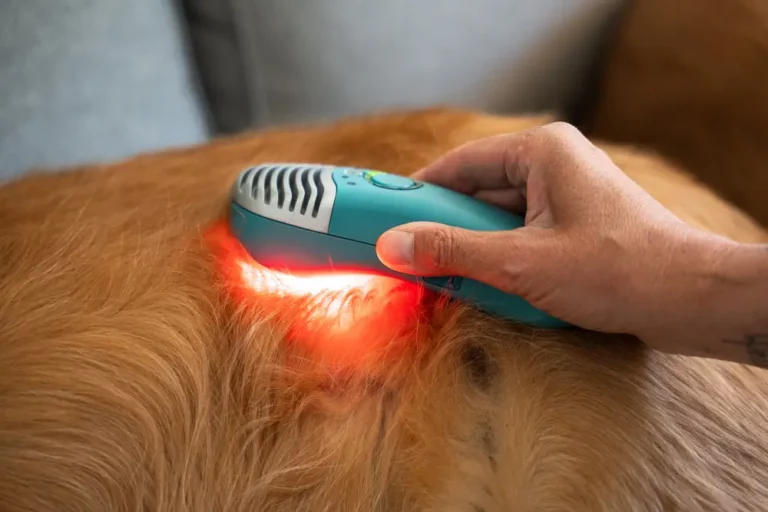
This is where the LumaCare Ark stumbles. While the device looks impressive and performs well in certain areas, its clinical guidance is vague. Their website offers videos, but these are more promotional speeches than detailed guides. You’ll see a pet owner gently moving the device over a cat, but there’s little explanation on where exactly to treat, for how long, or under what conditions, leaving the meaning of the instructions unclear. The written materials provided with the device also lack the depth needed for effective guidance. In contrast, devices like the MedcoVet Luma come with a robust app that connects users directly to their vet. This allows for adjustments, progress tracking, and real-time support, all critical for ensuring proper treatment.
When it comes to light therapy, one-size-fits-all instructions don’t cut it. Pets vary in size, fur length, and condition severity, so specific guidance is crucial. Without it, owners are left to figure it out on their own, which can lead to ineffective treatments, or, a device that gathers dust after a few uses. User comments can sometimes help clarify the meaning of vague instructions, but relying on scattered comment sections is no substitute for comprehensive written or spoken guidance.
Every pet needs a plan
A licensed rehab clinician reviews your pet’s condition and sets frequency, time, placement, and pressure.
Free. No pressure.
Hazel Moon
Clinical Summary
Mechanism: Photobiomodulation using red (670 nm) and infrared wavelengths (808 nm and 905 nm) stimulates cellular activity associated with inflammation modulation, circulation, and tissue repair. Super-pulsing allows high peak power bursts to improve penetration through fur.
Evidence level: Moderate for musculoskeletal pain, wound healing, and inflammation when sufficient dose reaches the tissue. Real-world effectiveness depends heavily on average power and total delivered energy, not just peak power.
When it works best: Consistent, repeated treatments on localized areas, especially when the user is willing to commit to longer session times. The device performs better in cases where fur penetration is important but deep dosing demands are moderate.
When not to use: Cases requiring fast treatment times, deep tissue dosing with limited time, or when owners cannot maintain consistent treatment protocols. Also avoid use without veterinary guidance for serious or undiagnosed conditions.
Regulatory and Legal Context: What You Need to Know
When considering a light therapy device like the LumaCare Ark for your pet, it’s not just about the specs or the price—it’s also about understanding the regulatory and legal landscape that shapes how these devices are developed, marketed, and used. As a pet owner, being aware of this context is crucial for making a truly informed decision.
In the United States, the FDA regulates veterinary devices differently from human ones: there is no FDA clearance or approval pathway for veterinary devices, so no red light therapy device for pets, including the LumaCare Ark, is FDA-cleared or approved. For pet owners, that means judging a device by its published specifications, safety testing and how transparently it is marketed.
But regulation doesn’t stop at safety. The Federal Trade Commission (FTC) oversees how companies advertise and market their products, requiring that all claims about a device’s ability to treat target tissue or relieve pain are backed by solid research and not misleading. This is especially important in an industry where new technology and current affairs can quickly change the landscape. As a result, companies must stay up-to-date with the latest research and trends, ensuring their devices and marketing materials reflect the most current knowledge.
For reviewers and journalists, this regulatory framework means that every review, article, or discussion about a device like the LumaCare Ark should be grounded in critical evaluation. It’s not enough to simply describe the device’s features; a responsible reviewer will examine the evidence, consider the device’s performance in real-world scenarios, and weigh the benefits and limitations based on both clinical research and user experience. This approach helps pet owners understand not just what a device claims to do, but how it actually performs when treating conditions like arthritis or deep tissue injuries.
Legal compliance also protects pet owners from exaggerated claims or unsafe products. When reading reviews or considering a purchase, look for published specifications, scientific studies, and transparent discussion of both strengths and weaknesses. This level of scrutiny ensures that you’re not just buying into marketing hype, but making a decision based on a comprehensive evaluation of the subject.
In summary, understanding the regulatory and legal context is a key part of the decision-making process for any pet owner considering a light therapy device. By staying informed about current affairs, regulatory standards, and the latest research, you can confidently choose a device that’s safe, effective, and right for your pet’s needs.
The Bigger Picture: Beyond the Device
One of the biggest challenges with at-home pet therapy is compliance. You can have the best device in the world, but if you’re not consistent with treatment, your pet won’t see results. Many pet owners feel pressure to maintain a regular treatment routine, especially when balancing busy schedules and the desire to improve their pet’s quality of life. Unfortunately, the LumaCare Ark doesn’t do much to help here. There’s no app, no reminders, and no connection to your vet. For busy pet owners, this can lead to inconsistent treatments—and ultimately, a wasted investment. To truly assess the effectiveness of the device, it’s important to evaluate results over a period of regular use, as improvements may become more apparent in your pet’s life with consistent application.
FAQ’s
Final Thoughts: Is the LumaCare Ark Right for You?
The LumaCare Ark is a well-constructed device with smart solutions, particularly in how it solves penetration issues using super pulsing and pulsing across multiple wavelengths. If you’re dealing with surface-level issues or a short-haired pet, you’ll likely see good results. For deeper tissue problems or long-haired pets, the challenge lies in the longer treatment times due to the lower average power emitted. While its high price tag may give you pause, the device itself is designed to effectively address deeper issues, though patience will be required for longer treatments.
Who Should Consider the LumaCare Ark?
- Pet parents who are willing to splurge on a serious piece of tech
- Those who are patient and willing to invest more time per session.
Who Might Want to Look Elsewhere?
- Those who prefer more clinical guidance and support (like apps or vet connections).
- Budget conscious pet owners looking for more bang for their buck
- Pet owners looking for quicker, more efficient treatment times.
In short, the LumaCare Ark is a well-made device, but its lower average power means it’s not as efficient as some alternatives. If you’re looking for a device that balances performance with user support, it might be worth exploring other options before making a decision.
🐾 Ready to Take the Next Step?
Whether you’re just learning or ready to act — we’ve got you.
👉 Book a Free Consult
Talk to a licensed clinician about your pet’s condition and get a personalized plan. No pressure, just real help.
👉Learn More About the Luma
Explore how our at-home red light therapy device works, why it’s different, and what it can do for your pet.

About the Author
Alon Landa is the CEO and co-founder of MedcoVet, a leader in at-home red light therapy for pets. With over 20 years of experience in medical technology and firsthand involvement in developing the Luma, Alon combines deep technical knowledge with a passion for improving pet health. He regularly collaborates with veterinarians and pet parents to advance photobiomodulation (PBM) care at home.
📍 Based in Boston, MA
📖Read more from Alon here