Dog Med Laser:
A Closer Look
Know What Matters
The quick guide to choosing a red light therapy device for pets.
Written by: Alon Landa
Reviewed: April 2026
Updated: April 2026
Note on independence: We are not affiliated with the Dog Med Laser. Dog Med Laser is an independent company. We are constantly asked to review other devices on the market and compare them to the MedcoVet Luma. Here are our findings.
**Note:**This article is part of our Red Light Round Up Series where we review and compare the top devices on the market. If you want the broad clinical overview, protocols, and condition guidance, see Red Light Therapy for Dogs.
What is the Dog Med Laser and is it effective for dogs?
The Dog Med Laser is a simple red-light-only therapy device designed for treating surface-level conditions like minor wounds and skin issues. While it can help with shallow problems, it lacks infrared light, which limits its effectiveness for deeper conditions like joint pain or arthritis. As a result, it may be useful in specific cases but is not a comprehensive solution for most musculoskeletal issues in dogs.
Light therapy is making waves in pet care, offering non-invasive treatment for everything from arthritis to wounds. The Dog Med Laser is one option in this growing field, and today we’re taking a closer look at how it stacks up. Photobiomodulation (PBM), also called red light therapy, low-level laser therapy, LED therapy, cold laser, and near-infrared therapy, refers to the same therapeutic category using light energy to influence cellular biology.
This article provides a critical evaluation of the Dog Med Laser as the subject of our review. We will examine and survey the features, effectiveness, and limitations of the Dog Med Laser.
Introduction to the Dog Med Laser
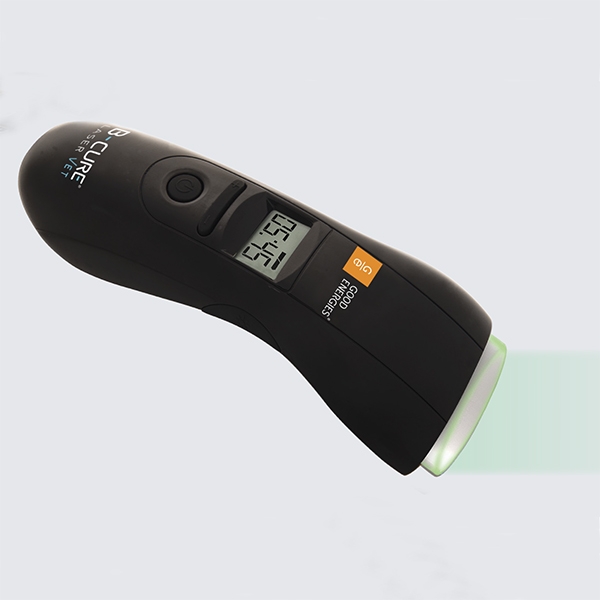
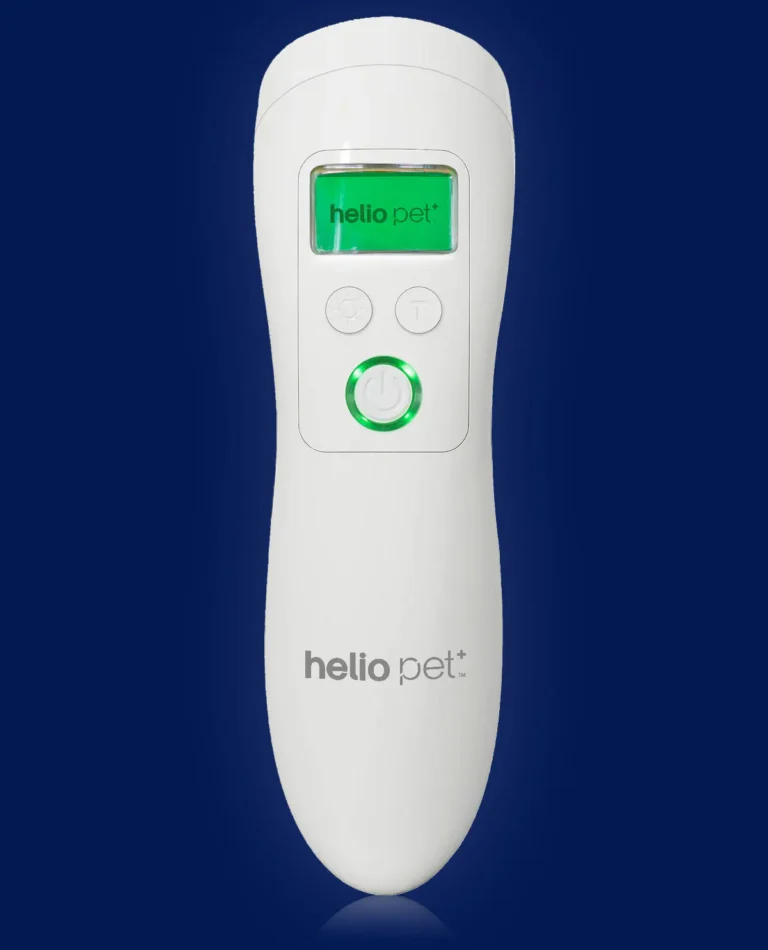
The Dog Med Laser is a home laser therapy device designed to bring the benefits of advanced veterinary care directly to pet owners. By harnessing the power of cold laser therapy, Dog Med offers a non-invasive, pain-free solution for managing your dog’s pain, inflammation, and wound healing—all from the comfort of home. This device uses red light therapy to stimulate cellular repair, making it an excellent choice for addressing a range of health concerns, from arthritis and hip dysplasia to soft tissue injuries and chronic conditions.
With its user-friendly design, Dog Med empowers pet owners to take an active role in their dog’s healing process. Whether you’re looking to reduce inflammation, support wound healing, or simply improve your pet’s quality of life, Dog Med can be seamlessly integrated into a veterinarian-approved treatment plan. Its gentle, non-invasive approach means most pets experience less pain and greater comfort during therapy, helping them return to their favorite activities faster. For pet owners seeking a safe, effective, and convenient way to support their dog’s health, Dog Med stands out as a valuable addition to any home care toolkit.
Device Specs: Red Light Only, Limited Penetration
The Dog Med Laser focuses solely on red light (635 nm), which is widely recognized for its ability to assist with surface-level conditions like minor wounds and skin issues. The material used in the construction of the Dog Med Laser is an important factor in its durability and performance, though specific details about the material are not always disclosed by the manufacturer. However, red light has its limits. For deeper tissues, such as muscles or joints, infrared (IR) light is often considered more effective because it penetrates further into the body. The Dog Med doesn’t include any infrared, which may be something to consider if you’re looking to treat deeper conditions like arthritis or intervertebral disks.
As for power, the Dog Med Laser operates with 2-21.5mW laser diodes. This is enough for superficial treatments, but it falls short of the power density recommended for deeper tissue therapy according to the WALT (World Association for Laser Therapy) guidelines. The device has not been shown to meet all WALT test standards for deeper tissue penetration. If you’re looking for faster, more intensive results, this lower power level may mean longer treatment times.
Before you buy any device,
Read the Smart Pet Parent’s Guide to Choosing a Red-Light Therapy Device. It breaks down specs, scams, and what really matters in healing power.
Matilda
Comb: Functional or Flawed?
The Dog Med Laser has a comb, however, the light doesn’t come from the comb tines. It’s there to soothe your dog, not to help the light penetrate fur. For a laser device to work effectively, the light needs to reach the skin, ideally bypassing the fur and making direct contact with the skin. MedcoVet addresses this issue with an optical comb that actually delivers light through the prongs of the comb, past the fur to the skin. Dog Med’s comb is purely cosmetic. This design difference is crucial because fur blocks up to 80% of light.
For an example of how another company (i.e. MedcoVet) solves the “fur problem” with a comb, click here
Treatment Times: Efficiency Matters

Dog Med recommends scanning the device over the treatment area for about five minutes per spot. This is a common approach, but scanning treatment generally requires more light (and therefore more time) to achieve the same results as stationary treatment due to light delivery outside the target tissue.
Pet owners who follow the recommended protocols often report great results and noticeable improvement in their dogs’ mobility and comfort.
Clinical Information: Accuracy and Depth
On the Dog Med website, the company highlights 635 nm red light as “the most efficient wavelength” for treatment. Red light does have a strong reputation for wound healing and skin conditions, but for deeper conditions like osteoarthritis (OA), other wavelengths like infrared can play a crucial role.
The website also mentions hemoglobin absorption as the primary mechanism for the laser’s effectiveness. While this is one aspect, much of the scientific community also focuses on how laser therapy stimulates mitochondria to enhance healing. Both approaches have merit, but depending on the condition you’re treating, these details may be something you want to explore further with your veterinarian or doctor, who can help determine the best use of laser therapy for your pet’s specific needs. It’s important to understand the meaning of laser therapy as part of a multimodal treatment plan—meaning it works best when combined with other therapies, not as a standalone cure. When evaluating these claims, reviewing clinical notes or research notes can provide additional insight and support for the scientific mechanisms discussed.
Wound Healing with Light Therapy
Wound healing in dogs can be a lengthy and complex process, but light therapy has emerged as a powerful tool to support recovery. Laser therapy, especially with red light, is known for its ability to increase blood flow, reduce inflammation, and accelerate tissue repair. The Dog Med device leverages these benefits by delivering targeted red light therapy to the affected area, helping to speed up the healing process and minimize the risk of infection.
For pet owners, this means a practical way to manage wounds, chronic pain, and swelling at home. By increasing blood flow and promoting cellular activity, Dog Med not only aids in wound healing but also helps improve mobility and comfort for dogs suffering from osteoarthritis or other chronic conditions. The strong reputation of red light therapy in veterinary medicine is backed by research and real-world results, making it a trusted option for enhancing your dog’s recovery and overall well-being. Whether your pet is healing from surgery, managing a chronic condition, or recovering from an injury, Dog Med’s light therapy can play a key role in their treatment plan.
Safety Precautions
When introducing any new therapy to your pet’s routine, safety should always come first. Using the Dog Med device requires careful attention to the manufacturer’s instructions and a commitment to following best practices. Pet owners should consult with their veterinarian before starting a new treatment plan to ensure that laser therapy is appropriate for their dog’s specific needs.
The Dog Med device is designed exclusively for dogs and should never be used on other animals or humans. It’s important to avoid directing the laser light into your dog’s eyes, as this can cause harm. Remember, Dog Med is intended to complement—not replace—professional veterinary care. Regular review and evaluation of your dog’s progress with your veterinarian will help determine the effectiveness of the therapy and allow for adjustments to the treatment plan as needed.
By adhering to these safety precautions and maintaining open communication with your veterinarian, you can maximize the healing benefits of Dog Med while minimizing risks. This careful approach ensures your pet receives the highest quality care, supporting their recovery, reducing pain, and improving their overall quality of life.
Beyond the Device: Support and Compliance
One challenge with any home treatment device is ensuring that it’s used consistently. Without regular use, the benefits of laser therapy may not be fully realized. The Dog Med Laser doesn’t come with an app or a system to track usage and connect with a clinician.
Staying engaged with the treatment plan is key to success, and having built-in tools to support compliance can make a big difference in the long run.

Clinical Summary
Mechanism:
The Dog Med Laser delivers 635 nm red light, which primarily interacts with superficial tissues. This can support cellular activity related to blood flow, inflammation modulation, and tissue repair, particularly in the skin and shallow structures.
Evidence level:
Moderate evidence supports the use of red light for superficial indications such as wound healing and skin conditions. Evidence is more limited for deeper musculoskeletal conditions, as red light alone does not penetrate as deeply as infrared wavelengths.
When it works best:
- Surface-level conditions (wounds, skin irritation, post-surgical healing)
- Situations where depth is not required
- Cases where consistent, localized treatment can be applied
When it is limited:
- Deeper conditions (arthritis, joint pain, muscle injury, IVDD)
- Thick fur or poor skin contact, which can significantly reduce delivered dose
- Cases requiring higher power density or deeper penetration
Practical considerations:
- Uses a scanning treatment method (~5 minutes per area), which can increase total treatment time
- Scanning may spread energy beyond the target area, reducing efficiency
- The comb does not deliver light through the tines, so fur can block a meaningful portion of energy before it reaches the skin
Bottom line:
The Dog Med Laser is best understood as a superficial therapy device. It can be effective when used appropriately for surface conditions, but its lack of infrared wavelengths and limited penetration make it less suitable as a primary solution for deeper clinical problems.
⚕️ Shopping for a red light device? Don’t go in blind.
The Smart Pet Parent’s Comparison Guide shows you exactly what to look for—wavelengths, power density, fur compatibility, and safety—so you can skip the hype and shop smart.
Spock
Frequently Asked Questions
Conclusion: Deciding What’s Best for Your Pet
The Dog Med Laser has a clean, user-friendly design, and its red light therapy is well-suited for surface-level conditions like wounds or skin irritations. It may also be particularly beneficial for post surgery recovery, helping to reduce inflammation and support wound healing after surgical procedures. However, for pet owners dealing with more complex conditions like arthritis or muscle pain, the lack of infrared light and the lower power output might mean that this device falls short of expectations.
Ultimately, the decision comes down to your pet’s specific needs. If you’re treating a condition that doesn’t require deep tissue penetration, the Dog Med Laser may help. But if you need a more powerful, all-in-one solution for both superficial and deeper issues, it’s worth considering other options that offer infrared capabilities and higher power density.
The choice is yours, but knowing these details will help you make the best decision for your pet’s health.
🐾 Ready to Take the Next Step?
Whether you’re just learning or ready to act — we’ve got you.
👉 Book a Free Consult
Talk to a licensed clinician about your pet’s condition and get a personalized plan. No pressure, just real help.
👉Learn More About the Luma
Explore how our at-home red light therapy device works, why it’s different, and what it can do for your pet.

About the Author
Alon Landa is the CEO and co-founder of MedcoVet, a leader in at-home red light therapy for pets. With over 20 years of experience in medical technology and firsthand involvement in developing the Luma, Alon combines deep technical knowledge with a passion for improving pet health. He regularly collaborates with veterinarians and pet parents to advance photobiomodulation (PBM) care at home.
📍 Based in Boston, MA
📖Read more from Alon here