Comb or Spacer? How to Use Your Luma the Right Way
When it comes to at-home light therapy for pets, one of the most common questions we hear is:
Should I use the comb or the spacer attachment?
It’s a smart question because using the right tool makes a huge difference in how much light actually reaches your pet’s skin. Let’s break down when to use each and why.
The Comb: Your Everyday Hero
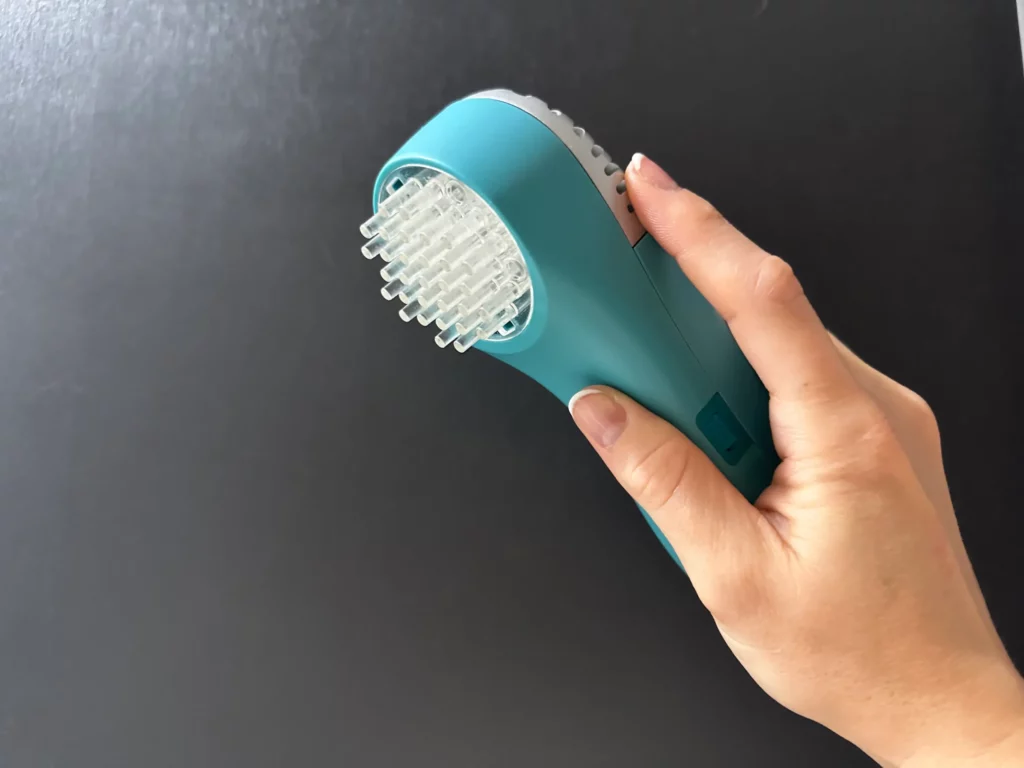
Fur is beautiful, but it’s also a barrier. Studies show that up to 80% of light from therapy devices never makes it past a pet’s coat. It gets absorbed, scattered, or reflected away before reaching the skin, where the healing actually happens.
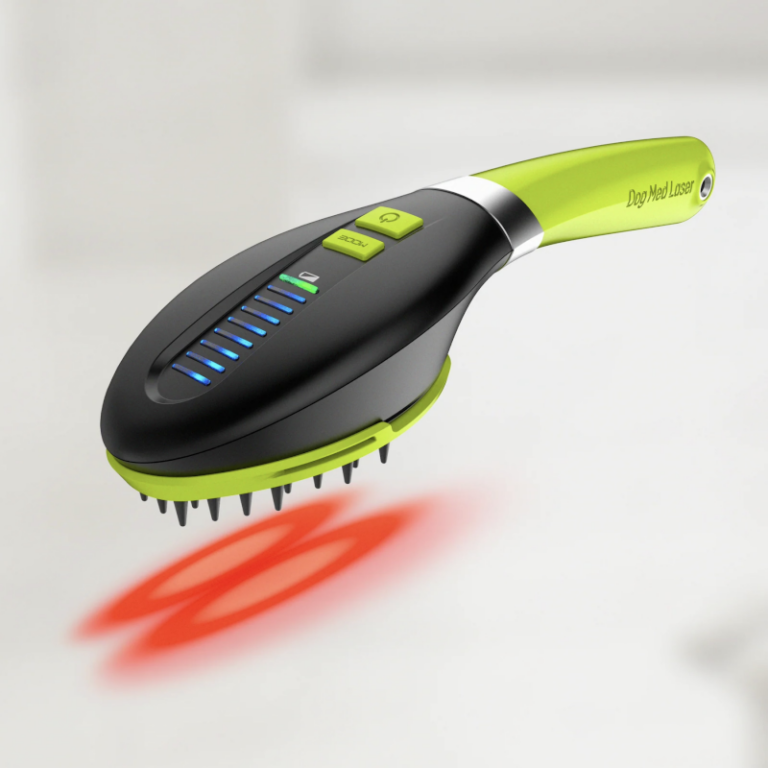
That’s why the Luma’s comb exists. The comb is designed to:
- Part the fur so the light source sits directly against the skin.
- Eliminate the air gap that causes reflection and wasted light.
- Allow stationary dosing, so you don’t have to “paint” the area like with high-powered lasers.
Think of it like applying scalp treatment. You wouldn’t rub it on top of your hair and hope it trickles down, you’d part the hair and apply it where it’s needed. The comb works exactly the same way.
Bottom line: If your pet’s skin is intact, use the comb. Every time.
When the Spacer Comes Into Play
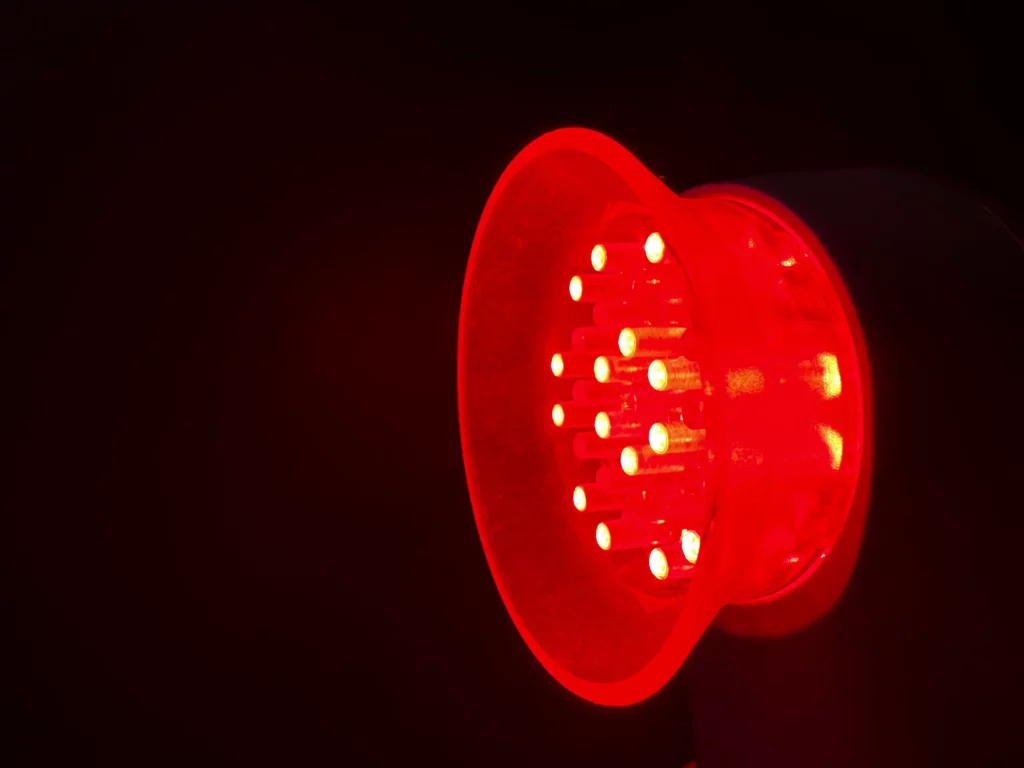
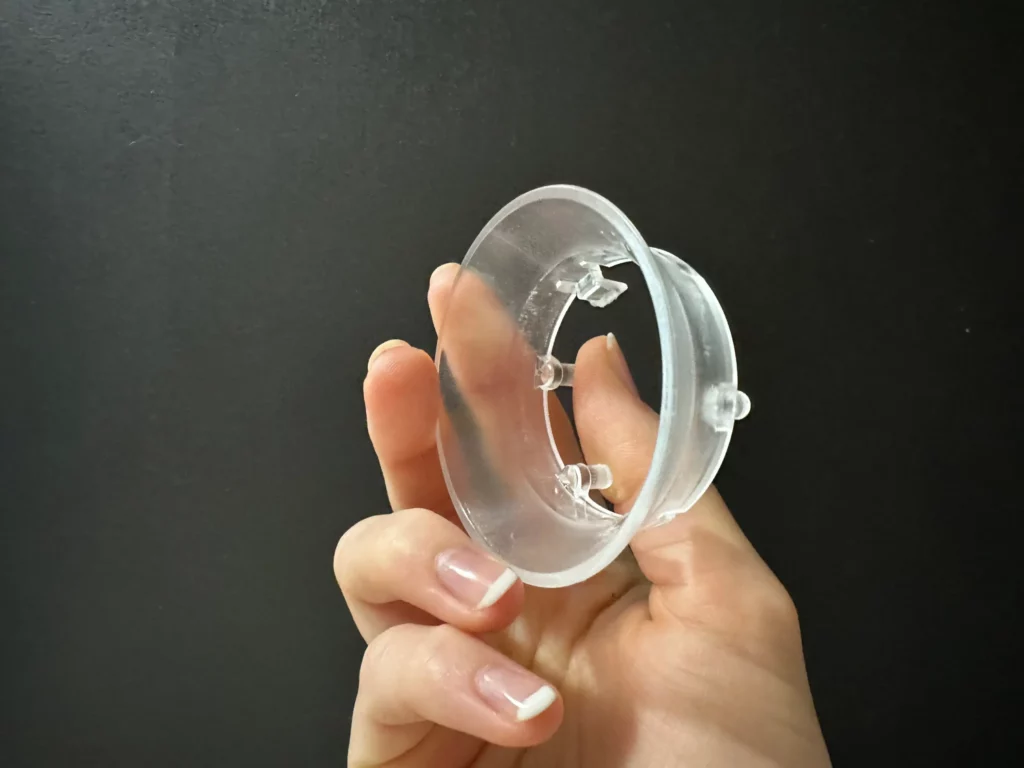
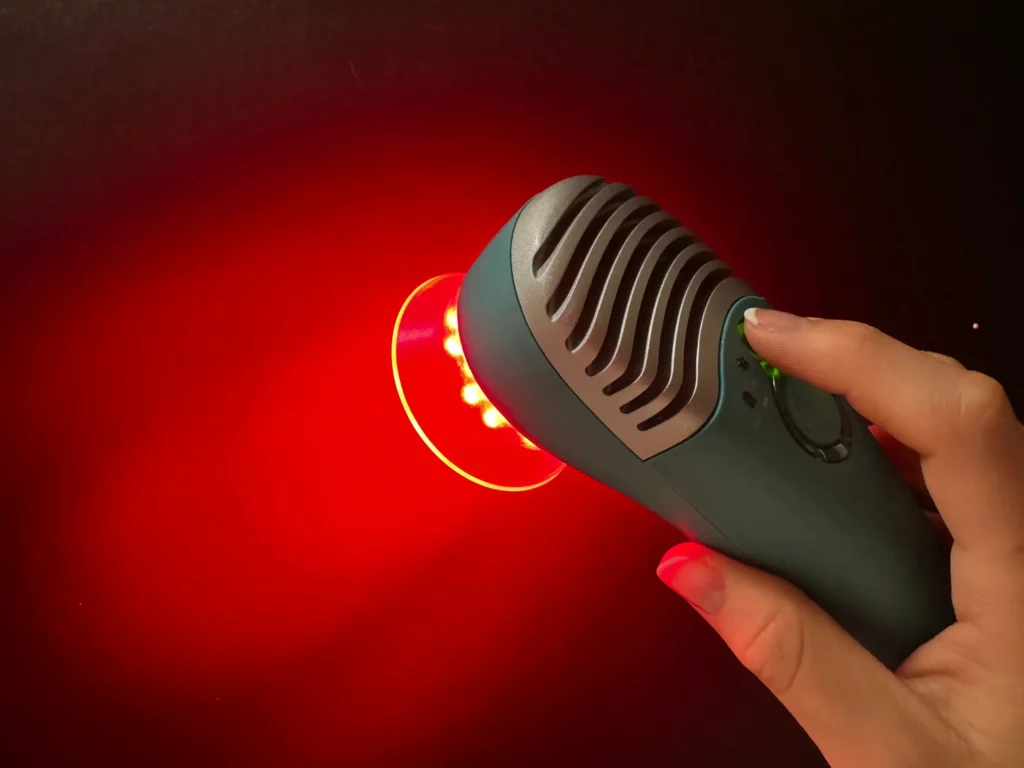
There’s just one situation where the comb isn’t the best choice:
when your pet has an open wound or surgical site.
The comb’s prongs could irritate delicate tissue or cause pain to areas that are tender. That’s where the spacer comes in.
The spacer attachment creates a safe buffer, keeping the device slightly above the skin while still delivering therapeutic light. This allows you to treat:
- Fresh surgical incisions
- Open wounds
- Abrasions
By using the spacer, you avoid unnecessary contact with sensitive skin while still giving the tissue the healing boost of red and infrared light.
Quick Guide: Comb vs. Spacer
- Comb → Use for nearly everything (arthritis, muscle pain, inflammation, back pain, hip dysplasia, etc.).
- Spacer → Use only for wounds, hot spots, or recent surgical incisions where direct contact would be irritating or painful.
Prove It: What the Research Says
- Fur blocks light. Up to 80% of photons are lost before reaching the skin if you don’t part the coat. MedcoVet Blog – Why the Comb Boosts Results
- Skin contact matters. Studies on photobiomodulation show the best results come from consistent, direct dosing to the skin surface.
- Gentle protection for wounds. Veterinary PBM guidelines recommend avoiding friction or pressure on open tissue, making a non-contact option like the spacer the safer choice.
Final Takeaway
If the skin is healthy, always use the comb. It’s the secret to getting light past the fur and directly into the tissue.
If there’s a wound, switch to the spacer. It protects sensitive tissue while still delivering the healing power of light.
The right attachment at the right time ensures your pet gets the safest, most effective treatment every session.
🐾 Ready to Take the Next Step?
Whether you’re just learning or ready to act — we’ve got you.
👉 Book a Free Consult
Talk to a licensed clinician about your pet’s condition and get a personalized plan. No pressure, just real help.
👉Learn More About the Luma
Explore how our at-home red light therapy device works, why it’s different, and what it can do for your pet.

About the Author
Alon Landa is the CEO and co-founder of MedcoVet, a leader in at-home red light therapy for pets. With over 20 years of experience in medical technology and firsthand involvement in developing the Luma, Alon combines deep technical knowledge with a passion for improving pet health. He regularly collaborates with veterinarians and pet parents to advance photobiomodulation (PBM) care at home.
📍 Based in Boston, MA
📖Read more from Alon here