Best Red Light Therapy Devices for Dogs
(2026 guide)
Compare the top red light therapy devices for dogs — plus get clinician guidance on whether Luma is right for your pet.
Written by: Alon Landa
Reviewed: [March 2026]
Updated: [March 2026]
What are the best red light therapy devices for dogs in 2026?
The best devices for dogs are the ones that deliver adequate irradiance at the skin, include near-infrared wavelengths for deeper targets, and support a realistic schedule over weeks. For most homes, results depend more on fur contact, time-to-dose, and protocol adherence than on LED count or star ratings.
More and more pet parents are turning to red light therapy to help their furry family members heal from pain, inflammation, arthritis, and more, without drugs or surgery.
But here’s the problem: Not all devices are created equal.
When selecting a red light therapy device, be sure to consider the device’s power, size, portability, and whether it includes a pre-programmed dosage timer to ensure safe and effective use for your dog.
That’s why we put together this side-by-side comparison of the top at-home red light therapy devices for pets, so you don’t waste money, time, or your pet’s comfort on the wrong one.
We reviewed the biggest players on the market, analyzing:
- ✅ Wavelengths & Power (Does it actually work?)
- ✅ Fur Penetration (Can it reach the skin?)
- ✅ Treatment Time & Ease of Use
- ✅ Vet Guidance & Support
Whether you’re looking to relieve arthritis, accelerate healing, or support chronic care—this guide will help you make an informed choice you (and your pet) can feel good about.
Our Picks for the Best At-Home Light Therapy Devices
- Best Overall: MedcoVet Luma
- Best Budget Option: HelioPet
- Best Splurge: MultiRadiance
See dosing concepts and safety: /science-of-red-light-therapy/.
See protocols by condition: /red-light-therapy-for-dogs/.
Confused by all the specs?
Talk to a clinician before you buy. Book a free 30 minute consult
Mizzy
How Red Light Therapy Works
Photobiomodulation (PBM), also called red light therapy, low-level laser therapy, LED therapy, cold laser, and near-infrared therapy, refers to the same therapeutic category using light energy to influence cellular biology. It is a safe and non-invasive treatment that’s transforming veterinary medicine for pets. By harnessing specific wavelengths of red and near infrared light, this therapy stimulates cellular activity, helping to manage pain, accelerate wound healing, and reduce inflammation in canine patients.
So, how does red light therapy work? When therapeutic light is applied to your pet’s body, the light energy penetrates the skin and is absorbed by light sensitive ion channels within the cells. This process triggers a cascade of biological responses: blood circulation increases, collagen production is enhanced, and cellular repair is stimulated. The result? Faster healing, pain relief, and improved skin health—all without drugs or invasive procedures.
Red light therapy devices for pets typically emit light in the 630-1000nm range, allowing the energy to reach deep into muscles, joints, and even bones. This makes light therapy for pets especially effective for conditions like joint pain, hip dysplasia, muscle strains, soft tissue injuries, and chronic pain. It’s also widely used to support healing after surgical procedures, manage intervertebral disc disease, and promote faster recovery from wounds or skin conditions.
One of the biggest advantages of red light therapy is its safety profile. When used according to proper usage guidelines—such as avoiding direct exposure to the eyes, following recommended treatment parameters, and sticking to a personalized treatment plan—red light therapy offers a pain-free, non invasive treatment option for your furry friend. Most pet owners find that their pets tolerate therapy sessions well, and the risk of side effects is minimal.
It’s important to note that while red light therapy is a safe and effective treatment for most pets, it may not be suitable for those with seizure disorders or for pregnant animals. Always consult with your veterinarian before starting a new treatment plan, and avoid using human red light therapy devices on pets, as they may not deliver the correct wavelengths or power for safe and effective results.
In summary, red light therapy provides pet parents with a powerful tool to manage pain, reduce inflammation, and support healing in their pets. By stimulating cellular activity, increasing blood flow, and promoting collagen production, light therapy for dogs and cats can improve your pet’s quality of life—helping them recover from injuries, manage chronic conditions like canine osteoarthritis, and enjoy greater well-being at every stage of life.
Is red light therapy effective for dogs at home?
Photobiomodulation can reduce pain and support tissue recovery in dogs when wavelength, delivered irradiance at the skin, total dose, and treatment schedule match the target tissue and clinical goal. Results vary by diagnosis, severity, coat, and protocol quality. At-home results are most limited by fur, contact, and compliance over weeks.
Compare Devices
1. Best Overall: MedcoVet Luma
The MedcoVet Luma offers top-tier performance, with advanced features like an optical comb for fur penetration and exceptional clinical support. It is a hand-held red light therapy device designed for easy administration at home.

Score: ⭐️⭐️⭐️⭐️⭐️Price: $1500
Key Features:
- Wavelengths: 635nm (Red), 850nm (Infrared)
- Light Type: LED with Collimating Optics
- Getting Through Fur: Best solution with an optical comb
- Average Power: 1100mW
- Spot Size: 14.5 cm²
- Average. Treatment Time: 1-2 minutes per spot
- Clinical Guidance: Excellent, comes with personalized protocols and app
Why We Love It:The MedcoVet Luma is designed specifically for pets, making it the best overall choice. With research-backed wavelengths and an optical comb that allows light to penetrate through fur, the Luma delivers fast and effective treatments. As a hand-held red light therapy device, it is easy to use at home for safe and effective administration. The app is a standout feature, providing real-time support, reminders, and progress tracking, which ensures better compliance and results. At around $1500, it’s an investment—but the ease of use, safety, and performance make it worth every penny.
Pros:
- Collimated LED light for effective treatment
- Best-in-class clinical support and app integration
- Short treatment times
Cons:
- Mid-High price tag
📖 Read a Comprehensive Review of the MedcoVet Luma here
Here’s what parents are saying about the MedcoVet Luma
Want more information about the Luma?
Talk to a human and get real advice
Matilda
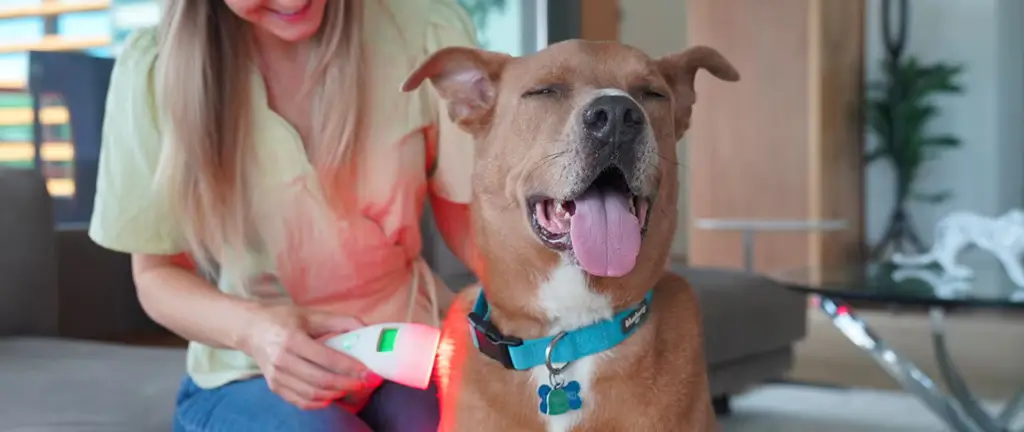
2. Best Budget Option: HelioPet
The HelioPet is a solid budget-friendly device for those looking to dip their toes into pet light therapy.
Score: ⭐️⭐️⭐️⭐️
Price: $349.00
Key Features:
- Wavelengths: 635nm (Red), 850nm (Infrared)
- Average Power: Decent, but power drops through thick fur
- Light Type: LED
- Getting Through Fur: Struggles with thick fur, no comb
- Spot Size: Unkown
- Av. Treatment Time: Unknown
- Clinical Guidance: Basic pamphlet, lacks app or tailored protocols
Why We Love It:The HelioPet is a hand-held red light therapy device designed for easy administration at home. It delivers the right wavelengths for therapeutic benefits, at a more affordable price compared to other devices. However, it struggles with fur penetration, meaning pet owners with long-haired breeds might face longer treatment sessions. While the design feels sturdy, the lack of advanced support features like an app limits its ease of use.
Pros:
- Affordable
- Good for short-haired pets
- Simple to use
Cons:
- Ineffective for long haired pets
- No App or clinical guidance
📖 Read a Comprehensive Review of the HelioPet here
Still not sure if this device is the right fit?
Choose your shortcut:
🩺 Free Consult → Personalized guidance for your pet
📋 Comparison Guide → Device specs, red flags, clinician advice
Sprite
3. Best Splurge: MultiRadiance My Pet Laser 2.0®
For those ready to splurge, the MultiRadiance My Pet Laser 2.0 offers high-end technology for deep tissue treatment using laser light technology.

Score: ⭐️⭐️⭐️⭐️
Price: $5995.00
Key Features:
- Wavelengths: 660nm (Red), 850nm (Infrared), 905nm (Superpulsed Infrared)
- Average Power: 320mW (average)
- Light Type: LED + Laser (Superpulsed)
- Getting Through Fur: Superpulsed technology improves penetration
- Spot Size: 4 cm²
- Clinical Guidance: Offered by a clinician + MyPetRx platform of videos and instructions
Why We Love It:The MultiRadiance My Pet Laser 2.0 excels in deep tissue penetration thanks to its superpulsed infrared technology and the use of laser light for targeted treatment. It’s perfect for treating more severe conditions like arthritis or muscle injuries, but the high price tag ($5,995) puts it out of reach for many pet owners.
Pros:
- Excellent for deep tissue treatment
- Superpulsed technology helps penetrate fur
Cons:
- Expensive
Method note on measured output
Measured irradiance values reflect our purchased unit and our meter setup. Readings change with distance, contact pressure, angle, and surface geometry, and wraps can vary across center, edges, and between emitters. Use our measurements as a relative reference point and combine them with published specs and dosing guidance.
📖 Read a Comprehensive Review of the My Pet Laser 2.0 here
Need Help Sorting Everything out?
Choose your shortcut:
🩺 Free Consult → Personalized guidance for your pet
📋 Comparison Guide → Device specs, red flags, clinician advice
Hunter
Other Contenders
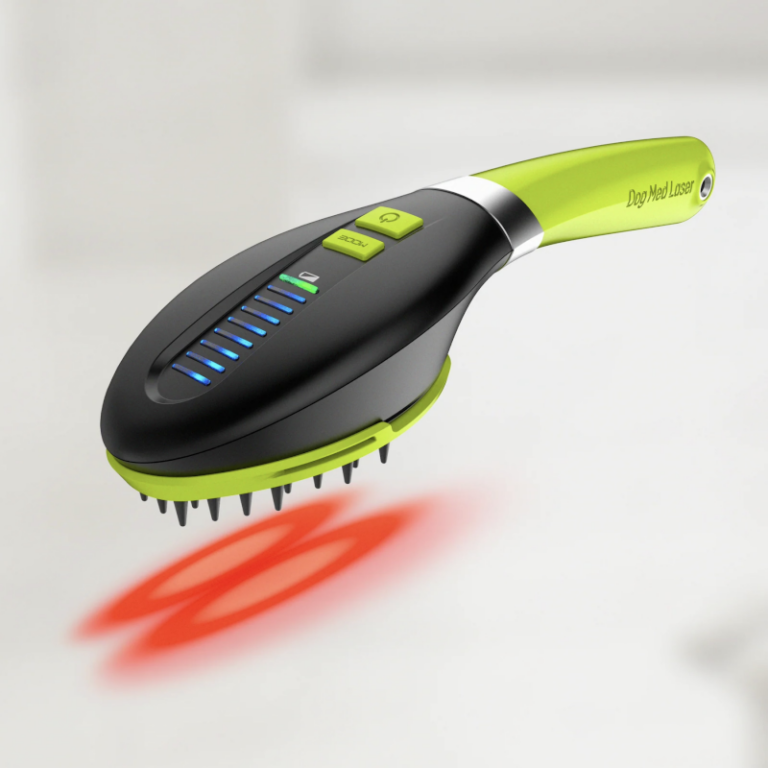
4. Dog Med Laser
Score: ⭐️⭐️⭐️
Price: $549.00
The DogMed Laser is a simple, red-light-only device that’s best for treating surface-level conditions like minor wounds or skin irritations. It uses laser light for treatment, which provides a focused and coherent light source to facilitate cellular reactions. It’s easy to use but lacks infrared light, making it less effective for deeper tissues. Its comb is cosmetic and doesn’t aid light penetration, which is a downside for furry pets.
📖 Comprehensive Review of the Dog Med Laser here
5. BCure Laser Vet Pro
Score:⭐️⭐️⭐️
Price: $999.00
The BCure focuses solely on infrared light, making it effective for deep tissue issues but less versatile for surface conditions. This device uses laser light for treatment, which can help activate tissue repair and pain relief. The design leaves a gap between the light and skin, reducing its overall effectiveness for thick-furred pets. Long treatment times also make it a bit cumbersome for restless animals.
📖 Comprehensive Review of the BCure Laser here
So many devices…Need Help?
Choose your shortcut:
🩺 Free Consult → Personalized guidance for your pet
📋 Comparison Guide → Device specs, red flags, clinician advice
Jose
6. LumaCare Ark
Score: ⭐️⭐️⭐️
Price: $1950.00 The LumaCare Ark has some interesting features, like dual treatment heads and superpulsing technology. However, its low average power means longer sessions, and it lacks an optical comb, so it’s not ideal for long-haired pets. It’s well-made but expensive for what it offers.
📖Comprehensive Review of the LumaCare Ark here
7. LumaSoothe 2
Score: ⭐️⭐️
Price: 189.00 The LumaSoothe 2 is the most budget-friendly option but lacks the power and efficiency of the other devices. It also struggles with fur penetration, and our testing revealed that its power output is much lower than advertised. This makes it less effective for most conditions, especially for thicker-coated pets.
📖Comprehensive Review of the LumaSoothe 2 here
8. LumaPet
Score: ⭐️
Price: ~$80–$120
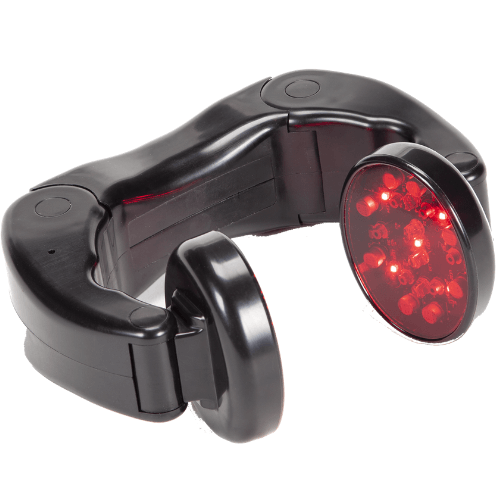
The LumaPet is a wearable LED wrap designed for convenience, but its performance is limited by low output and lack of pet-specific delivery features. In testing, measured power was far below commonly referenced therapeutic ranges, which makes it difficult to deliver meaningful doses beyond very superficial areas.
The wrap format also struggles with consistent contact through fur, and gaps between emitters can lead to uneven treatment. While it may support light, surface-level comfort with consistent use, it’s not well-suited for deeper conditions like joint pain or spine issues.
📖 Comprehensive Review of the LumaPet here
9. LumaFlex
Score: ⭐️⭐️
Price: $399–$689 (varies by model)
The LumaFlex is a large LED wrap with strong build quality and broad coverage, making it appealing for treating bigger areas. It includes both red and infrared light and offers more educational content than most devices.
However, real-world performance is limited by lower-than-expected measured output and the challenges of delivering light through fur. In testing, irradiance was significantly below published specs, which can lead to longer treatment times and reduced effectiveness for deeper targets.
The wrap design is convenient but struggles with consistent skin contact, especially on thicker-coated dogs. It can work for superficial or wide-area applications, but requires patience and consistency.
📖 Comprehensive Review of the LumaFlex here
Conclusion: Choosing the Right Device for You
When it comes to at-home light therapy for pets, the MedcoVet Luma is the clear winner with its advanced technology, short treatment times, and excellent clinical support. If you’re on a tighter budget, the HelioPet is a solid choice for short-haired pets. And for those willing to splurge, the MultiRadiance My Pet Laser 2.0 is great for deep tissue therapy, though it requires a significant time and financial investment.
Conclusion: Choosing the Right Device for You
When it comes to at-home light therapy for pets, the MedcoVet Luma is the clear winner with its advanced technology, short treatment times, and excellent clinical support. If you’re on a tighter budget, the HelioPet is a solid choice for short-haired pets. And for those willing to splurge, the MultiRadiance My Pet Laser 2.0 is great for deep tissue therapy, though it requires a significant time and financial investment.
Need help picking the right device?
Choose your shortcut:
🩺 Free Consult → Personalized guidance for your pet
📋 Comparison Guide → Device specs, red flags, clinician advice
Sprite
Clinical summary
Mechanism
Photobiomodulation uses red and near-infrared photons absorbed by cellular chromophores, supporting signaling associated with inflammation modulation, circulation changes, and tissue repair processes.
Evidence level
Moderate for select canine musculoskeletal indications when parameters and schedule are appropriate. Evidence varies by condition, device delivery, and study design.
When it works best
Adjunct support for musculoskeletal pain and mobility goals, soft tissue recovery support, and post-procedure recovery support when wavelength, delivered irradiance, dose, and schedule match tissue depth and clinical goal, and when owners remain consistent over weeks.
When not to use
Suspected malignancy without veterinary oversight, uncontrolled infection requiring medical management, photosensitivity reactions, pregnancy without clinician guidance, and cases requiring urgent veterinary evaluation.
Look for red plus near-infrared wavelengths, adequate irradiance at the skin, and a protocol that reaches a reasonable dose with a realistic schedule. Fur and air gaps can reduce delivered light and change real outcomes.
Clinical questions veterinarians ask when choosing at-home red light therapy devices
Frequently Asked Questions From Pet Parents

About the Author
Alon Landa is the CEO and co-founder of MedcoVet, a leader in at-home red light therapy for pets. With over 20 years of experience in medical technology and firsthand involvement in developing the Luma, Alon combines deep technical knowledge with a passion for improving pet health. He regularly collaborates with veterinarians and pet parents to advance photobiomodulation (PBM) care at home.
📍 Based in Boston, MA
📖Read more from Alon here