
Laser Therapy for Dogs – Everything You Need To Know
👉Help your dog feel better today
Get a quick read on whether red light therapy is a fit for your dog
Medically reviewed by: Dr. Ron Hirshberg
Reviewed: March 2026
Updated: March 2026
Looking for a complete guide to photobiomodulation in dogs? See red light therapy for dogs.
Is laser therapy effective for dogs?
Laser therapy can reduce pain and support tissue recovery in dogs when the delivered wavelength, dose, and treatment interval match the target tissue and clinical goal. Effects vary by diagnosis, severity, and protocol quality. It is typically used as an adjunct alongside veterinary diagnosis, rehabilitation, and other standard treatments.
What is Laser Therapy for Dogs?
Photobiomodulation (PBM), also called red light therapy, low-level laser therapy, LED therapy, cold laser, and near-infrared therapy, refers to the same therapeutic category using light energy to influence cellular biology.
Laser therapy for dogs, often referred to as low-level laser therapy (LLLT) or cold laser therapy, involves the use of specific wavelengths of electromagnetic radiation to stimulate the body and promote healing. The term ‘laser’ stands for ‘light amplification by stimulated emission of radiation’, a process that produces a focused, coherent beam of light with a single wavelength. Unlike surgical lasers designed to cut or cauterize tissues, therapeutic lasers operate at lower power and do not generate heat significant enough to damage tissues. In veterinary care, this is commonly called therapeutic laser treatment, which is used for pain relief, inflammation reduction, and wound healing, and is increasingly available in specialized clinics.
Therapeutic lasers use light energy at a single wavelength to target tissues and promote healing through photobiomodulation. This light energy penetrates tissues to stimulate cellular processes, reduce inflammation, and accelerate recovery. Laser therapy for dogs is a non-invasive treatment that uses light energy to promote healing and reduce pain. Laser therapy for dogs began gaining popularity around the early 2000s. Originally derived from human medicine, veterinarians quickly recognized its benefits in animals, particularly in managing chronic pain, reducing inflammation, and speeding recovery from injuries and surgeries.
Laser therapy is a drug free and innovative treatment option for dogs, offering a modern, non-invasive solution for a variety of canine health issues.
Bring your diagnosis, we’ll help you map a safe plan
Get a clinician recommendation
How Does Laser Therapy Work in Dogs?
Laser therapy uses certain kinds of light that are absorbed by cells in the body. This process, called photobiomodulation, occurs when laser photons penetrate the skin and underlying tissues, interacting at a cellular level to initiate a cascade of beneficial effects. Laser light delivers focused light energy to tissues, which helps manage pain, reduce pain, and results in decreased pain for dogs. The ‘treatment area’ refers to the specific region of tissue or skin surface targeted with the laser, and systematically covering this area with the device ensures proper energy delivery and effective treatment. One key benefit of laser therapy for dogs is the increased blood flow to the treated area, which enhances healing, promotes lymphatic drainage and reduces inflammation. Photobiomodulation has been studied for decades in veterinary and translational medicine.
The effectiveness of laser therapy depends on various factors, including the specific condition being treated and the wavelength of the light used.
Scientific Mechanism (Photobiomodulation)

When targeted cells absorb photons emitted by the laser device, they become energized, stimulating the mitochondria within the cells. Mitochondria are the powerhouse of the cell, producing ATP (adenosine triphosphate), the energy currency essential for cellular functions. Enhanced ATP production accelerates tissue repair, reduces inflammation, and relieves pain.
For a parameter-based overview of mechanism, dosing, and safety, see Science of Red Light
Role of Wavelengths
Different wavelengths penetrate to varying depths within tissues, targeting specific cells and structures. Therapeutic lasers commonly use wavelengths between 600 nm to 1100 nm, optimizing penetration depth to effectively reach muscles, joints, and internal tissues. Laser therapy uses light with wavelengths ranging from 600 nm to 1100 nm. However, the most researched and commonly utilized wavelengths are visible red (around 635 nm) and infrared (800-850 nm).
Class IV therapeutic lasers are higher powered, use longer wavelengths, and allow for deeper tissue penetration compared to lower-class lasers. The therapeutic laser dose is expressed in joules of energy delivered at the skin surface, and is calculated based on factors such as the laser class, the size of the patient, and the surface area being treated.
Red light is particularly effective for wound healing, as it targets and stimulates cells closer to the skin surface. Infrared wavelengths, on the other hand, penetrate deeper into tissues, effectively reaching muscles, bones, and joints, making them ideal for addressing deeper internal conditions.
Each treatment session is tailored as part of a broader treatment plan to address the specific needs of the dog. Clinical protocols vary based on tissue depth and clinical goal. The frequency, duration, and specific aspects of laser therapy for dogs can vary depending on factors such as the dog’s condition, response to treatment, severity of the issue, size, and the type of laser used. Wavelength, irradiance, dose, and treatment interval determine outcomes.
What Conditions Does Laser Therapy Treat in Dogs
Laser therapy has a broad spectrum of veterinary applications, successfully treating several canine health issues, including acute and chronic injuries:
- Arthritis and Joint Pain: Significantly reduces inflammation and chronic joint pain associated with arthritis, improving mobility and comfort.
- Hip Dysplasia: Helps manage pain and improve mobility in dogs suffering from degenerative joint conditions like hip dysplasia.
- Wound Healing: Accelerates the closure and healing of acute and chronic wounds, including surgical incisions and trauma-induced injuries.
- Skin Conditions: Supports healing for skin conditions such as allergies, dermatitis, hotspots, and chronic wounds.
- Skin Lesions: Promotes recovery of various skin lesions by targeting affected areas with therapeutic wavelengths.
- Muscle Soreness: Alleviates muscle soreness and aids in the recovery of soft tissue injuries.
- Inflammation and Soft Tissue Injuries: Treats conditions like sprains, strains, ligament injuries, tendonitis, and swelling associated with injuries.
- Neurological Disorders: Assists in managing chronic neurological pain and inflammatory conditions.
- Post-surgery Healing: Accelerates healing, decreases infection risk, and reduces pain post-operatively.
Laser therapy treats chronic pain conditions including arthritis, hip dysplasia, and degenerative disc disease, as well as acute injuries and skin issues. It can also help manage lick granulomas in dogs.
During a laser therapy appointment, the veterinarian may recommend additional treatments based on the specific condition being addressed, and further sessions may be scheduled in the following weeks.
Laser therapy is widely used to treat dogs with various conditions, promoting healing and enhancing their quality of life.
Take the 2-minute quiz
Get a fast yes, maybe, or not yet based on condition.
Gideon
What Are the Benefits of Laser Therapy for Dogs?
Laser therapy offers numerous benefits:
- Pain Relief: Laser therapy reduces pain in veterinary applications, particularly for conditions like musculoskeletal issues and post-surgical healing. It works by reducing inflammation through vasodilation, stimulating nerve cells to block pain signals, and enhancing wound healing by positively influencing various healing phases, collectively contributing to significant pain relief in dogs.
- Reduced Inflammation: Minimizes swelling and discomfort by enhancing the body’s natural anti-inflammatory processes, resulting in decreased inflammation.
- Accelerated Healing: Shortens recovery times from injuries and surgeries by promoting faster tissue regeneration and enhancing blood circulation to the treated area.
- Non-invasive: Does not involve surgery, injections, or harsh medications, significantly reducing risks and complications.
- Enhanced Quality of Life: Helps senior dogs and dogs with chronic conditions maintain mobility and comfort, improving overall quality of life.
- Alternative Therapies: Laser therapy is a valuable option for pets with limited pain management choices due to conditions that prevent the use of conventional medications, like severe liver disease.
Laser therapy has been described as a game changer for managing arthritis and joint pain in dogs.
Specific Cases and Testimonials

Many pet owners share remarkable improvements in their dogs following laser therapy. Cases include arthritic senior dogs regaining mobility, injured dogs recovering swiftly, and quicker post-surgical recoveries. At MedcoVet, we offer treatment at home and have a full page of pets who have benefitted from treatment.
Click here to view our testimonials
Limitations and Contraindications
Despite the numerous benefits, laser therapy isn’t suitable for every condition. Key contraindications include:
- Cancer
- Pregnancy
- Puppies (up to 1yr, where growth plates are still developing)
- Undiagnosed pain
- Thyroid gland (avoid applying laser therapy directly over the thyroid gland)
Laser therapy should not be used on tumors, the eyes, testicles, growth plates in bones, or a pregnant uterus.
Is There Research Behind Laser Therapy?

Laser therapy has robust scientific support in both human and veterinary medicine, with over 7000 studies to date. Veterinary medicine, in particular, has played a significant role in advancing laser therapy research. Studies consistently demonstrate its efficacy in reducing inflammation, accelerating tissue regeneration, and improving quality of life for canine patients.
Key Studies and Findings:
A veterinary study published in Veterinary Surgery reported significantly accelerated healing rates in surgical incisions treated with laser therapy.
Clinical trials documented in the Journal of Small Animal Practice indicate notable improvements in pain management for dogs with chronic arthritis.
Veterinary professional organizations like the American Animal Hospital Association (AAHA) endorse laser therapy, highlighting it as an evidence-based, effective treatment option.
For a detailed list of veterinary studies for different conditions, visit our research page.
For a full database 7000+ studies done to date, visit here.
Is Laser Therapy for Dogs the Same as Laser Therapy for Humans?
Human laser therapy and laser therapy for dogs share the same core principles, such as using light to reduce inflammation, alleviate pain, and support healing. However, there are key differences—most notably, the presence of fur in animals, which affects how light interacts with tissue. Laser therapy for dogs is typically performed in a veterinary practice by trained professionals to ensure safety and effectiveness. Fur can reduce delivered light to the skin. Practical delivery guidance: MedcoVet’s Comb.
Veterinary laser therapy follows separate, species-specific protocols that consider factors like fur density, skin thickness, and animal sensitivity. You can view the full set of veterinary laser therapy guidelines here. (BTW, MedcoVet adheres to these established veterinary protocols to ensure safe, effective treatment).
Similarities:
- Both leverage photobiomodulation mechanisms.
- Both can treat inflammation, and chronic pain, and facilitate healing.
Differences:
- Device Calibration: Veterinary lasers are specifically calibrated for animal skin thickness, fur penetration, and sensitivity.
- Dosage and Duration: Animals generally require customized protocols, adjusted for factors like breed, fur type, and size.
- Safety Protocols: Veterinary laser devices have specialized safety measures adapted for animal use, ensuring pet comfort and security.
Using veterinary-specific equipment and protocols is critical for effective treatment outcomes and safety.
Is Laser Therapy Safe?
Laser treatment is widely regarded as an extremely safe option when properly administered by trained veterinary professionals or when using veterinary-approved home devices. Laser therapy for dogs is an effective treatment method primarily aimed at reducing pain and inflammation, as well as promoting wound healing in dogs.
Safety and Risk Factors:
- Laser treatment does not produce significant heat, ensuring tissue safety.
- The procedure is generally pain-free, and often relaxing for pets.
- Protective goggles or eye coverings ensure eye safety during treatments.
Potential Side Effects:
Side effects are rare and typically minor, including temporary skin warmth or mild redness at the treatment site. Proper technique and qualified supervision mitigate risks significantly.
How Much Does Laser Therapy for Dogs Cost?

The cost of laser therapy varies significantly based on several factors, typically ranging between $25 to $60 per session, with new at-home options reducing the cost.
Cost Influencing Factors:
Geographical Location: Urban centers typically charge more due to higher overhead costs.
Condition Severity: Complex or chronic conditions may require longer or more frequent sessions, increasing costs.
Clinic Reputation and Expertise: Experienced, specialized veterinarians may charge premium rates.
Cost Comparison:
Compared to ongoing medication or invasive surgical procedures, laser therapy can be a cost-effective option—especially with at-home treatment devices that reduce costs while increasing convenience and the positive impact on your pet’s well-being.
What Can You Expect from a Laser Therapy Treatment?
Here’s a detailed overview of a typical session:
Pre-treatment Preparation:
- Minimal preparation, possibly shaving dense fur for better laser penetration.
- Protective eyewear for the pet and the veterinary staff.
- The Session:
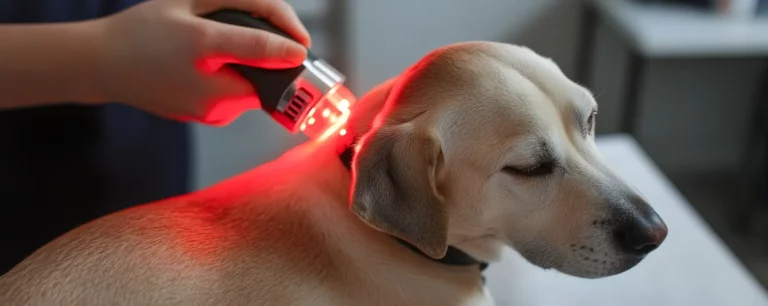
- During a treatment session, a handheld laser wand is slowly moved back and forth over the damaged tissue, producing a warm, pleasant sensation that most pets seem to enjoy and find relaxing.
- Most dogs are not sedated for this procedure and rest comfortably during treatment.
- Post-session drowsiness or relaxation is common among dogs due to the relief of chronic pain.
- A laser therapy session generally lasts between five and 30 minutes, depending on the condition being treated, its severity, and the dog’s size.
- Chronic conditions may be treated weekly, whereas surgical incisions and open wounds often require daily treatment.
- Most patients receiving therapeutic laser are treated two to five times per week for several weeks.
- Significant pain relief can often be achieved after just a few sessions.
- If your dog is receiving regular treatment for a chronic condition, training them to settle in place can be beneficial.
- The pet typically remains calm and may fall asleep; sessions are often relaxing.
- Post-treatment:
- After laser treatment immediate pain relief may be noticeable.
- Recommended sessions vary; typically, acute conditions require fewer sessions, and chronic conditions require ongoing management.
Owners often report their pets become more active, and comfortable and show improved mobility shortly after laser treatments begin.
Clinical summary
- Mechanism: Light in red and near-infrared ranges can influence cellular signaling associated with inflammation modulation and tissue repair pathways, including mitochondrial-linked signaling.
- Evidence level: Moderate for select musculoskeletal indications in dogs when parameters and schedule are appropriate. Evidence varies by condition and study design.
- When it works best: Musculoskeletal pain and function support, recovery support after injury or procedures, and localized inflammatory conditions when parameters match target tissue depth.
- When not to use: Suspected malignancy without veterinary supervision, uncontrolled infection requiring medical management, pregnancy (protocol dependent), and cases needing urgent medical assessment.
- See: Science of Red Light Therapy for Pets →/science-of-red-light-therapy/
- Full evidence index: red light therapy for dogs → /red-light-therapy-for-dogs/
Clinical questions veterinarians ask about laser therapy
What should I ask my vet before starting laser therapy?
Diagnosis, target tissue, device type (laser vs LED), wavelength range, dose/fluence plan, treatment interval, contraindications, and how response will be measured.
How often is in-clinic laser therapy typically used?
Many protocols use 2 to 5 sessions per week for several weeks, then taper based on response and condition chronicity.
How long until improvement is seen?
Some dogs show early comfort changes within days, but functional change commonly requires multiple sessions over weeks. Track gait, activity tolerance, and objective measures when available.
Can laser therapy be used with NSAIDs or rehab?
Laser/PBM is commonly used alongside NSAIDs and rehabilitation. Coordination on timing and load progression should follow the treating clinician’s plan.
Is laser therapy safe around the eyes?
Avoid direct ocular exposure. Use eye protection and follow device-specific safety guidance, especially when treating near the face.
When should laser therapy be avoided?
Avoid use when malignancy is suspected without veterinary oversight, when infection requires medical treatment, and when the dog has acute neurologic deficits or uncontrolled pain requiring urgent evaluation.
What if I want to Treat at Home?

Home-use laser therapy devices have become increasingly popular among pet owners looking for convenient and cost-effective treatments. Home laser therapy for dogs (known as red light therapy), in particular, is used to treat various conditions in canines, such as ailments experienced by older dogs and postoperative recovery.
For the full clinical overview, see red light therapy for dogs.
Laser therapy is often used as part of a multimodal treatment plan for managing chronic pain and inflammation in dogs. Complementary therapies such as acupuncture, massage therapy, hydrotherapy, and joint supplements can be used alongside laser therapy to enhance pain relief and support joint health. Your veterinarian may recommend other treatments as part of a comprehensive approach to ensure the best possible outcomes for your pet.
Selection Criteria:
- Veterinary-approved certifications
- Ease of use
- Safety features
- Device efficacy and user testimonials
Popular At-home Devices:
Several reputable home-use devices are available, and we’ve done a round up of the best products for use at home:
https://medcovet.com/blog/red-light-roundup/
Tips for Home Use:
- Consult your veterinarian before starting home treatments.
- Always follow the manufacturer’s instructions precisely.
- Regular vet check-ins ensure your home therapy remains effective and safe.
If you are interested in home treatment with light for your pet we offer a free consult to help you understand if treatment is right for you. Click here to schedule a complimentary consult.
Laser therapy offers an innovative, safe, and scientifically-supported way to manage various canine health conditions. From alleviating chronic pain to enhancing post-operative recovery, it has proven itself invaluable to countless pet owners and veterinarians alike. Whether administered professionally or via approved home devices, laser therapy represents a significant advancement in veterinary care, ensuring your dog enjoys a comfortable, pain-free life.
🐾 Ready to Take the Next Step?
Whether you’re just learning or ready to act, we’ve got you.
👉 Book a Free Consult
Talk to a licensed clinician about your pet’s condition and get a personalized plan. No pressure, just real help.
👉Learn More About the Luma
Explore how our at-home red light therapy device works, why it’s different, and what it can do for your pet.
Evidence citations

About the Author
Alon Landa is the CEO and co-founder of MedcoVet, a leader in at-home red light therapy for pets. With over 20 years of experience in medical technology and firsthand involvement in developing the Luma, Alon combines deep technical knowledge with a passion for improving pet health. He regularly collaborates with veterinarians and pet parents to advance photobiomodulation (PBM) care at home.
📍 Based in Boston, MA
📖Read more from Alon here

About the Medical Reviewer
Dr. Ronald Hirschberg has been the long term hospital director of the Brockton Animal Hospital, in Brockton, Massachusetts. He came to the hospital after graduating from The Ohio State University College of Veterinary Medicine, and served as medical director for more than 30 years. During his tenure, Dr. Hirschberg developed the facility into a full service hospital emphasizing surgery as well as medicine. His areas of interest include orthopedics, ophthalmology, dermatology, and Photobiomodulation or Red Light Therapy (previously known as Low Level Laser Therapy).
He is a recognized authority on Photobiomodulation and its application in companion animal medicine. His treatment protocols have been adopted for use by several light device practitioners and manufacturers. Dr. Hirschberg was invited to sit on a multi-day task force at the World Association of Photobiomodulation (WALT) international meeting in Nice, France in 2018 in an effort to create standardized protocols for several medical conditions.
Dr. Hircshberg is the author of PBMDVM a site dedicated to educating both clinicians and pet parents about the benefits of photobiomodulation in animal health.
📍 Based in Newton, MA
📖Read more from Dr Ron here
🐾 Ready to Take the Next Step?
Whether you’re just learning or ready to act — we’ve got you.
👉 Book a Free Consult
Talk to a licensed clinician about your pet’s condition and get a personalized plan. No pressure, just real help.
👉Learn More About the Luma
Explore how our at-home red light therapy device works, why it’s different, and what it can do for your pet.





I’m interested in learning more.