
BCure Laser Vet Pro: A Detailed Look
Know What Matters
The quick guide to choosing a red light therapy device for pets.
Written by: Alon Landa
Reviewed: [March 2026]
Updated: [March 2026]
Note on independence: We are not affiliated with B-Cure. We obtained a B-Cure device and tested it using our standard in-house method. Individual units, measurement tools, and test setup can change results, so treat our numbers as “what we measured on our device,” not a claim about every unit ever produced.
This article is part of our Red Light Round Up series. If you want the broad clinical overview, protocols, and condition guidance, see red light therapy for dogs.
Is the BCure Laser Vet Pro a good choice for treating pets at home?
The BCure Laser Vet Pro is a solid, well-built device that can be effective for certain use cases—particularly for short-haired pets and deeper conditions like joint pain or muscle issues. However, its lack of red light limits versatility, and its design makes it less effective through thick fur, often requiring longer treatment times and extra effort. Overall, it works best for the right pet and owner, but may fall short for those seeking faster, more convenient, or more versatile treatment options.
How does B-Cure fit into the growing trend of light therapy?
A growing market for pet light therapy devices—expected to see significant expansion over the next decade—means more options, but not all devices are created equal. The BCure Laser Vet Pro is based on Photobiomodulation (PBM), also called red light therapy, low-level laser therapy, LED therapy, cold laser, and near-infrared therapy, refers to the same therapeutic category using light energy to influence cellular biology. This technology is designed to treat acute and chronic pain, orthopedic disorders, wounds, and inflammations. The BCure Laser Vet Pro is an amazing piece of technology—innovative, safe, and user-friendly, with its effectiveness validated in clinical trials and endorsed by medical professionals. Clinical trials have confirmed the efficacy of B-Cure Laser in addressing pain, orthopedic issues, inflammation, and wound management.
If you prefer a more visual overview, check out the video version of this review below, where we walk through everything you need to know to make the best choice for every unique pet’s needs.
Device Specs: What It’s Made Of
BCure earns points for transparency. They put their specifications right on the website, which is more than some competitors do. This makes it easier to understand what you’re getting into. The BCure Laser Vet Pro is a b cure laser device designed for home use, offering medical-grade low-level laser therapy (LLLT) for pets. The device operates with infrared (IR) light at a power density of about 55mW/cm²—within the therapeutic guidelines provided by the World Association for Laser Therapy (WALT). It works by emitting a low-strength laser beam that penetrates tissue without heat, stimulating healing at the cellular level. Through a process called biostimulation, the laser beam promotes the accelerated production of adenosine triphosphate (ATP), which is essential for cellular energy and tissue repair.
However, one critical detail stands out: the BCure Laser Vet Pro only uses infrared light, with no red light option. Why does that matter? IR light penetrates deeper into tissue, making it great for treating muscle soreness or joint issues. But red light is often the go-to for treating surface wounds and skin conditions because it doesn’t need to reach as deep to be effective. This absence means it’s less versatile than some alternatives.
Treating Through Fur: The Real Challenge
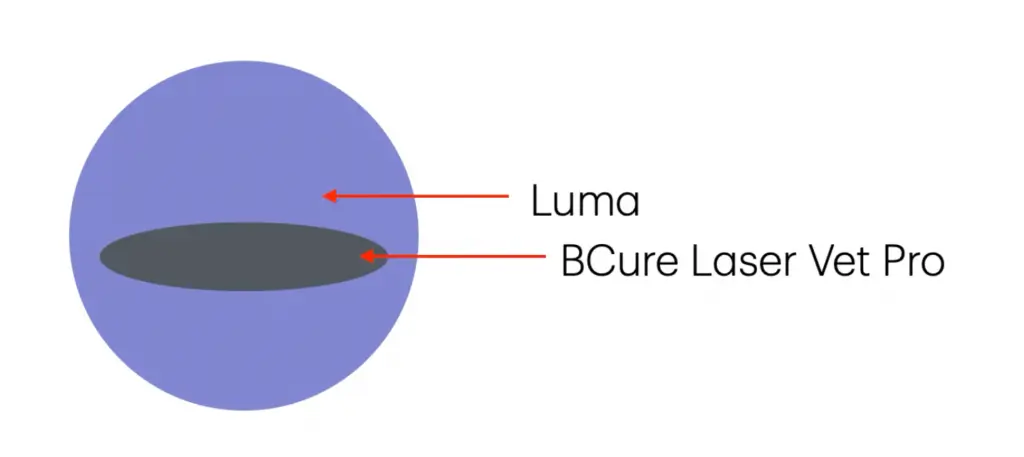
Let’s face it—treating through fur can be tricky. The BCure Laser Vet Pro is a device adapted from human use, where dense fur isn’t a concern. For pets with thick coats, this adaptation falls short. The device’s power is modest, and combined with the design flaw of a large gap between the light source and the target area, it struggles to deliver light effectively through layers of fur.
For best results, the device should be applied directly to the affected area to ensure effective light penetration and maximize treatment benefits.
But it’s not all bad news. For short-haired pets or shaved treatment areas, the BCure can still be effective. For longer-haired pets, owners might have to get creative. This can improve the light’s reach but comes with a time cost. Treatment sessions run at around 4 minutes per spot, and that can add up if you’re dealing with multiple areas or an energetic pet.
For an example of how another company (i.e. MedcoVet) solves the “fur problem” click here
Power Density and Treatment Times: A Time Investment
One of the most important considerations in any light therapy device is its power density. BCure’s power density of 55mW/cm² is respectable, but when combined with a smaller treatment head (about 4.5 cm²), it means treatment times are long. Expect to spend 4 minutes on each spot you treat, which can be a real challenge with pets that get restless easily.
The recommended treatment duration with B-Cure Laser is generally 6 minutes at each treatment point, 2-4 times daily. The device is suitable for treating conditions like arthritis, muscle pain, sprains, and tendonitis. It is designed to alleviate pain, discomfort, and symptoms associated with these conditions, helping to improve your pet’s quality of life.
🐶 Not sure if at-home PBM fits your dog’s condition?
Take the 2-minute quiz and get a starting point based on condition and goals.
Anderson
Build Quality: Sturdy But With a Design Flaw
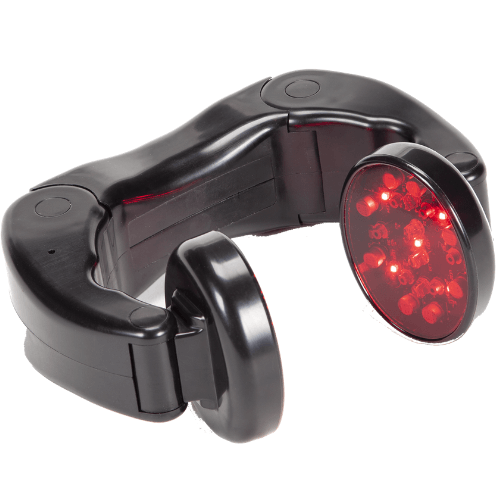
On the surface, the BCure Laser Vet Pro is a well-made device. It feels durable and looks like it could withstand regular use without breaking down. The device is portable and non-invasive, designed for safe home use so users can treat their pets without frequent clinic visits. It is classified as a class 1 laser product and is safe for individuals of all ages, with no known side effects reported. However, that initial confidence is tempered by a key flaw: the lack of direct skin contact. The treatment head has a small gap between the light source and the pet’s skin, which results in light being reflected off the fur rather than penetrating it.
This issue isn’t a problem for human treatments, where hair is less of a barrier, but for pets, it’s significant. That said, the device can still work effectively in certain scenarios—especially if you’re treating pets with short or thin coats or are willing to shave a small patch for direct contact.
Clinical Guidance: Clear Protocols, But No Support System
BCure does a commendable job of offering clear, condition-specific treatment protocols on their website. This is helpful for pet owners who might be new to using light therapy and need step-by-step guidance. They provide detailed instructions for conditions like arthritis, muscle strains, and post-surgical recovery, which can be invaluable when you’re unsure of where to start. The B-Cure Laser Vet Pro is clinically proven, with clinical trials confirming its efficacy in addressing pain, orthopedic issues, inflammation, and wound management. The device is recommended by leading doctors worldwide as a proven medical option for pain management and recovery.
However, BCure’s guidance stops short of ongoing support. There’s no app or system to remind owners to stay on track with treatments, nor is there an option to connect with a veterinarian for adjustments based on progress.
Frequently Asked Questions
Clinical Summary
Mechanism: Infrared laser therapy is a form of photobiomodulation. Coherent light is absorbed by cellular chromophores, supporting signaling associated with inflammation modulation, microcirculation changes, and tissue repair.
Evidence level: Moderate for select musculoskeletal conditions in dogs when appropriate dosing parameters and treatment schedules are followed. Evidence varies by indication, depth of target tissue, and consistency of application.
When it works best: Deeper musculoskeletal targets (e.g., joints, tendons) in short-haired pets or when fur is parted to allow consistent skin contact. Best results are seen with repeatable, localized treatments as part of a broader pain management plan.
When not to use: Suspected malignancy without veterinary oversight, active infections requiring medical treatment, photosensitivity disorders, pregnancy without clinician guidance, or cases requiring immediate veterinary evaluation.
The Verdict: Is the BCure Laser Vet Pro Right for You?
The BCure Laser Vet Pro is a device with potential, but it’s not without its limitations. It offers decent specs, reliable build quality, and a thoughtful approach to treatment guidelines. However, its long treatment times and challenges in treating through fur make it better suited to short-haired pets or owners willing to put in the extra effort to create better skin contact.
Many users have reported a significant reduction in pain and discomfort after using the device for various conditions, including arthritis and sports injuries. The BCure Laser Vet Pro can support recovery and improve quality of life for both pets and their owners. Positive feedback also highlights faster recovery from sports injuries, making it a valuable adjunct to professional medical treatments.
Who Might Benefit:
- Owners of short-haired pets where fur isn’t a major barrier.
- Those with a cooperative pet who will tolerate longer treatment sessions.
- Users looking for a device that is transparent about its specifications and follows recommended treatment guidelines.
Who Should Consider Alternatives:
- Pet owners with long-haired breeds who want faster results.
- Those who value ongoing support through apps or clinician connectivity.
- Anyone looking for a more versatile device with both red and infrared light options.
Overall, the BCure Laser Vet Pro stands by its science but doesn’t fully adapt to the challenges of treating pets. For those willing to make adjustments, it can still be a valuable tool. But if you’re looking for a more user-friendly experience or have a pet with a thicker coat, it might be worth considering other options.
If you want the framework we use to judge devices:
Download The Smart Pet Parent’s Guide to Choosing a Red Light Therapy Device (checklists, red flags, and questions to ask before you spend).
Matilda
Final Thoughts
This bcure laser review reflects a device that is grounded in established low level laser therapy principles and supported by published data, while also carrying practical limitations that matter in real-world use. The b cure laser, including the b cure laser pro, b cure laser classic, and pro model, is a non invasive laser therapy device designed to deliver light energy to the affected area to support recovery, manage pain, and address a range of chronic conditions and acute injuries.
The underlying technology is consistent with broader photobiomodulation research. A focused laser beam delivers infrared light that can influence cellular activity, including processes tied to adenosine triphosphate production, which is associated with tissue repair and inflammation signaling. In published studies, including double blind clinical trial designs with a control group, results showed a significant reduction in pain, improved function, and support for wound healing, joint pain, and other orthopedic problems. These findings are part of the reason the b cure laser device is often described as clinically proven within its intended use.
In practice, how the b cure laser work depends on correct application. The device is designed for direct contact with the treatment area, and outcomes are influenced by consistency, positioning, and adherence to recommended treatment times. It is commonly used to treat arthritis, muscle strains, trigger points, sports injuries, and certain skin conditions, with the goal to reduce inflammation, ease discomfort, and support the body’s natural recovery process.
User experience is more mixed. Some users report meaningful pain relief, improved mobility, and better day-to-day quality of life, particularly for localized issues such as the knee, neck, or other specific areas of the body. Others, reflected in negative reviews, point to longer treatment sessions, the need for repeated applications, and variability in perceived results. These differences are consistent with what is generally seen across red light therapy and laser-based modalities, where outcomes can vary based on condition, severity, and treatment consistency.
It is also important to set expectations clearly. The b cure system is not a standalone cure, and it is not intended to replace evaluation or care from qualified doctors, a physical therapist, or a chief physician when appropriate. It is best understood as a supportive tool that can complement a broader health plan, particularly for managing chronic pain, aiding recovery after injury or surgery, and supporting ongoing care of chronic or acute conditions. Some patients may also use it as part of a strategy to reduce reliance on certain forms of medication, under professional guidance.
From a value standpoint, the company offers a product that aligns with established laser therapy principles and has been studied in clinical settings. The main tradeoffs come down to usability and time. Each treatment is applied to a specific area for a relatively short time, but multiple areas and repeated sessions are often required. For some, that is a reasonable investment. For others, it may influence how they evaluate the money spent relative to the results experienced.
Overall, the laser pro and broader b cure pro lineup represent a focused, clinically grounded approach to at-home laser therapy. For patients who are consistent, targeting defined areas, and working within appropriate expectations, the device can support recovery, reduce pain, and help manage symptoms. For those seeking faster or more passive solutions, the experience may differ. As with any treatment, outcomes depend on the individual, the condition being addressed, and how the device is used.

About the Author
Alon Landa is the CEO and co-founder of MedcoVet, a leader in at-home red light therapy for pets. With over 20 years of experience in medical technology and firsthand involvement in developing the Luma, Alon combines deep technical knowledge with a passion for improving pet health. He regularly collaborates with veterinarians and pet parents to advance photobiomodulation (PBM) care at home.
📍 Based in Boston, MA
📖Read more from Alon here
🐾 Ready to Take the Next Step?
Whether you’re just learning or ready to act — we’ve got you.
👉 Book a Free Consult
Talk to a licensed clinician about your pet’s condition and get a personalized plan. No pressure, just real help.
👉Learn More About the Luma
Explore how our at-home red light therapy device works, why it’s different, and what it can do for your pet.



I do not even know how I ended up here but I thought this post was great I dont know who you are but definitely youre going to a famous blogger if you arent already Cheers