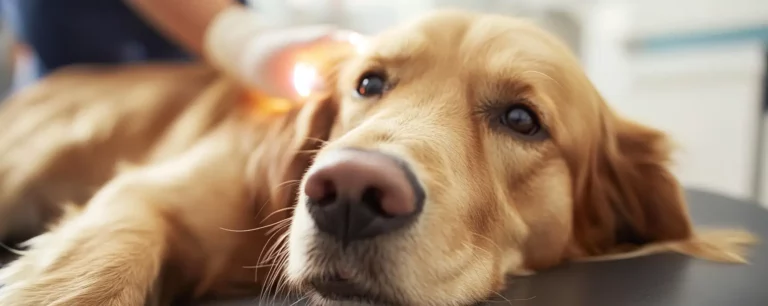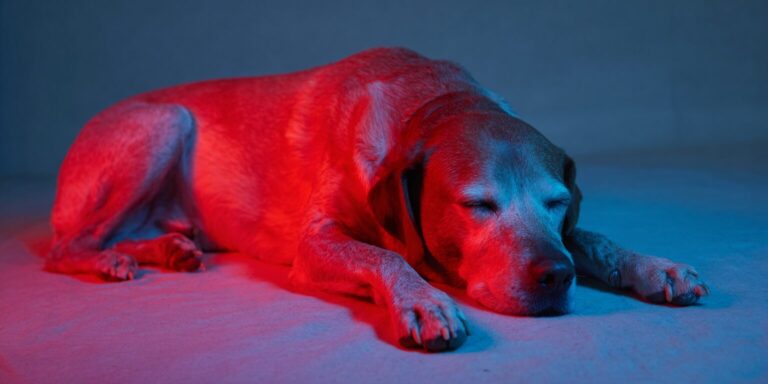
Cold Laser Therapy for Dogs: Pain Relief and Healing
👉Help your dog feel better today
Get a quick read on whether red light therapy is a fit for your dog
Medically reviewed by: Christine Cranston, MPT CCRP (Specialties: Pet rehabilitation, pain management, photobiomodulation)
Reviewed: [March 2026]
Updated: [March 2026]
Cold laser therapy for dogs is a non-invasive way to reduce pain and promote healing. Low level lasers effectively treat conditions like arthritis, wounds, and hip dysplasia. This article covers how it works, benefits, and common uses.
Looking for a complete guide to photobiomodulation in dogs? See red light therapy for dogs.
Key Takeaways
- Cold laser therapy is a non-invasive and painless treatment that accelerates healing and reduces pain in dogs, particularly effective for conditions like arthritis and soft tissue injuries.
- The therapy can be performed at home, making it a convenient option for dog owners. Most pets tolerate laser therapy well.
- Clinical studies support the effectiveness of cold laser therapy, showing significant pain reduction in dogs, especially those with chronic conditions, and enhancing their overall quality of life.
Does cold laser therapy work for dogs?
Cold laser therapy can reduce pain and support tissue recovery in dogs when wavelength, dose, and treatment interval match the target tissue and clinical goal. Effects vary by diagnosis, severity, and protocol quality. It is typically used as an adjunct alongside veterinary diagnosis, rehabilitation, and standard care.
Understanding Cold Laser Therapy for Dogs
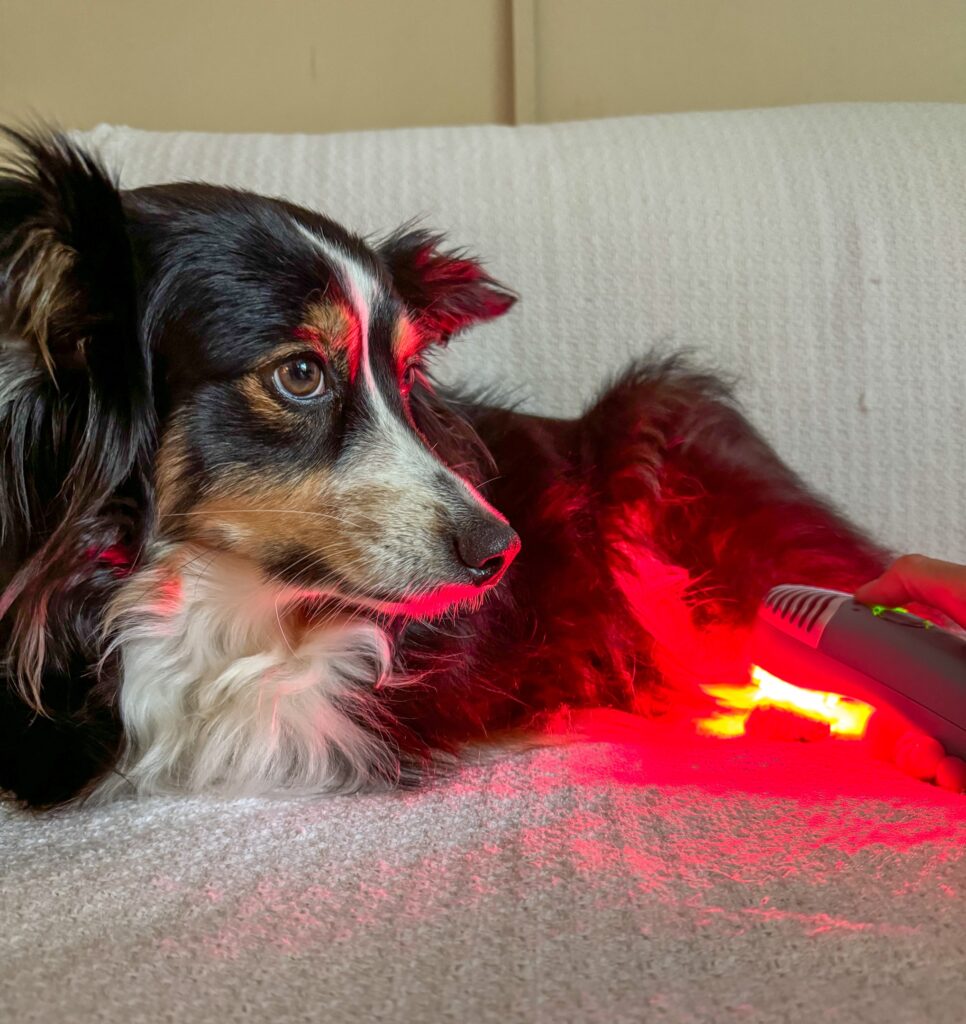
In veterinary use, ‘cold laser’ is a term people often use for low-level laser therapy (LLLT), which is one form of photobiomodulation (PBM). Photobiomodulation (PBM), also called red light therapy, low-level laser therapy, LED therapy, and near-infrared therapy, refers to the same therapeutic category using light energy to influence cellular biology. Unlike traditional lasers that can cut through tissues or generate heat, cold laser therapy is non-invasive and painless. Unlike surgical lasers, cold laser therapy does not cut or heat tissue, making it a safer and non-invasive option for pets. This therapy harnesses the power of laser light to reduce pain and inflammation while promoting healing.
The term “cold laser” might be misleading; the laser isn’t cold, but rather low-power, which means it won’t heat up or burn tissues. Surgical lasers are used for cutting tissue during procedures, while cold lasers are used for healing and pain management. This gentle approach allows the laser beams to penetrate deep into tissues without overheating them, making it a safe and effective option for treating various conditions in dogs without negative side effects. Photobiomodulation has a large research base across species and indications, but outcomes vary by protocol quality and diagnosis.
What cold laser therapy is and is not
- Cold laser therapy is a low-power therapeutic light treatment used to influence cellular signaling, not to cut, cauterize, or ablate tissue.
- It should not be described as a substitute for diagnosis, imaging, or medical management when those are indicated.
Want this part in plain English?
Watch the short crash course, 15 minutes, and easy to follow.
(Workbook included)
Huxley
Does Cold Laser Therapy Work for Dogs?

Cold laser therapy, also known as low level laser therapy, is an effective treatment increasingly used in veterinary care to support the healing process and relieve chronic pain in dogs. Before starting cold laser therapy, a veterinarian should perform a complete physical exam and any necessary diagnostics to ensure an accurate diagnosis of the pet’s condition. By using a laser therapy device designed to penetrate tissue without causing damage, this pain-free therapy for dogs can accelerate wound healing. Many pet owners turn to cold laser therapy when medications alone are not enough or cause unwanted side effects. Dogs laser therapy works by stimulating cellular repair and improving blood flow, offering a gentle yet powerful solution that benefits most pet patients. A tailored treatment plan is developed based on the pet’s condition to optimize healing and recovery. While results may vary depending on the condition and response of individual patients, this non-invasive approach has proven to improve a dog’s life, reducing pain and enhancing mobility without discomfort.
Still unsure if your dog is a match for red light therapy?
Take the quiz and get a free personalized readiness score
Anderson
How Cold Laser Therapy Works

At the heart of cold laser therapy is a fascinating process called photobiomodulation, where light interacts with tissue to stimulate healing. Photobiomodulation has been studied for decades in veterinary and translational medicine. During a typical veterinary laser therapy session, a handheld laser device emits concentrated light energy that penetrates the skin and reaches the target tissues. This light energy enhances tissue repair, reduces inflammation, and helps alleviate pain without causing any damage. Additionally, the therapy causes lymphatic vessels to dilate, allowing fluid to move out of the tissue, which further aids in reducing swelling and promoting recovery.
The therapy is highly customizable, with specific wavelengths chosen to target different tissue depths in dogs. For example, some wavelengths penetrate deeper tissues, making them suitable for treating injuries or conditions located beneath the surface, while others are better suited for more superficial areas. The laser beams directed at the affected area increase blood circulation, which in turn promotes the healing process by delivering more oxygen and nutrients to the tissues.
A typical laser therapy session involves the veterinary staff using a handheld laser device to apply the light energy directly to the affected area. Administering laser therapy should always be performed by a trained veterinarian to ensure the procedure is pain-free, safe, and effective for your pet. This non-invasive treatment is usually well-tolerated by most dogs, making it an excellent option for those who need regular pain relief and healing. Grasping how cold laser therapy works helps dog owners better appreciate the science behind this effective treatment.
Parameter-based overview of mechanism, dosing, and safety: Science of Red Light Therapy for Pets
If this science matters to you, the Smart Pet Parent’s Guide breaks down device specs and real results.
Spock
Cold Laser Therapy for Dogs at Home

One of the great advantages of cold laser therapy is that it can be administered at home, providing a convenient and cost-effective alternative to frequent veterinary visits. Pet laser therapy can be performed at home using specialized pet laser devices, but veterinary cold lasers used in clinics may be more powerful and are operated by professionals. The treatment is cumulative, meaning its beneficial effects increase with repeated sessions. For dog owners considering this option, it’s important to note that some dogs may show sensitivity to light during therapy. In such cases, it’s important to wear protective goggles to ensure the safety and comfort of the pet. Laser beams directed at the eyes can cause permanent damage to both human and canine retinas, so eye protection is essential for everyone present during treatment. Knowing the practical aspects of performing cold laser therapy at home enables dog owners to provide their pets with consistent and effective care. Many pets have limited options for pain management due to severe health issues and may rely on alternative therapies like pet laser therapy to improve their quality of life.
For protocols, conditions, and how to choose parameters, see red light therapy for dogs.
Curious how at-home treatment stacks up?
See how Luma delivers clinic-level dosing with simple at-home steps
Mizzy
Common Conditions Treated by Cold Laser Therapy

Cold laser therapy is a versatile treatment that can address a wide range of conditions in dogs. One of the most common uses is for treating arthritis, degenerative joint disease, and disc problems. Specific conditions like osteoarthritis and hip dysplasia are particularly responsive to this therapy, providing much-needed pain relief and improved mobility for affected dogs. Additionally, laser therapy stimulates cells to multiply faster, accelerating wound closure and aiding in the recovery process. Cold laser therapy encourages wound healing by stimulating cell regeneration and improving blood flow.
In addition to joint issues, cold laser therapy is effective to treat soft tissue injuries, including ligament injuries, strains, and sprains. These injuries can be particularly challenging to manage, especially in older pets but the non-invasive nature of cold laser therapy makes it an ideal option for promoting healing and reducing pain. Overall, cold laser therapy is an effective treatment option for multiple common conditions in dogs, enhancing their recovery and pain management. Recognizing the broad range of conditions treatable with this therapy allows dog owners to explore its potential benefits for their pets’ health and well-being, similar to benefits observed in patients .
Expected timeline for improvement
- Some dogs show improvement in comfort within days, but clinically meaningful change often requires multiple sessions over weeks.
- Acute soft tissue injuries may respond faster than chronic osteoarthritis.
- Track objective changes: gait, rising from rest, stairs, activity tolerance, and post-activity soreness.
Want to know if your dog’s condition responds well to red light therapy?
Use the condition matrix inside the Red Light Roadmap.
Benefits of Cold Laser Therapy for Dogs

The benefits of cold laser therapy for dogs are numerous and significant. Here are some of the primary advantages:
- Alleviates pain and promotes recovery from chronic conditions like arthritis.
- Accelerates the healing process for dogs suffering from traumatic injuries.
- Reduces pain for dogs recovering from surgical incisions.
- Can lead to faster healing when combined with other treatments, such as medication, by enhancing the overall recovery process and reducing inflammation.
This therapy works by stimulating cell regeneration and improving blood flow, which enhances circulation and allows muscles to relax. Additionally, cold laser therapy stimulates the release of the body’s natural painkillers, such as endorphins, which not only help in pain relief but also promote a sense of relaxation during sessions. Many pets find the therapy soothing and relaxing, making it a comforting experience that reduces stress during treatment.
Cold laser therapy is also a drug-free treatment that does not require sedation, making it safer for pets with certain medical conditions. Overall, the benefits of cold laser therapy extend beyond just physical healing, significantly improving the quality of life for dogs and their owners.
Is Cold Laser Therapy Safe for Dogs?

Veterinary cold laser therapy is widely regarded as safe and effective, with minimal to no side effects reported. If you are wondering, “Is cold laser therapy painful for dogs?”—the answer is no. Cold laser therapy is not painful; it is non-invasive, generally well-tolerated, and many dogs find the experience soothing. Studies have shown that dogs tolerate this treatment well, and no significant adverse effects have been observed. This makes it a reliable option for dog owners seeking alternative therapies for their pets. However, in rare cases, mild skin irritation at the treatment site can occur, which may have negative side effects. It’s crucial to monitor the treated area and consult with a veterinarian if any unusual symptoms arise.
The frequency and duration of cold laser therapy sessions should be determined by a veterinarian to ensure optimal results. For chronic conditions like arthritis, treatment may require several sessions per week initially to achieve the best outcomes. For dogs that experience anxiety, calming medications may be considered before the therapy session.
Contraindications and caution contexts: Contraindications for Red Light Therapy.
If you want a clear safety checklist, the Roadmap PDF includes a traffic-light guide for what is safe, what needs caution, and when to pause
Effectiveness of Cold Laser Therapy

Clinical studies have demonstrated the full efficacy of cold laser therapy for dogs, with significant pain reduction and zero adverse side effects. In dogs with osteoarthritis, cold laser therapy has been shown to reduce pain scores significantly after just one session, making it an effective first line of treatment before considering alternatives like x rays with continued improvement observed with ongoing treatment. Many dogs experience noticeable improvement after just a few sessions of cold laser therapy, making it an accessible and efficient option for pet owners seeking pain relief and improved mobility.
The therapy works by releasing endorphins, which decrease pain and swelling, leading to a reduction in the need for systemic analgesics. Consistency in scheduling a treatment session is vital for effective chronic pain management and achieving optimal results when performed correctly, ensuring a pain free experience, alongside other treatment options, and less pain. Additionally, this approach can help manage pain effectively and reduce inflammation. Knowing the proven effectiveness of cold laser therapy gives dog owners the benefit of confidence in choosing this treatment for their pets. Wavelength, irradiance, dose, and treatment interval determine outcomes.
Dosing concepts (fluence, irradiance, session time): How Much Light is Just Right? Red Light Therapy Dosing.
See how results change based on wavelength, dose, and treatment plan
Matilda
Preparing Your Dog for Cold Laser Therapy

Preparing your dog for cold laser therapy involves creating a positive and stress-free environment. Use plenty of praise and treats to help your dog associate the therapy sessions with positive experiences. Monitoring your dog for any signs of discomfort during the treatment is essential to ensure they remain calm and relaxed throughout the session.
These steps help dog owners ensure that most pets feel more at ease during cold laser therapy, making the treatment process smoother and more effective. Additionally, it is important to treat dogs with care during this process.
Post-Treatment Care

After a cold laser therapy session, it’s crucial to observe your dog’s condition to track any improvements in their mobility or pain levels. Providing a calm and quiet environment can help your dog relax and promote recovery. Encouraging gentle activity is also beneficial for maintaining mobility without overexertion.
Additionally, monitoring the treated area for any signs of tenderness or irritation is important to ensure there are no adverse reactions. Proper hydration and nutrition are also key components of your dog’s wound healing recovery process.
Best Cold Laser Therapy Device for Dogs

When choosing a cold laser therapy device for your dog, several factors should be considered. Look for devices that offer red and near-infrared wavelengths within the visible spectrum, as these are most effective for therapeutic purposes. Power output is also crucial; ensure the device has sufficient power to penetrate through your dog’s fur and reach the targeted tissues.
Fur can reduce delivered light to the skin. Practical delivery guidance: MedcoVet’s Comb.
The Medcovet Luma is designed specifically for home therapy, making it a convenient and effective option for pet owners. Clinical protocols vary based on tissue depth and clinical goal.
The design of the device is another important aspect. A comb design that allows the light to be flush with the skin can enhance the efficacy of the treatment, especially for dogs with thick fur. By selecting the right device, dog owners can ensure their pets receive the most effective cold laser therapy at home.
Before you buy anything, read the Buyer’s Guide. It shows what matters, what does not, and how to spot red flags.
Want real guidance for your dog? A clinician can build the exact plan for your pet.
Sprite
Clinical summary
Mechanism: Photobiomodulation is associated with cellular signaling effects related to inflammation modulation and tissue repair pathways, including mitochondrial-linked signaling.
Evidence level: Moderate for select musculoskeletal indications in dogs when parameters and schedule are appropriate. Evidence varies by condition and study design.
When it works best: Musculoskeletal pain and mobility support, soft tissue injury recovery support, and localized inflammatory conditions when parameters match target tissue depth.
When not to use: Suspected malignancy without veterinary supervision, uncontrolled infection requiring medical management, photosensitivity reactions, and situations requiring urgent veterinary assessment.
See: Science of Red Light Therapy for Pets and red light therapy for dogs.
Cold laser therapy offers a non-invasive, painless solution for various conditions in dogs, from arthritis to soft tissue injuries. This therapy works by stimulating cell regeneration and improving blood flow, leading to faster recovery and significant pain relief. With minimal side effects and a high safety profile, cold laser therapy is an excellent option for dog owners and even for exotic pets seeking alternative treatments.
Cold laser therapy can be used alongside traditional medical treatments for conditions like arthritis, tendon issues, and soft tissue injuries, providing a complementary approach to pet care. As an innovative advancement in veterinary medicine, cold laser therapy offers new options for treating pets’ medical conditions safely and effectively.
Additionally, laser therapy can improve training and competition performances in agility dogs, making it a valuable tool for active and athletic pets. In summary, cold laser therapy can significantly improve the quality of life for dogs, providing them with effective pain relief and promoting healing. We encourage dog owners to consider this innovative treatment for their pets and consult with their veterinarians to ensure the best possible care.
Summary
Cold laser therapy offers a non-invasive, painless solution for various conditions in dogs, from arthritis to soft tissue injuries. This therapy works by stimulating cell regeneration and improving blood flow, leading to faster recovery and significant pain relief. With minimal side effects and a high safety profile, cold laser therapy is an excellent option for dog owners and even for exotic pets seeking alternative treatments.
Additionally, laser therapy can improve training and competition performances in agility dogs, making it a valuable tool for active and athletic pets. In summary, cold laser therapy can significantly improve the quality of life for dogs, providing them with effective pain relief and promoting healing. We encourage dog owners to consider this innovative treatment for their pets and consult with their veterinarians to ensure the best possible care.
Frequently Asked Questions
Ready to help your dog feel better?
Here is your next step
Book a Free Consult
Talk with a licensed clinician and get a custom protocol based on your dog’s age, size, coat, and condition.
Zero cost. Zero pressure.
or keep learning
Lucy
Evidence citations

About the Author
Alon Landa is the CEO and co-founder of MedcoVet, a leader in at-home red light therapy for pets. With over 20 years of experience in medical technology and firsthand involvement in developing the Luma, Alon combines deep technical knowledge with a passion for improving pet health. He regularly collaborates with veterinarians and pet parents to advance photobiomodulation (PBM) care at home.
📍 Based in Boston, MA
📖Read more from Alon here

About the Medical Reviewer
Chris Cranston has over 20 years of hands-on experience in small animal physical rehabilitation and is a trusted voice in pet mobility and recovery. She is co-host of the PetAbility Podcast and was among the first 100 professionals worldwide to earn her Certified Canine Rehabilitation Practitioner credential through the University of Tennessee. Chris founded FlowDog in Massachusetts and continues her work through concierge rehab, consulting, and teaching.
Read More about Chris here.