How to Treat Hip Dysplasia in Dogs
A practical guide to pain relief, mobility support, weight management, and treatment options
Help your dog move with less pain
Talk with a MedcoVet clinician about your dog’s hip dysplasia, symptoms, treatment options, and at-home support.
Medically reviewed by: Kristy Williams, CVT, CCFT (Specialties: Pet rehabilitation, pain management, photobiomodulation)
Reviewed: May 2026
Updated: May 2026
How do you treat hip dysplasia in dogs?
How to treat hip dysplasia in dogs depends on your dog’s age, pain level, weight, mobility, x-ray findings, and overall health. Treatment may include weight management, pain medications, joint supplements, physical therapy, red light therapy, exercise changes, and in severe cases, surgery. The goal is to relieve pain, reduce inflammation, preserve muscle, and help your dog live with better mobility.
If your dog has hip dysplasia and you want to know if red light therapy may help:
Want help thinking through your dog’s treatment options?
Lucy
What hip dysplasia means for your dog
Canine hip dysplasia is a hereditary condition where the hip joint does not develop properly. The hip is a ball-and-socket joint. The femoral head, which is the ball at the top of the thigh bone (femur) , should fit smoothly into the hip socket.
With hip dysplasia in dogs, the fit is loose, shallow, or unstable. That poor fit creates friction, joint pain, inflammation, and movement loss over time.
Some dogs show early signs at 4 to 12 months old. Others develop symptoms later when arthritis builds in the dog’s hip.
Common signs include:
- Reluctance to run, jump, or climb stairs
- Bunny hopping with the hind legs
- Chronic or occasional lameness
- Limping without a known injury
- Difficulty standing up
- Trouble getting on and off furniture
- Reduced range of motion
- Audible joint sounds during movement
- Loss of muscle mass in the hind legs
- Decreased activity
- Hip pain
- Stiffness after rest
Prompt veterinary evaluation matters, especially for high-risk breeds like Golden Retrievers, Labrador Retrievers, German Shepherds, giant breed dogs, and other large breed dogs.
Start with an accurate diagnosis
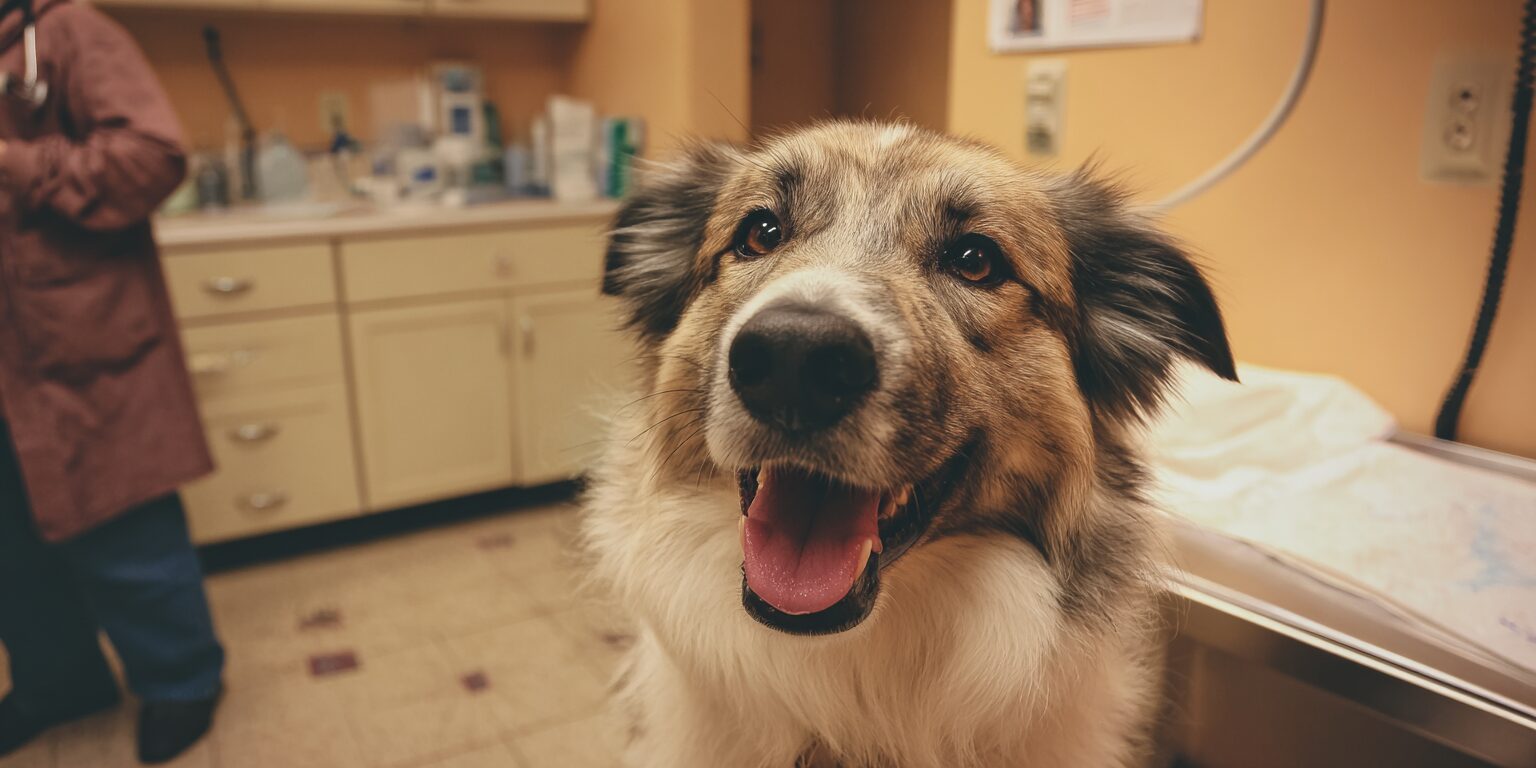
A proper treatment plan starts with an accurate diagnosis.
Your veterinarian may use a physical examination, gait assessment, range of motion testing, and x-rays to confirm hip dysplasia diagnosed in your dog. They will look at the dog’s hip joint, hip socket, femoral head, arthritis changes, joint laxity, and signs of inflammation.
Do not guess. Hip pain, limping, and difficulty rising can also come from knee injuries, back pain, muscle strain, neurologic issues, or other joint disease.
Once you know what you are dealing with, treatment gets clearer.
Step 1: Keep your dog at a healthy weight

Weight management is one of the most important parts of how to treat hip dysplasia in dogs.
Excess weight adds pressure to your dog’s joints. It can increase inflammation, worsen joint pain, and make motion difficulty more obvious. Body fat can also contribute to inflammatory changes in the body, which can make pain harder to control.
A healthy weight helps relieve pain and protect mobility.
A weight management plan may include:
- Measured meals
- Portion control
- Lower-calorie treats
- A balanced diet
- Regular weigh-ins
- Low-impact exercise
- Weight reduction if your dog is overweight
Ask your veterinarian what your dog’s ideal weight should be. A few pounds can make a real difference, especially for dogs with hip dysplasia.
Step 2: Adjust exercise without removing movement
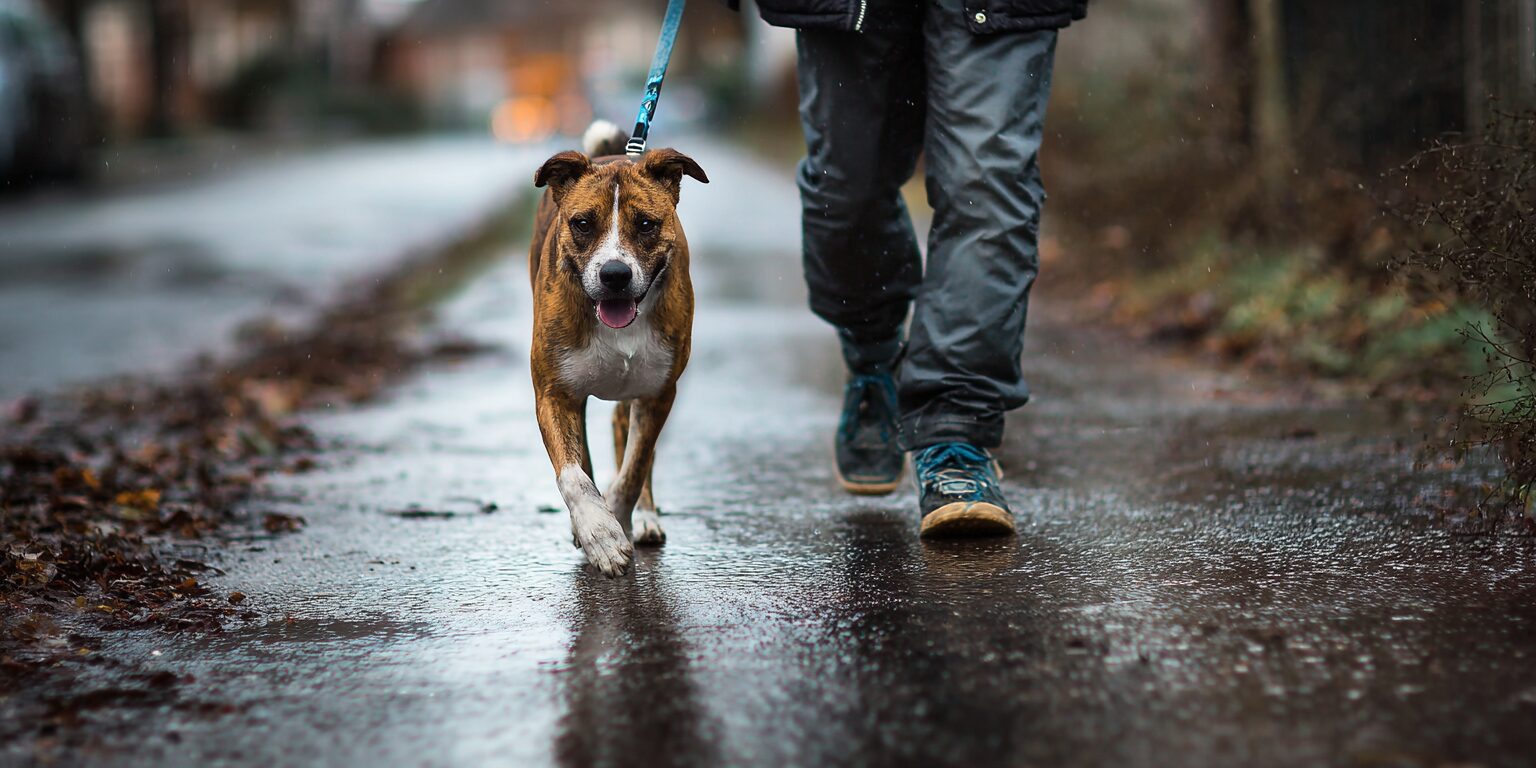
Dogs with hip dysplasia need movement. They also need smart movement.
Regular exercise can help strengthen the ligaments and muscles around the hips. Strong rear muscles can support the hip joint and help your dog move with more control. The key is choosing activity that builds strength without adding too much impact.
Good options may include:
- Short controlled walks
- Gentle hill walking if approved
- Swimming
- Hydrotherapy
- Slow leash walks on flat ground
- Soft surface walking
- Light jogging only if your vet approves
- Physical therapy exercises
Avoid high-impact activity if it worsens pain. That may include hard running, jumping, rough play, long hikes, slippery floors, and excessive exercise during flare-ups.
For large breed puppies, exercise during the growth stage needs extra care. Rapid growth, improper nutrition, and excessive exercise can increase the risk of developing hip dysplasia or worse signs in dogs with a genetic predisposition.
Step 3: Use physical therapy to build strength
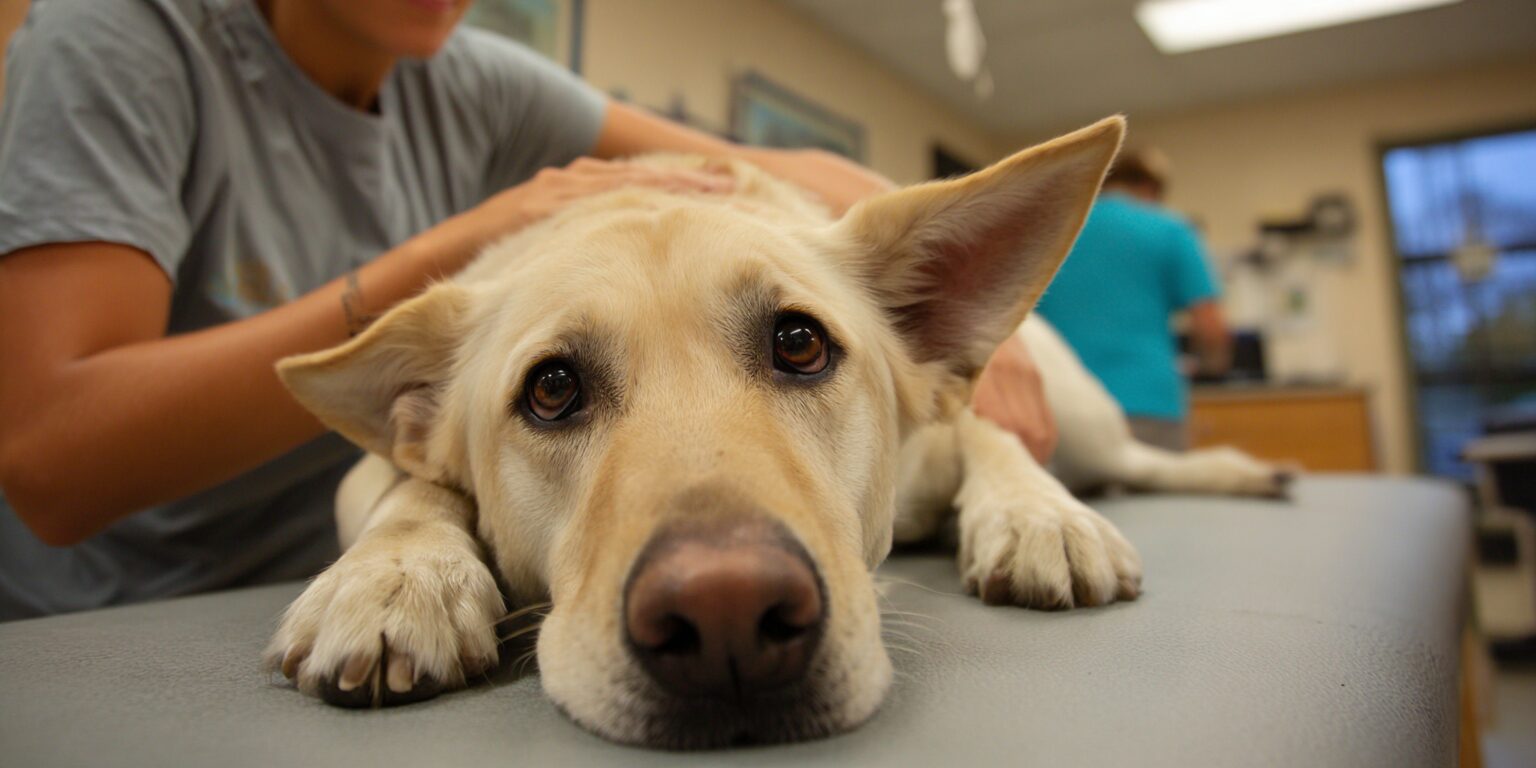
Physical therapy can help dogs with hip dysplasia improve mobility, preserve muscle, and reduce pain.
A rehab plan may include:
- Range of motion exercises
- Controlled walking
- Sit-to-stand exercises
- Balance work
- Strengthening exercises
- Hydrotherapy
- Massage
- Heat therapy when appropriate
A hot water bottle or warm towel may help loosen tight muscles and improve blood flow near the dog’s hip. Keep it warm, not hot, and do not use heat over swelling or acute inflammation unless your veterinary team approves it.
Physical therapy works best when it is consistent. Small, safe exercises done regularly can help your dog move better over time.
Step 4: Consider joint supplements
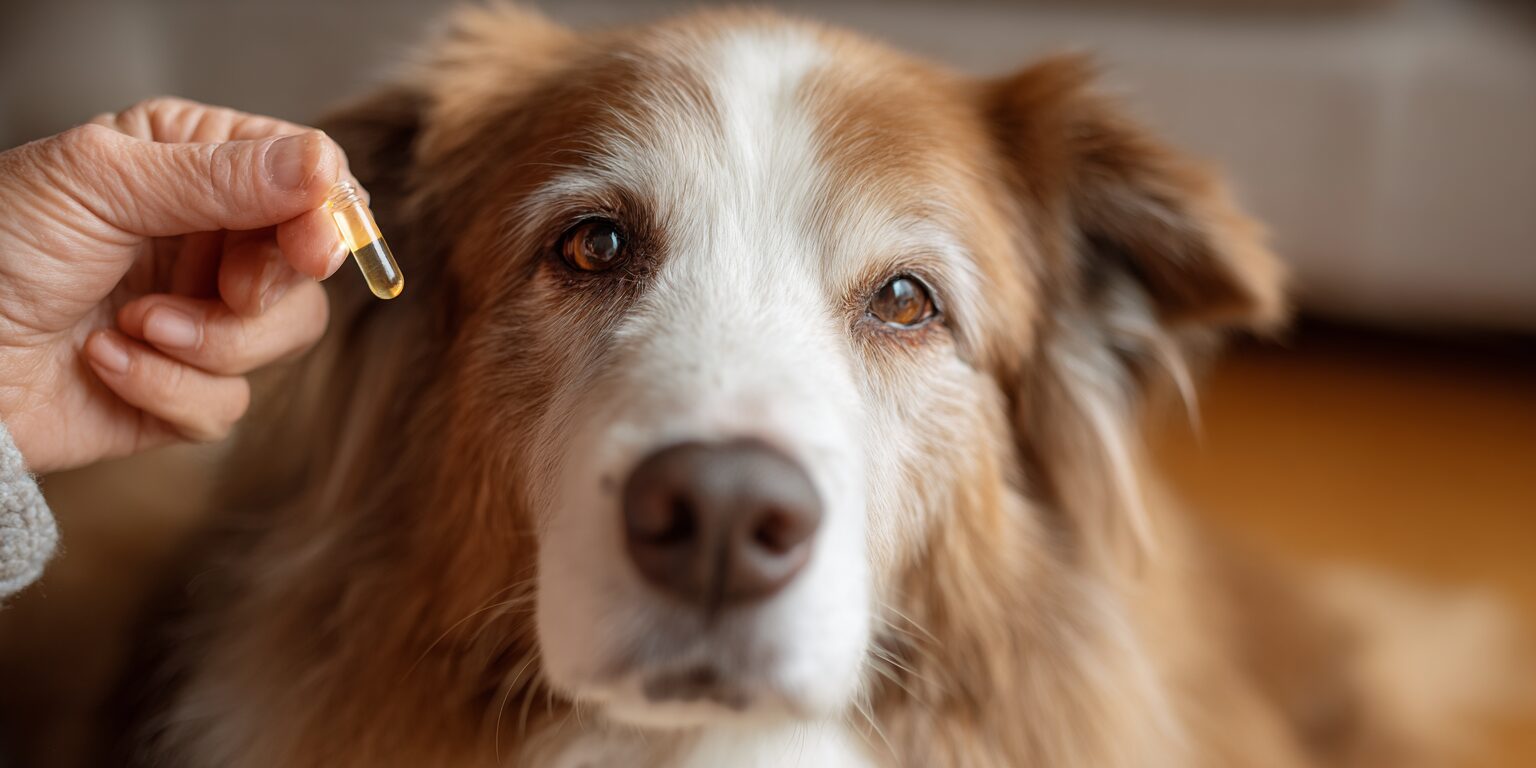
Joint supplements are often used as part of medical management for hip dysplasia.
Common ingredients include:
- Glucosamine
- Chondroitin
- Omega-3 fatty acids
- MSM, also called methylsulfonylmethane
- UC-II collagen
Glucosamine and chondroitin are naturally occurring compounds used to support cartilage, joint fluid, and joint comfort. When combined, they may help slow cartilage breakdown and support new cartilage production in dogs with joint issues.
Joint supplements do not work like fast pain medications. They support joint health over time.
Ask your veterinarian which joint supplements make sense for your dog’s age, weight, diet, and medications.
Step 5: Manage pain with your veterinarian
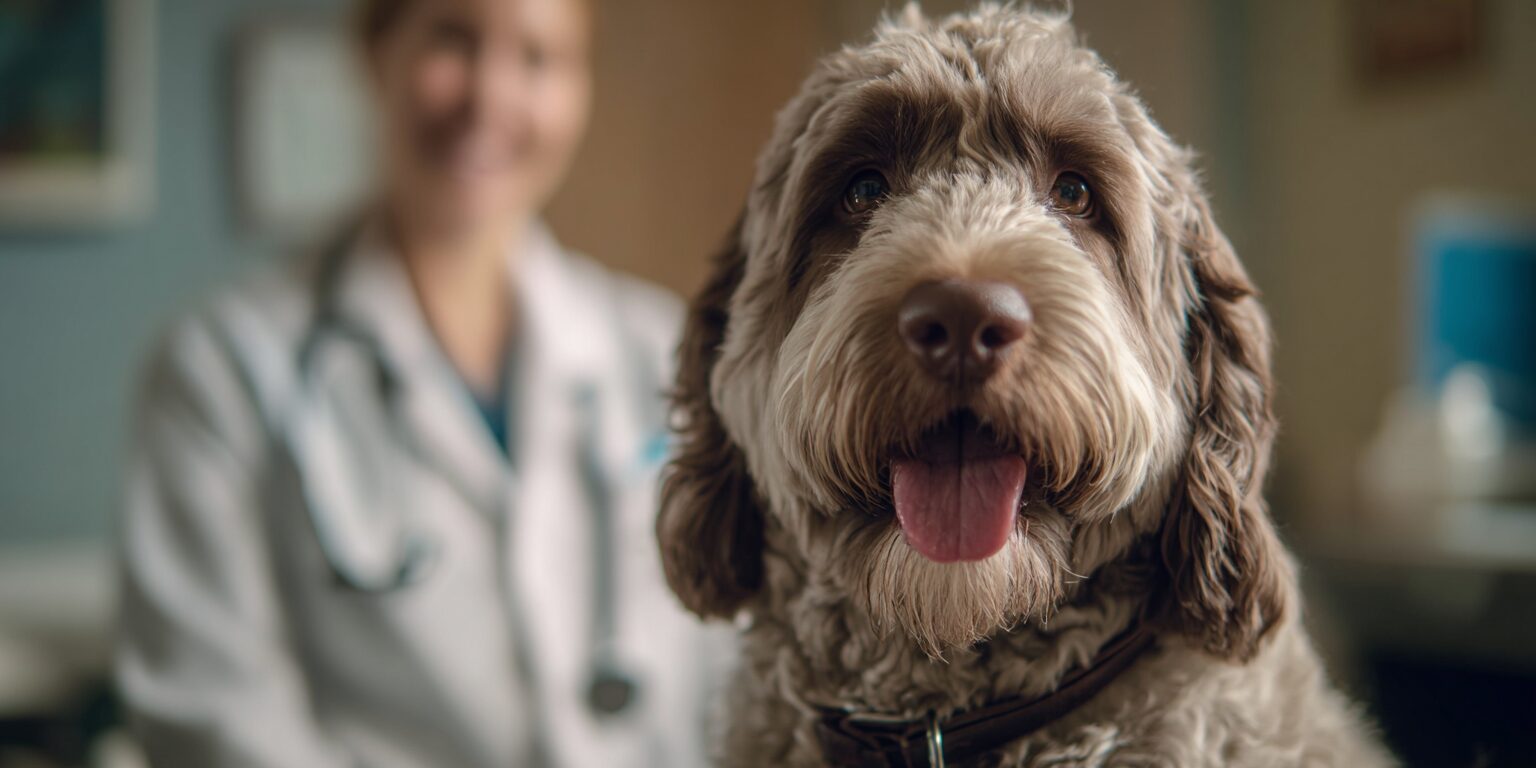
Pain management is a major part of treating canine hip dysplasia.
Many dogs need pain medications during flare-ups or as part of long-term medical management. Non-steroidal anti-inflammatory drugs, or NSAIDs, are commonly used to manage chronic pain and treat inflammation in dogs with hip dysplasia.
These medications can help decrease pain and reduce joint inflammation, but they require veterinary monitoring for side effects.
Never give human pain medication unless your veterinarian specifically prescribes it. Some human medications can be dangerous for dogs.
Pain management may also include:
- Joint supplements
- Weight control
- Physical therapy
- Red light therapy
- Exercise restriction during flare-ups
- Home changes
- In some cases, stem cells or other regenerative options
If your dog suffers from significant pain, do not wait. Pain changes movement, sleep, appetite, mood, and muscle use.
Step 6: Make the home easier to move through

Small changes at home can help your dog live with less strain.
Try this:
- Add rugs or runners over slippery floors
- Use ramps instead of stairs
- Keep food and water easy to reach
- Use a supportive bed
- Block jumping onto furniture
- Keep nails trimmed
- Help your dog avoid sudden slips
- Use a harness for support when needed
Slippery floors can make dogs tense their muscles and move awkwardly. That can make hip pain worse.
Step 7: Know when surgery is recommended
Surgery may be recommended when hip dysplasia causes severe pain, poor mobility, or progressive joint damage. It may also be recommended early in young dogs to prevent hip dysplasia from causing future arthritis.
Surgical options may include:
Juvenile Pubic Symphysiodesis
Juvenile Pubic Symphysiodesis, or JPS, is a preventative surgical procedure for young puppies. It helps improve hip joint fit as the dog grows.
Triple Pelvic Osteotomy
Triple pelvic osteotomy is used in young dogs before advanced arthritis develops. It changes the position of the pelvic bone to improve how the femoral head sits in the hip socket.
Total Hip Replacement
Total hip replacement removes the damaged dog’s hip joint and replaces it with an artificial joint. This can significantly improve mobility and relieve pain in the right candidate.
Femoral Head Ostectomy
Femoral head ostectomy removes the femoral head. The body then forms a false joint with scar tissue. This option is often used for smaller dogs, though some larger dogs may also be candidates.
Your veterinary surgeon can help you compare surgical procedures based on your dog’s age, size, pain level, x-rays, activity level, and overall pet’s health.
How red light therapy supports hip dysplasia treatment
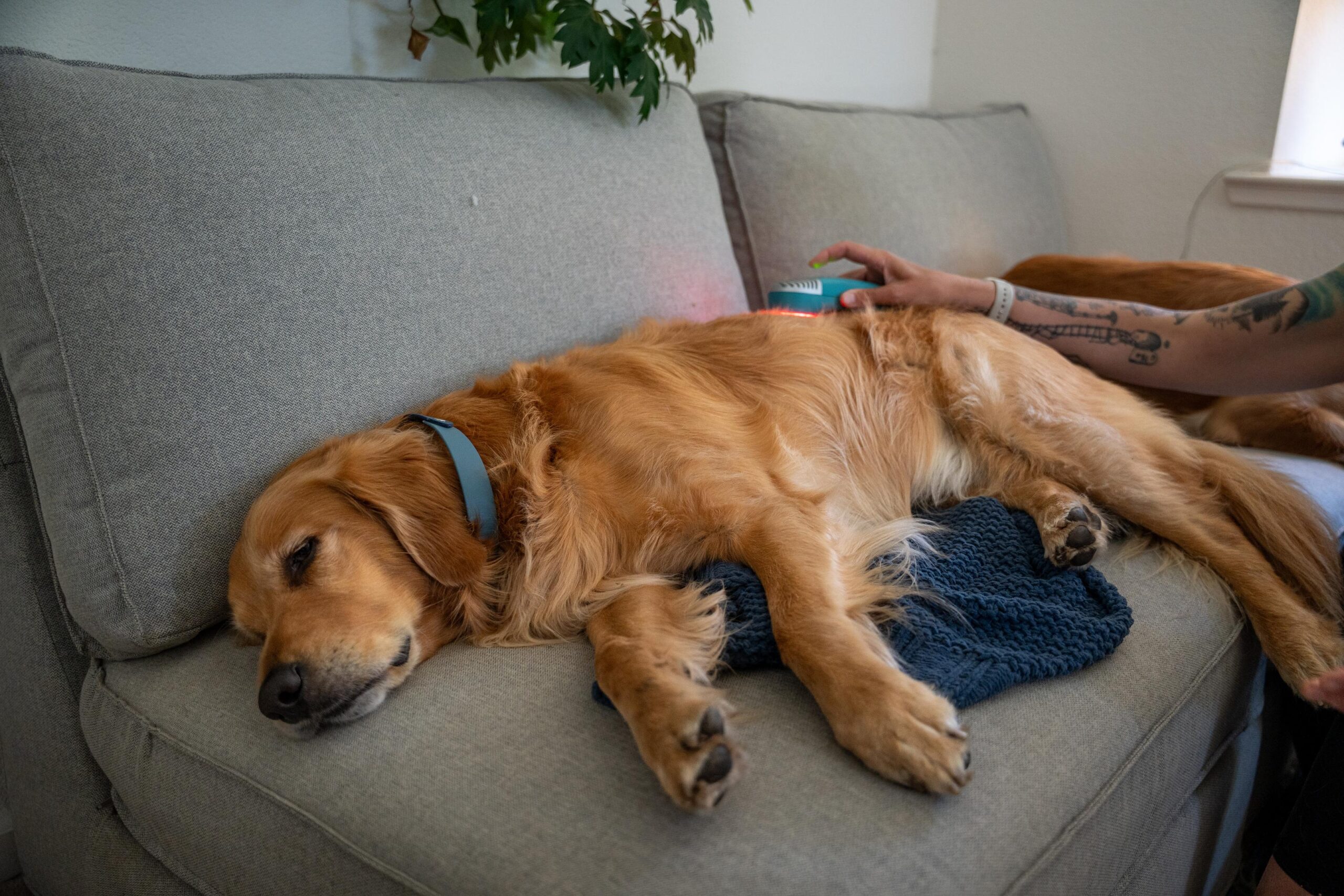
Photobiomodulation, or PBM, also called red light therapy, low-level laser therapy, LED therapy, cold laser, and near-infrared therapy, refers to the same therapeutic category using light energy to influence cellular biology.
Red light therapy can help treat hip dysplasia symptoms by supporting pain relief, reducing inflammation, improving local circulation, and supporting muscle comfort around the affected area.
Learn more here: Science of Red Light Therapy.
Red light therapy does not reshape the hip socket or correct the structure of the hip joint. It supports the tissues around the joint, helps manage joint pain, and may make movement easier.
For dogs with hip dysplasia, that can mean more comfortable walks, less stiffness, and better tolerance for physical therapy.
Why Luma is helpful for dogs with hip dysplasia
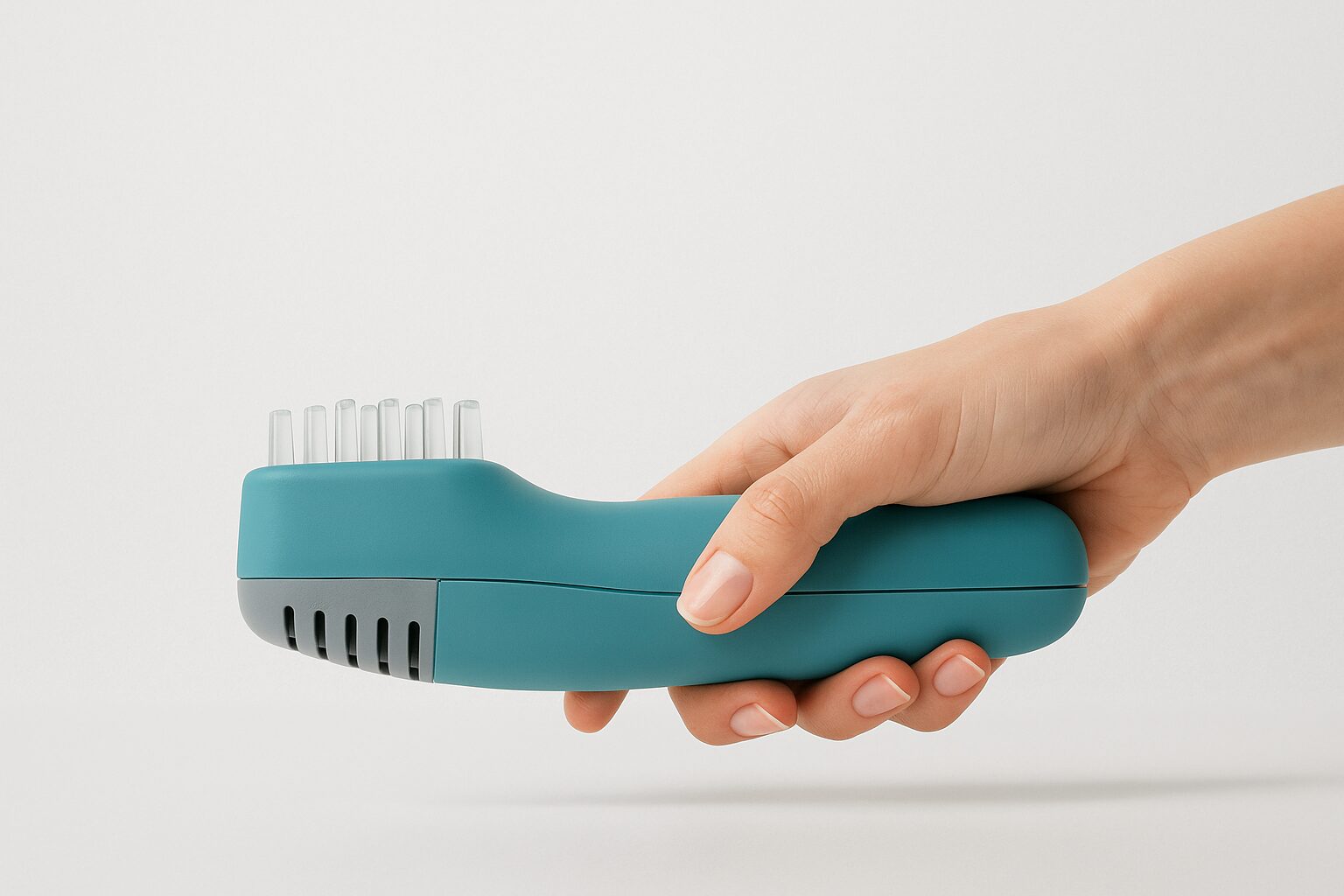
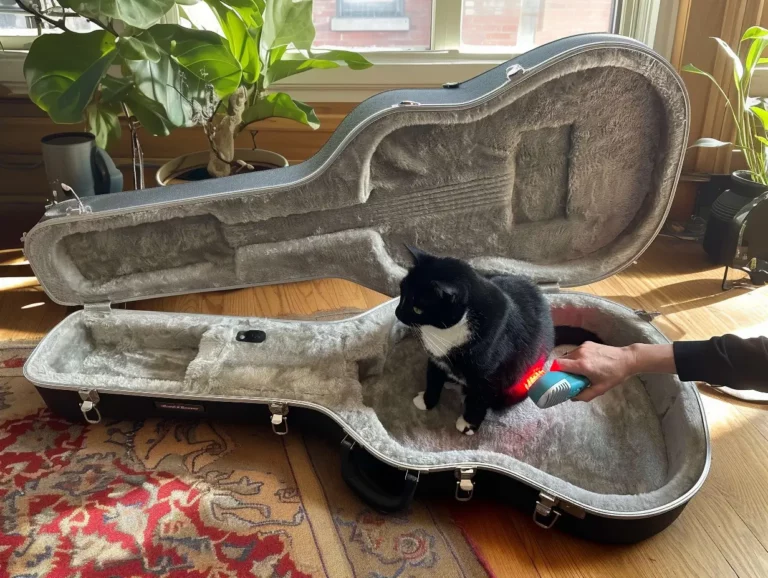
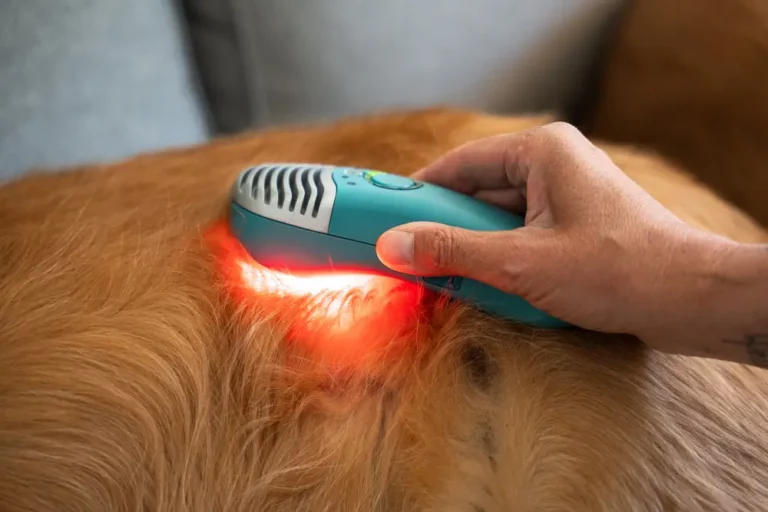
The MedcoVet Luma gives dog owners a way to support hip comfort at home.
Luma uses red and near-infrared light to support inflammation control, circulation, and comfort around the dog’s hip. It is non invasive, drug free, and designed for at-home use with clinician guidance.
That matters for chronic joint disease.
Hip dysplasia often needs a long-term plan. Luma can fit alongside weight management, physical therapy, low-impact exercise, joint supplements, and veterinary care.
Luma may help support:
- Reduced hip pain
- Improved mobility
- Better comfort after activity
- Less stiffness after rest
- Support for physical therapy
- Long-term joint health
- Comfort after hip dysplasia surgery
Luma can also be helpful after surgical intervention, including procedures used to address hip dysplasia, because red light therapy supports tissue repair, inflammation control, and comfort during the healing process.
Read more here: Red Light Therapy for Pets with Hip and Elbow Dysplasia.
For broader guidance, visit Red Light Therapy for Dogs.
Want to know if Luma fits your dog’s treatment plan?
Gideon
What Pet Parents Report After Using Luma
Dogs with hip dysplasia often need long-term support for pain, stiffness, inflammation, and mobility. Luma gives pet parents a way to support their dog at home between vet visits, physical therapy sessions, and daily routines.
Here is what pet parents have shared.
Want help deciding if Luma fits your dog’s treatment plan?
Matilda
Can you prevent hip dysplasia?
You cannot prevent every case. Hip dysplasia is strongly tied to genetic predisposition, and many large breed dogs inherit the risk.
You can reduce risk and support healthy development.
To help prevent hip dysplasia:
- Choose breeders who screen for hip dysplasia
- Feed large breed puppies a diet made for large-breed growth
- Continue appropriate large-breed puppy nutrition until at least 12 to 18 months
- Avoid rapid growth and excess weight gain
- Avoid excessive exercise during the growth stage
- Maintain a healthy weight
- Ask your vet about joint supplements for high-risk dogs
- Schedule regular veterinary check-ups
Early diagnosis gives young dogs more options. That can make a major difference in the dog’s quality of life.
MedcoVet’s clinical view on treating hip dysplasia
MedcoVet focuses on photobiomodulation protocols for dogs with hip dysplasia, elbow dysplasia, arthritis, pain, mobility issues, and surgery recovery.
Our clinical approach considers pain pattern, tissue depth, coat type, movement loss, activity level, home environment, and the dog’s full treatment plan.
Hip dysplasia treatment works best when the plan is complete: accurate diagnosis, healthy weight, proper nutrition, low-impact exercise, physical therapy, pain management, joint support, and at-home care.
Red light therapy is one part of that plan. For the right dog, it can be a powerful support tool.
Questions dog owners ask about treating hip dysplasia
Clinical summary
Mechanism:
Hip dysplasia is a developmental joint disease involving poor fit between the femoral head and hip socket. Joint instability causes inflammation, pain, cartilage wear, arthritis, muscle loss, and reduced mobility. Treatment aims to reduce joint stress, control pain, preserve muscle, improve movement, and slow progression.
Evidence level:
Strong for weight management, controlled exercise, physical therapy, pain medications, and surgical treatment in selected dogs. Moderate support exists for joint supplements and photobiomodulation as part of a multimodal plan for pain relief and inflammation control.
When it works best:
Medical management works best for mild to moderate hip dysplasia, older dogs with manageable symptoms, and dogs where surgery is not the preferred choice. Surgery works best for severe pain, poor mobility, or young dogs who qualify for early correction. Red light therapy works best when inflammation, stiffness, muscle strain, or pain are present.
When not to use:
Do not use red light therapy over a known or suspected tumor, untreated infection, open wound, or unexplained severe pain without veterinary guidance. Dogs with sudden lameness, severe pain, or rapidly worsening mobility need veterinary evaluation.
Help your dog move with less pain
How to treat hip dysplasia in dogs starts with a clear diagnosis and a plan that fits your dog’s life.
That plan may include weight management, physical therapy, pain medications, joint supplements, red light therapy, and/or surgery. The right mix depends on your dog.
Help your dog move with less pain
How to treat hip dysplasia in dogs starts with a clear diagnosis and a plan that fits your dog’s life.
That plan may include weight management, physical therapy, pain medications, joint supplements, red light therapy, and/or surgery. The right mix depends on your dog.
Is red light therapy right for your dog?
Want help thinking through your dog’s options?
Lucy
Evidence Citations
🐾 Ready to Take the Next Step?
Whether you’re just learning or ready to act — we’ve got you.
👉 Book a Free Consult
Talk to a licensed clinician about your pet’s condition and get a personalized plan. No pressure, just real help.
👉Learn More About the Luma
Explore how our at-home red light therapy device works, why it’s different, and what it can do for your pet.

About the Author
Alon Landa is the CEO and co-founder of MedcoVet, a leader in at-home red light therapy for pets. With over 20 years of experience in medical technology and firsthand involvement in developing the Luma, Alon combines deep technical knowledge with a passion for improving pet health. He regularly collaborates with veterinarians and pet parents to advance photobiomodulation (PBM) care at home.
📍 Based in Boston, MA
📖Read more from Alon here

About the Medical Reviewer
Clinical Focus: Surgery, anesthesia, canine fitness, injury prevention, agility
Kristy Williams brings over 30 years of experience to the veterinary field. Her career began in the 1990s, working as a civilian for the Army Veterinary Corps at RAF Feltwell in England, where she first discovered her passion for animal care and supporting their families. Upon returning to the United States, Kristy pursued her education and graduated in 2005 as a certified veterinary technician after passing the national exam. She has since gained extensive experience in both general practice and emergency/referral practices.
Read More about Kristy here.