What Does Hip Dysplasia Look Like in Dogs?
How to recognize the way hip dysplasia changes movement, posture, comfort, and daily behavior
Noticing changes in how your dog moves?
Talk with a MedcoVet clinician about your dog’s stiffness, bunny hopping, hip pain, or trouble standing.
Medically reviewed by: Kristy Williams, CVT, CCFT (Specialties: Pet rehabilitation, pain management, photobiomodulation)
Reviewed: May 2026
Updated: May 2026
What does hip dysplasia look like in dogs?
Hip dysplasia in dogs often looks like stiffness, limping, bunny hopping, difficulty rising, reluctance to climb stairs, and weakness in the hind legs. Some dogs also lose muscle in the rear limbs while the shoulder muscles become larger because they shift more weight forward. Signs can appear in young dogs around 6 to 12 months old or develop later in older dogs as osteoarthritis progresses.
If your dog is showing changes in mobility, comfort, or behavior:
Want help thinking through what your dog’s symptoms could mean?
Lucy
Hip dysplasia can look subtle at first
Canine hip dysplasia is a developmental condition where the dog’s hip joint does not fit together correctly. The hip is a ball and socket joint. The femoral head, which is the ball at the top of the thigh bone (femur), should sit smoothly inside the hip socket in the pelvic bone.
When both the ball and socket do not align well, the dog’s hip joint becomes loose or unstable. That joint looseness is called joint laxity. Over time, joint instability can cause inflammation, pain, bone spurs, degenerative joint disease, muscle atrophy, and reduced joint function.
At first, a dog owner may notice something small.
A slower rise from the floor.
A skipped jump onto the couch.
A strange hop on the stairs.
A walk that looks just a little off.
Those early signs of hip dysplasia matter because early diagnosis and early intervention can give your dog more treatment options.
The most common visual signs of hip dysplasia
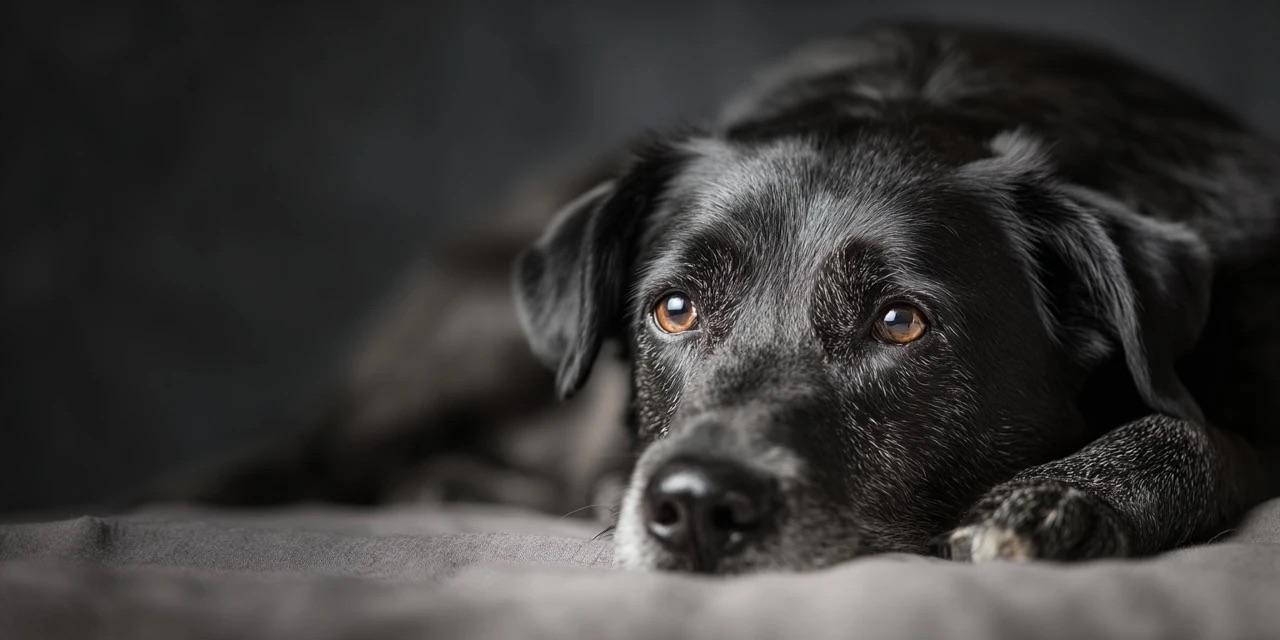
The signs of hip dysplasia can vary based on the dog’s age, pain level, hip joint structure, muscle mass, and how much arthritis is already present. Some affected dogs have mild clinical signs. Others have severe pain and clear mobility issues.
Common signs of hip dysplasia include:
- Bunny hopping
- Difficulty rising from lying down
- Stiffness, especially in the morning
- Limping without a clear injury
- Chronic or occasional lameness
- Reluctance to climb stairs
- Reluctance to jump into the car
- Trouble getting on or off furniture
- Swaying gait
- Reduced range of motion
- Muscle atrophy in the hind limbs
- Larger shoulder muscles
- Pain when the hips or lower back are touched
- Decreased activity
- Irritability or withdrawal
Bunny hopping is one of the signs pet parents often notice first. It means the dog uses both back legs together instead of moving the hind legs separately, especially when running or climbing stairs.
What hip dysplasia looks like when a dog stands up
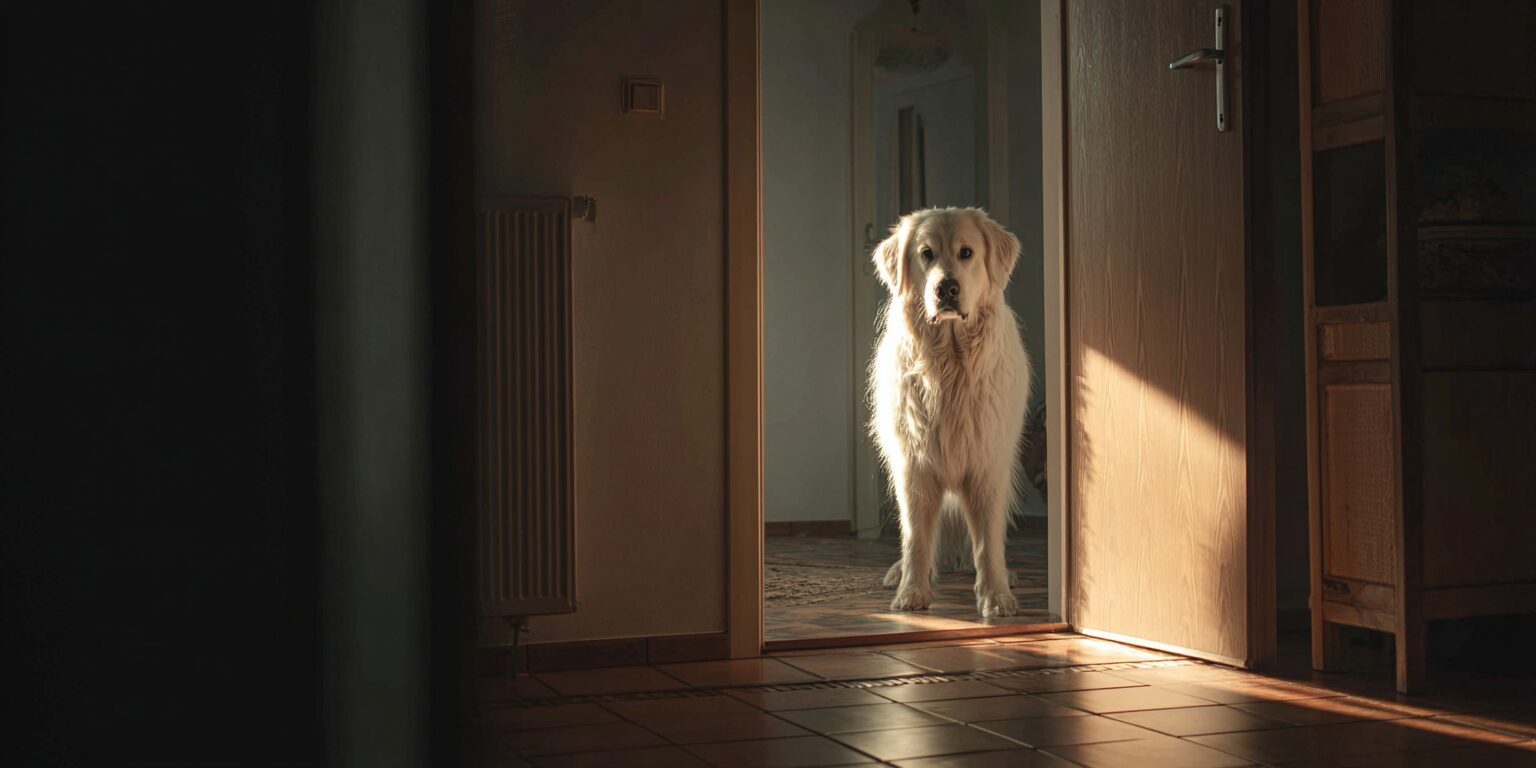
Dogs with hip dysplasia often struggle standing most after rest. You may see your dog push up slowly from the front legs first, then drag the hind end up after.
It can look awkward.
Some dogs rock forward before standing. Others pause halfway up. Many dogs look stiff for the first few steps, then loosen slightly after moving around.
That pattern is common. Stiffness may improve a little once your dog warms up, then worsen again after exercise or activity.
Watch for:
- Slow rising in the morning
- Hesitation before standing
- Hind legs tucked awkwardly under the body
- Weight shifting toward the front legs
- Short, stiff first steps
- Avoiding hard floors or slippery surfaces
Slippery floors can make the problem look worse because dogs with joint instability may tense their body to avoid falling.
What hip dysplasia looks like during walks
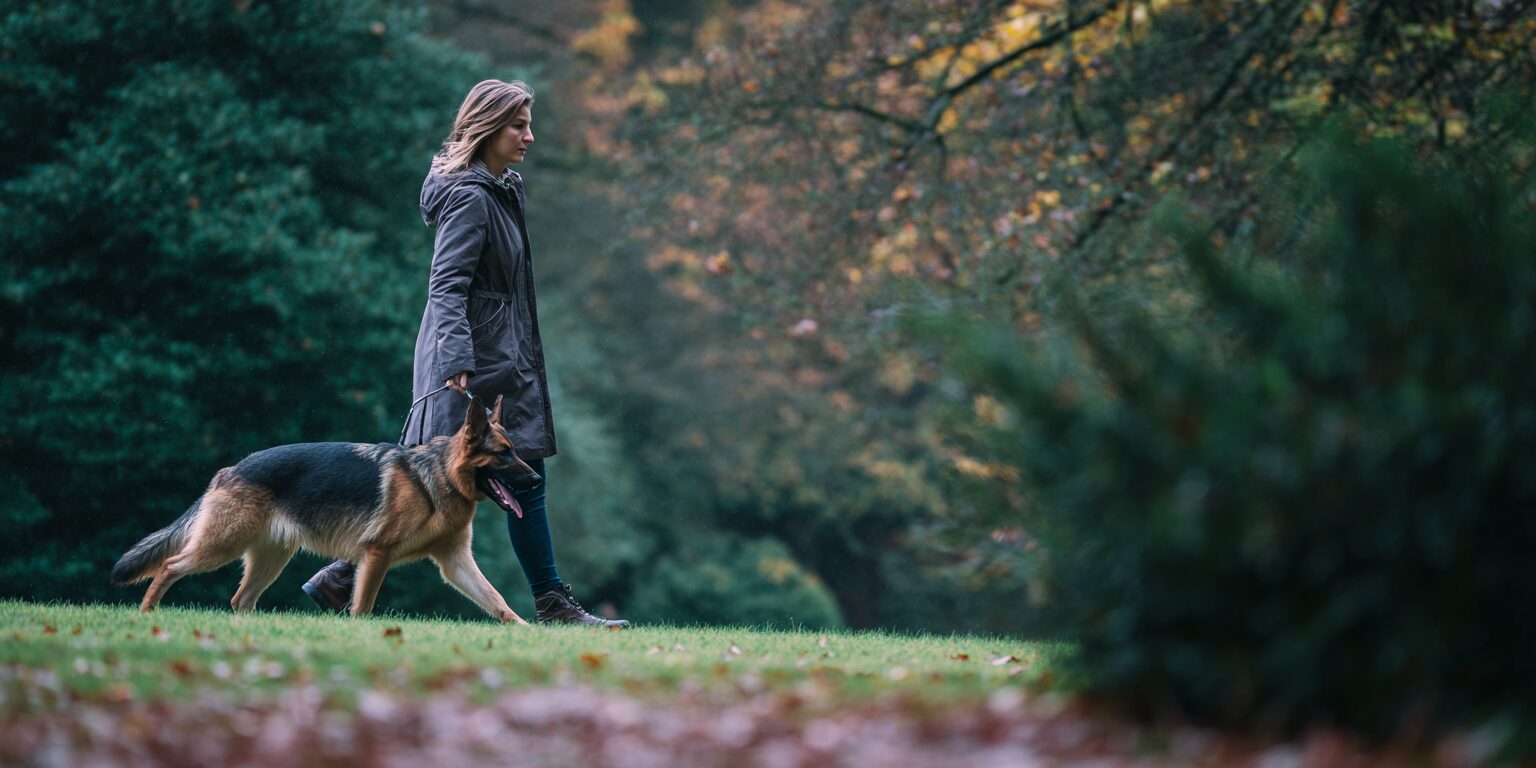
On walks, hip dysplasia may show up as a change in your dog’s gait. Some dogs take shorter steps with the back legs. Others sway through the hind end.
You may notice:
- Limping that comes and goes
- A rolling or swaying back-end movement
- Short steps behind
- Bunny hopping when moving faster
- Reluctance to continue walking
- Sitting down during walks
- Stiffness after rest breaks
- Trouble turning tightly
- Reduced interest in longer walks
A dog’s hips do a lot of work. When the hip joint is painful or unstable, the body finds shortcuts.
Some dogs shift more weight to the front end. Over time, the shoulder muscles may become larger while the rear muscles shrink. Muscle atrophy in the hind legs is one of the clearer signs that your dog has been protecting the hips for a while.
What hip dysplasia looks like on stairs
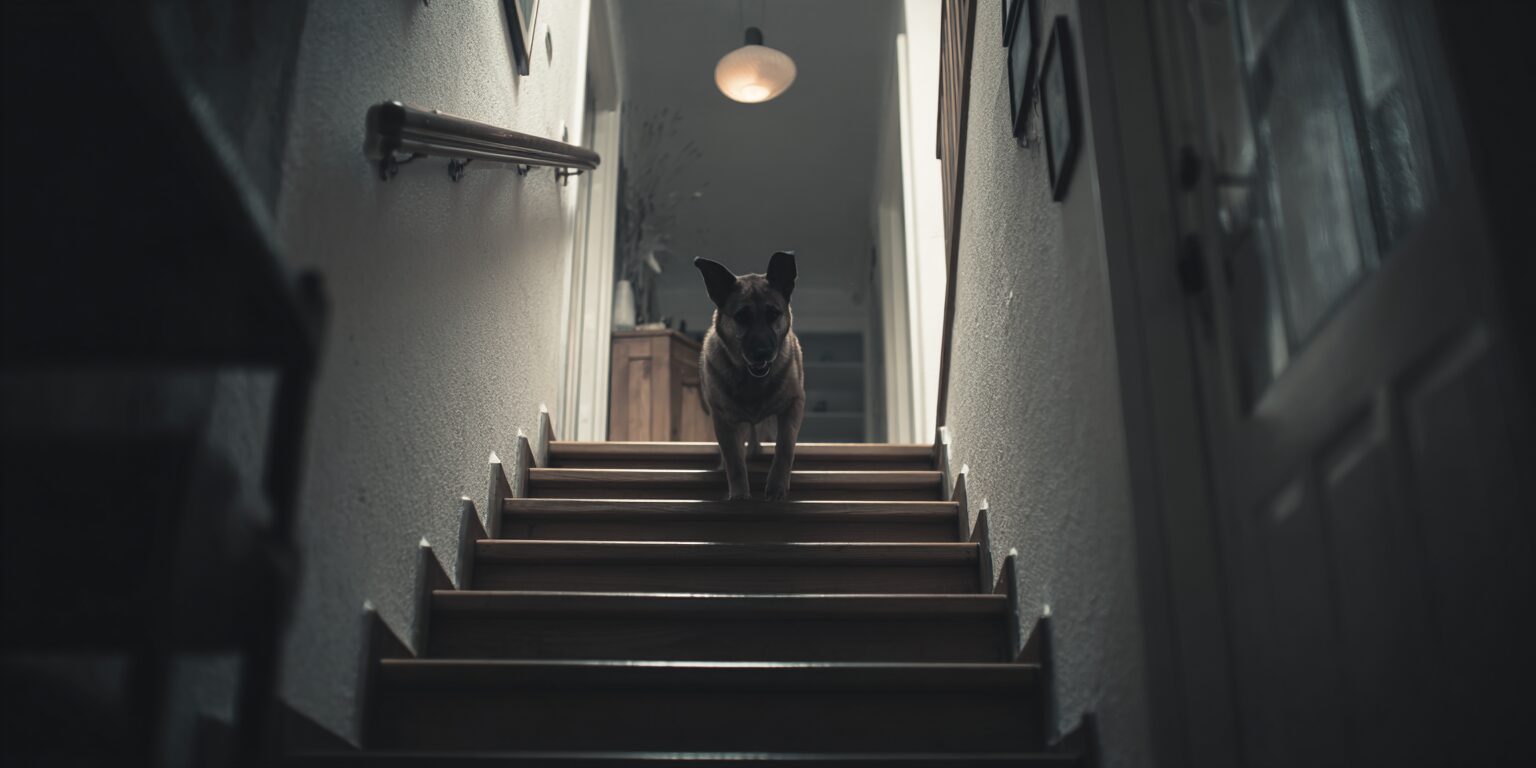
Stairs can make hip dysplasia easier to see.
Dogs with hip dysplasia may climb stairs by moving both back legs together. They may pause before going up. They may avoid stairs completely.
You might see:
- Bunny hopping on stairs
- Pulling with the front legs
- Weak push from the hind legs
- Hesitation at the bottom of the stairs
- Refusal to go up or down
- Slipping or scrambling
- Needing help to climb stairs
A dog with normal hips usually uses a smoother alternating pattern. A dog with pain and mobility issues often chooses a movement pattern that reduces pressure on the dog’s hip.
What hip dysplasia looks like when touched
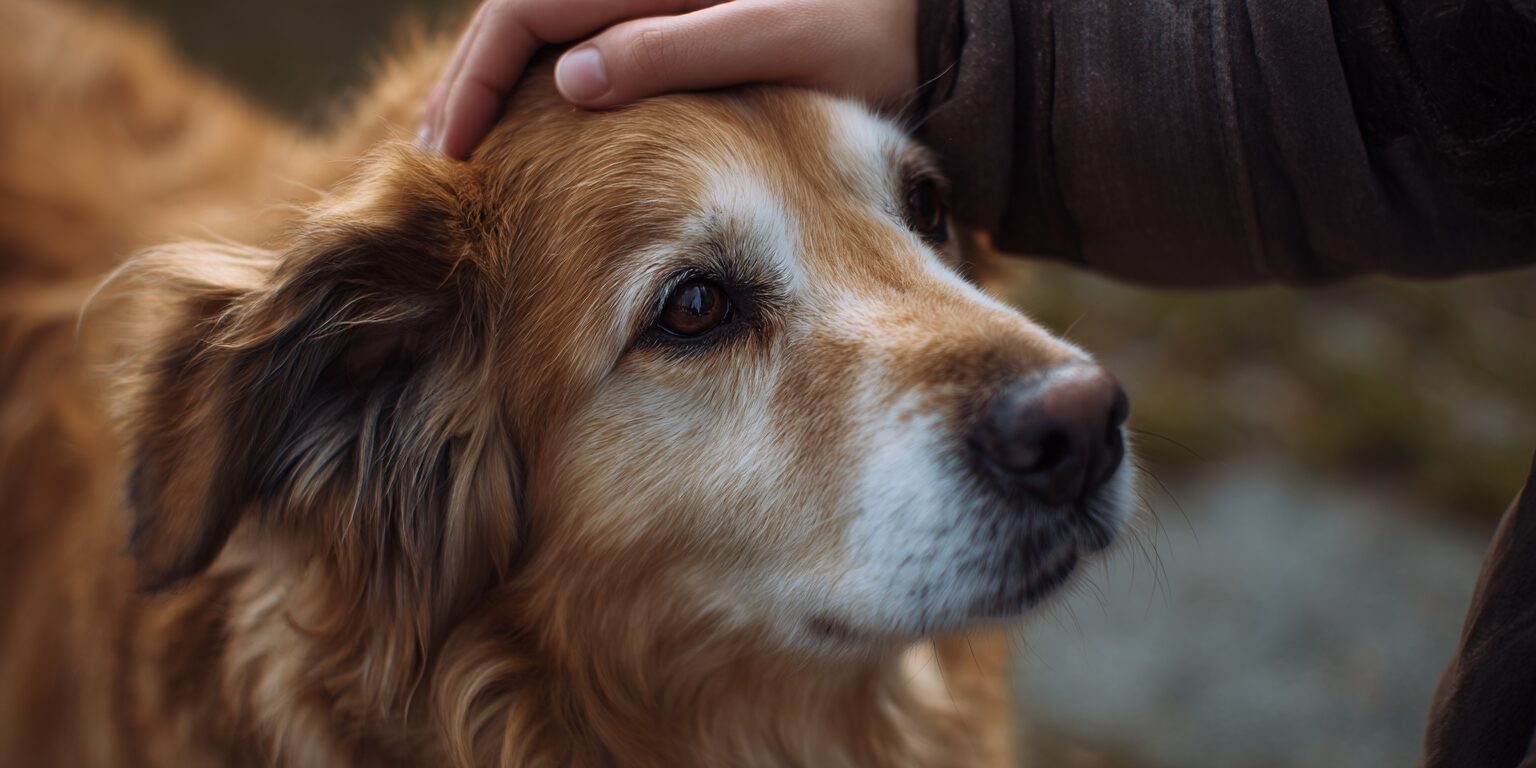
Some dogs with hip dysplasia become sensitive around the lower back, hips, or hind end.
Your dog may:
- Flinch
- Pull away
- Turn their head quickly
- Tense their body
- Sit down suddenly
- Growl or snap
- Avoid being brushed near the hips
- Resist being lifted or handled
Pain can change behavior. Chronic pain from hip dysplasia can lead to irritability, anxiety, lower activity, and withdrawal from social interaction. Behavioral shifts can be the first indicators of discomfort, especially when a dog stops doing movements or commands they used to do easily.
What hip dysplasia can sound like
Sometimes hip dysplasia has audible cues.
You may hear:
- Clicking
- Popping
- Grating
- Clunking
These sounds may come from the hip joints during movement. A sound alone does not diagnose hip dysplasia, but clicking or popping paired with stiffness, limping, bunny hopping, or pain deserves a veterinary exam.
Which dogs are most likely to show hip dysplasia?
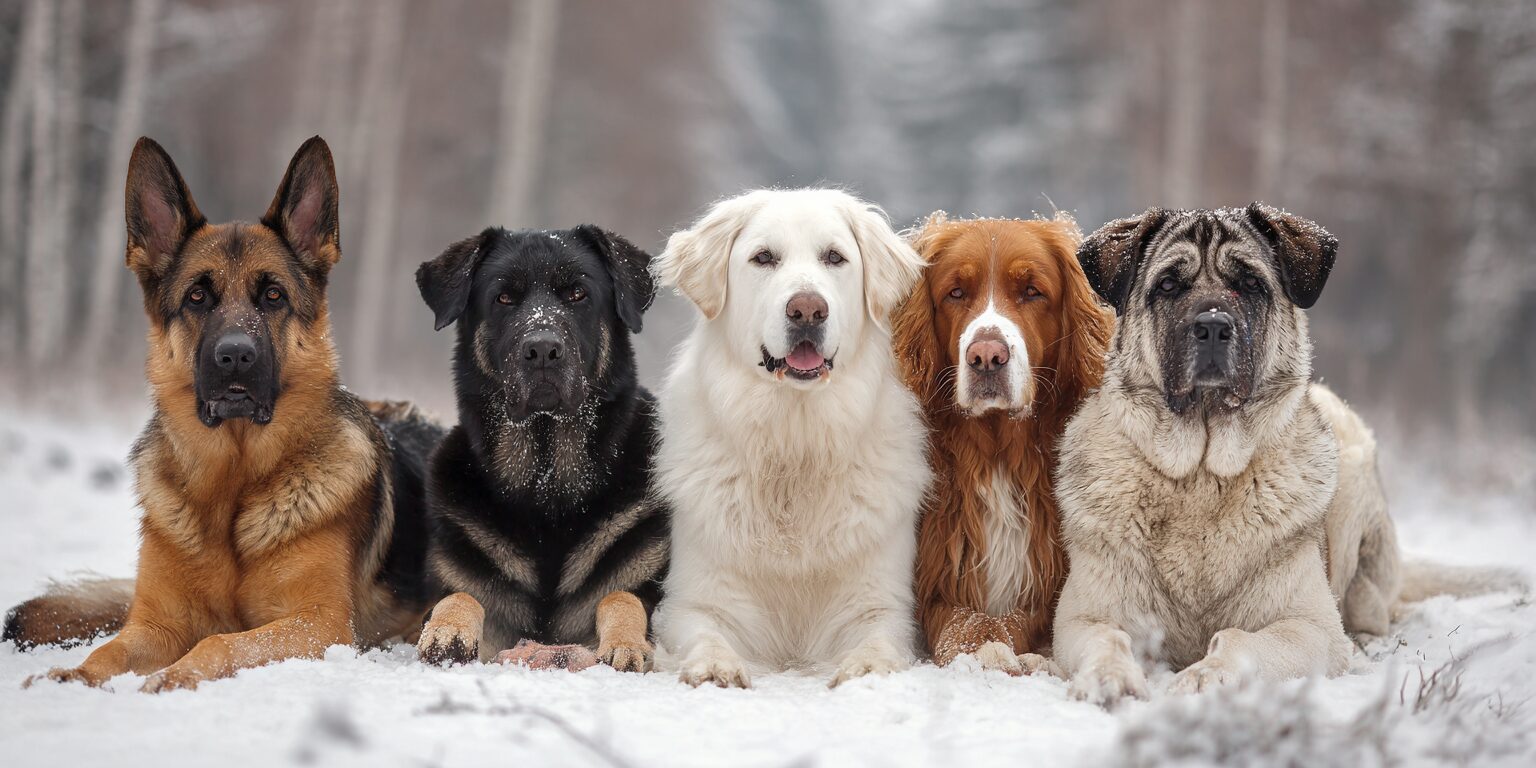
Large breed dogs and giant breed dogs have a higher risk of developing hip dysplasia. Breeds commonly associated with canine hip dysplasia include German Shepherds, Labrador Retrievers, Golden Retrievers, Great Danes, Rottweilers, Saint Bernards, and other large and giant breeds.
Genetic predisposition is a major factor. Hip dysplasia is often inherited from a dog’s parents, which is why responsible breeding and screening are so important.
Environmental factors can also increase a dog’s risk, including:
- Rapid growth
- Improper nutrition
- Excessive exercise during growth
- Excess weight
- Poor muscle development
- High-impact activity during puppyhood
Rapid growth in large and giant breeds can increase joint instability because bone growth and muscle development may not stay balanced. Improper nutrition, including excessive calories or unbalanced diets during growth, can also increase risk.
How veterinarians diagnose hip dysplasia
Diagnosing hip dysplasia usually starts with a physical exam. Your veterinarian may assess gait, muscle mass, range of motion, hip pain, joint looseness, and how your dog reacts when the hip joint is moved.
Your vet may also perform an Ortolani Test to assess joint laxity. X rays are commonly used to confirm the degree of joint looseness, check the hip socket, assess the femoral head, and look for arthritis or bone spurs.
In some cases, your veterinarian may refer you to a board certified veterinary surgeon, especially if surgical procedures are being considered.
How hip dysplasia is managed
Managing hip dysplasia depends on your dog’s age, joint health, pain level, activity, x rays, and whether there is minimal arthritis or more advanced degenerative joint disease.
Medical management often combines:
- Weight management
- Physical therapy
- Exercise restriction when needed
- Joint supplements
- Pain medications
- Nonsteroidal anti inflammatory drugs
- Anti inflammatory medications
- Joint fluid modifiers
- Red light therapy
- Lifestyle changes
Weight management is critical. Overweight dogs place more stress on the hip joint, which can worsen pain and mobility issues. Keeping your dog at a healthy weight helps protect joint function and supports a better quality of life.
Some dogs also benefit from acupuncture, stem cell therapies, physical therapy, and other complementary care alongside medical management or surgery.
Surgical options for hip dysplasia
Several surgical procedures may be considered for dogs with hip dysplasia, depending on age, severity, arthritis, and medical or financial reasons.
Options include:
- Juvenile pubic symphysiodesis for puppies under 18 weeks
- Triple pelvic osteotomy for young dogs, often under 10 months
- Total hip replacement for adult dogs
- Femoral head ostectomy for selected dogs
Total hip replacement is often considered the most effective surgical treatment because it replaces the entire joint with metal and plastic implants to restore more normal joint function and alleviate pain. Femoral head ostectomy removes the femoral head of the hip joint and allows the body to form a false joint, which can reduce pain for some dogs.
How red light therapy supports dogs with hip dysplasia
Photobiomodulation, or PBM, also called red light therapy, low-level laser therapy, LED therapy, cold laser, and near-infrared therapy, refers to the same therapeutic category using light energy to influence cellular biology.
Red light therapy can support dogs with hip dysplasia by helping reduce inflammation, support blood flow, calm pain, and improve comfort around the dog’s hip joint. It does not change the shape of the hip socket or femoral head. It supports the painful tissues around the joint.
Learn more here: Science of Red Light Therapy.
For a deeper dysplasia guide, visit Red Light Therapy for Pets with Hip and Elbow Dysplasia.
Why Luma is helpful for hip dysplasia
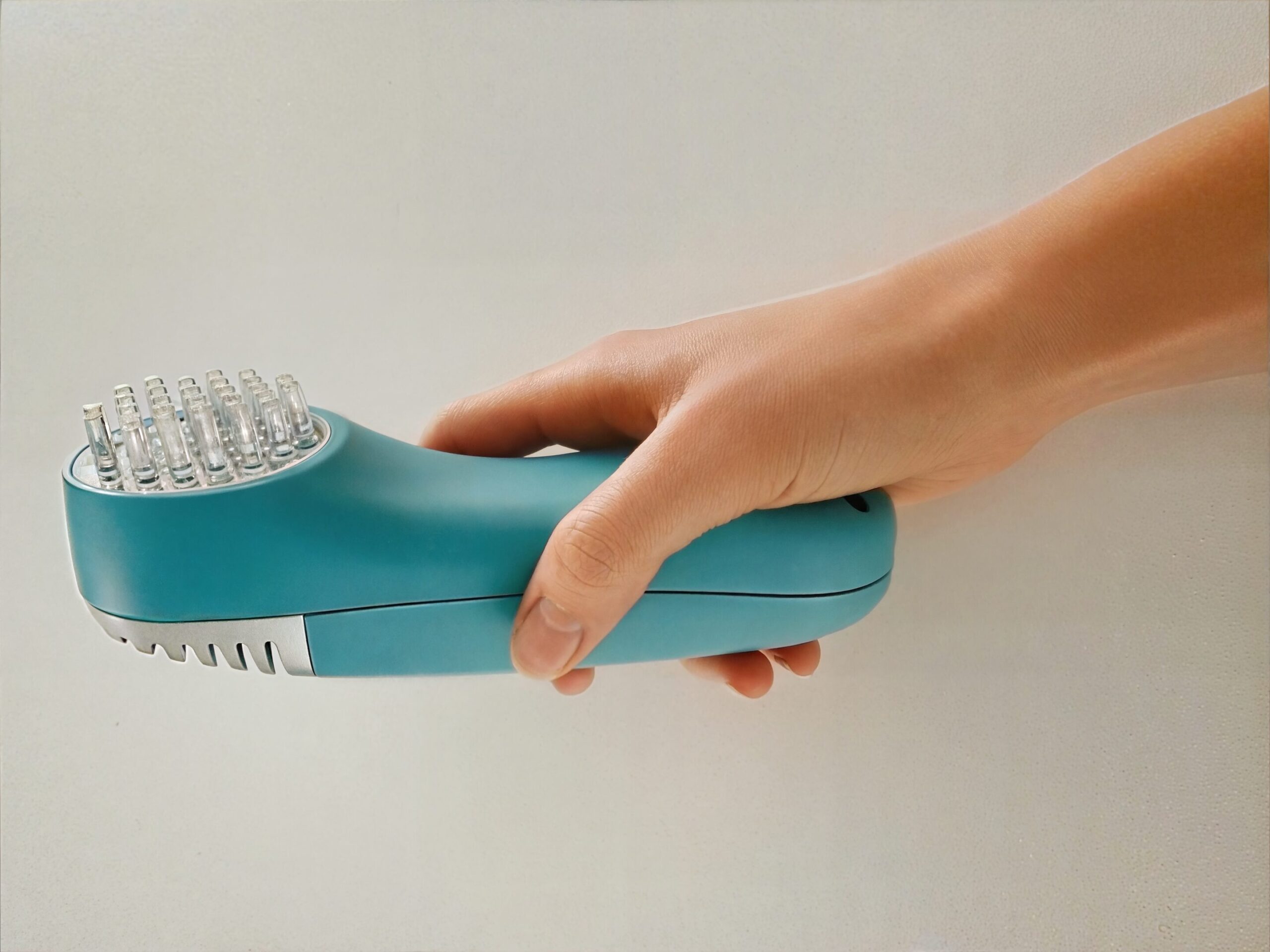
The MedcoVet Luma gives pet parents a way to support mobility and comfort at home.
Luma uses red and near-infrared light to support inflammation control, circulation, and tissue comfort around the affected limb and hip area. It is non invasive, drug free, and designed for home use with clinician guidance.
For dogs with hip dysplasia, consistent support matters.
Luma may help support:
- Reduced hip pain
- Better comfort after walks
- Improved mobility
- Less stiffness after rest
- Better tolerance for physical therapy
- Support for joint health
- Comfort after hip dysplasia surgery
It can also support recovery after surgery, including femoral head ostectomy or total hip replacement, because red light therapy supports tissue repair, inflammation control, and comfort during healing.
For broader guidance, visit Red Light Therapy for Dogs.
Want to know if Luma is right for your dog’s symptoms?
Sprite
Real Dogs, Real Mobility Wins
Hip dysplasia can look different from dog to dog. Some dogs struggle to stand. Some start avoiding stairs. Some still want to move, but their hips cannot keep up.
These dogs had one thing in common: their pet parents wanted a way to support comfort and mobility at home.
Want to know if Luma could help your dog move more comfortably?
Ella
Can you help prevent hip dysplasia?
You cannot prevent every case of hip dysplasia. Genetics plays a major role.
You can reduce your dog’s risk by:
- Choosing a reputable breeder who screens for hip dysplasia
- Feeding large-breed puppy food until at least 12 to 18 months
- Avoiding rapid weight gain
- Avoiding excessive exercise during the growth phase
- Keeping your dog at a healthy weight
- Supporting muscle development safely
- Getting early veterinary care when signs appear
Healthy hips start with good breeding, proper nutrition, safe growth, and weight control.
MedcoVet’s clinical view on hip dysplasia signs
MedcoVet focuses on photobiomodulation protocols for dogs with hip dysplasia, elbow dysplasia, arthritis, pain, surgery recovery, and mobility issues.
Our clinical approach considers the whole dog: hip joint structure, pain pattern, muscle atrophy, shoulder compensation, coat type, movement habits, home environment, and current treatment plan.
Hip dysplasia often shows up through movement before it shows up through obvious pain. A careful eye can catch the difference.
Questions pet parents ask about what hip dysplasia looks like
Clinical summary
Mechanism:
Hip dysplasia is a developmental orthopedic disease involving poor fit between the femoral head and hip socket. Joint laxity causes abnormal movement in the ball and socket joint, leading to inflammation, cartilage wear, bone spurs, degenerative joint disease, pain, and reduced mobility.
Evidence level:
Diagnosis through physical exam, Ortolani testing, and x rays is well established in veterinary medicine. Medical management with weight control, physical therapy, pain medications, anti inflammatory medications, and joint supplements is standard for many dogs. Surgical procedures such as juvenile pubic symphysiodesis, triple pelvic osteotomy, total hip replacement, and femoral head ostectomy are used in selected cases.
When red light therapy works best:
Red light therapy works best when a dog has pain, inflammation, stiffness, muscle strain, secondary arthritis, or reduced mobility related to hip dysplasia. It is most useful as part of a treatment plan that may include weight management, physical therapy, joint supplements, and veterinary care.
When not to use red light therapy:
Do not use red light therapy over a known or suspected tumor, untreated infection, or unexplained severe pain without veterinary guidance. Dogs with sudden lameness, rapid mobility loss, or severe pain should be examined by a veterinarian. Do not use red light hterapy on dogs that are under 1-year old.
Help your dog move with less pain
Hip dysplasia can look like stiffness, limping, bunny hopping, weak hind legs, bigger shoulder muscles, or simple hesitation before movement.
Those signs matter.
If your dog is showing signs of hip dysplasia and you want to know if red light therapy may help:
Want help thinking through what your dog’s movement changes could mean?
Lucy
Evidence Citations
🐾 Ready to Take the Next Step?
Whether you’re just learning or ready to act — we’ve got you.
👉 Book a Free Consult
Talk to a licensed clinician about your pet’s condition and get a personalized plan. No pressure, just real help.
👉Learn More About the Luma
Explore how our at-home red light therapy device works, why it’s different, and what it can do for your pet.

About the Author
Alon Landa is the CEO and co-founder of MedcoVet, a leader in at-home red light therapy for pets. With over 20 years of experience in medical technology and firsthand involvement in developing the Luma, Alon combines deep technical knowledge with a passion for improving pet health. He regularly collaborates with veterinarians and pet parents to advance photobiomodulation (PBM) care at home.
📍 Based in Boston, MA
📖Read more from Alon here

About the Medical Reviewer
Clinical Focus: Surgery, anesthesia, canine fitness, injury prevention, agility
Kristy Williams brings over 30 years of experience to the veterinary field. Her career began in the 1990s, working as a civilian for the Army Veterinary Corps at RAF Feltwell in England, where she first discovered her passion for animal care and supporting their families. Upon returning to the United States, Kristy pursued her education and graduated in 2005 as a certified veterinary technician after passing the national exam. She has since gained extensive experience in both general practice and emergency/referral practices.
Read More about Kristy here.