
Why Pets Need a Custom Protocol for Red Light Therapy
Your Pet Needs a Custom Protocol
Not a guess. A plan.
You wouldn’t use someone else’s glasses prescription.
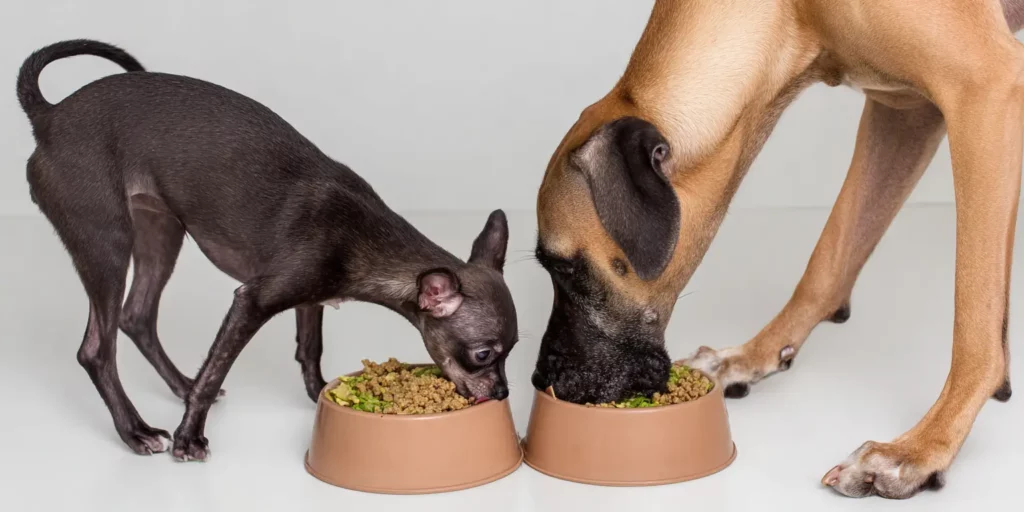
You wouldn’t feed a Chihuahua the same amount as a Great Dane.
So why use a one-size-fits-all red light therapy protocol for your pet?
Here’s the truth: red light therapy (RLT), also called photobiomodulation, only works well when it’s tailored. And when it is tailored—it’s magic.
Dose Matters. A Lot.
Photons heal. But too few, and you won’t see results. Too many, and you could slow things down. This is what scientists call the “biphasic dose response,” and it’s not some fringe idea. It’s well-documented in dozens of studies, including research from Huang et al. and Anders et al.. The right dose promotes cellular energy (ATP), reduces inflammation, and speeds healing. The wrong dose? It does nothing—or worse.
Every pet is different. A deep hip joint on a Labrador needs a stronger dose than a sore paw on a terrier. A senior dog with arthritis needs a different frequency than a younger dog recovering from surgery.
This is why custom protocols aren’t optional. They’re essential.
How Often? That Depends.
Red light therapy works best in a rhythm. But the right rhythm depends on what you’re treating and where your pet is in their healing process.
In the early days, inflammation is high and cells are actively trying to repair damage. That’s when they need light daily. Later, when the tissue is rebuilding, spacing out sessions gives the body time to respond. And when you’re in maintenance mode? You might only need weekly touch-ups.
We break this all down in our article on red light therapy frequency. The key point? Frequency isn’t fixed. It flexes with your pet’s needs. A custom protocol changes as your pet heals.
Fur Gets in the Way (Literally)

Light therapy doesn’t work on fur. It works on skin and tissue—where the problem lives. But fur absorbs and scatters light, preventing it from reaching therapeutic depths.
Our team at MedcoVet ran tests on real fur and found that even short hair can block over 50% of red light—and even more for infrared. That means a “standard protocol” that doesn’t account for fur density? It’s guesswork.
We use tools like our MedcoVet Comb to part the fur and get light to the skin. That’s part of your custom protocol. If we know your pet’s coat type, we can adjust application methods and treatment time to make sure they’re getting the right dose, not a diluted one.
Cookie-Cutter Protocols Can Waste Time
Your pet’s healing is too important to leave to chance. Standard protocols are fast. But they often miss the mark. You could end up doing 3 weeks of daily treatments with little to show for it.
We’ve seen it happen. A pet parent follows a generic protocol they found online. The device is good. The intent is great. But the plan is wrong. They call us frustrated—until we build a protocol just for their pet. Then the progress starts.
Bottom Line: If You Want Results, Go Custom.
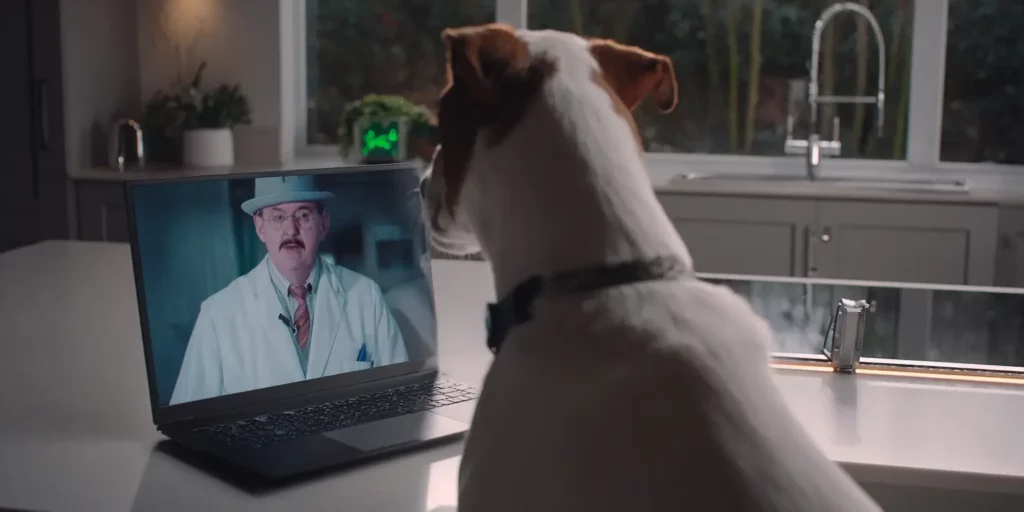
Red light therapy works. But it’s not magic. It’s science.
And science needs a plan.
So if you’re investing in a device like the Luma, make sure it comes with a brain behind it. Someone who’s thinking about your pet. Their fur. Their joints. Their life.
That’s what we do.
And honestly? That’s what your pet deserves.
🐾 Ready to Take the Next Step?
Whether you’re just learning or ready to act — we’ve got you.
👉 Book a Free Consult
Talk to a licensed clinician about your pet’s condition and get a personalized plan. No pressure, just real help.
👉Learn More About the Luma
Explore how our at-home red light therapy device works, why it’s different, and what it can do for your pet.

About the Author
Alon Landa is the CEO and co-founder of MedcoVet, a leader in at-home red light therapy for pets. With over 20 years of experience in medical technology and firsthand involvement in developing the Luma, Alon combines deep technical knowledge with a passion for improving pet health. He regularly collaborates with veterinarians and pet parents to advance photobiomodulation (PBM) care at home.
📍 Based in Boston, MA
📖Read more from Alon here






I received the email to download the app but I haven’t been able to download it so I can buy it. I need help downloading the app and buying the device.