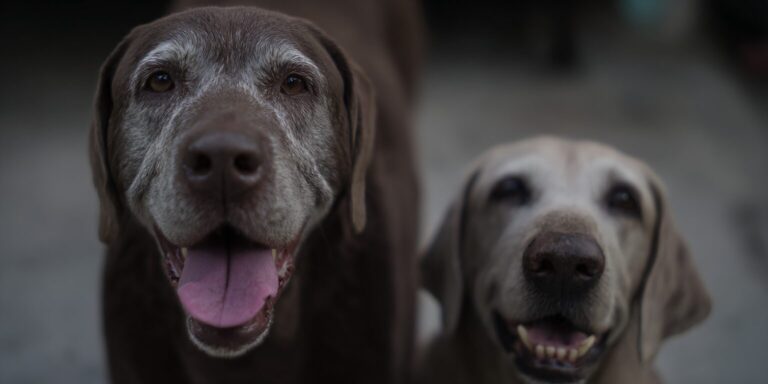
Proper Exercise for Dogs
Dog workouts, safe fitness ideas, and recovery support for every age and activity level
Help your dog exercise safely and recover well
Talk with a MedcoVet clinician about your dog’s activity level, soreness, mobility, joint health, and at-home recovery support options.
Medically reviewed by: Kristy Williams, CVT, CCFT (Specialties: Pet rehabilitation, pain management, photobiomodulation)
Reviewed: July2026
Updated: July 2026
What is proper exercise for dogs?
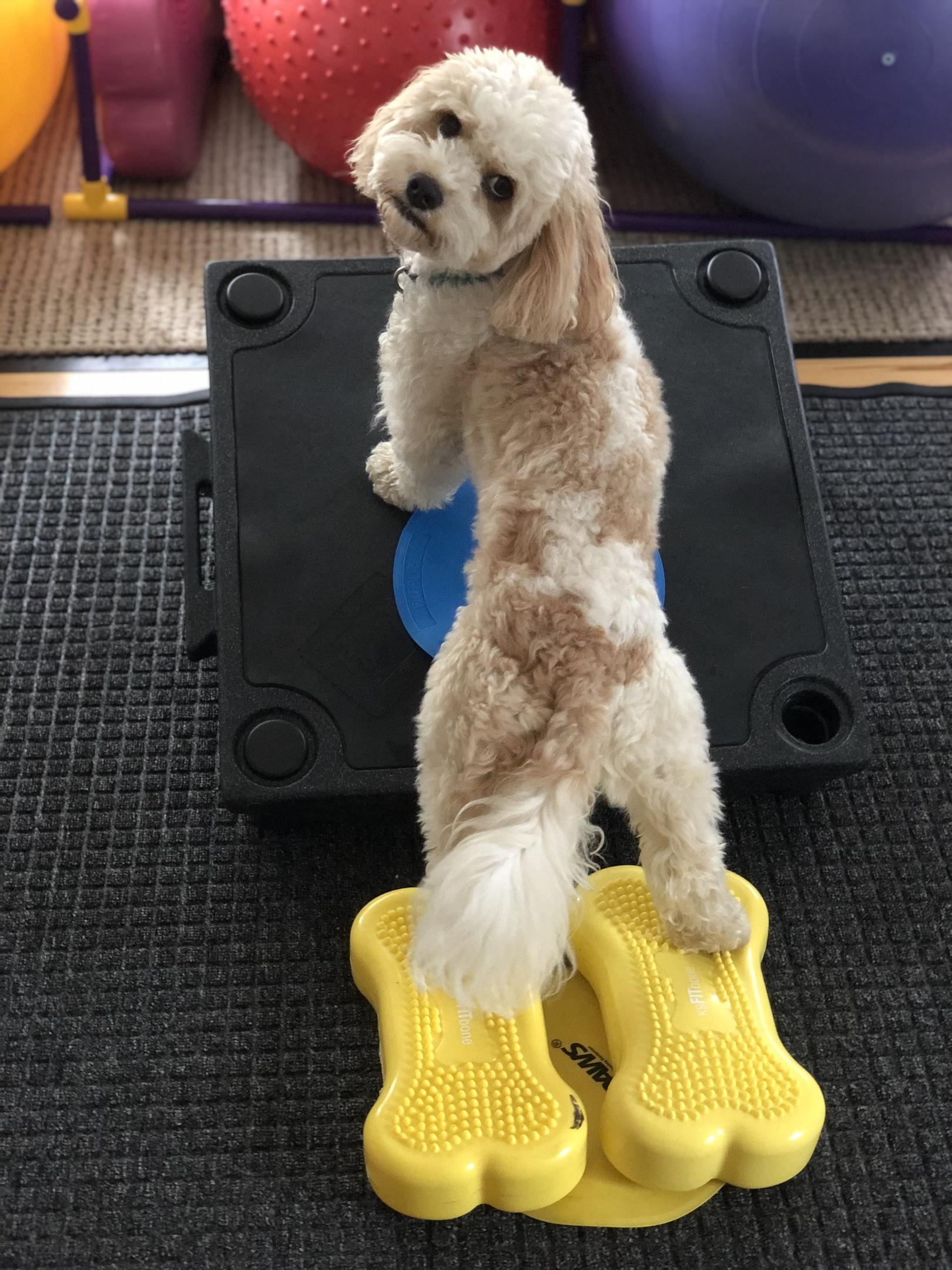
Proper exercise for dogs includes daily walks, play, strength training, balance work, mental stimulation, and low-impact movement matched to the dog’s age, breed, health, weight, activities and energy level. Most dogs need at least 20 minutes of daily exercise, and many benefit from more regular exercise through walking, swimming, hiking, agility training, fetch, canine conditioning, and short targeted exercises. Not all dogs need the same workout, so a safe exercise routine should fit the individual dog.
If your dog is active, aging, sore after exercise, or starting a new routine:
Want help supporting your dog’s exercise recovery?
Lucy
Why dogs need regular exercise
Regular exercise is essential for a dog’s physical health and mental health.
It supports the heart. It builds muscles. It helps control weight. It protects joints. It improves mood. It gives dogs a healthy outlet for energy, curiosity, and play.
Daily exercise can reduce health risks like obesity and arthritis in dogs. It can also reduce boredom, anxiety, and unwanted behaviors that show up when dogs do not get enough movement or mental stimulation.
Dogs benefit from exercise on a daily basis because their bodies are built to move.
Walking, swimming, playing fetch, training, hiking, and canine conditioning all support different parts of dog fitness. A balanced routine helps keep your dog strong, healthy, pain free, and more comfortable in everyday activities.
Before starting a new dog workout
Talk with your a clinician before starting a new fitness routine, especially if your dog is overweight, senior, recovering from injury, limping, has arthritis, or has a known orthopedic issue.
Exercise requirements vary based on a dog’s breed, age, energy level, health, body shape, and current fitness.
Not all dogs should jog.
Not all dogs should jump.
Not all dogs should do the same workout as other dogs.
A safe exercise routine should match your dog’s level today. Then you can gradually build.
Watch for signs your dog needs to stop:
- Limping
- Lagging behind
- Heavy panting
- Stumbling
- Refusing to move
- Sitting down during exercise
- Excessive thirst
- Heat stress
- Sudden stiffness
- More pain after activity
- Loss of interest in play
Avoid pushing dogs to complete routines if they show fatigue. Hydration is important during exercise to prevent overheating, so bring water for longer walks, hikes, agility sessions, or outdoor activities.
Walking
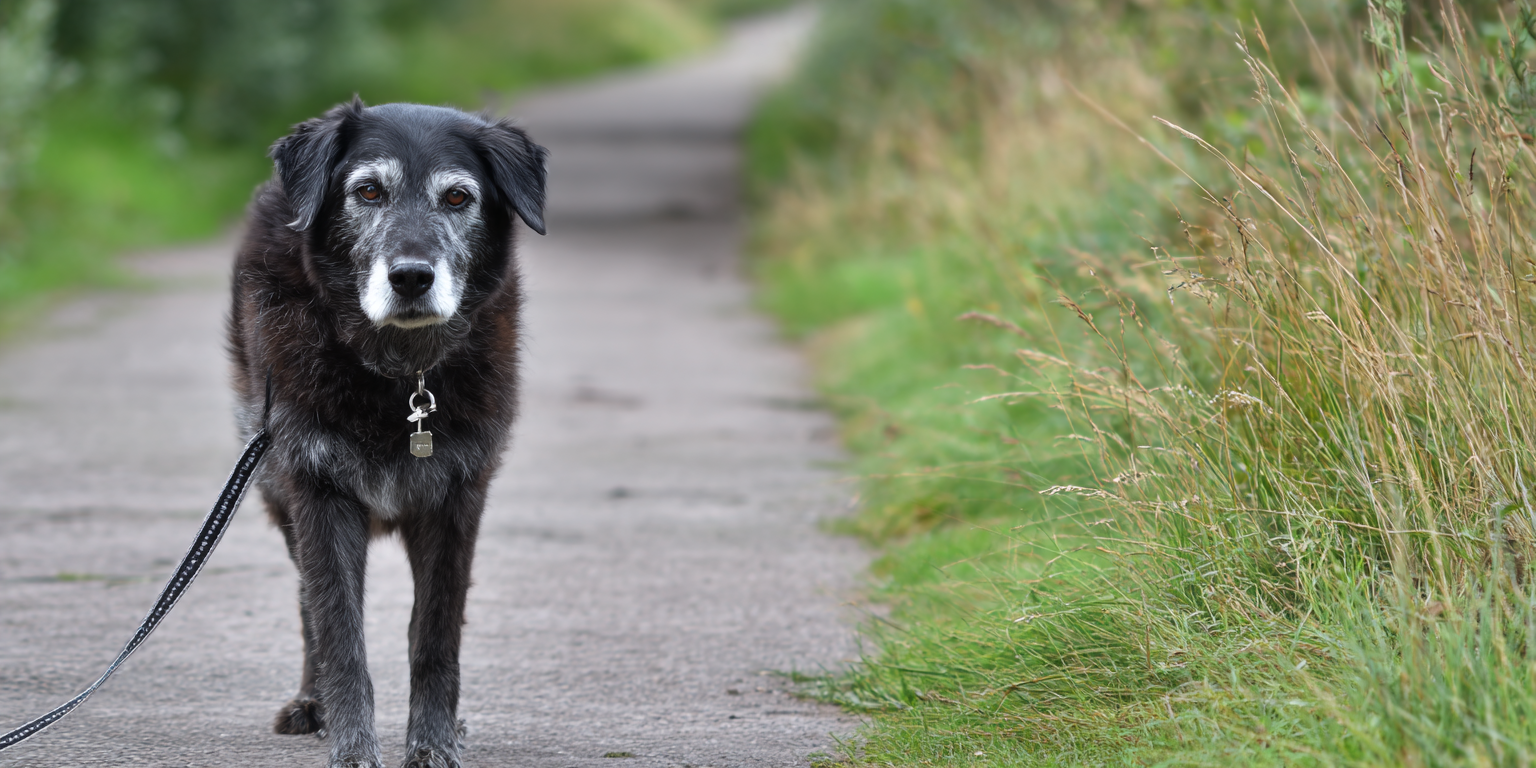
Walking provides low-impact exercise for all dog types.
It is simple, useful, and easy to adjust. A daily walk supports circulation, muscle strength, weight control, joint motion, mental stimulation, and healthy routine.
A brisk walk can raise the heart rate, build stamina, and support overall health. A sniff walk can be slower but mentally rich.
Both count.
For many dogs, the best routine starts with walking on a leash every day. Puppies may need shorter, more frequent walks. Senior dogs may need slower walks on softer surfaces. Active dogs may need longer walks, hiking, jogging, or additional fitness exercises.
In warm climates, try to walk dogs early in the day or in the evening- before or after the hottest part of the day. Be cautious of hot surfaces that can burn paw pads.
Start with what your dog can do comfortably.
Then build slowly.
Swimming
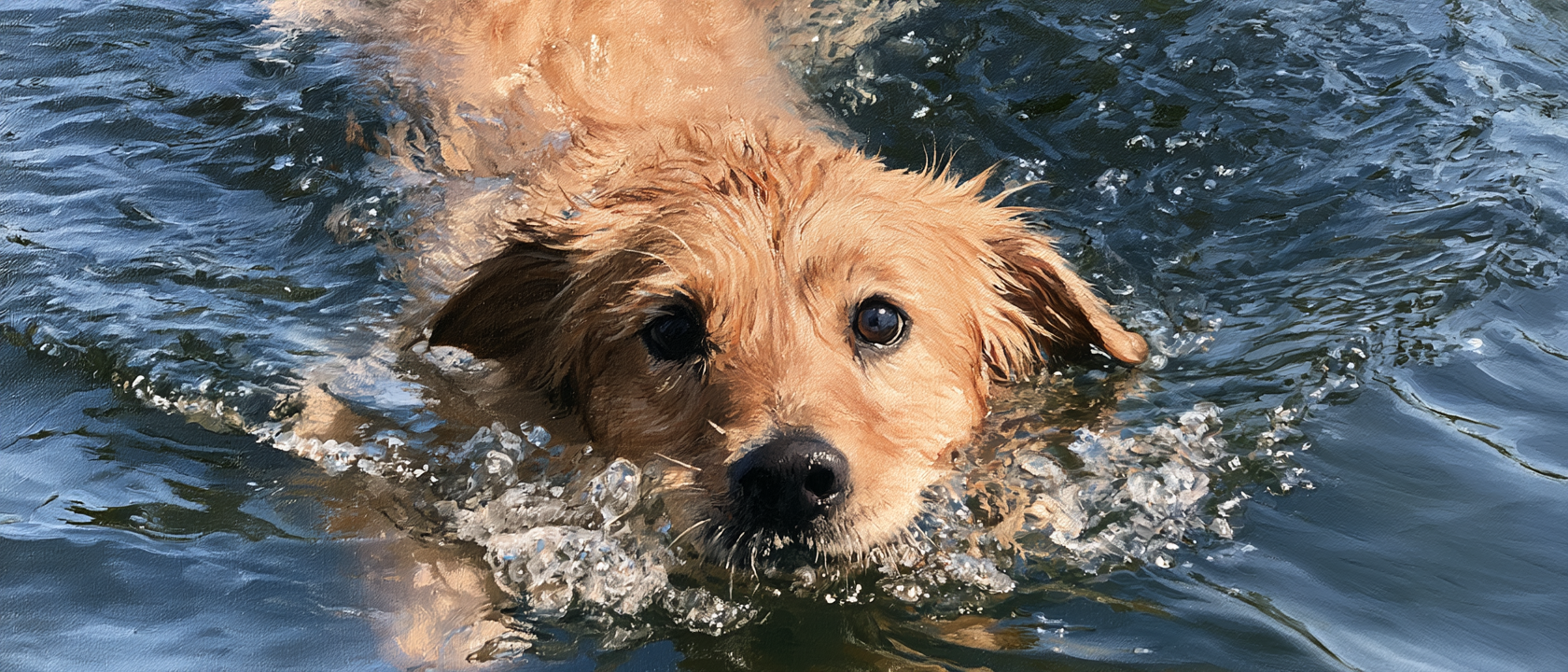
Swimming is a great exercise for water-loving dogs.
It works the body without placing the same load on the joints as running or jumping. Swimming can be ideal for senior dogs, dogs with arthritis, dogs recovering strength, and dogs who need low-impact cardio.
Swimming can help:
- Build stamina
- Support muscles
- Reduce joint stress
- Encourage active range of motion
- Support cardiovascular fitness
- Help dogs with arthritis stay active
Safety still matters.
Use a dog life jacket when needed. Avoid strong currents. Keep sessions short at first. Rinse your dog after swimming, especially after lakes, pools, or salt water.
Fetch and ball play
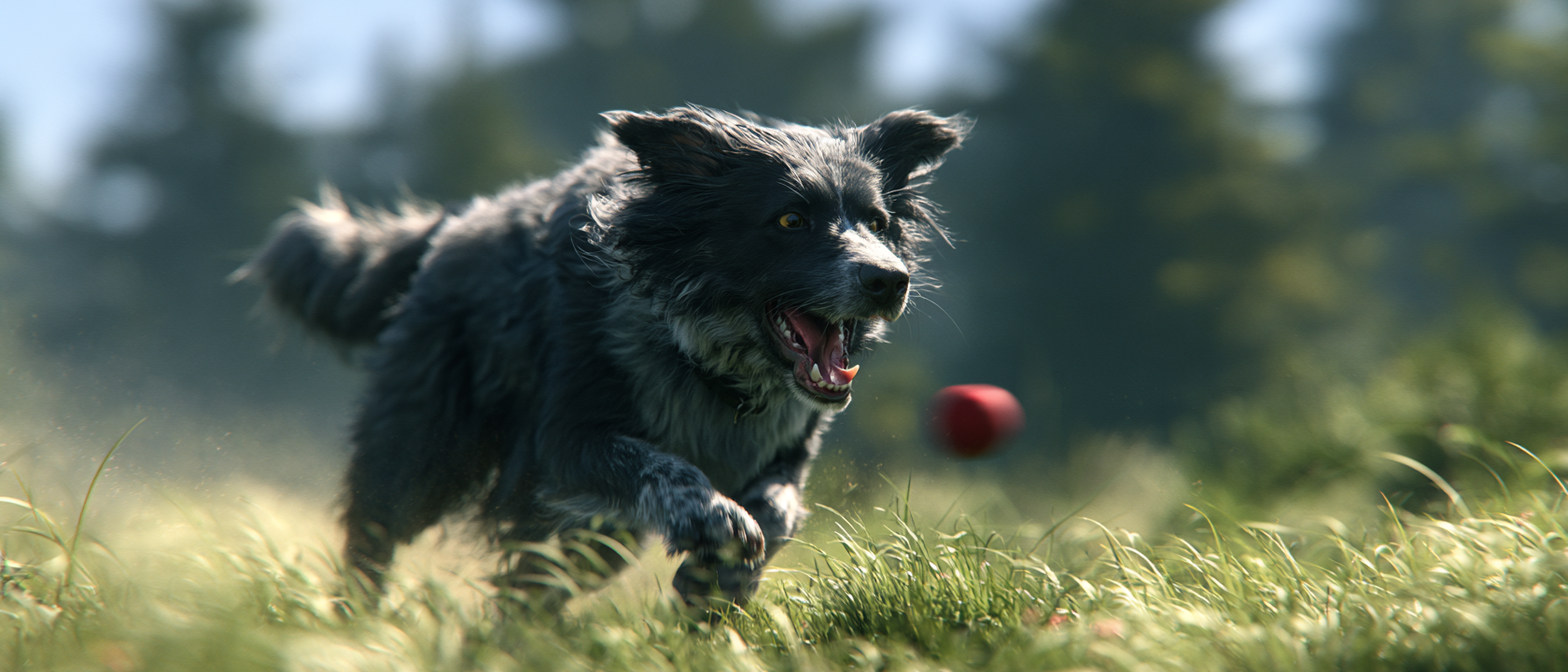
Fetching toys engages a dog’s chasing instinct and provides cardiovascular fitness.
Dogs love the game.
The problem is the stop-and-twist part. Repeated hard sprints, sliding turns, jumping catches, and sudden stops can increase injury risk, especially for athletic dogs, older dogs, dogs with arthritis, and dogs with weak stabilizer muscles. Fetch can be hard on growing puppies joints and bones.
Make fetch safer:
- Use shorter throws
- Keep the ball low
- Avoid high jumps
- Play on grass
- Avoid hard surfaces
- Stop before your dog is exhausted
- Mix in walking breaks
- Use toys that are easy to see and pick up
Fetch can be fun and useful when it is controlled.
Jogging and hiking

Jogging can be suitable for active dogs over one year old, depending on breed, health, and fitness level.
Large breeds may mature more slowly, and some puppies should avoid high-impact activities until 12 to 24 months old. Ask your clinician before jogging with a young dog, large breed dog, or dog with joint concerns.
Hiking can be excellent exercise because it works the body in different ways. Hills, turns, uneven ground, and changing surfaces can build strength, balance, coordination, and confidence.
Bring water. Use a leash where required. Watch the paws. Avoid extreme heat.
Outdoor activities should leave your dog happily tired, not sore for two days.
Agility training
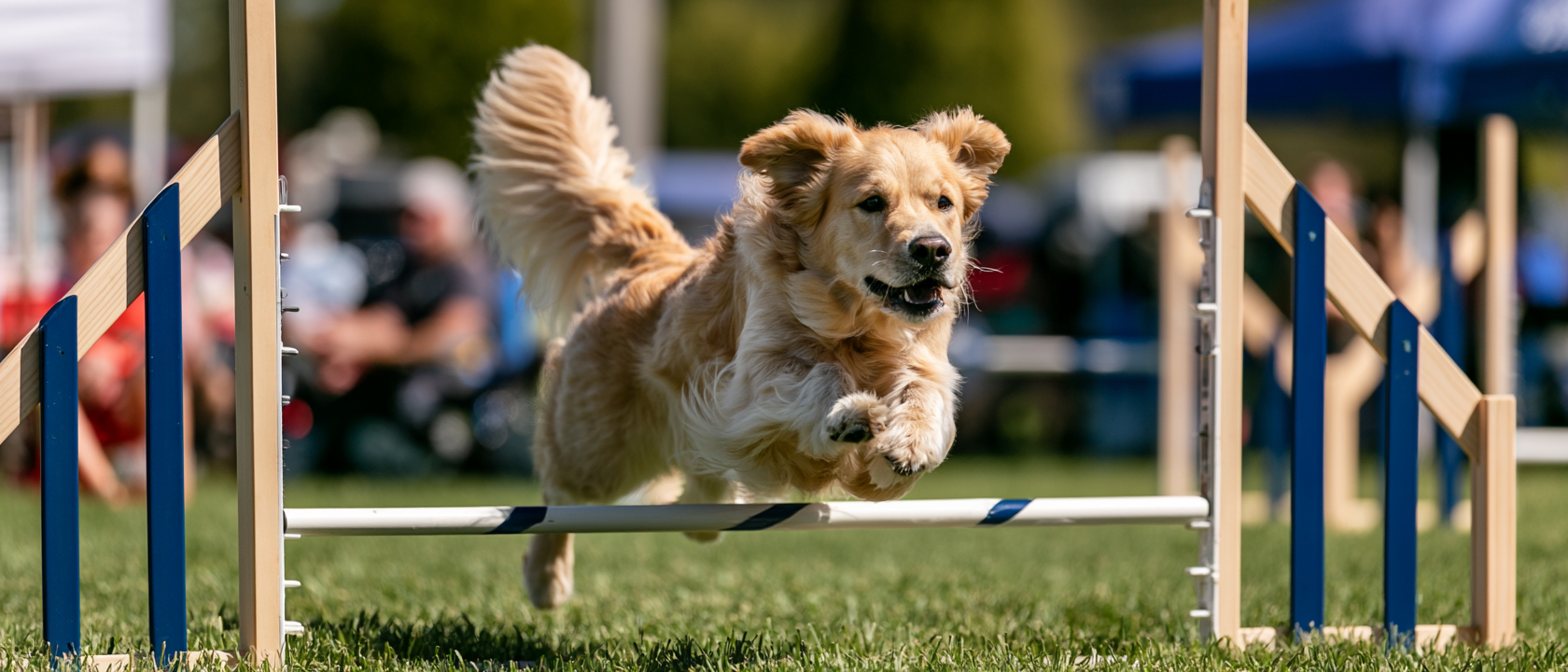
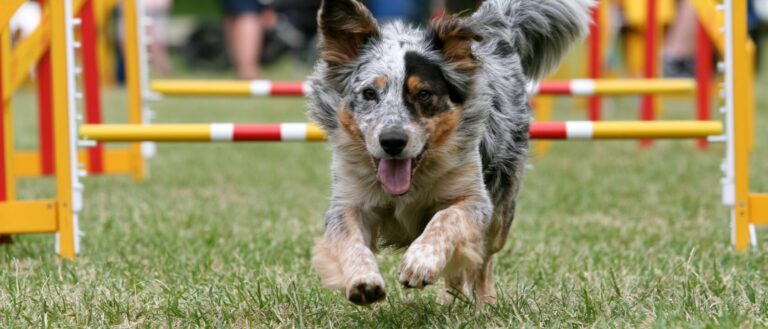
Agility training involves navigating an obstacle course with your dog.
It can improve fitness, coordination, balance, body awareness, mental stimulation, and athletic performance. Agility also builds a stronger bond because both you and your dog learn to work as a team.
Agility can include:
- Jumps
- Tunnels
- Weave poles
- Dog walk
- A-frame
- Pause table
- Short courses
- Handler cues
- Training games
Agility is fun, but it is also physical. Dogs need strength, warm-ups, rest days, and safe progression.
Read more here: Red Light Therapy for Agility Dogs.
Dog yoga, dog dancing, and circuit training
Dog workouts can be creative.
Dog yoga, sometimes called doga, can support bonding and relaxation. The dog may practice calm positions, gentle stretching, settling near the person, and slow movement.
Dog dancing combines tricks and music for a fun workout. It can build focus, coordination, body awareness, confidence, and communication.
Circuit training can include dog tricks between human fitness exercises. For example, you do squats while your dog practices sit-to-stand transitions. You hold a plank while your dog practices a stand-stay. You do lunges while your dog does a short target exercise.
Keep sessions short.
Use treats.
Make it a fun game.
Strength training for dogs
Strength training helps dogs build muscle, support joints, improve balance, improve proposition (limb awareness) and reduce injury risk during everyday activities.
Strong muscles stabilize joints and improve balance in dogs. This matters for senior dogs, athletic dogs, dogs recovering from injury, dogs with arthritis, and dogs who need better mobility. This also matters for young, fit dogs whoes owners want to keep them that way or a long time.
A 10-minute conditioning session three times a week can improve strength for many dogs when the exercises are appropriate and progressed slowly.
Two to three conditioning sessions per week can help maintain dog fitness.
Good strength exercises include:
- Sit-to-stand transitions
- Step ups
- Backing up
- Weight shifts
- Cavaletti walking
- Front feet elevated
- Gentle hill walking
- Controlled tug
- Balance work
- Core work
- Rear feed elevated on low, stable equipment
- Four feet standing on two pieces of stable equipment
- Wrapping cones
- Figure 8s using handlers legs
- down to sit (pushups)
Use a yoga mat or non-slip surface. Reward clean movement. Stop before fatigue changes posture.
Sit-to-stand transitions
Sit-to-stand transitions strengthen a dog’s hindquarters when rear paws remain stationary by walking forward.
Ask your dog to sit, then stand. Reward the stand. Repeat slowly.
This exercise helps the hind limbs, rear end, core, and posture. It also teaches controlled movement, which is useful for everyday activities like getting up from the floor, standing from rest, and moving without slipping.
Keep the dog straight.
No twisting. No rushing.
Step ups
Step ups can build strength in the front legs, hind limbs, shoulders, and core.
Use a low, stable surface. A single step, low platform, or sturdy board can work.
Dogs feet should remain still, no “happy feet.” Back should be straight, no arch or roach. Reward placement should keep the head level, not too high as this puts strain on the neck.
Ask your dog to place the front feet up, then step back down. Later, some dogs can progress to all four paws on the platform.
Keep the height low at first. Step ups should look controlled, not like a jump.
There are two variations of the sit-to-stand exercise that target different muscle groups:
Rock Back Sit
This version works the hind end by keeping the rear feet stationary. The dog uses their own weight to slowly sit back and then walks forward to a sit without moving the rear feet. When a dog uses their own weight to slowly sit is eccentric muscle contraction. This method is often easier for beginners to learn and effectively strengthens the rear limbs.
Tuck Sit/Kick Back Stand
In this variation, the front feet remain stationary, engaging the front end muscles more than the rear. Both exercises are beneficial, but the rock back sit is generally preferred for beginners due to its simplicity and focus on the hindquarters.
Weight shifts
Weight shifts improve core awareness in dogs.
Have your dog stand squarely with all four feet on a stable surface. Use a treat to gently guide the head left, right, forward, and back. The dog should shift weight without stepping.
If the feet move, begin with rewarding a stationary stand, without weight shifting. Build up to small weight shifts with stationary feet.
Small movements count.
Weight shifts activate stabilizer muscles and help the dog learn body control.
Backing up
Backing up enhances hind-end awareness in dogs.
Many dogs are very aware of their front feet and much less aware of the rear feet. Backing up teaches rear end control, strengthens the hind limbs, and improves coordination.
Start with one or two steps.
Reward.
Build slowly.
Cavaletti walking
Cavaletti walking improves proprioception in dogs.
Place low poles or safe objects on the ground. Walk your dog slowly over them. The goal is careful foot placement, not speed. Poles should not be above the height of the dogs wrists. Dog should walk with head facing forward, not looking up at the handler. Placing a bowl at each end of the cavaletti’s can help with this.
Cavaletti can help with:
- Body awareness
- Joint motion
- Limb coordination
- Rear feet awareness
- Range of motion
- Controlled movement
Keep the poles low. Use a leash if needed. Work on a flat surface.
Balance training
Balance training supports stabilizer muscles, posture, and injury prevention.
Start on stable surfaces before using an unstable surface. A yoga mat, carpet, or rubber mat is a good place to begin.
Beginner balance ideas:
- Standing square for a few seconds
- Front feet on a low platform
- Weight shifts
- One paw targeting (give a paw / shake)
- Slow turns
- Backing up
- Standing with all four paws still
Balance discs and other unstable equipment can be helpful, but they are not beginner tools for every dog. Older dogs, dogs with arthritis, and dogs recovering from injury may need stable surfaces first.
Harder is not always better.
Better is better.
Mental stimulation as exercise
Mental stimulation activities can be as tiring as physical exercise for dogs.
Training, puzzle toys, scent games, trick work, and problem-solving games all help support mental health. These activities can also reduce stress, boredom, and unwanted behaviors.
Try:
- Find-it games
- Puzzle feeders
- Short training sessions
- Hide-and-seek
- Treat scatters
- Scent trails
- Toy naming games
- Trick training
- Indoor obstacle courses
A dog workout can use the brain and body together.
That is often the best kind.
Proper exercise for puppies
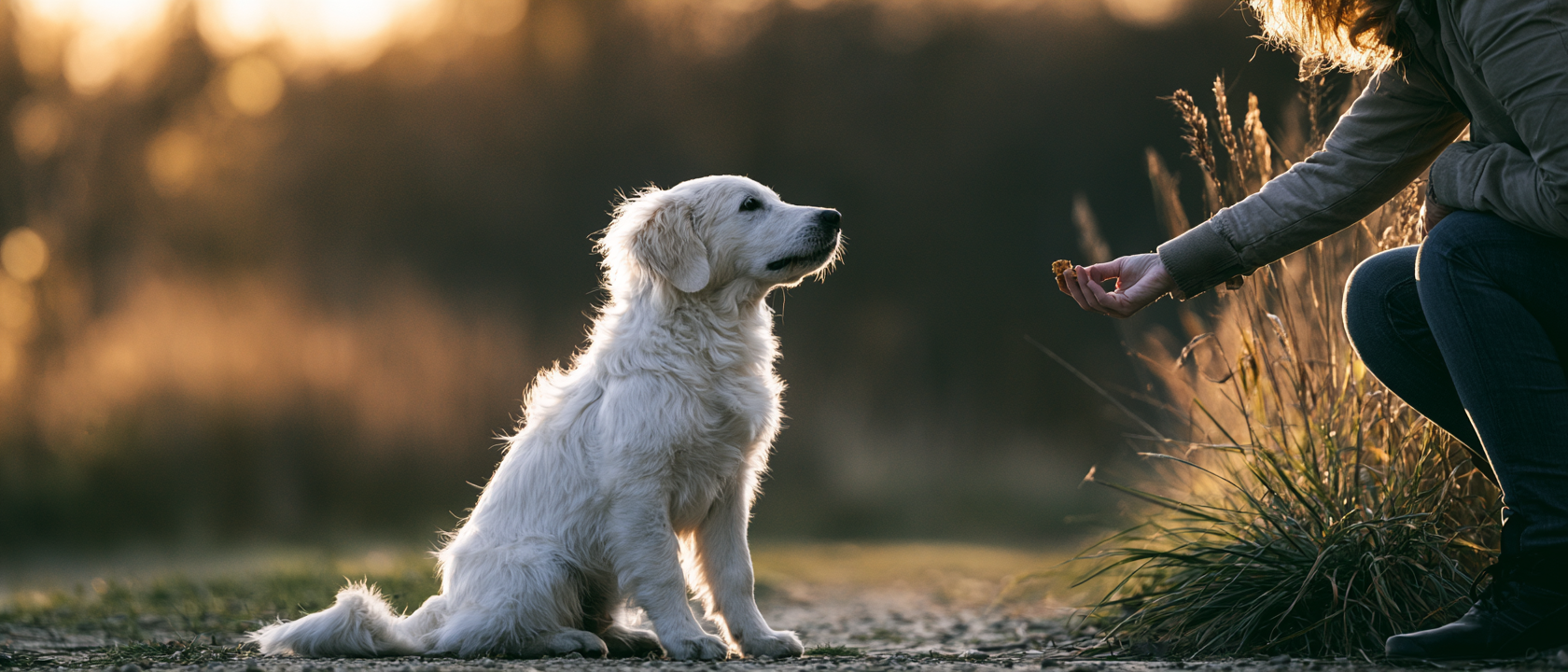
Puppies need movement, play, and training, but high-impact activities should wait.
Puppies should avoid repeated jumping, hard running, intense jogging, and difficult obstacle courses until their growth plates mature. Depending on breed and size, that may be around 12 to 24 months.
Puppy exercise should include:
- Short walks
- Gentle play
- Basic training
- Body awareness
- Simple balance games
- Sit, stand, and recall
- Tug with rules
- Puzzle toys
- Rest
Puppies require shorter, more frequent sessions. Their energy comes in bursts.
Let them rest.
Proper exercise for senior dogs
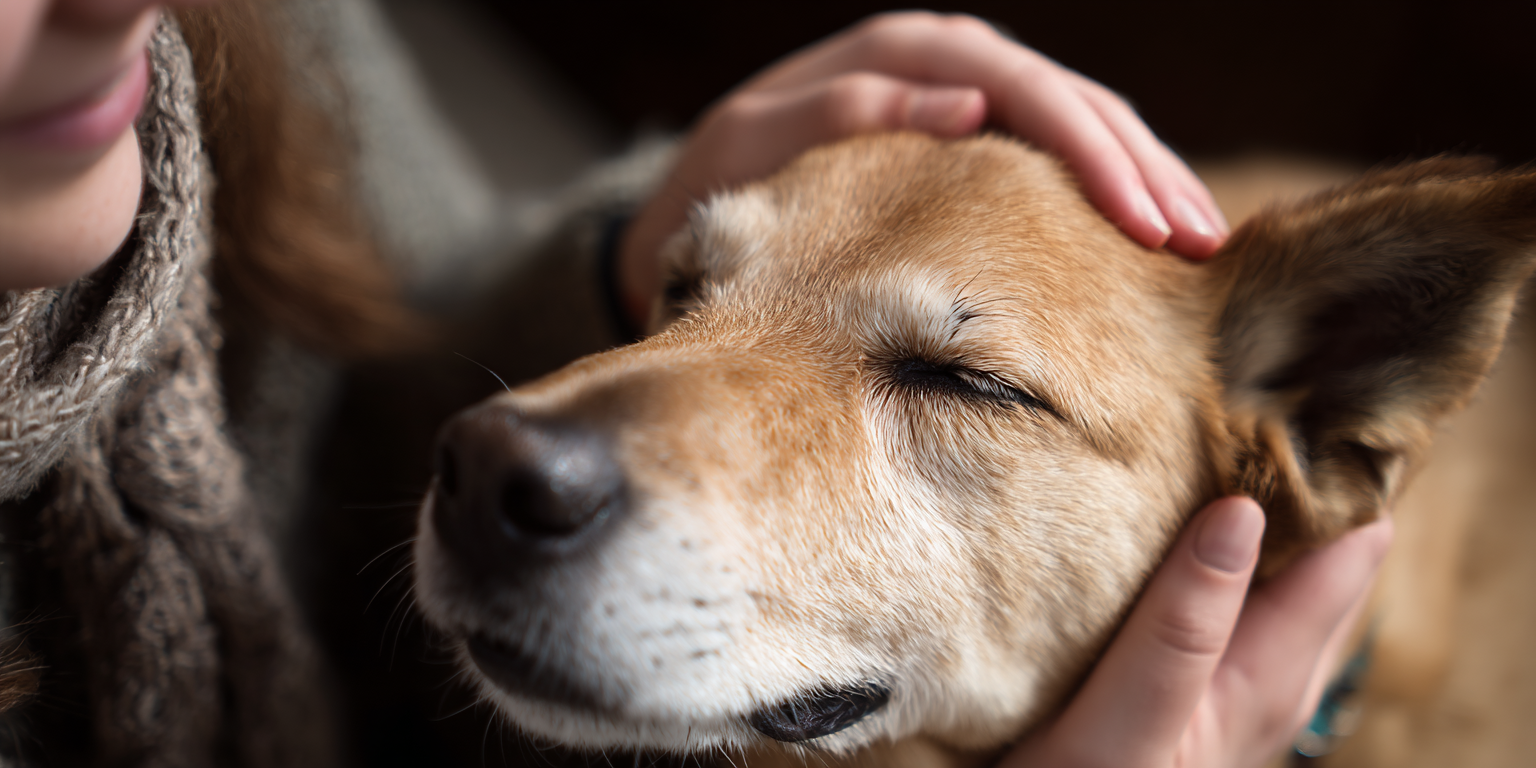
Senior dogs benefit from gentle conditioning exercises to maintain muscle support, mobility, balance, and independence.
Strength training helps senior dogs maintain mobility. Gentle balance work helps prevent falls in senior dogs. Swimming is ideal for seniors and dogs with arthritis when they enjoy water and can do it safely.
Senior dog exercise may include:
- Short daily walks
- Swimming
- Sit-to-stand transitions
- Weight shifts
- Gentle stretching
- Slow cavaletti walking
- Balance on stable surfaces
- Scent games
- Rest breaks
Older dogs still need fitness.
They need it thoughtfully.
Proper exercise for dogs with arthritis
Dogs with arthritis often benefit from regular, low-impact movement.
Daily walks, swimming, gentle strength work, active range of motion, and canine conditioning can support mobility and help maintain muscle around sore joints.
Avoid:
- Repeated jumping
- Long runs on hard surfaces
- Intense fetch
- Slippery floors
- Weekend-only overexercise
- Pushing through pain
The goal is steady movement that keeps the dog strong and comfortable.
Pain free movement is the target.
How red light therapy supports dog workouts
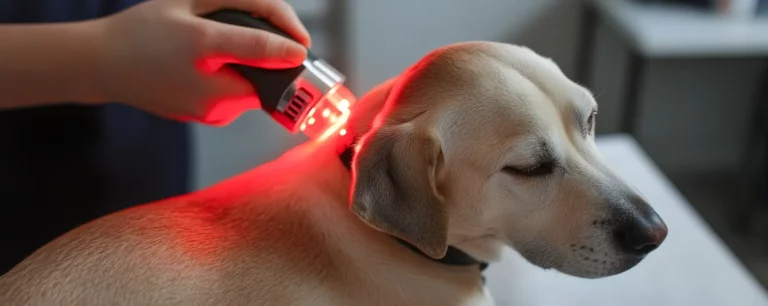
Photobiomodulation, or PBM, also called red light therapy, low-level laser therapy, LED therapy, cold laser, and near-infrared therapy, refers to the same therapeutic category using light energy to influence cellular biology.
Red light therapy can support proper exercise for dogs by helping reduce inflammation, support circulation, ease discomfort, and support muscle recovery after activity.
Learn more here: Science of Red Light Therapy.
This can be helpful for active dogs, senior dogs, athletic dogs, dogs with arthritis, and dogs rebuilding strength after injury. It may also support recovery after agility training, hiking, swimming, walking, strength training, and canine conditioning.
Red light therapy may support:
- Muscle recovery after workouts
- Joint comfort after daily walks
- Comfort after strength training
- Reduced soreness after play
- Recovery after agility
- Mobility in senior dogs
- Physical therapy tolerance
- Circulation around working tissues
- Comfort for dogs with arthritis
- Long-term movement support
Red light therapy does not replace regular exercise, veterinary care, weight management, or safe progression. It supports the recovery side of the routine.
Why Luma is helpful for dog workouts
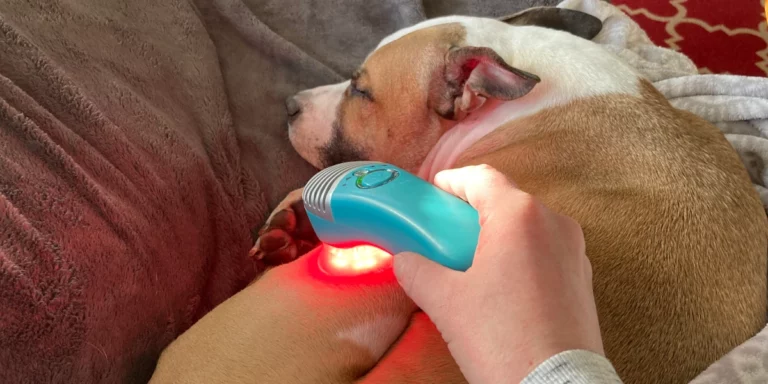
The MedcoVet Luma gives dog owners a way to support comfort, recovery, and mobility at home.
Luma uses red and near-infrared light to support circulation, inflammation control, cellular activity, and comfort. It is non invasive, drug free, and designed for guided home use.
For dogs doing workouts, conditioning sessions, agility, walks, or play, recovery helps protect the progress.
Luma may support:
- Comfort after exercise
- Recovery after canine conditioning
- Joint comfort after walks
- Muscle support after strength work
- Mobility in senior dogs
- Comfort in dogs with arthritis
- Recovery after hiking or jogging
- Support for athletic dogs
- Physical therapy tolerance
- Long-term active life
For broader guidance, visit Red Light Therapy for Dogs.
Want to know if Luma fits your dog’s workout and recovery routine?
Mizzy
Real Dogs, Real Fitness Support
Every dog needs a routine that fits their body.
For some dogs, proper exercise means hiking, agility, swimming, and strength work. For others, it means a gentle walk, a few sit-to-stand transitions, and a game on the living room floor.
Luma gives pet parents a way to support comfort, recovery, and mobility at home as part of their dog’s fitness routine.
Want help deciding if Luma fits your dog’s exercise and recovery plan?
Ella
MedcoVet’s clinical view on proper exercise for dogs
MedcoVet focuses on photobiomodulation protocols for dogs with pain, inflammation, mobility issues, arthritis, sport recovery, surgery recovery, and injury prevention support.
Our clinical approach considers the individual dog: age, breed, weight, exercise routine, injury history, soreness, daily walks, athletic performance, joint health, and recovery needs.
Proper exercise for dogs helps build strength, confidence, balance, mobility, and mental health. Red light therapy supports recovery so dogs can keep moving comfortably.
Movement builds the body.
Recovery protects the work.
Questions dog owners ask about dog workouts
Clinical summary
Mechanism:
Proper exercise for dogs uses cardiovascular activity, strength training, balance work, body awareness, range of motion, play, and mental stimulation to support muscle function, joint stability, posture, mobility, weight control, and mental health.
Evidence level:
Regular exercise and weight control are widely recommended in veterinary preventive care, arthritis management, obesity prevention, and mobility support. Canine conditioning principles are commonly used in rehabilitation and sports medicine to improve strength, proprioception, balance, and injury resilience.
When red light therapy works best:
Red light therapy works best when dogs need support for muscle recovery, joint comfort, inflammation control, senior stiffness, arthritis-related discomfort, sport recovery, or physical therapy tolerance. It may be helpful after walking, swimming, hiking, agility training, strength work, or conditioning sessions.
When not to use red light therapy:
Do not use red light therapy as a substitute for veterinary evaluation after acute injury, sudden lameness, severe pain, swelling, collapse, heat illness, or unexplained weakness. Dogs with untreated infection, known or suspected tumors, or unexplained pain should be evaluated before use.
Build a routine your dog can keep
Proper exercise for dogs should feel doable.
Walk. Play. Swim. Train. Build strength. Rest.
Keep sessions short enough that your dog finishes strong.
Then support recovery so they can enjoy the next one.
Want help supporting your dog’s exercise and recovery plan?
Sprite
Evidence Citations

About the Author
Alon Landa is the CEO and co-founder of MedcoVet, a leader in at-home red light therapy for pets. With over 20 years of experience in medical technology and firsthand involvement in developing the Luma, Alon combines deep technical knowledge with a passion for improving pet health. He regularly collaborates with veterinarians and pet parents to advance photobiomodulation (PBM) care at home.
📍 Based in Boston, MA
📖Read more from Alon here

About the Medical Reviewer
Clinical Focus: Surgery, anesthesia, canine fitness, injury prevention, agility
Kristy Williams brings over 30 years of experience to the veterinary field. Her career began in the 1990s, working as a civilian for the Army Veterinary Corps at RAF Feltwell in England, where she first discovered her passion for animal care and supporting their families. Upon returning to the United States, Kristy pursued her education and graduated in 2005 as a certified veterinary technician after passing the national exam. She has since gained extensive experience in both general practice and emergency/referral practices.
Read More about Kristy here.