
Red Light Therapy for Mobility
See If Luma Can Help Your Pet Move Better
Missy
Medically reviewed by: Kristy Williams, CVT, CCFT (Specialties: Pet rehabilitation, pain management, photobiomodulation)
Reviewed: July 2026
Updated: July 2026
To chase. Stretch. Climb. Wiggle into the perfect spot on the couch. Sprint across the yard for no clear reason at all.
So when your dog starts hesitating at the stairs, missing jumps, slipping on the floor, dragging their paws, or taking longer to stand up, you notice.
Mobility issues can come from many causes, including arthritis, hip dysplasia, elbow dysplasia, intervertebral disc disease, cruciate ligament injuries, spinal problems, neurological disorders, tick-borne diseases, excess weight, soft tissue injuries, and aging itself.
Some changes are obvious. Others are subtle.
A senior dog may stop jumping into the car. An elderly dog may need help standing. Older dogs may avoid slippery floors, take shorter walks, or seem less interested in play. These are signs worth taking seriously because dog mobility issues often improve most when pet owners act early.
Luma gives pet owners a safe, at-home way to support comfort, healing, and movement with red light therapy.
Is red light therapy right for your dog?
Gideon
Is red light therapy effective for dog mobility issues?
Red light therapy can help support mobility in dogs by reducing pain and inflammation, improving local blood flow, and supporting cellular repair in joints, muscles, nerves, and soft tissue. It may be useful for senior pets, dogs with arthritis, dogs recovering from injury or surgery, and pets following a vet-guided mobility treatment plan.
Red light therapy should not replace veterinary care when a pet has sudden mobility loss, severe pain, neurological signs, difficulty walking, or an unknown underlying cause.
What causes mobility issues in dogs?
Dog mobility issues can come from the joints, muscles, nerves, spine, paws, or the whole body.
That is why a physical examination matters. A dog who is limping may have arthritis, a torn ligament, a paw injury, hip dysplasia, elbow dysplasia, intervertebral disc disease, a spinal cord problem, or pain from an underlying medical condition.
The most common cause of mobility decline in older dogs is arthritis, especially osteoarthritis from age-related wear and tear. Painful joints can make a dog slower to rise, reluctant to jump, stiff after rest, or less willing to walk.
Other common causes include:
- Hip dysplasia: A structural issue that can create instability, pain, and arthritis, particularly in large dog breeds
- Elbow dysplasia: A joint development problem that can lead to lameness, pain, and arthritis
- Cruciate ligament injuries: Torn ligaments in the knee that can cause sudden or chronic lameness
- Intervertebral disc disease, or IVDD: A spinal condition that can cause severe pain, weakness, paralysis, and back legs that do not work properly
- Degenerative myelopathy: A neurological disorder that causes slow progression of hind end weakness, especially in breeds like German Shepherds
- Tick-borne diseases: Lyme disease and other infections can cause joint inflammation, pain, stiffness, and lameness
- Excess weight: Obesity increases strain on a dog’s musculoskeletal system and adds stress to painful joints
- Muscle wasting: Inactivity, chronic illness, pain, or aging can reduce strength and make movement harder
- Spinal issues: Spinal cord disease, compressed discs, nerve irritation, and back pain can affect a dog’s mobility
- Long nails: Dog’s nails that are too long can change gait, reduce traction, and add stress to the joints
- Slippery surfaces: Slippery floors can make dogs with mobility issues less confident and more likely to fall
Many cases involve more than one issue.
A senior dog with arthritis may also have weak muscles. A dog with hip dysplasia may compensate and strain the back. A dog with IVDD may lose confidence because the back legs feel weak. A pet recovering from surgery may need pain control, physical therapy, mobility aids, and environmental support at home.
That is why the right plan starts with the underlying cause.
Signs your dog may have mobility problems
Watch for the following symptoms:
- Difficulty rising
- Reluctance to jump
- Hesitating before stairs
- Missing jumps
- Limping
- Stiffness after rest
- Dragging paws
- Trouble climbing stairs
- Jumping into cars becoming harder
- Slipping on floors
- Weak back legs
- Hind end weakness
- Taking longer to lie down
- Less enthusiasm for walks or play
- Reduced interest in food and water bowls if they are hard to reach
- Licking painful joints
- Muscle loss
- Mood changes
- A change in your dog’s behavior
- Needing help from family members to stand or walk
These subtle signs often show up before full mobility loss.
Do not wait for a crisis. Regular veterinary checkups can detect mobility changes early in dogs, especially senior pets and older dogs with known health conditions.
Missy was barely walking, had extreme difficulty standing up and could not properly squat to toilet. Luma treatment has been like a night and day difference in assisting her recovery! After just the 2nd treatment she started to run just a few steps because she actually wanted to! Now, 2 months later and use is squatting on her own again! Not perfectly, but she’s almost there! It is amazing to see, and she gets stronger every day! -Christina
How Luma helps pets regain mobility
Luma is a handheld red light therapy device made for at-home pet care.
It uses two therapeutic wavelengths:
| Wavelength | What it supports | Why it matters for mobility |
|---|---|---|
| 635nm red light | Surface tissue response, circulation, and inflammation support | Helpful for painful joints, soft tissue irritation, and areas closer to the skin |
| 850nm near-infrared light | Deeper tissue support | Helps light reach deeper muscles, joints, nerves, and areas around the spine |
Photobiomodulation, also called red light therapy, low-level laser therapy, LED therapy, cold laser, and near-infrared therapy, refers to the same therapeutic category using light energy to influence cellular biology.
In simple terms, Luma helps cells work better.
When a dog has mobility issues, the body may be dealing with pain, inflammation, weak muscles, irritated nerves, poor circulation, or tissue damage. Luma supports the body’s natural healing response by delivering red and near-infrared light to affected areas.
1. Helps relieve pain
Laser therapy is effective in reducing pain and inflammation in dogs. Red light therapy can help calm discomfort in painful joints, sore muscles, and irritated soft tissue.
For pet owners, that may look like easier standing, smoother walking, less stiffness, and a dog who seems more willing to move.
2. Helps reduce inflammation
Inflammation can make mobility problems worse.
Arthritis, dysplasia, spinal issues, tick-borne diseases, injuries, and post-surgery healing can all involve inflammation. Red light therapy helps support the body’s inflammatory response, which may reduce swelling and stiffness around affected tissue.
3. Supports cellular repair
Red and near-infrared light can support ATP production, the energy cells use for repair and normal function.
That matters for senior pets, active dogs, pets recovering from injury, and dogs with chronic mobility concerns. Better cellular energy can support tissue repair, muscle recovery, and comfort.
4. Improves local circulation
Movement depends on healthy tissue.
Red light therapy can support local blood flow, helping bring oxygen and nutrients to the treatment area. This may help support sore muscles, stiff joints, and tissues recovering after injury or surgery.
5. Supports physical therapy and rehab
Physical therapy can improve mobility and rebuild muscle mass in dogs. Rehabilitation therapies, including controlled exercise, stretching, hydrotherapy, acupuncture, and laser therapy, can help restore mobility in many dogs.
Luma fits well into that kind of treatment plan because it can be used at home between vet visits, rehab appointments, or physical therapy sessions.
6. Helps pets maintain a more active life
The goal is comfort, function, and quality of life.
A dog who can stand more easily may walk more. A dog who walks more may keep more muscle. A dog who keeps more muscle may stay steadier, stronger, and more confident.
Mobility support works best as a loop: reduce pain, improve movement, protect strength, repeat.
Why Luma is a strong fit for mobility issues
Mobility issues often need repeat care.
A single clinic treatment may help, but many dogs need ongoing support. Senior dogs with arthritis, pets with hip dysplasia, dogs recovering from surgery, and pets with chronic stiffness may need steady care across weeks, months, or years.
Luma makes that easier.
Luma is useful for mobility because it is:
- At-home: No repeated trips to the veterinary hospital for every session
- Fast: Sessions fit into a normal day
- Drug-free: Helpful support alongside anti-inflammatory medications, pain medication, joint supplements, and rehab when prescribed
- Non-invasive: No needles, sedation, or stressful setup
- Designed for pets: The comb-style head helps part fur so light can reach the skin
- Easy to repeat: Mobility concerns often need steady support
- Clinician-guided: MedcoVet helps pet owners understand where and how to use Luma safely
Luma does not diagnose mobility loss. It does not replace a veterinarian, a physical exam, medication, surgery, rehabilitation, weight management, joint supplements, or mobility aids when those are needed.
It gives your pet extra support at home.
That support can make daily life easier.
Want to know if Luma could improve your pet’s mobility?
Matilda
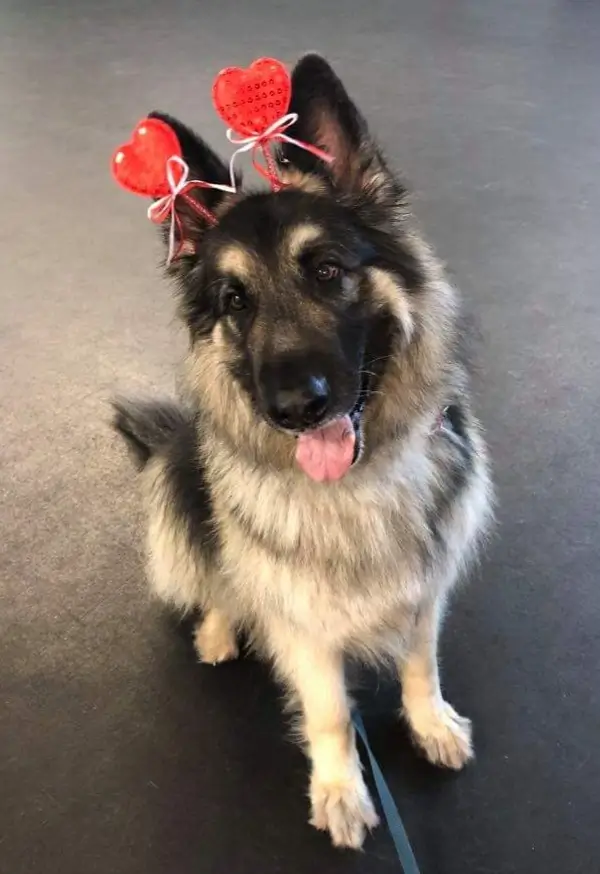
“In 2021 Max was crying in pain and was having trouble walking and getting up. He was diagnosed with compressed cervical discs and spondylosis. Max’s condition was severe, and he was 125 lbs. Getting him up and moving could be a monumental task. I was horrified that I might lose him after this diagnosis. Then my vet suggested the Luma. The Luma greatly assisted him. After his treatments he was able to get up and move around more freely without help. He enjoyed his walks, playing with his ball and riding in the car again. Unfortunately, Max passed in February last year, but the Luma gave me 3 more beautiful years with my Soul Dog Max. I am very grateful. Thanks Luma!”
-Patricia Vyolet Albano
Mobility care starts with the cause
Mobility treatment should match the underlying issue.
A dog with arthritis needs a different plan than a dog with a torn ligament. A dog with degenerative myelopathy needs different support than a dog with a sore paw. A dog with IVDD needs veterinary care quickly because intervertebral disc disease can cause severe pain, paralysis, and spinal cord injury.
Your veterinarian may recommend:
- Physical examination
- X-rays or imaging
- Bloodwork when tick-borne diseases or other health conditions are suspected
- Anti-inflammatory medications, such as carprofen, to relieve pain
- Other pain medications
- Joint supplements to promote healthy cartilage
- Weight management
- Physical therapy
- Rehabilitation therapy
- Hydrotherapy to build muscle mass
- Acupuncture
- Surgery when needed
- Ramps, slings, harnesses, braces, or other mobility aids
- Environmental changes at home
- Red light therapy or laser therapy
Veterinary care is crucial for managing dog mobility problems. The goal is to find the cause, reduce pain, protect strength, and keep your dog healthy for as long as possible.
At-home changes that help dogs with mobility issues
Small home changes can make a big difference.
Dogs with mobility issues often struggle most with slippery surfaces, stairs, car jumping, low food and water bowls, long nails, and hard beds. Environmental adjustments can improve the quality of life for dogs with mobility issues and reduce the risk of slips and falls.
Try these mobility supports at home:
Add non-slip surfaces
Non-slip surfaces can help prevent slips and falls for dogs with mobility issues.
Use rugs, runners, yoga mats, toe grips, paw traction products, or non-slip mats near beds, food and water bowls, stairs, and favorite resting spots.
Keep nails trimmed
Long nails change how your dog’s paws meet the floor.
Keeping dog’s nails trimmed can improve traction and make standing and walking easier. Keeping the fur between the paw pads trimmed can also help with traction.
Use ramps
Ramps can help dogs access furniture, cars, porches, and beds more safely.
This is especially helpful for senior dogs, dogs with arthritis, hip dysplasia, IVDD, or back legs that feel weak. Ramps can also help prevent problems with young, healthy dogs.
Raise food and water bowls when appropriate
Some dogs with neck pain, arthritis, or spinal issues may benefit from adjusted food and water bowls. Ask your vet what height is right for your dog’s condition.
Add support harnesses
Support harnesses can assist dogs in standing up, walking outside, or using stairs safely.
Mobility aids include slings, ramps, harnesses, braces, carts, traction products, and supportive beds.
Choose soft or heated beds
Soft or heated beds can support dogs’ joints and help senior pets rest more comfortably.
Avoid beds that are so soft your dog struggles to get out of them.
Manage weight
Weight management significantly reduces stress on a dog’s joints.
Even modest weight loss can help reduce pain in dogs with arthritis, hip dysplasia, elbow dysplasia, and other mobility problems.
Keep movement controlled
A dog with mobility loss still needs safe movement.
Short, controlled walks and vet-approved physical therapy can help rebuild muscle mass, protect balance, and support a more active life.
“The Luma therapy was instrumental in improving Panda’s quality of life her last few months. She was able to climb stairs again and go for short walks which she was unable before Luma therapy.”
Jacquie
Luma and mobility: what the science says
Red light therapy and laser therapy are used in veterinary medicine to support pain relief, inflammation control, wound healing, soft tissue repair, arthritis care, post-surgical recovery, and mobility support.
Several findings are especially relevant for pets with mobility issues:
- Laser therapy/red light therapy is effective in reducing pain and inflammation in dogs
- Red light therapy may help dogs with arthritis move more comfortably
- Photobiomodulation can support ATP production and cellular repair
- Near-infrared light can help reach deeper tissue
- Laser therapy/red light therapy may support recovery after orthopedic or spinal surgery
- Rehabilitation therapies can help restore mobility in dogs
- Physical therapy can improve mobility and rebuild muscle mass
- Hydrotherapy can help build muscle while reducing stress on painful joints
- Acupuncture may be used as a treatment option for dogs with mobility issues
The best results usually come from a full treatment plan.
That may include red light therapy, anti-inflammatory medications, joint supplements, weight management, physical therapy, home traction, and regular veterinary checkups.
Want the full pet-parent guide? Read Red Light Therapy for Dogs.
Want to understand the science behind PBM, wavelengths, and cellular energy? Read The Science of Red Light Therapy.
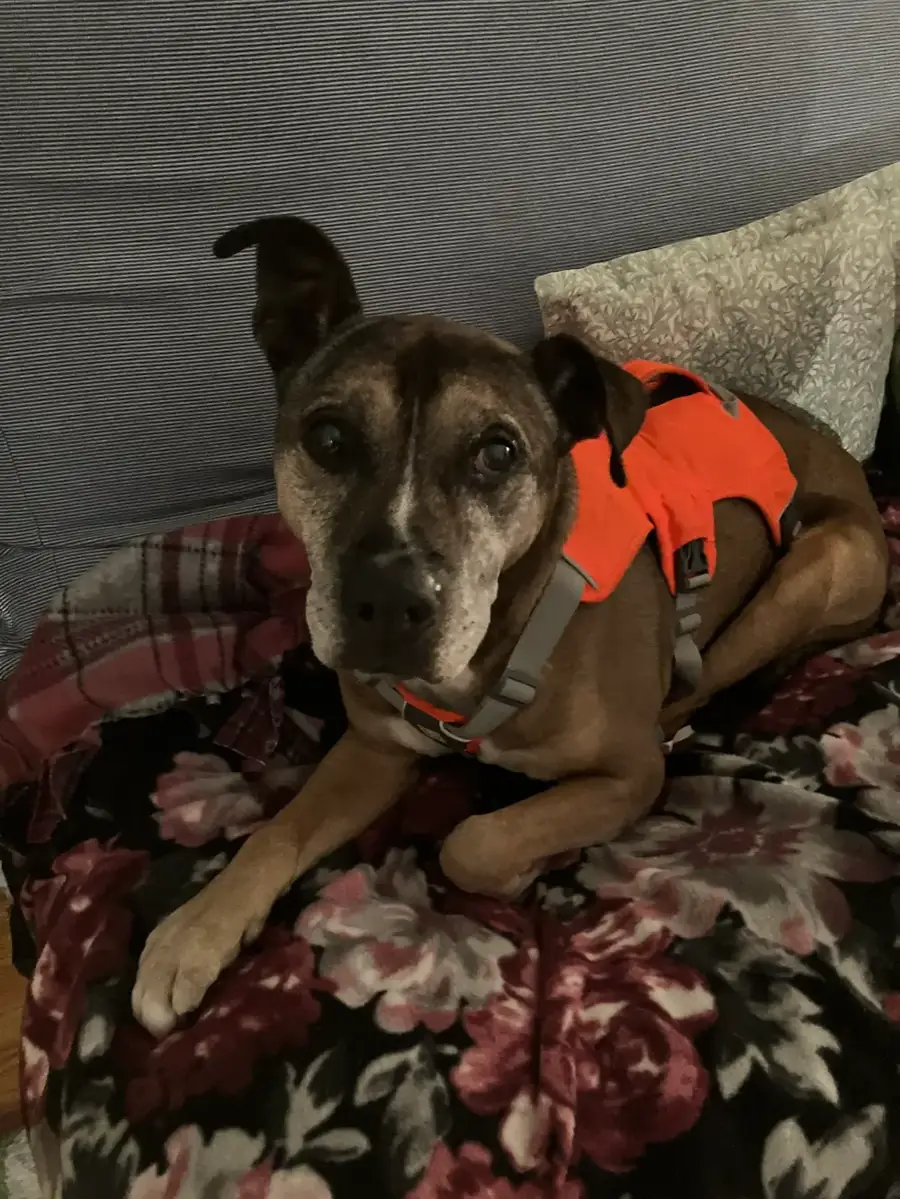
“The Luma was – and is – a critical part of Bruin’s overall arthritis care. Luma helps our senior dog to stay mobile. As Bruin’s pain becomes more manageable, we are so happy to see him beginning to enjoy his much-loved walks again!” -Barbara Owens
Safe, gentle, and designed for at-home use
Luma was designed for pet owners who want to help their pets feel better at home.
It is simple to use. It is quiet. It fits into normal routines. Many pets relax during treatment because the sessions are calm and comfortable.
Luma can be used as part of a vet-guided plan for:
- Arthritis
- Hip dysplasia
- Elbow dysplasia
- Senior dog stiffness
- Soft tissue injuries
- Sprains and strains
- Post-surgery recovery
- Back pain
- Spinal issues
- IVDD support when cleared by a vet
- Painful joints
- Mobility loss
- Muscle soreness
- General mobility concerns
Use Luma with veterinary guidance when your pet has a new diagnosis, severe pain, cancer, pregnancy, neurological symptoms, unexplained lameness, surgical incisions, or sudden mobility loss.
Talk with a clinician about your pet’s mobility
Hazel Moon
Real Stories: Pets Rediscovering Their Bounce
Mobility issues can change a pet’s daily life.
They may stop climbing stairs. Stop joining walks. Stop jumping onto the sofa. Stop playing with toys. Stop moving like themselves.
These stories show how pet owners used Luma to support comfort, mobility, and quality of life at home. Some pets were seniors with arthritis. Some were recovering after surgery. Some had spinal problems, hip pain, or stiffness that made normal movement hard.
Want to know whether Luma could help your pet?
Sprite
Clinical questions about red light therapy for mobility
Clinical summary
Mechanism
Photobiomodulation, also called red light therapy, low-level laser therapy, LED therapy, cold laser, and near-infrared therapy, uses light energy to influence cellular biology. In mobility-related conditions, therapeutic light is applied over painful joints, muscles, nerves, soft tissue, or spinal areas. Proposed effects include increased ATP production, reduced inflammatory signaling, improved local circulation, pain modulation, and support for cellular repair.
Evidence level
Evidence for red light therapy in mobility support is moderate and varies by condition. Veterinary and rehabilitation use is common for arthritis, soft tissue injury, wound healing, post-surgical support, and pain control. Evidence is strongest when red light therapy is used as part of a full treatment plan, including veterinary diagnosis, weight management, medications when appropriate, physical therapy, and environmental changes.
When it works best
Red light therapy may work best for dogs with arthritis, senior dog stiffness, soft tissue soreness, post-surgical recovery, mild to moderate mobility concerns, and chronic painful joints. It may also support comfort in pets with hip dysplasia, elbow dysplasia, spinal issues, and injury-related mobility problems when used with veterinary guidance.
When not to use
Red light therapy should not delay veterinary care when a dog has sudden mobility loss, severe pain, difficulty walking, dragging paws, weak back legs, suspected fracture, suspected ligament tear, neurological signs, fever, or rapid decline. It should also be used with veterinary guidance in pets with cancer, pregnancy, complex illness, surgical incisions, or unexplained pain.
Summary: Why use Luma for pet mobility?
| What Luma supports | Why it matters |
|---|---|
| Pain relief | Helps pets move with more comfort |
| Reduced inflammation | Helps calm painful joints and soft tissue irritation |
| ATP production | Gives cells more energy for repair |
| Blood flow | Supports oxygen and nutrient delivery |
| Muscle recovery | Helps pets maintain strength and movement |
| At-home care | Makes repeat therapy easier for pet owners |
| Quality of life | Supports daily comfort, walks, stairs, and play |
Help your pet move with more comfort
If your dog is slowing down, limping, struggling with stairs, avoiding jumps, dragging paws, or losing confidence on slippery floors, Luma may be a helpful part of their mobility support plan.
Anderson
Evidence Citations

About the Author
Alon Landa is the CEO and co-founder of MedcoVet, a leader in at-home red light therapy for pets. With over 20 years of experience in medical technology and firsthand involvement in developing the Luma, Alon combines deep technical knowledge with a passion for improving pet health. He regularly collaborates with veterinarians and pet parents to advance photobiomodulation (PBM) care at home.
📍 Based in Boston, MA
📖Read more from Alon here

About the Medical Reviewer
Clinical Focus: Surgery, anesthesia, canine fitness, injury prevention, agility
Kristy Williams brings over 30 years of experience to the veterinary field. Her career began in the 1990s, working as a civilian for the Army Veterinary Corps at RAF Feltwell in England, where she first discovered her passion for animal care and supporting their families. Upon returning to the United States, Kristy pursued her education and graduated in 2005 as a certified veterinary technician after passing the national exam. She has since gained extensive experience in both general practice and emergency/referral practices.
Read More about Kristy here.
