Why Frequency Wins:
The Case for At-Home Red Light Therapy Over Once-a-Week Vet Visits
Written By: Alon Landa
Reviewed: [April 2026]
Updated: [April 2026]
“Rose had been getting in-office deep laser treatments. The treatments were wonderful, but wore off pretty quickly. Thanks to the Luma, she gets more frequent treatments in more areas than ever before. She can walk longer, sleeps better, and is excited for her walks! The Luma has made a huge improvement in her quality of life!”— Richelle Krotts (Rose’s Mom)
Let’s cut through the fluff.
When it comes to red light therapy (also known as photobiomodulation or PBM), more power does not mean more healing. And once-a-week clinic visits? Great in theory. But in practice? You’re missing the magic. Red light therapy is commonly available in doctors’ offices, dermatologists, spas, and other wellness centers, making it accessible in a variety of professional settings.
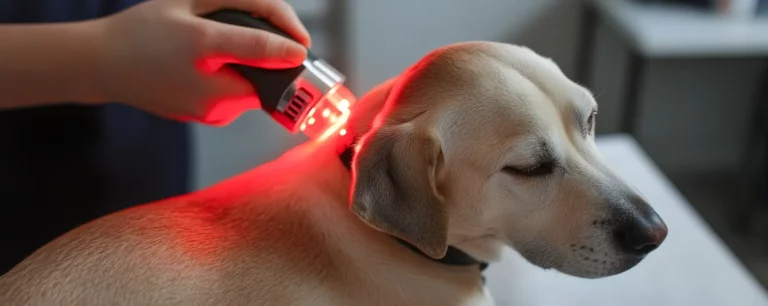
Here’s the truth: consistent, frequent therapy beats occasional high-powered blasts every single time. And that’s not just our opinion—it’s the standard of care backed by science and leading veterinary protocols. While receiving treatment in a clinic can be effective, at-home sessions offer unmatched convenience and allow for more regular therapy, which is key for optimal results.
How often should red light therapy be used to achieve the best results for pets?
Treatment frequency should match the stage and severity of the condition, with acute injuries often benefiting from daily or near-daily sessions early on. Chronic conditions usually improve with consistent multi-week protocols followed by maintenance schedules as symptoms improve. Adaptive frequency based on tissue response, cumulative dose, and healing progress produces stronger long-term outcomes than rigid one-size-fits-all schedules.
What is Red Light Therapy?
Red light therapy, sometimes called low level laser therapy (LLLT) or photobiomodulation (PBM), is a non-invasive treatment that uses specific wavelengths of red light to support the body’s natural healing processes. By delivering low levels of red light—usually in the 630-700 nanometer range—directly to bare skin, this therapy stimulates cell growth and regeneration. The result? Enhanced wound healing, skin rejuvenation, and even improved hair growth.
Red light therapy works by boosting blood circulation and energizing cells, which helps reduce inflammation and pain throughout the body. This makes it a popular option for treating a variety of skin conditions, such as acne and wrinkles, as well as chronic pain and muscle injuries. Because the light penetrates deep into the skin, it can reach tissues that need support, promoting healing from the inside out. Whether you’re looking to treat stubborn skin issues, encourage hair growth, or simply improve your pet’s overall health, red light therapy offers a gentle, effective solution backed by scientific evidence and clinical trials.
Is Red Light Therapy Safe?
Red light therapy is widely regarded as safe when used as directed. This light therapy is non-invasive, drug-free, and doesn’t rely on harsh chemicals or surgical procedures, making it a gentle option for both people and pets. However, as with any treatment, it’s important to take a few precautions. Eye protection is essential during sessions, since direct exposure to the light can potentially harm sensitive eyes. Always follow the recommended treatment guidelines and consult with a healthcare or veterinary professional, especially if you or your pet have underlying medical conditions.
The safety of red light therapy is supported by numerous published studies, which show that when used properly, it rarely causes side effects. Still, ongoing research continues to explore its long-term effects and how it interacts with other medical treatments. For most people and pets, red light therapy offers a safe, natural way to reduce pain, support healing, and improve quality of life.
Selecting the Right Device
Choosing the right red light therapy device is key to getting the best results. Start by looking for a device that emits red light in the optimal wavelength range—typically 630-700 nanometers—which is proven effective for skin rejuvenation and hair growth. The intensity of the device matters, too: too little light may not deliver results, while too much can be counterproductive. Devices with adjustable intensity settings allow you to tailor treatments to your needs, ensuring you deliver the right amount of light for your skin, body, or pet.
Consider the treatment area as well. Some red light therapy devices are designed for targeted use on the face or joints, while others can treat larger areas of the body. Look for products from reputable brands that provide scientific evidence and published studies to back up their claims. By selecting a high-quality device and following recommended guidelines, you can maximize the benefits of red light therapy—whether you’re aiming for smoother skin, thicker hair, or relief from chronic pain and inflammation.
The Power of Consistency: What the Research Says

Consistency is key when it comes to red light therapy for pets. Research and clinical guidelines show that frequent, regular sessions are more effective than sporadic treatments. However, the effectiveness and outcomes of red light therapy can vary depending on factors such as device type, treatment frequency, and individual response. This means that while some pets may respond quickly, others may require more time or different approaches to achieve optimal results.
Red light therapy works on a curve—not a straight line
PBM follows what’s called a biphasic dose-response. Think of it like watering a plant. Too little, and nothing happens. Too much, and you drown the roots. There’s a sweet spot—an optimal dose that stimulates cells to heal, reduce inflammation, and regenerate tissue. Overshooting it? That can stop healing in its tracks or even backfire by increasing inflammation (Huang et al., 2009).
💡 Low-to-moderate intensity treatments done often are better than cramming a huge dose into a single session.
Cumulative effect > Occasional firepower
In a clinical study on 23 dogs with osteoarthritis, three sessions per week resulted in noticeable improvements starting as early as week one, with gains continuing through week six (Rogatto et al., 2020). In some clinical studies, wounds or injuries healed completely within the study period, while in others, healing was only partial, highlighting variability in results.
This isn’t unique. Whether it’s wound healing, muscle recovery, or pain relief—PBM is most effective when you build momentum.
Clinical guidelines—including the WALT Guidelines for Veterinary PBM—recommend 18–24 sessions over time, with 4–8 J/cm² per treatment area for most orthopedic and inflammatory conditions. One massive dose a month doesn’t achieve the same outcome.
The experts agree: Frequency is key
“The frequency of treatment is dictated by the severity and specifics of the condition. Generally, the ‘loading dose’ requires two to three treatments per week for the first two weeks, with subsequent sessions reduced to effect.” — Handbook of Low-Level Laser Therapy, p. 551
“Chronic conditions are managed in three phases: induction (2–3x/week), transition (1–2x/week), and maintenance (every 2–4 weeks).” — Laser Therapy in Veterinary Medicine: Photobiomodulation, p. 58
“If there is any level of pain, it is appropriate to treat daily until a clinical response is noted. Once a clinical response is noted, an every-other-day treatment frequency is recommended until resolution or plateau.” — Laser Therapy in Veterinary Medicine, p. 463
It’s important to note that the effectiveness of red light therapy can vary from person to person, so individual response should guide how frequently treatments are adjusted.
Whether acute or chronic, the recommendation is consistent: start strong and often, then taper based on response. At-home treatment makes that level of consistency possible.
Low-powered light often outperforms high-powered lasers
That’s right—gentler light, used more frequently, has been shown in multiple meta-analyses to work better than aggressive, high-power sessions. Especially for chronic conditions like arthritis or IVDD (Huang et al., 2009Chow et al., 2009).
A 2022 systematic review on home-use PBM devices concluded that 3–7 short sessions per week led to significant improvement in pain, wound healing, and mobility outcomes (Lima et al., 2022).
Real-world compliance matters
Here’s where things get practical: If your vet says “come in 2–3× a week,” that’s the right advice. But if you’re actually going once a week—or just once a month—that’s not enough.
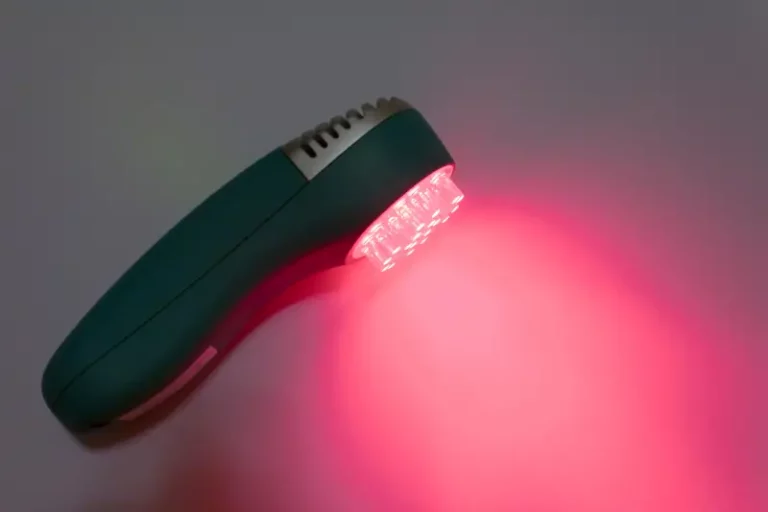
And it’s not your fault. Life is busy. That’s why a safe, easy-to-use at-home device like Luma changes everything.
✔️ Treat in 10 minutes—anytime, anywhere ✔️ Hit the therapeutic sweet spot (4–8 J/cm² per joint, multiple times per week) ✔️ Maintain progress between vet visits instead of resetting every time
Prove It 🧪
Let’s break it down.
Selecting the right red light device is crucial for achieving optimal results, as factors like wavelength, coverage area, and intended therapeutic use can impact effectiveness.
Factor | At-Home PBM (Luma) | In-Clinic PBM (Once/Week) |
|---|---|---|
Frequency | 3–7×/week | 1×/week or less |
Dose Control | Optimized for 4–8 J/cm² | Often too high (risking overshoot) |
Cumulative Gains | Maintained and built upon | Often fade between visits |
User Compliance | Easy and flexible | Inconvenient scheduling |
Safety | Eye-safe, non-invasive | Risk of thermal stress if misapplied |
Treatment Area | Multiple areas daily | Limited due to cost/time |
While red light therapy is being investigated for a wide range of health conditions—including skin issues, pain management, and even weight loss—evidence supporting some of these applications remains limited, and ongoing research continues to evaluate its broader health benefits.
The Takeaway

If you’re dealing with arthritis, muscle injuries, IVDD, wound recovery—or just want to keep your pet mobile and pain-free—consistent therapy is key
More often, not more intense.

About the Author
Alon Landa is the CEO and co-founder of MedcoVet, a leader in at-home red light therapy for pets. With over 20 years of experience in medical technology and firsthand involvement in developing the Luma, Alon combines deep technical knowledge with a passion for improving pet health. He regularly collaborates with veterinarians and pet parents to advance photobiomodulation (PBM) care at home.
📍 Based in Boston, MA
📖Read more from Alon here
🐾 Ready to Take the Next Step?
Whether you’re just learning or ready to act — we’ve got you.
👉 Book a Free Consult
Talk to a licensed clinician about your pet’s condition and get a personalized plan. No pressure, just real help.
👉Learn More About the Luma
Explore how our at-home red light therapy device works, why it’s different, and what it can do for your pet.