Comparing HelioPet for Your Pet?
Talk to a clinician about whether HelioPet, Luma, or another option makes sense for your pet’s coat, condition, and treatment goals.

Medically reviewed by: Dr. Ron Hirshberg
Reviewed: [April 2026]
Updated: [April 2026]
Note: This article is part of our Red Light Round Up Series where we review and compare the top devices on the market. We are not affiliated with HelioPet in any way. If you want the broad clinical overview, protocols, and condition guidance, see Red Light Therapy for Dogs.
Is the HelioPet a good at-home red light therapy device for pets?
The HelioPet has some solid fundamentals, including 635 nm red light and 850 nm near-infrared light, and its measured output is within accepted treatment-style guidance. But its design makes treatment through fur harder, especially for long-haired pets, because it does not part the fur well and does not maintain ideal skin contact. It may work reasonably well for short-haired pets or for owners willing to shave or part fur and spend more time per treatment
Home laser therapy devices like HelioPet are becoming an affordable option for pet owners seeking ongoing care between vet visits. Many pet owners are turning to these devices to manage their pets’ pain and mobility issues at home.
Photobiomodulation (PBM), also called red light therapy, low-level laser therapy, LED therapy, cold laser, and near-infrared therapy, refers to the same therapeutic category using light energy to influence cellular biology. Red light and laser therapy are effective for a variety of animals—including aging dogs and senior dogs—to manage pain, arthritis, and mobility issues. When it comes to at-home light therapy for pets, the HelioPet is a frequent mention in the world of pet rehab. In fact, the market for pet light therapy is expected to grow over 8% annually. That’s a lot of people looking for reliable solutions. Many pet owners consult heliopet reviews and conduct research to ensure the effectiveness and safety of these devices before purchasing. The HelioPet is often touted as one of the better options out there. But while it has some strong specs, there are a couple of design challenges you should know about before diving in.
Here’s a video deep dive of the HelioPet along with more detail below
Introduction to Light Therapy for Pets
Light therapy—often called low level laser therapy (LLLT) or cold laser therapy—has quickly become a go-to solution for pet parents seeking gentle, non-invasive ways to help their pets feel better. This innovative approach uses targeted light energy to stimulate cellular repair, reduce inflammation, and promote faster healing in pets struggling with joint pain, mobility issues, or the aches and pains of aging. As more pet owners look for natural, drug-free alternatives to traditional pain relief, light therapy stands out for its ability to improve well-being and quality of life without side effects.
HelioPet is one of the leading brands in the pet laser therapy market, offering a range of devices designed to deliver effective pain relief and support healing in dogs and other animals. Whether your pet is recovering from surgery, dealing with arthritis, or simply slowing down with age, cold laser therapy can make a noticeable difference in their comfort and mobility. With the right device, pet parents can provide therapy at home, helping their pets enjoy a more active, pain-free life.
The Basics: Device Specs and Performance
The HelioPet is built around two wavelengths that have long been considered ideal for therapeutic benefits: 635nm (visible red light) and 850nm (near-infrared light). These wavelengths are widely used for promoting healing, reducing inflammation, and helping with tissue repair. Red light therapy, also known as low-level laser therapy, uses light energy to stimulate cellular repair and reduce inflammation in pets. It can also enhance blood circulation by delivering light energy deep into tissues and increasing blood flow to muscles and joints. The main benefits of red light therapy include its regenerative and anti-inflammatory properties, which help in pain reduction and increased mobility. It’s a solid choice on paper, offering the right balance between depth and surface-level treatment.
Beyond wavelength, we tested the HelioPet’s power and it falls within the World Assocation of Laser Therapy’s (WALT’s) guidelines for veterinary treatment. The effectiveness of the HelioPet device is due in part to its ability to stimulate cellular repair and enhance blood flow, supporting faster healing and improved mobility. In short, the Heliopet is off to a good start.
Treating Through Fur: A Challenge That’s Hard to Ignore

One of the biggest hurdles with light therapy is how well it can penetrate through fur—especially with long-haired pets. The HelioPet, like many devices, has a harder time with this. Testing showed that the device’s power diminishes significantly when dealing with thick coats. Without a comb attachment to part the fur, it’s tough to get that light directly onto the skin (for an example of how MedcoVet solves the “fur problem” click here).
Pets with mobility issues, such as those recovering from arthritis, injury, or age-related decline, may require more time and effort to see improvements in walking and overall mobility. Light therapy can improve recovery times and help maintain mobility, especially for aging dogs and cats.
Now, here’s the positive twist: it still delivers benefits, particularly for short-haired breeds or areas with thinner fur coverage. And even with longer-haired pets, it’s not entirely ineffective. It just means you might need to adjust your approach, such as shaving the area, parting the fur, or being ok with long treatment times. This could help increase skin exposure and improve results, which is especially important for pets struggling with mobility issues or difficulty walking.
The HelioPet’s specs are on point, but it’s crucial to recognize that thicker coats mean a longer commitment to treatment sessions. So, if you’re willing to put in a bit more time, you can still see results—just not as quickly as with other models that include a more skin-contact-centric design. Adjusting your approach can help improve mobility for pets with thick coats.
Worried About Fur Blocking Results?
A clinician can help you decide whether your pet needs a device designed for better fur management and home treatment
Mizzy
Build Quality and Design: Where It Shines, Where It Stumbles
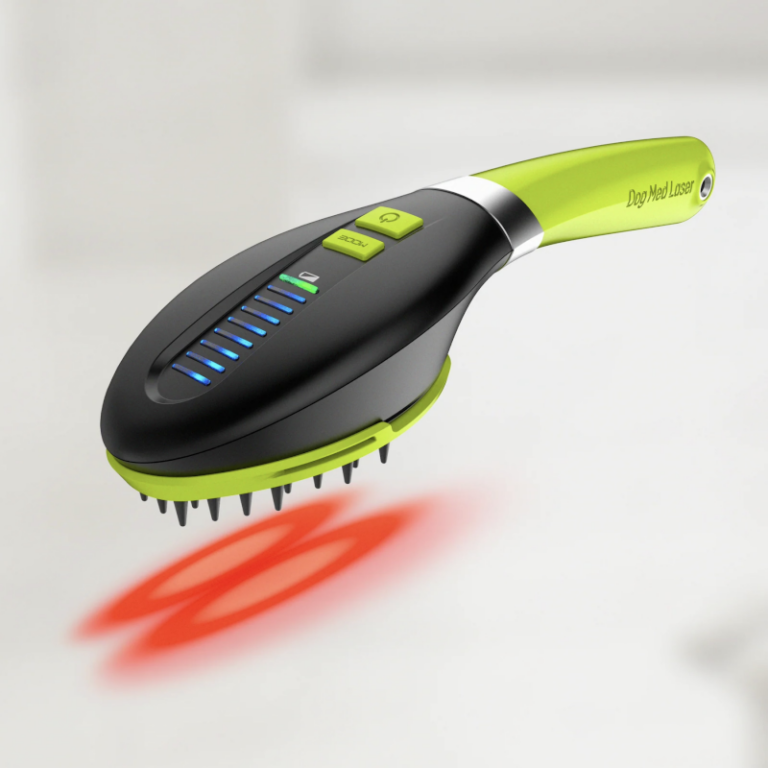
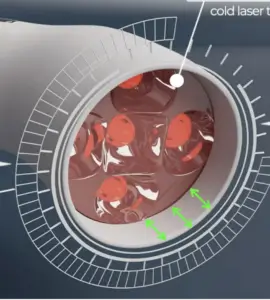
The HelioPet is sturdy and well-made. It feels durable in hand, a device that can handle regular use without wearing out. The HelioPet device is considered affordable compared to other options on the market, making it a budget-friendly solution for pet owners. The standard price for the HelioPet Cold Laser Therapy Device is typically around $349, with occasional discounts bringing it down to approximately $297. However, that design also comes with some drawbacks. The device has a small lip around the light source that creates a slight gap between the light and the pet’s skin (see image below). This might sound minor, but in practice, it means that some of that healing power doesn’t quite make it to where it’s needed most.
Need Help Choosing the Right Light Therapy Device?
Get personalized guidance for your pet’s coat, condition, and home treatment needs.
Matilda
Clinical Information and Guidance: What’s Missing
Another key area where the HelioPet could improve is its user guidance. There’s not much in terms of detailed, condition-specific instructions. Many users find that the instructions provided are too basic and lack detailed, condition-specific treatment protocols. While it comes with a small pamphlet, the information is quite basic—more general advice than tailored guidance. For a device that aims to treat a range of conditions, this feels like a missed opportunity. Improper use of home laser therapy devices can reduce their effectiveness, so following best practices is important.
Many light therapy experts recommend a more targeted approach, with settings and durations adjusted based on the condition being treated. Without this, users might find themselves unsure of the best way to use the device. An app or a more comprehensive guide would be a huge help here, especially for new users who are still learning the ropes of at-home light therapy.
The HelioPet’s website also leans on some questionable claims. Professional reviews indicate some skepticism about HelioPet’s marketing claims, such as assertions of being “800% more powerful” than competitors, due to a lack of supporting evidence. Statements like being “800% more powerful than other devices” aren’t backed by clear comparisons. And while a demo of red light shining through a hand looks impressive, it doesn’t reflect how deeply light actually penetrates through fur and skin. For pet owners looking for straightforward, evidence-based information, this can be frustrating. Pet owners are encouraged to conduct research to validate the effectiveness and safety of red light therapy devices before making a decision.
Clinical Summary
Mechanism: Photobiomodulation using red (635 nm) and near-infrared (850 nm) light is absorbed by cellular chromophores, supporting signaling associated with inflammation modulation, circulation changes, and tissue repair.
Evidence level: Moderate for select musculoskeletal and healing-oriented use cases when dosing, consistency, and delivery to the skin are appropriate. Real-world effectiveness can drop when fur blocks light or prevents consistent contact.
When it works best: Short-haired pets, clipped treatment areas, or situations where fur can be parted enough to let light reliably reach the skin. Best results are more likely when owners can apply the device consistently and treat localized targets over repeated sessions.
When not to use: Suspected cancer without veterinary oversight, conditions needing diagnosis or urgent treatment, active infections requiring medical care, photosensitivity concerns, pregnancy without clinician guidance, or cases where pet owners are relying on the device instead of getting proper veterinary evaluation.
Want to Understand Red Light Therapy Before You Buy?
Get clear, clinician-backed guidance on what actually matters—so you choose the right device for your pet.
Huxley
Safety and Precautions for Heliopet Laser
While the HelioPet laser device is generally considered safe and effective for most pets, it’s important for pet owners to take a few precautions before starting treatment. Always follow the manufacturer’s instructions and consult with your vet to ensure the device is appropriate for your pet’s specific needs. Some pets may experience increased blood flow or temporary redness of the skin after a session—these effects are usually mild and short-lived, but it’s good to be aware.
Additionally, the HelioPet laser should not be used on pets with certain medical conditions, such as cancer or open wounds, unless directed by a veterinarian. By sticking to the recommended treatment protocol and keeping your vet in the loop, you can help ensure that your pet receives the full benefits of laser therapy safely and comfortably.
FAQ’s
Key Takeaways: Is the HelioPet Right for Your Pet?
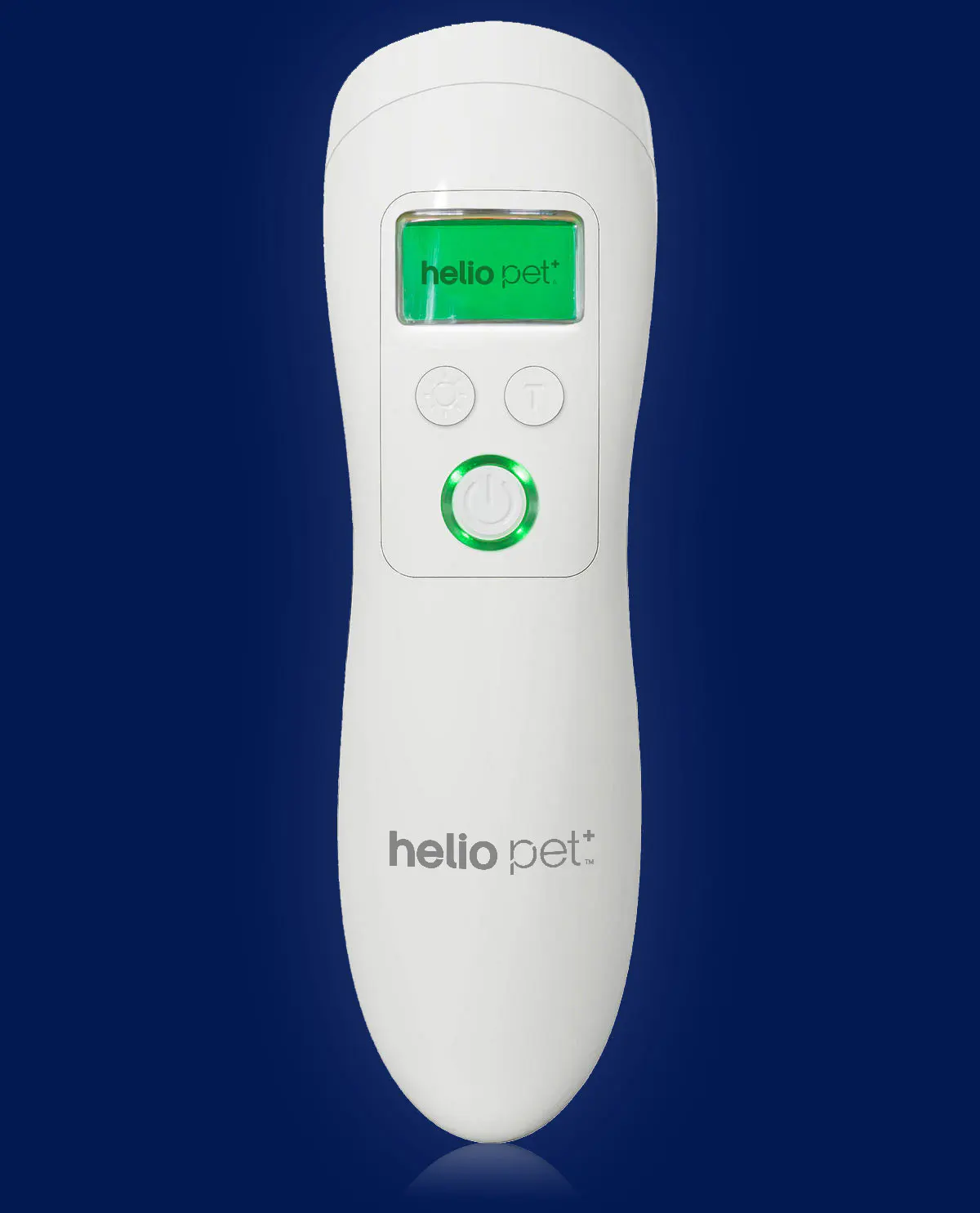
The HelioPet is a device that does a lot right but comes with a couple of important caveats. It has the right wavelengths and delivers a decent amount of power, but its design makes it harder to get optimal results—especially with long-haired pets. The lack of a comb attachment means some of that light power is lost in transit, turning a quick session into a longer process.
So, who is this device best for? Here’s the breakdown:
- Great for owners of short-haired pets: Where light penetration isn’t as big of a concern.
- Ideal for users experienced with light therapy: Those who can experiment and adjust protocols themselves.
- Pets struggling with arthritis, mobility issues, or recovering from surgery: The HelioPet can be a game changer, providing effective pain relief and improving overall well being and quality of life.
And who might want to think twice?
- Owners of long haired pets: You might need to budget more time for each session.
- Those needing detailed guidance: If you’re looking for clear treatment protocols, you might feel a bit left in the dark.
Final Thoughts
The HelioPet brings solid build quality and power, but it’s not without its downsides. If you’re ready to spend a bit more time figuring out the right approach—or if your pet doesn’t have a thick coat—you can achieve good results. The device is intended to be used consistently, typically requiring multiple sessions per week, and many users report significant improvements within the first month. Many pet owners are glad to see their pets regain mobility, with some sharing stories of their boy being able to lift his leg or resume walking after using the device. Testimonials highlight that pets with arthritis, joint pain, or recovering from surgery have experienced effective pain relief and improved mobility, with some older dogs becoming more active and energetic. The therapy promotes the release of endorphins and enkephalins, natural pain-relieving hormones, supporting your pet’s comfort and well being. Users have even successfully used the device for personal pain relief, such as arthritis in humans. There’s hope that the HelioPet will continue to help pets live a more active and comfortable life. But if you’re looking for a more streamlined experience, exploring other options like the Medcovet Luma could save you time and effort. Ultimately, it’s about matching the device to your needs and your pet’s unique challenges.
Want Straight Answers From a Clinician?
Get a personalized red light therapy plan for your pet’s breed, coat, and condition.
Ghillie

About the Author
Alon Landa is the CEO and co-founder of MedcoVet, a leader in at-home red light therapy for pets. With over 20 years of experience in medical technology and firsthand involvement in developing the Luma, Alon combines deep technical knowledge with a passion for improving pet health. He regularly collaborates with veterinarians and pet parents to advance photobiomodulation (PBM) care at home.
📍 Based in Boston, MA
📖Read more from Alon here

About the Medical Reviewer
Dr. Ronald Hirschberg has been the long term hospital director of the Brockton Animal Hospital, in Brockton, Massachusetts. He came to the hospital after graduating from The Ohio State University College of Veterinary Medicine, and served as medical director for more than 30 years. During his tenure, Dr. Hirschberg developed the facility into a full service hospital emphasizing surgery as well as medicine. His areas of interest include orthopedics, ophthalmology, dermatology, and Photobiomodulation or Red Light Therapy (previously known as Low Level Laser Therapy).
He is a recognized authority on Photobiomodulation and its application in companion animal medicine. His treatment protocols have been adopted for use by several light device practitioners and manufacturers. Dr. Hirschberg was invited to sit on a multi-day task force at the World Association of Photobiomodulation (WALT) international meeting in Nice, France in 2018 in an effort to create standardized protocols for several medical conditions.
Dr. Hircshberg is the author of PBMDVM a site dedicated to educating both clinicians and pet parents about the benefits of photobiomodulation in animal health.
📍 Based in Newton, MA
📖Read more from Dr Ron here