Top Causes and Treatments for Dogs Back Legs Shaking
👉Help your dog feel better today
Get a quick read on whether red light therapy is a fit for your dog
Medically reviewed by: Dr. Ron Hirshberg
Wondering why your dog’s back legs shaking is a concern? This article covers common causes and treatments for this issue, including muscle atrophy, pain, and neurological problems related to dogs’ back legs shaking.
Introduction to Leg Shaking in Dogs
Leg shaking in dogs is a common concern that can leave many pet owners feeling anxious about their furry friend’s well-being. Dogs shake, shiver, or tremble for a variety of reasons—sometimes it’s as simple as excitement or a response to a chilly environment, while other times it may signal pain, anxiety, or an underlying health issue. Dog shaking can also occur when a dog is wet, overly excited, or experiencing stress. However, persistent or unexplained leg shaking should never be ignored, as it may point to a more serious problem affecting your dog’s health.
Understanding why your dog’s leg is shaking is crucial for maintaining their overall well-being. By paying close attention to when and how your dog shakes, you can help your vet pinpoint the underlying cause and ensure your pet receives the care they need. Whether it’s a temporary reaction or a sign of something more significant, being proactive about leg shaking helps keep your dog happy, healthy, and comfortable.
Key Takeaways
- Shaky back legs in dogs can be caused by various factors, including muscle atrophy, pain, neurological disorders, and cold environments.
- Persistent leg shaking often indicates an underlying health issue, making it essential to consult a veterinarian for proper diagnosis and treatment.
- Preventive measures like regular exercise, a balanced diet, and keeping dogs warm can help maintain healthy leg function and prevent shaking.
- This article also provides prevention tips to help avoid or delay the onset of back leg shaking in dogs.
Common Causes of Dogs Back Legs Shaking
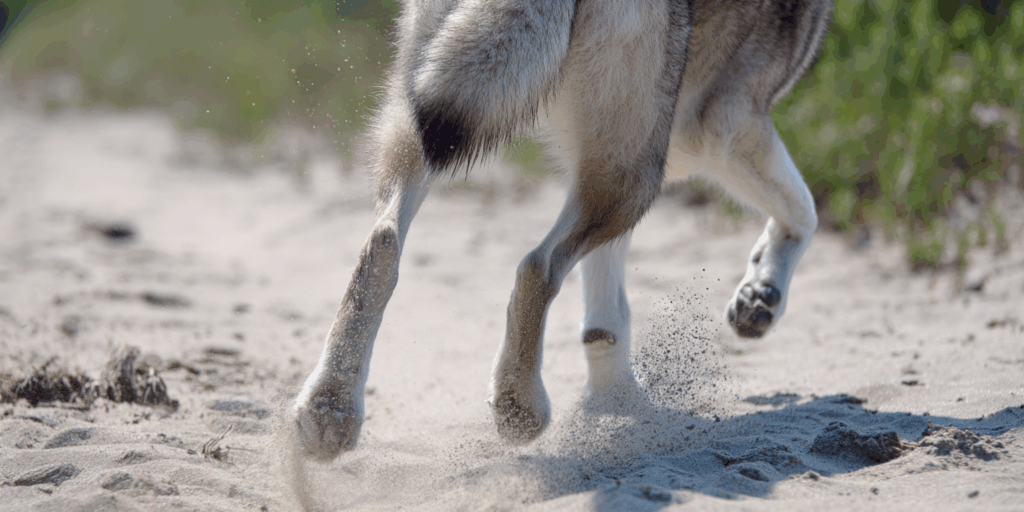
Dogs shake their hind legs for various reasons, ranging from medical conditions to environmental influences and other causes. Understanding these causes is key to offering the right care and treatment for your pet. Causes include:
- Muscle atrophy
- Pain
- Neurological disorders
- Cold temperatures. Dogs shiver as a natural response to cold, especially in small or thin-coated breeds.
- Dog’s anxiety. Stress or anxiety is a common underlying reason for back leg shaking.
- Muscle cramps or spasms
- Low blood glucose or too much insulin, especially in diabetic dogs, can cause leg shaking and require urgent veterinary care.
- Motion sickness, particularly during travel or movement, can also lead to leg shaking.
- Other diseases, such as distemper or poisoning, may contribute to leg shaking. Canine distemper is a viral infection that can lead to shaking and tremors in dogs.
Many dogs experience shaking legs due to normal behavior, such as excitement or drying off after a bath. However, if your dog’s legs shake persistently or severely, it can be a symptom of an underlying condition that warrants prompt veterinary attention. Muscle cramps or spasms after physical activity can also cause leg shaking, especially in highly active dogs. Pinpointing the exact cause of your dog’s leg shaking is vital for effective treatment.
Muscle Weakness and Atrophy
Muscle weakness and atrophy are common in older dogs and can lead to their legs shaking. As dogs age, their muscle strength diminishes, making their legs weaker and shakier. This condition can be exacerbated by a lack of physical activity, which further contributes to muscle atrophy and weak legs in old age.
Neurological Disorders
Neurological disorders such as epilepsy and shaker syndrome can cause involuntary leg shaking in dogs. These seizure disorders often require specialized veterinary assessment to diagnose and treat effectively. Some dogs may experience partial seizures, where only a part of the body is affected; these also require prompt veterinary attention and careful documentation for proper diagnosis and management. Loss of balance or coordination can also indicate serious health issues like encephalitis or brain tumors.
Pain and Injury
Pain and injury are significant causes of leg shaking in dogs. Conditions like osteoarthritis and hip dysplasia can lead to discomfort and shaking in the hind legs. Osteoarthritis primarily affects older dogs, causing pain and leading to leg shaking or reluctance to move. Injuries can also cause a dog’s legs to become shaky and weak, resulting in an uneven rhythm while walking. In cases of pain from chronic conditions such as osteoarthritis, pain medication may be recommended by a veterinarian to help manage discomfort and support recovery.
Cold and Hypothermia
Cold temperatures and hypothermia can cause dogs to shiver and their legs to shake. Older and smaller dog breeds are particularly susceptible to cold-induced shaking due to their lower body mass and compromised ability to regulate body temperature.
Blankets, heated beds, and insulated bedding can keep your dog warm and reduce tremors during colder months.
Generalized Tremor Syndrome (GTS)
Generalized Tremor Syndrome (GTS), sometimes called “shaker syndrome,” is a neurological disorder that causes involuntary, rhythmic shaking throughout a dog’s body, often most noticeable in the hind legs. This condition is most commonly seen in small breeds, particularly white dogs such as West Highland White Terriers, but it can affect dogs of any size or color. GTS typically appears in young to middle-aged dogs and is characterized by persistent, generalized muscle tremors that may worsen with excitement or stress.
Affected dogs may seem otherwise healthy, but their shaking legs can interfere with daily activities and quality of life. The exact cause of GTS is not fully understood, but it is believed to be an autoimmune or inflammatory condition affecting the nervous system. Treatment usually involves corticosteroids or other immunosuppressive medications. If you notice your dog’s legs shake persistently, especially if they belong to a breed prone to GTS, consult your vet immediately for a proper diagnosis and treatment plan.
Special Considerations
Certain dogs may require extra attention when it comes to leg shaking. For example, older dogs are more prone to muscle weakness and joint issues, making them susceptible to shaky legs and difficulty walking. Small breeds, especially those with a history of neurological disorders or chronic health issues, may also be at higher risk for leg shaking. Additionally, dogs with chronic kidney failure or other systemic diseases can develop muscle tremors as a result of imbalances in their body chemistry.
It’s important to keep your dog’s health up to date with regular veterinary check-ups, especially if they have pre-existing medical conditions. Dogs recovering from surgery or injury may benefit from supportive care, physical therapy, and a balanced diet to help restore muscle strength and prevent further shaking. Always monitor for other signs or symptoms that could indicate a worsening condition, and work closely with your vet to tailor a treatment plan that supports your dog’s unique needs.
Shaking Puppies
Puppies sometimes experience leg shaking, and while it can be alarming, it’s not always a cause for concern. In many cases, puppies shake due to excitement, play, or as their nervous system continues to develop. However, persistent or severe shaking in puppies can signal underlying issues such as low blood sugar levels (hypoglycemia), especially in small or toy breeds, or even congenital neurological disorders.
If your puppy’s legs shake frequently, or if you notice other symptoms like lethargy, difficulty walking, or poor appetite, it’s important to consult your vet immediately. Early intervention and regular check-ups are key to supporting your puppy’s healthy growth and development, so don’t hesitate to seek veterinary attention if you have any concerns about your young dog’s health.
Symptoms Accompanying Shaky Back Legs

Shaky back legs in dogs are often accompanied by other symptoms that can provide valuable clues about the underlying cause. Difficulty walking, loss of balance, and lameness are common signs that indicate the need for veterinary attention. While this article focuses on back legs, tremors can also affect the front legs and may indicate similar underlying issues.
These symptoms can help you detect health issues early and seek appropriate treatment for your pet.
Difficulty Walking
Difficulty walking can stem from various causes, including muscle weakness, arthritis, or neurological disorders. Pain from injuries or medical issues can significantly impair a dog’s ability to walk properly, often accompanied by shaking, limping, or evident discomfort.
Detecting and treating these symptoms early is essential for maintaining your dog’s mobility and quality of life.
Loss of Balance
Shaking rear legs can cause a dog to lose its balance, making it difficult to stand or walk steadily. This loss of balance can be a sign of underlying health issues that need to be addressed. Proper care and monitoring can prevent accidents and improve your dog’s overall stability.
Lameness and Paralysis
Lameness occurs when one or more of a dog’s legs aren’t functioning properly, often due to injuries or an underlying issue with health issues. Paralysis in the back legs can result from serious conditions like spinal cord injuries, diseases, or other diseases such as distemper or poisoning, all of which require prompt veterinary attention.
Signs of severe pain, such as panting, reduced appetite, or vocalization, and other signs indicate the need for immediate veterinary attention. Symptoms accompanying leg shaking may include lameness, panting, reduced appetite, lethargy, and agitation.
Diagnosing Dogs Back Legs Shaking
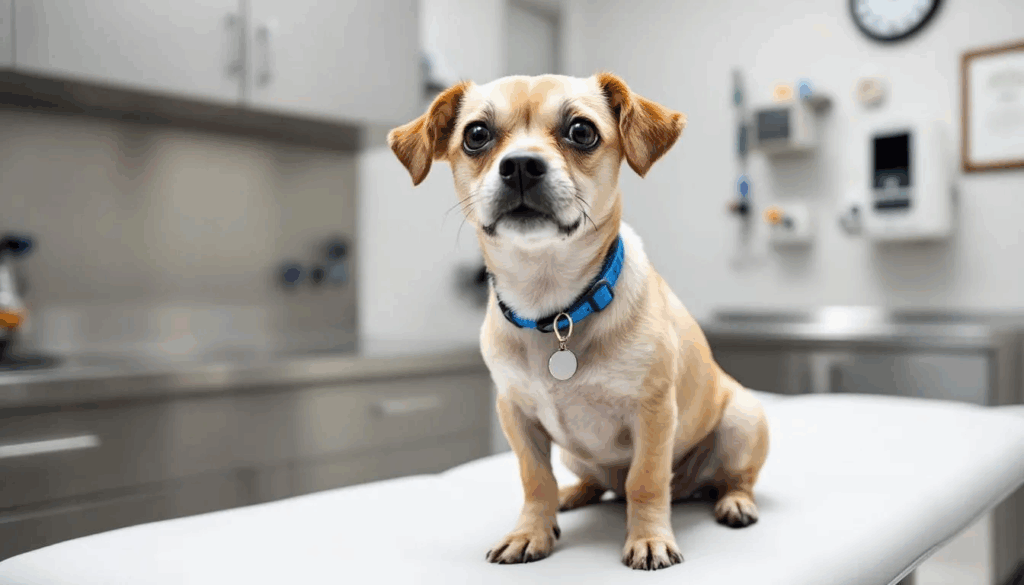
Diagnosing the root cause of a dog’s back leg shaking is vital for effective treatment. Leg shaking often points to underlying health issues that require thorough evaluation. Identifying whether an underlying condition is responsible for the symptoms is crucial, as it can indicate deeper medical problems that need to be addressed. Regular veterinary check-ups can identify potential problems early, ensuring timely care for your dog.
Veterinary Consultation
Visiting the vet for an examination and treatment plan is crucial if your dog’s back legs are weak and shaking. Consulting with a veterinarian helps diagnose any underlying conditions and determine the best course of action for your dog’s health.
Seek immediate veterinary attention if your dog shows signs of lameness or neurological problems that could worsen.
Diagnostic Tests
Diagnostic tests like blood tests and imaging techniques are crucial for identifying the underlying causes of leg shaking in dogs. Blood tests can detect toxins and metabolic disorders, while imaging tests like X-rays and MRIs reveal joint abnormalities and tissue issues.
A comprehensive diagnostic approach ensures accurate problem identification and appropriate treatment.
Monitoring and Observation
Observing your dog’s behavior and recording the frequency and duration of leg shaking episodes can provide valuable information for your vet. Keeping a diary of these episodes helps identify patterns or triggers, aiding diagnosis and treatment.
Treatment Options for Shaky Back Legs
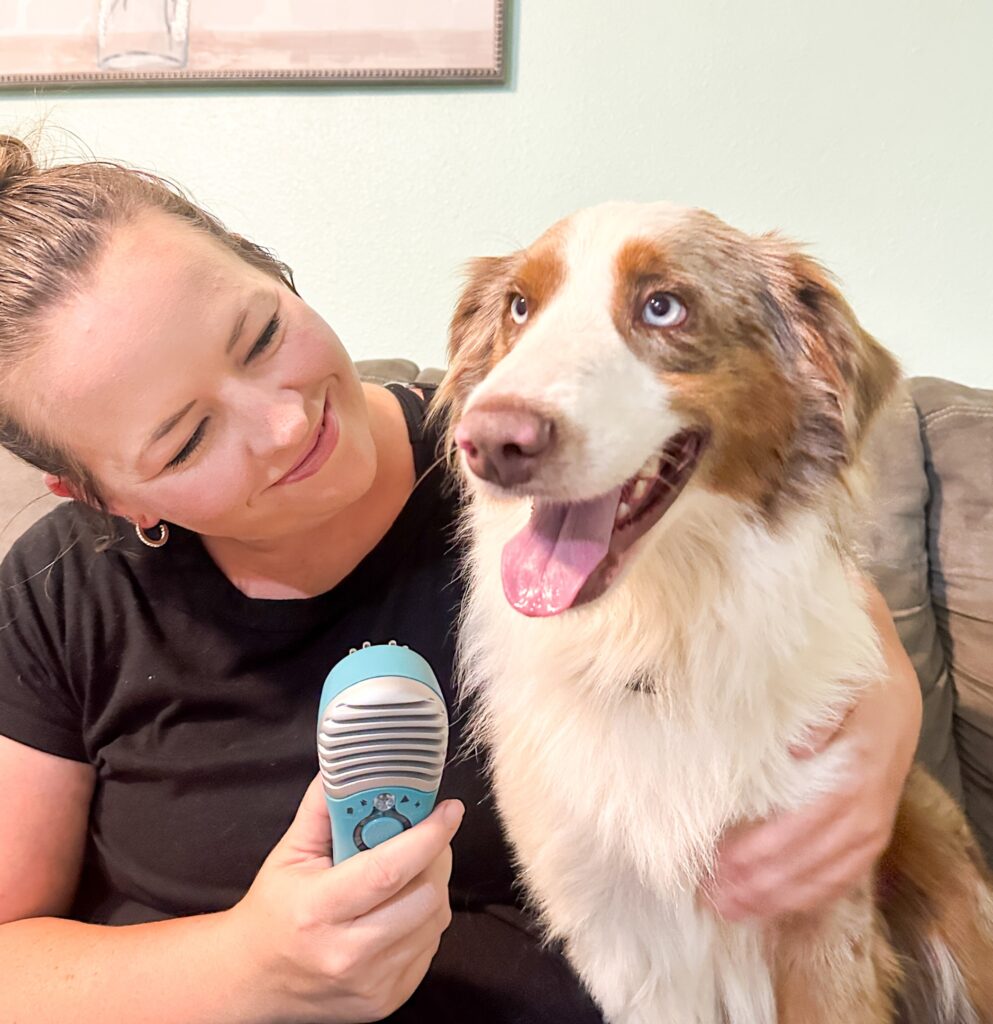
Treatment for leg shaking in dogs varies based on the root cause, ranging from medications to lifestyle adjustments. Keeping your dog at a healthy weight and providing joint supplements can prevent excess strain on the hind legs and maintain strength.
Many treatments can effectively address leg shaking and improve your dog’s quality of life. In addition, other therapies, such as cold laser therapy or acupuncture, may also support recovery and improve outcomes for some dogs.
Red Light Therapy
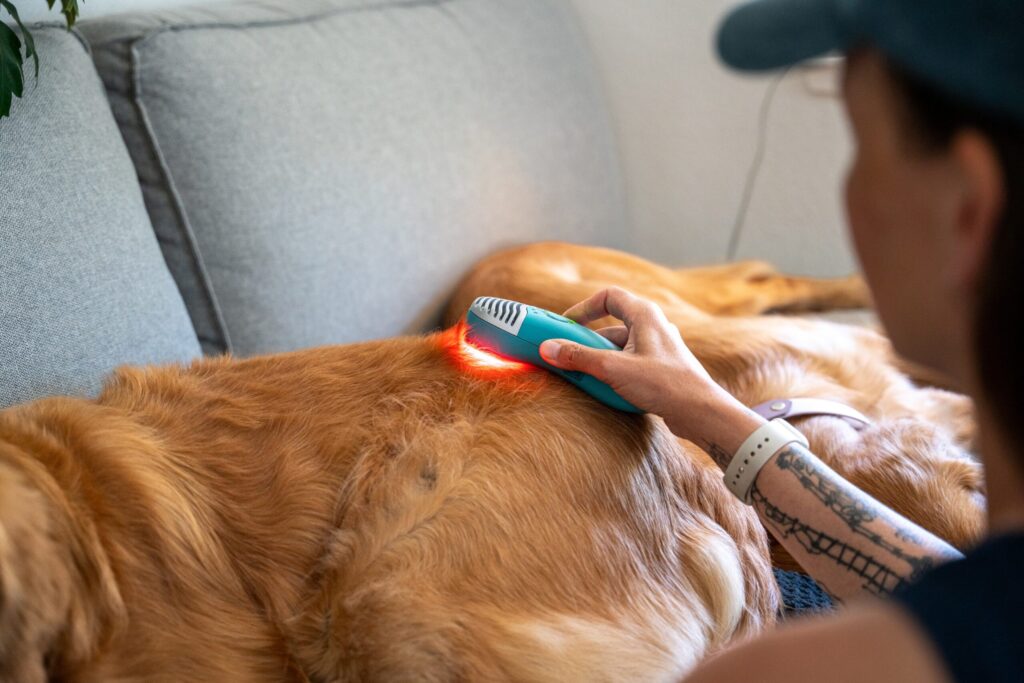
Red light therapy (RLT), also known as photobiomodulation (PBM), is a non-invasive, scientifically backed treatment that uses red and near-infrared light to support healing in dogs. When applied correctly, it can make a meaningful difference for pets with shaky back legs by targeting the root causes—not just the symptoms.
Here’s how RLT can help:
- Reduces inflammation and pain – Key for dogs dealing with arthritis, joint injuries, or hip dysplasia.
- Improves muscle recovery – Especially important for older dogs or those experiencing muscle atrophy.
- Supports nerve function – Certain neurological conditions benefit from increased mitochondrial activity and circulation.
- Enhances joint mobility – Regular treatments can restore comfort and range of motion.
MedcoVet’s Luma device delivers this therapy at home, with safe wavelengths and protocols designed specifically for pets. It’s gentle, easy to use, and veterinarian-approved.
🐾 Curious if red light therapy could help your dog?
Take our quick 3-minute quiz to find out if your pet is a good candidate for Luma.
Physical Therapy
Physical therapy helps build strength and flexibility in dogs with back leg shaking. A qualified vet or pet physiotherapist can create a personalized physiotherapy plan, including therapeutic exercises to enhance mobility and strength. Physiotherapy may be prescribed to help dogs regain mobility and strength after injury or surgery. Activities like playing fetch can also be incorporated into your dog’s routine to help maintain muscle strength and agility as part of their physical therapy.
This approach is particularly beneficial for dogs suffering from arthritis-induced muscle atrophy and weakness.
Surgery
In serious cases, surgical options may be necessary to address physical abnormalities causing leg shaking. Surgery can correct issues like joint deformities or spinal problems, providing significant relief and improving your dog’s quality of life.
Post-surgery, physical therapy and supportive care are essential for recovery.
Lifestyle Changes
Incorporating regular exercise and a balanced diet is crucial for improving leg stability and overall health in dogs. Consistent exercise helps maintain muscle tone, while a balanced diet supports both muscle and joint health.
Adopting these lifestyle changes supports recovery and helps prevent future problems.
Preventive Measures for Dogs Back Legs Shaking

Preventive measures can significantly reduce the risk of leg shaking in dogs. Cold environments, excitement, fear, and anxiety can all contribute to shaking. Increasing exercise, providing a balanced diet, and ensuring warmth are key to keeping your dog’s legs strong and stable. Keeping your dog warm, dry, relaxed, and up-to-date on their vaccinations can help to prevent common reasons for shaking.
Regular Exercise
Regular exercise is essential for dogs. It helps:
- Maintain strong muscles
- Keep limbs agile
- Support a healthy heart
- Reduce excessive shaking by redirecting their energy
- Prevent muscle atrophy
Exercise needs vary by breed, size, and energy level, so consult a vet to ensure your dog gets the right amount of physical activity.
Balanced Diet and Supplements
A healthy, balanced diet is vital for maintaining a dog’s health and preventing leg shaking. Supplements like TRI-ACTA for Pets can help build strength in joints and support healing for conditions causing leg shaking.
Including omega-3 fatty acids in your dog’s diet can enhance joint lubrication and overall leg health.
Warmth and Comfort
Smaller breeds and older dogs are highly susceptible to cold temperatures, making it essential to keep them warm to prevent involuntary shaking. Providing warm bedding, dog sweaters, and a protected environment during colder months can help maintain your dog’s well-being and prevent cold-related shaking. Small breeds can particularly benefit from these precautions.
When to Seek Emergency Care
There are situations where immediate veterinary attention is necessary for dogs with leg shaking. Sudden onset of tremors, along with symptoms like depression, fever, or changes in appetite, may indicate systemic issues that need urgent care.
Persistent shaking also warrants a visit to the vet to ensure your dog’s health and safety.
Severe Symptoms
Continual shaking or additional symptoms like pain are indicators that veterinary consultation is necessary. Signs such as extreme discomfort, inability to stand, or tremors suggest serious underlying conditions that need immediate evaluation.
If your dog’s back legs collapse, it is crucial to take them to the vet immediately.
Poisoning and Toxins
Poisoning can cause symptoms in dogs such as tremors, lethargy, and seizures. Recognizing these symptoms early can be critical for effective treatment. Poisoning can cause a dog to shake or tremble, along with other symptoms like vomiting and diarrhea. Seek veterinary care immediately if ingestion of toxins is suspected to ensure your dog’s health and safety.
Keep emergency contact information for your veterinarian and pet poison control readily available to minimize delays in treatment.
Summary
In summary, dogs’ back legs shaking can stem from various causes, including muscle weakness, neurological disorders, pain and injury, and environmental factors like cold temperatures. Recognizing the accompanying symptoms and seeking timely veterinary consultation are crucial steps in ensuring your dog’s health and well-being.
Implementing treatment options such as red light therapy, physical therapy, surgery, and lifestyle changes can significantly improve your dog’s condition. Additionally, preventive measures like regular exercise, a balanced diet, and providing warmth can help maintain your dog’s leg stability and overall health. By being proactive and attentive to your dog’s needs, you can help them lead a happy and healthy life.
Frequently Asked Questions
What are the common causes of my dog’s back legs shaking?
If your dog’s back legs are shaking, it could be due to muscle weakness, neurological issues, pain or injury, or even being too cold. Hypoglycemia can cause leg tremors in dogs, especially if they have not eaten or have received too much insulin. It’s important to monitor the situation and consult your vet if it continues.
How can I tell if my dog’s leg shaking is due to a serious health issue?
If your dog’s leg shaking comes with trouble walking, balance issues, lameness, or visible pain, it’s best to consult a vet right away. Taking action can help address any serious health concerns early on.
What treatments are available for dogs with shaky back legs?
If your dog has shaky back legs, options like physical therapy, red light therapy, surgery, and regular exercise can help, depending on the underlying cause. It’s best to consult your vet to find the right treatment for your furry friend.
How can I prevent my dog’s legs from shaking?
To prevent your dog’s legs from shaking, make sure they get regular exercise, a balanced diet, and stay warm. Joint supplements can also help, especially for older or smaller breeds.
When should I seek emergency care for my dog’s leg shaking?
You should definitely seek emergency care if your dog is shaking persistently, showing severe pain, struggling to stand, or exhibiting any signs of poisoning. It’s better to be safe and have them checked out right away!

About the Author
Alon Landa is the CEO and co-founder of MedcoVet, a leader in at-home red light therapy for pets. With over 20 years of experience in medical technology and firsthand involvement in developing the Luma, Alon combines deep technical knowledge with a passion for improving pet health. He regularly collaborates with veterinarians and pet parents to advance photobiomodulation (PBM) care at home.
📍 Based in Boston, MA
📖Read more from Alon here

About the Medical Reviewer
Dr. Ronald Hirschberg has been the long term hospital director of the Brockton Animal Hospital, in Brockton, Massachusetts. He came to the hospital after graduating from The Ohio State University College of Veterinary Medicine, and served as medical director for more than 30 years. During his tenure, Dr. Hirschberg developed the facility into a full service hospital emphasizing surgery as well as medicine. His areas of interest include orthopedics, ophthalmology, dermatology, and Photobiomodulation or Red Light Therapy (previously known as Low Level Laser Therapy).
He is a recognized authority on Photobiomodulation and its application in companion animal medicine. His treatment protocols have been adopted for use by several light device practitioners and manufacturers. Dr. Hirschberg was invited to sit on a multi-day task force at the World Association of Photobiomodulation (WALT) international meeting in Nice, France in 2018 in an effort to create standardized protocols for several medical conditions.
Dr. Hircshberg is the author of PBMDVM a site dedicated to educating both clinicians and pet parents about the benefits of photobiomodulation in animal health.
📍 Based in Newton, MA
📖Read more from Dr Ron here
🐾 Ready to Take the Next Step?
Whether you’re just learning or ready to act — we’ve got you.
👉 Book a Free Consult
Talk to a licensed clinician about your pet’s condition and get a personalized plan. No pressure, just real help.
👉Learn More About the Luma
Explore how our at-home red light therapy device works, why it’s different, and what it can do for your pet.